Accretion Disk Size Measurement and Time Delays in the Lensed Quasar WFI 2033-4723
Christopher W. Morgan, Gregory E. Hyer, Vivien Bonvin, Ana M., Mosquera, Matthew Cornachione, Frederic Courbin, Christopher S. Kochanek and, Emilio E. Falco

TL;DR
This study measures the accretion disk size and time delays in the lensed quasar WFI 2033-4723 using 13 seasons of photometry, confirming previous delays and updating the disk size-mass relation with new microlensing analysis.
Contribution
It introduces a Bayesian Monte Carlo method to estimate the accretion disk size and refines the quasar time delay measurements, updating the disk size-mass relation.
Findings
Accretion disk size measured as log(r_s/cm)=15.86^{+0.25}_{-0.27}.
Confirmed previous time delays between quasar images.
Updated the disk size-black hole mass relation, showing simple thin disk theory underestimates disk sizes.
Abstract
We present 13 seasons of -band photometry of the quadruply-lensed quasar WFI 2033-4723 from the 1.3m SMARTS telescope at CTIO and the 1.2m Euler Swiss Telescope at La Silla, in which we detect microlensing variability of mags on a timescale of 6 years. Using a Bayesian Monte Carlo technique, we analyze the microlensing signal to obtain a measurement of the size of this system's accretion disk of at , assuming a inclination angle. We confirm previous measurements of the BC and AB time delays, and we obtain a tentative measurement of the delay between the closely spaced A1 and A2 images of days. We conclude with an update to the Quasar Accretion Disk Size - Black Hole Mass Relation, in which we confirm that the accretion disk…
Click any figure to enlarge with its caption.
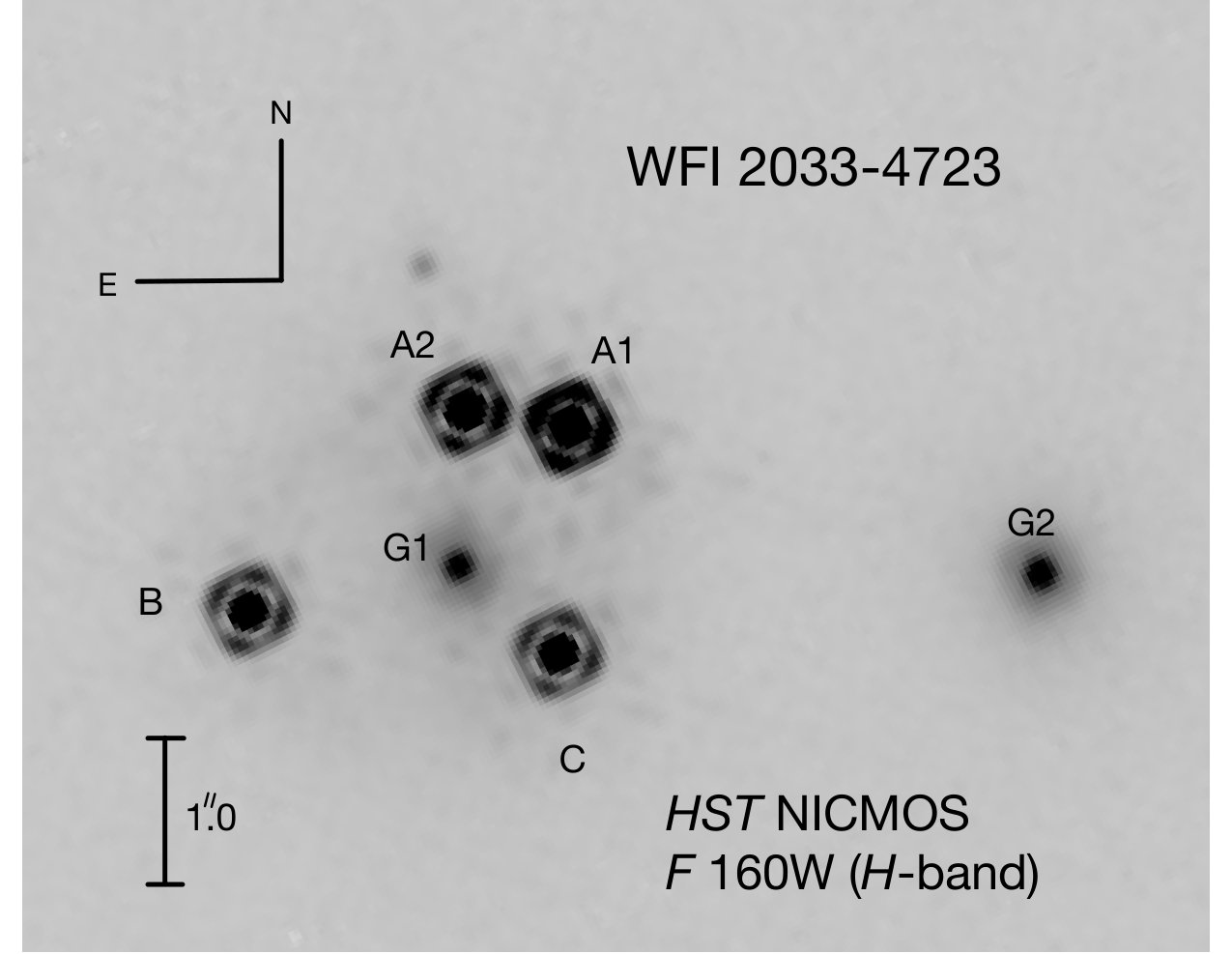 Figure 1
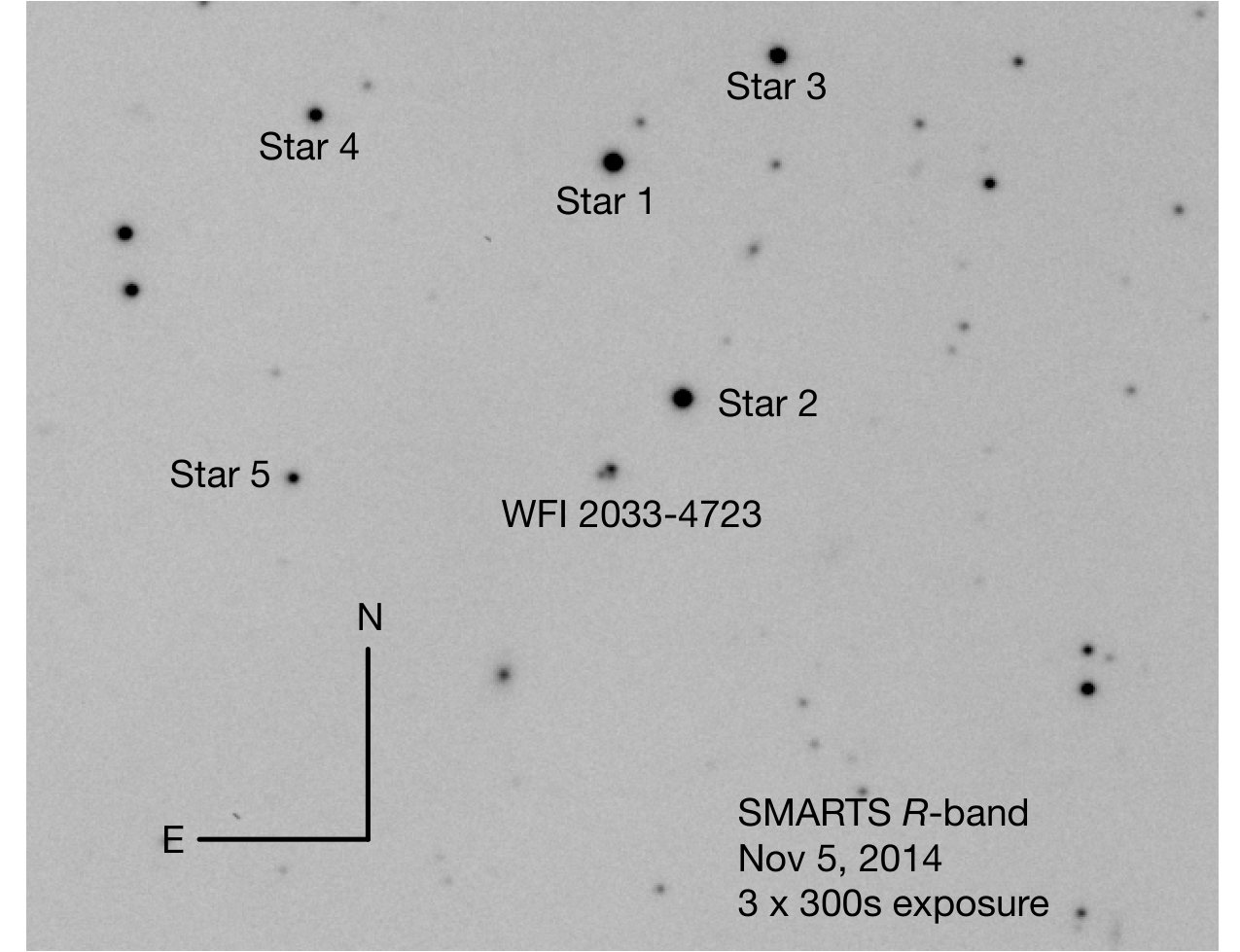 Figure 2
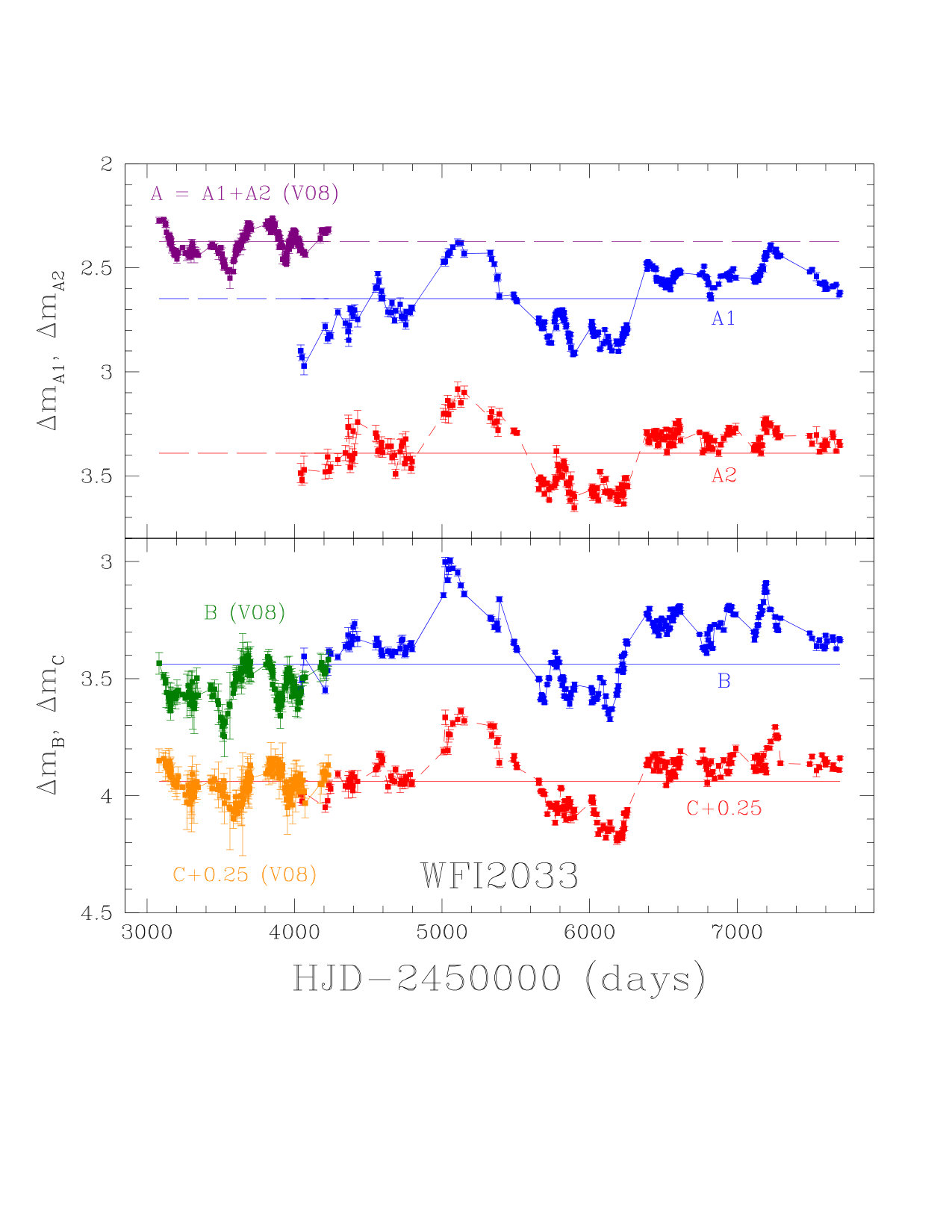 Figure 3
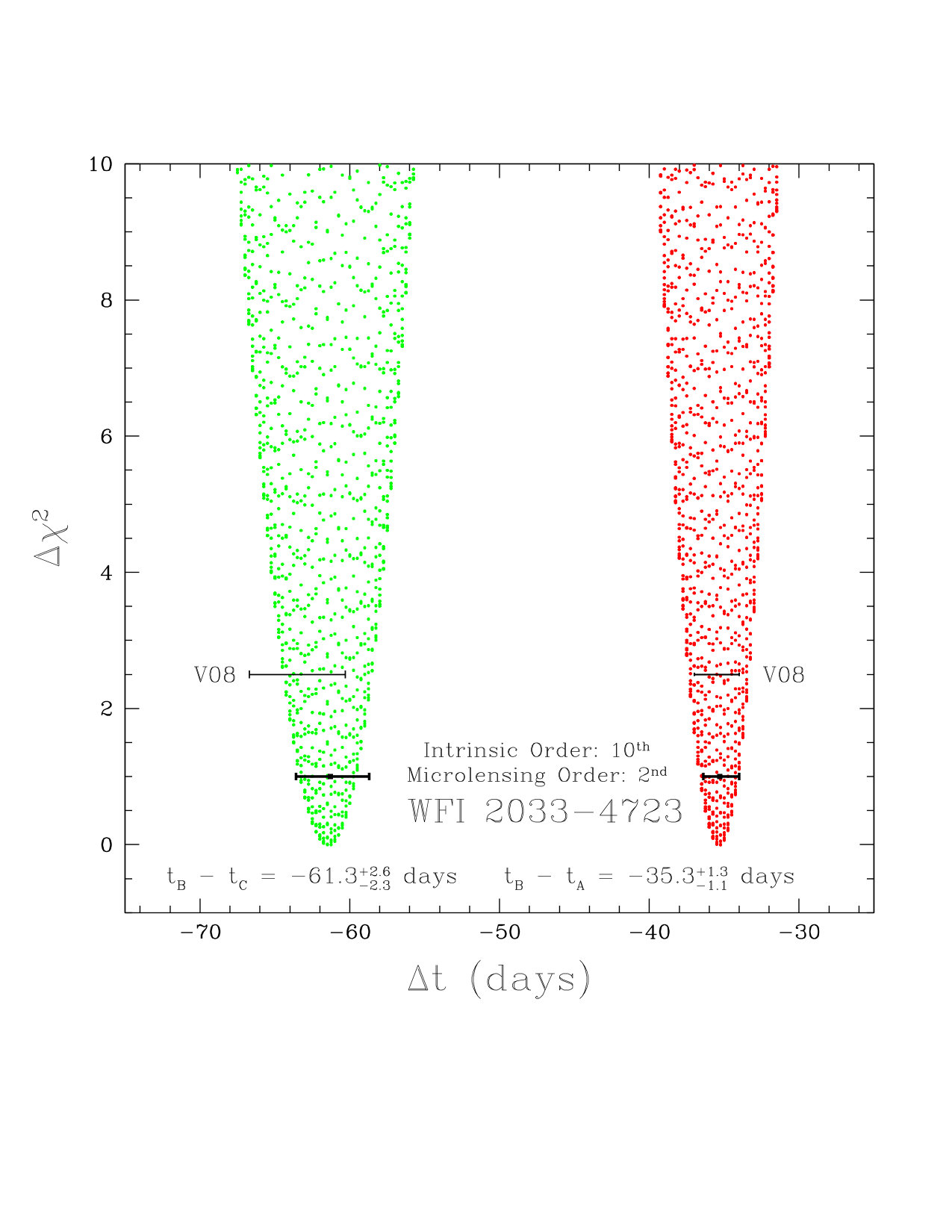 Figure 4
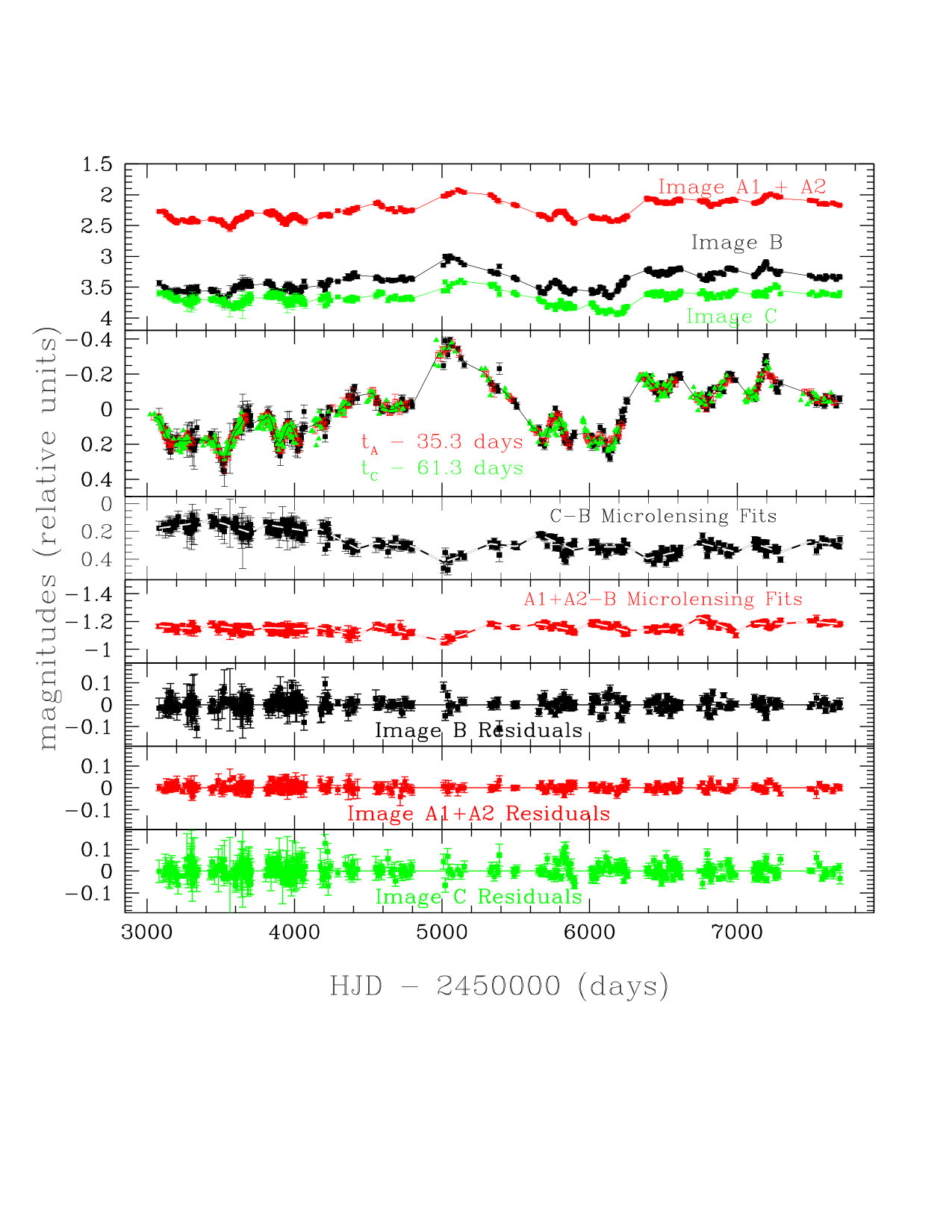 Figure 5
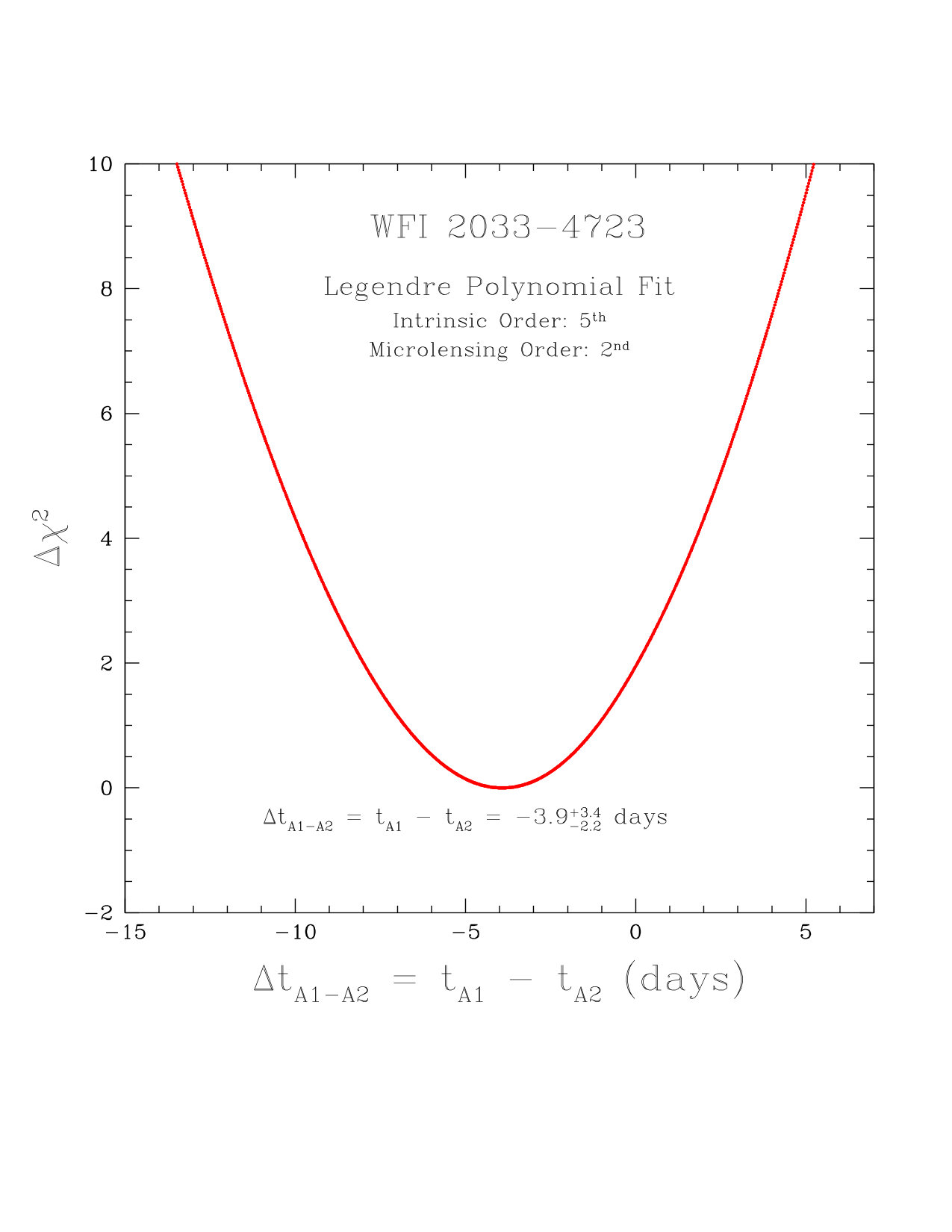 Figure 6
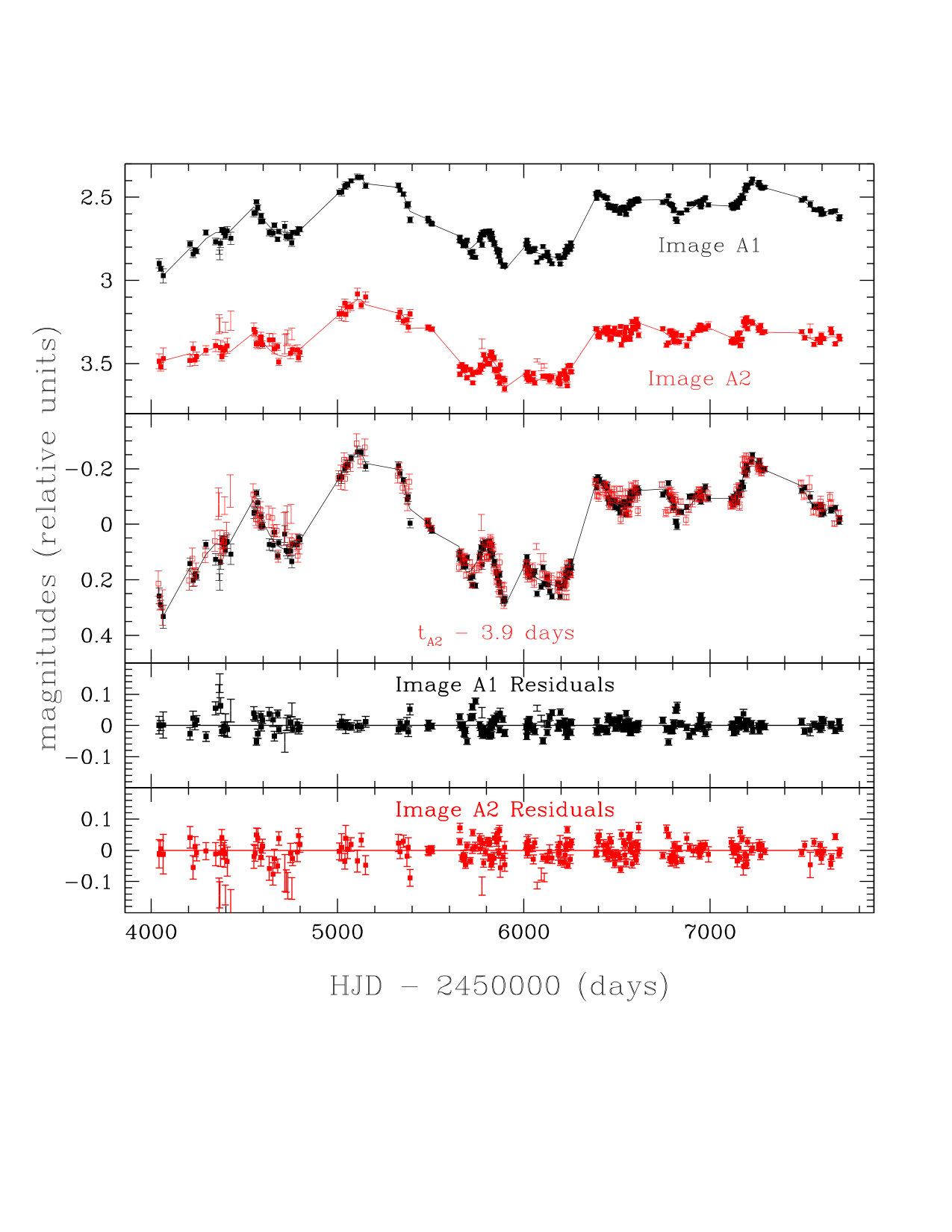 Figure 7
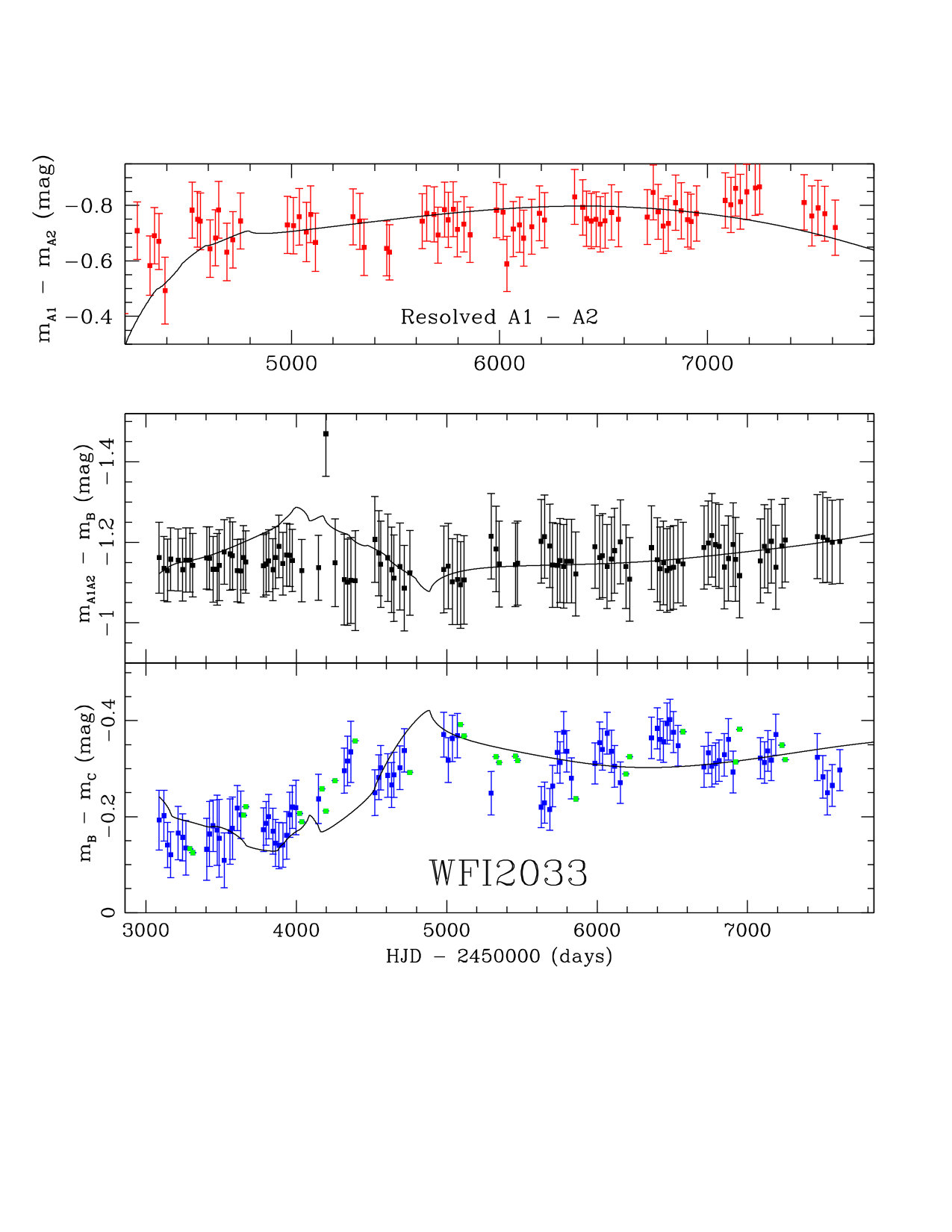 Figure 8
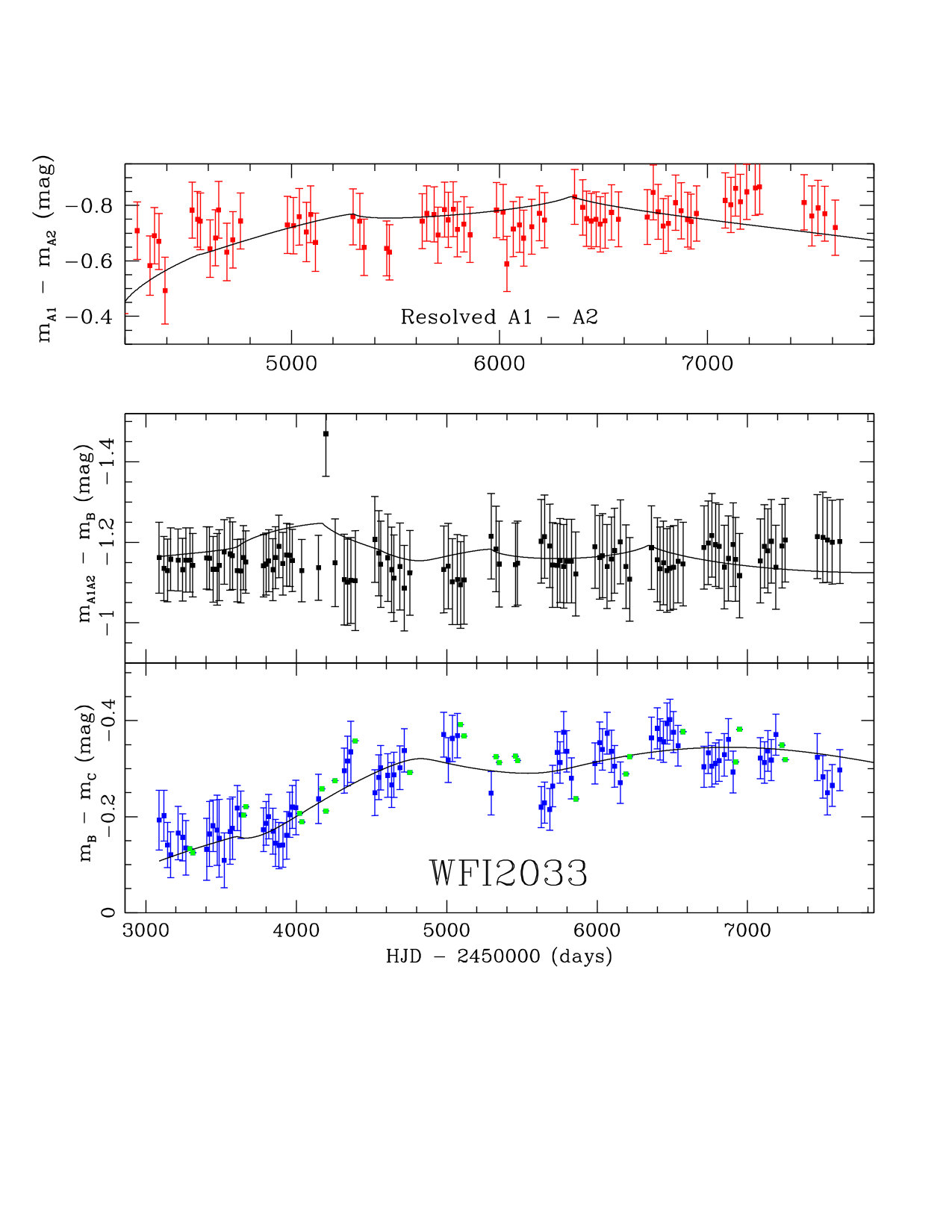 Figure 9
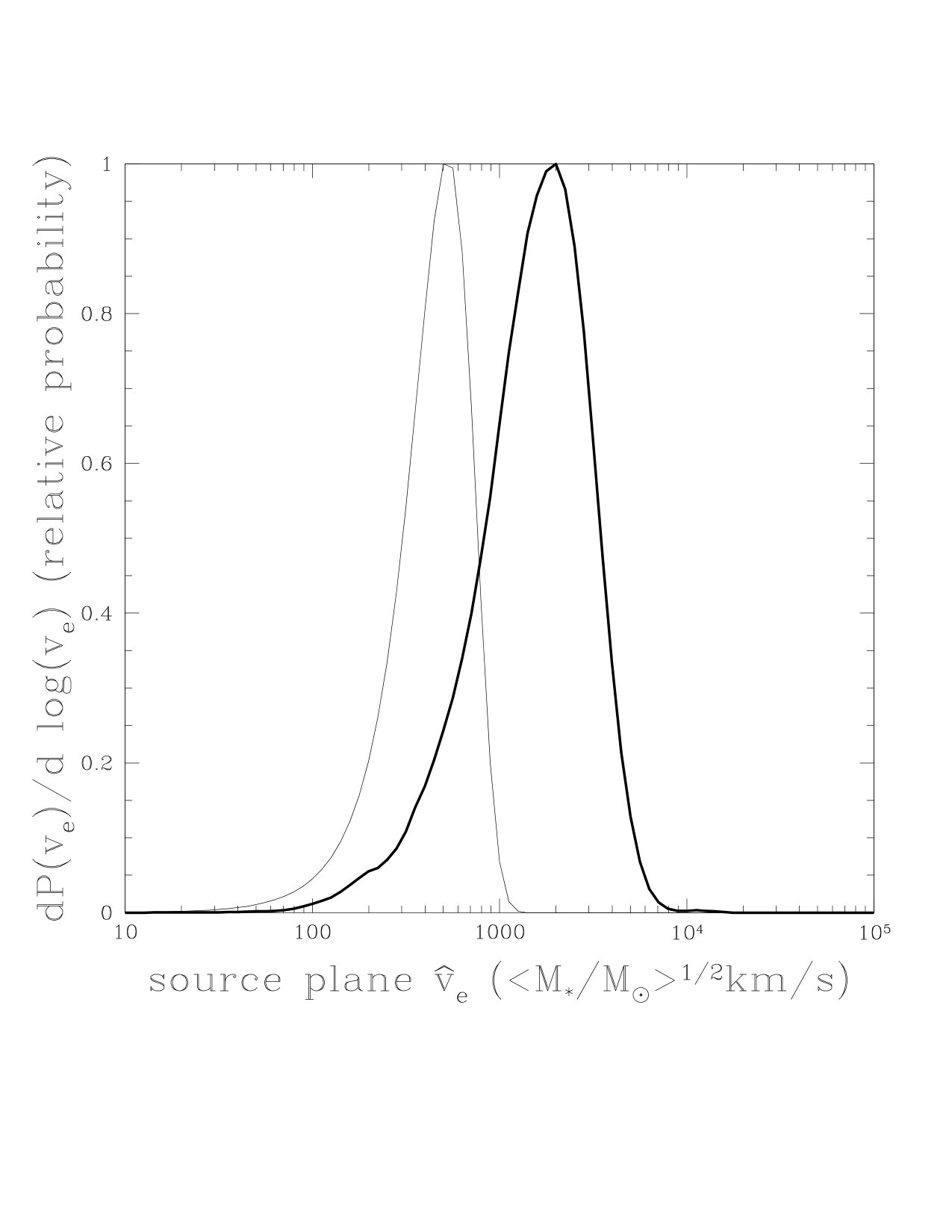 Figure 10
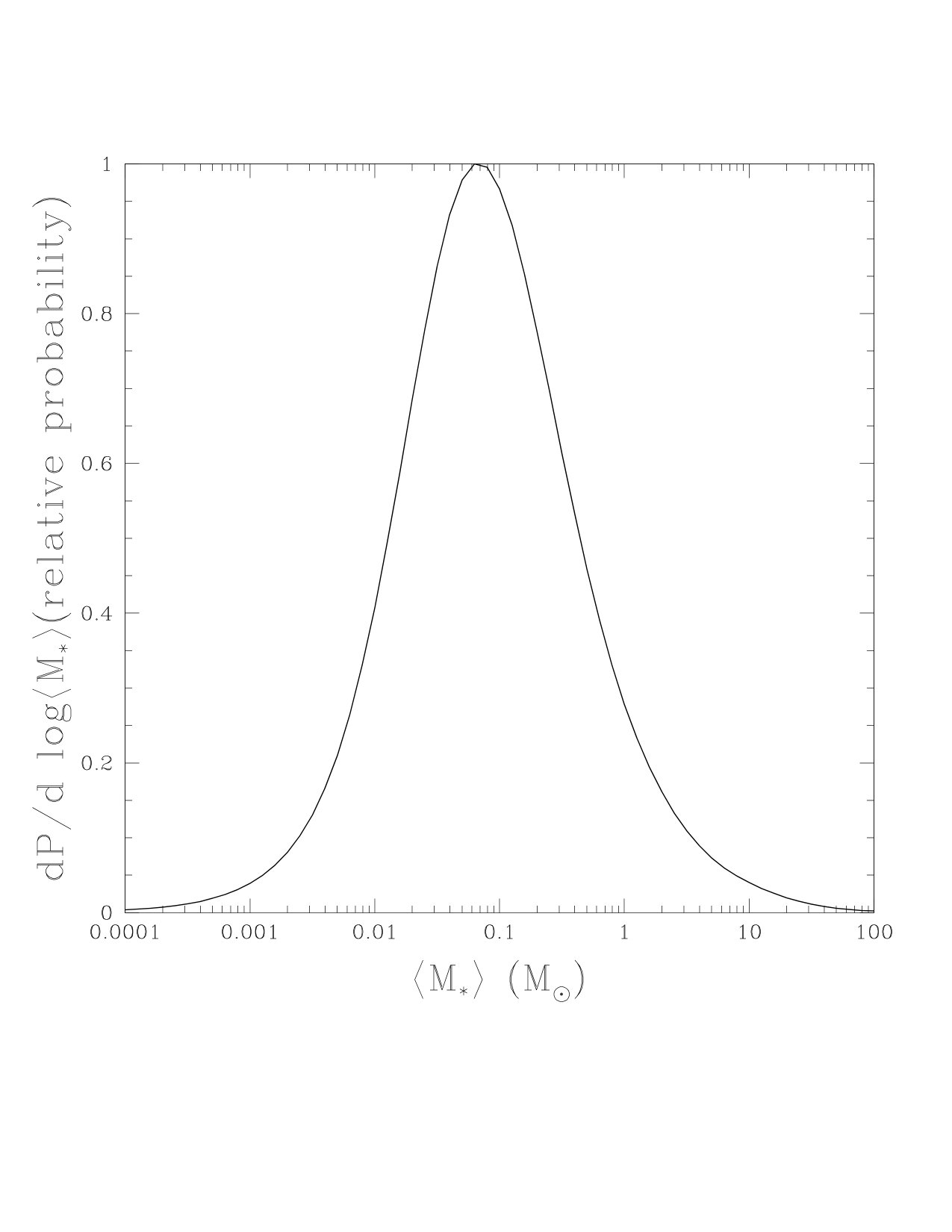 Figure 11
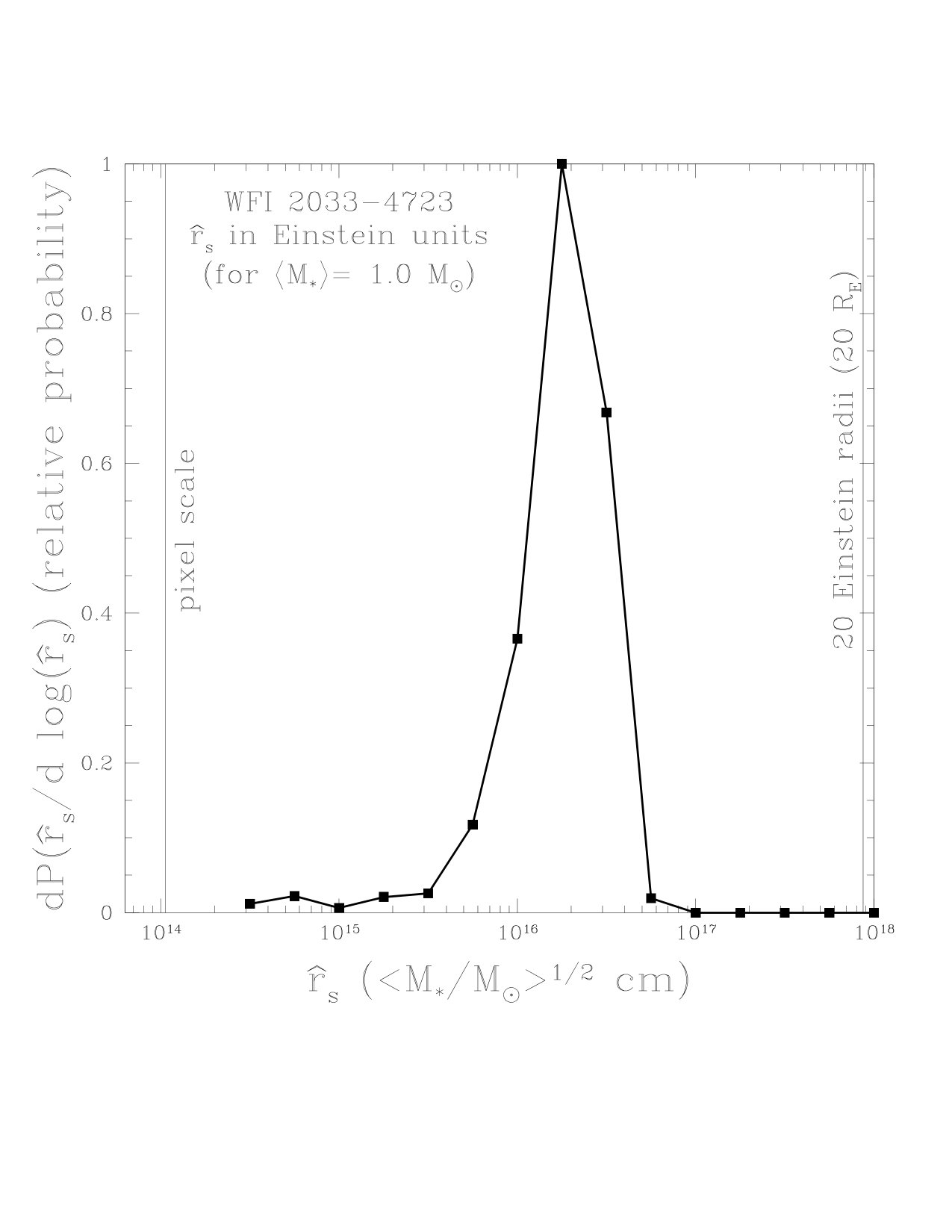 Figure 12
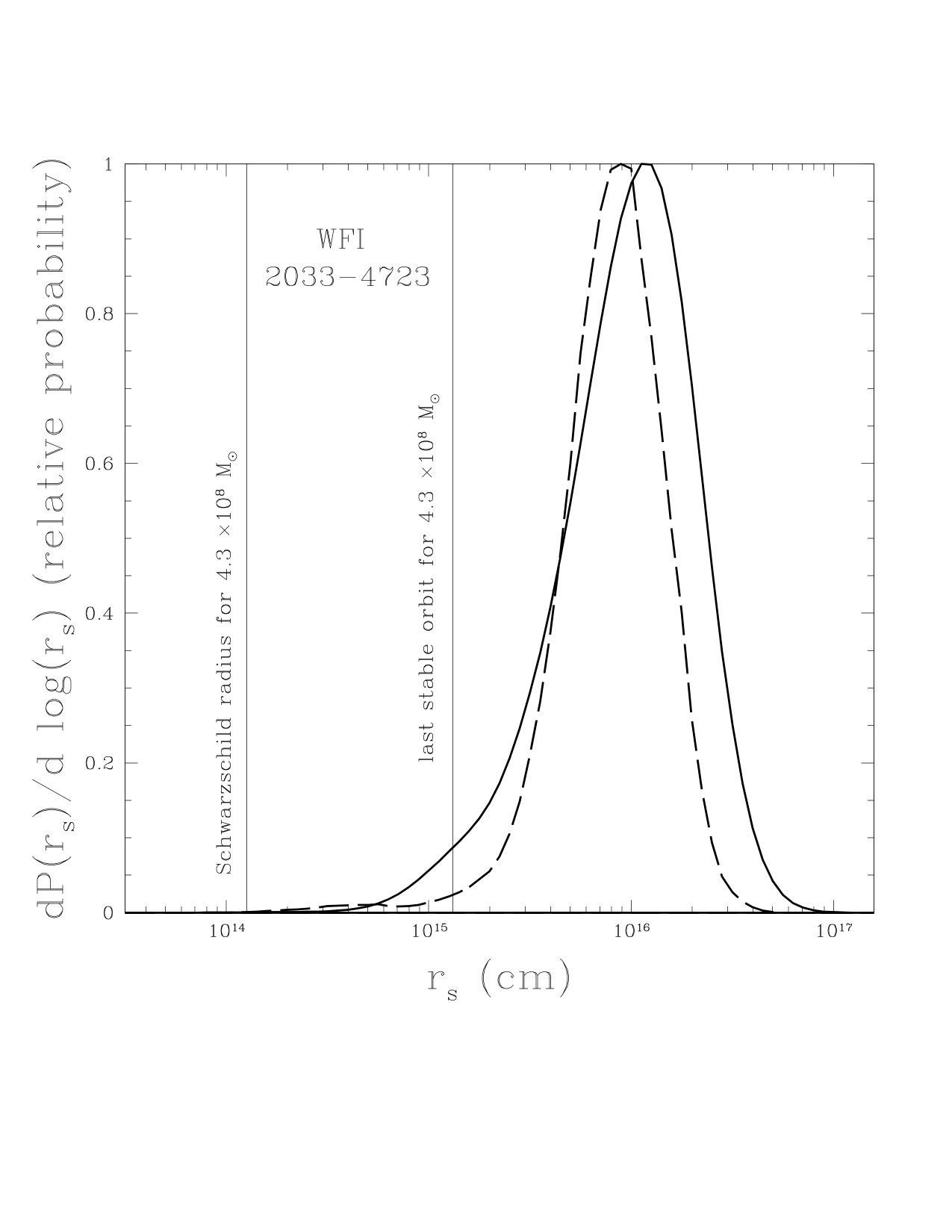 Figure 13
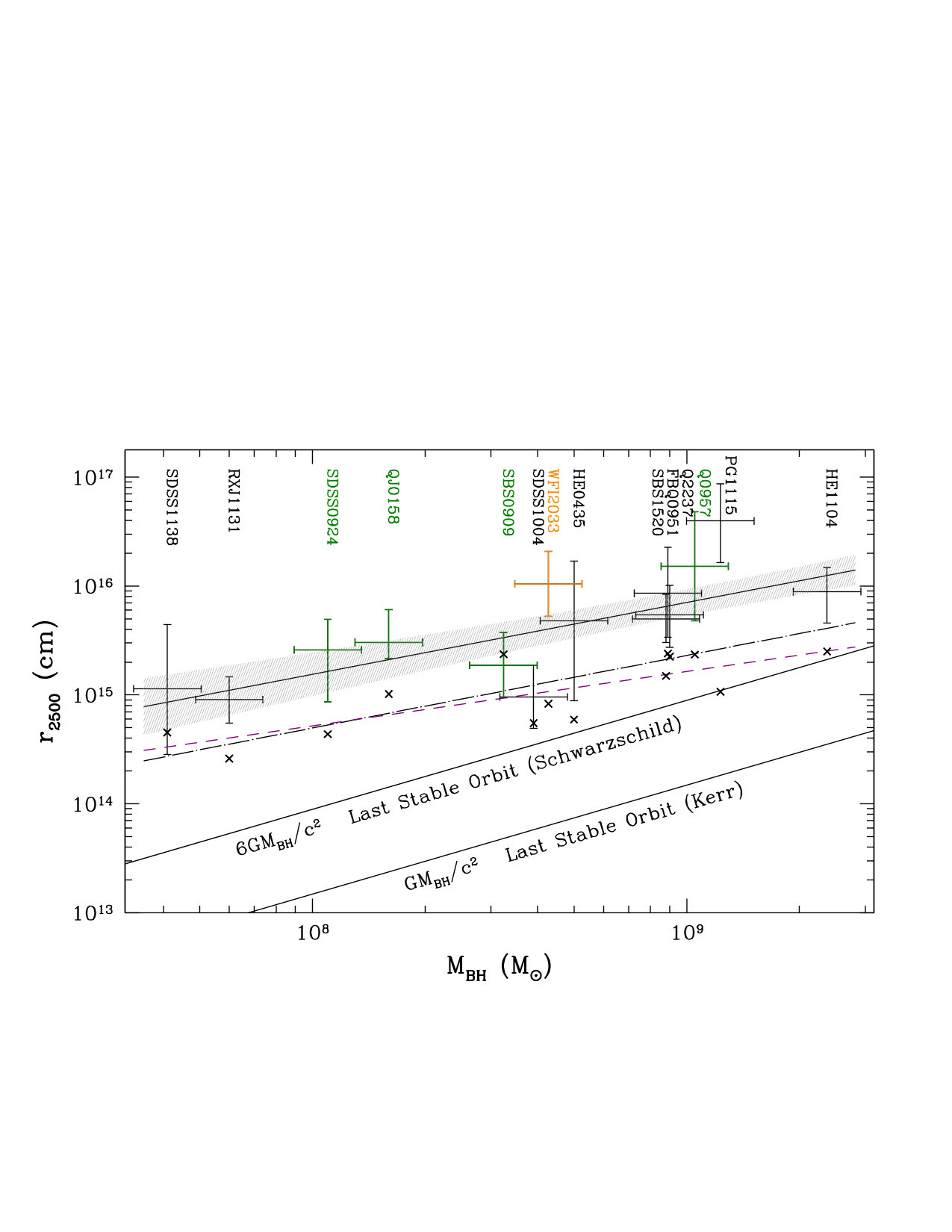 Figure 14
Peer Reviews
No public reviews on file for this paper yet. If you reviewed it on a platform where reviews are public (OpenReview, ICLR, NeurIPS, ICML), you can paste yours below so the community can read it here.
Videos
No videos yet. Explain this paper in a talk, walkthrough, or lecture? Add one.