A numerical study on reaction-induced radial fingering instability
Vandita Sharma, Satyajit Pramanik, Ching-Yao Chen, Manoranjan, Mishra

TL;DR
This study numerically investigates how chemical reactions influence viscous fingering patterns in radial flows, revealing conditions under which instabilities occur or are suppressed, and highlighting geometric effects on the onset of fingering.
Contribution
It provides a detailed numerical analysis of reaction-induced viscous fingering in radial geometry, identifying stability regions and critical parameters, and compares these with existing rectilinear results.
Findings
Chemical reactions can suppress or promote fingering depending on viscosity contrasts.
A stability diagram in the $Da-R_c$ parameter space delineates stable and unstable regions.
Geometry significantly affects the onset and pattern of fingering instabilities.
Abstract
The dynamics of fronts is analyzed numerically in a radial geometry. We are interested to understand miscible fingering instabilities when the simple chemical reaction changes the viscosity of the fluid locally and a non-monotonic viscosity profile with a global maximum or minimum is formed. We consider viscosity-matched reactants and generating a product having different viscosity than the reactants. Depending on the effect of on the viscosity relative to the reactants, different viscous fingering (VF) patterns are captured which are in good qualitative agreement with the existing radial experiments. We have found that for a given chemical reaction rate, an unfavourable viscosity contrast is not always sufficient to trigger the instability. For every fixed , these effects of chemical reaction on VF are summarized in the parameter space…
Click any figure to enlarge with its caption.
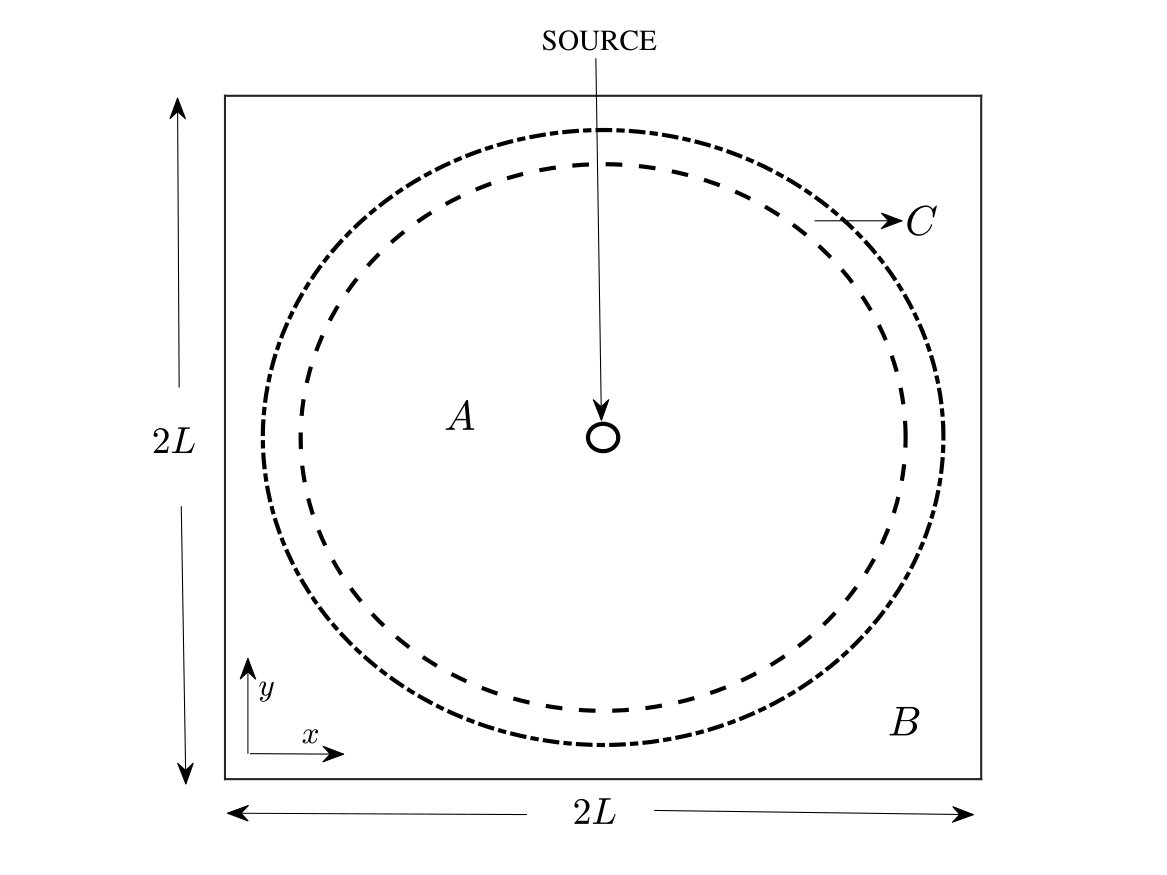 Figure 1
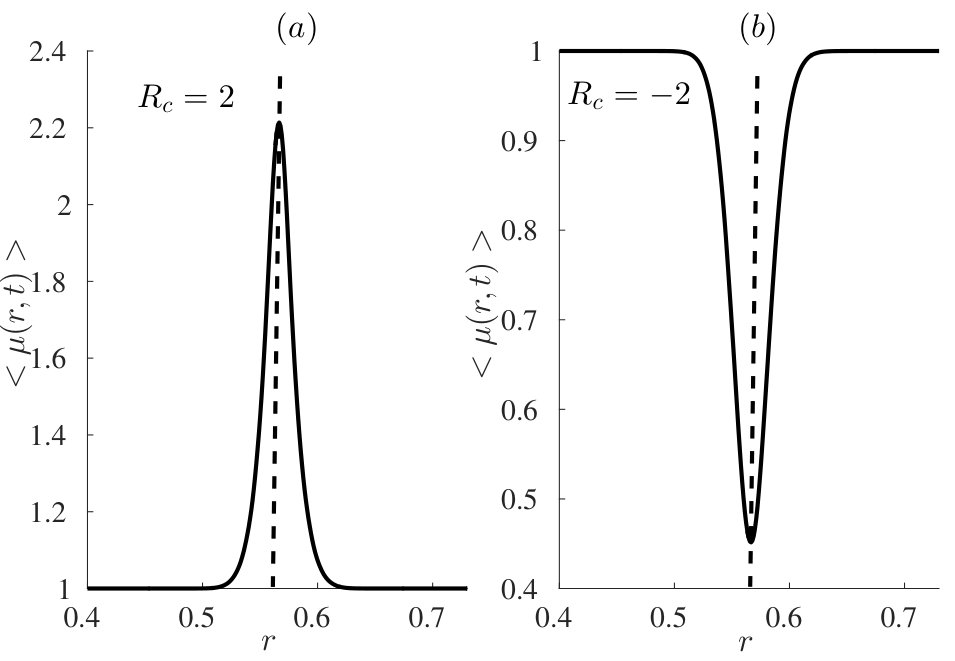 Figure 2
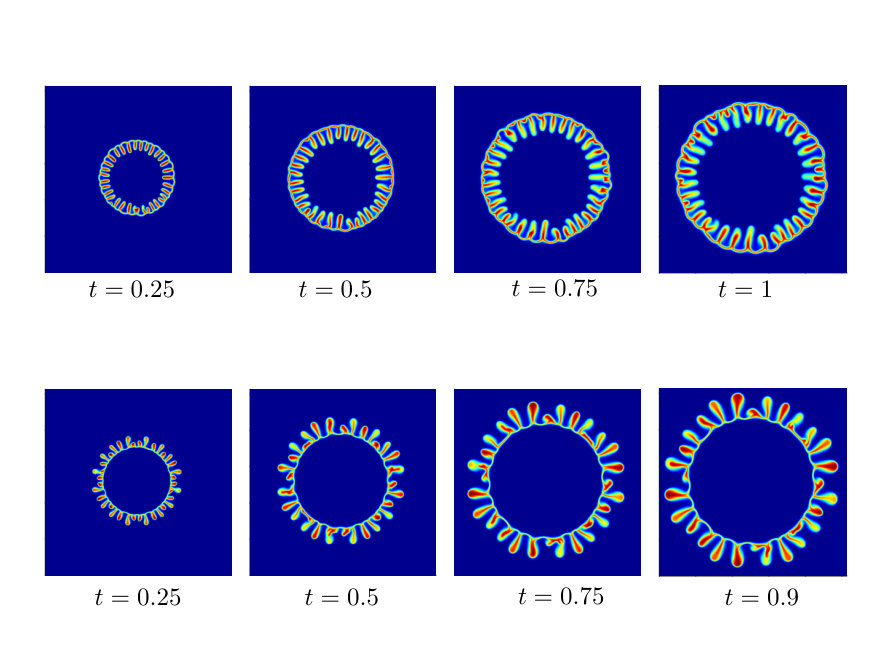 Figure 3
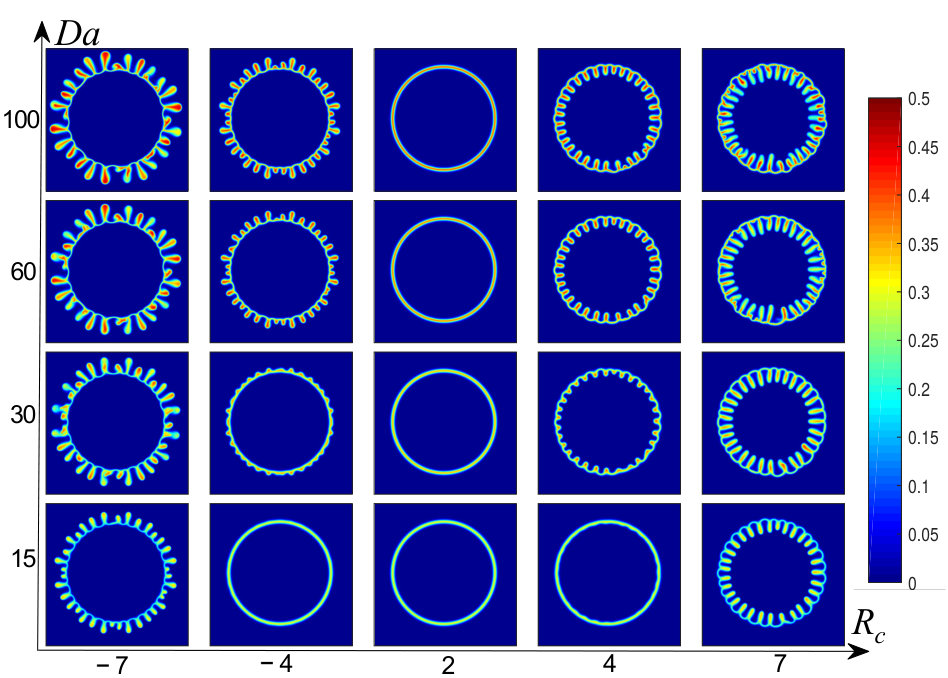 Figure 4
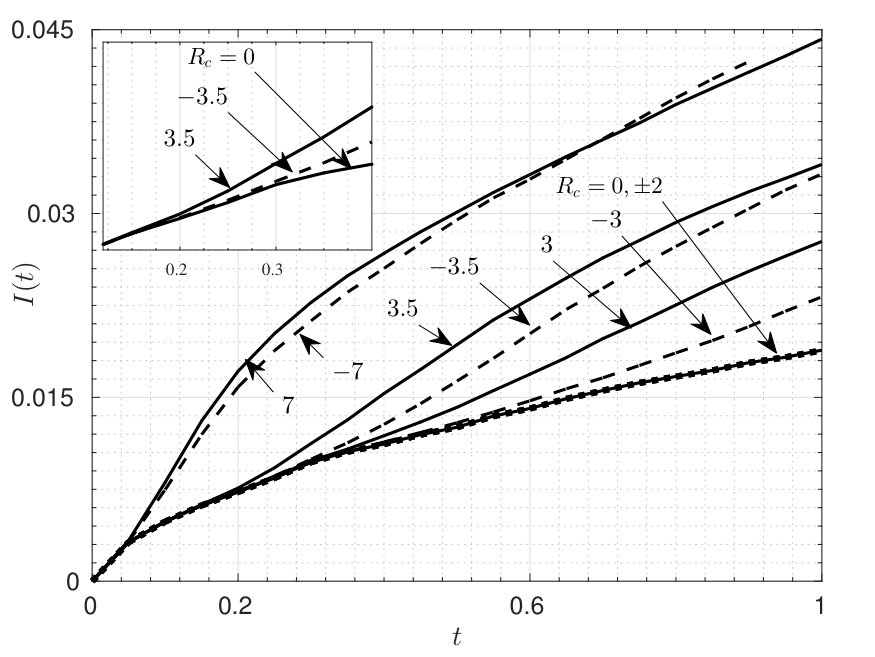 Figure 5
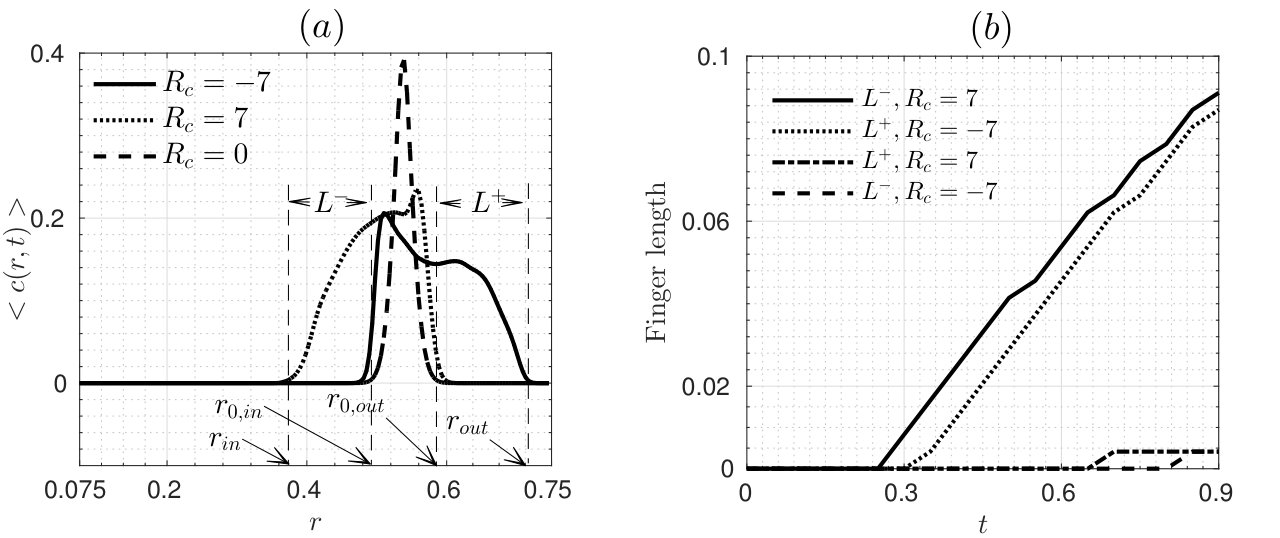 Figure 6
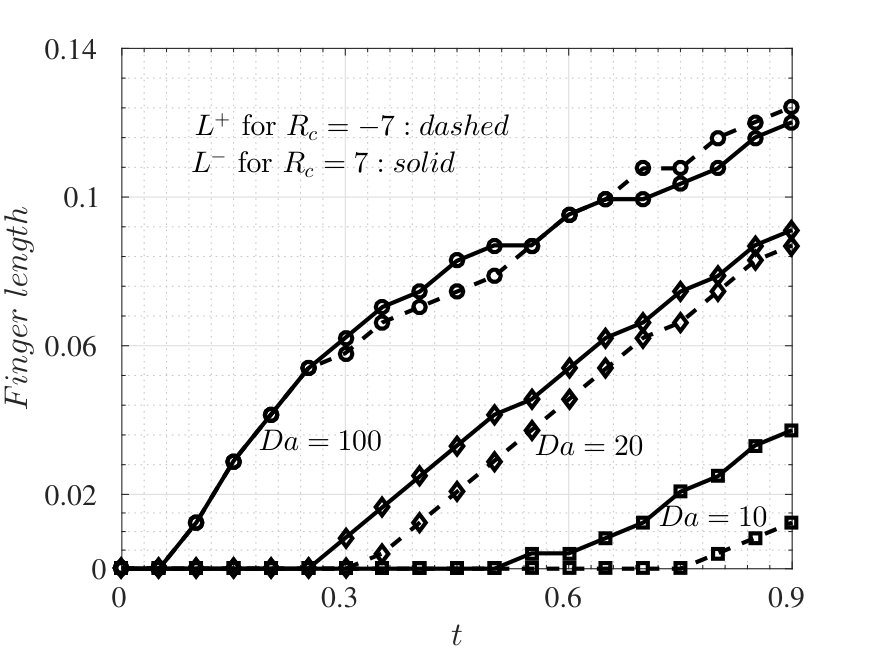 Figure 7
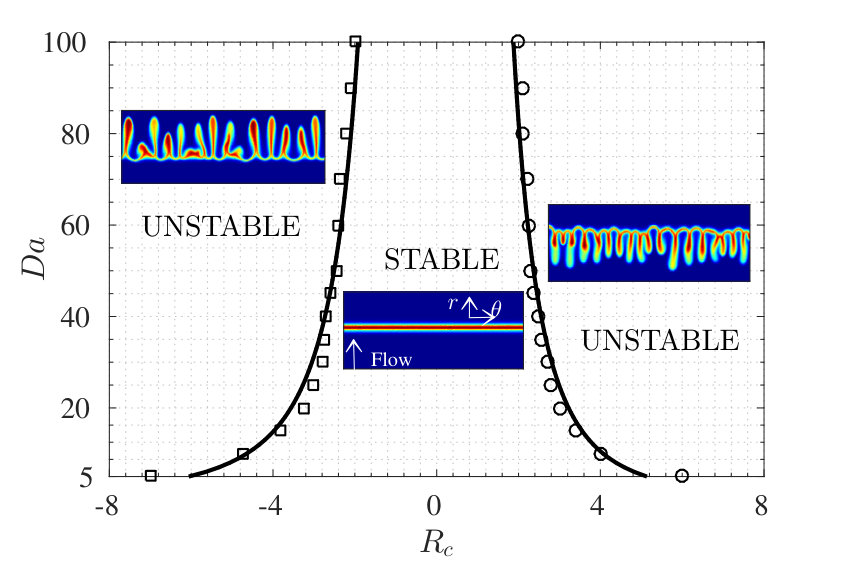 Figure 8
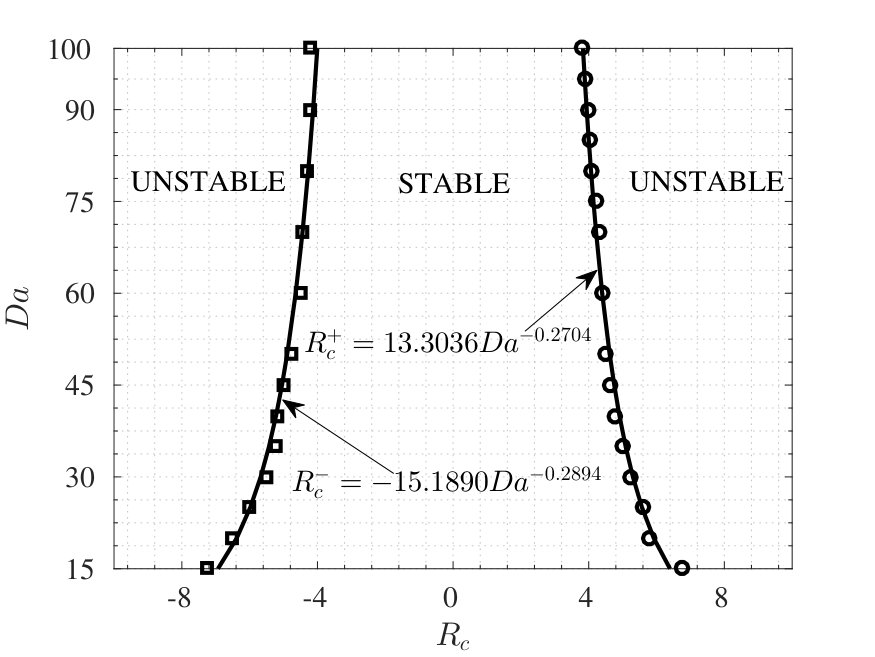 Figure 9
Peer Reviews
No public reviews on file for this paper yet. If you reviewed it on a platform where reviews are public (OpenReview, ICLR, NeurIPS, ICML), you can paste yours below so the community can read it here.
Videos
No videos yet. Explain this paper in a talk, walkthrough, or lecture? Add one.