Topologically Trivial Closed Walks in Directed Surface Graphs
Jeff Erickson, Yipu Wang

TL;DR
This paper develops efficient algorithms for detecting and computing contractible and bounding closed walks in directed surface graphs, revealing complexity results and polynomial-time solutions for specific surface types.
Contribution
It introduces new algorithms for identifying and computing topologically trivial closed walks in directed surface graphs, with complexity analyses and NP-hardness proofs.
Findings
Algorithms for simple contractible cycle detection in O(n+m) time
Algorithms for contractible closed walks in O(n+m) time
NP-hardness of detecting simple bounding cycles
Abstract
Let be a directed graph with vertices and edges, embedded on a surface , possibly with boundary, with first Betti number . We consider the complexity of finding closed directed walks in that are either contractible (trivial in homotopy) or bounding (trivial in integer homology) in . Specifically, we describe algorithms to determine whether contains a simple contractible cycle in time, or a contractible closed walk in time, or a bounding closed walk in time. Our algorithms rely on subtle relationships between strong connectivity in and in the dual graph ; our contractible-closed-walk algorithm also relies on a seminal topological result of Hass and Scott. We also prove that detecting simple bounding cycles is NP-hard. We also describe three polynomial-time algorithms to compute shortest contractible closed…
Click any figure to enlarge with its caption.
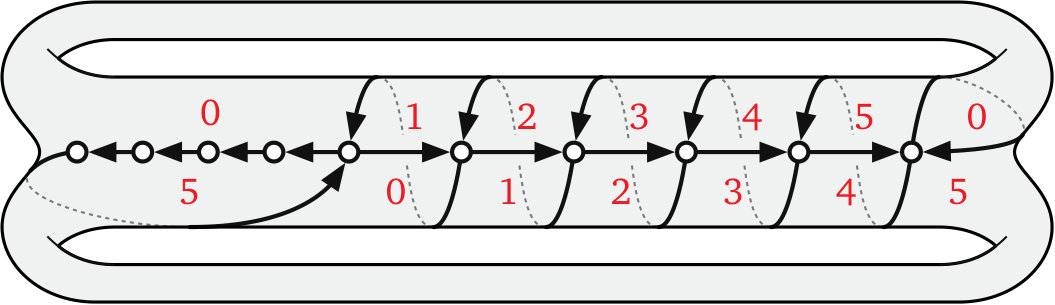 Figure 2
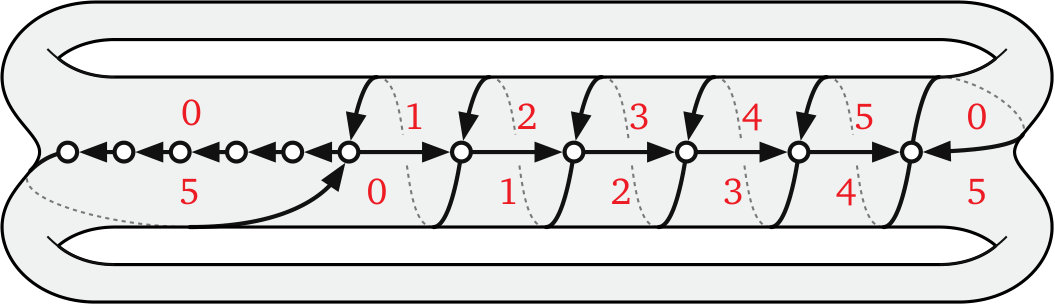 Figure 2
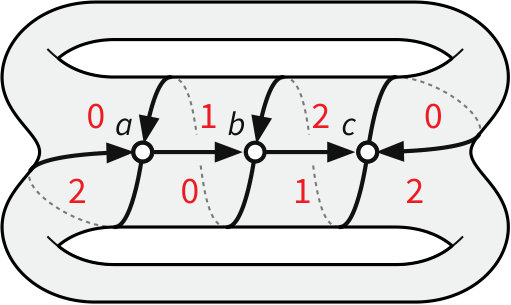 Figure 2
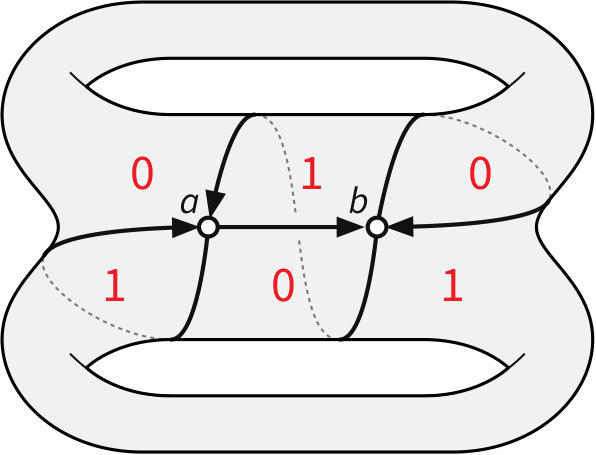 Figure 2
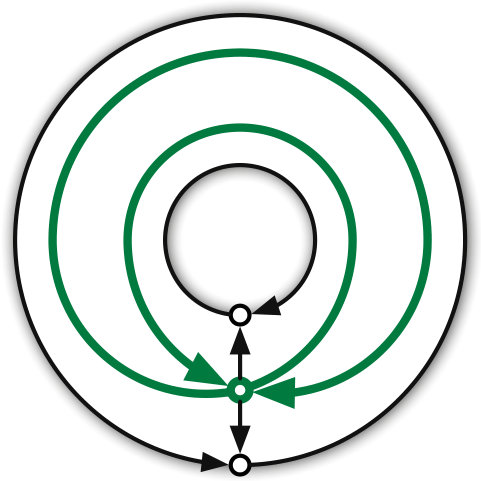 Figure 5
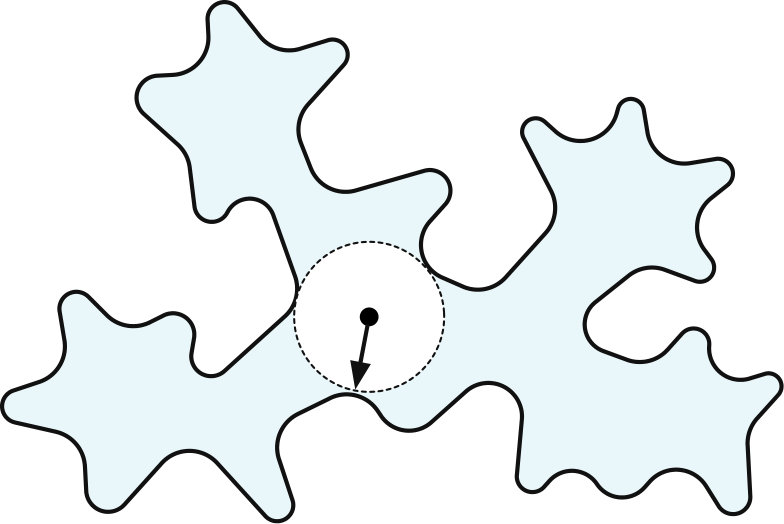 Figure 6
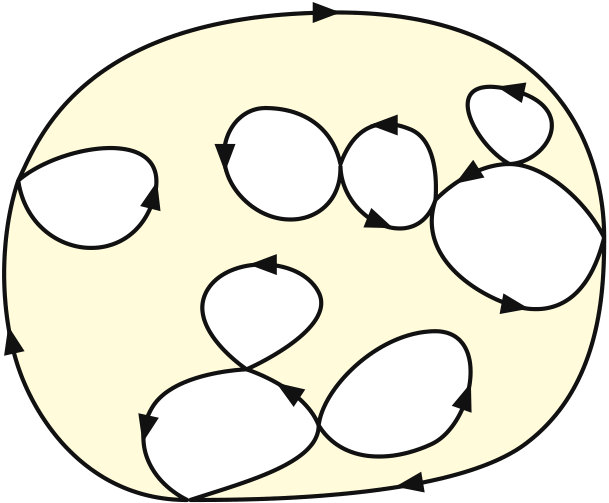 Figure 7
 Figure 8
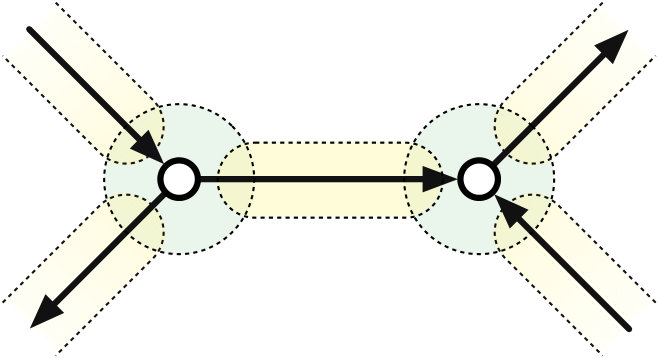 Figure 9
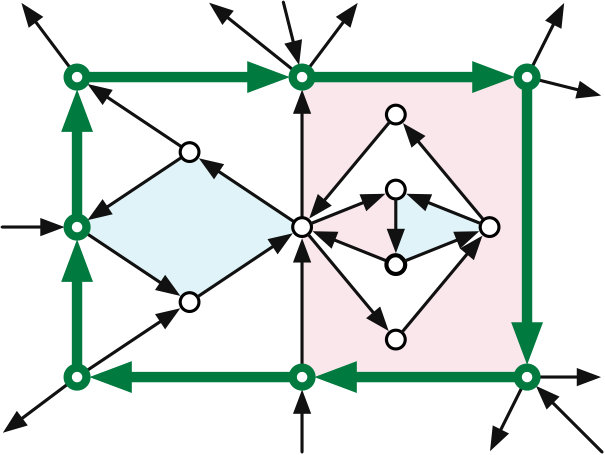 Figure 10
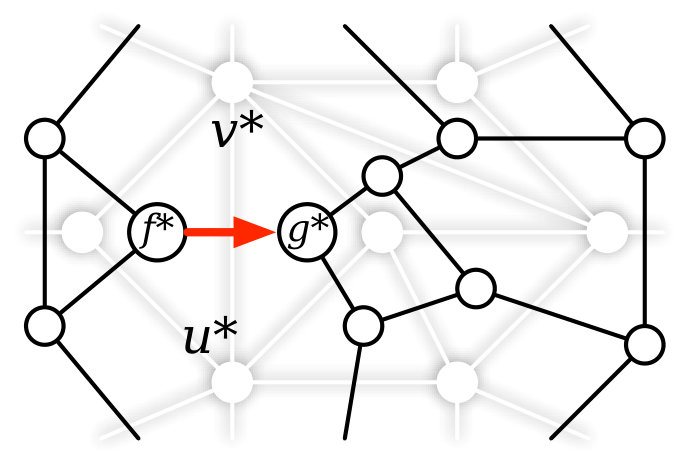 Figure 11
 Figure 12
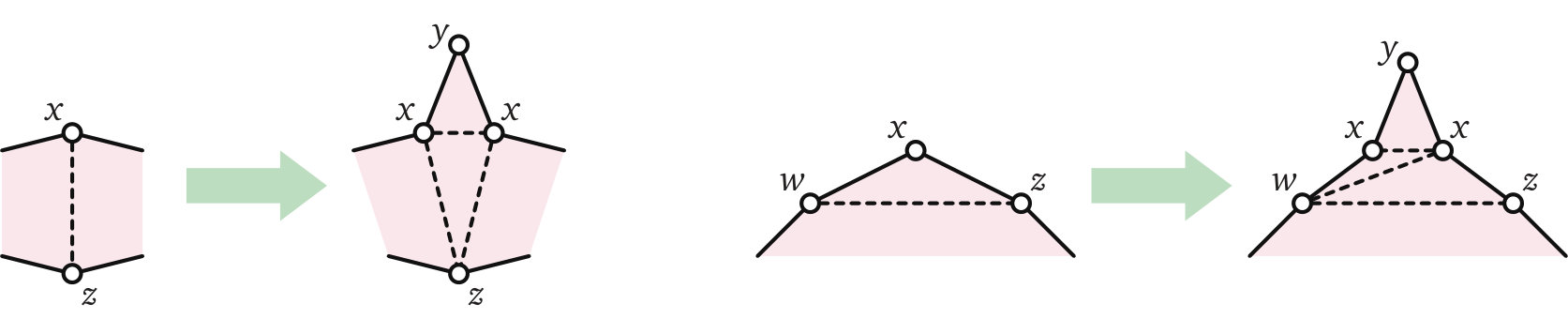 Figure 13
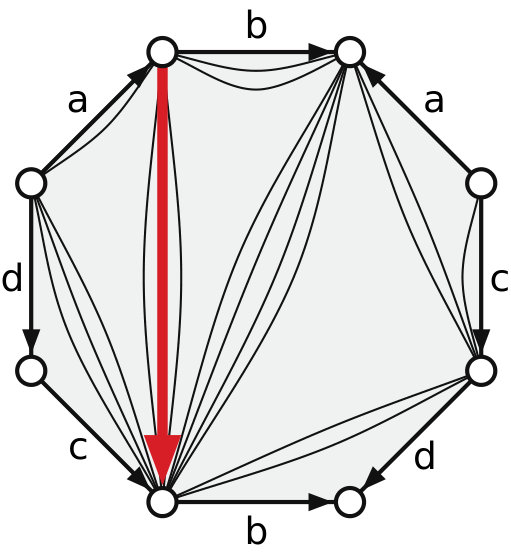 Figure 14
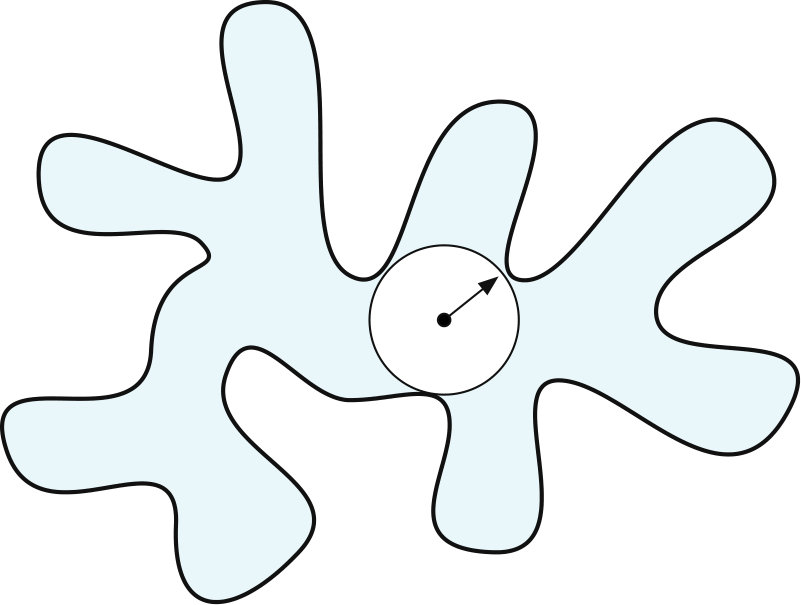 Figure 15
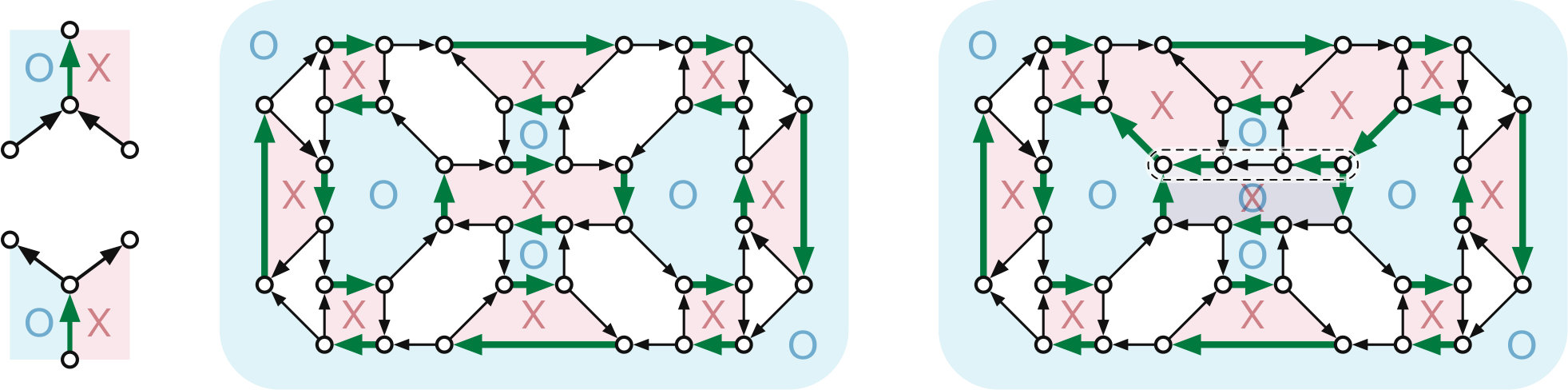 Figure 16
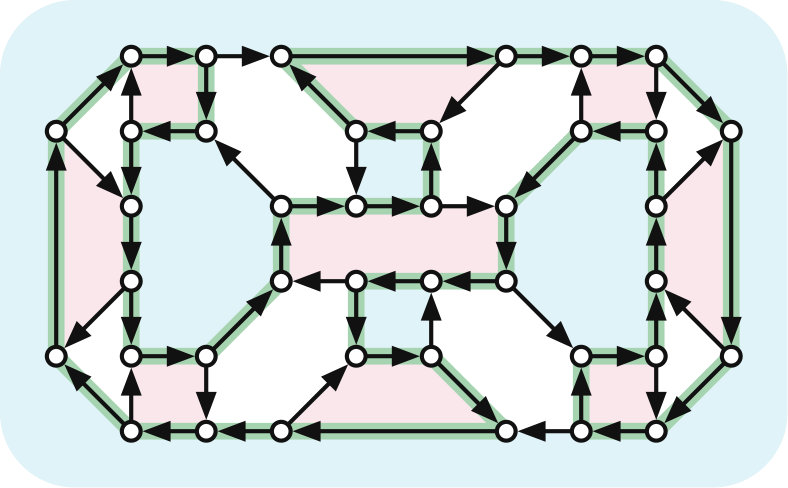 Figure 17
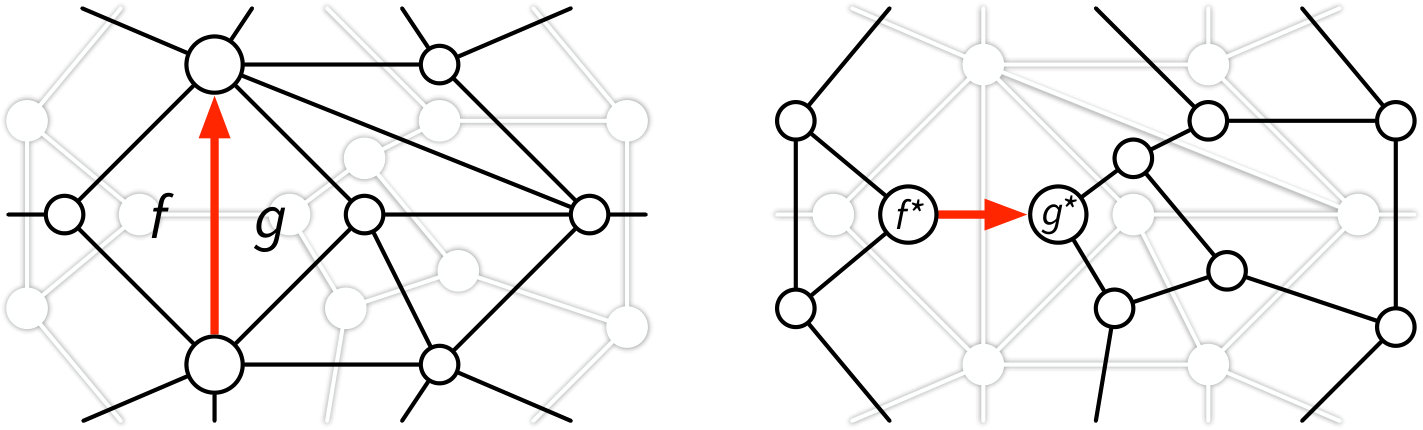 Figure 18
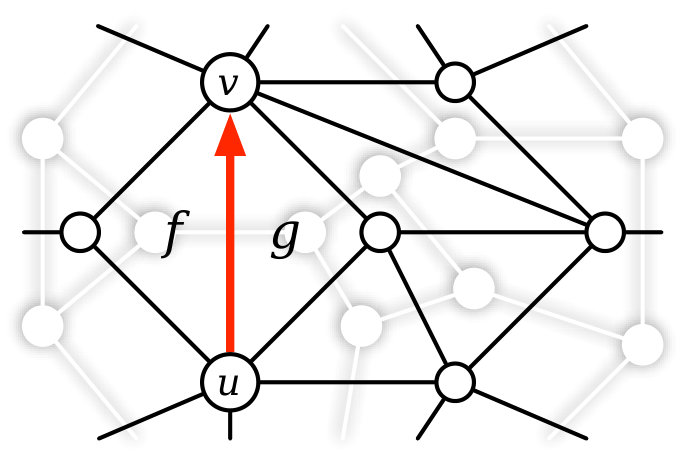 Figure 19
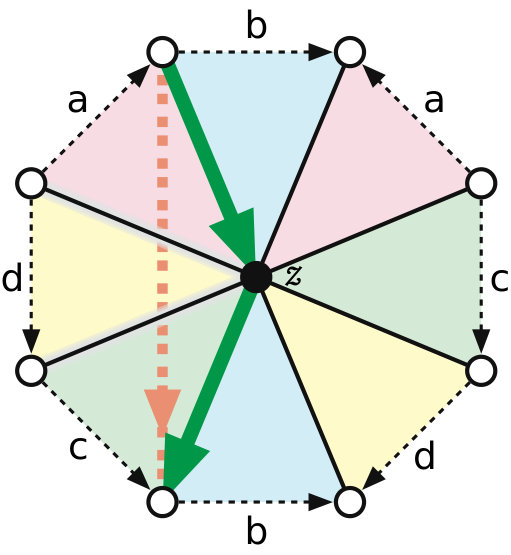 Figure 20
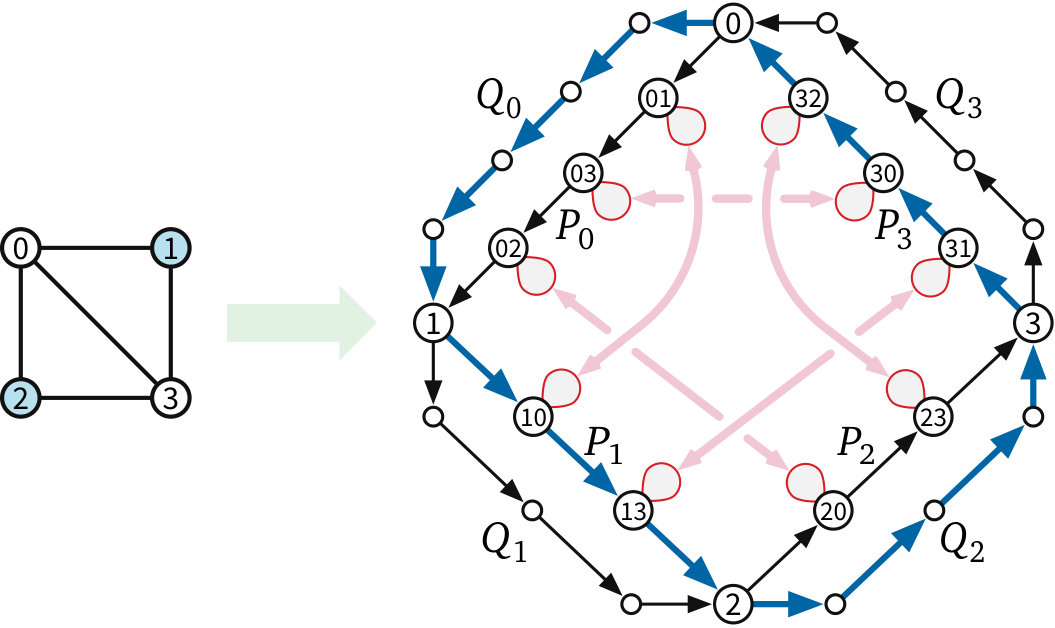 Figure 21
 Figure 22
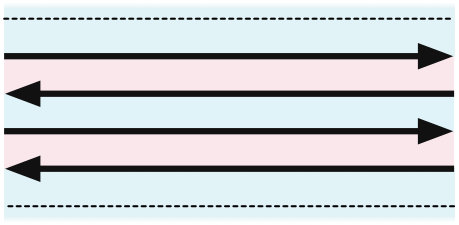 Figure 23
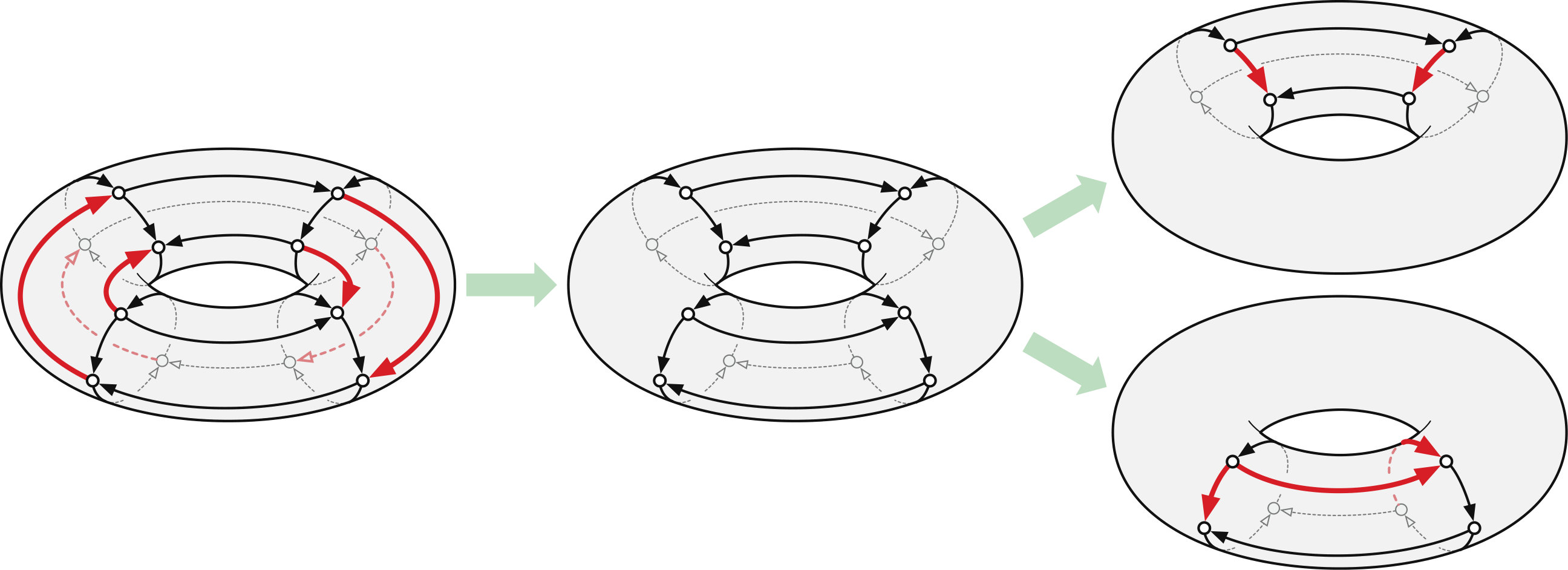 Figure 24
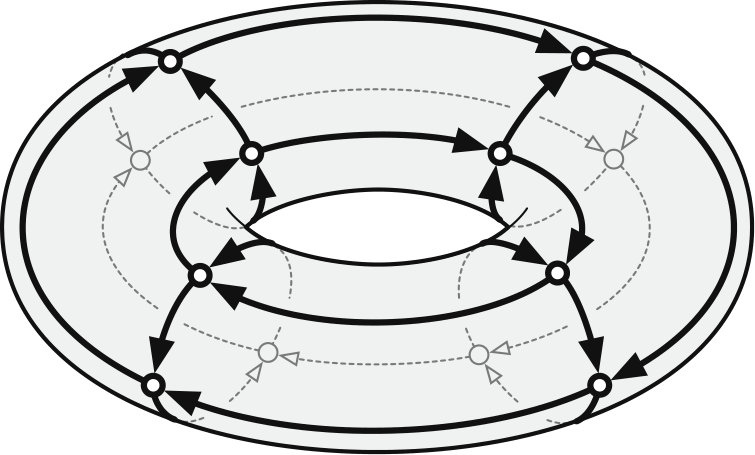 Figure 25
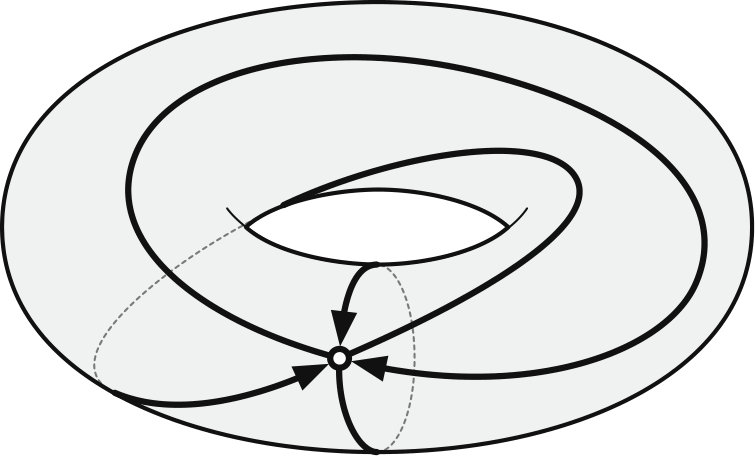 Figure 26
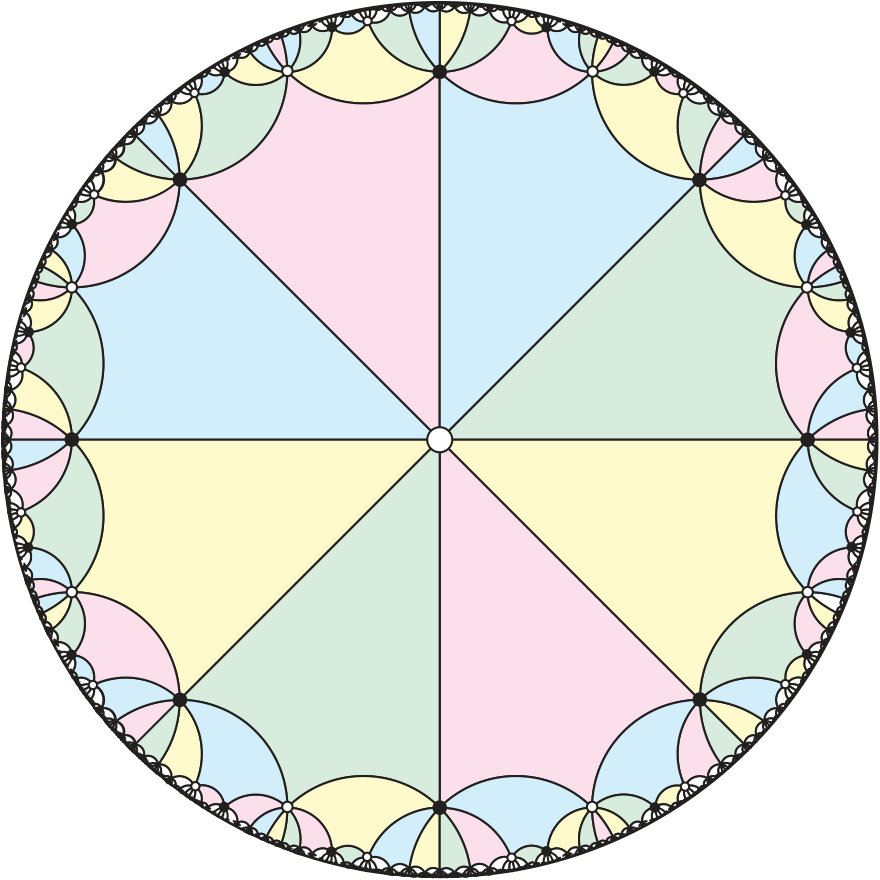 Figure 27
Peer Reviews
No public reviews on file for this paper yet. If you reviewed it on a platform where reviews are public (OpenReview, ICLR, NeurIPS, ICML), you can paste yours below so the community can read it here.
Videos
No videos yet. Explain this paper in a talk, walkthrough, or lecture? Add one.
Taxonomy
TopicsAlgorithms and Data Compression · semigroups and automata theory · Advanced Combinatorial Mathematics