The Rare and Forbidden: Testing Physics Beyond the Standard Model with Mu3e
Ann-Kathrin Perrevoort (on behalf of the Mu3e Collaboration)

TL;DR
The Mu3e experiment aims to detect rare muon decays with unprecedented sensitivity, utilizing innovative ultra-thin silicon sensors to explore physics beyond the Standard Model, including lepton flavor violation and dark photon signatures.
Contribution
This paper introduces the Mu3e experimental design and simulation studies demonstrating its potential to observe rare decay processes and search for new physics beyond the Standard Model.
Findings
Feasibility of background-free operation confirmed by simulations
Projected sensitivity of 10^{-15} for lepton flavor violating decays
Potential to detect dark photon signatures and other beyond Standard Model phenomena
Abstract
The upcoming Mu3e experiment aims to search for the lepton flavour violating decay with an unprecedented final sensitivity of one signal decay in observed muon decays by making use of an innovative experimental design based on novel ultra-thin silicon pixel sensors. In a first phase, the experiment is operated at an existing muon beam line with rates of up to muons per second. Detailed simulation studies confirm the feasibility of background-free operation and project single event sensitivities in the order of for signal decays modelled in an effective field theory approach. The precise tracking of the decay electrons and large geometric and momentum acceptance of Mu3e enable searches for physics beyond the Standard Model in further signatures. Examples of which are searches for lepton flavour violating two-body decays of the muon into…
Click any figure to enlarge with its caption.
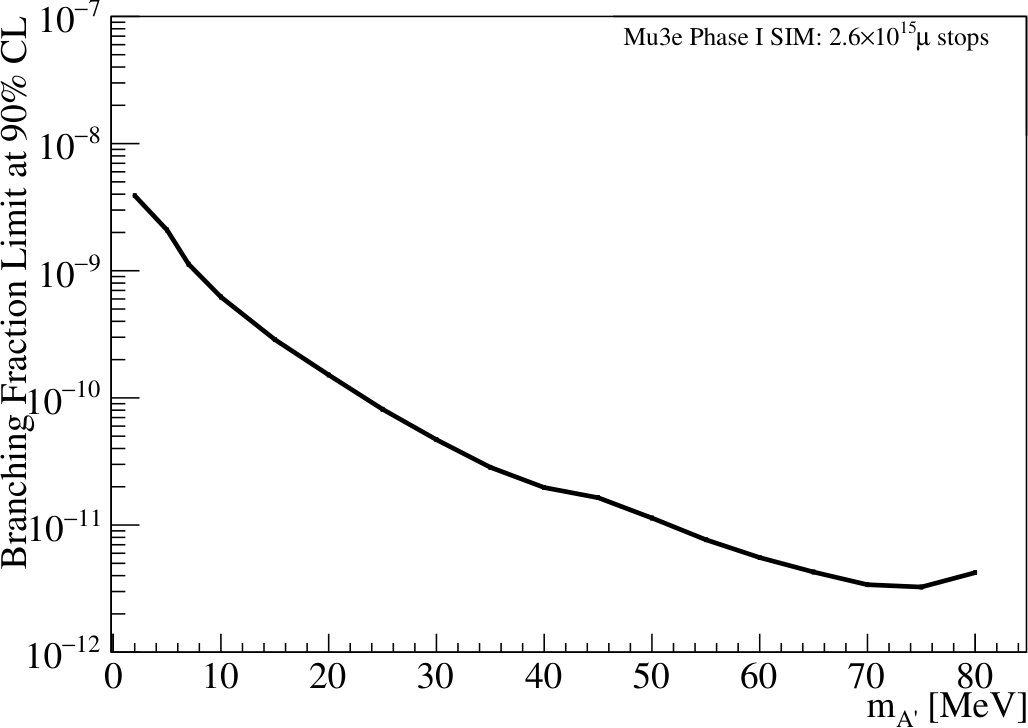 Figure 1
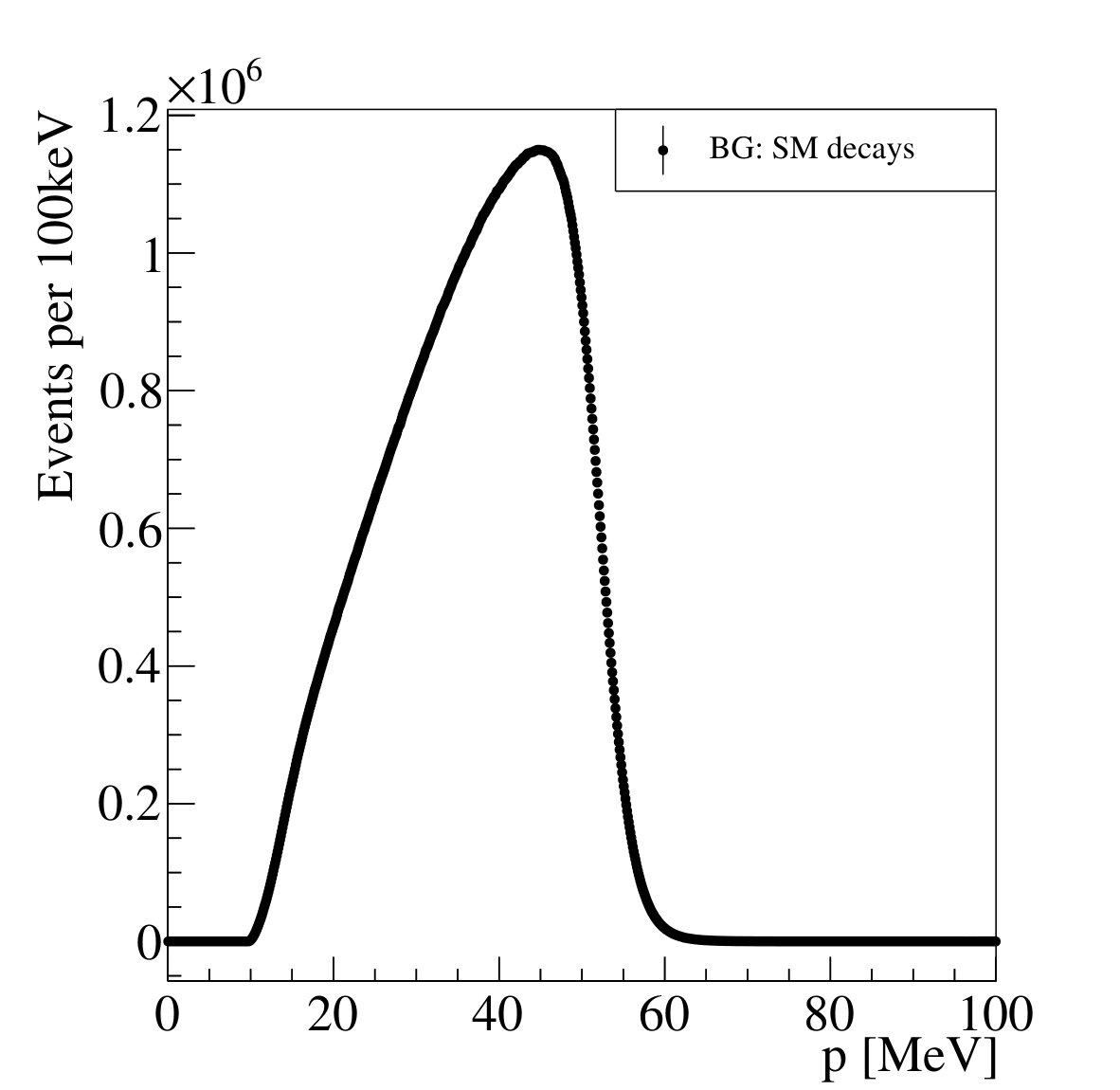 Figure 2
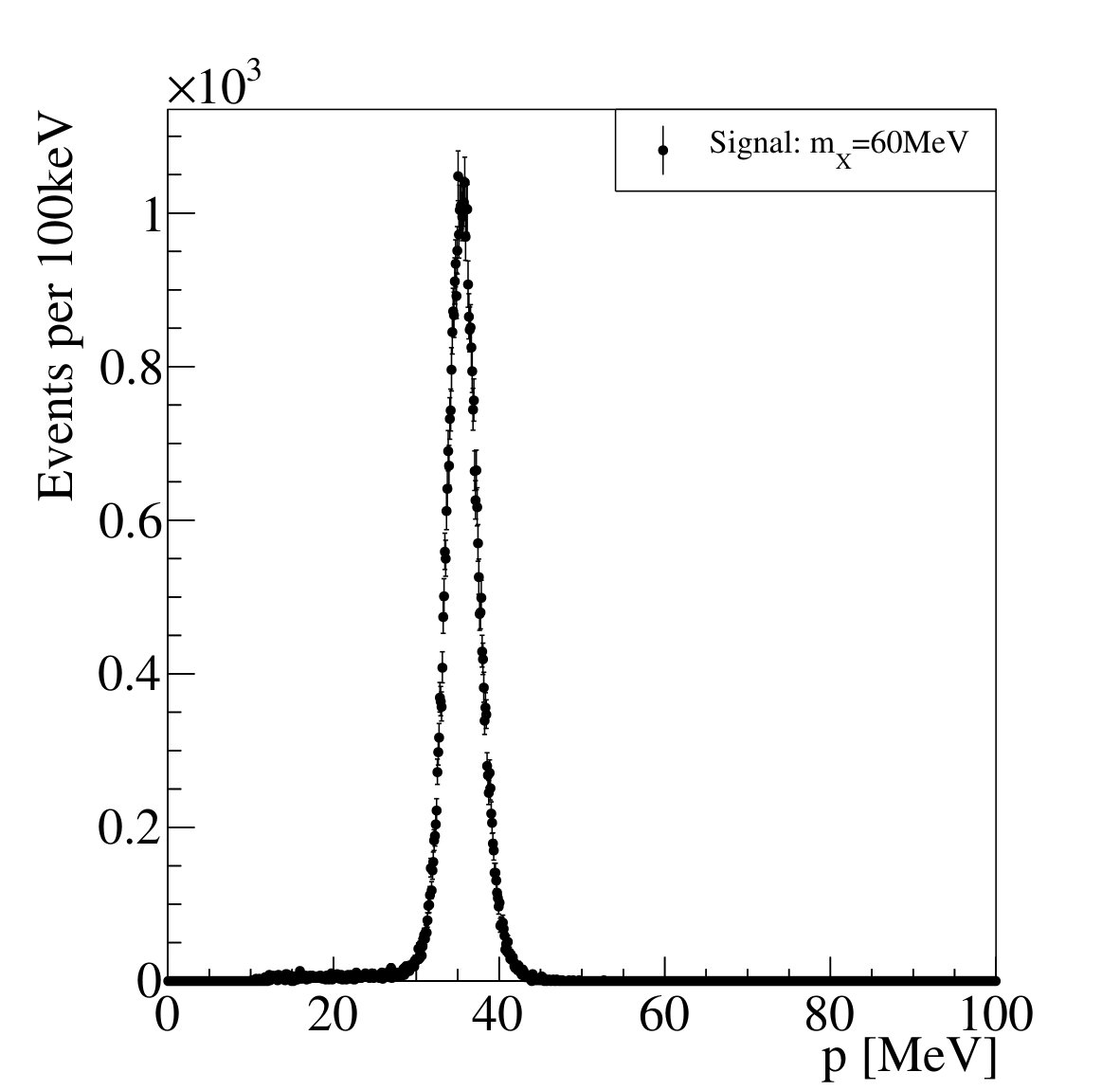 Figure 3
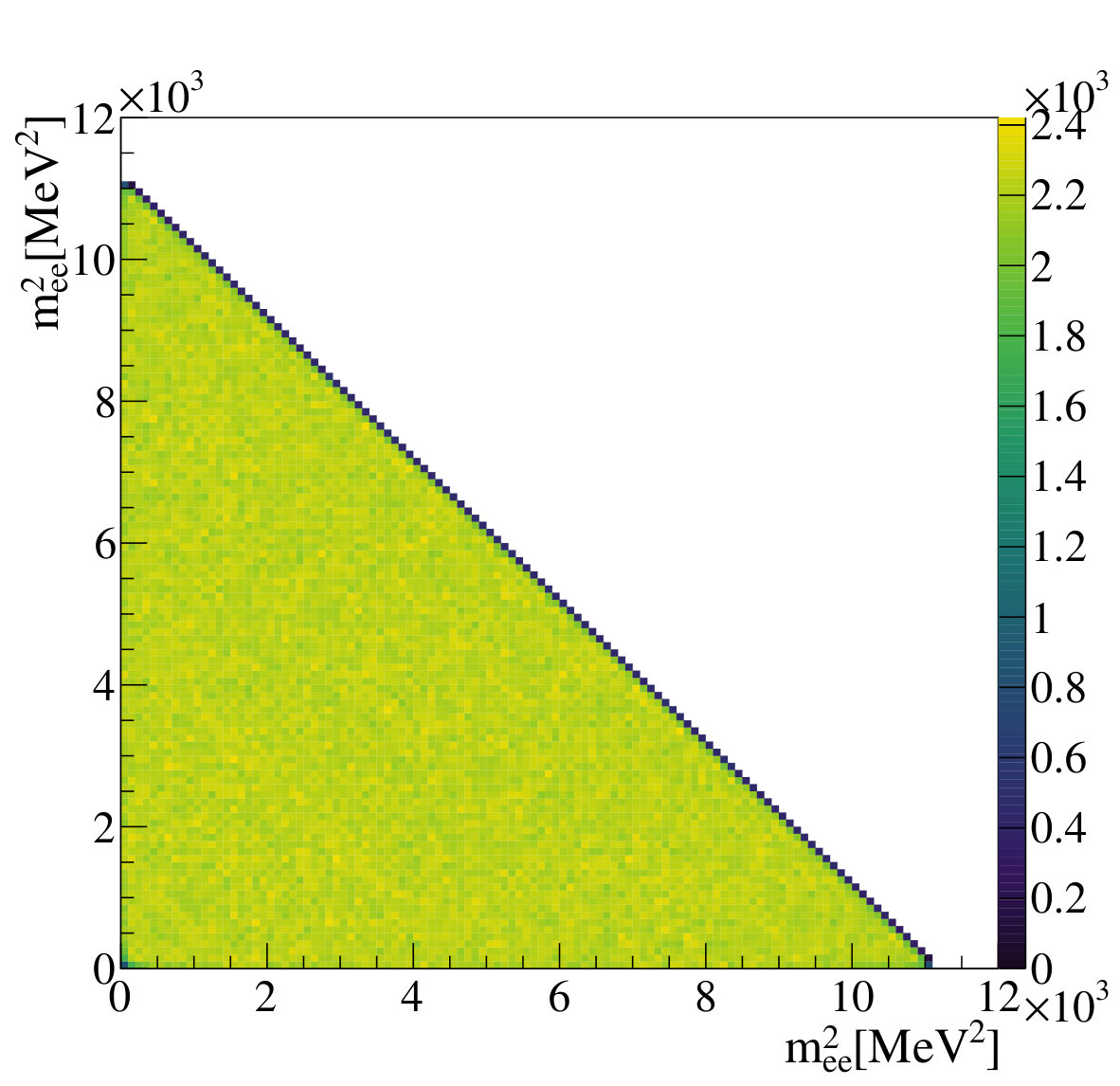 Figure 4
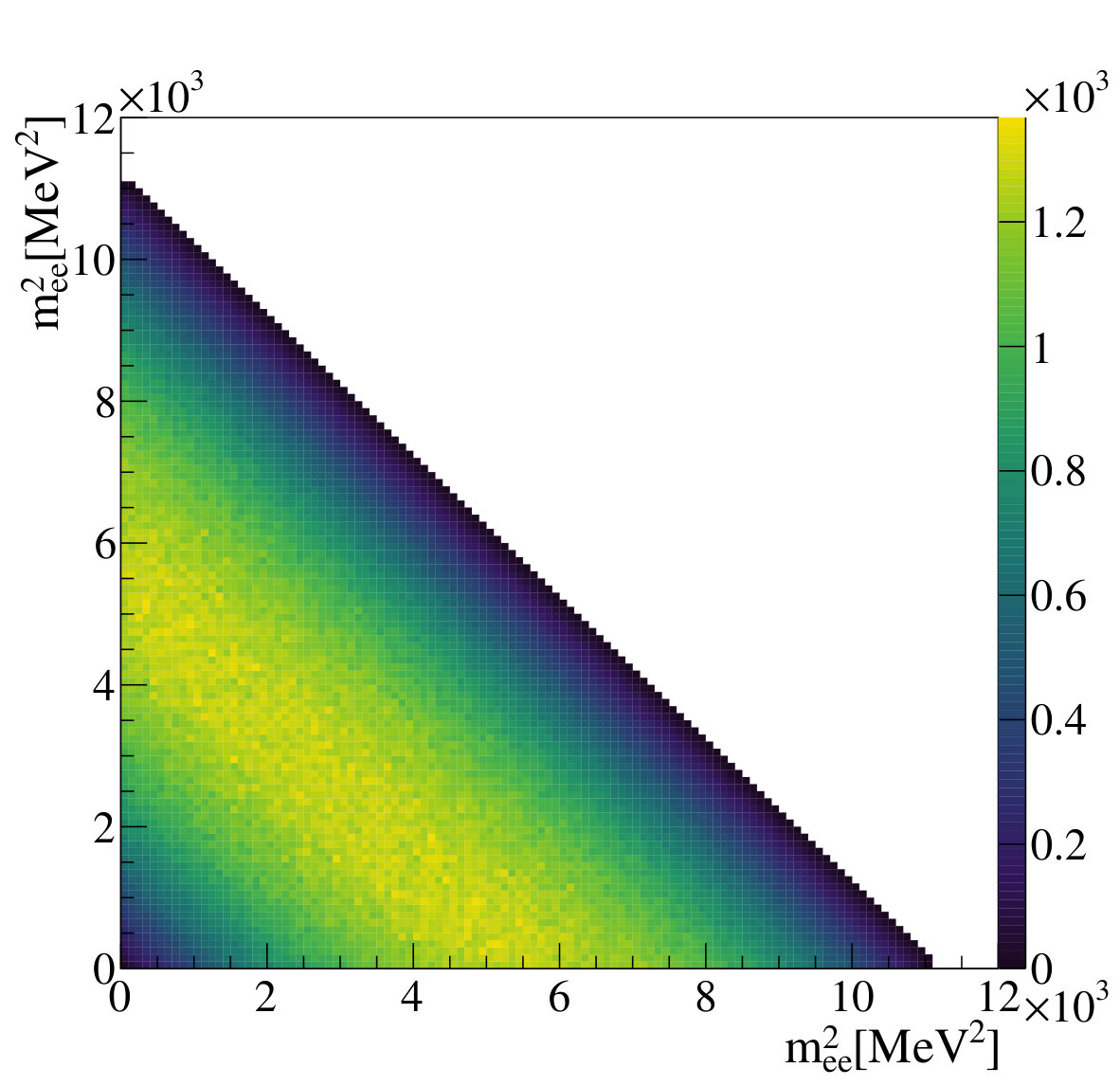 Figure 5
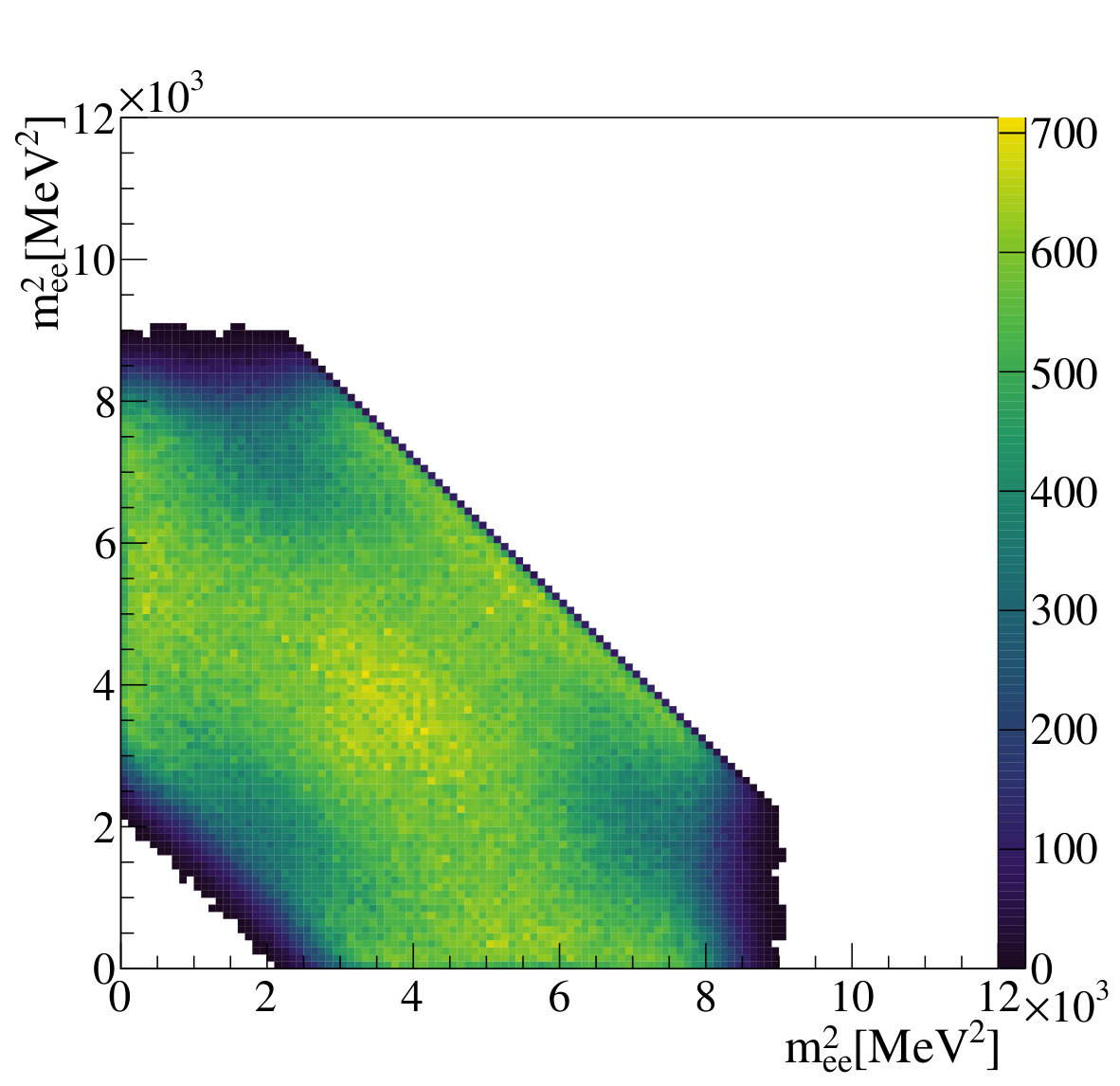 Figure 6
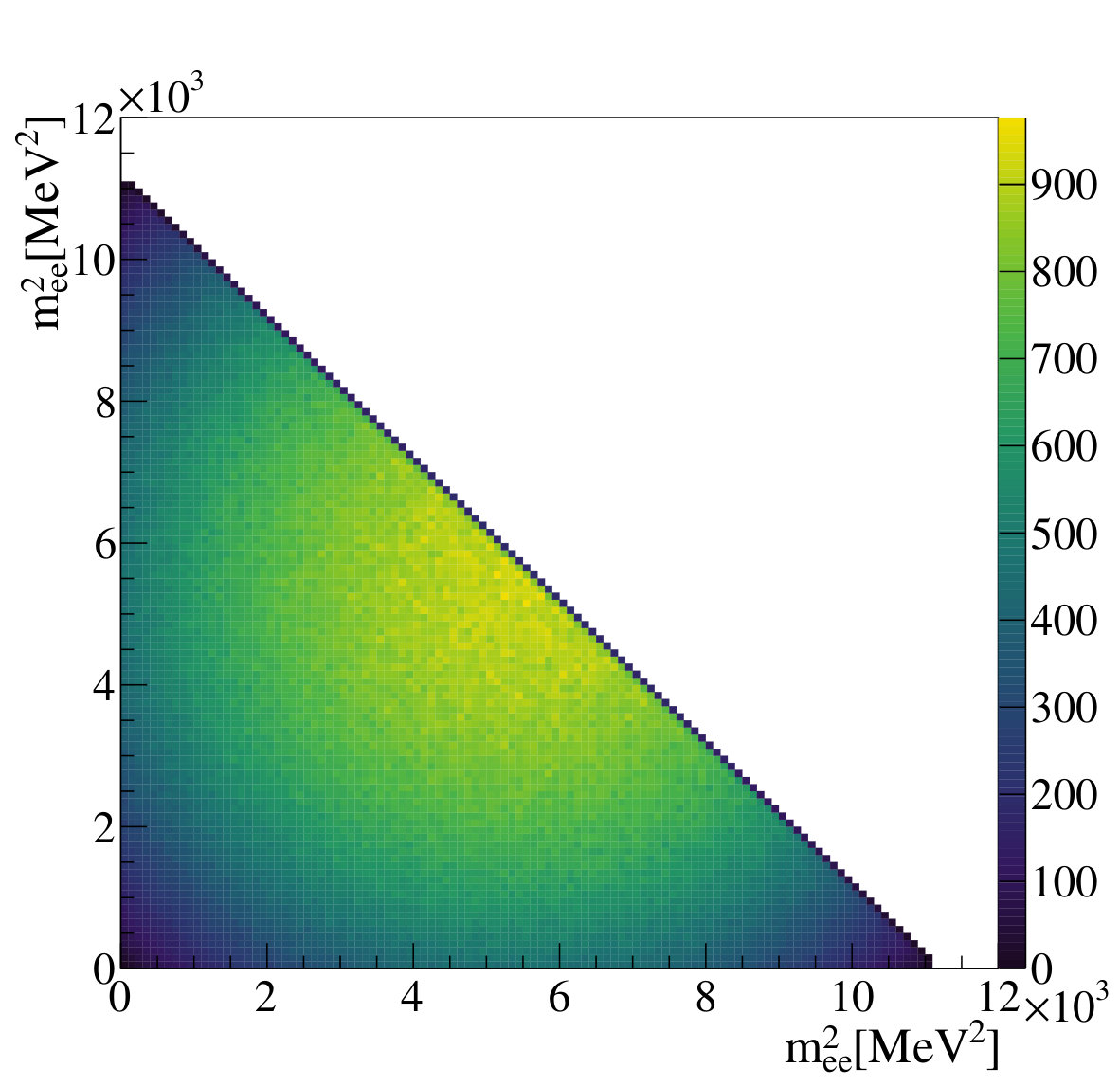 Figure 7
 Figure 8
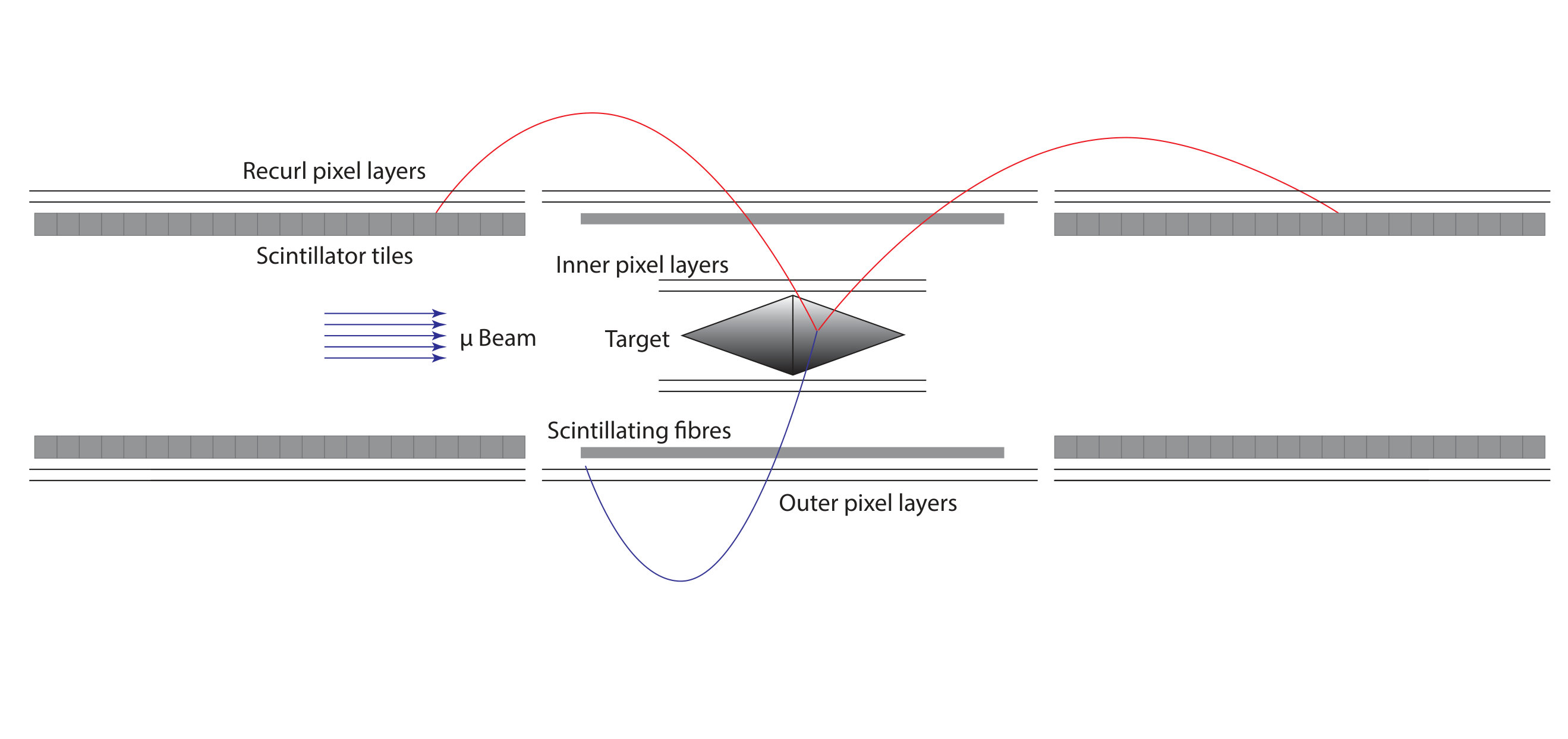 Figure 9
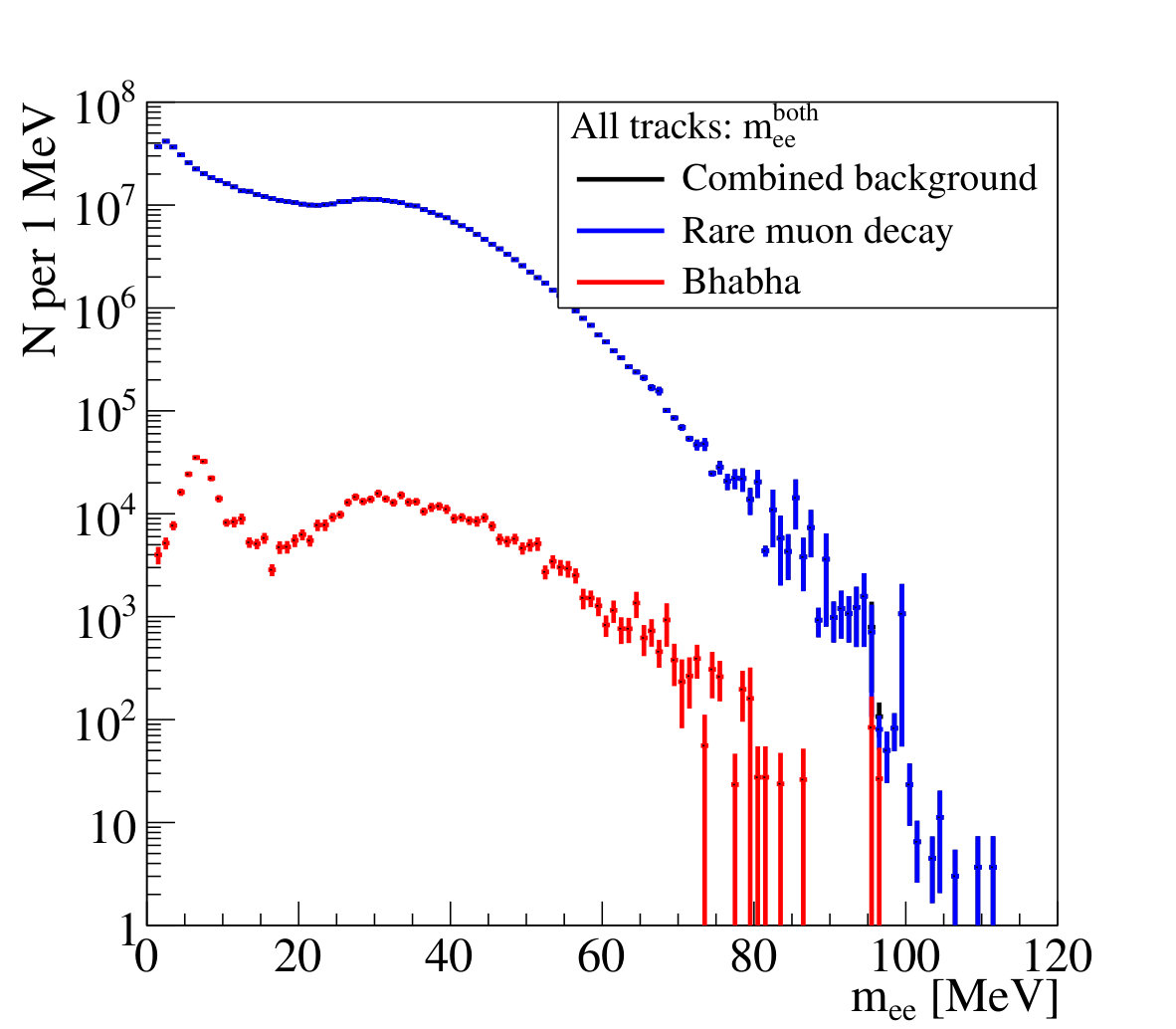 Figure 10
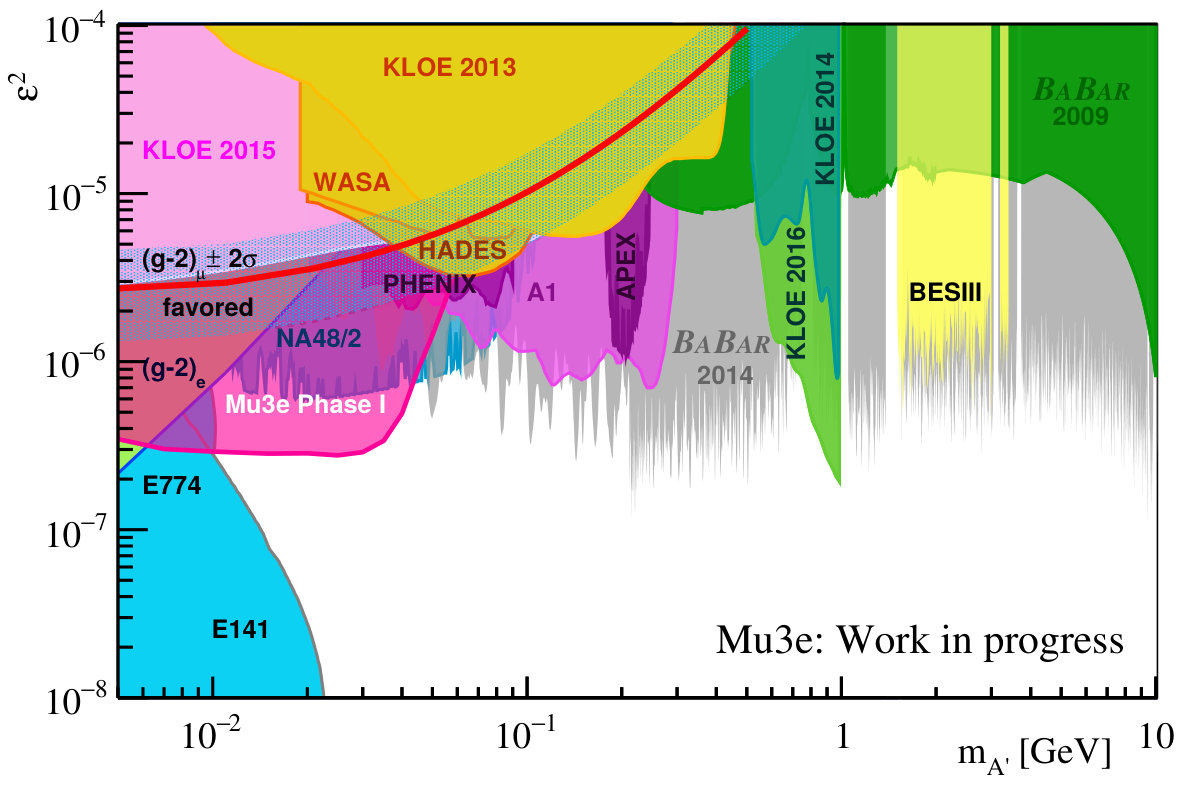 Figure 11
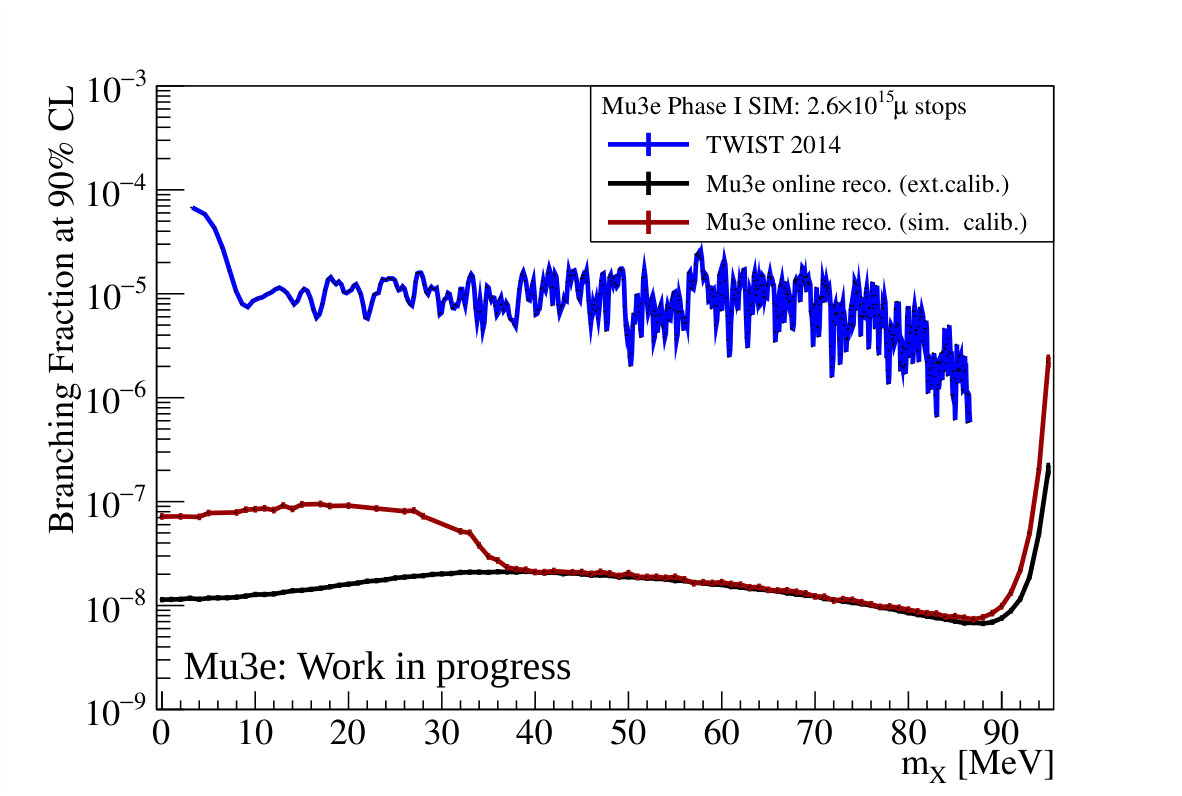 Figure 12
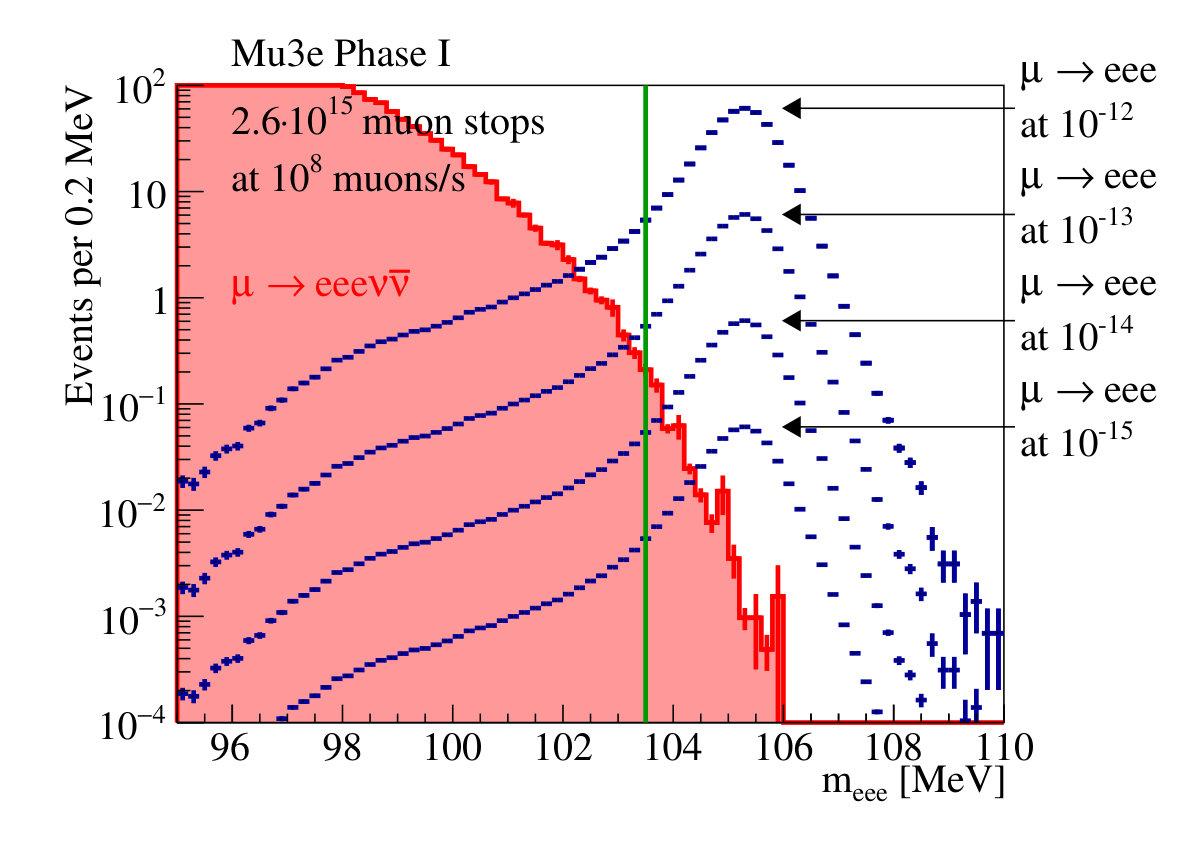 Figure 13
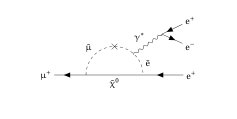 Figure 14
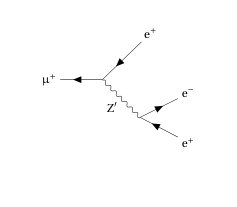 Figure 15
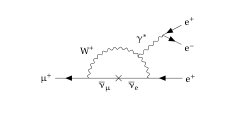 Figure 16
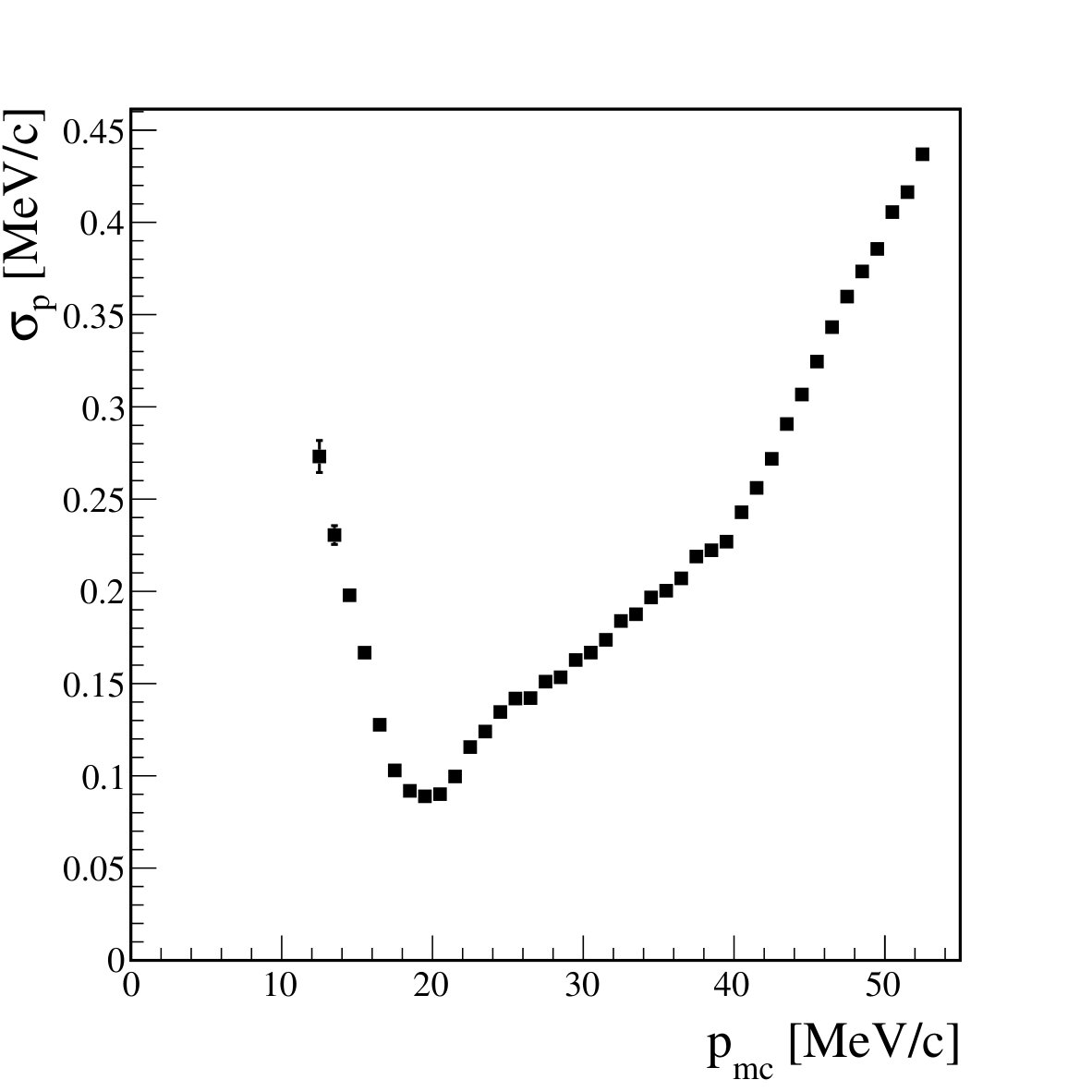 Figure 17
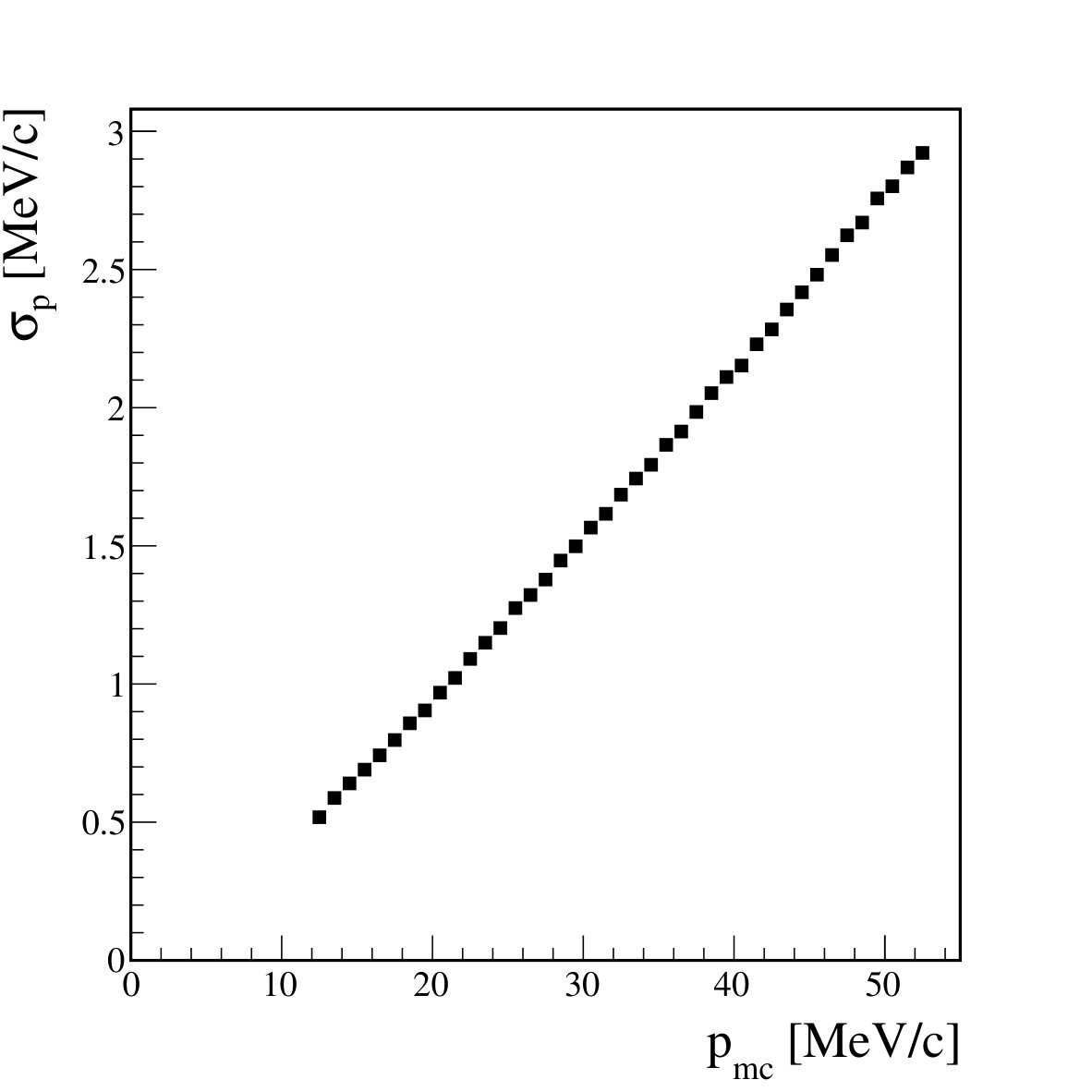 Figure 18
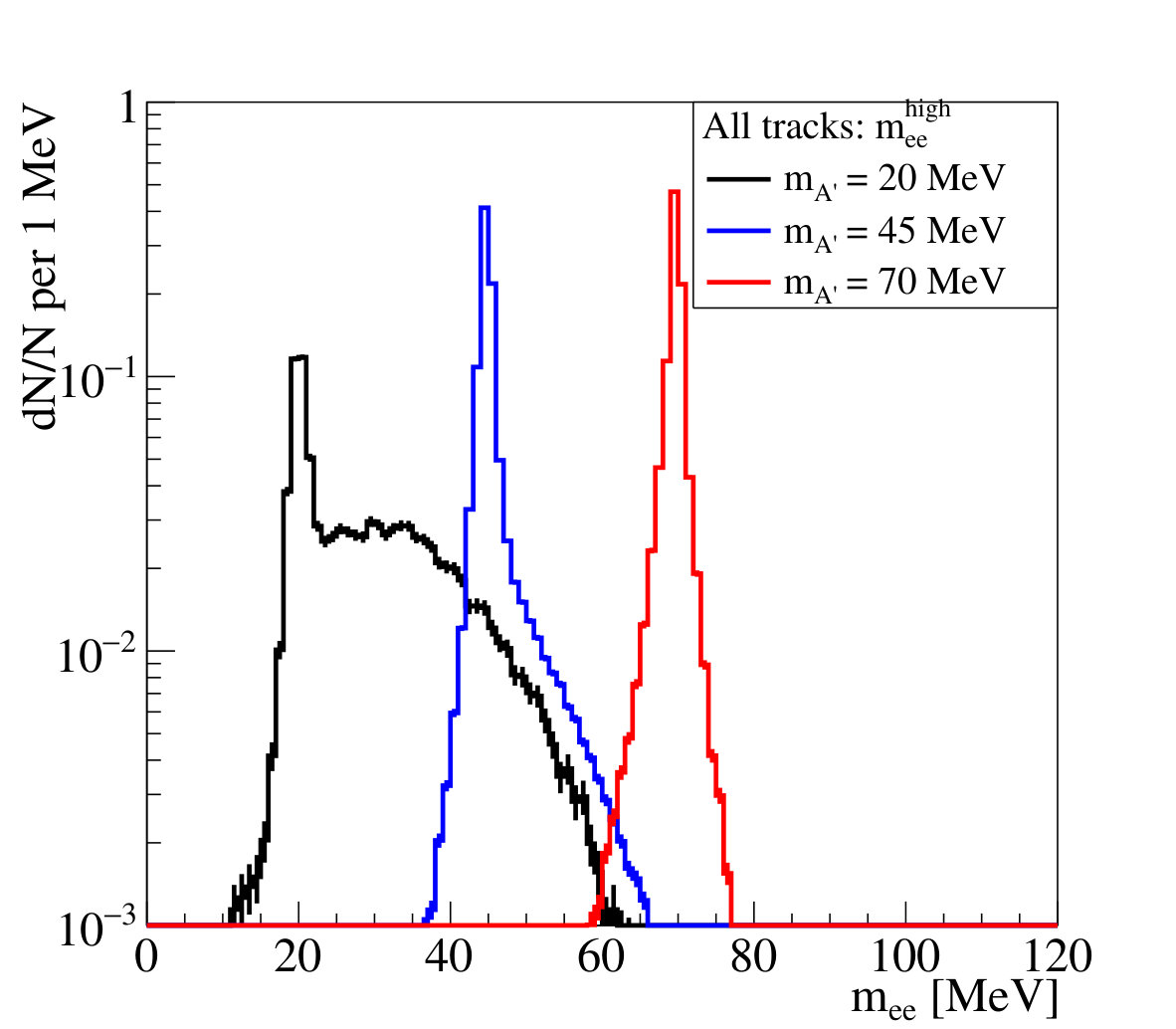 Figure 19
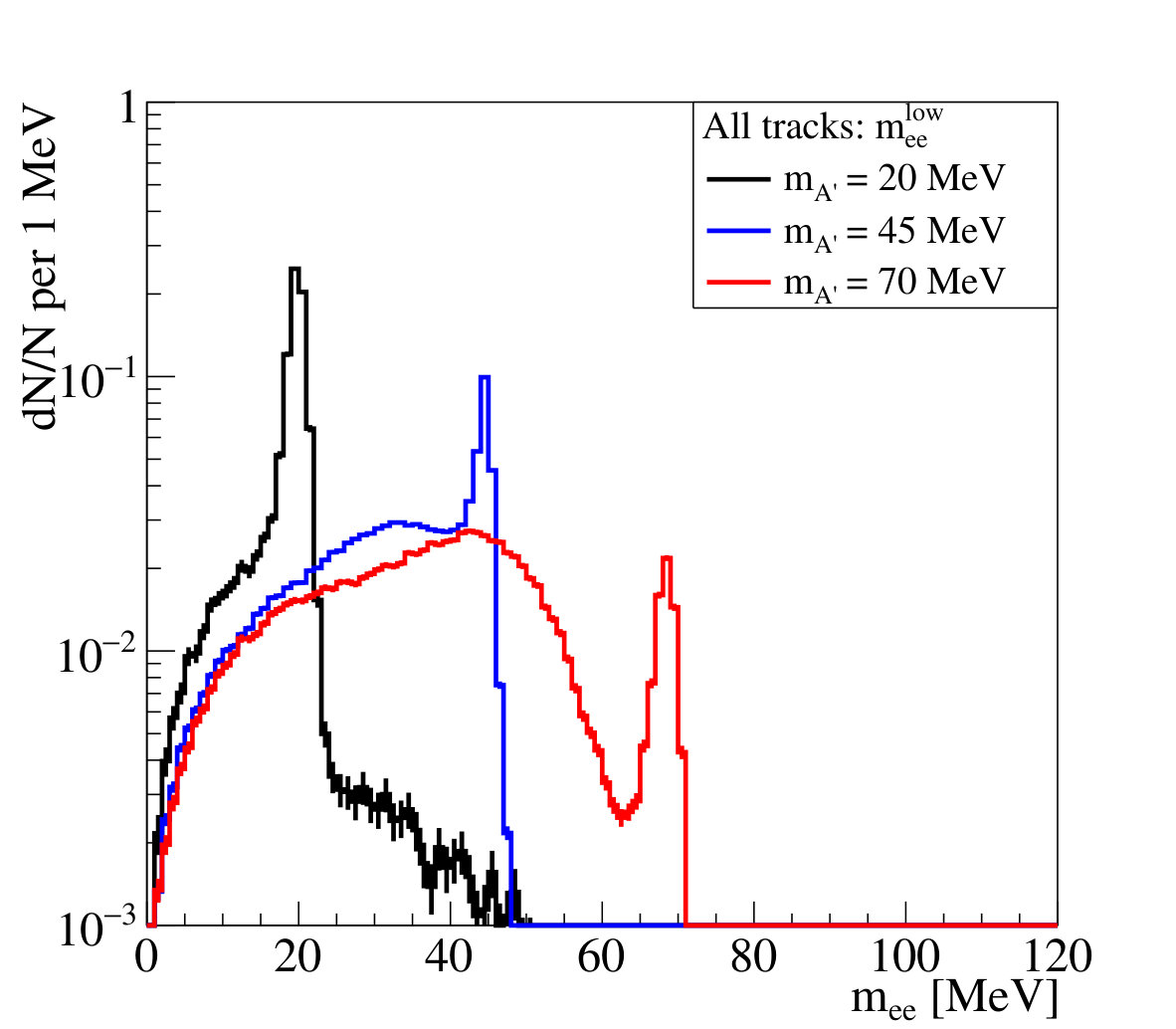 Figure 20
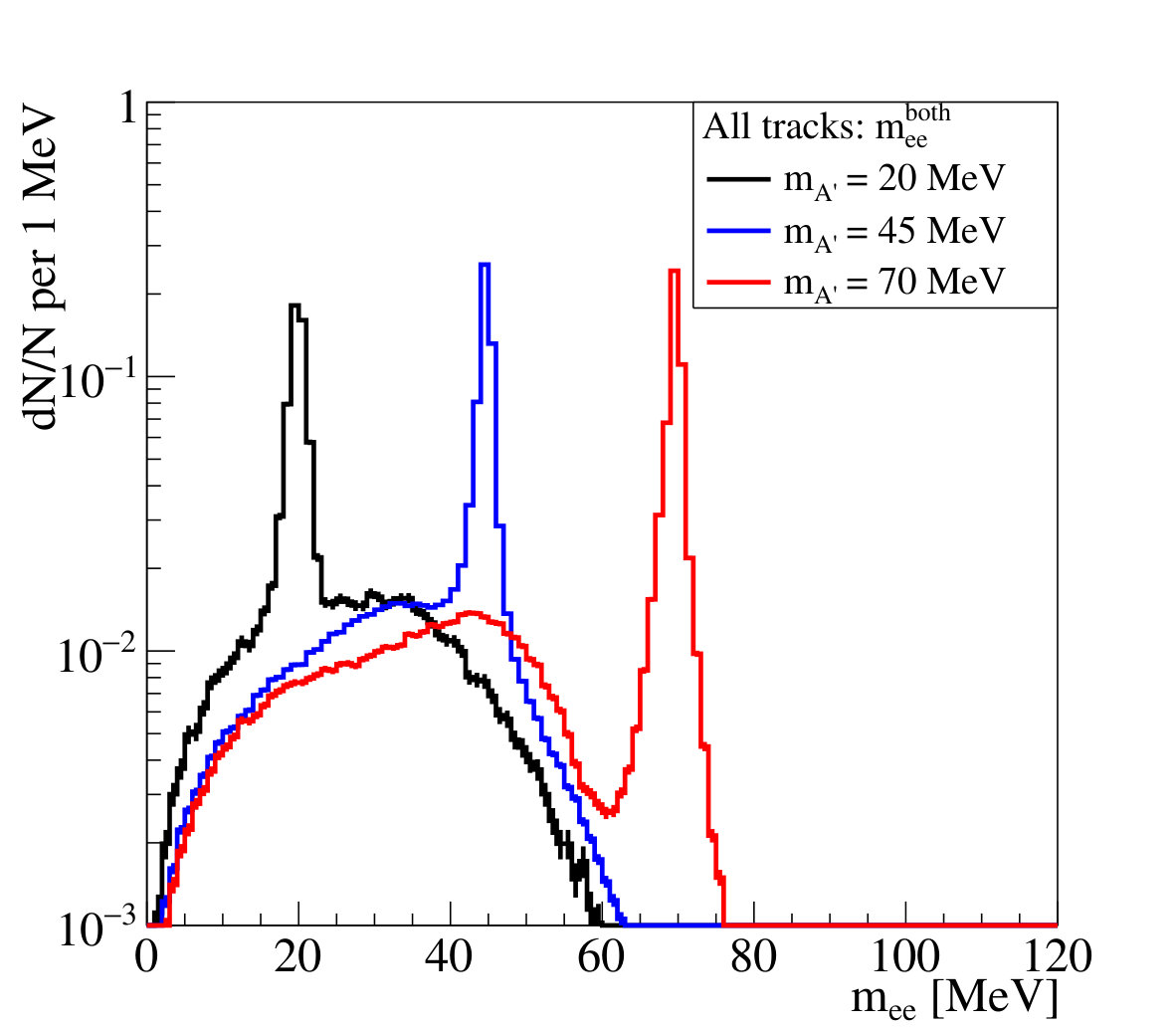 Figure 21
 Figure 22
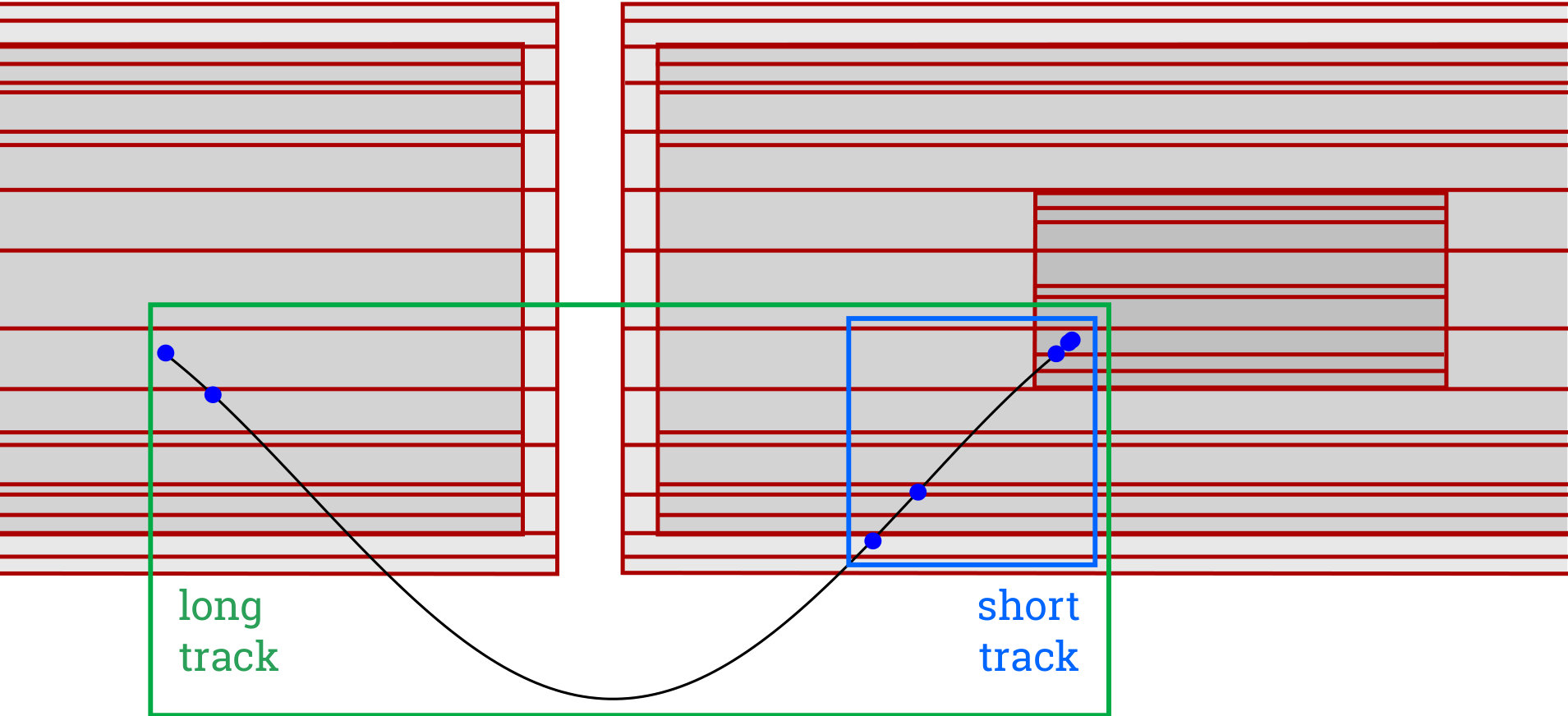 Figure 23
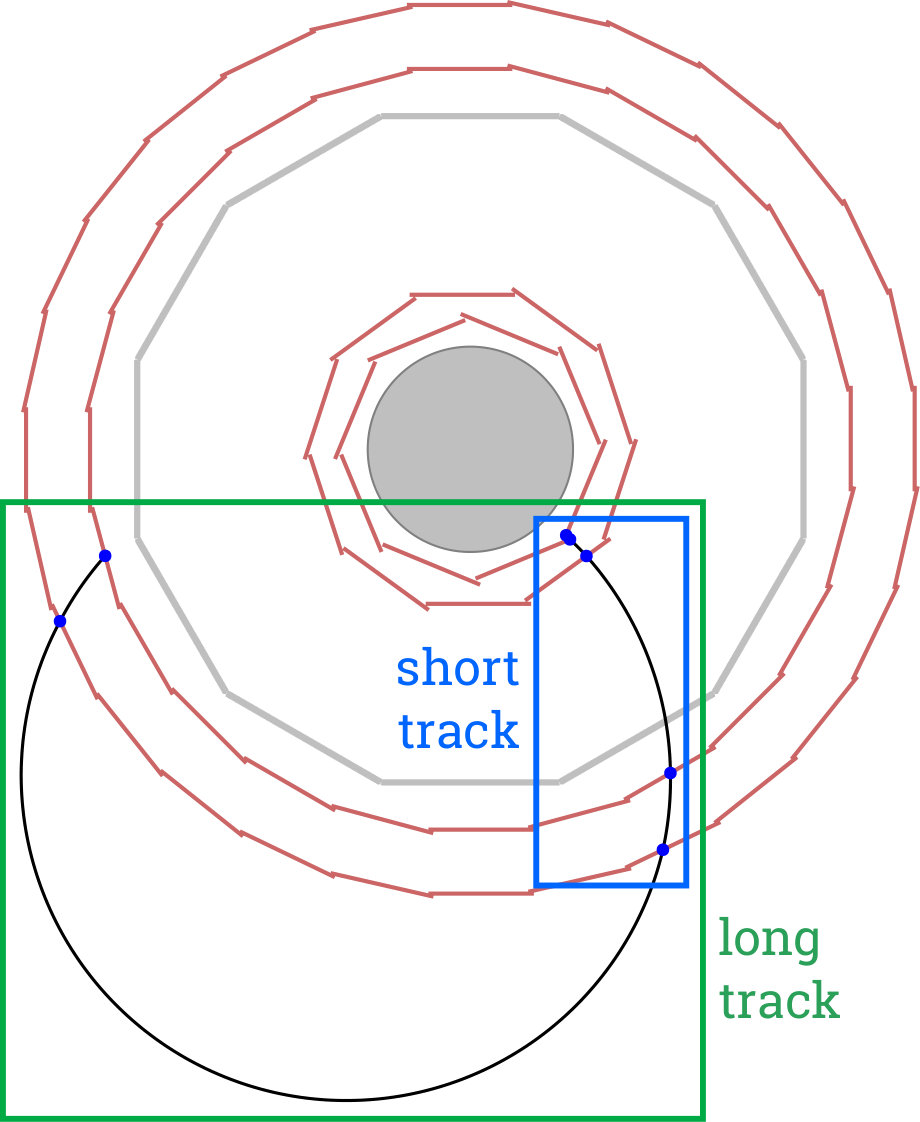 Figure 24
Peer Reviews
No public reviews on file for this paper yet. If you reviewed it on a platform where reviews are public (OpenReview, ICLR, NeurIPS, ICML), you can paste yours below so the community can read it here.
Videos
No videos yet. Explain this paper in a talk, walkthrough, or lecture? Add one.
The Rare and Forbidden: Testing Physics Beyond the Standard Model with Mu3e
A. K. Perrevoort1*, on behalf of the Mu3e Collaboration2
1 NIKHEF, Amsterdam, Netherlands (formerly Physics Institute, Heidelberg, Germany)
2 Paul Scherrer Institute, Villigen, Switzerland
*Proceedings for the 15th International Workshop on Tau Lepton Physics,
Amsterdam, The Netherlands, 24-28 September 2018*
scipost.org/SciPostPhysProc.Tau2018
Abstract
**The upcoming Mu3e experiment aims to search for the lepton flavour violating decay with an unprecedented final sensitivity of one signal decay in observed muon decays by making use of an innovative experimental design based on novel ultra-thin silicon pixel sensors. In a first phase, the experiment is operated at an existing muon beam line with rates of up to muons per second. Detailed simulation studies confirm the feasibility of background-free operation and project single event sensitivities in the order of for signal decays modelled in an effective field theory approach.
The precise tracking of the decay electrons and large geometric and momentum acceptance of Mu3e enable searches for physics beyond the Standard Model in further signatures. Examples of which are searches for lepton flavour violating two-body decays of the muon into an electron and an undetected boson as well as for electron-positron resonances in which could result for instance from a dark photon decay. The Mu3e experiment is expected to be competitive in all of these channels already in phase I. **
Contents
1 Introduction
The flavour of leptons is conserved in the Standard Model but – as demonstrated by the observation of neutrino oscillations – it is not conserved in nature. The violation of the flavour of charged leptons has however eluded observation so far.
One example for charged lepton flavour violation is the decay . In a Standard Model extended to include neutrino mixing, it can be mediated in loop diagrams (see figure 1a) but it is suppressed to branching fractions below and thus far beyond what experiments can observe. Any observation of would therefore be a clear sign for physics beyond the Standard Model. Indeed, many extensions of the Standard Model predict enhanced rates for , for example via loop diagrams with supersymmetric particles (see figure 1b) or at tree-level via a (see figure 1c).
2 The Mu3e Experiment
The latest measurement of has been performed by the SINDRUM experiment [1]. As no signal was observed, branching fractions of larger were excluded at confidence limit (CL). The upcoming Mu3e experiment at the Paul Scherrer Institute (PSI) will repeat this search with a sensitivity of about one signal decay in muon decays in the first phase of the experiment, and ultimately one signal decay in muon decays in the second phase, thus improving the existing limit by four orders of magnitude [2].
2.1 Signal and Background
The signal decay is characterised by the coincidence of two positrons and one electron111In the following, the two positrons and the electron will simply be referred to as three electrons. from a common vertex. As muons are stopped in the detector and decay at rest, the momenta of the three decay products vanishes whereas the invariant mass equals the muon rest mass.
There are two sources of background to searches. On the one hand, there is background from the rare muon decay which has the same visible final state as . This source of background can be distinguished from signal by measuring the missing energy carried by the undetected neutrinos.
On the other hand, high muon stopping rates give rise to accidental combinations of two positrons and an electron from different processes. The most common source of this background stems from positrons that undergo Bhabha scattering in the detector material and have a considerable momentum transfer to the electron. Paired with another positron from a close-by Michel decay, these three particles can mimic a signal decay. In addition to kinematic constraints, this type of background is suppressed by means of vertexing and timing.
Thus, for the Mu3e experiment a very accurate electron tracking and a precise timing measurement are required in addition to high muon stopping rates.
2.2 Experimental Concept
The Mu3e experiment is designed to measure low momentum electrons with outmost precision and at high rates. In phase I, it will be located at an existing muon beam line at PSI which can provide muon rates of about . In the second phase, higher muon rates in the range of are required. PSI is currently investigating on options for the High Intensity Muon Beam line with muon rates of the order of .
The detector is shown in figure 2. The incoming muon beam is stopped on a hollow double cone target made from Mylar foil. The momentum of the decay products is measured by their curvature in the solenoidal magnetic field. The tracking detector is based on silicon pixel sensors and is cylindrically arranged around the beam axis. Two layers of pixel sensors surround the target for precise vertexing while two further layers are placed at a larger radius for momentum measurements. A minimum transverse momentum of is required for a particle to cross all four layers and be reconstructed. A scintillating fibre detector provides precise timing.
The electrons from muon decays have low momenta of only a few tens of . Hence, multiple Coulomb scattering dominates the momentum resolution. For this reason, the HV-MAPS (High Voltage Monolithic Pixel Sensor) technology is chosen for the pixel detector [3]. This technology features a built-in readout circuitry eliminating the need for additional readout chips. HV-MAPS further allow for a sensor thickness of only and thus a material amount of of a radiation length per pixel layer including mechanical support and readout flexprint.
The precision of the momentum measurement can be further improved by measuring the trajectory of the electron not only when it is outgoing but also when it returns to the detector (see figure 3). The momentum resolution of a reconstructed long track from a recurling particle is up to factor of ten smaller than in the case of reconstructed short tracks from the outgoing trajectory alone (see figure 4). The Mu3e detector is therefore extended by one (two) so-called recurl stations upstream and downstream of the central detector in phase I (phase II). The recurl stations consist of two layers of pixel sensors and scintillating tiles.
The data acquisition is performed without a hardware trigger. All sub-detectors are continuously read out. The data rate is however too high for mass storage so that candidates already need to be identified online. This is performed on the online filter farm which is based on graphics processing units. First, short tracks in the central detector are reconstructed in a fast triplet fit [4]. In the following vertex fit, candidates are looked for and if found all data of the corresponding readout frame is written to mass storage. Reconstruction of long tracks and refined vertex fits are then performed offline.
3 Sensitivity Studies
The following sensitivity studies are performed with a detailed GEANT4-based simulation of the Mu3e detector in phase I. The muon stopping rate is assumed to be , and the total run time is estimated with 300 data taking days which accumulates to a total of muon decays.
3.1 in Effective Theories
In a baseline approach, the signal decay is implemented as a three-body decay without any assumptions on the underlying physics. In the event selection, only vertices with three reconstructed long tracks are kept because the momentum resolution of short tracks does not suffice to suppress background from . Constraints are applied on the quality of the vertex fit, the distance of the reconstructed vertex to the target, the relative timing between the electron candidates, as well as on the total momentum and invariant mass of the candidates. Figure 5 shows the expected distribution of the invariant three electron mass for background from as well as for the signal at various branching fractions. With an expected number of 0.44 background events, background-free operation is confirmed. The phase I experiment is estimated to be sensitive to branching fractions as small as at CL.
This approach however neglects the fact that the type of interaction which mediates affects the kinematics of the decay and consequently the efficiency to reconstruct signal events. The signal decay is therefore modelled with an effective field theory approach of dimension six. The operator basis and differential branching fraction are taken from [5, 6].
In figure 6, Dalitz plots of pairs in are shown for three-body decays and for various effective operators. The generated three-body decays are evenly distributed over the accessible phase space as expected. The Dalitz plot of the reconstructed three-body decays illustrates the acceptance of the detector. The corners are cut as a result of the minimum detectable . Further structure stems from requiring long tracks only.
In the case of dipole operators, the virtual photon manifests in very small invariant masses which increases the probability to have at least one decay particle with below the detection threshold. Thus, the sensitivity is reduced compared to three-body decays with 8.5\text{\times}{10}^{-15} at $90\text{\,}\mathrm{\char 37\relax}\text{/}$ CL. In the case 4-fermion operators on the contrary, the decay energy tends to be more equally distributed amongst the decay particles which leads to an increased detection efficiency. For all 4-fermion operators, comparable sensitivities of $\text{BR}\geq$4.6\text{\times}{10}^{-15} at CL are estimated despite the distinct decay distributions.
This effective operator approach further provides a base for the interpretation of observations or non-observations in the various lepton flavour violation searches. A unique feature of searches is that in case of a discovery conclusions on the type of interaction can already been drawn from decay distributions such as Dalitz plots and angular distributions.
3.2 Resonances in
In the search for events, also a unprecedented number of decays will be collected. As no constraint on the invariant three electron mass is applied in online reconstruction and event filtering, all decays in the acceptance are recorded. This data can be used for resonance searches in pairs.
These resonances can be the signature of a dark photon – a potential messenger to a dark sector. The dark photon interacts via kinetic mixing with the Standard Model photon and and thus couples to the electro-magnetic current. If sufficiently light, it can be radiated in muon decays and decay promptly to an pair given the life time is short.
The background to resonance searches is the same as for , but this search cannot be performed background-free as the final state is the same as in the Standard Model decay.
Prompt dark photon decays in muon decays are generated with MadGraph5_aMC@NLO 2.4.3 [7] using a kinetic mixing model [8] and fed into the detector simulation. Cuts on the quality of the vertex fit and distance of the reconstructed vertex to the target are applied to reduce accidental background. Reconstructed short tracks are considered whenever the track could not be extended to a long track.
The resulting distributions of the invariant mass for signal and background are shown in figure 7. The background spectrum is smoothly declining in most of the mass range and is dominated by decays. Accidental background from combinations of Bhabha scattering events and Michel decays contributes on average a factor of 800 less. Other types of accidental background are even less frequent and thus negligible.
The signal distribution shows a clear peak around the dark photon mass in addition to a broad distribution that stems from the second combination of which the positron is from the muon decay and not from the dark photon decay. The sensitivity of the dark photon search is increased by choosing the lower pair at small dark photon masses and the higher pair at high dark photon masses. The transition between the two regimes is at around dark photon mass.
The sensitivity is estimated in toy Monte Carlo studies. Dark photon masses up to are studied. For higher masses, the dark photon parameter space covered by Mu3e is already excluded by existing experimental limits.
The expected limits on the branching fraction are shown in figure 8a. These range from at CL for small dark photon masses to at CL for high . The branching fraction limits can be translated to limits on the kinetic mixing parameter assuming the dark photon decays exclusively to [8]. The results are shown in figure 8b. Due to the immense number of muon decays, the Mu3e experiment is capable to investigate a currently not covered parameter space.
3.3 Lepton Flavour Violating Two-Body Decays
A further channel that can be investigated with the Mu3e experiment is the lepton flavour violating decay in which denotes a neutral light particle that is not detected in the experiment. Such a decay is motivated by the familon, a potential pseudo-Goldstone boson arising from an additional broken flavour symmetry [10].
The signature of a decay is a monoenergetic positron whose energy is determined by the mass of . It can thus be identified by a narrow peak on the smooth momentum spectrum of positrons from Standard Model muon decays.
As the filter farm only selects events with candidates for data storage, searches are performed on momentum histograms derived from online reconstruction with the drawback of the non-optimal momentum resolution of short tracks. The histograms are filled with tracks that are estimated to stem from the target and pass selections on the quality of the track fit as well as on the inclination angle. The latter selection efficiently removes tracks that stem from particles which perform multiple loops in the detector. The resulting momentum spectra for signal and background are shown in figure 9.
The mass reach for searches is constrained by the minimum transverse momentum of detectable positrons which allows to observe with masses of up to . Furthermore, the characteristic edge in the momentum spectrum of positrons from the dominant Michel decay is the preferred means of absolute momentum calibration in the baseline search. In this case, searches cannot be conducted close to the Michel edge which affects massless and light . Alternative calibration methods relying on Bhabha or Mott scattering are currently being studied.
The sensitivity in the first phase of the Mu3e experiment is estimated in toy Monte Carlo studies using generated and Standard Model muon decays reconstructed as short tracks. For the results shown in figure 10, the momentum calibration is either assumed to stem from an alternative approach such as Bhabha scattering, or a window around the expected signal is left out while the calibration is performed on the Michel spectrum. In the latter case, the sensitivity deviates from the first approach as soon as the signal window reaches the Michel edge because the calibration becomes less precise.
The latest limits on the branching fraction for massive have been derived by the TWIST experiment [11]. Averaged over the mass range, branching fractions larger are excluded at CL. Driven by the large number of muon decays, an improvement by a factor of 600 is estimated for the Mu3e experiment in phase I with expected branching fraction limits in the order of .
4 Conclusion
The upcoming Mu3e experiment at PSI is going to search for the lepton flavour violating decay with an unprecedented sensitivity. Already in phase I, a branching fraction of can be measured or excluded at CL. Furthermore, conclusions on the type of underlying physics can be drawn from the decay distributions in case of discovery.
In addition to searches, the experiment is also suited to investigate other signatures of physics beyond the Standard Model. Substantial improvements can be expected in searches for decays of the type for which branching fractions in the order of can be tested. Also in the case of dark photons a currently uncovered parameter space can be studied.
Acknowledgements
The presented work was supported by the Research Training Group ‘Particle Physics Beyond the Standard Model’ (GRK 1940) of the Deutsche Forschungsgemeinschaft.
The reference list from the paper itself. Each links out to its DOI / PubMed record.
- 1[1] U. Bellgardt et al. , Search for the Decay μ + → e + e + e − → superscript 𝜇 superscript 𝑒 superscript 𝑒 superscript 𝑒 \mu^{+}\to e^{+}e^{+}e^{-} , Nucl. Phys. B 299 , 1 (1988), 10.1016/0550-3213(88)90462-2 . · doi ↗
- 2[2] A. Blondel et al. , Research Proposal for an Experiment to Search for the Decay μ → e e e → 𝜇 𝑒 𝑒 𝑒 \mu\to eee (2013), 1301.6113 .
- 3[3] I. Perić, A Novel Monolithic Pixelated Particle Detector Implemented in High-Voltage CMOS Technology , Nucl. Instrum. Meth. A 582 , 876 (2007), 10.1016/j.nima.2007.07.115 . · doi ↗
- 4[4] N. Berger, M. Kiehn, A. Kozlinskiy and A. Schöning, A New Three-Dimensional Track Fit with Multiple Scattering , Nucl. Instrum. Meth. A 844 , 135 (2017), 10.1016/j.nima.2016.11.012 , 1606.04990 . · doi ↗
- 5[5] Y. Kuno and Y. Okada, Muon Decay and Physics Beyond the Standard Model , Rev. Mod. Phys. 73 , 151 (2001), 10.1103/Rev Mod Phys.73.151 , hep-ph/9909265 . · doi ↗
- 6[6] A. Crivellin, S. Davidson, G. M. Pruna and A. Signer, Renormalisation-Group Improved Analysis of μ → e → 𝜇 𝑒 \mu\to e Processes in a Systematic Effective-Field-Theory Approach , JHEP 05 , 117 (2017), 10.1007/JHEP 05(2017)117 , 1702.03020 . · doi ↗
- 7[7] J. Alwall, R. Frederix, S. Frixione, V. Hirschi, F. Maltoni, O. Mattelaer, H. S. Shao, T. Stelzer, P. Torrielli and M. Zaro, The Automated Computation of Tree-Level and Next-to-Leading Order Differential Cross Sections, and their Matching to Parton Shower Simulations , JHEP 07 , 079 (2014), 10.1007/JHEP 07(2014)079 , 1405.0301 . · doi ↗
- 8[8] B. Echenard, R. Essig and Y.-M. Zhong, Projections for Dark Photon Searches at Mu 3e , JHEP 01 , 113 (2015), 10.1007/JHEP 01(2015)113 , 1411.1770 . · doi ↗