Hesperos: A geophysical mission to Venus
Robert-Jan Koopmans, Agata Bia{\l}ek, Anthony Donohoe, Mar\'ia, Fern\'andez Jim\'enez, Barbara Frasl, Antonio Gurciullo, Andreas, Kleinschneider, Anna {\L}osiak, Thurid Mannel, I\~nigo Mu\~noz Elorza, Daniel, Nilsson, Marta Oliveira, Paul Magnus S{\o}rensen-Clark, Ryan Timoney

TL;DR
Hesperos is a proposed Venus mission combining an orbiter and a balloon to study Venus's interior, activity, and atmospheric composition, aiming to understand its geophysical characteristics and potential tectonic activity.
Contribution
It introduces a novel dual-element mission concept with a balloon and orbiter to investigate Venus's interior and atmosphere simultaneously.
Findings
Balloon operates for 25 days to analyze atmospheric composition.
Orbiter conducts surface and gravity mapping over 7 Venus days.
Mission design integrates long-term interior and atmospheric studies.
Abstract
The Hesperos mission proposed in this paper is a mission to Venus to investigate the interior structure and the current level of activity. The main questions to be answered with this mission are whether Venus has an internal structure and composition similar to Earth and if Venus is still tectonically active. To do so the mission will consist of two elements: an orbiter to investigate the interior and changes over longer periods of time and a balloon floating at an altitude between 40 and 60\~km to investigate the composition of the atmosphere. The mission will start with the deployment of the balloon which will operate for about 25 days. During this time the orbiter acts as a relay station for data communication with Earth. Once the balloon phase is finished the orbiter will perform surface and gravity gradient mapping over the course of 7 Venus days. This mission proposal is the…
Click any figure to enlarge with its caption.
 Figure 1
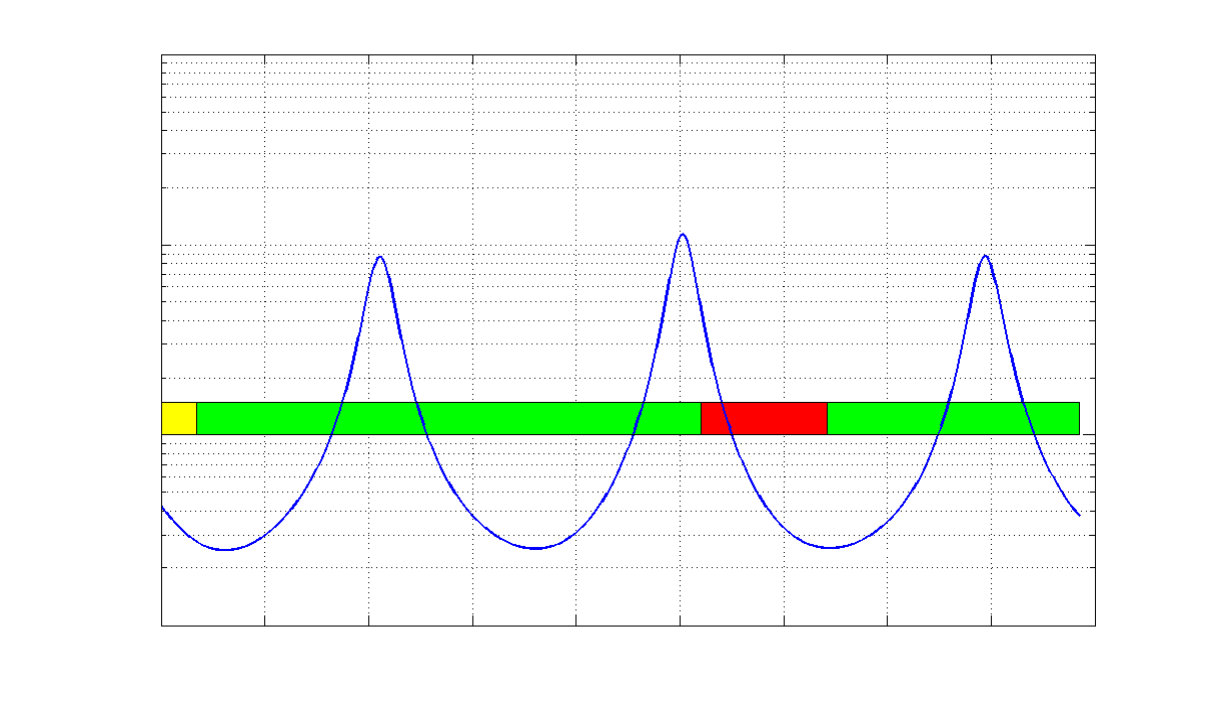 Figure 2
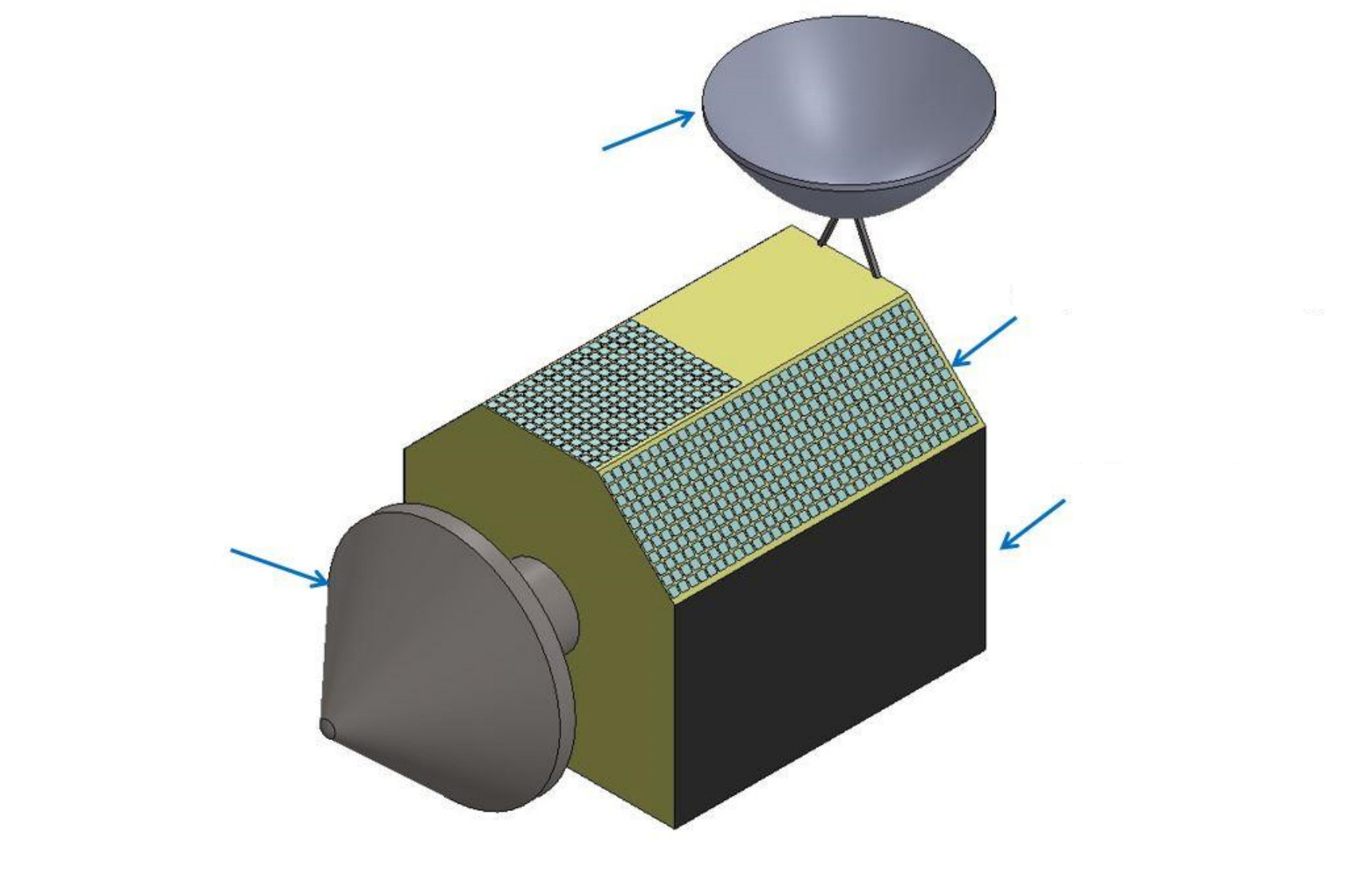 Figure 3
| Objective | Observable | Instrument type |
| Core size and phase | - spin rate | radar (O) |
| - magnetic field | magnetometer (B) | |
| Mantle processes | - gravity gradient | gravity gradiometer (O) |
| - topography | radar (O) | |
| Plate movement | - gravity gradient | gravity gradiometer (O) |
| - topography | radar (O) | |
| - acoustic waves | infrasound detecto (B) | |
| - isotopic ratios of noble gases | NMS/TLS (B) | |
| Active volcanism | - topography | radar (O) |
| - surface heat signature | spectrometer/camera (O) | |
| - amount of volcanic gases | spectrometer (O) | |
| - isotopic ratios of volcanic gases | NMS/TLS (B) | |
| - amount of volcanic ash | nephelometer (B) |
| orbiter | balloon |
|---|---|
| SAR | NMS |
| cold atom gradiometer | TLS |
| IR spectrometer | nephelometer |
| UV spectrometer | infrasound detector |
| magnetometer |
| Element | Dish Diameter | Gain |
|---|---|---|
| Deep Space Antenna | 35 m | 107 dB [65] |
| HGA X-band | 3 m | 48 dB |
| MGA S-band | 0.5 m | 20 dB |
| 2x UHF on orbiter | - | 2 dB |
| Subsystem | Mass [kg] | % of dry mass | Margin [%] |
|---|---|---|---|
| Payload | 15.7 | 7.6 | varying |
| Communications | 5.0 | 2.4 | 5 |
| C&DH/OBDH | 2.1 | 1.0 | 5 |
| Thermal | 1.7 | 0.8 | 10 |
| Power | 8.8 | 4.3 | 5 |
| Structure & mechanisms | 87.6 | 42.4 | 10 |
| Entry probe | 85.6 | 41.5 | 20 |
| total | 206.4 | - | - |
| Subsystem | Power [W] | % of total | Margin [%] |
|---|---|---|---|
| Payload | 68.7 | 67.0 | varying |
| Communications | 10.5 | 10.2 | 5 |
| C&DH/OBDH | 5.3 | 5.1 | 5 |
| Thermal | 0.0 | - | - |
| Power | 7.1 | 6.9 | 5 |
| Structure & mechanisms | 1.1 | 1.1 | 10 |
| Entry probe | 10.0 | 9.7 | 20 |
| total | 102.6 | - | - |
| Subsystem | Mass [kg] | % of dry mass | Margin [%] |
|---|---|---|---|
| Payload | 271.2 | 18.2 | varying |
| Propulsion | 732.0 | 49.1 | 5 |
| AOCS | 59.6 | 4.0 | 5 |
| Communications | 68.0 | 4.6 | 5 |
| C&DH/OBDH | 53.8 | 3.6 | 5 |
| Thermal | 5.3 | 0.4 | 5 |
| Power | 50.4 | 3.4 | 5 |
| Structure & mechanisms | 250.1 | 16.8 | 10 |
| total | 1490.4 | - | - |
| Subsystem | Power [W] | % of total | Margin [%] |
|---|---|---|---|
| Payload | 551.4 | 36.4 | varying |
| Propulsion | 50.4 | 3.3 | 5 |
| AOCS | 161.8 | 10.7 | 5 |
| Communications | 106.1 | 7.0 | 5 |
| C&DH/OBDH | 110.3 | 7.3 | 5 |
| Thermal | 0.0 | - | - |
| Power | 531.0 | 35.0 | 5 |
| Structure & mechanisms | 4.6 | 0.3 | 10 |
| total | 1515.5 | - | - |
| Manoeuvre | V (km/s) |
|---|---|
| Hohmann Transfer | 2.84 |
| Elliptical Orbit | 1.47 |
| Aerobreaking | 0.001 |
| Circular Orbit | 0.001 |
| Maintenance | 0.11 |
| Total | 4.83 |
| Mass [kg] | |
|---|---|
| Balloon total | 206.4 |
| Orbiter total | 1490.4 |
| S/C dry mass + 20% margin | 1978.8 |
| Propellant mass | 2101.6 |
| Launch mass | 4080.4 |
Peer Reviews
No public reviews on file for this paper yet. If you reviewed it on a platform where reviews are public (OpenReview, ICLR, NeurIPS, ICML), you can paste yours below so the community can read it here.
Videos
No videos yet. Explain this paper in a talk, walkthrough, or lecture? Add one.
Taxonomy
TopicsAstro and Planetary Science · Planetary Science and Exploration · Spacecraft Design and Technology
Hesperos: A geophysical mission to Venus
Robert-Jan Koopmans
Agata Białek
Anthony Donohoe
María Fernández Jiménez
Barbara Frasl
Antonio Gurciullo
Andreas Kleinschneider
Anna Łosiak
Thurid Mannel
Iñigo Muñoz Elorza
Daniel Nilsson
Marta Oliveira
Paul Magnus Sørensen-Clark
Ryan Timoney
Iris van Zelst
FOTEC Forschungs- und Technologietransfer GmbH, Wiener Neustadt, Austria
Space Research Centre Polish Academy of Sciences, Warsaw, Poland
Maynooth University, Department of Experimental Physics, Maynooth, Ireland
Universidad Carlos III, Madrid, Spain
Zentralanstalt für Meteorologie und Geodynamik, Vienna, Austria
Royal Institute of Technology, Stockholm, Sweden
Delft University of Technology, Delft, The Netherlands
Institute of Geological Sciences, Polish Academy of Science, Wroclaw, Poland
Institute for Space Research, Austrian Academy of Sciences
HE Space Operations GmbH, Bremen, Germany
Luleå University of Technology, Luleå, Sweden
Instituto Superior Técnico, Lisbon, Portugal
University of Oslo, Oslo, Norway
University of Glasgow, Glasgow, United Kingdom
Institute of Geophysics, ETH Zürich, Zürich, Switzerland
Abstract
The Hesperos mission proposed in this paper is a mission to Venus to investigate the interior structure and the current level of activity. The main questions to be answered with this mission are whether Venus has an internal structure and composition similar to Earth and if Venus is still tectonically active. To do so the mission will consist of two elements: an orbiter to investigate the interior and changes over longer periods of time and a balloon floating at an altitude between 40 and 60k̃m to investigate the composition of the atmosphere. The mission will start with the deployment of the balloon which will operate for about 25 days. During this time the orbiter acts as a relay station for data communication with Earth. Once the balloon phase is finished the orbiter will perform surface and gravity gradient mapping over the course of 7 Venus days.
keywords:
Venus , Geophysics , Balloon , Tectonics , Volcanoes , Structure
††journal: Advances in Space Research
1 Introduction
Since 1975, the Austrian Research Promotion Agency (FFG), organises yearly the Alpbach Summer School. During the ten-day course, an intensive in-depth programme around a central space related theme is taught to about 60 graduates, post-graduates and young scientists and engineers from ESA member and cooperating states. The taught programme is complemented with a design exercise, where students propose and work out in groups a space mission related to the central theme. At the end of the course, all student groups present their mission to a panel of experts as well as to all other students, tutors and lecturers. The panel then chooses one or more proposed missions to be further worked out by a selection of students during the post-Alpbach week held in Graz.
The theme of the Alpbach Summerschool 2014 was ”The geophysics of the terrestrial planets” and focussed, as the name suggests, on the inner planets, including the Moon, of the solar system. Independently, all four student teams in Alpbach decided to design a mission to Venus. Despite the fact that the same planet was chosen, four very different missions were presented at the end of the summer school. Two of these missions were combined to one and worked out further during a further week, called the post-Alpbach week.
In this paper the result from the post-Alpbach week is presented. The aim of the mission to Venus is to investigate the tectonic activity and its associated time scale as well as study its core and mantle. The mission is named Hesperos, which refers to the evening star or planet Venus in the evening in Greek mythology. Hesperos was thought to be the brother of Phosphorus: the morning star or planet Venus as seen in the morning. It was only realised later that the two stars represented the same celestial body.
This paper starts with a short review of past missions to Venus and what has been learned from these missions in context of the proposed mission. This forms the starting point of formulating the science objectives in the section that follows. These science objectives are then translated into observables. In the subsequent section the payload is presented that is required to fulfil the science objectives. The required spacecraft design is discussed next with special emphasis on those aspects that make a mission to Venus challenging. In the section after that the mission timeline is discussed and broken down in several phases. Finally, conclusions are drawn about a couple of key aspects of the mission.
2 Past Missions
Recently, strong evidence was presented for present-day active volcanism on Venus in the form of local, transient bright spots measured by the Venus Express Monitoring Camera [1]. The transient spots were interpreted as an elevated temperature due to extrusive lava flows. They were identified in the relatively young Ganiki Chasma and are similar to locations on Earth that are associated with rift volcanism. This new finding strengthens the hypothesis that Venus is geologically as well as geodynamically active today.
Active volcanism could be confirmed by the Akatsuki mission, which was inserted in an orbit around Venus in 2015 after a previous attempt failed [2]. Finding evidence of active volcanism is an important secondary objective of Akatsuki, although the main mission objectives are to study atmospheric dynamics and cloud physics.
Volcanic activity on Venus could also explain the temporal variations in atmospheric SO2 measured by Pioneer Venus (e.g., [3]) and Venus Express [4]. Pioneer Venus performed in situ measurements in the atmosphere to determine, amongst others, its chemical composition. For this purpose, Pioneer Venus released four atmospheric entry probes, one large one and three smaller ones. The spatial variation of SO2 in the Venusian troposphere was measured by the VEGA probes [5]. In addition to the probes measuring the chemistry of the atmosphere, both VEGA satellites made use of a meteorological balloon with an instrumented gondola to study the temporal behaviour and horizontal structure of the Venus atmosphere [6].
Volcanism itself is the surface expression of processes taking place in the interior of the planet of which very little is known. Other than that Venus has a distinct crust, as was concluded from the Venera 8 mission [7], there is still a debate about the size and phase of the core.
Pioneer Venus and Magellan were missions that contributed to a better understanding of the interior of Venus by constructing topographical maps, measuring surface characteristics and mapping the gravity field. The Pioneer Venus Orbiter mapped 93% of the surface of Venus with a surface resolution better than 150 km [8]. The vertical accuracy was typically 200 m [8]. NASA’s Magellan spacecraft was mainly dedicated to map the surface of Venus with a synthetic aperture radar and to measure the gravity field. The horizontal resolution of the radar imagery varied between 120 and 300 m, depending on the altitude of the spacecraft [9]. The accuracy of the measurements varied between 50 and 100 m, with a maximum accuracy of 5 m for individual measurements with a horizontal resolution of 10 km [10]. A variety of deformational features was imaged by Magellan, such as families of graben, wrinkle ridges, ridge belts, mountain belts, quasi-circular coronae and broad rises with linear rift zones with dimensions of hundreds to thousands of kilometers [11]. These last two deformation types are not observed on Earth and appear to be unique for Venus.
3 Science Objectives and Observables
Although Venus and Earth are similar in size, mass and distance from the Sun, the chemical composition of the atmosphere, surface pressure and temperature and rotation reveal that they are very different worlds. The reason for these differences are not understood. The aim of the Hesperos mission is to gain insight in why and how Earth and Venus evolved so differently. For this purpose the geophysics of Venus is investigated by exploring the following scientific questions:
-
Does Venus have a similar internal structure and composition as Earth?
-
Is Venus tectonically active and on what time scale?
Answering these questions will not only refine evolution models of Venus but also constrain planetary evolution models in general and conditions necessary for emergence of life on our planet as well as on others, including exoplanets.
The importance of this scientific topic has been recognized in ESA’s and NASA’s strategic plans. To answer the first question stated by the Cosmic Vision (ESA, 2005) it is necessary to study what conditions are necessary for planet formation and emergence of life. Similar questions are raised in Visions and Voyages (National Research Council, 2011) in the Building New Worlds section. In the following, each scientific question will be elaborated on and supplemented by formulating sub-questions.
3.1 Internal structure and composition
While the internal structure of Earth is relatively well known due to seismological studies (e.g., [12]), the interior of Venus is not well constrained. At present, the internal structure of Venus is often assumed to be similar to that of Earth, because of the comparable mass, radius and density. However, direct evidence for this assumption is not available. Therefore, the first science objective of the Hesperos mission is to provide more constraints on the internal structure and composition of Venus. To help achieve this objective, two sub-questions have been formulated:
(a) What is the size of the core and its phase?
(b) How do mantle processes drive surface activity?
Core size and phase
Estimates of the moment of inertia factor, which characterises the radial mass distribution in a planet, vary widely for Venus. Consequently, estimates of the size of the core of Venus have large uncertainties. From Doppler tracking data of the Magellan and Pioneer Venus Orbiter missions, the second harmonic potential , or Love number, has been estimated to be [13]. Models predict a value of for a liquid iron core and for a solidified iron core [13]. Hence, the Doppler data suggests that Venus’ core is liquid. However, these studies implicitly assumed that the viscosity of Venus’ core is similar to Earth’s [14].
To estimate the moment of inertia factor of Venus and extrapolate from this the core size, variations in the spin state of the planet have to be determined accurately. We focus on measuring the spin rate of Venus, which has already been determined several times in the past. However, the measured values and their corresponding uncertainties are significantly different from each other [15] as shown in Table 1. The Magellan mission measured the spin rate with an uncertainty of , which amounts to a precision of about 2100 s. For meaningful results from which the interior of Venus can be better constrained, the length of a Venus day has to be measured with a precision of 10 s or at least 200 times better than the current available data [16].
A way to constrain the thermal evolution and core evolution of Venus is to study the magnetic field of Venus. If Venus has a magnetic field or if remnants of a magnetic field can be detected on Venus, (numerical) models of Venus’ thermal evolution and core growth can be used to determine the most likely phase of the core at present. So far, a magnetic field has not been measured on Venus. This is due to the difficulty of detecting the intrinsic magnetic field of Venus in the presence of the induced magnetosphere [17]. The results from the Pioneer Venus Orbiter are consistent with a 3 nT equatorial dipole magnetosphere model, which is weaker than the magnetic field of the Earth.
Mantle processes
As the radius of Venus is known, constraints on the size of the core also provide constrains on the size of the mantle. However, this does not reveal anything about the structure or dynamics of the mantle. Mantle dynamics and structure are, at least on Earth, closely linked to activity on the surface. As such, knowledge of Venus’ mantle is essential in understanding its surface features.
Studying the structure of the mantle from orbit mainly involves studying the mass distribution within the mantle. The density in the mantle varies, for example, when a hot plume causes an expansion of the mantle material which results in a decrease in density. These local variations in density result in local differences in the gravity gradient [18]. The main advantage of measuring the gravity gradient over the simpler and more conventional gravity mapping, is that the gravity gradient is more localised to the source of the anomaly. This makes this method more suitable for linking the gravity gradient anomalies in the mantle to their surface expressions. Surface activity investigations are therefore a natural extension and are discussed in greater detail in the next section. Mapping of the gravity gradient to gain insight into mantle dynamics has already been successfully applied to Earth by using data from the GOCE mission [18] and the authors speculate that this new method can contribute to constraints of the mantle density and viscosity on global and regional scales on Earth. GOCE measured six components of the Earth’s gravity gradient tensor, of which four were determined with an optimal accuracy of 1-2 s*-2* that was reached at scales smaller than 750 km [18].
3.2 Tectonic activity and time scale
Plate tectonics play a major role in recycling chemicals essential for life, increasing atmospheric pressure by degassing and creating diverse environments where organisms can live [19]. It has even been argued that life as we know it could not have arisen without plate tectonics. Mercury, Mars and the mMoon were tectonically active in the past, but this activity was not related to plate tectonics [20]. The only terrestrial planet in the solar system next to Earth that may still be volcanically active and may have plate tectonics is Venus.
To investigate this, the second scientific question is divided into two sub-questions:
(a) Is there plate movement on Venus and what are its characteristics?
(b) Is there volcanic activity on Venus and to what extent?
Plate movement
There are currently several contrasting theories of Venus’ tectonics. The ‘stagnant lid theory’ [21, 22] states that no terrestrial-type plate tectonics occurs. Instead, heat accumulates in Venus’ mantle. This leads to episodic catastrophic resurfacing that most recently happened 500 Ma ago (e.g., [23] and [24]). During this time a large part of the surface was covered by thick lava flows. This theory assumes that there are no tectonic plates on Venus and surface activity between those catastrophic events is limited. Other theories assume that plate tectonic regimes analogous to that of Earth exist on Venus. For example, [25] suggest that subduction and rifting processes similar to those on Earth could account for the thermal evolution of Venus and could potentially explain the observations of the northern and southern margins of the Latona Corona as subduction sites. A lack of active volcanism in this latter region could corroborate this theory. [26] suggests subcrustal lid rejuvenation as an analogue to Earth’s plate tectonics to account for the observed largely stable tectonic regime with subcrustal horizontal extension. The best opportunity to detect and measure these movements of Venus’ crust is to fly a mission capable of detecting change, for instance by using a radar, according to [26]. Another end-member theory by [27] emphasizes the importance of (small-scale) mantle plumes to explain Venus’ tectonic regime. [27] mainly provide a mechanism for the formation of coronae, namely small-scale mantle upwellings. They hypothesized that the coronae in the lowland and plain regions are older on average than those in the Beta, Atla, and Themis Regiones, because of the interference beneath the plains of mantle downwellings with small-scale upwellings. Observations that could support this theory include the observation of partially buried coronae due to volcanism and global mapping of coronae to deduce their relative ages.
The most obvious way of investigating tectonics from orbit is by determining the thickness of the crust and combine this information with detailed topographical maps. Obtaining this data allows to detect subsurface structures such as rift systems and subduction zones. Variations in the crustal thickness result in uneven mass distributions in the upper mantle [18] and the lithosphere [28]. This causes small variations in the gravitational field. On Earth, such structures are associated to gravity anomalies of a magnitude of 10-30 mgal and become visible at spatial resolutions of 50-100 km.
Rift-like features have been observed on Venus, and they are of similar size as terrestrial ones. They are thousands of kilometres long and tens of kilometres wide [29]. Unfortunately, current resolution of Venus’ gravity field is known at a spatial resolution of 700 km [30]. This does not allow to distinguish those features in the gravity field. In order to detect rifts and possible subduction (and/or obduction zones [29]) changes in gravitational field of 5 mgal and with spatial resolution 100 km need to be detected.
Current global topographical maps obtained with Magellan have a horizontal resolution of 10-20 km and vertical resolution of 5-100 m [10]. About 20% of the planet’s topography is known with a spatial resolution of 1-2 km and a vertical accuracy of 50 m [31]. To achieve the science objective neither of these is sufficient. The minimum required spatial resolution is 40 m and vertical accuracy on the order of meters.
One of the most evident manifestations of tectonic activity is an earthquake. Usually earthquakes are studied with seismometers deployed carefully on the surface [32]. However, the harsh conditions on the surface of Venus make this kind of investigation less feasible. However, it is known that due to seismic coupling with the atmosphere quakes can be detected in the atmosphere [33]. Acoustic waves generated by Rayleigh surface waves have been observed during earthquakes [34, 35]. On Venus, quakes with the same magnitude are predicted to generate infrasound waves with amplitudes 600 times larger than recorded on Earth at the same height [36]. This is due to the different atmospheric pressure and density. A difficulty is that the background noise in the atmosphere at Venus is largely unknown. Especially in the mid-cloud region the atmosphere is particularly turbulent. To measure quakes in the atmosphere, the pressure should be measured at two different locations with a vertical separation from each other of a couple of tens of meters. By comparing the signals one can discriminate between pressure waves from seismic origin and pressure waves generated by other mechanisms [37].
Another important feature of tectonic activity is degassing of the interior. The extent of degassing can be determined from measurements of the ratios of radiogenic noble gases in the atmosphere. Measurements of 40Ar/36Ar ratio, performed by Venera 11 and 12, gave a value of 1.19 +/- 0.07 and were confirmed by Pioneer Venus to be 1.03 0.04 [24]. Those results indicate that Venus is much less degassed than Earth, Mars or even Titan, where the ratios are in the range of 150-2000 [38, 39, 40]. The low degassing rate on Venus has strong implications for the thermal and tectonic evolution of Venus and is in favour of the stagnant lid theory [41]. However, since lower amounts of 40Ar can also be explained by significantly lower amounts of 40K, from which radiogenic Argon is produced, an independent isotope ratio, such as 3He/4He, needs to be measured as well to verify the extent of degassing of Venus. To do this an instrument is required capable of measuring with a resolution of 0.1 ppb and a resolution of 0.1 AMU at least. The measurement range should be in the range of 2 to 45 AMU.
Active volcanism
Volcanic activity is one of the most prominent manifestations of the internal activity of a planet. Multiple lines of evidence suggest that Venus is a volcanically active planet. Venus is similar in size to Earth and its cooling rate should therefore be sufficient slow to still support volcanism. Geochemical composition of relatively fresh rocks measured by Venera landers is consistent with volcanic rocks [42]. Their age is not known, but dating performed by crater counting shows that the surface of Venus is young, likely less than 500 Ma [43]. Besides that it is covered by numerous landforms that resemble volcanoes [44]. In addition, the measured variation of the atmospheric abundance of SO2 has been interpreted to be a result of volcanic activity [3, 45]. However, other explanations such as long term variation in the circulation within the atmosphere [46] are also possible. Recently, short term heat pulses, in the order of a few days, were detected on the surface by the Venus Monitoring Camera on board of Venus Express [1]. They were interpreted as magma or hot volcanic release and thus a strong indication of volcanic activity. However the extent of this has not yet been determined.
Determining the extent of active volcanism on Venus can be performed by investigating the different manifestations of volcanism. The most obvious one is the heat signature. Lava from active volcanoes produces a clear signal in the IR spectrum. The spectral range is governed by Venus’ atmospheric window, which only allows certain wavelengths (in the range 0.8 - 1.2 m [47]) to pass through the optically thick clouds.
Lava deposition results in small changes in the morphology of the surface. The extent of these changes is dependent on the size of the volcano. Morphology changes can be detected by comparing radar images of the surface from different moments in time. Previous missions such as Magellan have already conducted radar surveys whose results can be used as reference. Should activity be observed it is possible to determine the level of activity by repeating measurements. A resolution 50 km is sufficient to resolve most shield volcanoes and all pancake volcanoes as well as pyroclastic flows and impact craters. A volcanic eruption that would be rated as VEI (volcanic explosivity index, [48]) 3 or higher would deposit enough material that a change in topography can be resolved with a vertical resolution of 25 m. An instrument that meets these requirements should be able to detect new volcanic activity.
Another indication of volcanic activity can be obtained by monitoring volcanic gases such as SO2, H2O and HCl abundance variations in the atmosphere over time. Measurements of SO2 can be conducted in the spectral range of 0.2 to 0.3 m, which fits well in the Venus’ spectral window. However, the mentioned volcanic gasses do not necessarily originate from volcanic activity. Therefore, measuring isotopic patterns of sulphurous gases provides constrains to the identification of potential sources for those gases and their circulation patterns. The light stable isotopes, in this particular case hydrogen (H, D), oxygen (16O, 18O) and sulphur(32S, 34S), provide information on composition of the volcanic gases, their distribution in the atmosphere, the source material, with implications for planet formation, as well as isotope fractionation processes within the atmosphere of Venus. One advantage measuring isotopes of the volcanic gases in addition to their abundance is that mass-dependent isotope fractionation is temperature sensitive and isotopic distribution offer more detailed information into the processes involved. Ideally, measurements are performed in-situ at different altitudes during extended periods of time. Especially measurements within the cloud layer are particularly interesting in order to test a hypothesis of sulphur circulation in the mesosphere [46].
Finally, if volcanic eruptions currently occur on Venus, volcanic ash may be present in the higher atmosphere. Volcanic ash is composed of fragmented volcanic glass and pulverized rock [49]. Under terrestrial conditions volcanic ash has a relatively short residence time in the troposphere - and most of the particles fall back on the surface within a day at most. The smallest particles, very fine ash 10 m in diameter, can be transported to the troposphere or lower stratosphere where they can stay there for several days. Volume fraction of grain size generally decreases with size in the fine ash range. In order to capture the grain size distribution of those airborne particles measurements in the range from 0.1-10 m and with accuracy of at least 0.1 m are required.
Detecting volcanic ash in the atmosphere, complemented with the measurements of volcanic gas abundances and isotopes could give strong evidence for proof of very recent and/or current volcanic activity.
4 Payload
As has become clear from the previous section, a wide range of different parameters have to be measured to fulfil the mission objectives. Some of the parameters can be measured by the same type of instrument while for others different types are required. Table 2 summarises the required observables for each sub-question that has been discussed in the previous section. The last column indicates for each type of observable the required instrument type to perform the measurements with. They will be discussed in more detail below.
Radar
A synthetic aperture radar (SAR) will be used to measure the surface topography and determine the spin rate of the planet. The resolution of a radar scan is determined by the length of the synthetic aperture [50], which can be adjusted by varying the frequency of the pulses, therefore it is possible for one radar to have several operational modes with differing resolution and therefore differing data-rate. For the primary objective of generating detailed topographical maps, a resolution of 50 km is sufficient for the identification of volcanic features. As will become clear from section 6.2, the SAR will only be operated during part of the orbit. The resulting data rate is therefore low enough to send to the Earth.
In measuring the spin rate, a reference point on the surface of Venus is required. The Venera landers, whose remains are still present on the surface of Venus and whose location is roughly known, are large and made of metal which is highly reflective to radar. This makes them a perfect candidate for reference points on the surface of Venus. Although no longer in operation, their remains will still be visible to a radar with a 20 m resolution. By measuring the position of the landers several times during the mission lifetime the variation of the spin rate over time can be determined. Only for those parts of the surface where the Venera landers are, the resolution of the SAR will be temporarily increased to 20 m. Alternatively, spin rate measurements can be performed by position measurement of surface features as well, as was done by Mueller et al. [15].
Gravity gradiometer
Gravity gradient measurements will be performed with a gravity gradiometer. As was mentioned in section 3.2 this instrument needs to have a spatial resolution of 100 km and be able to measure changes as low as 5 mgal. This can be obtained with a cold atom gradiometer on an orbiter [51]. An important requirement for operating this instrument is that it is in a vibration free environment.
As a concept this atomic quantum sensor is beneficial due to the fact that it is not limited in the same ways as ordinary electrostatic gravity gradiometers. The new method have been proven to work reliable on Earth and, although it has not been used on any previous space mission, zero-g testing indicates the benefits of this technique. Reliable specifications for this instrument will be obtained after more thorough testing and development [52].
Spectrometer/camera - in orbit
Spectrometers are required for the determination of the amount and isotopic ratios of noble and volcanic gases and a camera to investigate the heat signatures on the surface of the planet. Because of the wide range of requirements for the different measurements, several spectrometers will be employed, each suitable for a different spectral range.
An IR spectrometer and camera will be used for detecting spots with high thermal flux on the surface. This spectrometer is based on elements of the SPICAV and VIRTIS instruments on board Venus Express. To increase the chances of detecting hot spots the instrument should be operated as long as possible over the whole mission lifetime. Alongside the IR spectrometer an UV spectrometer will be employed similar to the SPICAV instrument on board Venus Express.
Spectrometer/camera - in-situ
In order to determine, more exactly, the amount of each chemical in the atmosphere as well as the isotopic ratios, a neutral mass spectrometer (NMS) and a tunable laser spectrometer (TLS) will be employed. The NMS includes a quadrupole mass analyser and a gas processing system which will be able to determine major and trace gas species with a high sensitivity (10*-6*) [53]. The TLS uses infra-red lasers to analyse air samples in a so called multi-pass Herriot Cell with a senistivity of 2 ppm for water. The unique signature of the absorbed laser light provides a measure of the concentration of various gas molecule species (in this case SO2 and H2O) and their isotopes. A TLS as part of a sample analysis unit was already used on multiple planetary missions, like the SAM (Sample Analysis at Mars unit) on Curiosity [54].
The NMS and TLS require to take samples of the atmospheric gases and need therefore be operated in-situ. These instruments need to perform multiple measurement cycles with a required measurement accuracy of 5-10 % and 1-2 % for SO2 and H2O and their isotopes, respectively, as well as 5-10 % for noble gases (argon and helium isotopes). As there is a chance that the atmosphere contains solid particles the inlet of both instruments shall have an air filter to prevent solid particles from entering the instrument and clog and/or damage the system. Furthermore, ideally both spectrometers will sample at different altitudes to obtain a broader variability with along an atmospheric vertical profile and sample different atmospheric layers and their chemical composition.
Nephelometer
A nephelometer will be used to measure the size and amount of volcanic ash/dust as well as the amount of H2SO4 in the atmosphere. The instrument takes gas samples from the atmosphere and illuminates them with a laser. The scattering of light due to the particles in suspension, i.e. ashes and aerosols, in particular sulphuric acid, allows to compute for size, shape refractive indices and composition [55]. A nephelometer matching the requirements mentioned in section 2 is presented in the Venus Climate Mission [56] and the Venus Flagship Mission [57].
The nephelometer requires sampling of the atmosphere and need therefore be operated in-situ. It is expected that ash is to be found in the lowest cloud layer at about 48 to 50 km above the surface [58].
Infrasound detector
Earthquakes can be monitored by recording and cross-correlating signals from microbarometers [59]. Infrasound Monitoring Stations (IMS), conceived to detect nuclear explosions, often record pressure waves originating from Earthquakes, but also from, for instance, volcanoes [60]. Monitoring quakes like this has the great advantage that a challenging landing mission is not required. However, a particular difficulty is that the environmental noise in the atmosphere of Venus is not known. Wind, pressure and temperature variations as well as turbulence all result in pressure fluctuations interfering with pressure oscillations resulting from quakes. Besides that, also the platform from which the measurements are taken gives rise to noise [37].
To reduce the noise from the platform the microbarometers should be placed far away from it. This can easily be achiever by means of a tether. As was discussed earlier, to distinguish between pressure waves originating from quakes and those from other sources, two microbarometers with a vertical separation of a couple of tens of meters should be employed. With currently available microbarometers measurements in the range from 0.01 to 1 Hz and 1 to 5 Hz are possible.
It is estimated that for COTS microbarometers deployed in the Venusian atmosphere, quakes with a magnitude of 6 can be detected from a distance of 2200 km and those of magnitude 7 from about 9000 km. In case the platform happens to be above the epicentre of a quake, quakes with a magnitude down to 3 can easily be detected [37]. Note, that one of the objectives of the Hesperos mission is to detect quakes. This is in stark contrast with the study described in [37], which aims at using seismic activity to probe the planet’s interior structure. The payload proposed for the Hesperos mission is similar to the payload for the generation 1 missions, i.e. pathfinder missions, proposed in [37]. It that report it was concluded that the required technology for such missions is already available.
Magnetometer
Up until now no magnetic field intrinsic to Venus has been detected. That means that the magnetometer has to be flown closer to the surface and/or be more sensitive. For any meaningful measurements the altitude at which the measurements should take place is bounded by the ionosphere. In the ionosphere and above the interaction of the solar wind with the atmosphere of Venus induces a strong, varying magnetic field [61].
Two triaxial fluxgate magnetometers of the type of the Magnetospheric Multiscale Magnetometers flying on the Magnetospheric Multiscale (MMS) mission [62] shall be used. Their dynamic range lies between 650 nT (low range) or 10.500 nT (high range) with a noise density at 1 Hz of less than 8 pT/ (low range) or 100 pT/ (high range).
To increase the accuracy of the measurements the magnetometers will be flown as close as possible to the surface. As every electric current will introduce a magnetic interfering field the duty cycle of the magnetometers must alternate with those of the other instruments on the balloon and the magnetometers will be placed on a boom. The length of the boom depends on the magnetic cleanliness expected for the balloon gondola which will be better than for a usual spacecraft due to the absence of orbital control units and solar panels. To further decrease the influence of disturbances a technique already carried out during the Venus Express mission is adopted [63], namely to position one magnetometer at 2/3 of a boom to measure the magnetic background. This magnetic background is then subtracted from the measurements taken at the end of the boom.
5 Mission Design
As has become clear from the previous section, there is a wide variation in required altitude for the different instruments. The most obvious variation is that instruments such as the radar and gradiometer require an orbit with as little interference from the atmosphere as possible, while instruments such as the nephelometer and sounding device require positioning in the cloud layers of Venus. For this reason, the mission design consists of two components: an orbiter operating outside the atmosphere of Venus and a balloon performing measurements in the atmosphere of Venus. An overview of which instrument is carried by the orbiter and balloon is given in table 3. The estimated mass and power consumption of the payload is 271 kg and 551 W for the orbiter and 16 kg and 69 W for the balloon.
5.1 Orbiter
The spacecraft design, and in particular the orbiter design, is driven by the high solar flux at Venus, the high required power and data rate for the SAR and the fact that the orbiter acts as a data relay station for the data returned by the balloon. Consequently, the thermal control, power and communications subsystems require special attention.
Thermal control is a considerable challenge for spacecraft operating around Venus. The sun’s radiation (2.6 kW/m2), planetary albedo (), planetary IR radiation (0.15 kW/m2) [64] and internal power dissipation all contribute to heat load on the thermal control system. The orbiter uses a combination of multi-layered insulation (MLI), heater lines (during eclipse), louvers and radiating/reflecting surfaces for thermal control. The worst-case incoming heat flux is about 2.8 kW/m2. The heat load is rejected to space using two radiators of 8 m2 each. External MLI is composed of 23 layers of Kapton. High-reflectivity coating, heritage from CryoSat-2, is used on exposed surfaces. During eclipse, 16 redundant heater lines retain the temperature within the operational limits of the equipment and instruments.
The spacecraft’s power is provided by solar arrays made of Gallium Arsenide cells, heritage of Venus Express. Based on the mission operation phases, as will be discussed in section 6, the maximum expected power consumption is 1.3 kW, including margins. A simple simulation was performed to estimate the power generated as a function of the position in orbit with respect to the sun. Conservative estimates of the solar cell efficiency (0.2) and coverage ratio (0.85) result in a required solar panel area of about 3 m2. During eclipse, the spacecraft runs on batteries recharged in sunlit parts of the orbit. The surface area is such that enough power is generated to charge the batteries.
The orbiter provides a link with ground stations on Earth. It also acts as a relay for the data generated by the balloon. Note that the balloon is only active in the first science phase of the mission, see section 6. For the remaining phases no relay function is required.
Telemetry and telecommand are supported by three antennas on the spacecraft. The science data is returned via a High-Gain Antenna (HGA) in X-band; a typical choice for deep-space ESA missions. As the scientific instruments, especially the SAR, produce a considerable data volume a large steerable 3 m dish antenna is chosen for the HGA. Note that Ka-band might be well established by the time a Venus mission enters the detailed design phase, resulting in an increased data rate and decreased antenna diameter, at the cost of a more demanding requirement for precise pointing. Supplementary to the HGA, an S-band Medium-Gain Antenna (MGA) provides a link to the ground stations when the spacecraft is close to Earth, during transfer and during safe mode and other occurrences when the HGA cannot be pointed accurately and no high data rate is required. Lastly, an UHF link keeps contact with the balloon. As ground stations the 35 m dishes of ESA’s Deep Space Antennas (DSA) are selected. An overview of the communication system elements is shown in Table 4.
The telecommunication subsystem, including steering equipment and electronics, have an estimated mass of about 68 kg. Power requirements for the HGA X-band link are about 100 W, varying with the distance between Venus and Earth. MGA and UHF require just a fraction of this power, and are not listed separately.
The X-band link is the most critical one as the scientific data will be transferred to Earth via the HGA. Limiting parameter is the available data rate, which governs operating time and data storage. Figure 5.1 shows the variation of available data rate in X-band as a function of time and throughout the different science phases, see section 6.
The reference list from the paper itself. Each links out to its DOI / PubMed record.
- 1Shalygin et al. [2015] E. Shalygin, W. Markiewicz, A. Basilevsky, D. Titov, N. Ignatiev, J. Head, Active volcanism on venus in the ganiki chasma rift zone, Geophysical Research Letters (2015).
- 2Nakamura et al. [2014] M. Nakamura, Y. Kawakatsu, C. Hirose, T. Imamura, N. Ishii, T. Abe, A. Yamazaki, M. Yamada, K. Ogohara, K. Uemizu, et al., Return to Venus of the Japanese Venus Climate Orbiter AKATSUKI, Acta Astronautica 93 (2014) 384–389.
- 3Esposito [1984] L. W. Esposito, Sulfur dioxide: Episodic injection shows evidence for active Venus volcanism, Science 223 (1984) 1072–1074.
- 4Marcq et al. [2013] E. Marcq, J.-L. Bertaux, F. Montmessin, D. Belyaev, Variations of sulphur dioxide at the cloud top of venus/’s dynamic atmosphere, Nature geoscience 6 (2013) 25–28.
- 5Bertaux et al. [1996] J.-L. Bertaux, T. Widemann, A. Hauchecorne, V. Moroz, A. Ekonomov, VEGA 1 and VEGA 2 entry probes: An investigation of local UV absorption (220–400 nm) in the atmosphere of Venus, Journal of Geophysical Research: Planets (1991–2012) 101 (1996) 12709–12745.
- 6Sagdeev et al. [1986] R. Sagdeev, V. Linkin, J. Blamont, R. Preston, The VEGA Venus balloon experiment, Science 231 (1986) 1407–1408.
- 7Vinogradov et al. [1973] A. Vinogradov, Y. Surkov, F. Kirnozov, The content of uranium, thorium, and potassium in the rocks of Venus as measured by Venera 8, Icarus 20 (1973) 253–259.
- 8Pettengill et al. [1980] G. H. Pettengill, E. Eliason, P. G. Ford, G. B. Loriot, H. Masursky, G. E. Mc Gill, Pioneer venus radar results altimetry and surface properties, Journal of Geophysical Research: Space Physics (1978–2012) 85 (1980) 8261–8270.