Bursty Human Dynamics
M\'arton Karsai, Hang-Hyun Jo, Kimmo Kaski

TL;DR
This paper reviews the phenomenon of bursty human dynamics, highlighting recent observations, measures, models, and applications of these heterogeneous temporal patterns in human actions and interactions.
Contribution
It provides an up-to-date comprehensive review of bursty patterns in human behavior, integrating recent data-driven observations and modeling approaches.
Findings
Bursty patterns are prevalent in human actions and interactions.
Recent data collection techniques have enabled detailed analysis of bursty human dynamics.
The review summarizes current models and applications of bursty phenomena in human behavior.
Abstract
Bursty dynamics is a common temporal property of various complex systems in Nature but it also characterises the dynamics of human actions and interactions. At the phenomenological level it is a feature of all systems that evolve heterogeneously over time by alternating between periods of low and high event frequencies. In such systems, bursts are identified as periods in which the events occur with a rapid pace within a short time-interval while these periods are separated by long periods of time with low frequency of events. As such dynamical patterns occur in a wide range of natural phenomena, their observation, characterisation, and modelling have been a long standing challenge in several fields of research. However, due to some recent developments in communication and data collection techniques it has become possible to follow digital traces of actions and interactions of humans…
Click any figure to enlarge with its caption.
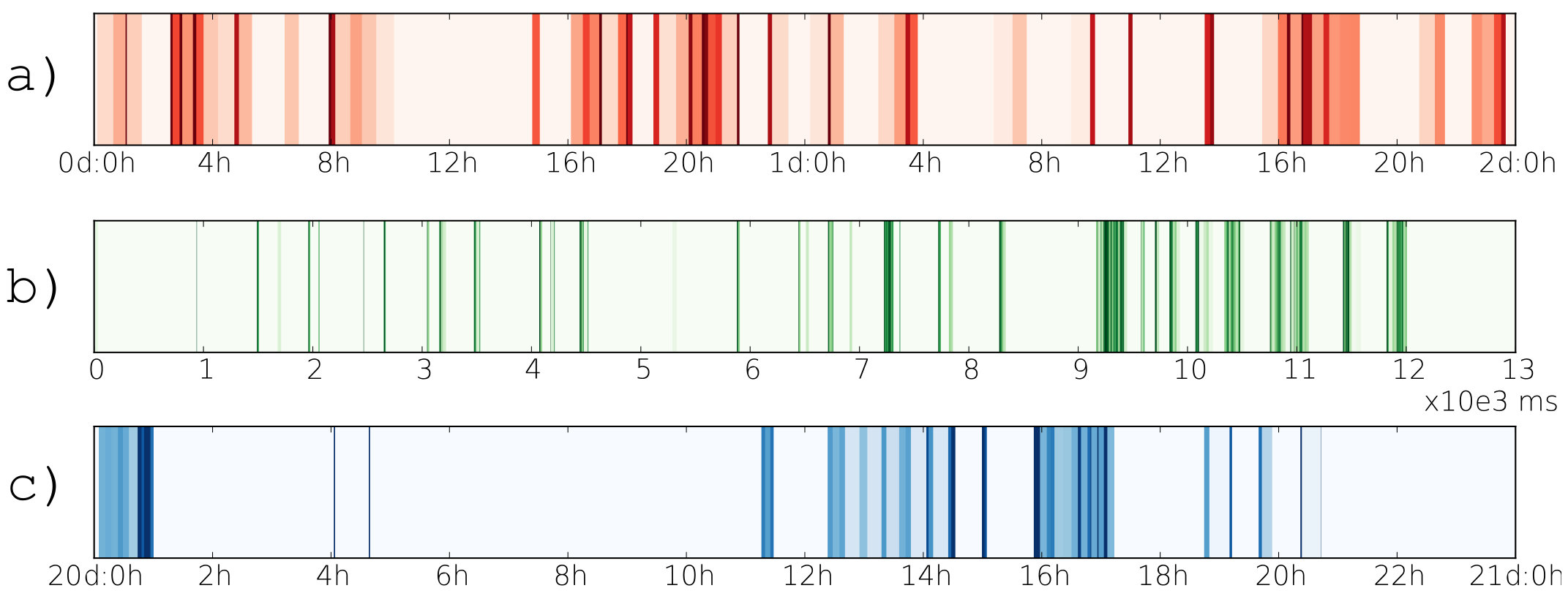 Figure 1
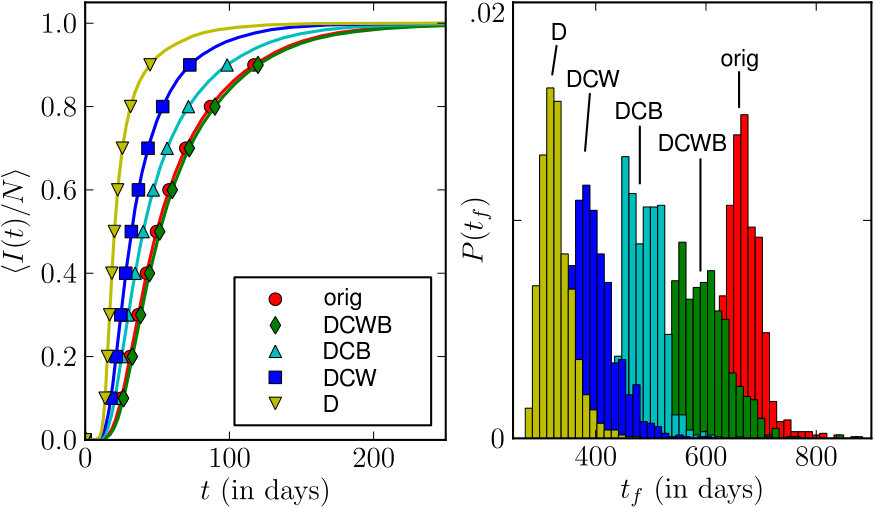 Figure 2
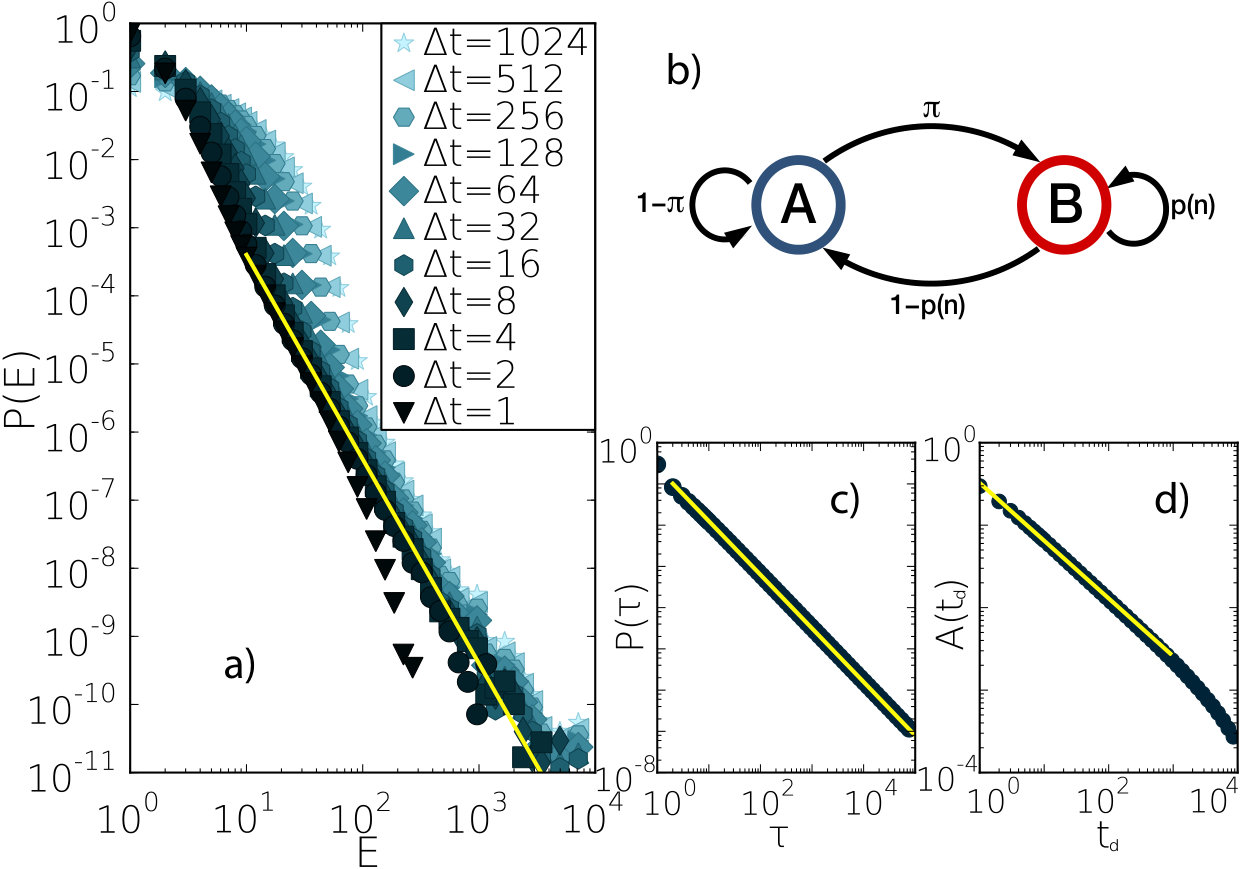 Figure 5
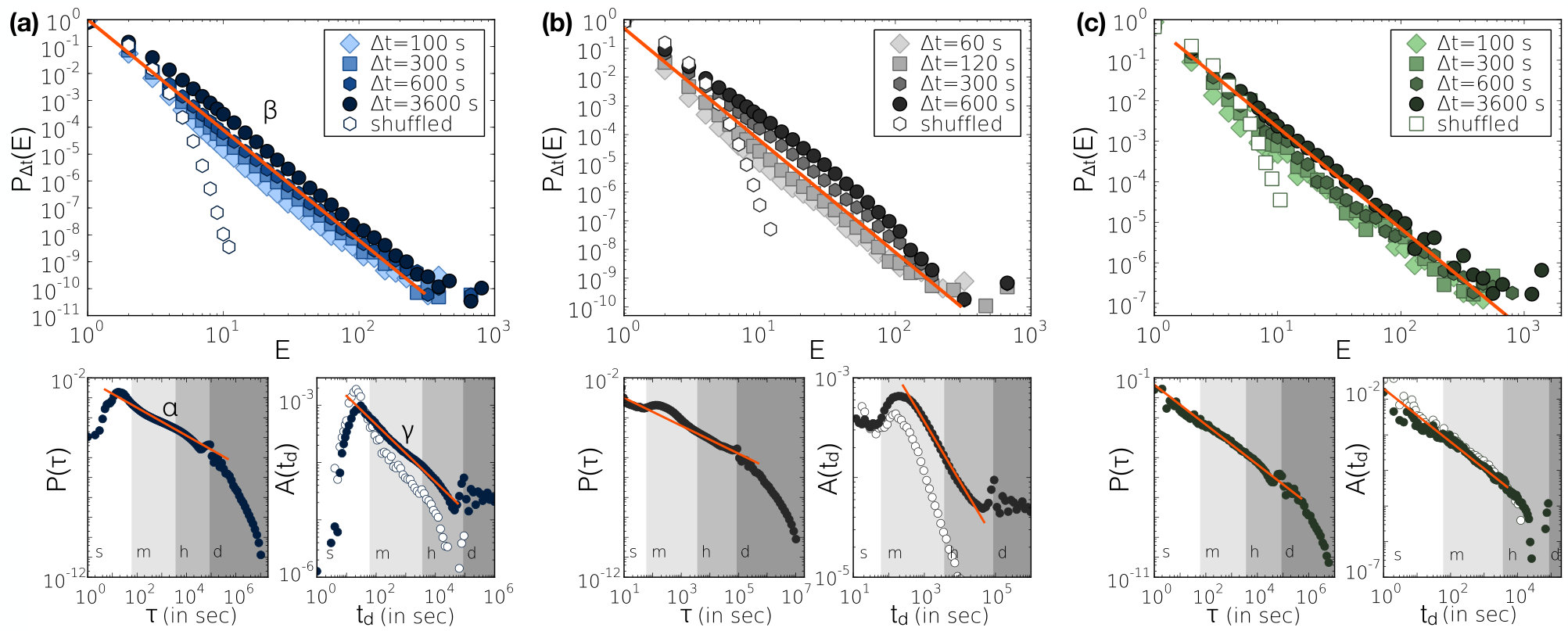 Figure 2
 Figure 5
 Figure 6
 Figure 7
 Figure 8
 Figure 9
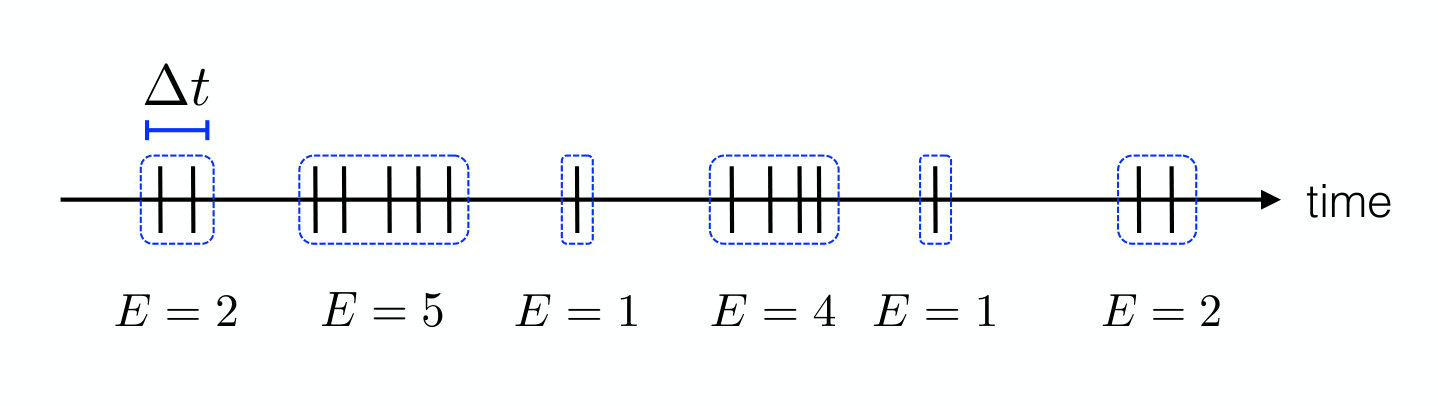 Figure 10
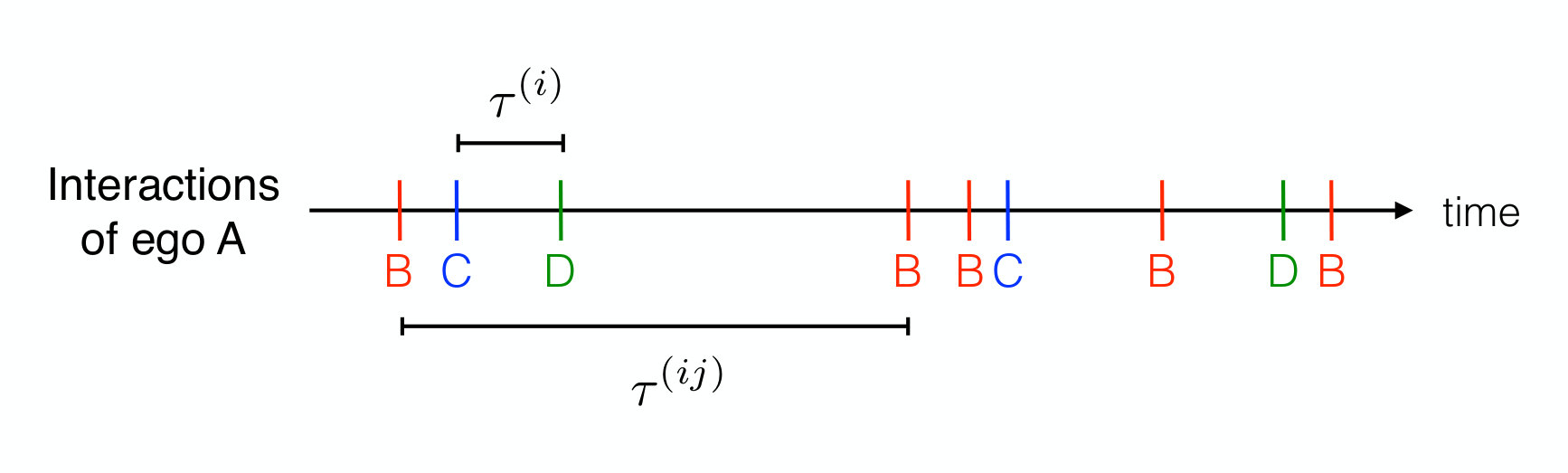 Figure 11
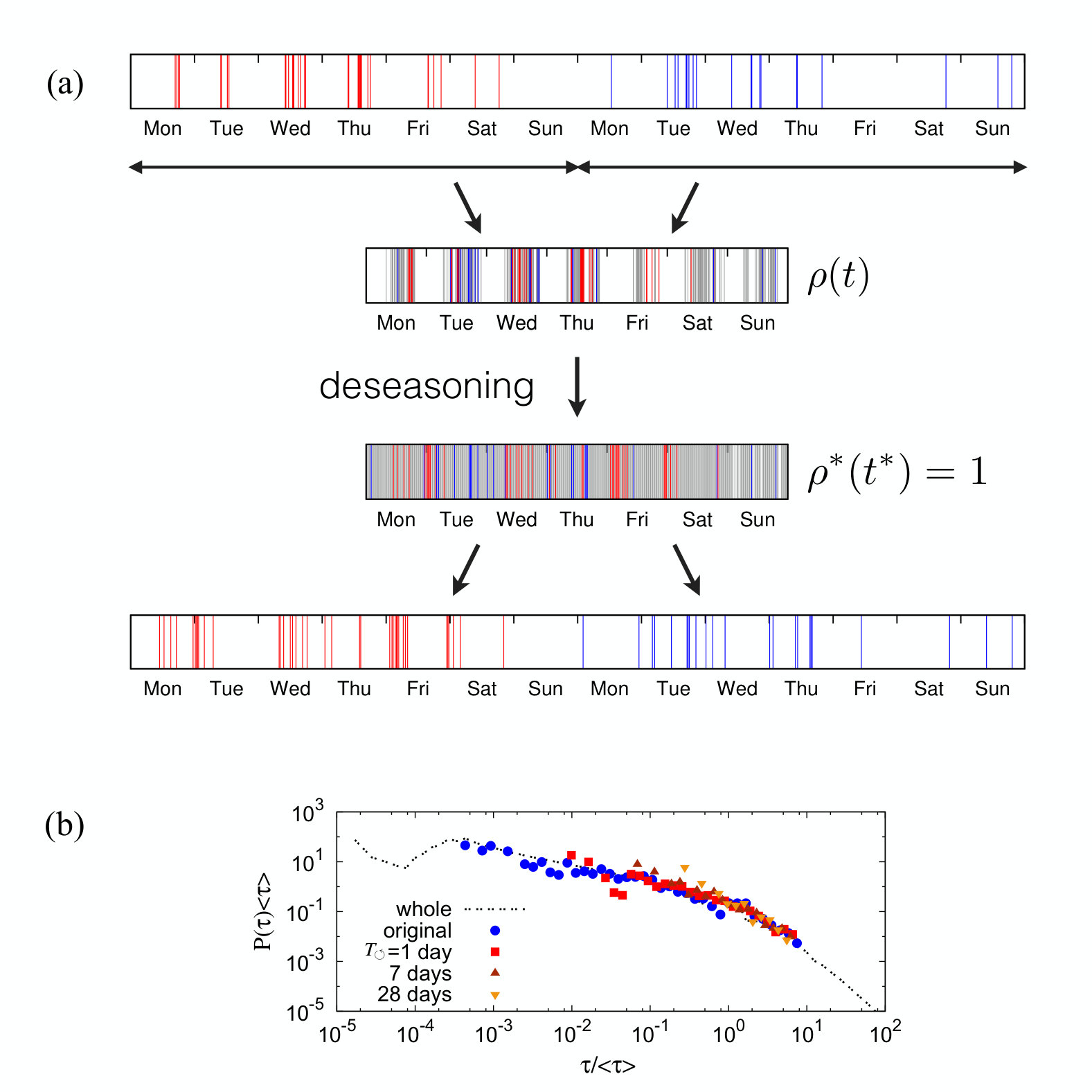 Figure 12
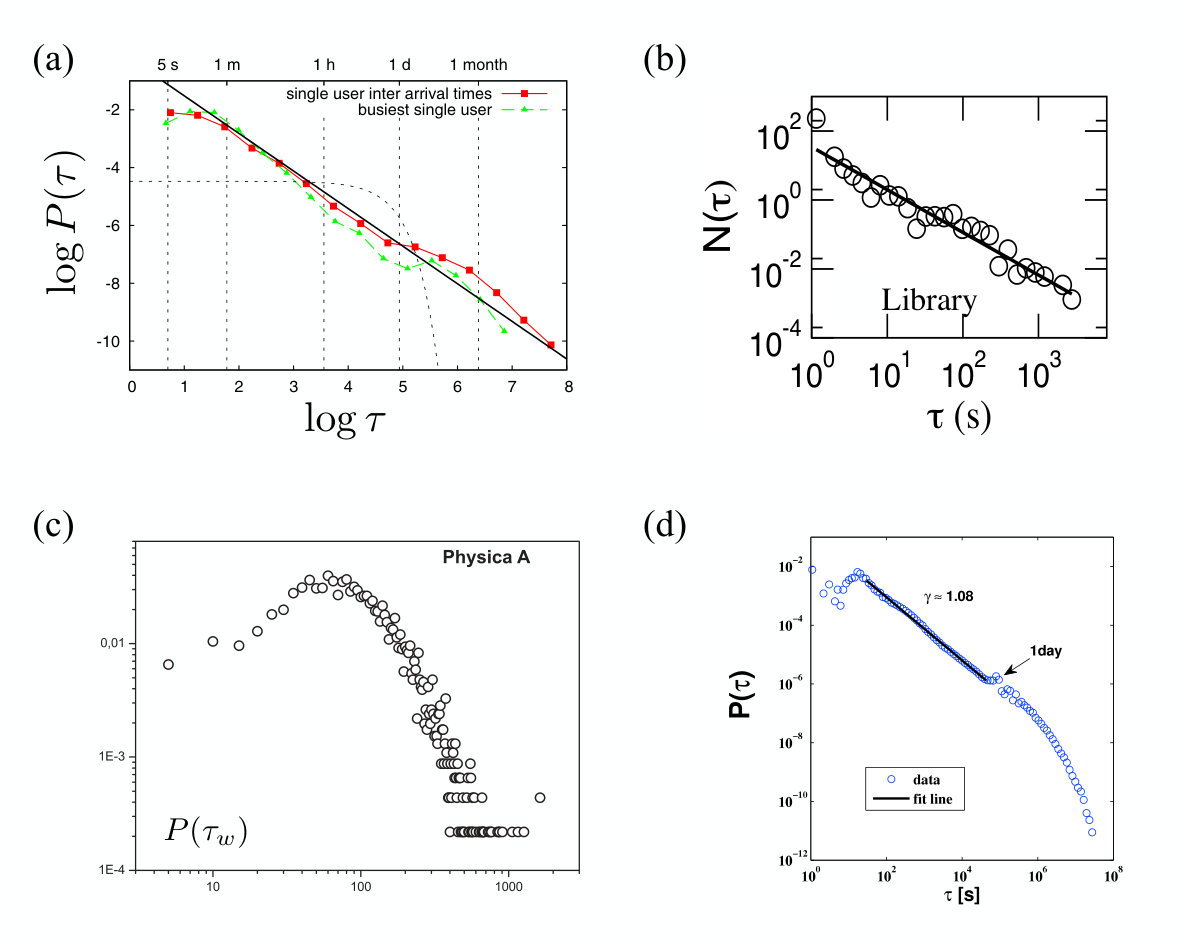 Figure 13
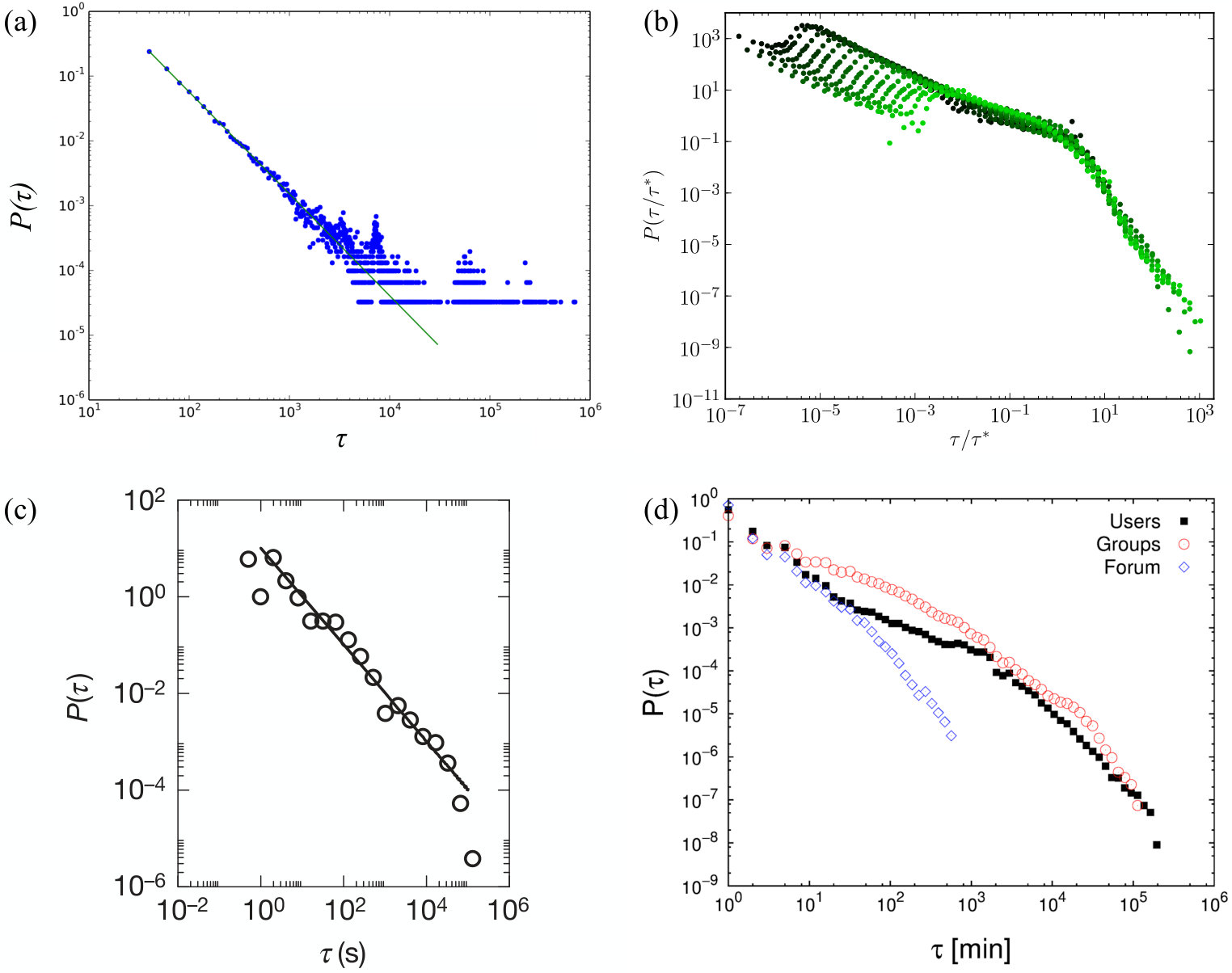 Figure 14
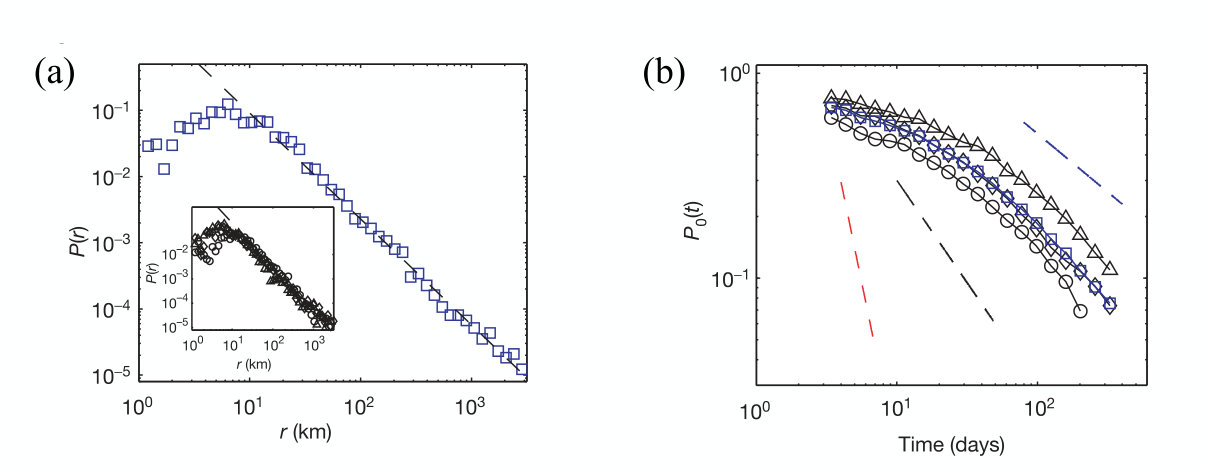 Figure 15
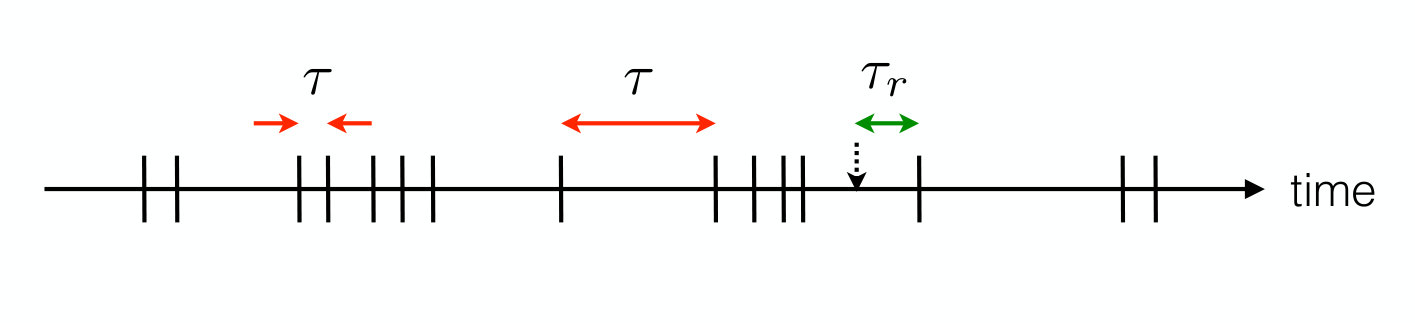 Figure 16
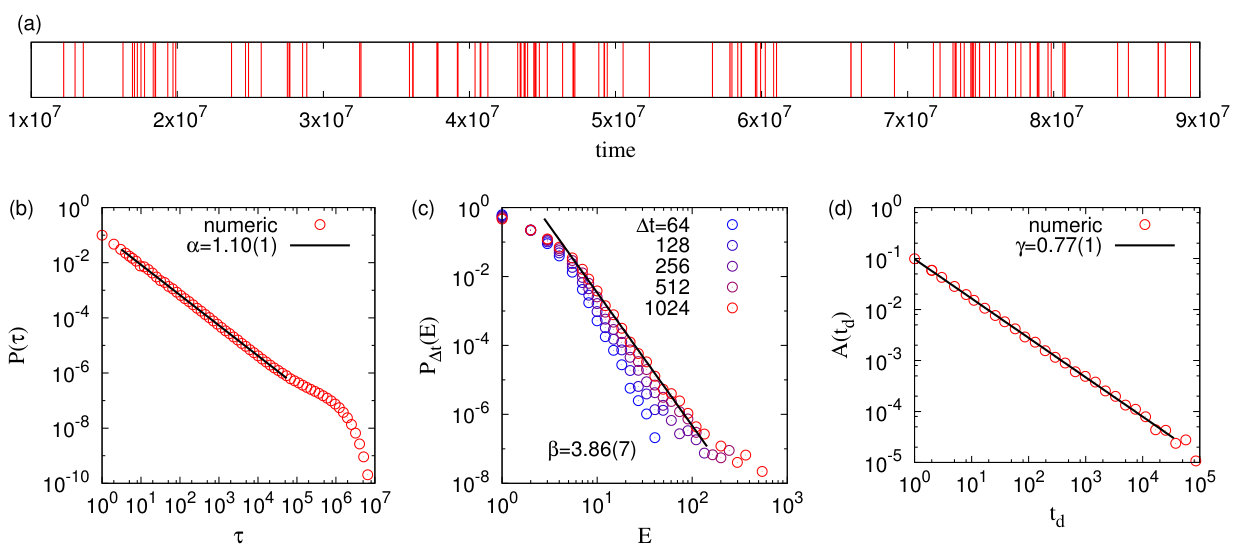 Figure 17
Peer Reviews
No public reviews on file for this paper yet. If you reviewed it on a platform where reviews are public (OpenReview, ICLR, NeurIPS, ICML), you can paste yours below so the community can read it here.
Videos
No videos yet. Explain this paper in a talk, walkthrough, or lecture? Add one.
Bursty Human Dynamics
Márton Karsai1,∗, Hang-Hyun Jo2,3,4, Kimmo Kaski4
1Laboratoire de l’Informatique du Parallélisme, ENS de Lyon, France
2Asia Pacific Center for Theoretical Physics, Pohang, Republic of Korea
3Department of Physics, Pohang University of Science and Technology, Pohang, Republic of Korea
4Department of Computer Science, School of Science, Aalto University, Espoo, Finland
*∗*Corresponding author: [email protected]
Abstract: Bursty dynamics is a common temporal property of various complex systems in Nature but it also characterises the dynamics of human actions and interactions. At the phenomenological level it is a feature of all systems that evolve heterogeneously over time by alternating between periods of low and high event frequencies. In such systems, bursts are identified as periods in which the events occur with a rapid pace within a short time-interval while these periods are separated by long periods of time with low frequency of events. As such dynamical patterns occur in a wide range of natural phenomena, their observation, characterisation, and modelling have been a long standing challenge in several fields of research. However, due to some recent developments in communication and data collection techniques it has become possible to follow digital traces of actions and interactions of humans from the individual up to the societal level. This led to several new observations of bursty phenomena in the new but largely unexplored area of human dynamics, which called for the renaissance to study these systems using research concepts and methodologies, including data analytics and modelling. As a result, a large amount of new insight and knowledge as well as innovations have been accumulated in the field, which provided us a timely opportunity to write this brief monograph to make an up-to-date review and summary of the observations, appropriate measures, modelling, and applications of heterogeneous bursty patterns occurring in the dynamics of human behaviour.
2018
The final publication is available at Springer via http://dx.doi.org/10.1007/978-3-319-68540-3.