ReHAR: Robust and Efficient Human Activity Recognition
Xin Li, Mooi Choo Chuah

TL;DR
ReHAR is a novel human activity recognition scheme that efficiently predicts single and group activities using optical flow, deep representations, and LSTM, achieving higher accuracy and faster computation on benchmark datasets.
Contribution
The paper introduces ReHAR, a robust and efficient end-to-end model combining optical flow and deep representations for improved activity recognition.
Findings
ReHAR outperforms state-of-the-art methods in accuracy.
ReHAR achieves significantly faster computation times.
ReHAR effectively handles both single and group activity recognition.
Abstract
Designing a scheme that can achieve a good performance in predicting single person activities and group activities is a challenging task. In this paper, we propose a novel robust and efficient human activity recognition scheme called ReHAR, which can be used to handle single person activities and group activities prediction. First, we generate an optical flow image for each video frame. Then, both video frames and their corresponding optical flow images are fed into a Single Frame Representation Model to generate representations. Finally, an LSTM is used to pre- dict the final activities based on the generated representations. The whole model is trained end-to-end to allow meaningful representations to be generated for the final activity recognition. We evaluate ReHAR using two well-known datasets: the NCAA Basketball Dataset and the UCFSports Action Dataset. The experimental results…
Click any figure to enlarge with its caption.
 Figure 1
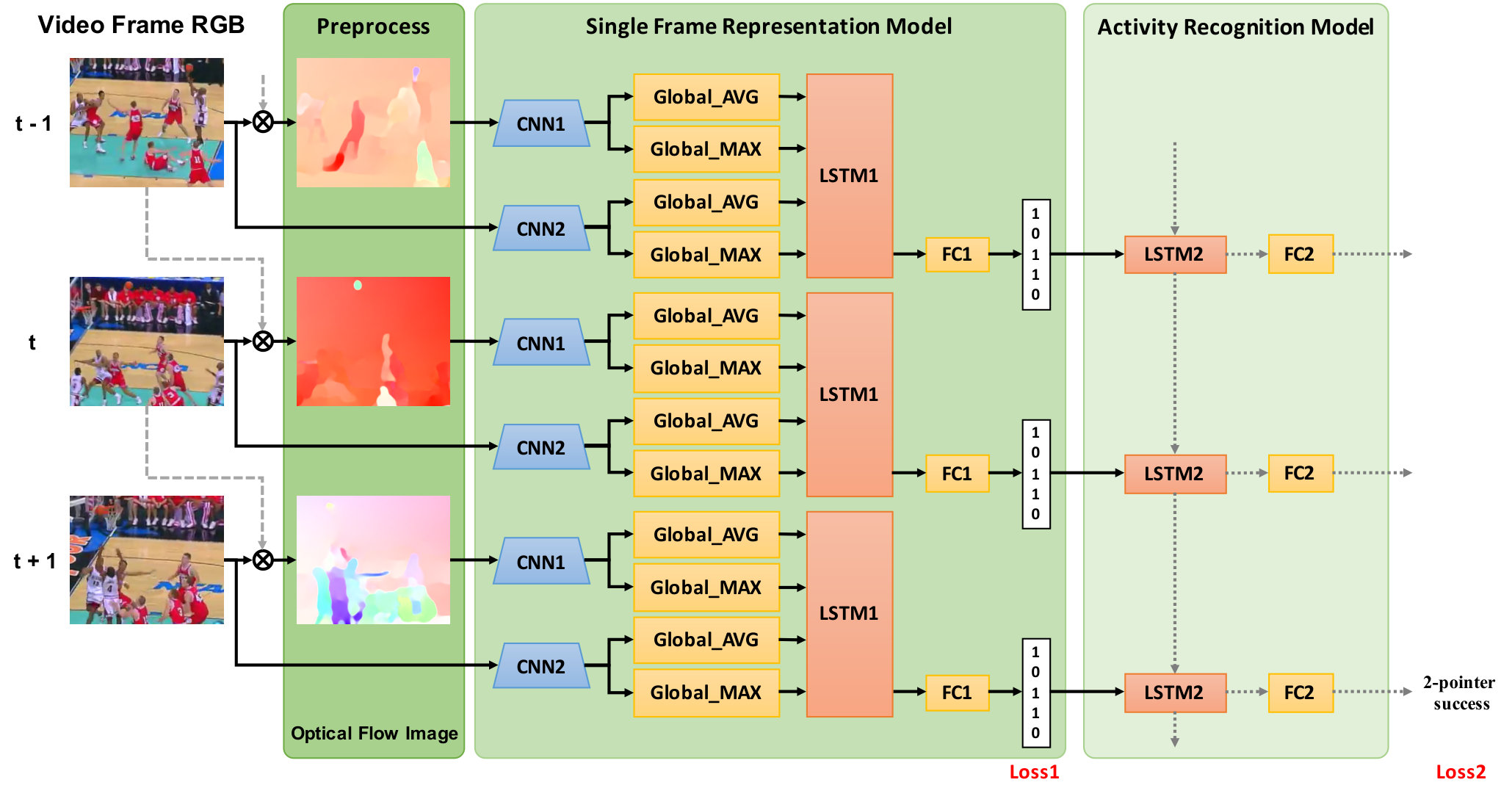 Figure 2
 Figure 3
 Figure 4
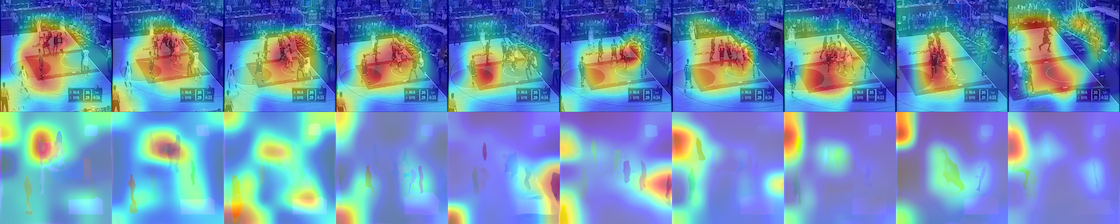 Figure 5
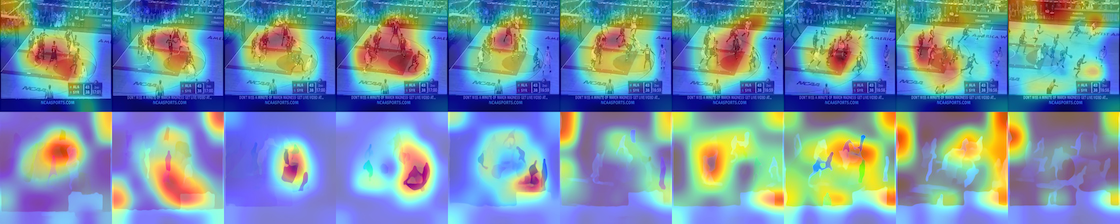 Figure 6
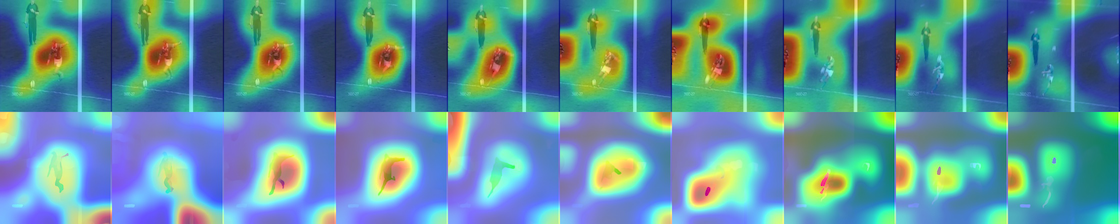 Figure 7
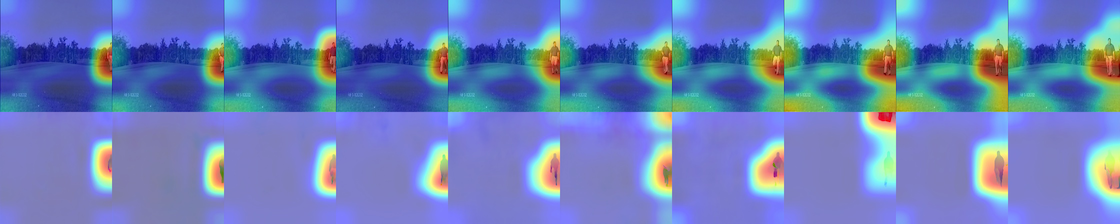 Figure 8
Peer Reviews
No public reviews on file for this paper yet. If you reviewed it on a platform where reviews are public (OpenReview, ICLR, NeurIPS, ICML), you can paste yours below so the community can read it here.
Videos
No videos yet. Explain this paper in a talk, walkthrough, or lecture? Add one.
Taxonomy
TopicsHuman Pose and Action Recognition · Diabetic Foot Ulcer Assessment and Management · Anomaly Detection Techniques and Applications
MethodsSigmoid Activation · Tanh Activation · Long Short-Term Memory