Status report of the ESCULAP project at Orsay: External injection of low energy electrons in a Plasma
Elsa Baynard, Christelle Bruni, Kevin Cassou, Vincent Chaumat, Nicolas, Delerue, Julien Demailly, Denis Douillet, Noureddine El Kamchi, David, Garzella, Olivier Guilbaud, Stephane Jenzer, Sophie Kazamias, Viacheslav, Kubytskyi, Pierre Lepercq, Bruno Lucas, Gilles Maynard

TL;DR
The paper reports on the progress of the ESCULAP project, which investigates injecting low-energy electrons into plasma using advanced laser and photo injector technology, with simulation results indicating promising performance.
Contribution
It provides an update on the development of a new experimental setup for plasma-based electron acceleration and presents simulation data on its expected capabilities.
Findings
Preliminary work on the facility is underway.
Simulations show promising acceleration performance.
The project integrates laser and photo injector technologies.
Abstract
The ESCULAP project aims at studying external injection of low energy (\SI{10}{MeV}) electrons in a plasma in the quasilinear regime. This facility will use the photo injector PHIL and the high power laser LASERIX. We will give a status report of the preliminary work on the facility and the status of the two machines. We will also present the results of simulations showing the expected performances of the facility.
Click any figure to enlarge with its caption.
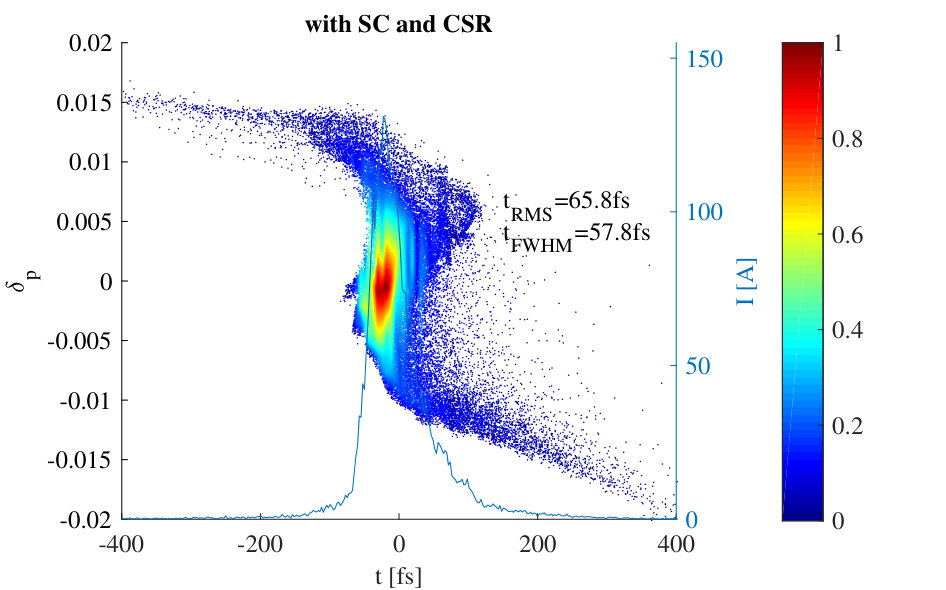 Figure 1
 Figure 2
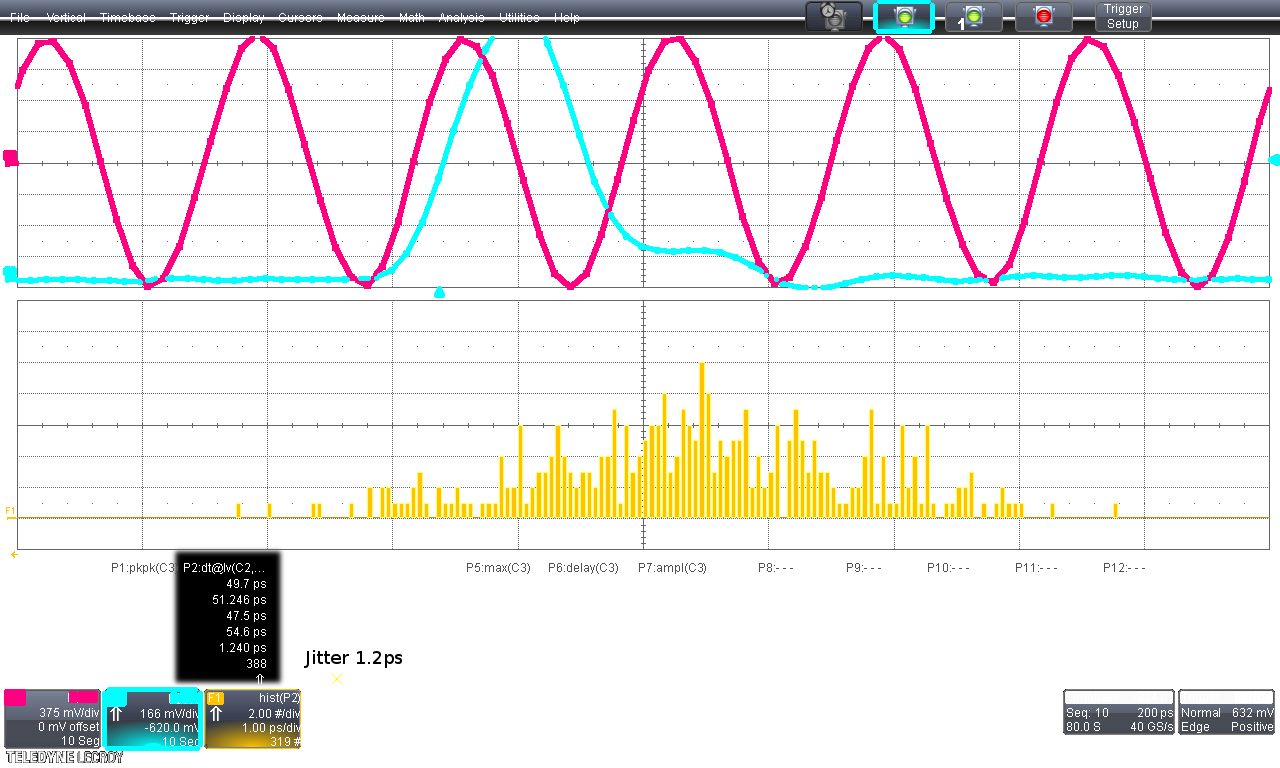 Figure 3
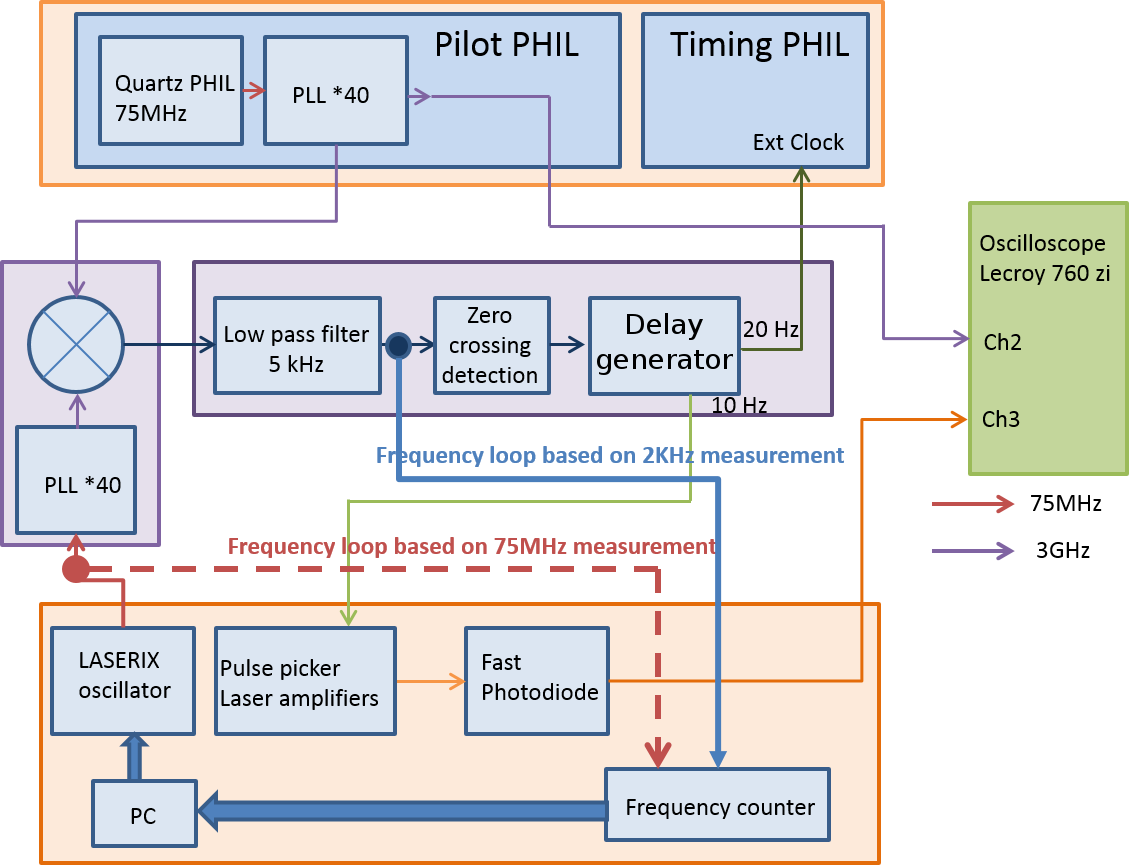 Figure 4
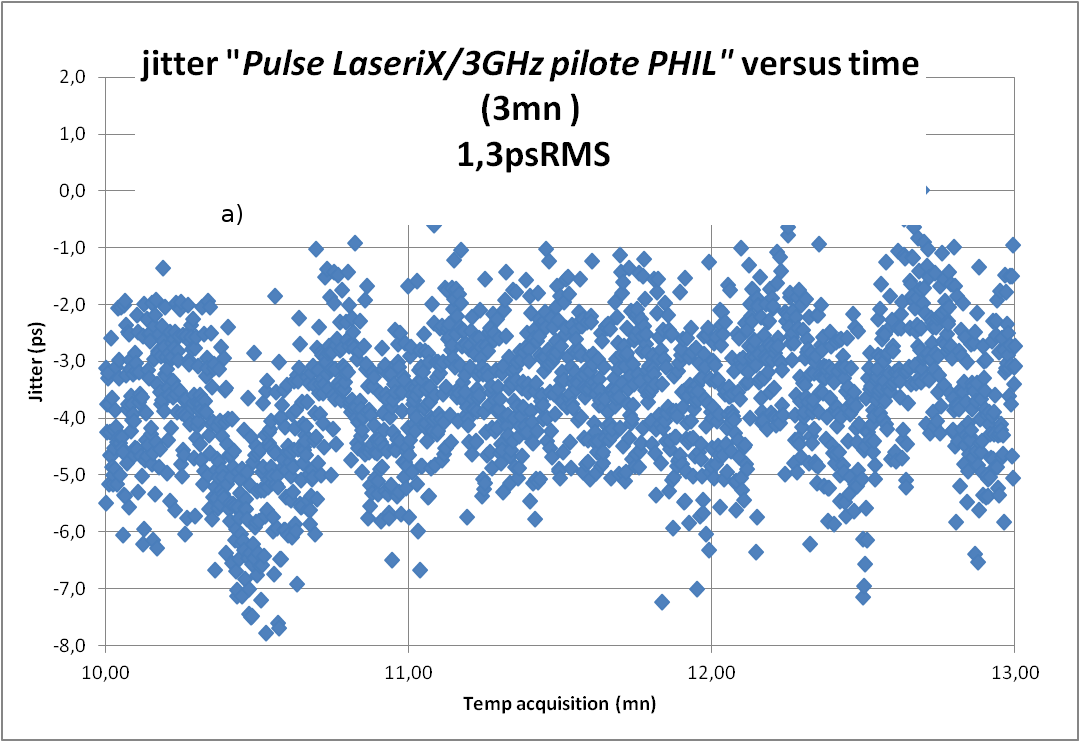 Figure 5
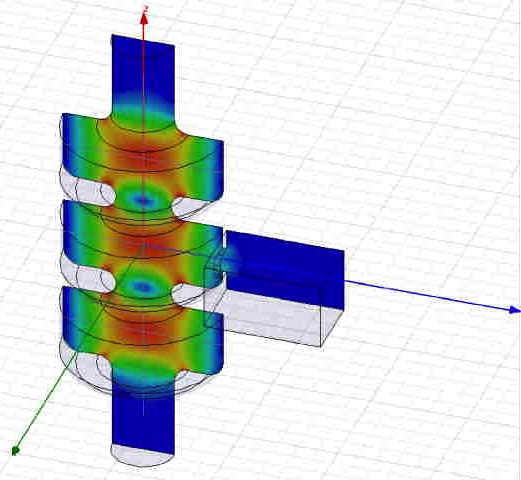 Figure 6
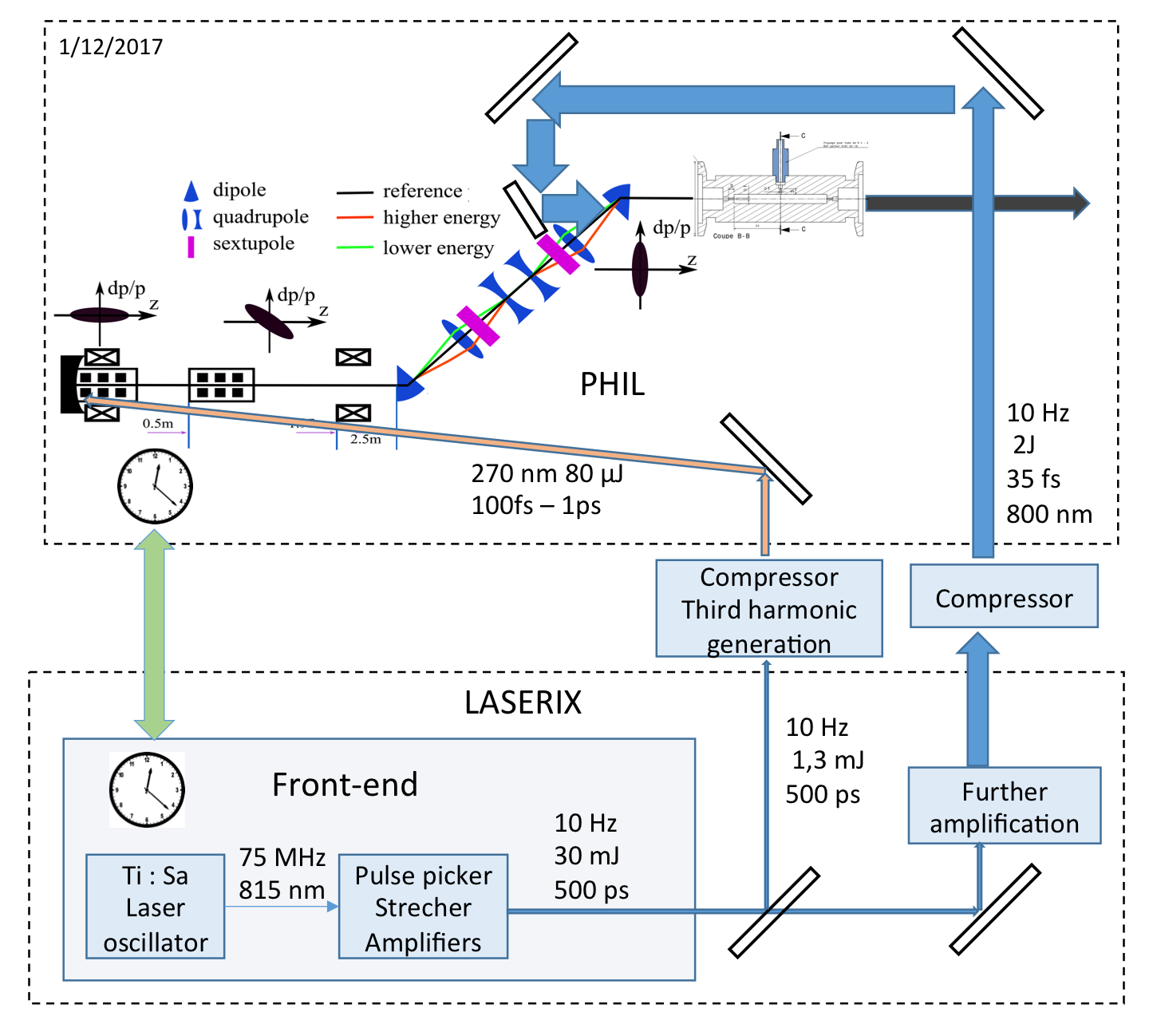 Figure 7
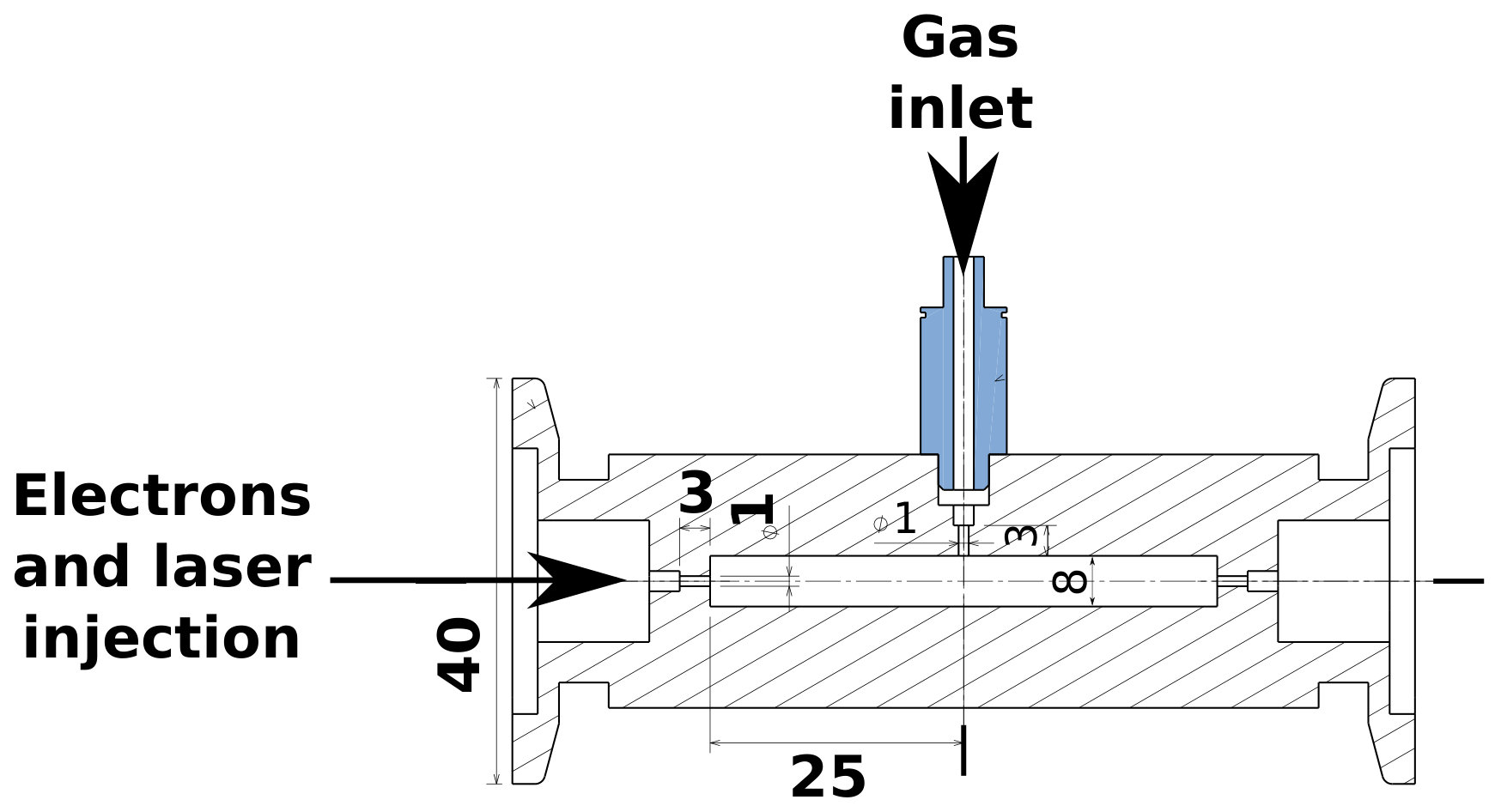 Figure 8
Peer Reviews
No public reviews on file for this paper yet. If you reviewed it on a platform where reviews are public (OpenReview, ICLR, NeurIPS, ICML), you can paste yours below so the community can read it here.
Videos
No videos yet. Explain this paper in a talk, walkthrough, or lecture? Add one.
Status report of the ESCULAP project at Orsay: External injection of low energy electrons in a Plasma.
Elsa Baynard
Christelle Bruni
Kevin Cassou
Vincent Chaumat
Nicolas Delerue
Julien Demailly
Denis Douillet
Noureddine El Kamchi
David Garzella
Olivier Guilbaud
Stephane Jenzer
Sophie Kazamias
Viacheslav Kubytskyi
Pierre Lepercq
Bruno Lucas
Gilles Maynard
Olivier Neveu
Moana Pittman
Rui Prazeres
Harsh Purwar
David Ros
Cynthia Vallerand
Ke Wang
CLUPS, Univ. Paris-Sud, Université Paris-Saclay, Orsay, France.
LAL, Univ. Paris-Sud, CNRS/IN2P3, Université Paris-Saclay, Orsay, France.
Laboratoire de Physique des Gaz et des Plasmas, Univ. Paris-Sud, CNRS, Université Paris-Saclay, Orsay, France.
CLIO/LCP, Univ. Paris-Sud, CNRS, Université Paris-Saclay, Orsay, France.
CEA/DRF/LIDYL, Université Paris-Saclay, Saclay, France.
Abstract
The ESCULAP project aims at studying external injection of low energy () electrons in a plasma in the quasilinear regime. This facility will use the photo injector PHIL and the high power laser LASERIX. We will give a status report of the preliminary work on the facility and the status of the two machines. We will also present the results of simulations showing the expected performances of the facility.
keywords:
External injection, Laser plasma acceleration, LPWA, gas cell, magnetic compression
††journal: NIM-A
1 Overview of the ESCULAP project.
The ESCULAP (ElectronS CoUrts pour l’Accélération Plasma) [1] project aims at studying external injection of low energy () electrons in a plasma in the quasilinear regime. This experiment will use the photo injector PHIL [2] and the high power laser LASERIX [3].
The proposed layout of the experiment is shown in figure 1. The electron bunches coming from PHIL are compressed in a compression chicane and then injected in a plasma cell where they are accelerated. In this paper, section 2 will describe the two machines forming the project, section 3 will present the advantages of quasilinear acceleration, section 4 will describe the synchronization of the two machines, section 5 will describe the compression chicane, section 6 will present the constraints on the gas cell and the final part of the paper will give an outlook of the project.
2 PHIL and Laserix
2.1 PHIL
PHIL is a photo injector that has been described in [2]. With a copper photocathode it can produce electron bunches with a charge up to and an emittance of (at the cathode) however for this project it will be used to produce lower charges ( for the first experimental campaign).
2.1.1 PHIL upgrade
PHIL will be upgraded so that it can produce electron bunches with an energy of . A 3-cell standing wave booster will be installed after the photo-injector. In this cavity an RF input power of will produce the accelerating gradient required to increase the energy of the beam up to .
2.2 Laserix
LASERIX is a Ti-Sapphir laser chain mainly dedicated to provide two XUV beamlines that can be either separated or combined together which is described in [3]. It is part of the pettawatt system described in [4] and being re-installed at Université Paris-Sud. For the present purpose, the Ti-Sapphir laser chain delivers laser beam at repetition rate, with an energy of about and pulse duration at a wavelength of . A sampling of is frequency tripled to UV () with a third harmonic generator and sent to the PHIL photocathode. The energy beam will be focused in a plasma cell to create the plasma wave.
3 Modelisation of the experiment
An extensive effort has been done to simulate the experiment and is document in [1] and [5]. The simulations results show that after acceleration the electrons should reach an energy of about with a trapping efficiency better than for injected.
4 Synchronisation of the high power laser LASERIX with the Photoinjector PHIL
As the two machines use independent clocks an heterodyne synchronisation system has been devised and tested. It has been presented in [6]. It uses a mixer to generate an heterodyne signal from the PHIL RF and the signal from a photodiode located inside the LASERIX oscillator. This heterodyne signal is then low-pass filtered and one zero crossing is used to generate the trigger signals required by PHIL and LASERIX. Measurements with an ultra-fast scope have shown that the jitter of this synchronization system is lower than rms.
5 Compression of the electron bunch
To match the parameters of the electron beam with those required by the plasma a compression chicane is required. It will require at least two sets of quadrupoles and a pair of sextupoles to provide longitudinal compression but additional quadrupoles will be used for transverse compression. Simulations with ImpactT [7] of the beam expected after the chicane are shown on figure 2 and are described in detail in [8], together with the chicane. As we can see such chicane can compress the beam to much better than our target of FWHM and in [8] it is also shown that the beam can be focussed to better than FWHM in the transverse plane at the entrance of the plasma.
6 Gas cell
The next challenge to be addressed is to be able to have a variable plasma density along the beam axis. Given the low energy at which we will perform the experiments this shaping will be rather important. Several strategies are currently being investigated: either by shaping the channel in which the gas will propagate or by using different gas inlets at different pressures. A preliminary design of such a cell is shown in figure 3. This plasma cell has quartz windows on two sides to allow imaging of the plasma density along most of its length.
7 Outlook
The ESCULAP experiment will investigate laser-driven plasma acceleration by external injection in the quasilinear regime. It will be a unique facility in its energy injection range. We have demonstrated that the two facilities PHIL and LASERIX can be synchronized to better than . We have also shown that the electrons could be focussed longitudinally to better than and transversely to better than . The design of the plasma cell is well under way.
8 Acknowledgements
The ESCULAP team is grateful to CNRS and Univ. Paris-Sud (Université Paris-Saclay) for their support.
References
- [1]
N. Delerue, C. Bruni, S. Jenzer, S. Kazamias, B. Lucas, G. Maynard, M. Pittman, Simulations of the Acceleration of Externally Injected Electrons in a Plasma Excited in the Linear Regime, in: IPAC’16, WEPMY0003, 2016.
URL https://inspirehep.net/record/1474448/files/arXiv:1607.02065.pdf
- [2]
M. Alves, C. Arnault, D. Auguste, J. L. Babigeon, F. Blot, J. Brossard, C. Bruni, S. Cavalier, J. N. Cayla, V. Chaumat, J. Collin, M. Dehamme, M. Demarest, J. P. Dugal, M. Elkhaldi, I. Falleau, A. Gonnin, M. Jore, E. Jules, B. Leluan, P. Lepercq, F. Letellier, E. Mandag, J. C. Marrucho, B. Mercier, E. Mistretta, C. Prevost, R. Roux, V. Soskov, A. Toutain, A. Variola, O. Vitez, H. Monard, Phil photoinjector test line, Journal of Instrumentation 8 (01) (2013) T01001.
URL http://stacks.iop.org/1748-0221/8/i=01/a=T01001
- [3]
O. Guilbaud, G. V. Cojocaru, L. Li, O. Delmas, R. G. Ungureanu, R. A. Banici, S. Kazamias, K. Cassou, O. Neveu, J. Demailly, E. Baynard, M. Pittman, A. L. Marec, A. Klisnick, P. Zeitoun, D. Ursescu, D. Ros, Gain dynamics in quickly ionized plasma for seeded operated soft x-ray lasers, Opt. Lett. 40 (20) (2015) 4775–4778.
URL http://ol.osa.org/abstract.cfm?URI=ol-40-20-4775
- [4]
F. Ple, M. Pittman, G. Jamelot, J.-P. Chambaret, Design and demonstration of a high-energy booster amplifier for a high-repetition rate petawatt class laser system, Opt. Lett. 32 (3) (2007) 238–240.
URL http://ol.osa.org/abstract.cfm?URI=ol-32-3-238
- [5]
V. Kubytskyi, et al., Modelling of laser-plasma acceleration of relativistic electrons in the frame of esculap project, in: EAAC, 2017.
- [6]
N. Delerue, et al., Synchronization of a Photo-Injector and a High Power Laser With Independent Clocks, in: Proceedings, 8th International Particle Accelerator Conference (IPAC 2017): Copenhagen, Denmark, May 14-19, 2017, 2017, p. THPAB093.
doi:10.18429/JACoW-IPAC2017-THPAB093.
URL https://inspirehep.net/record/1627339/files/thpab093.pdf
- [7]
J. Qiang, S. Lidia, R. D. Ryne, C. Limborg-Deprey, Three-dimensional quasistatic model for high brightness beam dynamics simulation, Phys. Rev. ST Accel. Beams 9 (2006) 044204.
doi:10.1103/PhysRevSTAB.9.044204.
URL https://link.aps.org/doi/10.1103/PhysRevSTAB.9.044204
- [8]
K. WANG, et al., Longitudinal compression and transverse matching of electron bunch for external injection lpwa at esculap, in: A. by NIM (Ed.), EAAC, 2017.
The reference list from the paper itself. Each links out to its DOI / PubMed record.
- 1[1] N. Delerue, C. Bruni, S. Jenzer, S. Kazamias, B. Lucas, G. Maynard, M. Pittman, Simulations of the Acceleration of Externally Injected Electrons in a Plasma Excited in the Linear Regime , in: IPAC’16, WEPMY 0003, 2016. ar Xiv:1607.02065 . URL https://inspirehep.net/record/1474448/files/ar Xiv:1607.02065.pdf
- 2[2] M. Alves, C. Arnault, D. Auguste, J. L. Babigeon, F. Blot, J. Brossard, C. Bruni, S. Cavalier, J. N. Cayla, V. Chaumat, J. Collin, M. Dehamme, M. Demarest, J. P. Dugal, M. Elkhaldi, I. Falleau, A. Gonnin, M. Jore, E. Jules, B. Leluan, P. Lepercq, F. Letellier, E. Mandag, J. C. Marrucho, B. Mercier, E. Mistretta, C. Prevost, R. Roux, V. Soskov, A. Toutain, A. Variola, O. Vitez, H. Monard, Phil photoinjector test line , Journal of Instrumentation 8 (01) (2013) T 01001. URL http://stacks.
- 3[3] O. Guilbaud, G. V. Cojocaru, L. Li, O. Delmas, R. G. Ungureanu, R. A. Banici, S. Kazamias, K. Cassou, O. Neveu, J. Demailly, E. Baynard, M. Pittman, A. L. Marec, A. Klisnick, P. Zeitoun, D. Ursescu, D. Ros, Gain dynamics in quickly ionized plasma for seeded operated soft x-ray lasers , Opt. Lett. 40 (20) (2015) 4775–4778. doi:10.1364/OL.40.004775 . URL http://ol.osa.org/abstract.cfm?URI=ol-40-20-4775 · doi ↗
- 4[4] F. Ple, M. Pittman, G. Jamelot, J.-P. Chambaret, Design and demonstration of a high-energy booster amplifier for a high-repetition rate petawatt class laser system , Opt. Lett. 32 (3) (2007) 238–240. doi:10.1364/OL.32.000238 . URL http://ol.osa.org/abstract.cfm?URI=ol-32-3-238 · doi ↗
- 5[5] V. Kubytskyi, et al., Modelling of laser-plasma acceleration of relativistic electrons in the frame of esculap project, in: EAAC, 2017.
- 6[6] N. Delerue, et al., Synchronization of a Photo-Injector and a High Power Laser With Independent Clocks , in: Proceedings, 8th International Particle Accelerator Conference (IPAC 2017): Copenhagen, Denmark, May 14-19, 2017, 2017, p. THPAB 093. doi:10.18429/JA Co W-IPAC 2017-THPAB 093 . URL https://inspirehep.net/record/1627339/files/thpab 093.pdf · doi ↗
- 7[7] J. Qiang, S. Lidia, R. D. Ryne, C. Limborg-Deprey, Three-dimensional quasistatic model for high brightness beam dynamics simulation , Phys. Rev. ST Accel. Beams 9 (2006) 044204. doi:10.1103/Phys Rev STAB.9.044204 . URL https://link.aps.org/doi/10.1103/Phys Rev STAB.9.044204 · doi ↗
- 8[8] K. WANG, et al., Longitudinal compression and transverse matching of electron bunch for external injection lpwa at esculap, in: A. by NIM (Ed.), EAAC, 2017.