Randomized Local Model Order Reduction
Andreas Buhr, Kathrin Smetana

TL;DR
This paper introduces a randomized approach to construct local approximation spaces for model order reduction, achieving near-optimal convergence efficiently by leveraging randomized linear algebra and probabilistic error estimation.
Contribution
It proposes an adaptive randomized algorithm to efficiently approximate optimal local approximation spaces in model order reduction, reducing computational costs.
Findings
The randomized algorithm approximates transfer operator ranges with high accuracy.
The probabilistic error estimator is proven to be both efficient and reliable.
Numerical experiments validate the theoretical convergence and efficiency.
Abstract
In this paper we propose local approximation spaces for localized model order reduction procedures such as domain decomposition and multiscale methods. Those spaces are constructed from local solutions of the partial differential equation (PDE) with random boundary conditions, yield an approximation that converges provably at a nearly optimal rate, and can be generated at close to optimal computational complexity. In many localized model order reduction approaches like the generalized finite element method, static condensation procedures, and the multiscale finite element method local approximation spaces can be constructed by approximating the range of a suitably defined transfer operator that acts on the space of local solutions of the PDE. Optimal local approximation spaces that yield in general an exponentially convergent approximation are given by the left singular vectors of this…
Click any figure to enlarge with its caption.
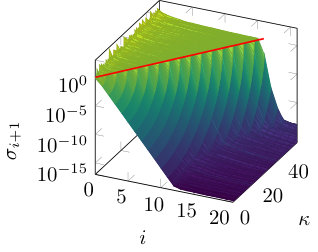 Figure 1
 Figure 2
 Figure 3
 Figure 4
 Figure 5
 Figure 6
 Figure 7
 Figure 8
 Figure 9
 Figure 10
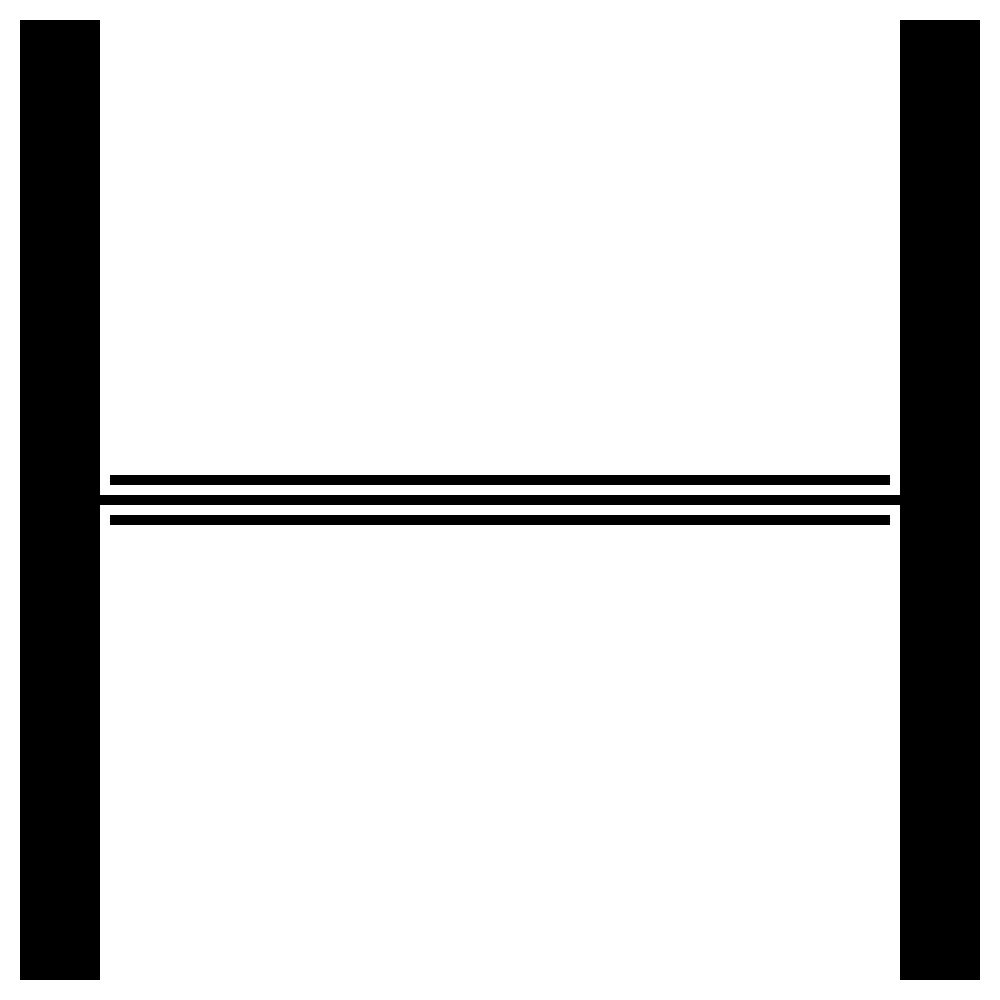 Figure 11
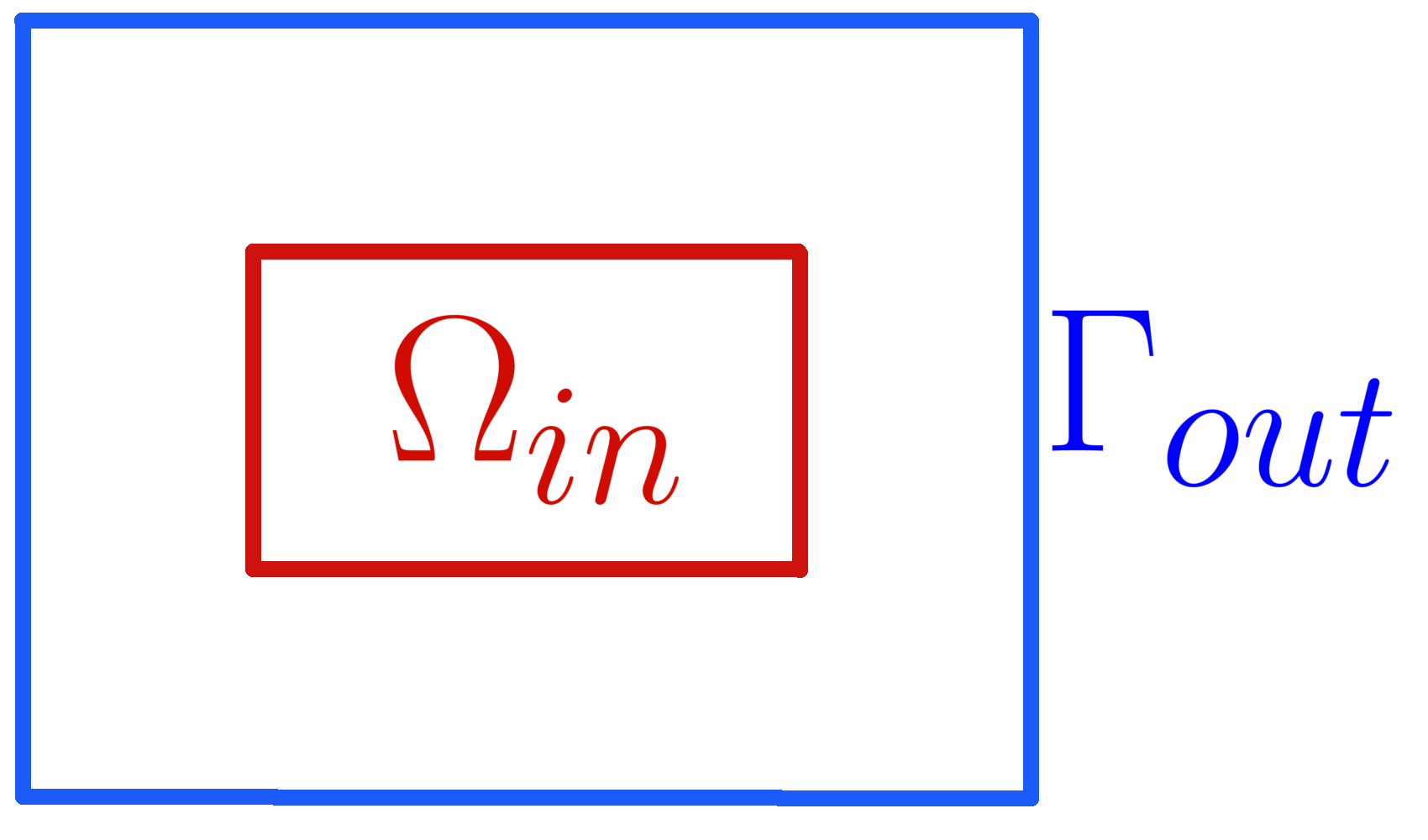 Figure 12
 Figure 13
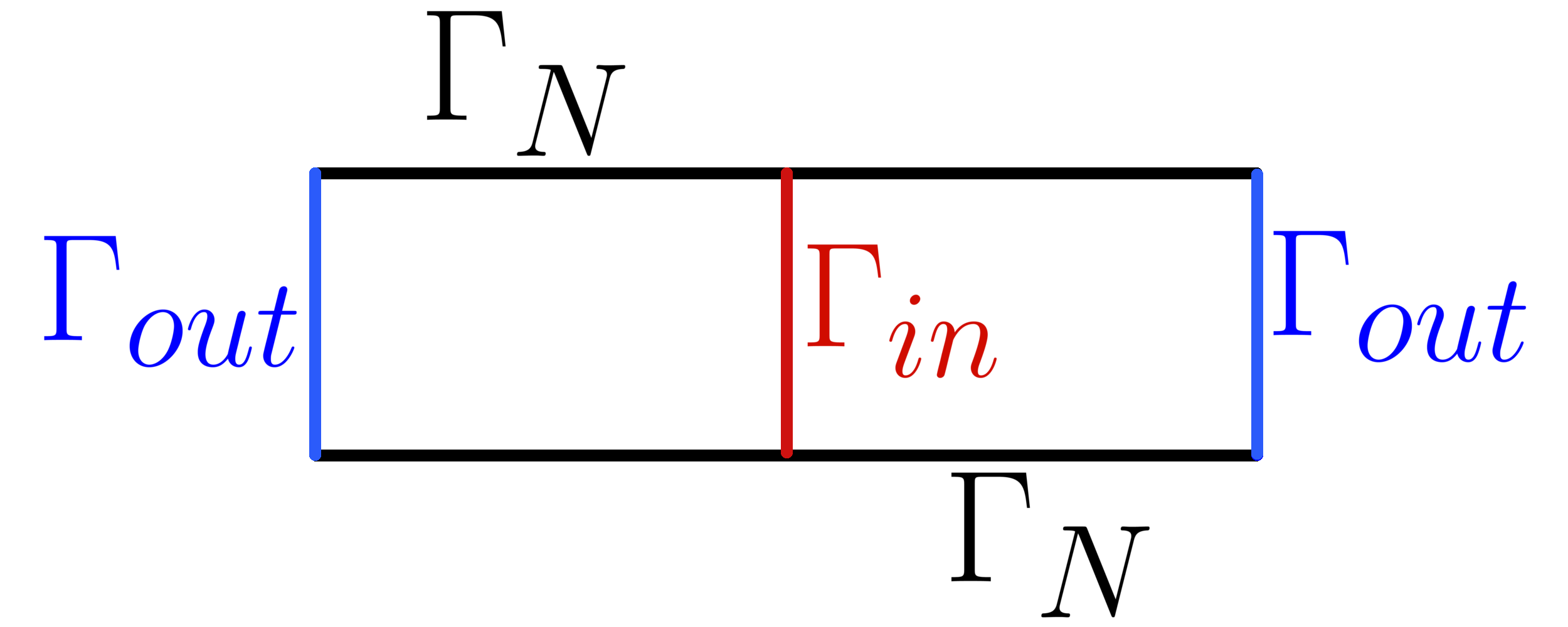 Figure 14
Peer Reviews
No public reviews on file for this paper yet. If you reviewed it on a platform where reviews are public (OpenReview, ICLR, NeurIPS, ICML), you can paste yours below so the community can read it here.
Videos
No videos yet. Explain this paper in a talk, walkthrough, or lecture? Add one.