Hidden long evolutionary memory in a model biochemical network
Md. Zulfikar Ali, Ned S. Wingreen, Ranjan Mukhopadhyay

TL;DR
This paper presents a minimal model demonstrating that biochemical networks can develop long-term evolutionary memory through neutral drift, revealing hidden constraints in sequence space that influence network evolution.
Contribution
It introduces a sequence-based mutational model for protein-interaction networks, uncovering hidden long-term evolutionary memory and constraints in network evolution.
Findings
Neutral drift increases network complexity without selective pressure
Hidden order in sequence space leads to long-term evolutionary memory
Topology of accessible sequence space constrains network evolution
Abstract
We introduce a minimal model for the evolution of functional protein-interaction networks using a sequence-based mutational algorithm, and apply the model to study neutral drift in networks that yield oscillatory dynamics. Starting with a functional core module, random evolutionary drift increases network complexity even in the absence of specific selective pressures. Surprisingly, we uncover a hidden order in sequence space that gives rise to long-term evolutionary memory, implying strong constraints on network evolution due to the topology of accessible sequence space.
Click any figure to enlarge with its caption.
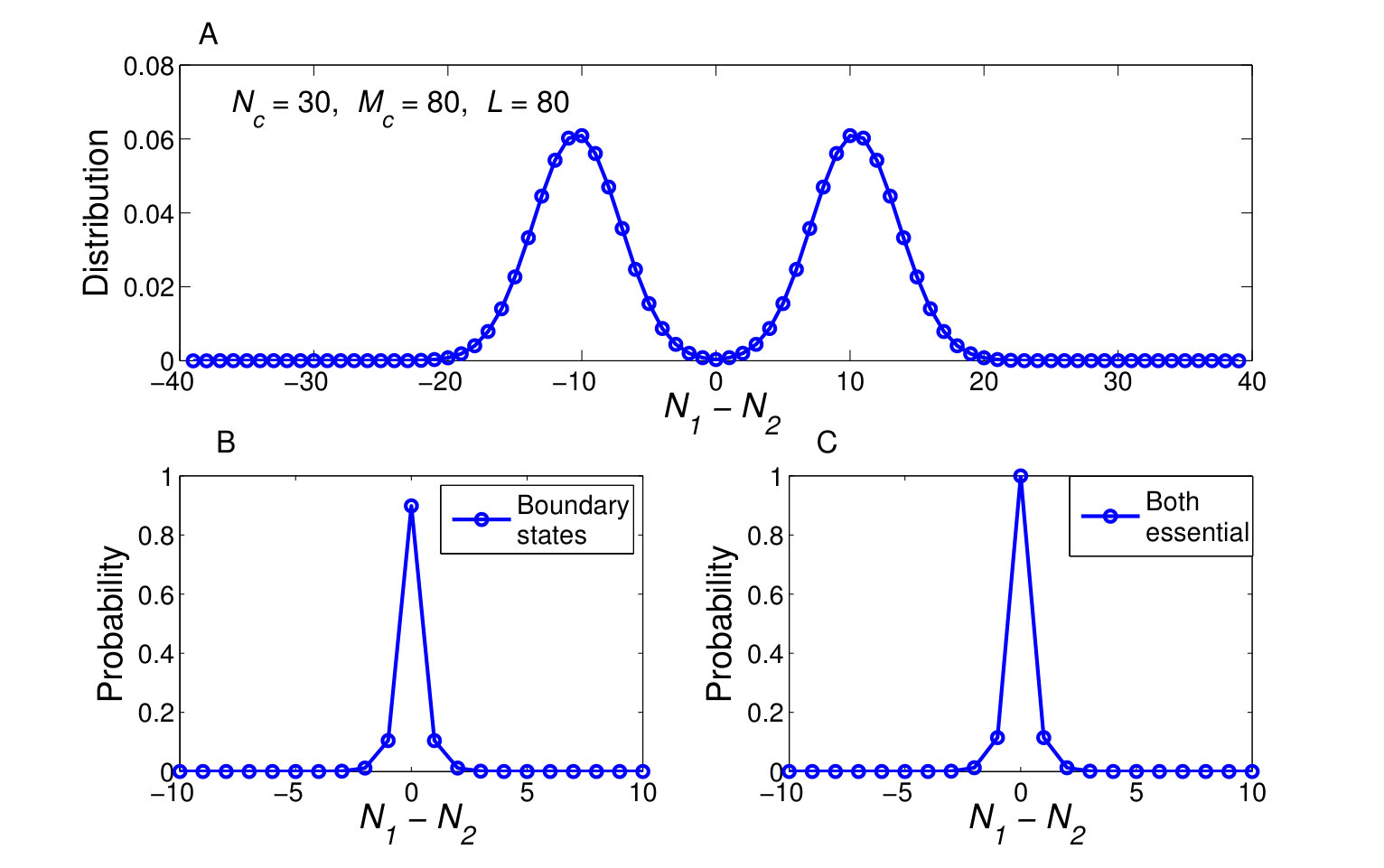 Figure 1
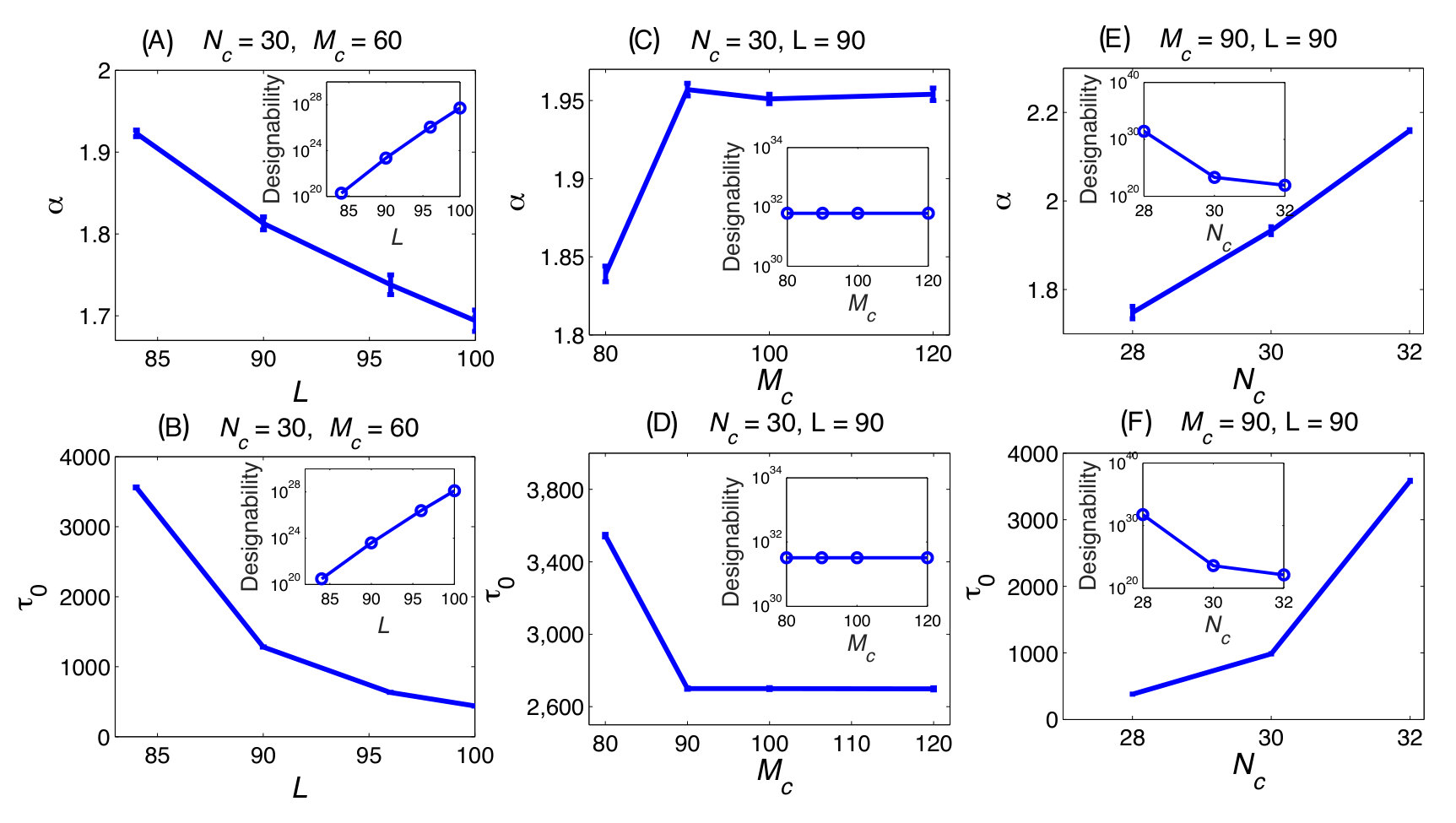 Figure 2
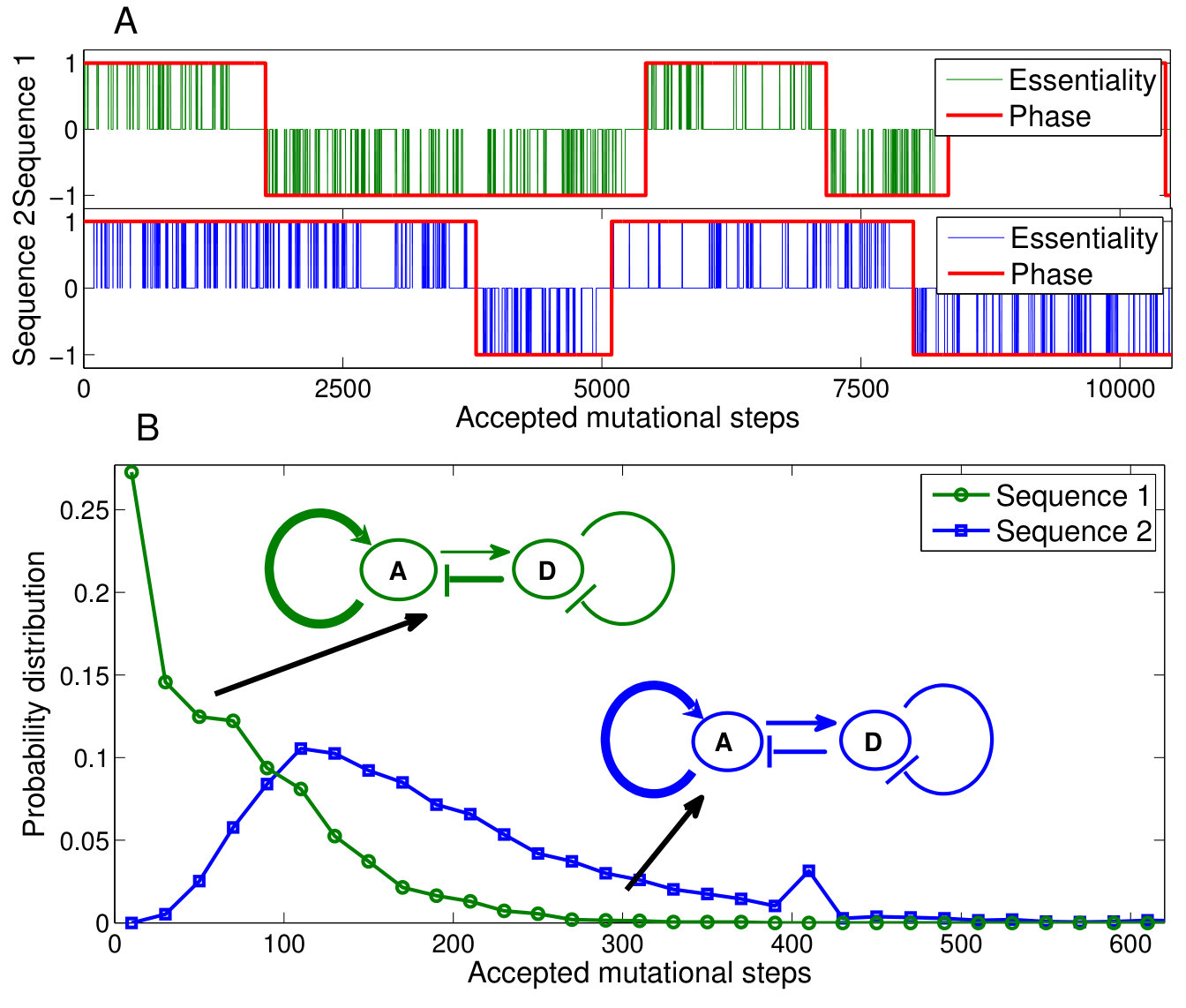 Figure 1
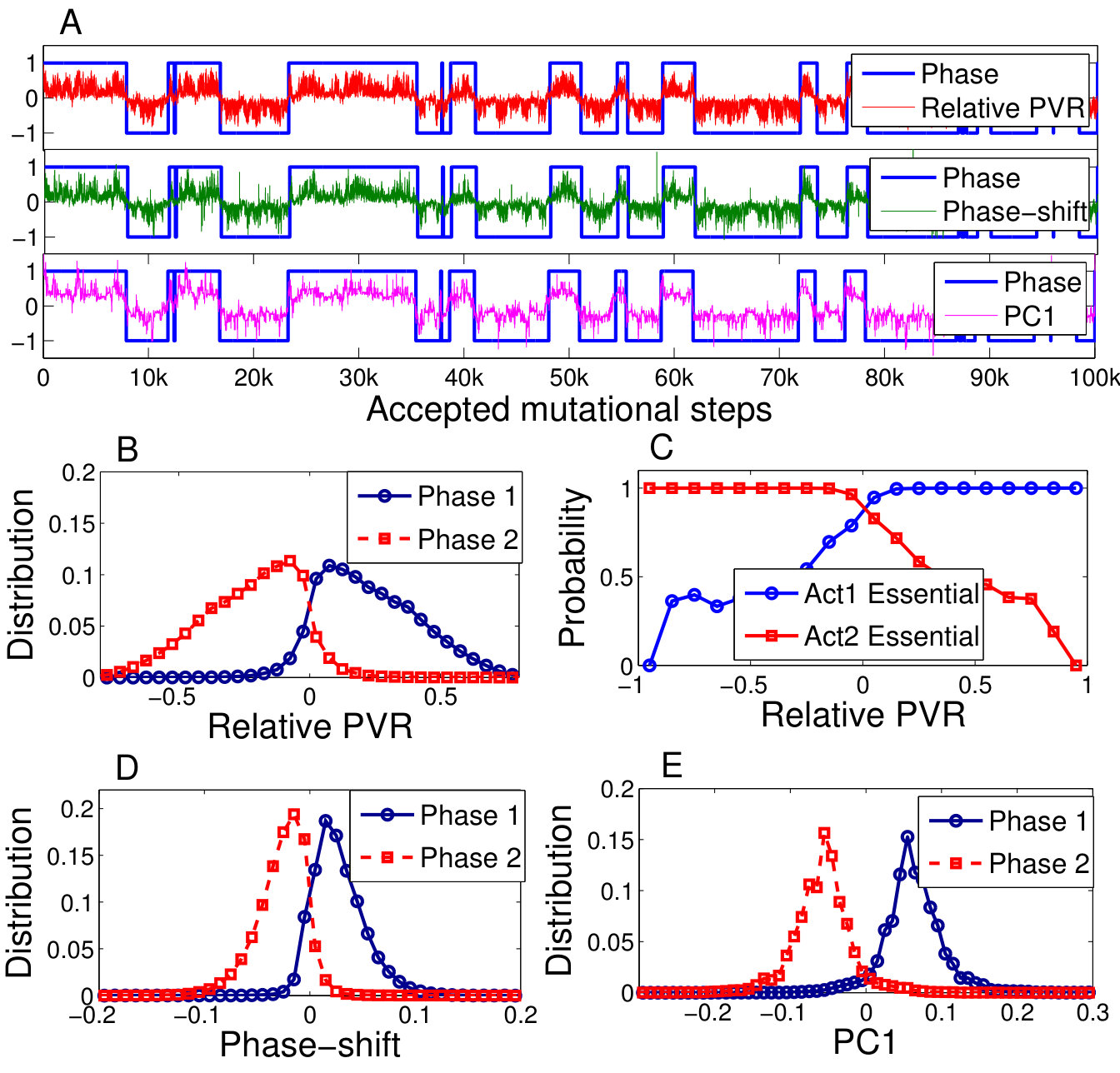 Figure 2
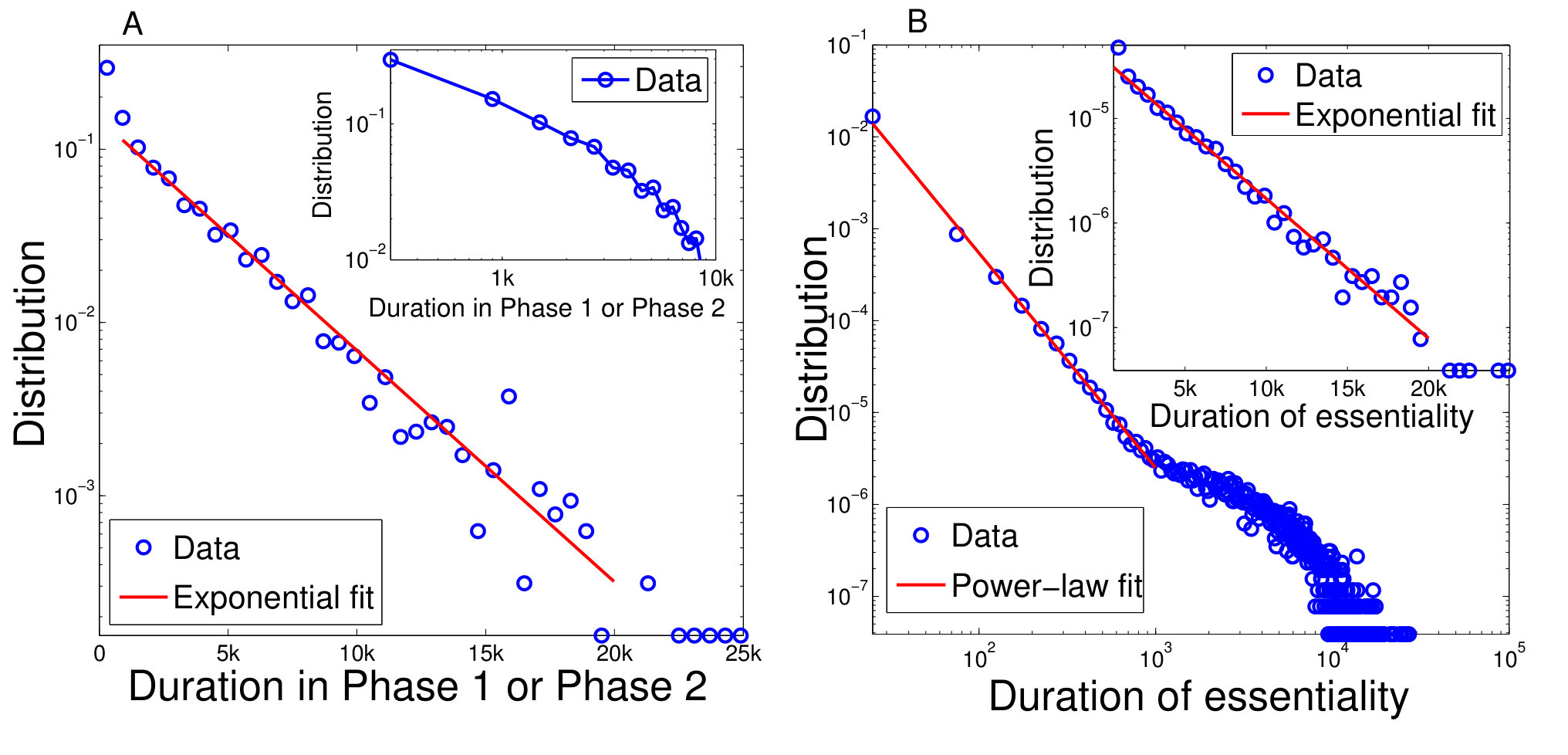 Figure 3
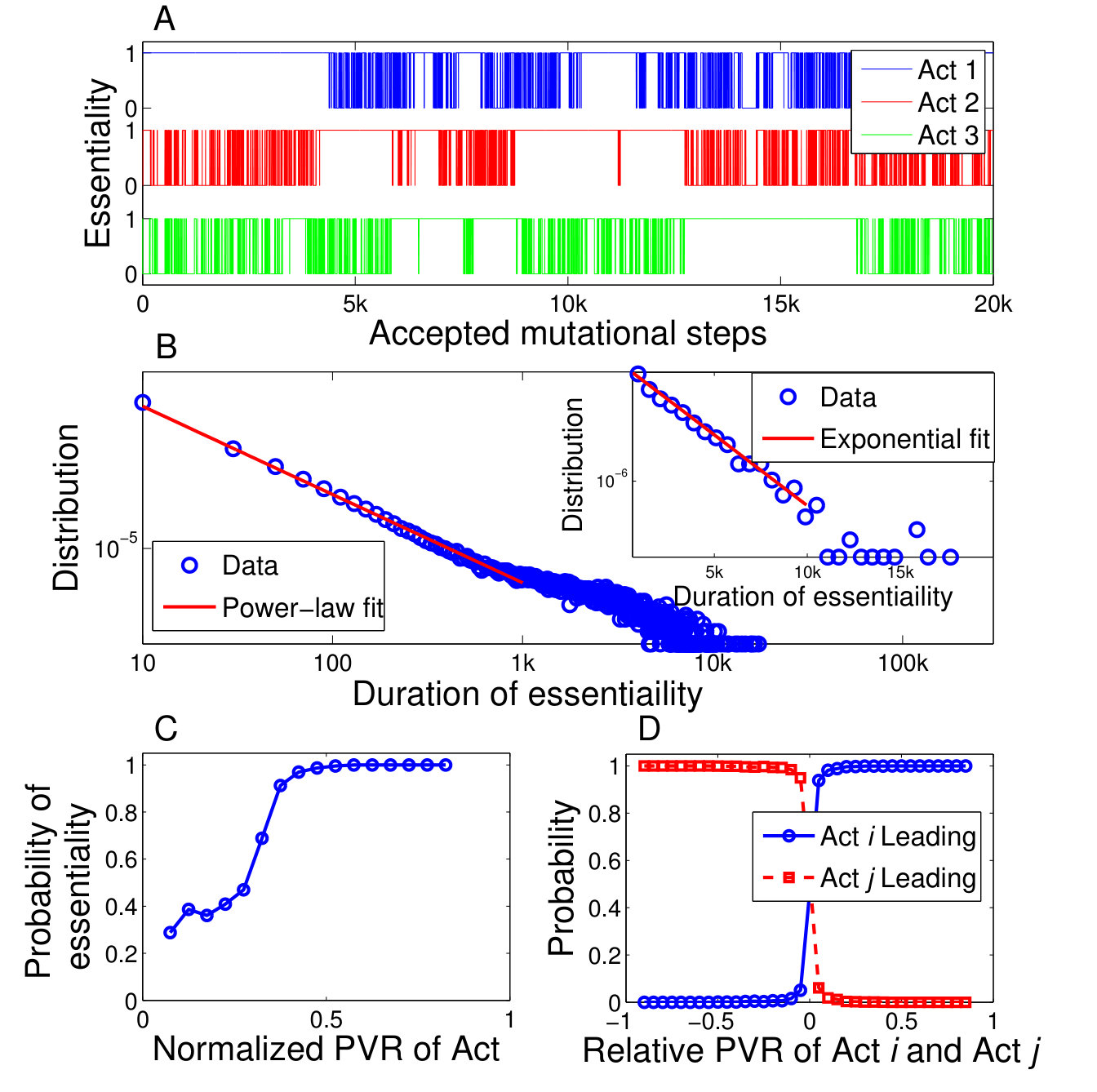 Figure 4
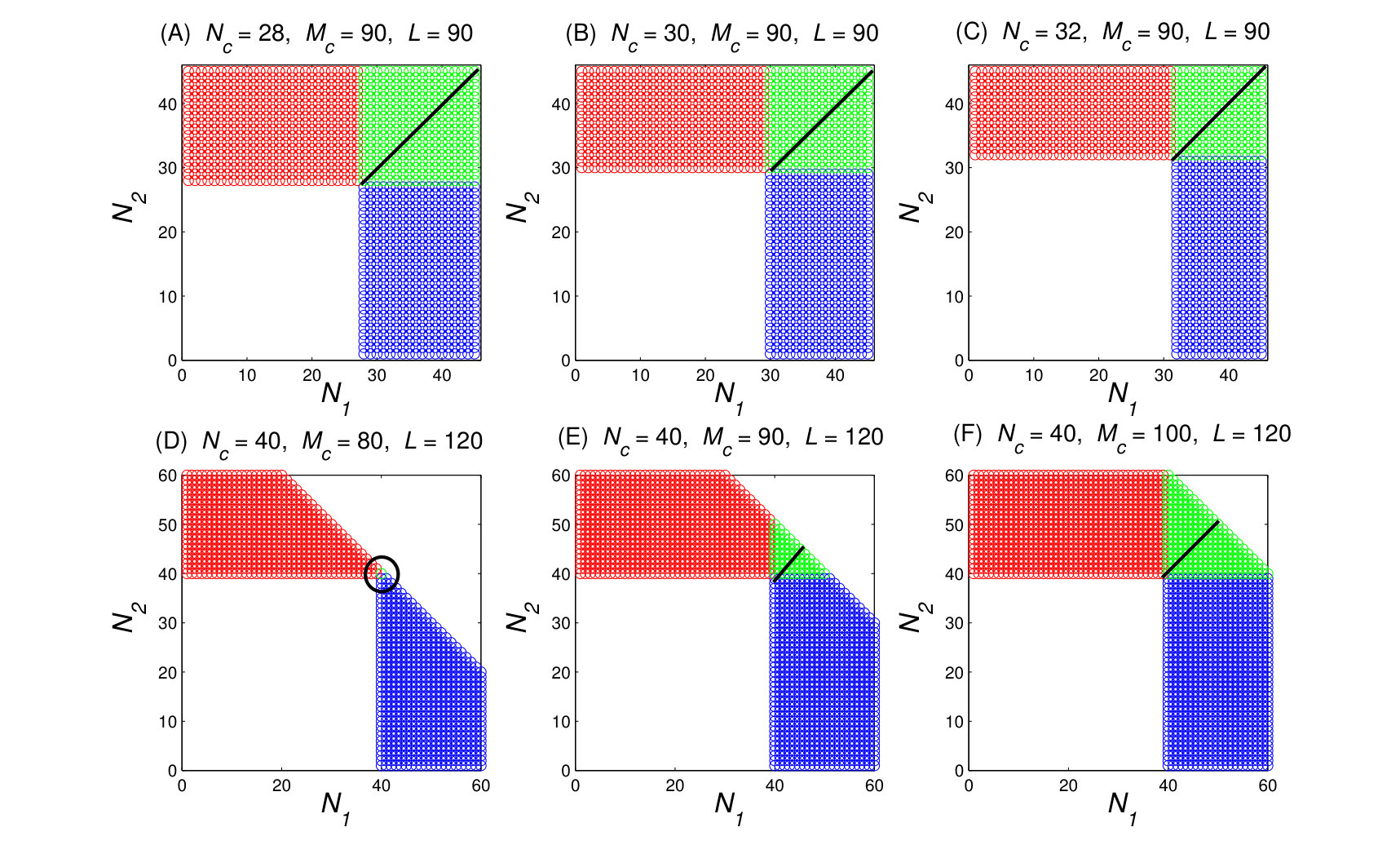 Figure 5
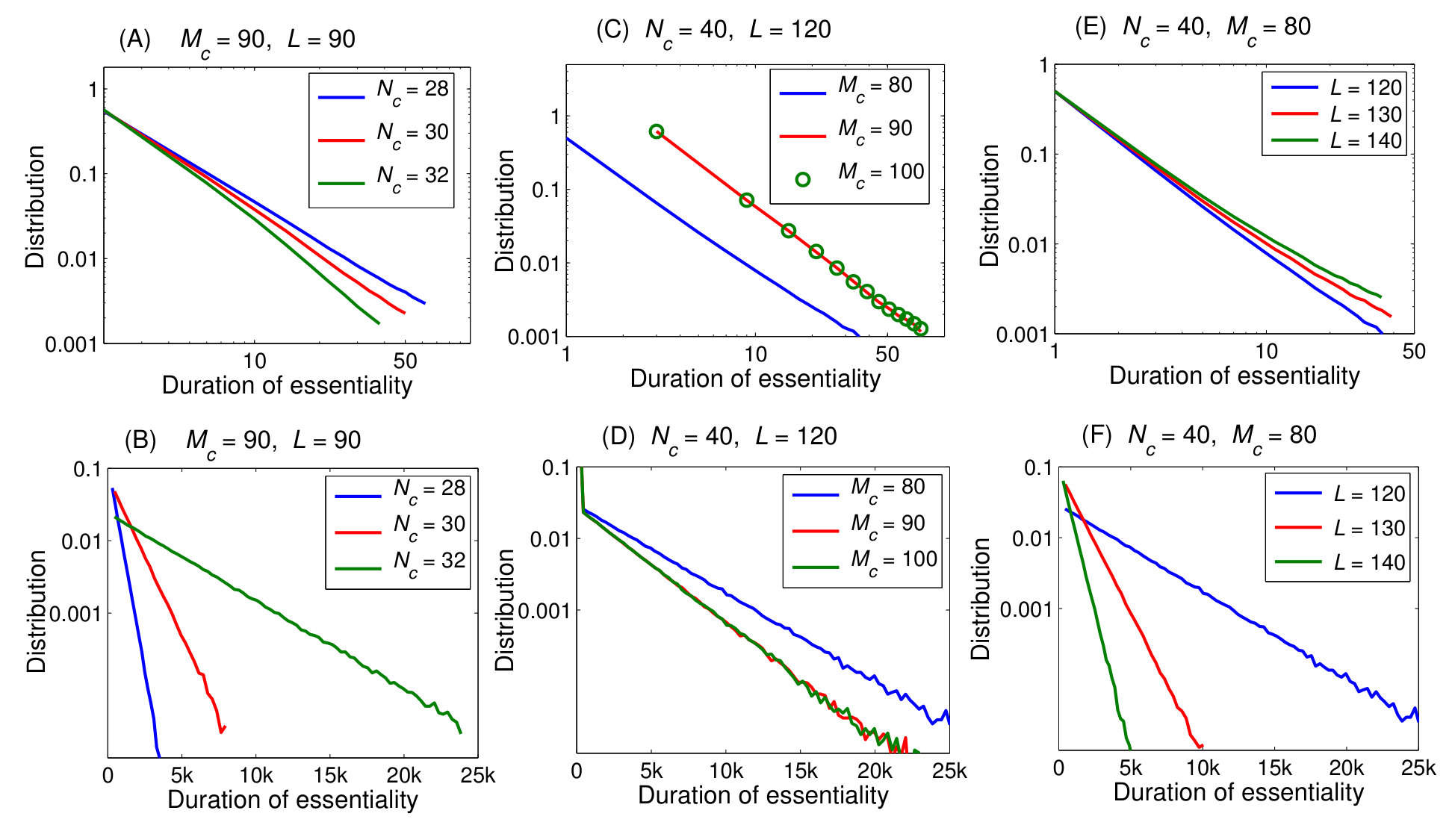 Figure 1
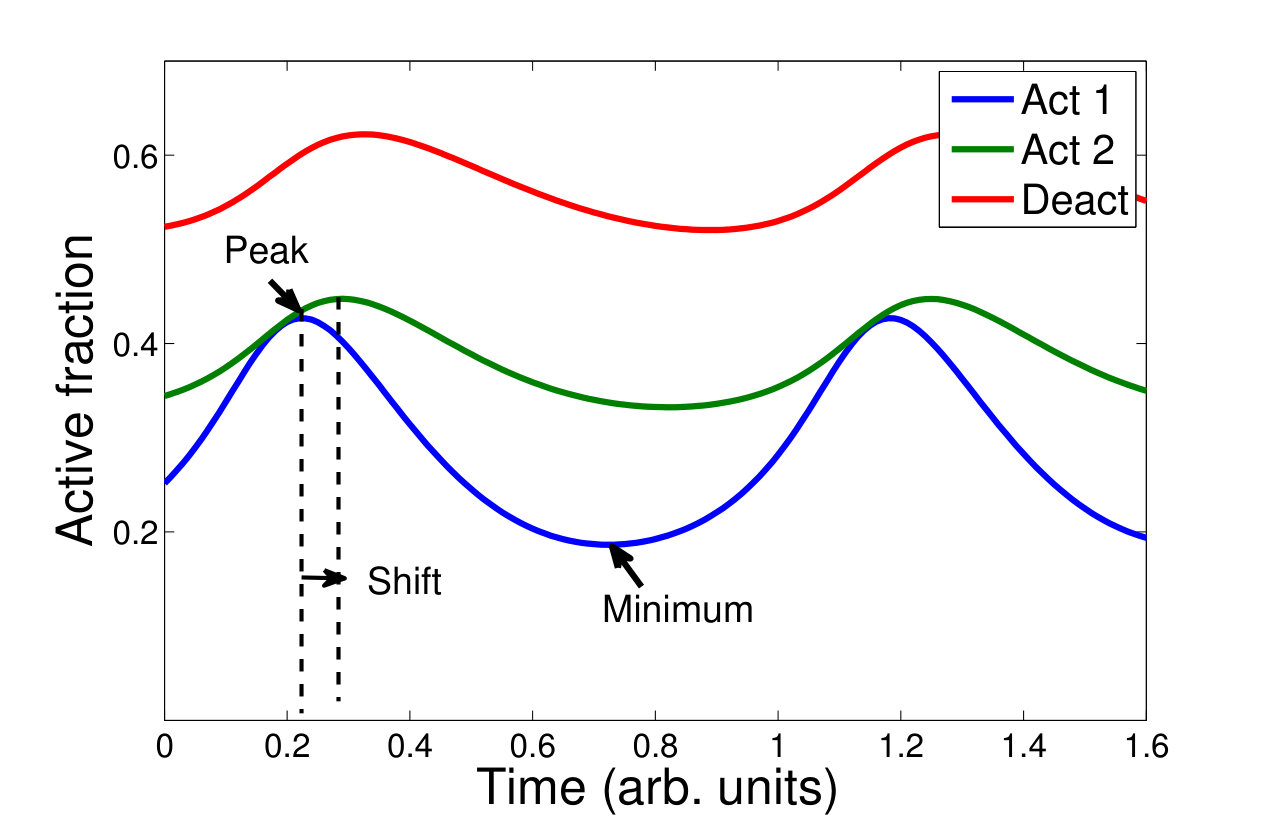 Figure 9
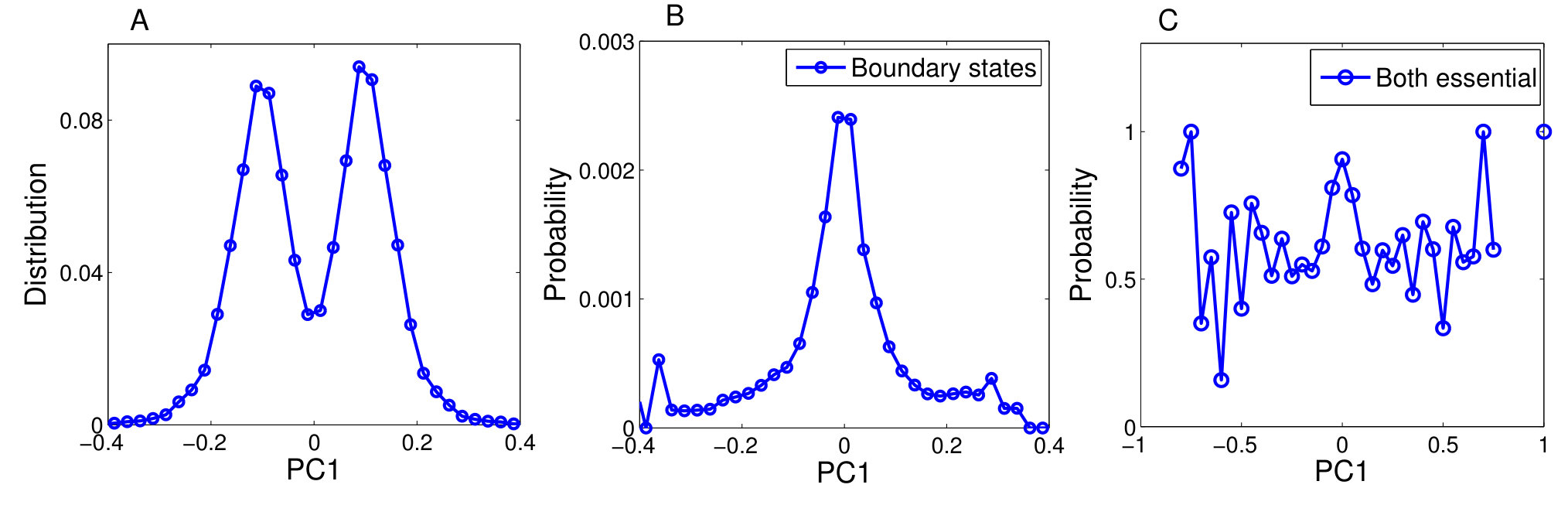 Figure 10
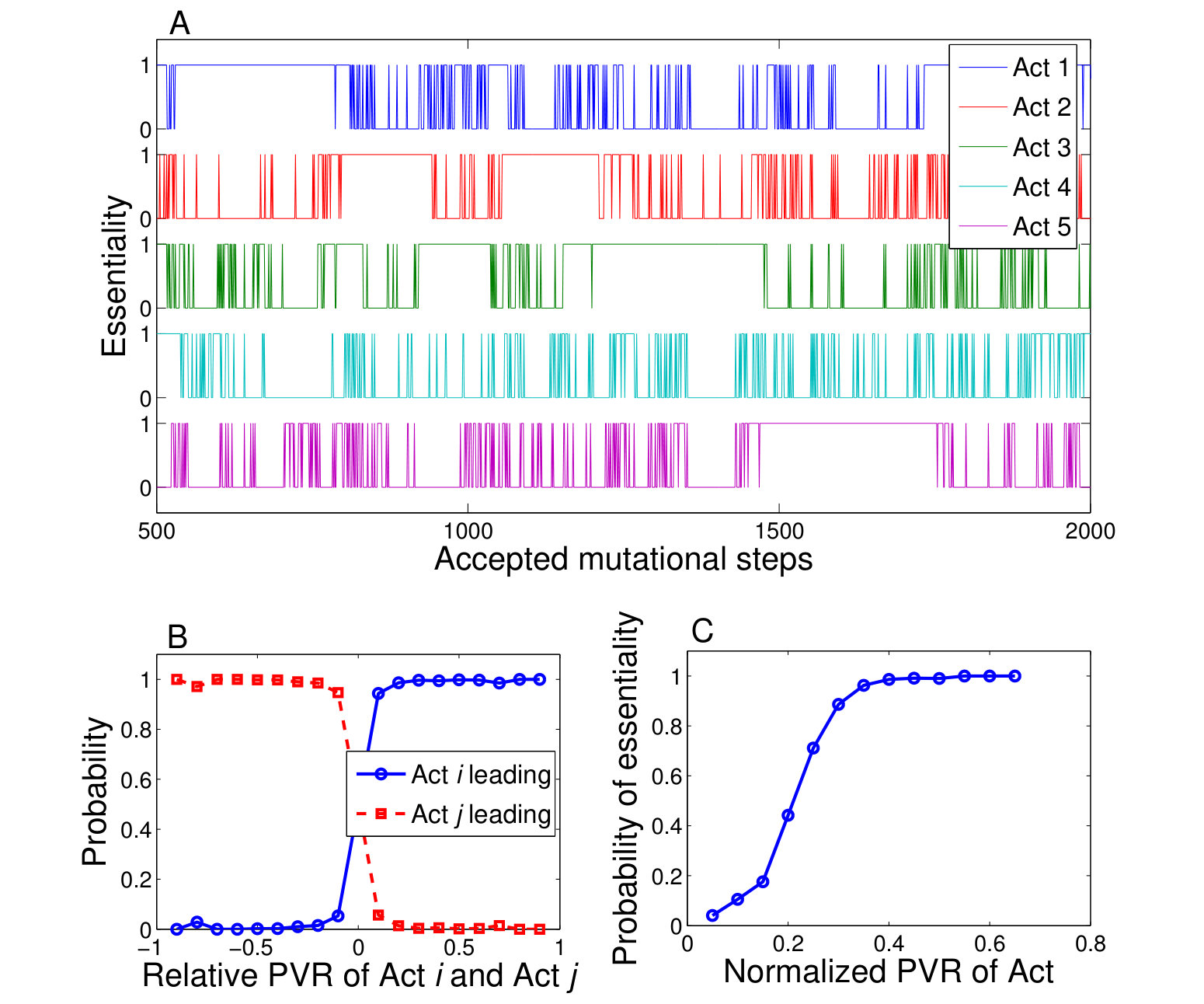 Figure 11
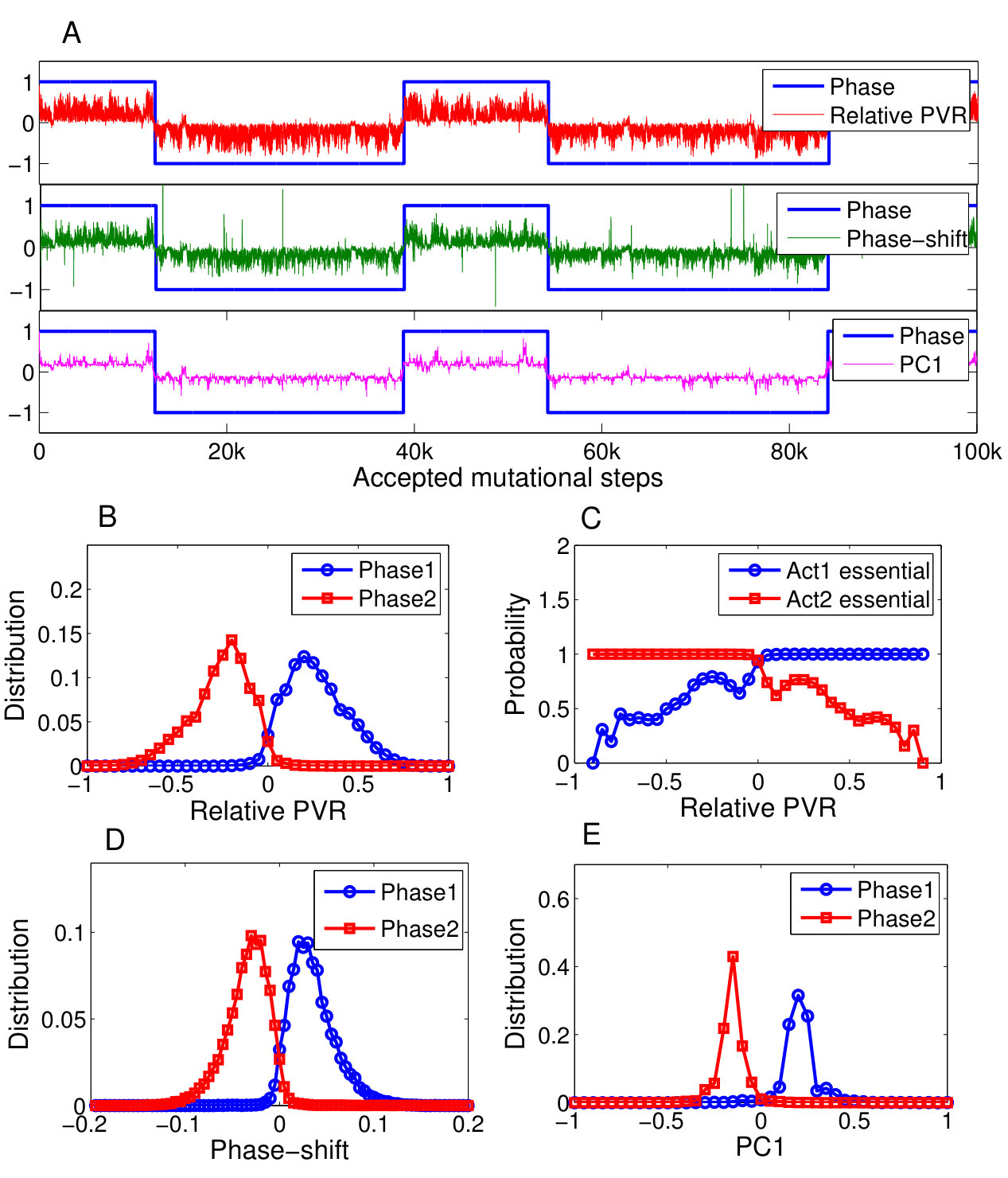 Figure 12
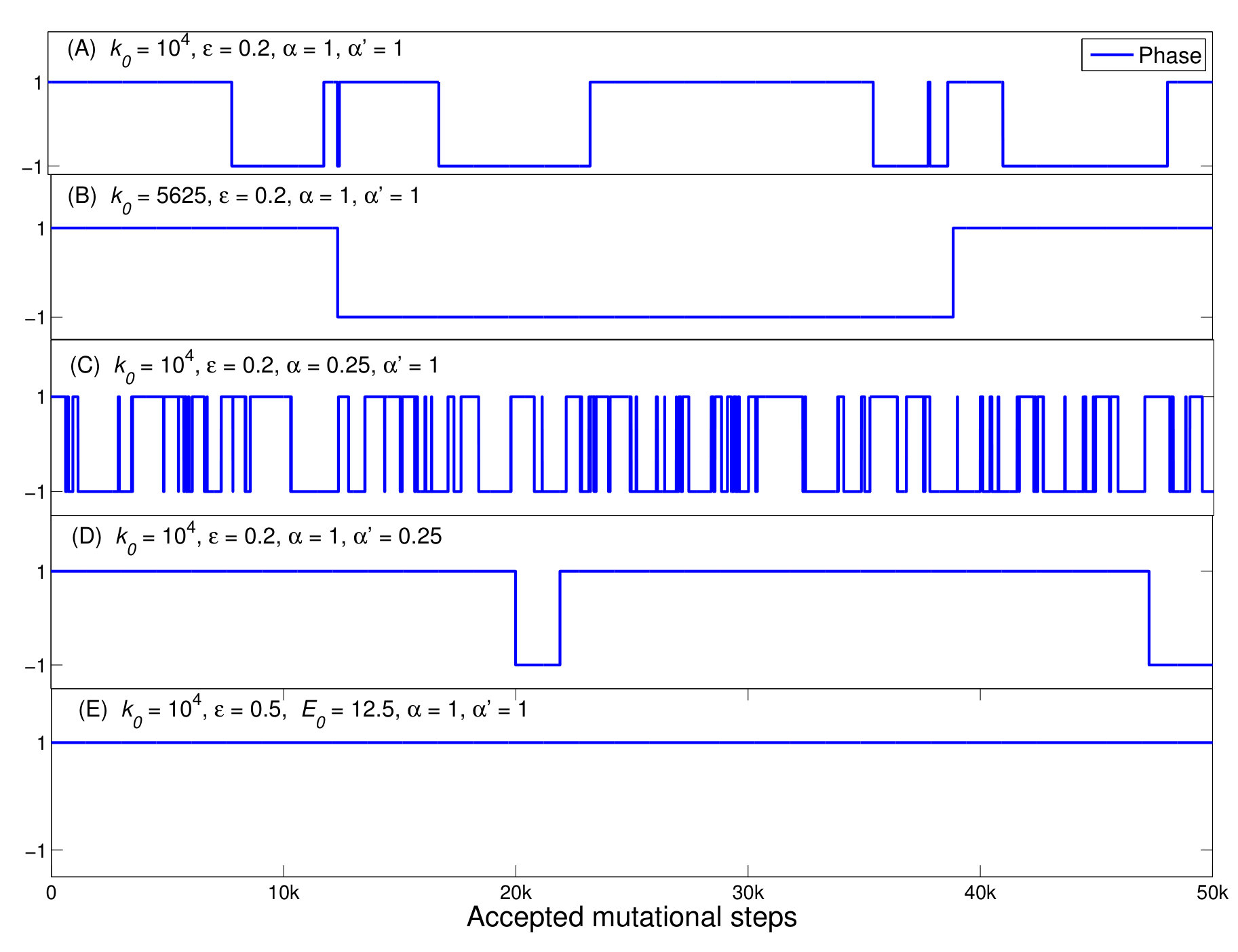 Figure 13
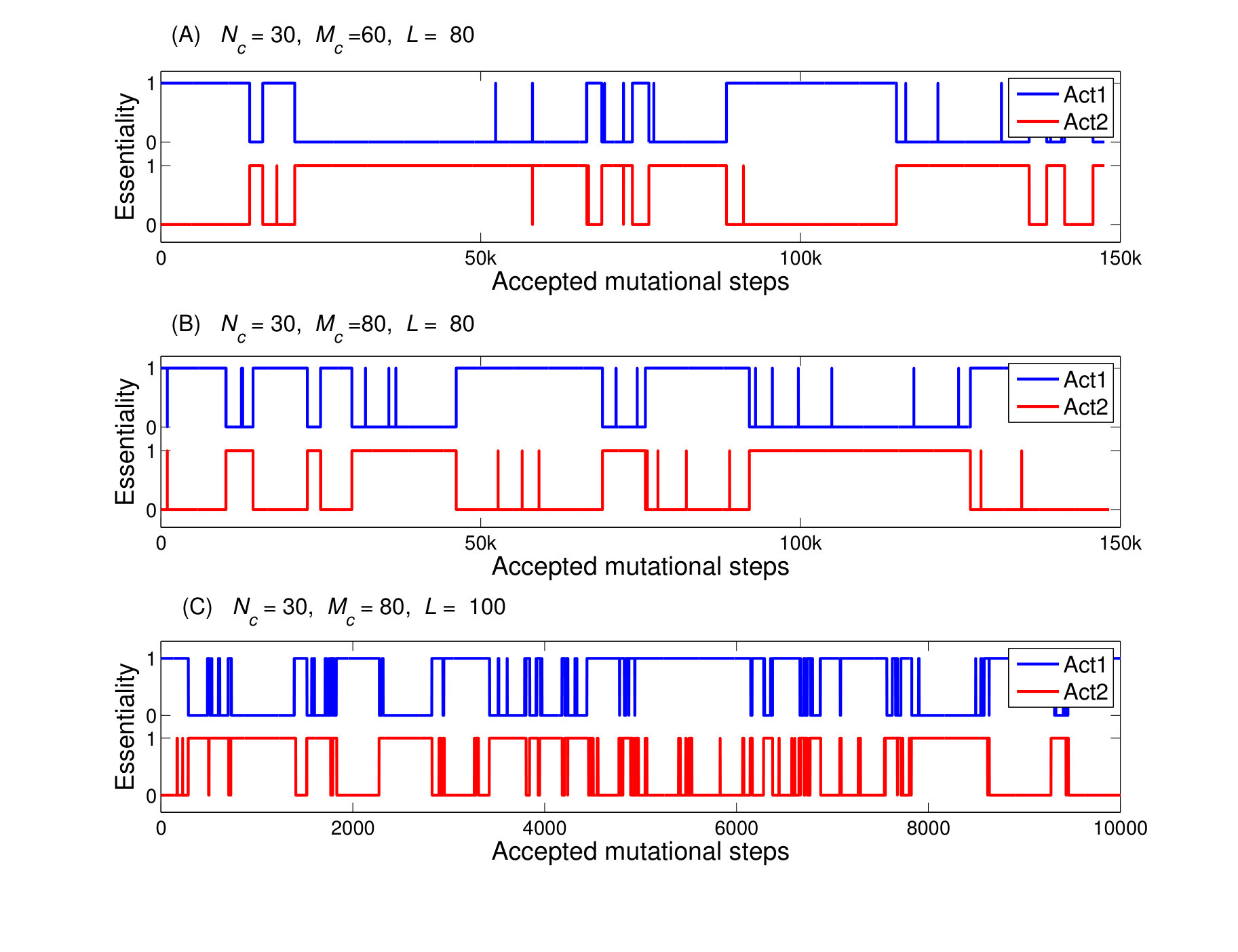 Figure 1
Peer Reviews
No public reviews on file for this paper yet. If you reviewed it on a platform where reviews are public (OpenReview, ICLR, NeurIPS, ICML), you can paste yours below so the community can read it here.
Videos
No videos yet. Explain this paper in a talk, walkthrough, or lecture? Add one.