Geometry of measures in real dimensions via H\"older parameterizations
Matthew Badger, Vyron Vellis

TL;DR
This paper explores how non-integer Hausdorff densities influence the geometric structure of measures in Euclidean space, revealing conditions under which measures are supported on H"older or bi-Lipschitz curves, extending classical results.
Contribution
It extends geometric measure theory to non-integer dimensions by establishing parameterization theorems and measure classifications based on Hausdorff densities for real s between 0 and n.
Findings
Measures with positive lower and finite upper densities are supported on countably many bi-Lipschitz curves for 0<s<1.
Conditions on densities determine whether measures are supported on or singular to (1/s)-H"older curves for 1≤s<n.
Introduces parameterization theorems for sets with small Assouad dimension.
Abstract
We investigate the influence that -dimensional lower and upper Hausdorff densities have on the geometry of a Radon measure in when is a real number between and . This topic in geometric measure theory has been extensively studied when is an integer. In this paper, we focus on the non-integer case, building upon a series of papers on -sets by Mart\'in and Mattila from 1988 to 2000. When , we prove that measures with almost everywhere positive lower density and finite upper density are carried by countably many bi-Lipschitz curves. When , we identify conditions on the lower density that ensure the measure is either carried by or singular to -H\"older curves. The latter results extend part of the recent work of Badger and Schul, which examined the case (Lipschitz curves) in depth. Of further interest, we introduce H\"older…
Click any figure to enlarge with its caption.
 Figure 1
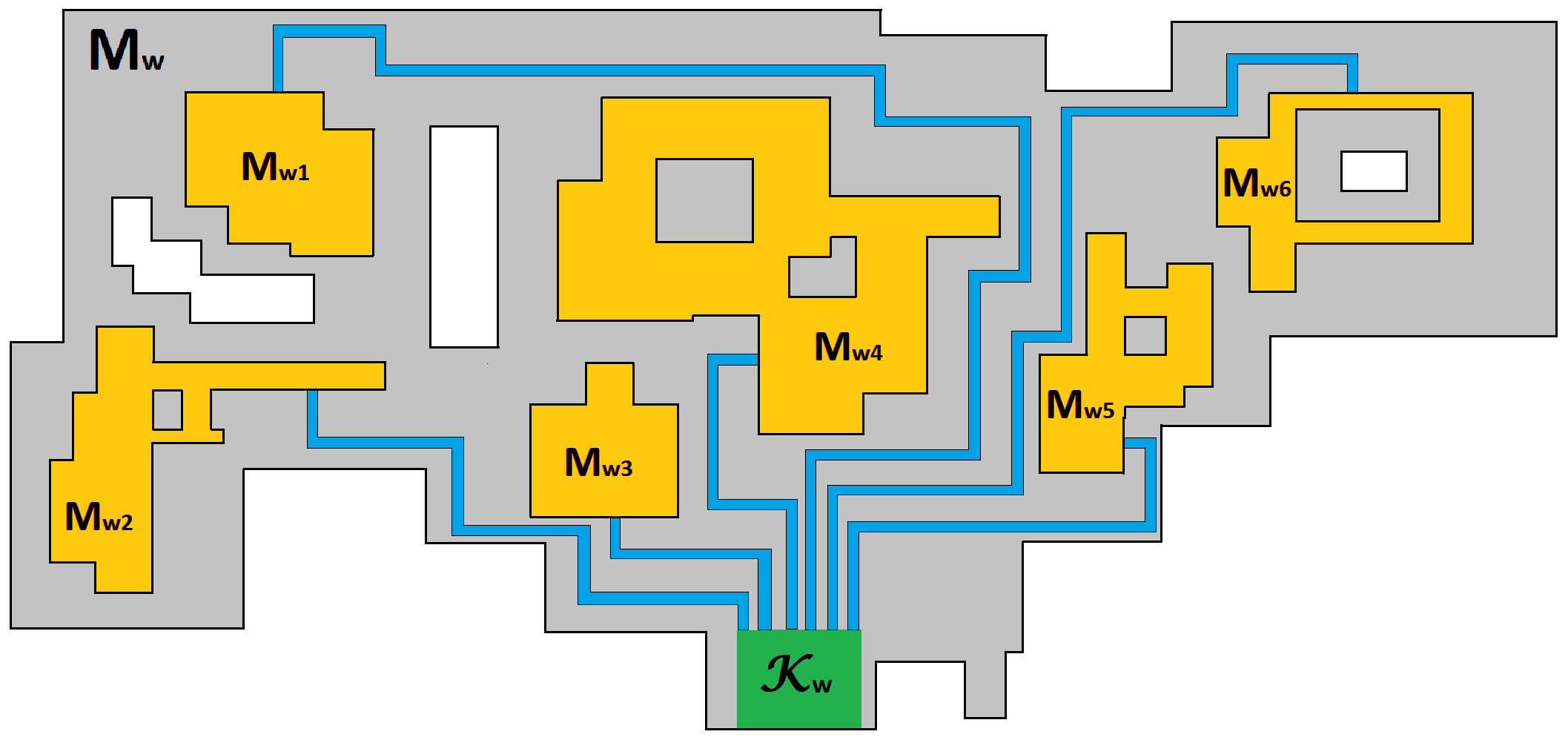 Figure 2
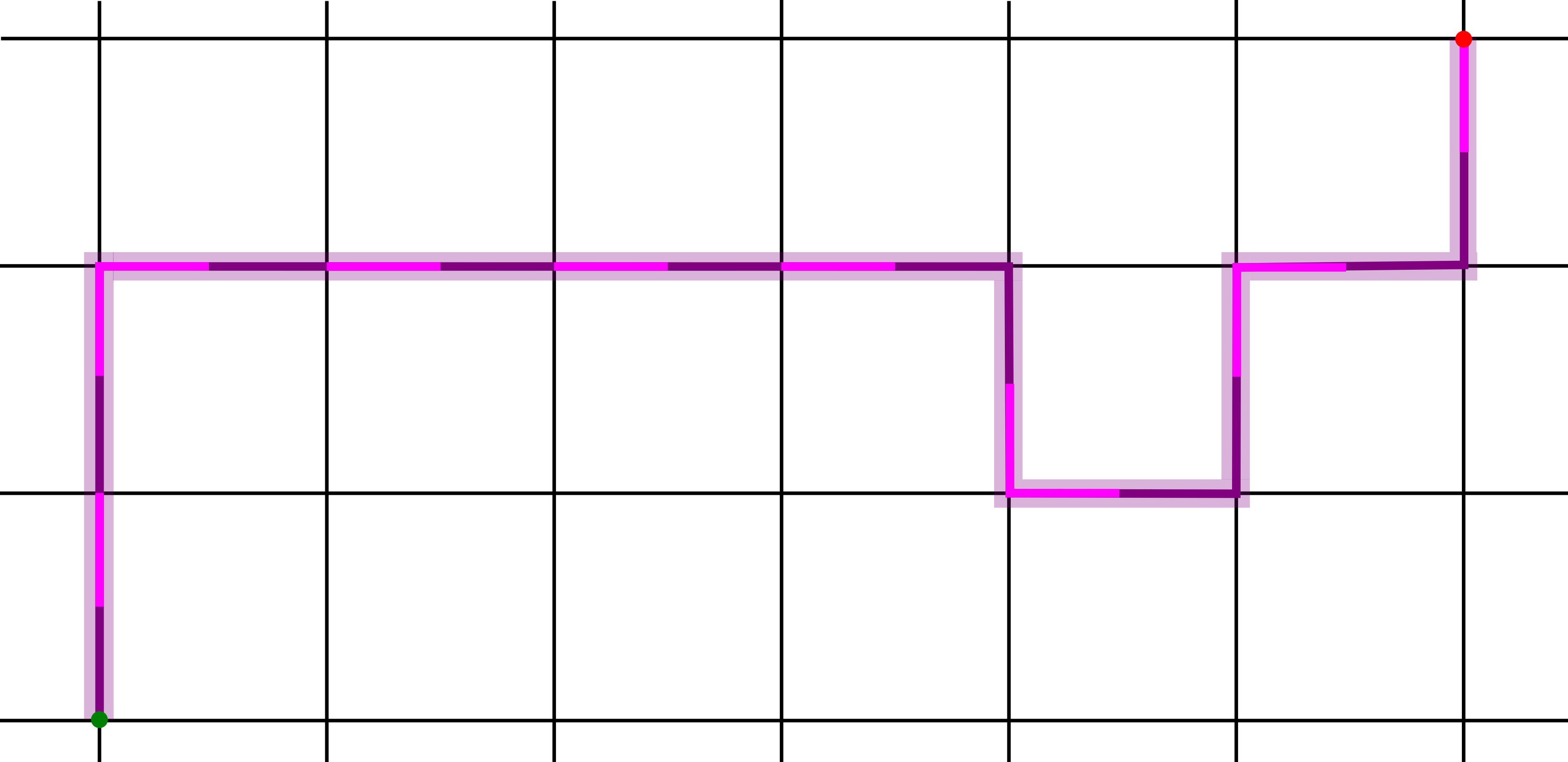 Figure 3
Peer Reviews
No public reviews on file for this paper yet. If you reviewed it on a platform where reviews are public (OpenReview, ICLR, NeurIPS, ICML), you can paste yours below so the community can read it here.
Videos
No videos yet. Explain this paper in a talk, walkthrough, or lecture? Add one.