High Performance Non-Binary Spatially-Coupled Codes for Flash Memories
Ahmed Hareedy, Homa Esfahanizadeh, Lara Dolecek

TL;DR
This paper introduces a novel three-stage design method for non-binary spatially-coupled codes tailored for Flash memory, significantly reducing error-prone structures and outperforming existing codes in practical scenarios.
Contribution
The paper presents a new three-stage approach including optimal overlap partitioning, circulant power optimization, and weight manipulation to enhance non-binary SC codes for Flash memory applications.
Findings
Outperforms state-of-the-art NB-SC codes in simulations
Reduces the number of detrimental GASTs in code graphs
Enhances error correction performance for Flash channels
Abstract
Modern dense Flash memory devices operate at very low error rates, which require powerful error correcting coding (ECC) techniques. An emerging class of graph-based ECC techniques that has broad applications is the class of spatially-coupled (SC) codes, where a block code is partitioned into components that are then rewired multiple times to construct an SC code. Here, our focus is on SC codes with the underlying circulant-based structure. In this paper, we present a three-stage approach for the design of high performance non-binary SC (NB-SC) codes optimized for practical Flash channels; we aim at minimizing the number of detrimental general absorbing sets of type two (GASTs) in the graph of the designed NB-SC code. In the first stage, we deploy a novel partitioning mechanism, called the optimal overlap partitioning, which acts on the protograph of the SC code to produce optimal…
Click any figure to enlarge with its caption.
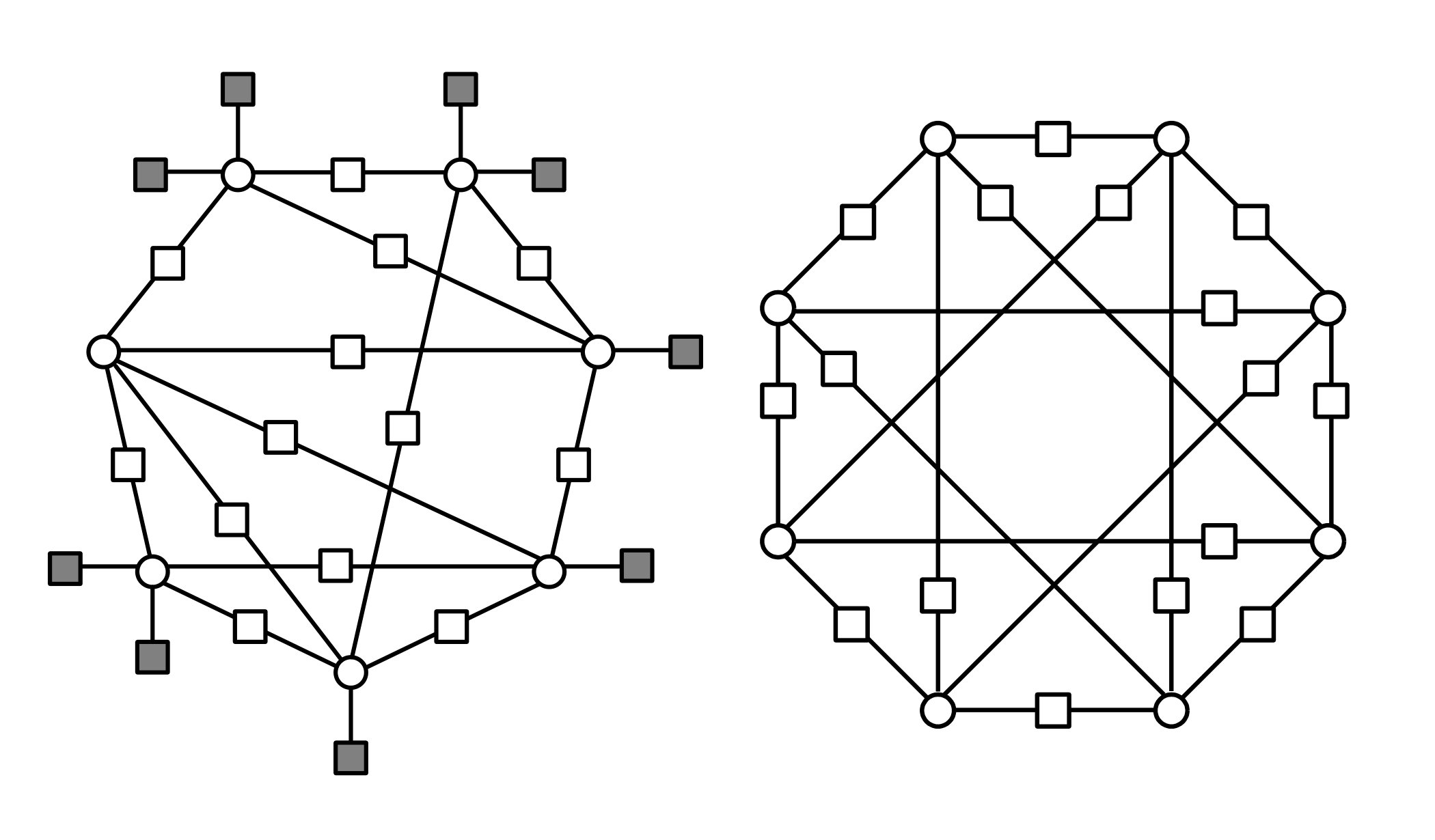 Figure 1
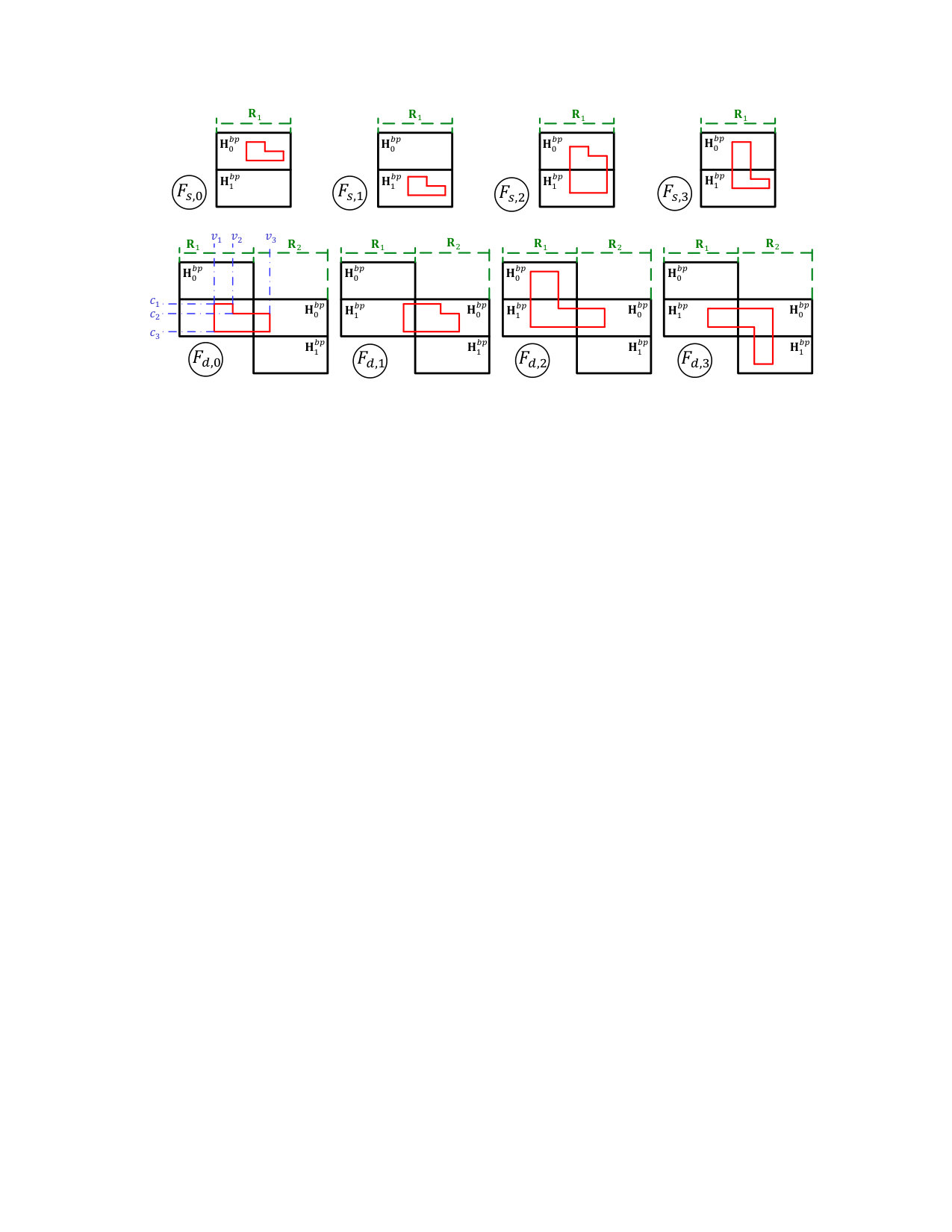 Figure 2
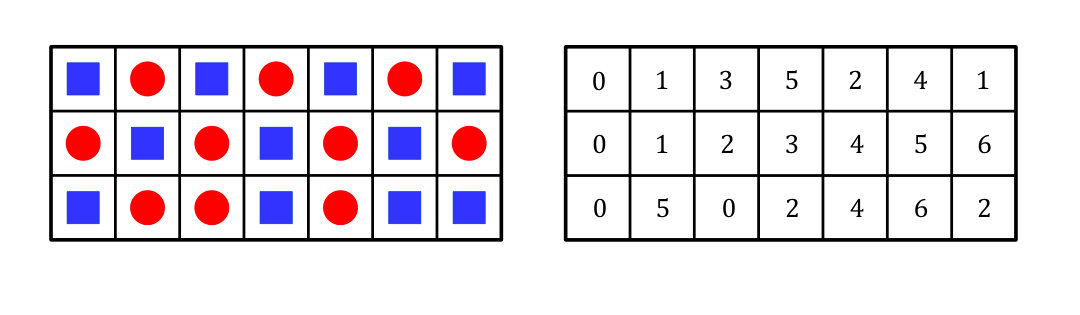 Figure 3
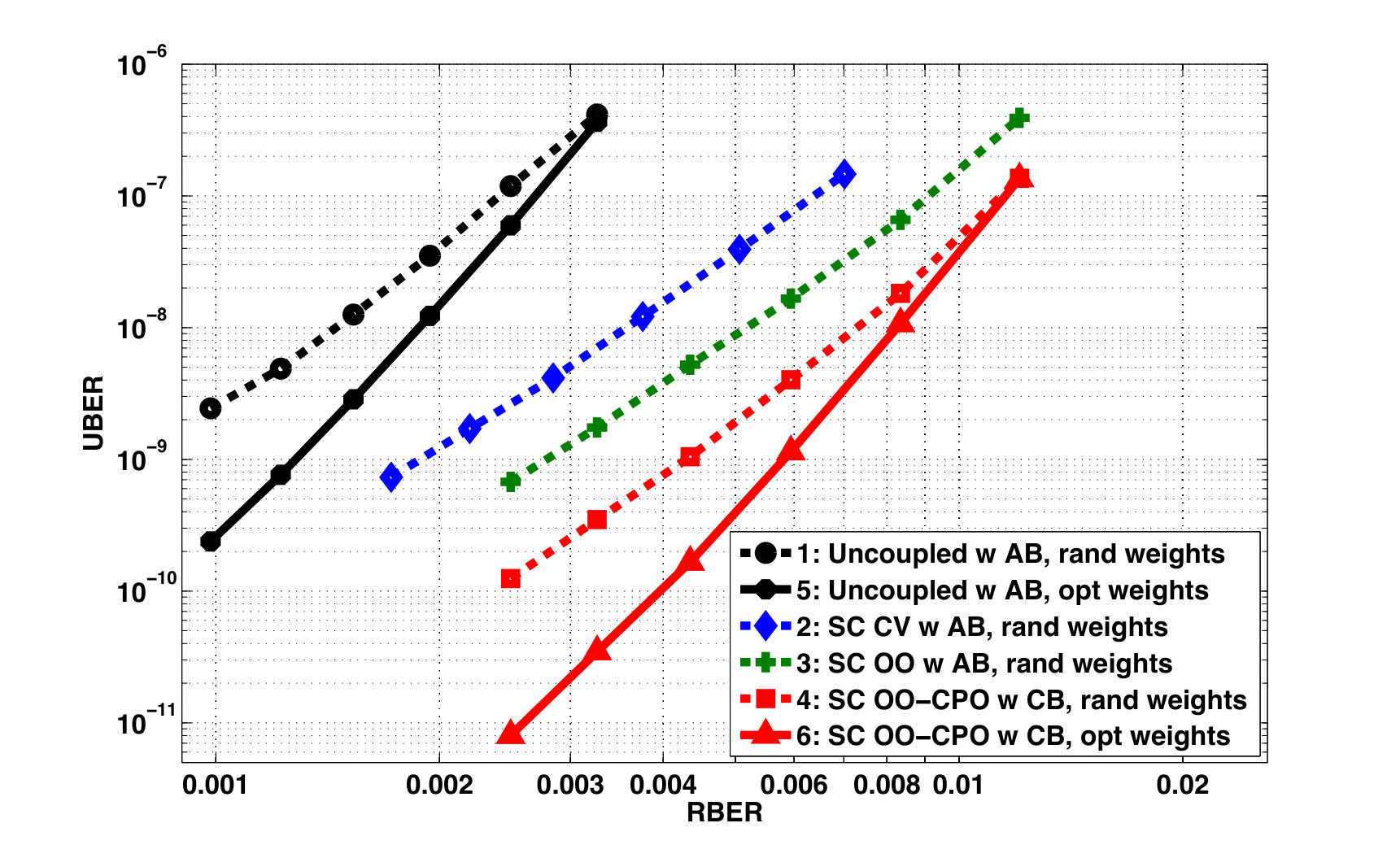 Figure 4
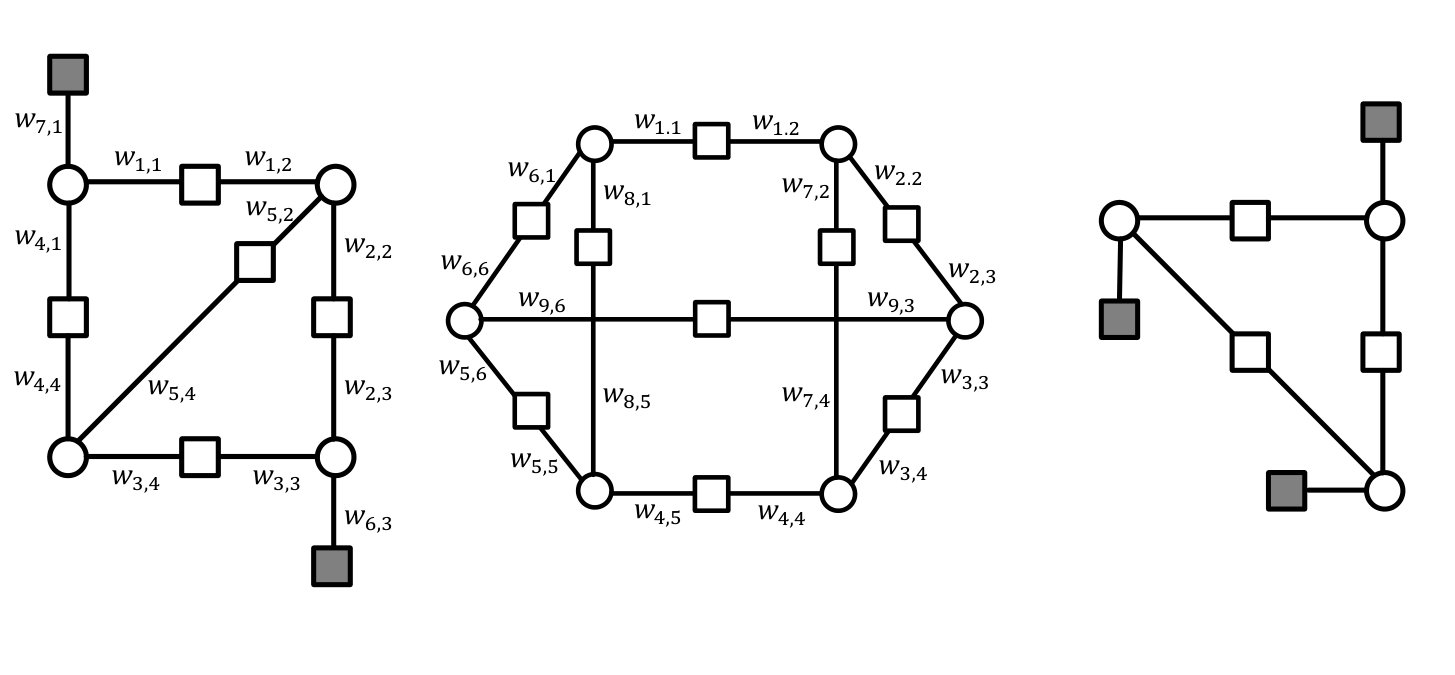 Figure 5
Peer Reviews
No public reviews on file for this paper yet. If you reviewed it on a platform where reviews are public (OpenReview, ICLR, NeurIPS, ICML), you can paste yours below so the community can read it here.
Videos
No videos yet. Explain this paper in a talk, walkthrough, or lecture? Add one.