Alexander invariants of periodic virtual knots
Hans U. Boden, Andrew J. Nicas, Lindsay White

TL;DR
This paper investigates the properties of periodic virtual knots, demonstrating how their Alexander invariants relate to their quotient knots and establishing conditions for their periodicity using algebraic and combinatorial methods.
Contribution
It introduces a method to analyze periodic virtual knots via braid representations and Alexander invariants, extending classical results to virtual knot theory.
Findings
Every periodic virtual knot can be represented as a periodic virtual braid closure.
For q= p^r, the Alexander polynomials of a q-periodic almost classical knot and its quotient are related by a congruence.
Almost classical knots with nontrivial Alexander polynomial are only p-periodic for finitely many primes p.
Abstract
We show that every periodic virtual knot can be realized as the closure of a periodic virtual braid and use this to study the Alexander invariants of periodic virtual knots. If is a -periodic and almost classical knot, we show that its quotient knot is also almost classical, and in the case is a prime power, we establish an analogue of Murasugi's congruence relating the Alexander polynomials of and over the integers modulo . This result is applied to the problem of determining the possible periods of a virtual knot . One consequence is that if is an almost classical knot with a nontrivial Alexander polynomial, then it is -periodic for only finitely many primes . Combined with parity and Manturov projection, our methods provide conditions that a general virtual knot must satisfy in order to be -periodic.
Click any figure to enlarge with its caption.
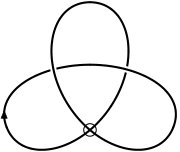 Figure 1
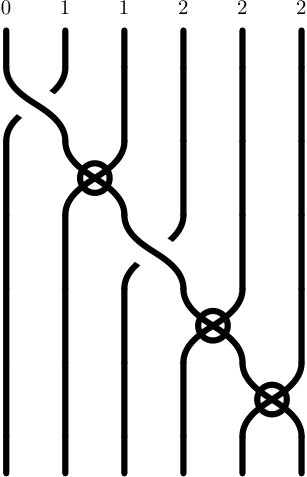 Figure 2
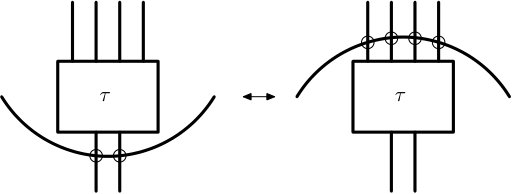 Figure 3
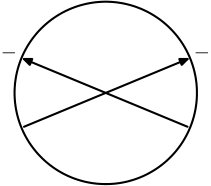 Figure 4
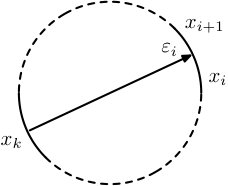 Figure 5
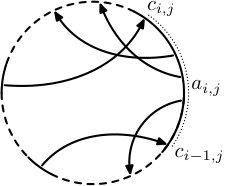 Figure 6
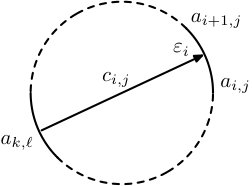 Figure 7
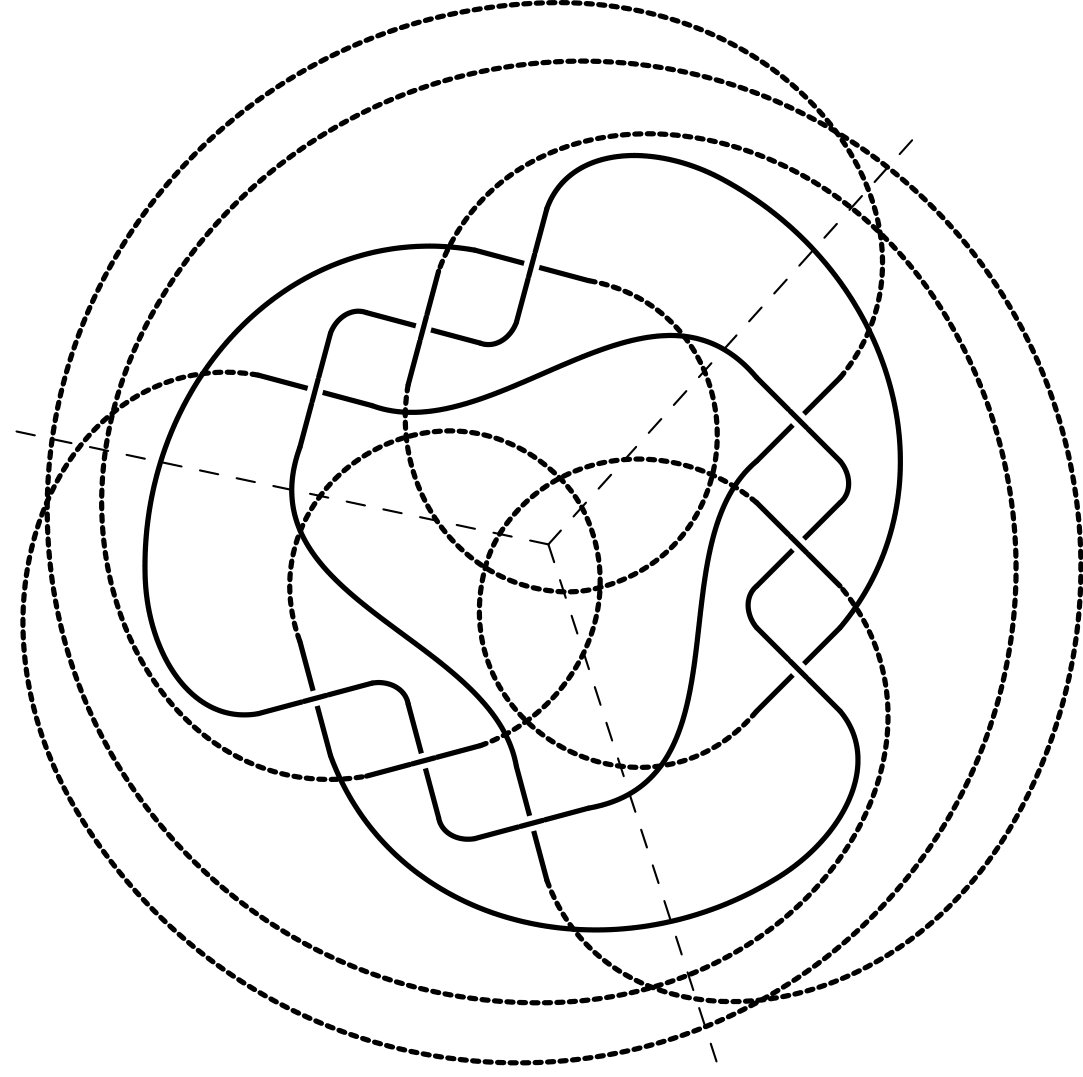 Figure 8
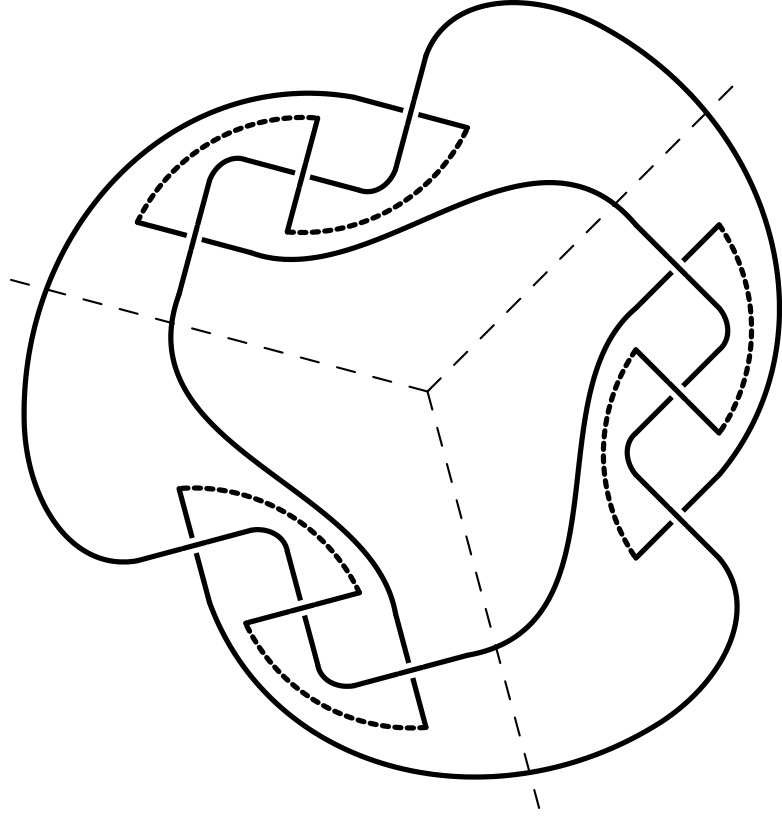 Figure 9
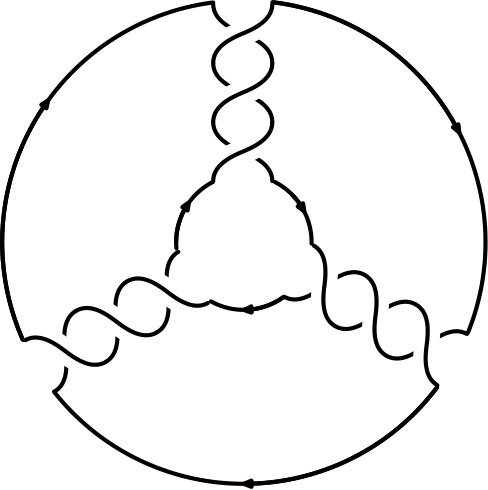 Figure 10
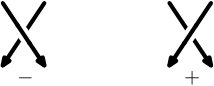 Figure 11
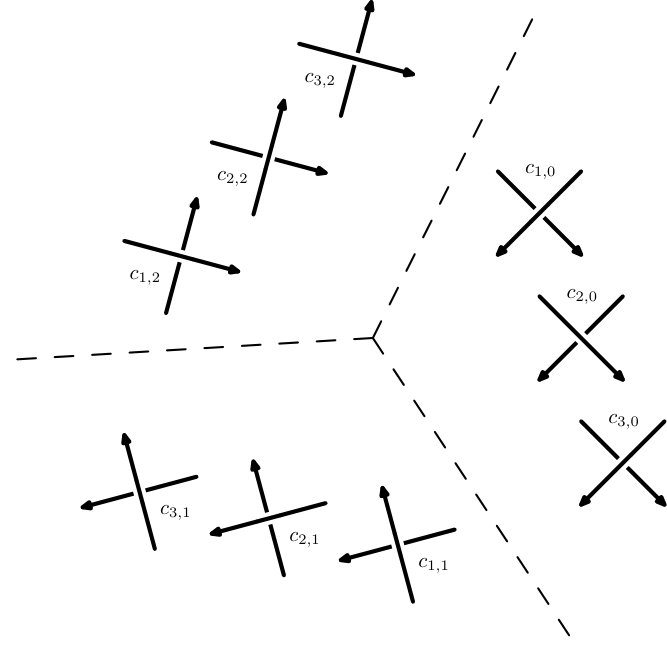 Figure 12
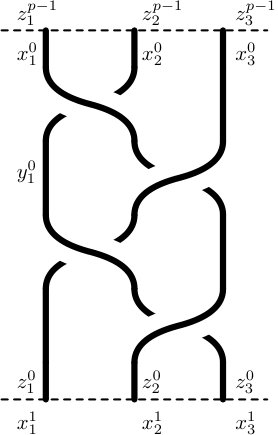 Figure 13
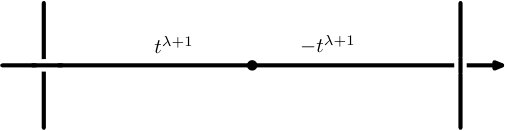 Figure 14
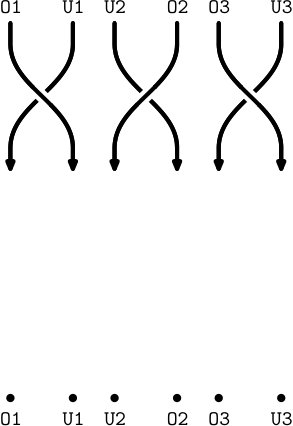 Figure 15
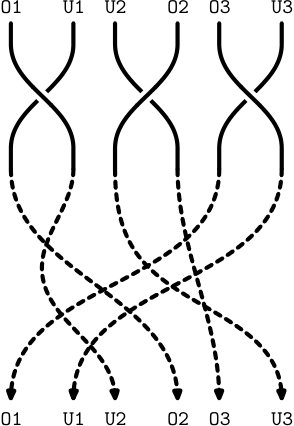 Figure 16
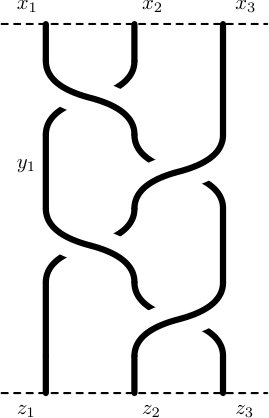 Figure 17
 Figure 18
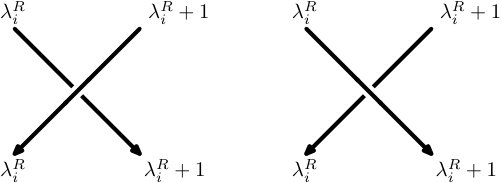 Figure 19
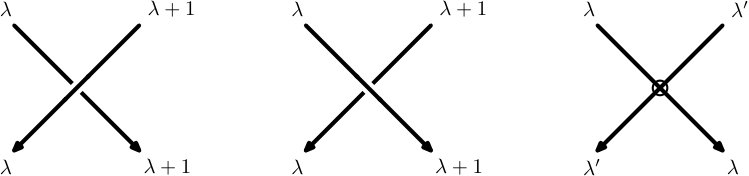 Figure 20
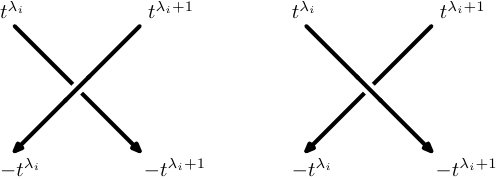 Figure 21
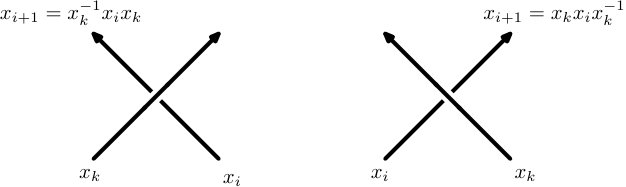 Figure 22
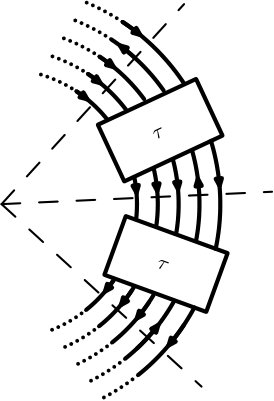 Figure 23
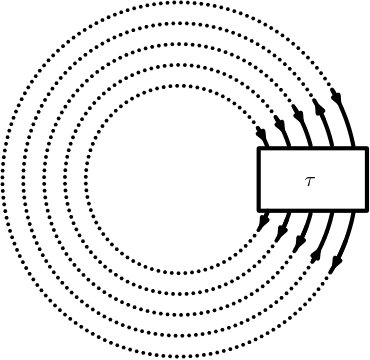 Figure 24
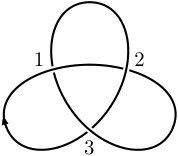 Figure 25
Peer Reviews
No public reviews on file for this paper yet. If you reviewed it on a platform where reviews are public (OpenReview, ICLR, NeurIPS, ICML), you can paste yours below so the community can read it here.
Videos
No videos yet. Explain this paper in a talk, walkthrough, or lecture? Add one.