GW170104: Observation of a 50-Solar-Mass Binary Black Hole Coalescence at Redshift 0.2
The LIGO Scientific Collaboration, the Virgo Collaboration: B. P., Abbott, R. Abbott, T. D. Abbott, F. Acernese, K. Ackley, C. Adams, T. Adams,, P. Addesso, R. X. Adhikari, V. B. Adya, C. Affeldt, M. Afrough, B. Agarwal,, M. Agathos, K. Agatsuma, N. Aggarwal, O. D. Aguiar

TL;DR
The paper reports the detection and analysis of GW170104, a gravitational wave from a binary black hole merger at redshift 0.2, providing insights into black hole properties, testing general relativity, and constraining graviton mass.
Contribution
First detailed analysis of GW170104, including black hole masses, spins, distance, and tests of gravitational theories, expanding understanding of stellar-mass black hole mergers.
Findings
Black hole masses are approximately 31.2 and 19.4 solar masses.
Effective inspiral spin parameter suggests spins are not both aligned positively.
Graviton mass constrained to less than 7.7 x 10^{-23} eV/c^2.
Abstract
We describe the observation of GW170104, a gravitational-wave signal produced by the coalescence of a pair of stellar-mass black holes. The signal was measured on January 4, 2017 at 10:11:58.6 UTC by the twin advanced detectors of the Laser Interferometer Gravitational-Wave Observatory during their second observing run, with a network signal-to-noise ratio of 13 and a false alarm rate less than 1 in 70,000 years. The inferred component black hole masses are and (at the 90% credible level). The black hole spins are best constrained through measurement of the effective inspiral spin parameter, a mass-weighted combination of the spin components perpendicular to the orbital plane, This result implies that spin configurations with both component spins positively aligned with the orbital…
Click any figure to enlarge with its caption.
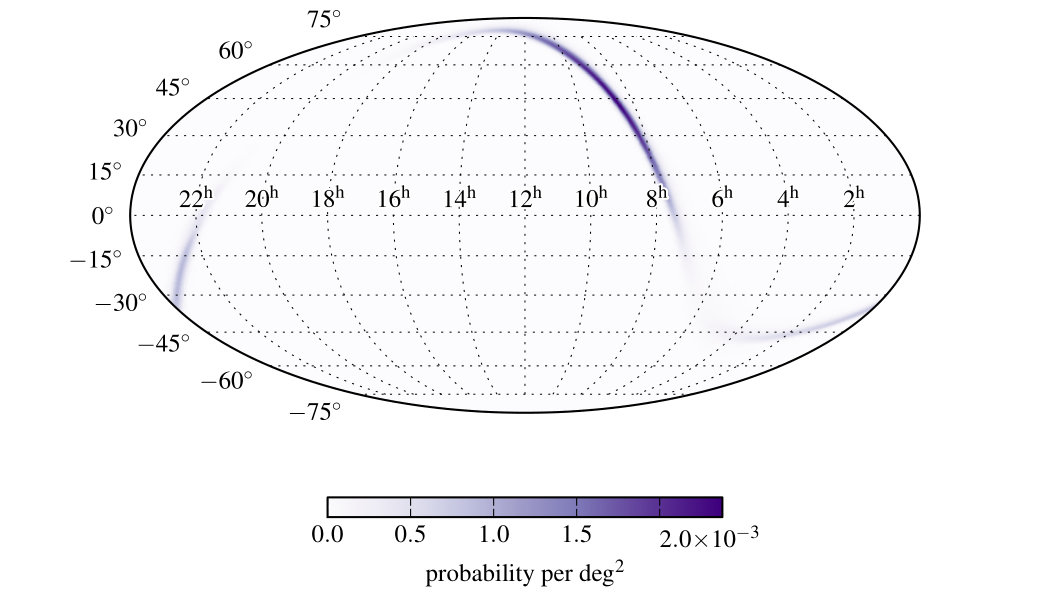 Figure 1
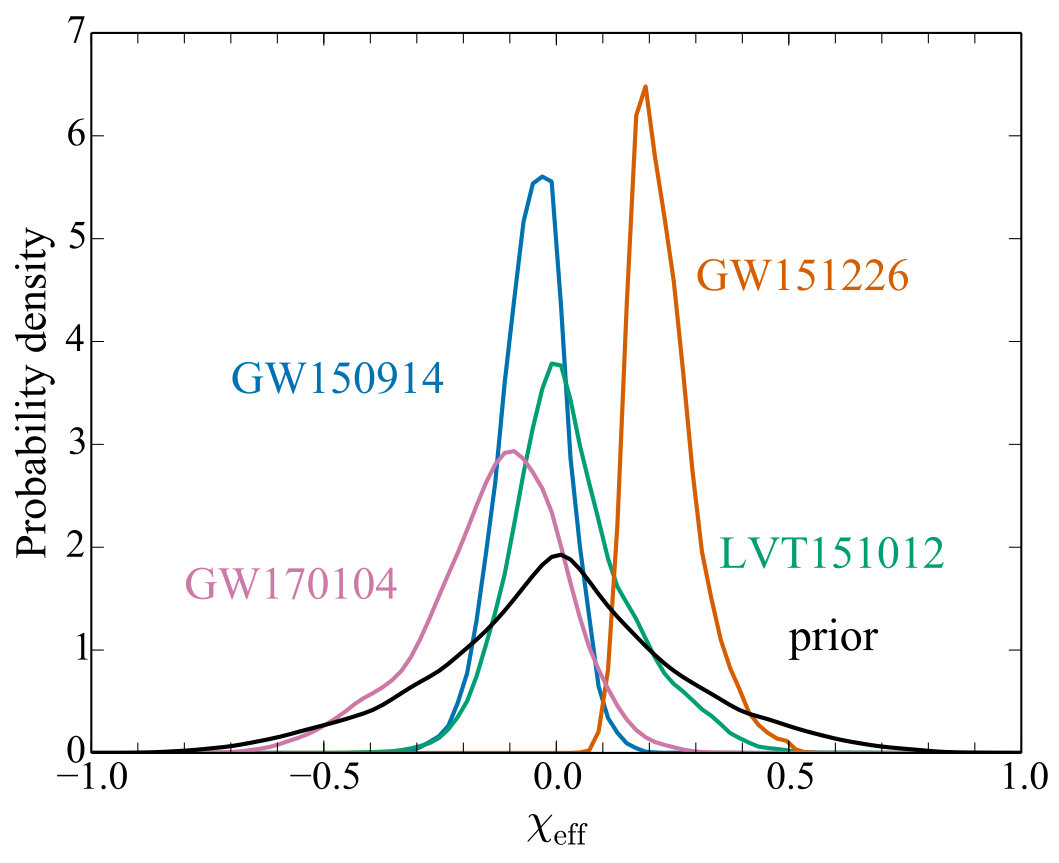 Figure 2
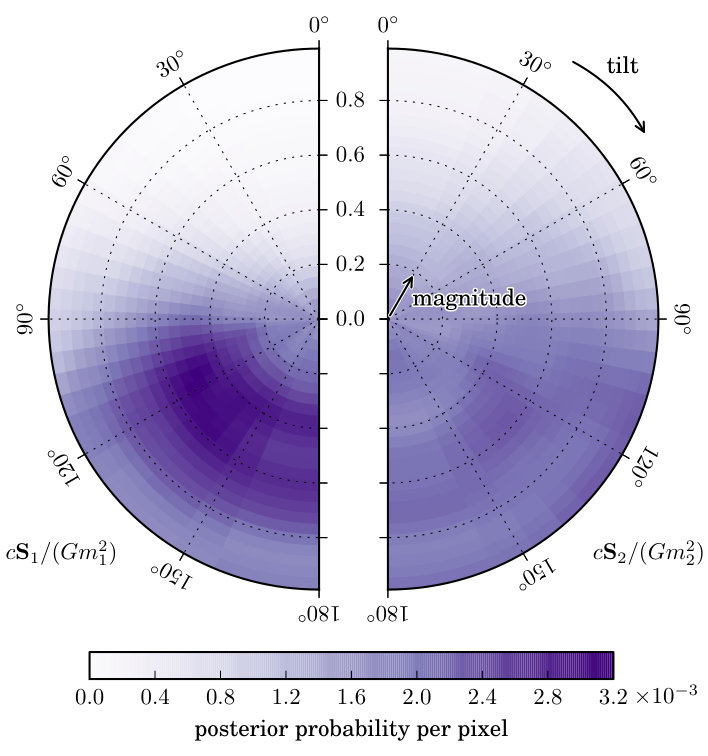 Figure 3
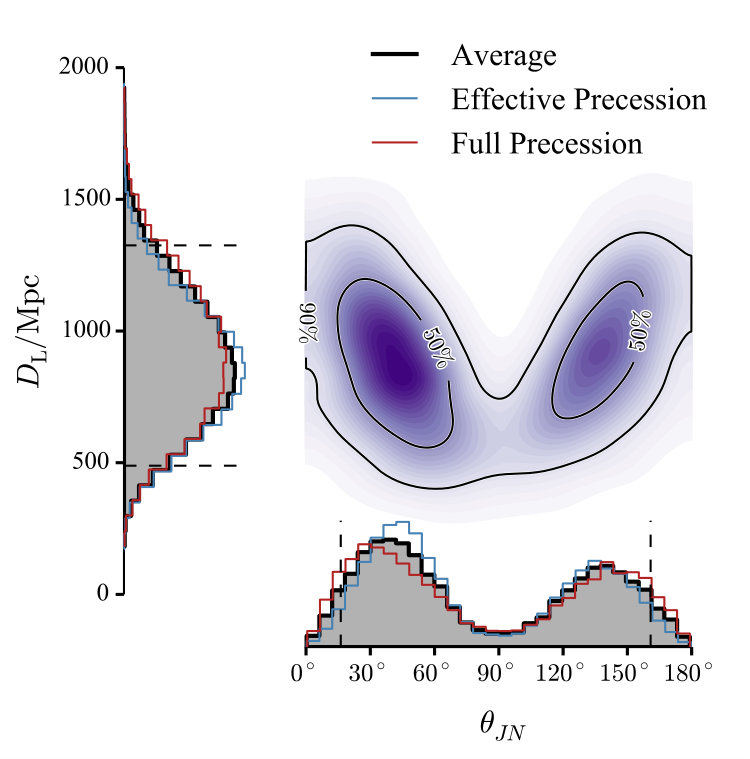 Figure 4
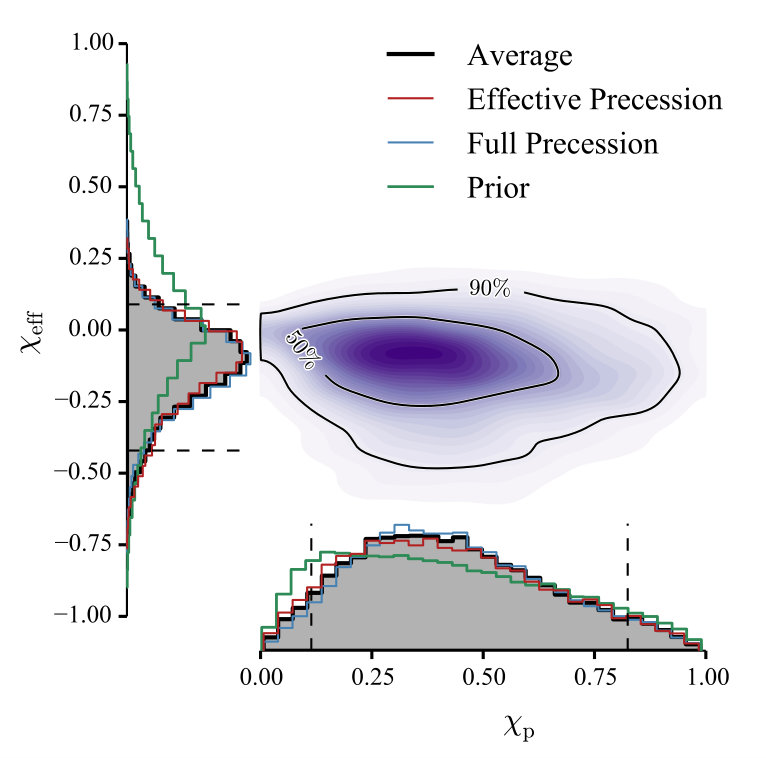 Figure 5
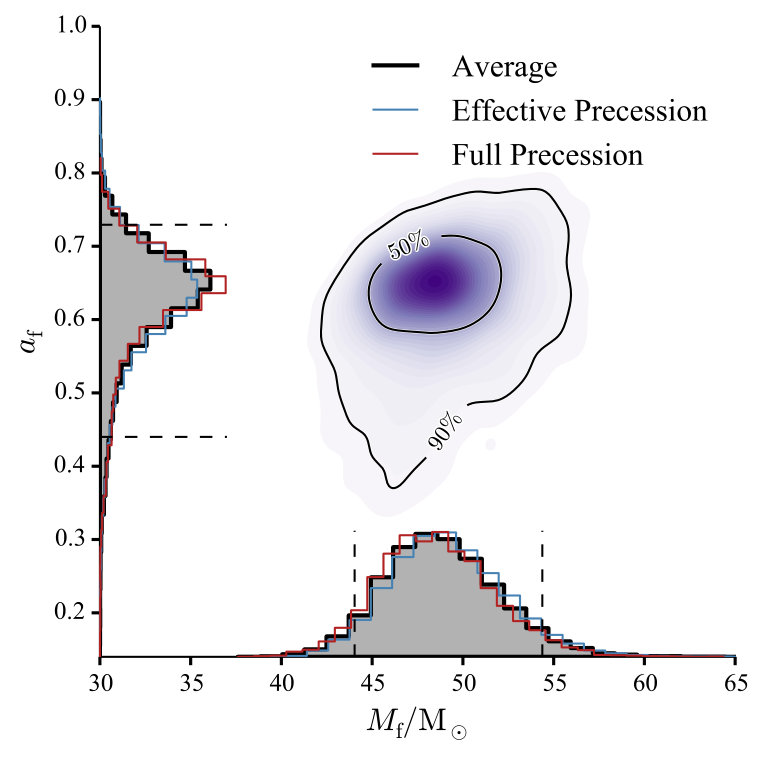 Figure 6
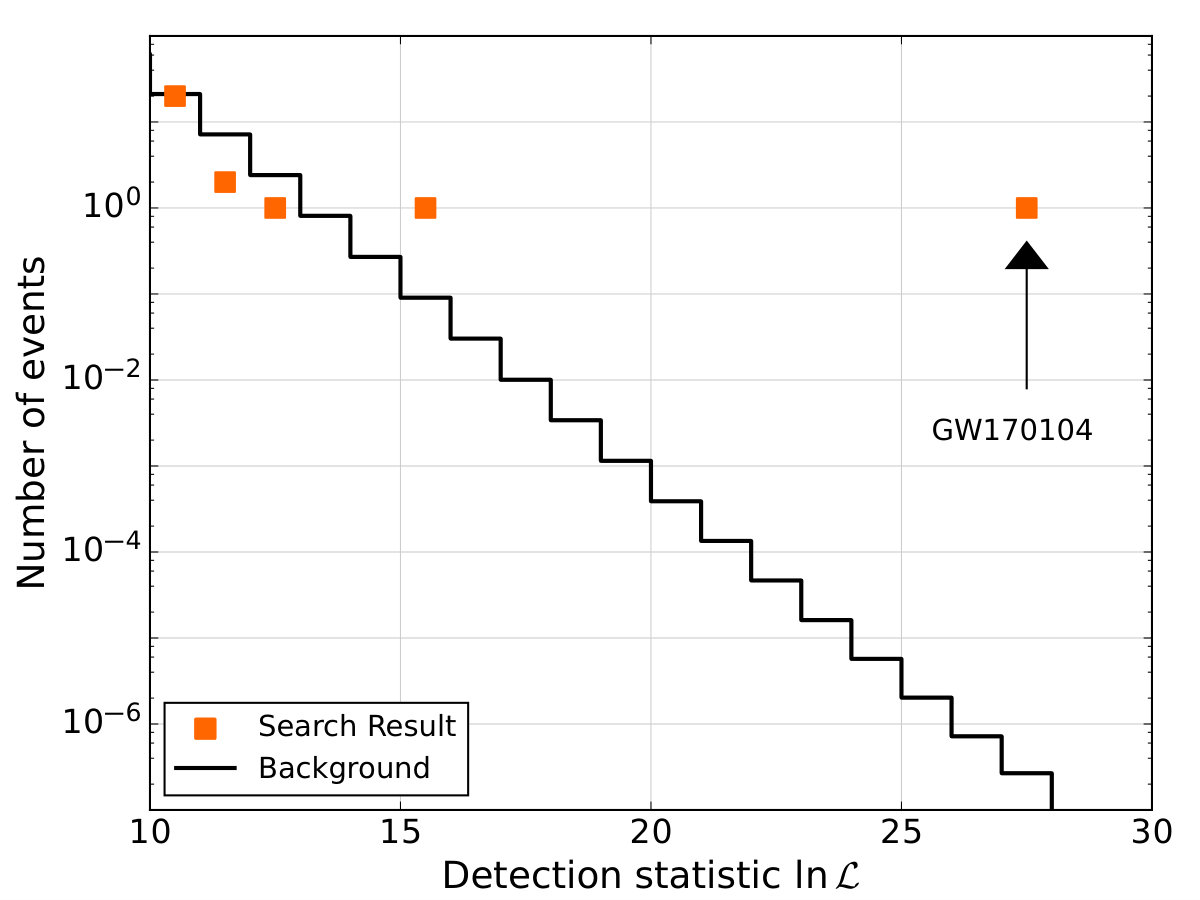 Figure 7
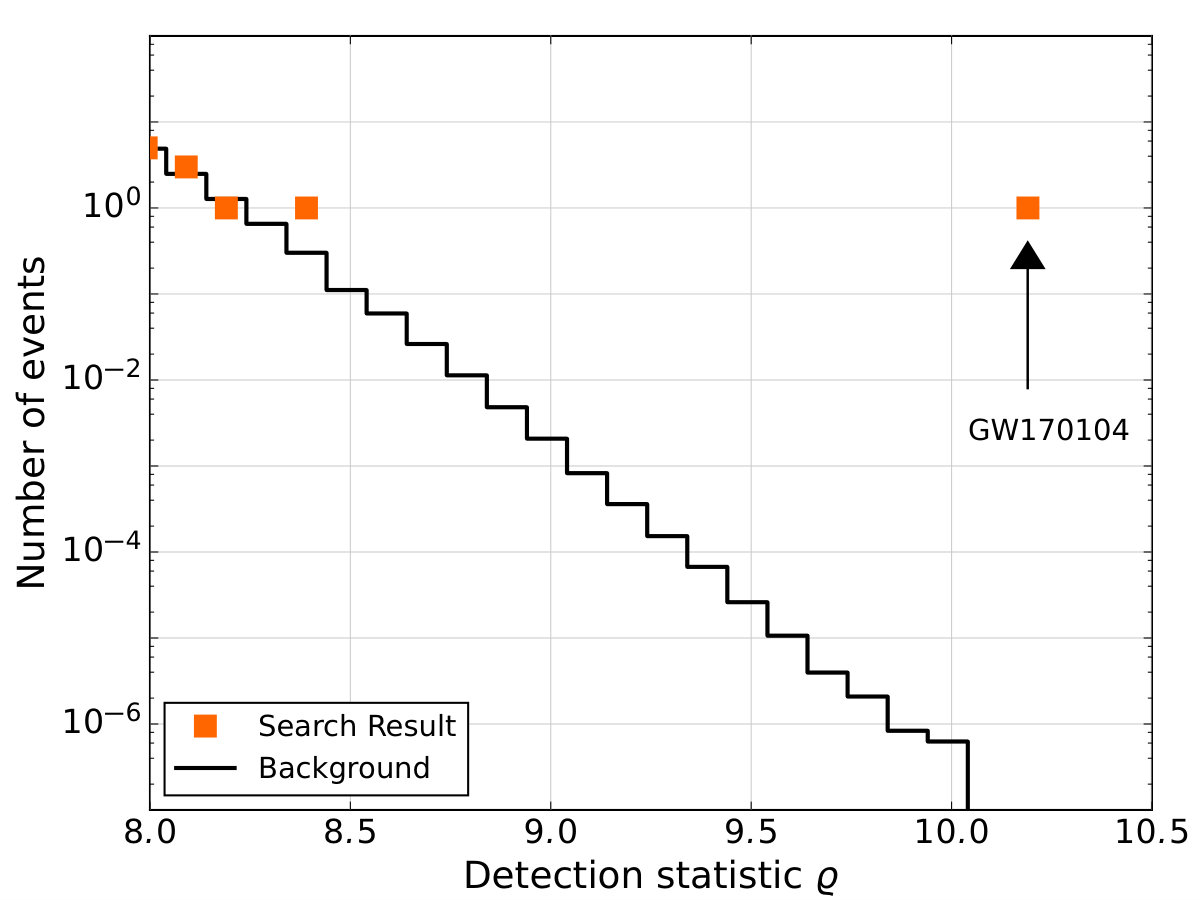 Figure 8
 Figure 9
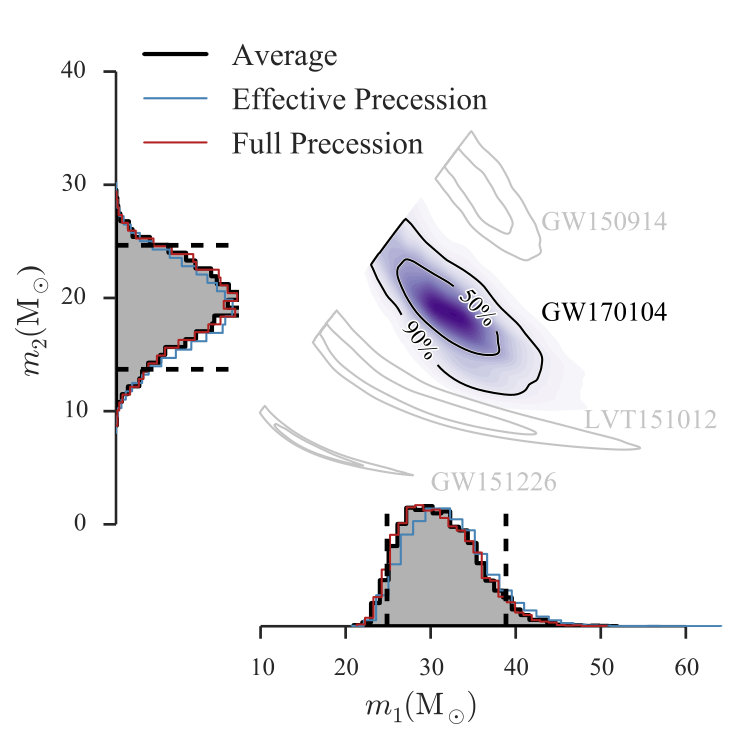 Figure 10
 Figure 11
 Figure 12
 Figure 13
 Figure 14
 Figure 15
 Figure 16
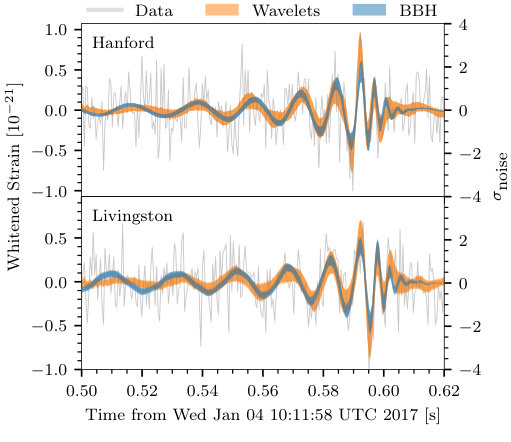 Figure 17
Peer Reviews
No public reviews on file for this paper yet. If you reviewed it on a platform where reviews are public (OpenReview, ICLR, NeurIPS, ICML), you can paste yours below so the community can read it here.
Videos
No videos yet. Explain this paper in a talk, walkthrough, or lecture? Add one.