DORE: An Experimental Framework to Enable Outband D2D Relay in Cellular Networks
Arash Asadi, Vincenzo Mancuso, Rohit Gupta

TL;DR
This paper presents DORE, an experimental framework for outband D2D relay in cellular networks, demonstrating its effectiveness through SDR-based experiments and highlighting its benefits for delay-sensitive applications.
Contribution
It introduces DORE, the first experimental framework for outband D2D relay, including resource optimization tools and protocols integrated into 3GPP architecture.
Findings
Outband D2D relaying is effective for delay-sensitive cellular applications.
DORE achieves significant gains with few active relay nodes.
Experimental validation confirms analytical predictions of D2D performance.
Abstract
Device-to-Device communications represent a paradigm shift in cellular networks. In particular, analytical results on D2D performance for offloading and relay are very promising, but no experimental evidence validates these results to date. This paper is the first to provide an experimental analysis of outband D2D relay schemes. Moreover, we design DORE, a complete framework for handling channel opportunities offered by outband D2D relay nodes. DORE consists of resource allocation optimization tools and protocols suitable to integrate QoS-aware opportunistic D2D communications within the architecture of 3GPP Proximity-based Services. We implement DORE using an SDR framework to profile cellular network dynamics in the presence of opportunistic outband D2D communication schemes. Our experiments reveal that outband D2D communications are suitable for relaying in a large variety of…
Click any figure to enlarge with its caption.
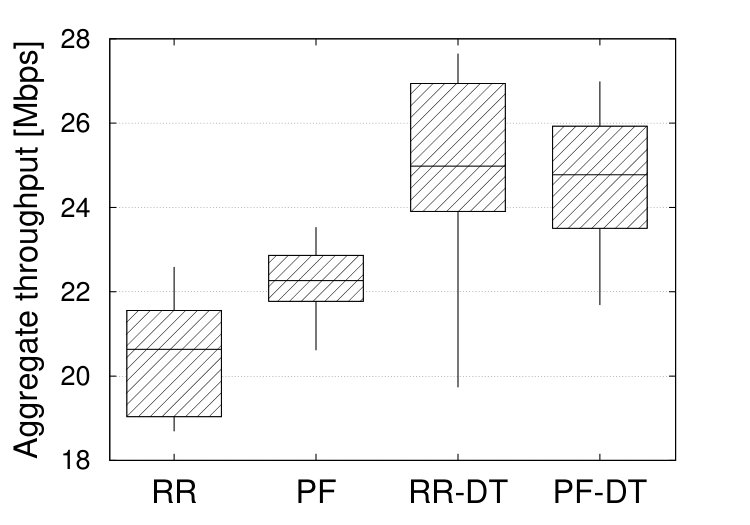 Figure 1
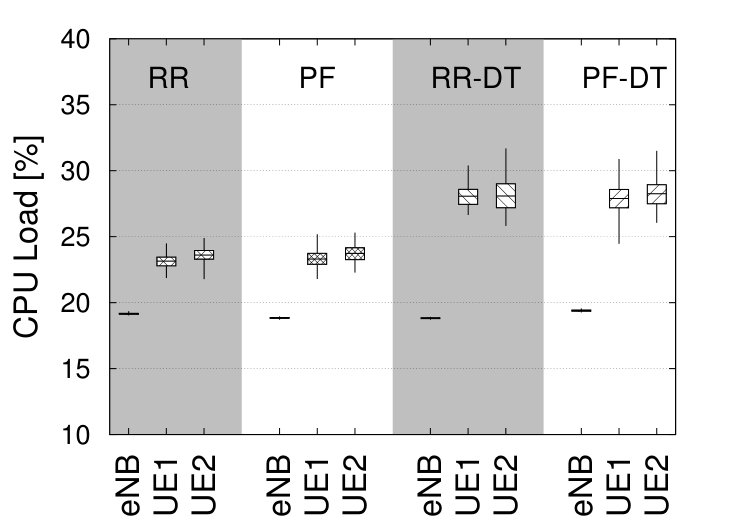 Figure 2
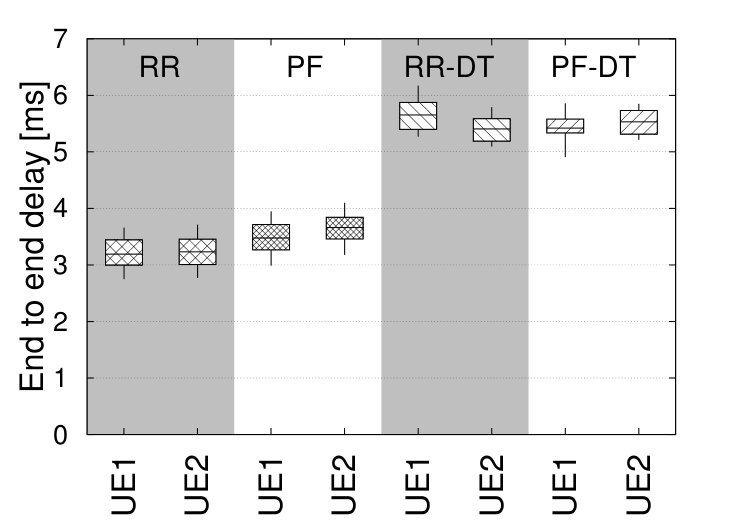 Figure 3
 Figure 4
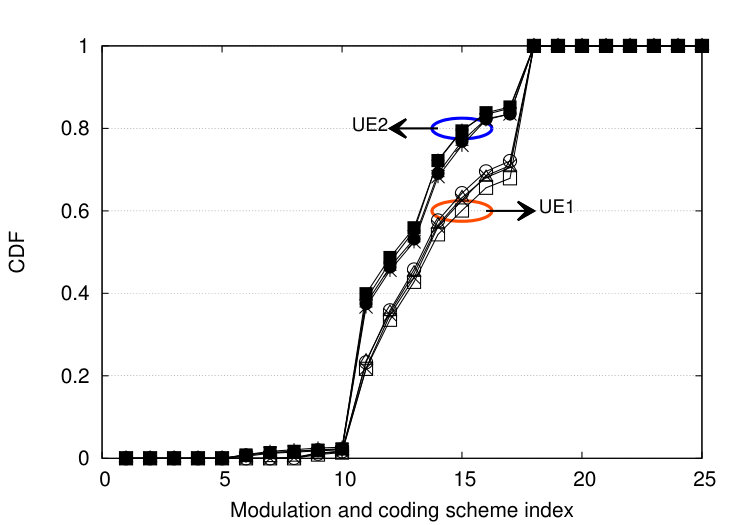 Figure 5
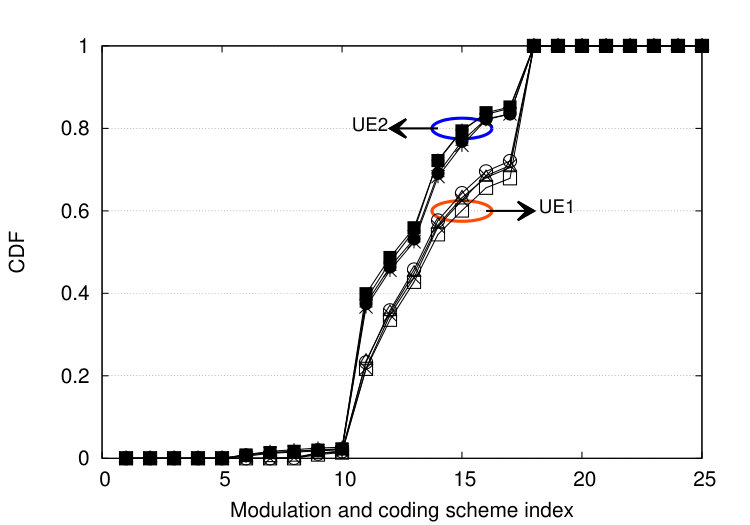 Figure 6
 Figure 7
 Figure 8
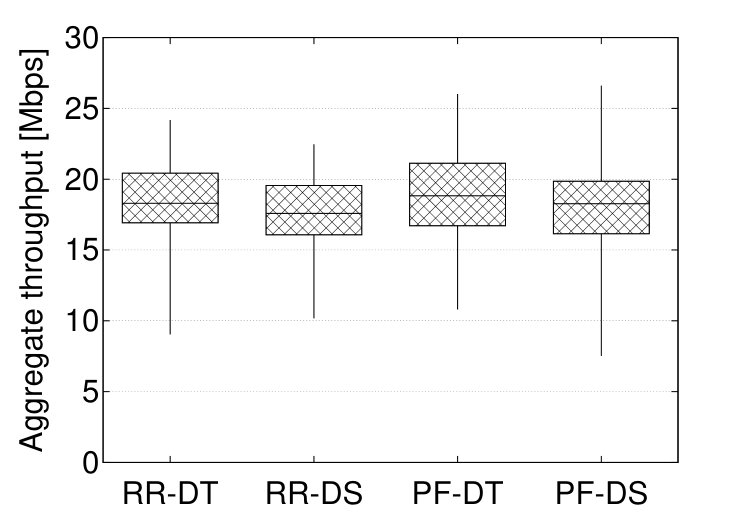 Figure 9
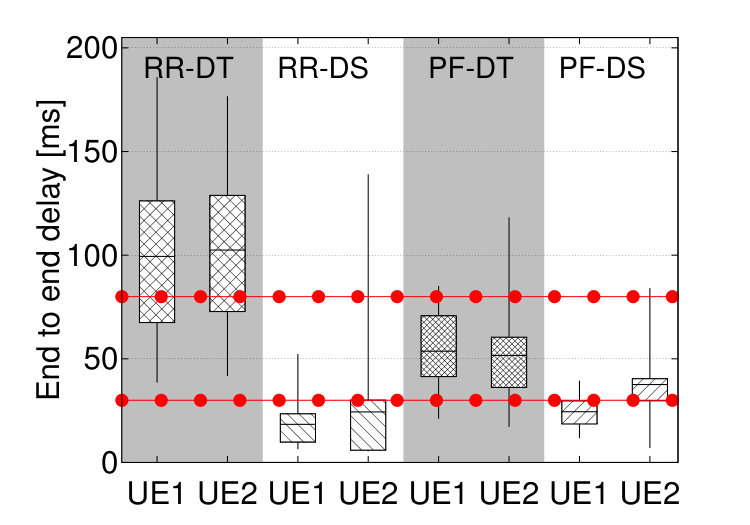 Figure 10
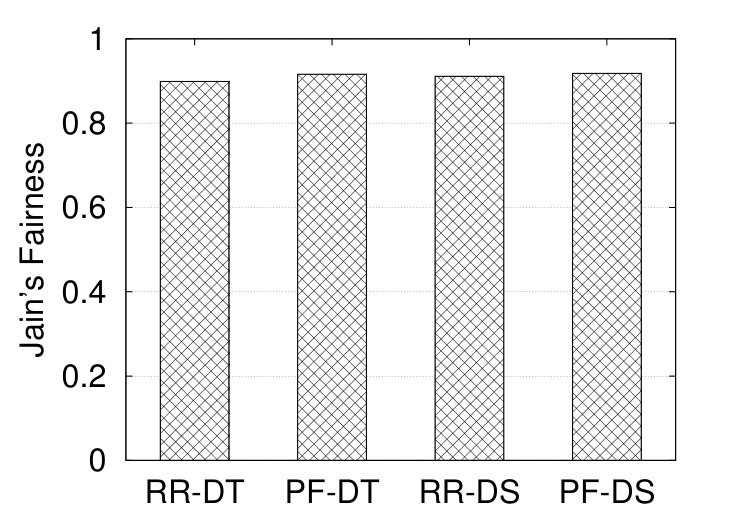 Figure 11
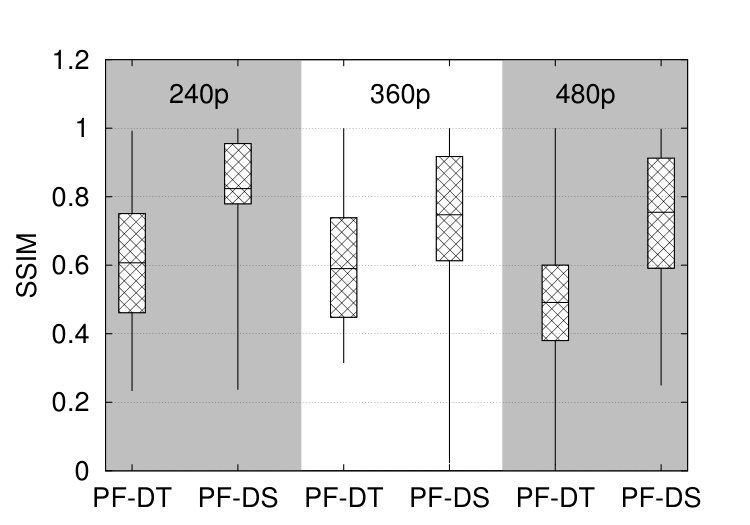 Figure 12
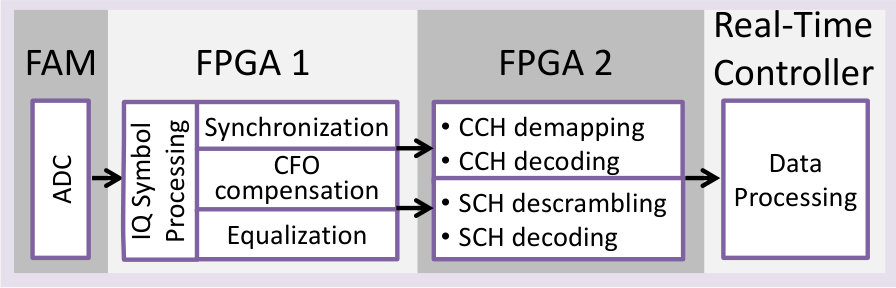 Figure 13
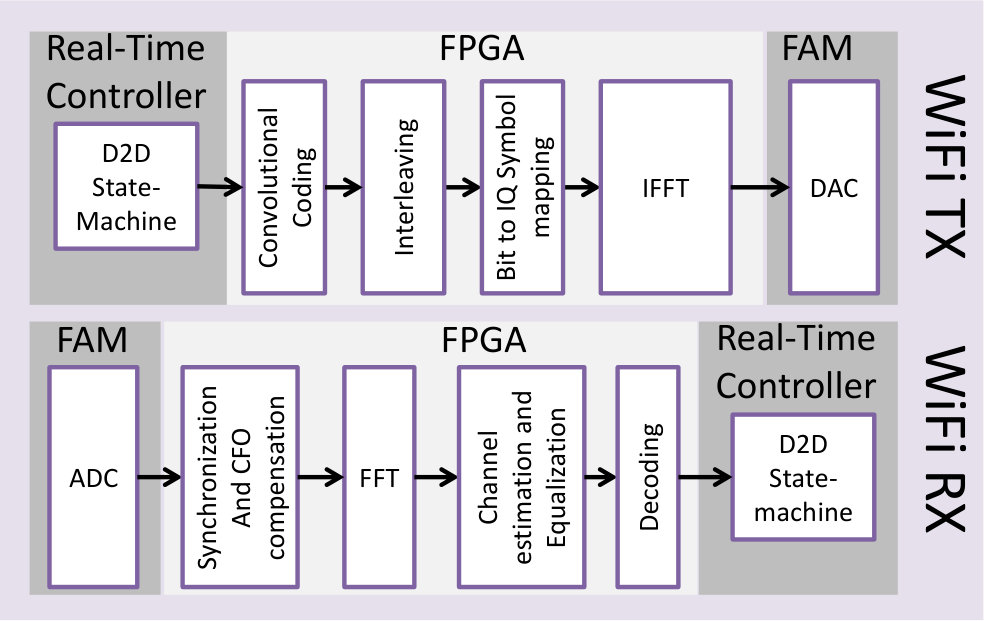 Figure 14
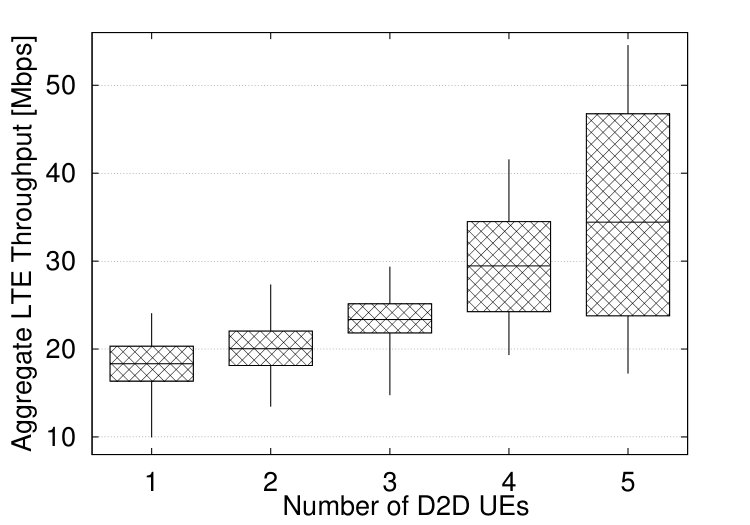 Figure 15
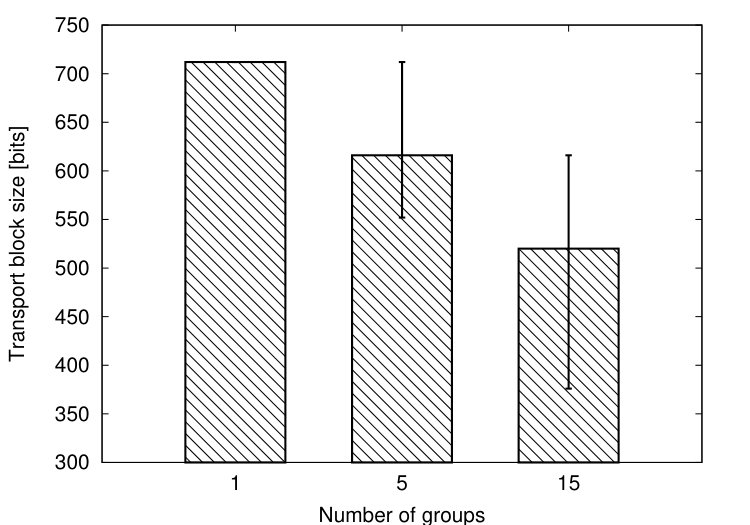 Figure 16
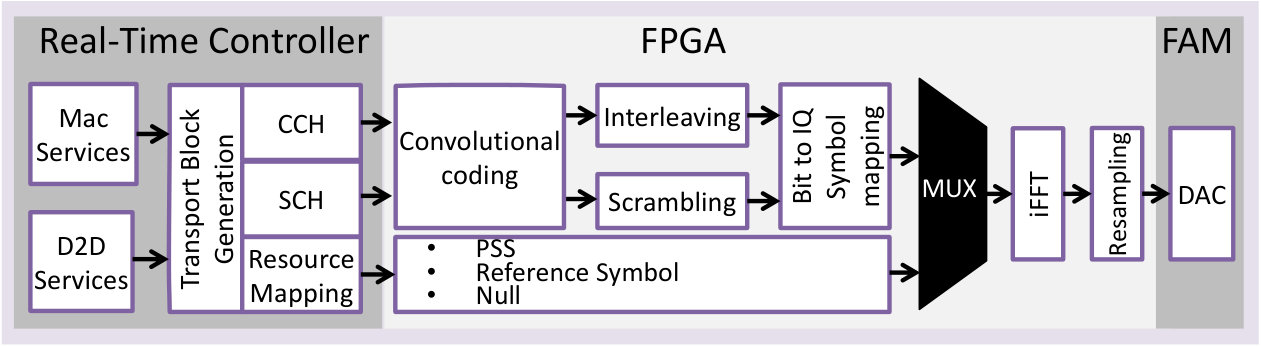 Figure 17
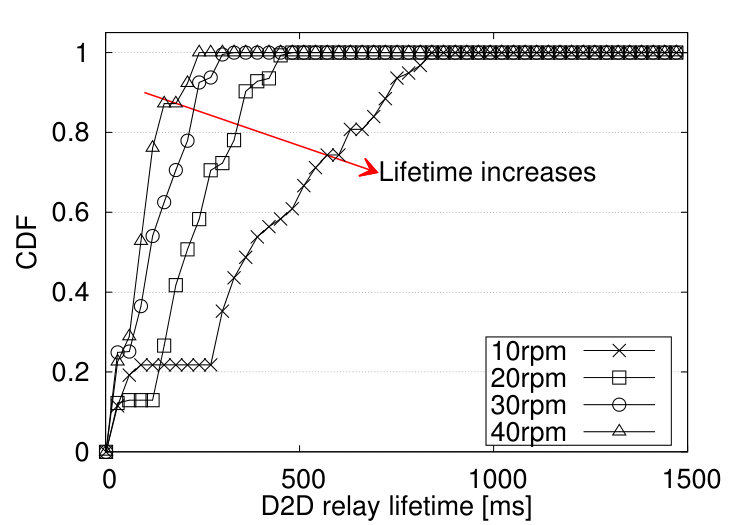 Figure 18
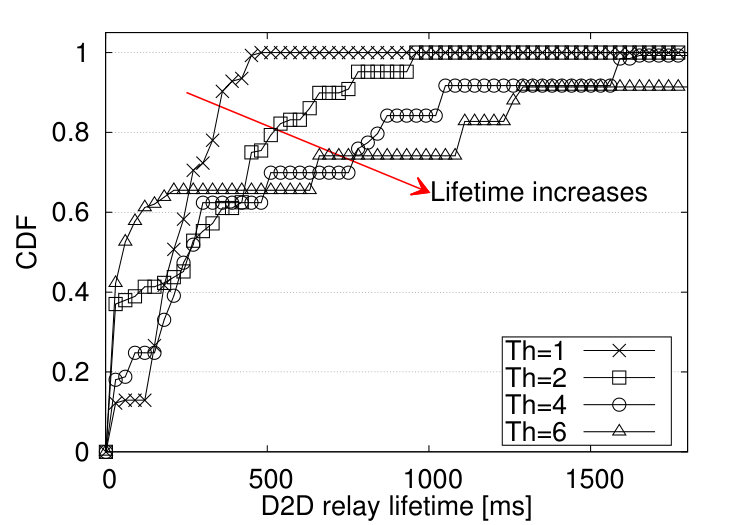 Figure 19
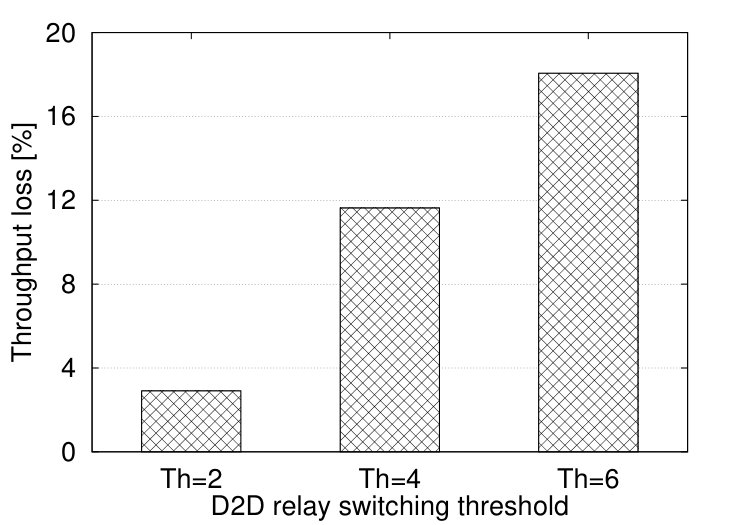 Figure 20
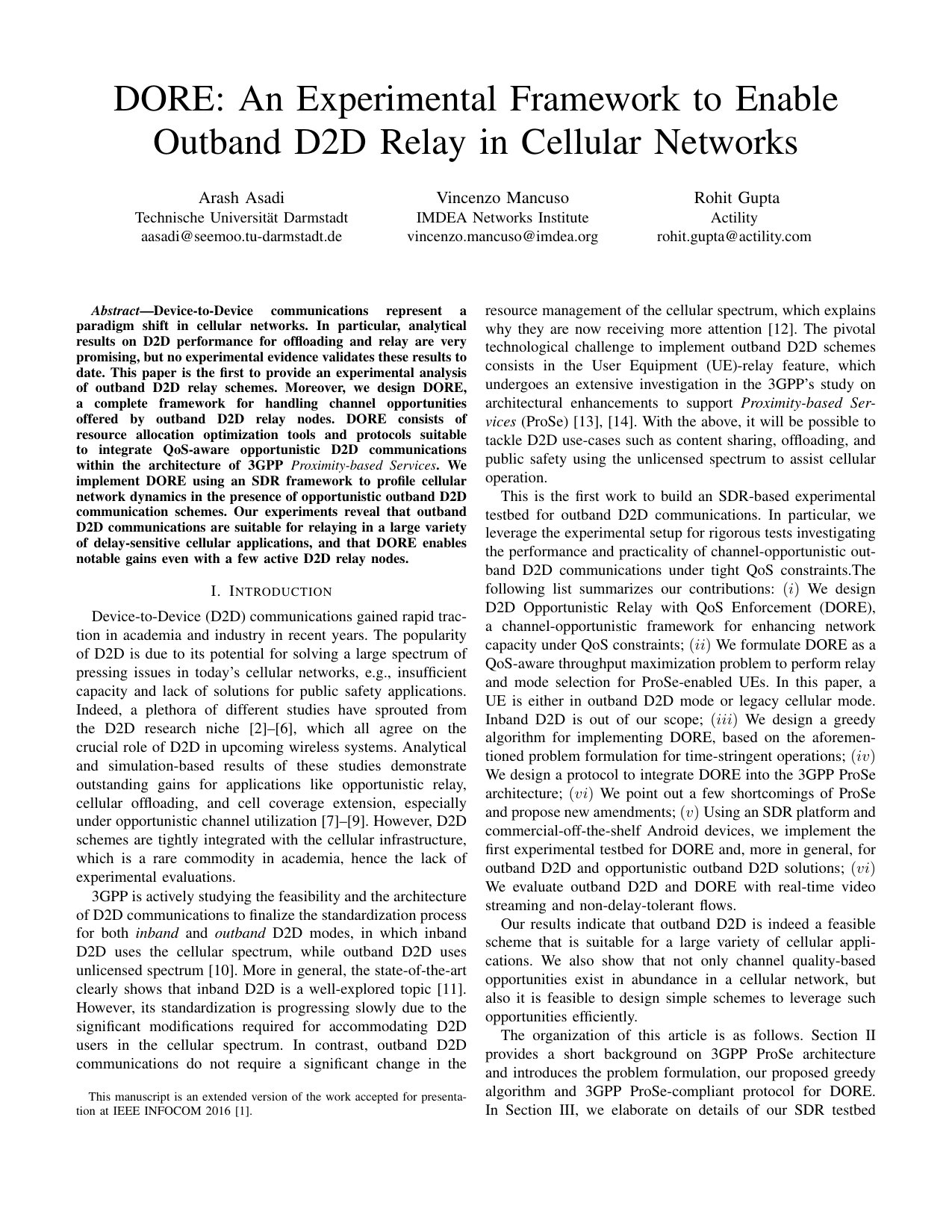 Figure 21
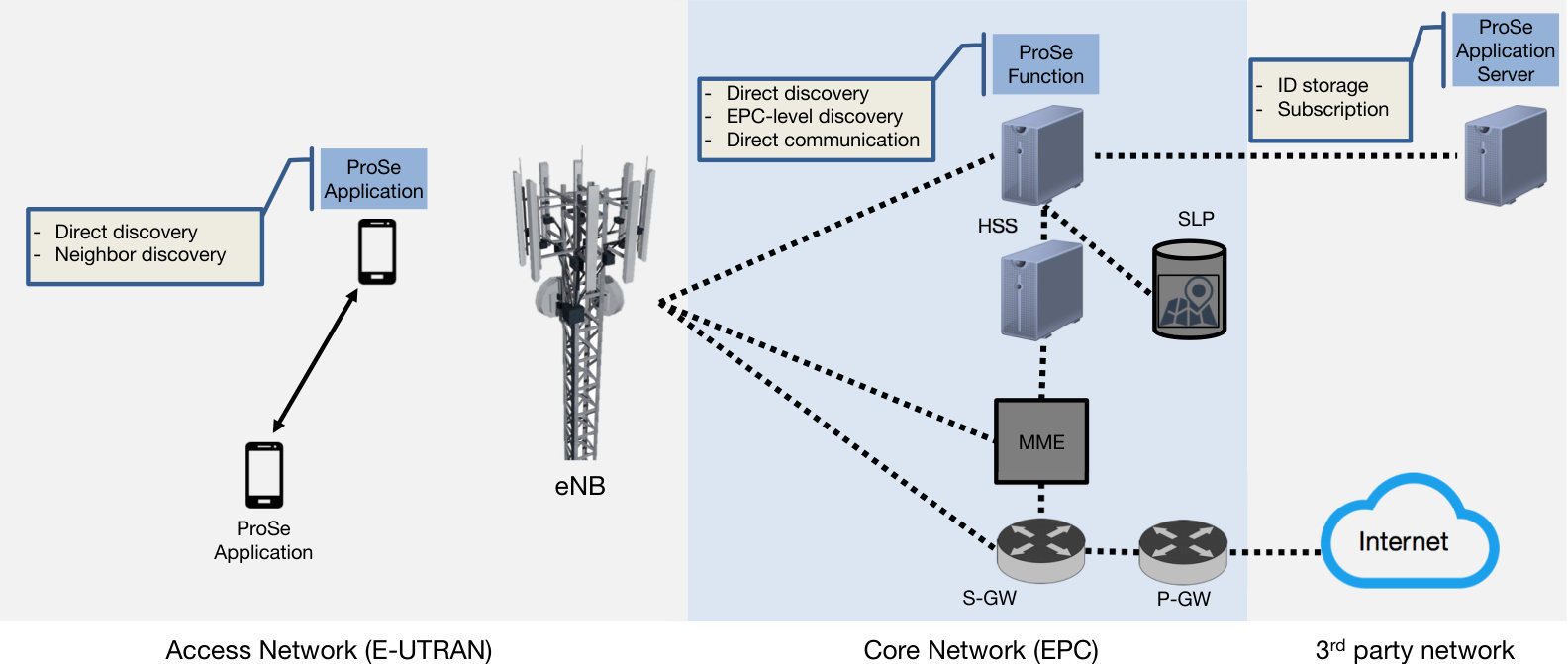 Figure 22
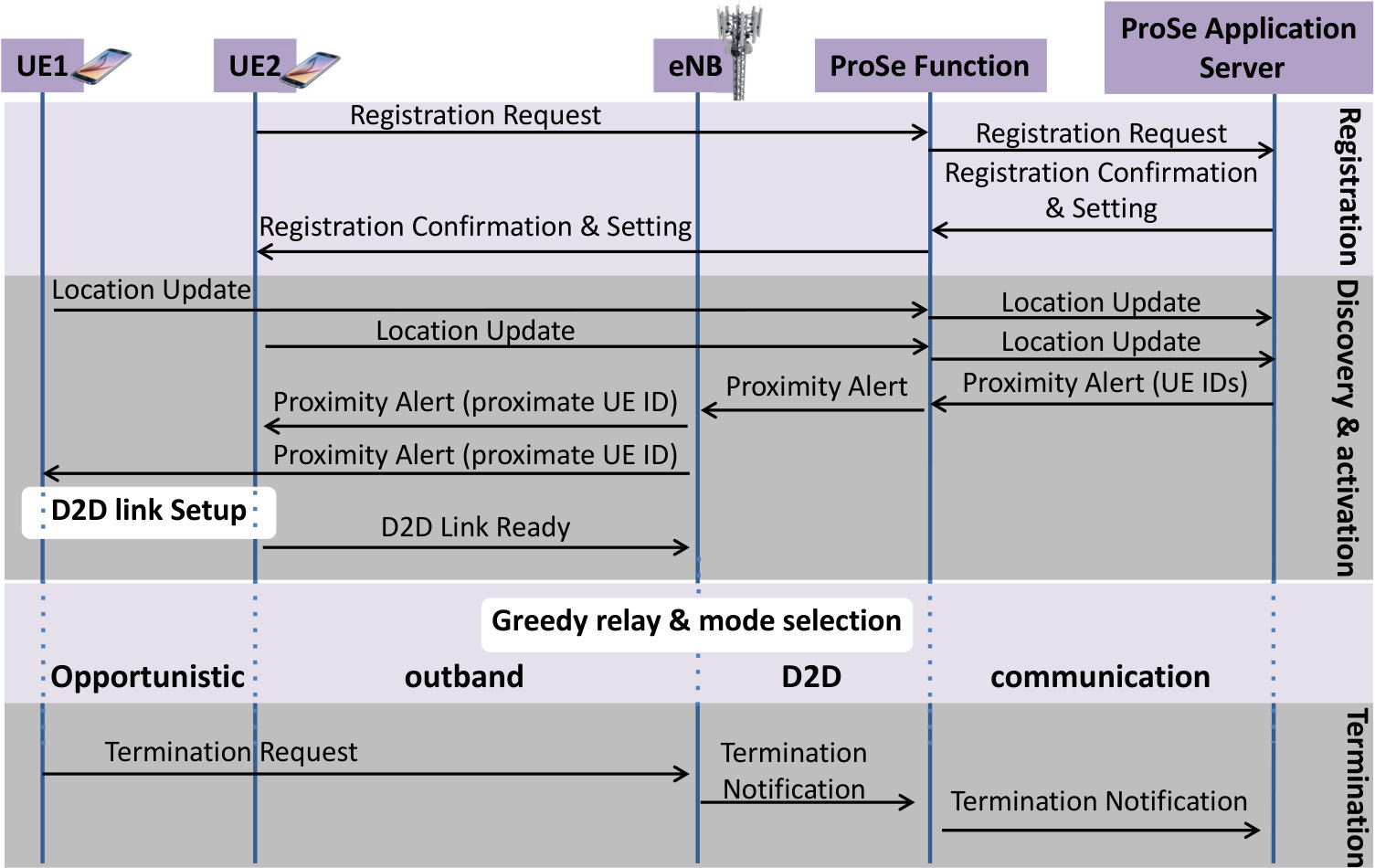 Figure 23
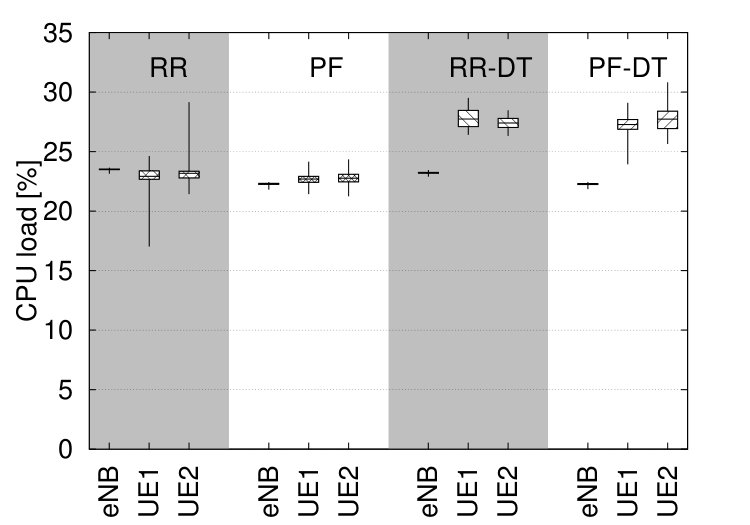 Figure 24
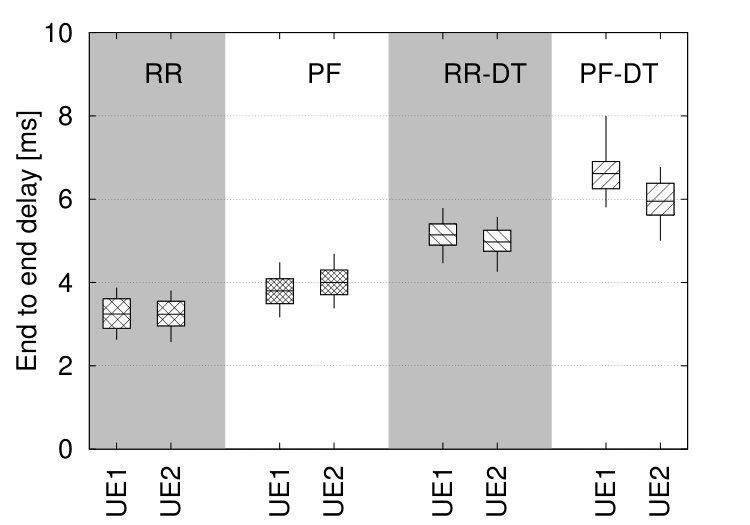 Figure 25
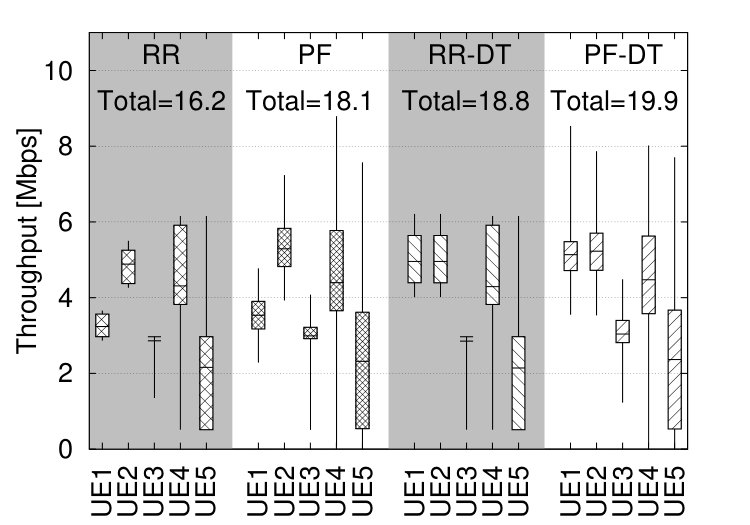 Figure 26
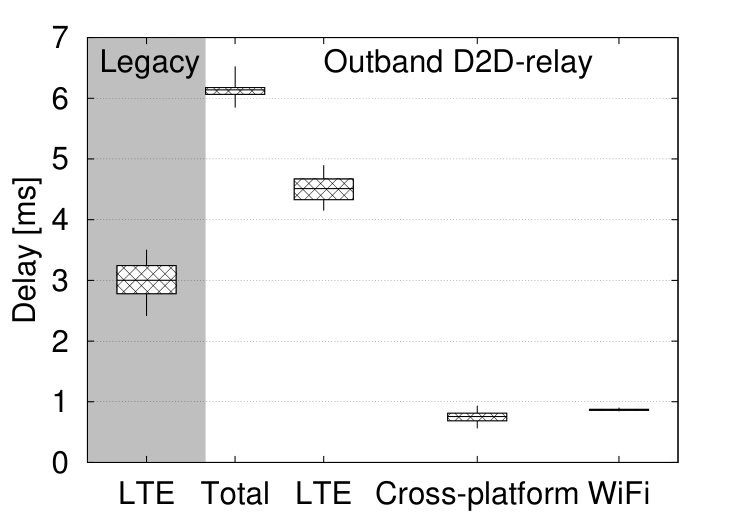 Figure 27
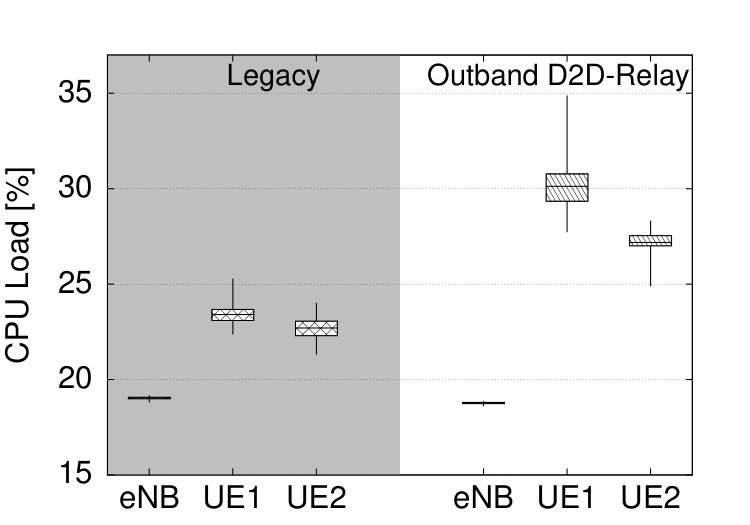 Figure 28
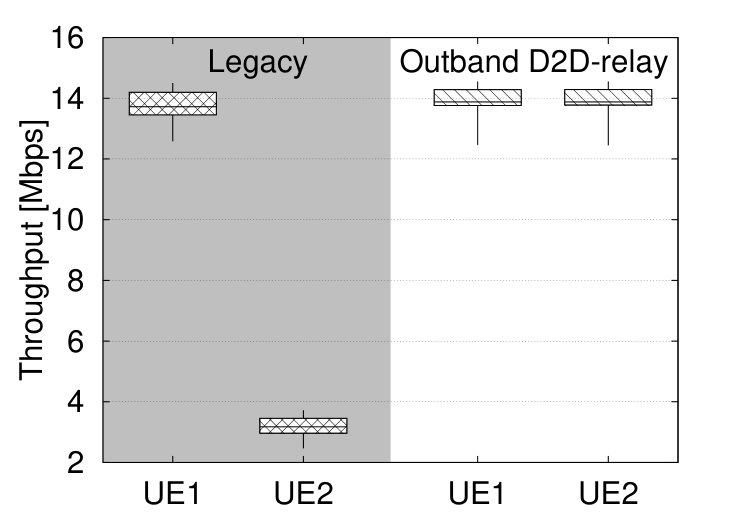 Figure 29
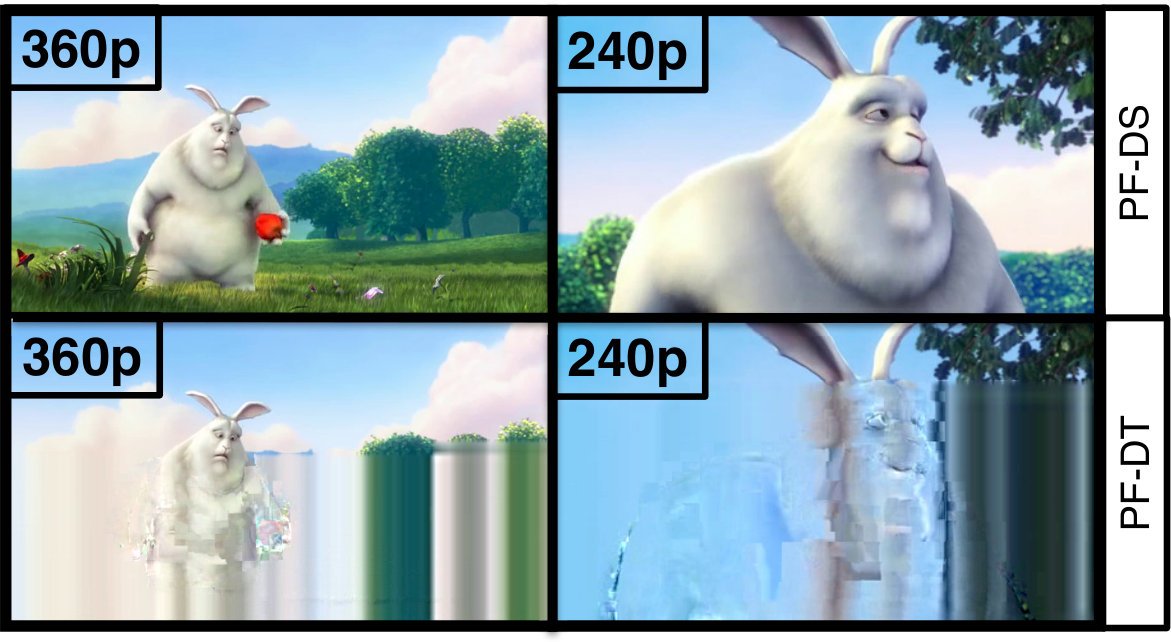 Figure 30
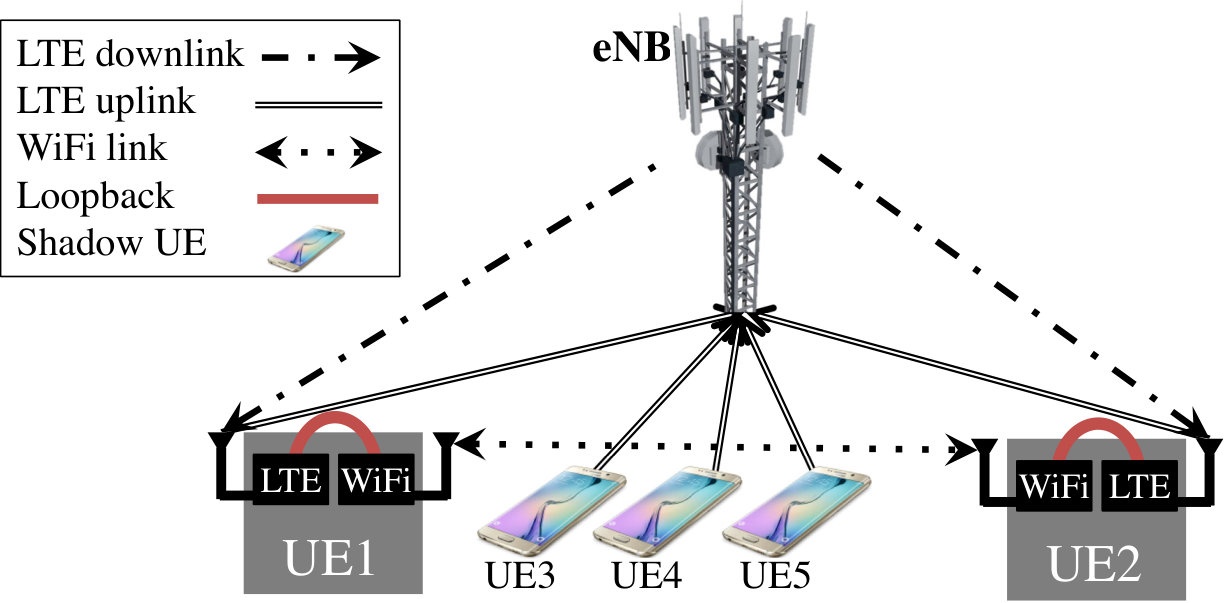 Figure 31
Peer Reviews
No public reviews on file for this paper yet. If you reviewed it on a platform where reviews are public (OpenReview, ICLR, NeurIPS, ICML), you can paste yours below so the community can read it here.
Videos
No videos yet. Explain this paper in a talk, walkthrough, or lecture? Add one.