Performance Modeling and Prediction for Dense Linear Algebra
Elmar Peise (HPAC, RWTH Aachen)

TL;DR
This dissertation develops measurement-based performance models for dense linear algebra algorithms that predict execution times without running the algorithms, enabling quick selection of optimal configurations.
Contribution
It introduces automatic, platform-specific performance models for kernel operations and cache-aware micro-benchmarks for tensor contractions, improving prediction accuracy and efficiency.
Findings
Accurately predicts the fastest algorithms and configurations.
Enables rapid performance estimation without executing algorithms.
Identifies optimal tensor traversal and kernel combinations efficiently.
Abstract
This dissertation introduces measurement-based performance modeling and prediction techniques for dense linear algebra algorithms. As a core principle, these techniques avoid executions of such algorithms entirely, and instead predict their performance through runtime estimates for the underlying compute kernels. For a variety of operations, these predictions allow to quickly select the fastest algorithm configurations from available alternatives. We consider two scenarios that cover a wide range of computations: To predict the performance of blocked algorithms, we design algorithm-independent performance models for kernel operations that are generated automatically once per platform. For various matrix operations, instantaneous predictions based on such models both accurately identify the fastest algorithm, and select a near-optimal block size. For performance predictions of…
Click any figure to enlarge with its caption.
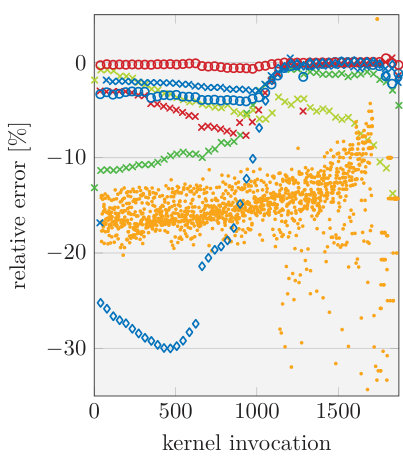 Figure 1
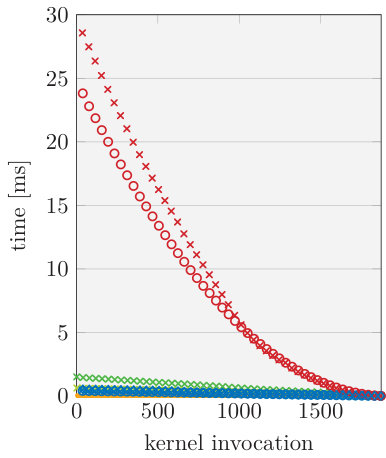 Figure 2
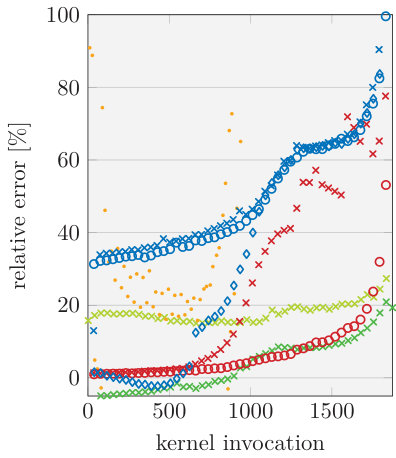 Figure 3
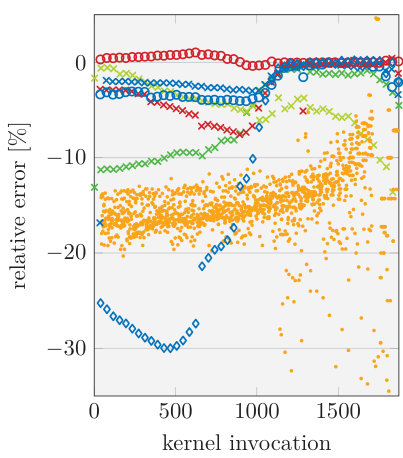 Figure 4
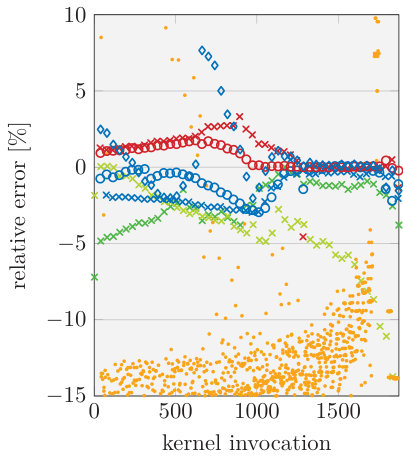 Figure 5
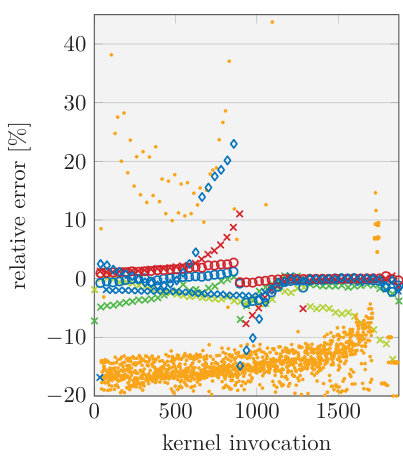 Figure 6
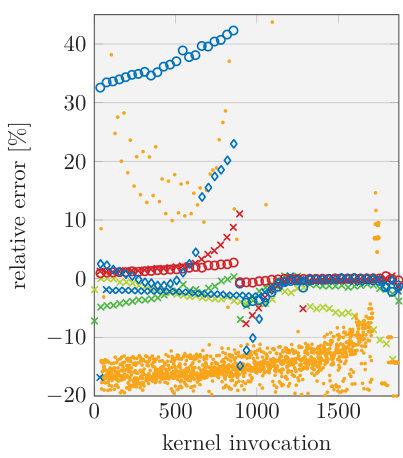 Figure 7
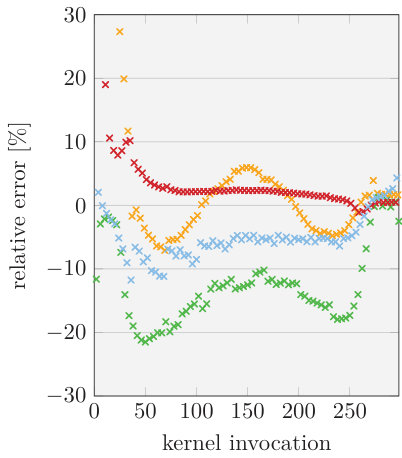 Figure 8
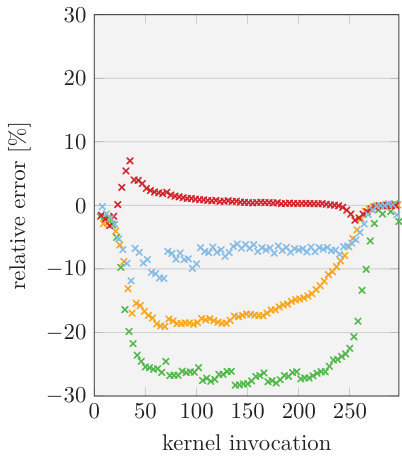 Figure 9
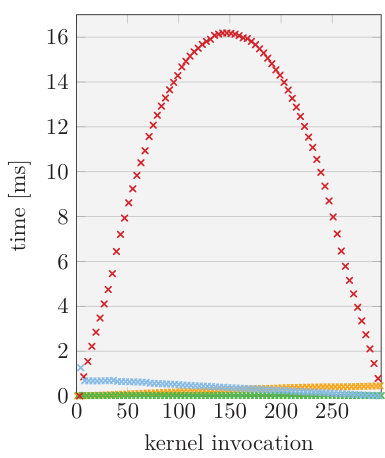 Figure 10
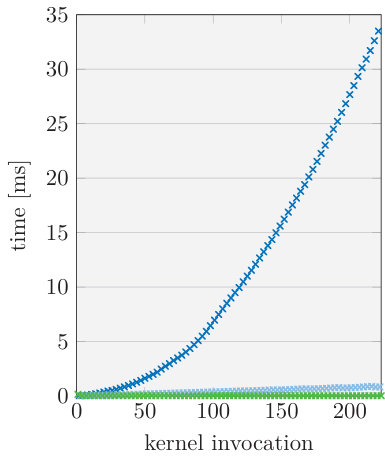 Figure 11
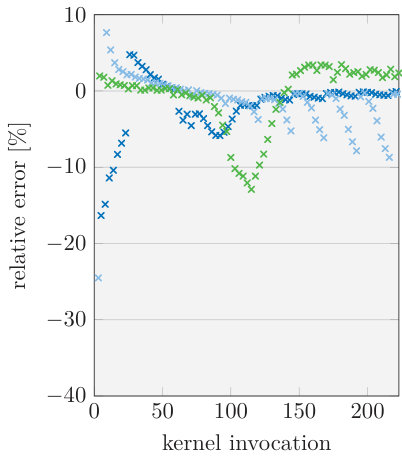 Figure 12
 Figure 13
 Figure 14
 Figure 15
 Figure 16
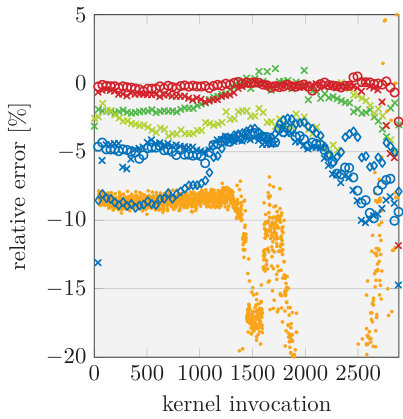 Figure 17
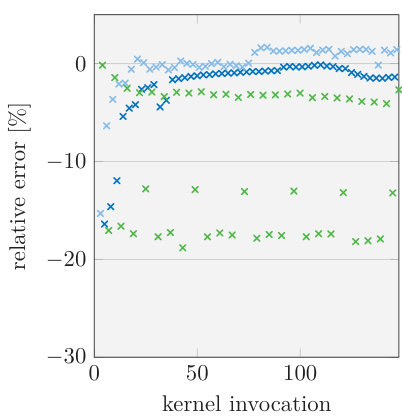 Figure 18
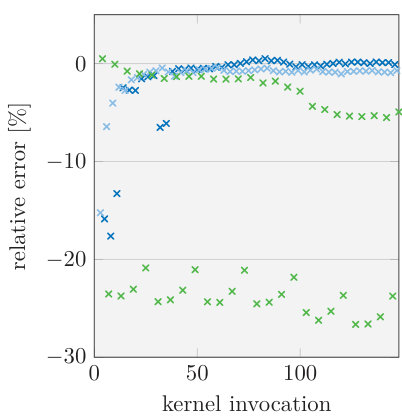 Figure 19
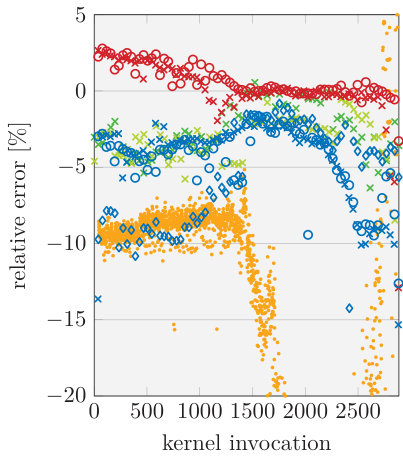 Figure 20
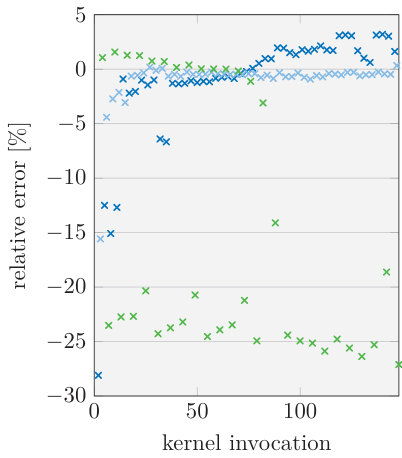 Figure 21
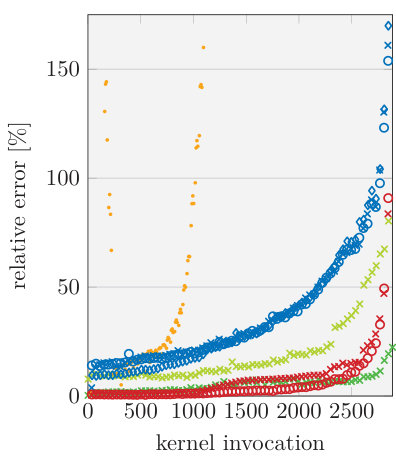 Figure 22
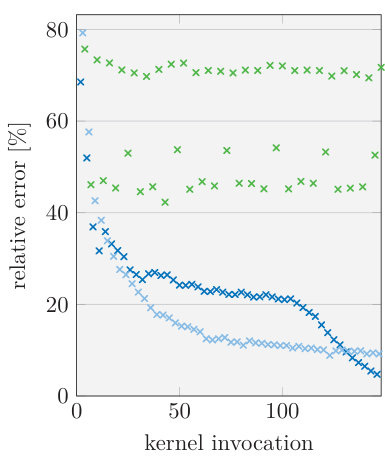 Figure 23
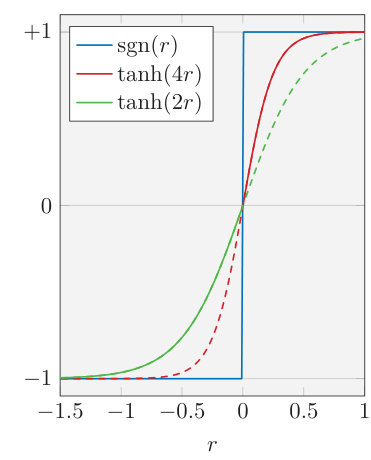 Figure 24
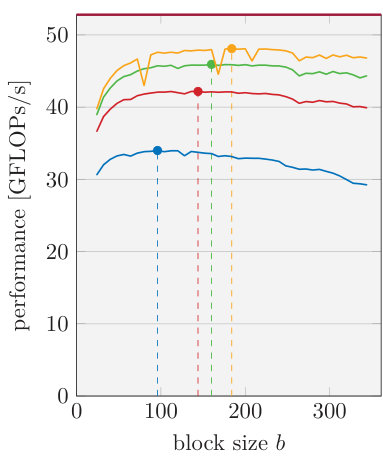 Figure 25
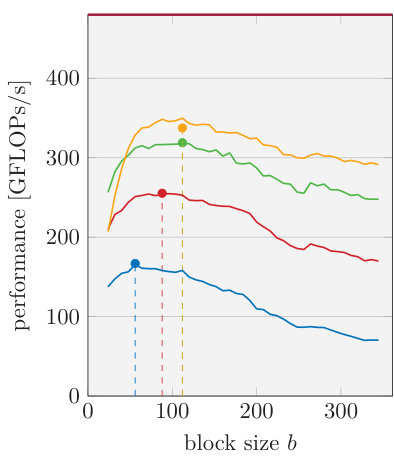 Figure 26
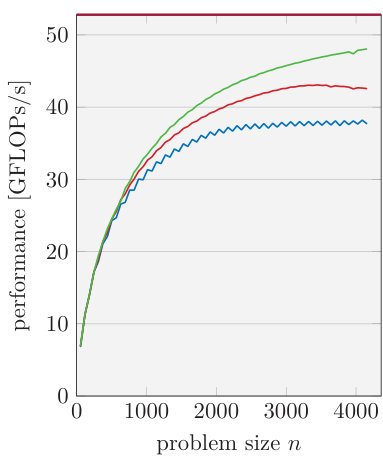 Figure 27
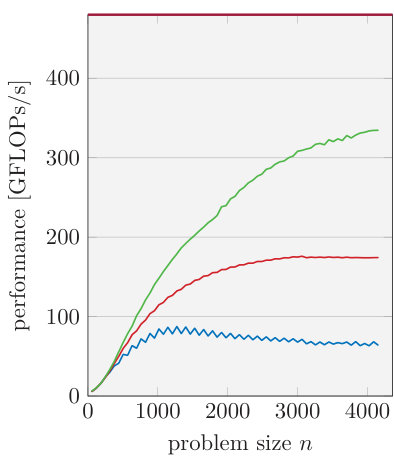 Figure 28
 Figure 29
 Figure 30
 Figure 31
 Figure 32
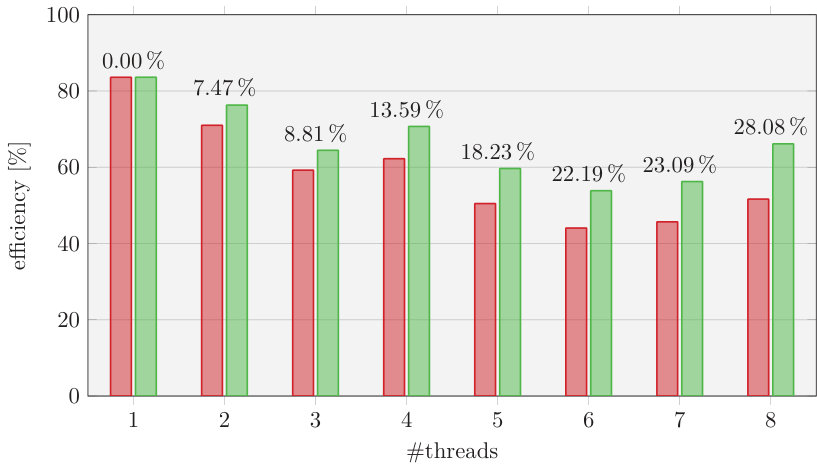 Figure 33
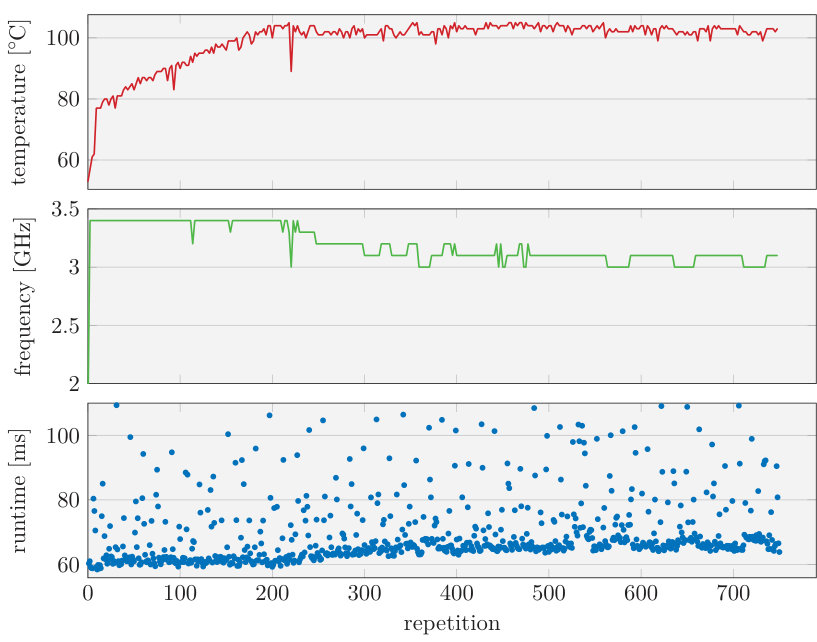 Figure 34
 Figure 35
 Figure 36
 Figure 37
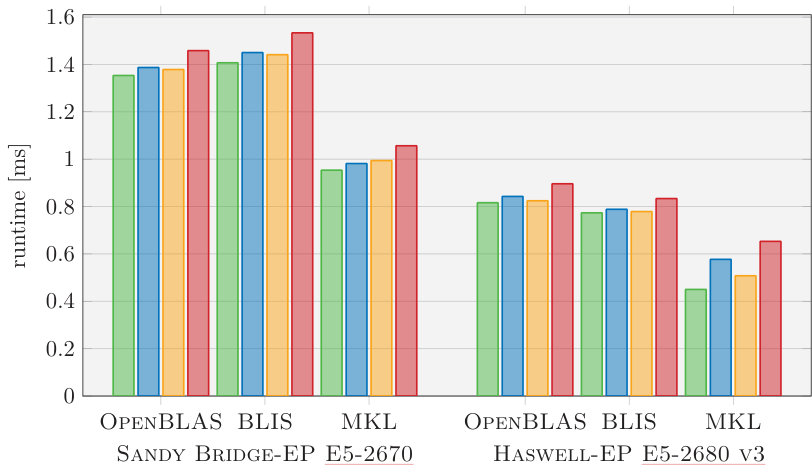 Figure 38
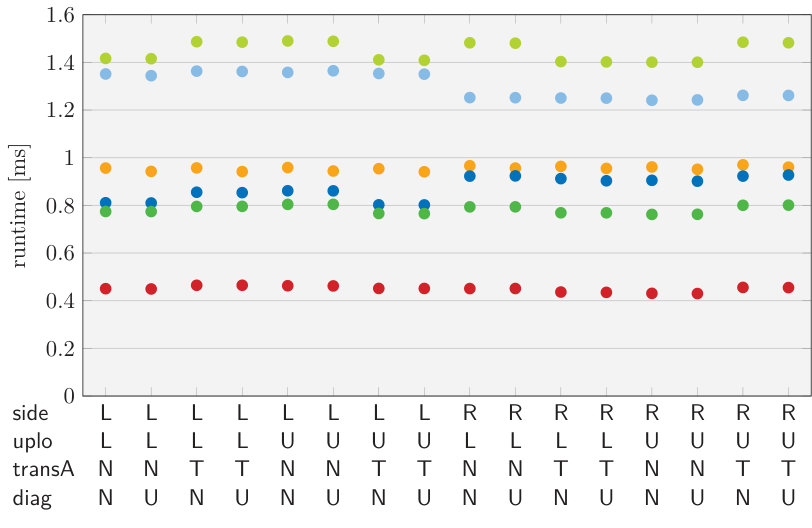 Figure 39
 Figure 40
Peer Reviews
No public reviews on file for this paper yet. If you reviewed it on a platform where reviews are public (OpenReview, ICLR, NeurIPS, ICML), you can paste yours below so the community can read it here.
Videos
No videos yet. Explain this paper in a talk, walkthrough, or lecture? Add one.