Automated reliability assessment for spectroscopic redshift measurements
S. Jamal, V. Le Brun, O. Le F\`evre, D. Vibert, A. Schmitt, C. Surace,, Y. Copin, B. Garilli, M. Moresco, L. Pozzetti

TL;DR
This paper introduces an automated method combining Bayesian redshift estimation and machine learning to assess the reliability of spectroscopic redshift measurements, tested on survey data and simulations.
Contribution
It presents a novel framework integrating Bayesian analysis with ML for automated redshift reliability assessment, moving beyond subjective flagging methods.
Findings
Successfully reproduces existing reliability flags
Develops a new homogeneous clustering of redshift PDFs
Predicts reliability labels for simulated Euclid data
Abstract
We present a new approach to automate the spectroscopic redshift reliability assessment based on machine learning (ML) and characteristics of the redshift probability density function (PDF). We propose to rephrase the spectroscopic redshift estimation into a Bayesian framework, in order to incorporate all sources of information and uncertainties related to the redshift estimation process, and produce a redshift posterior PDF that will be the starting-point for ML algorithms to provide an automated assessment of a redshift reliability. As a use case, public data from the VIMOS VLT Deep Survey is exploited to present and test this new methodology. We first tried to reproduce the existing reliability flags using supervised classification to describe different types of redshift PDFs, but due to the subjective definition of these flags, soon opted for a new homogeneous partitioning of…
Click any figure to enlarge with its caption.
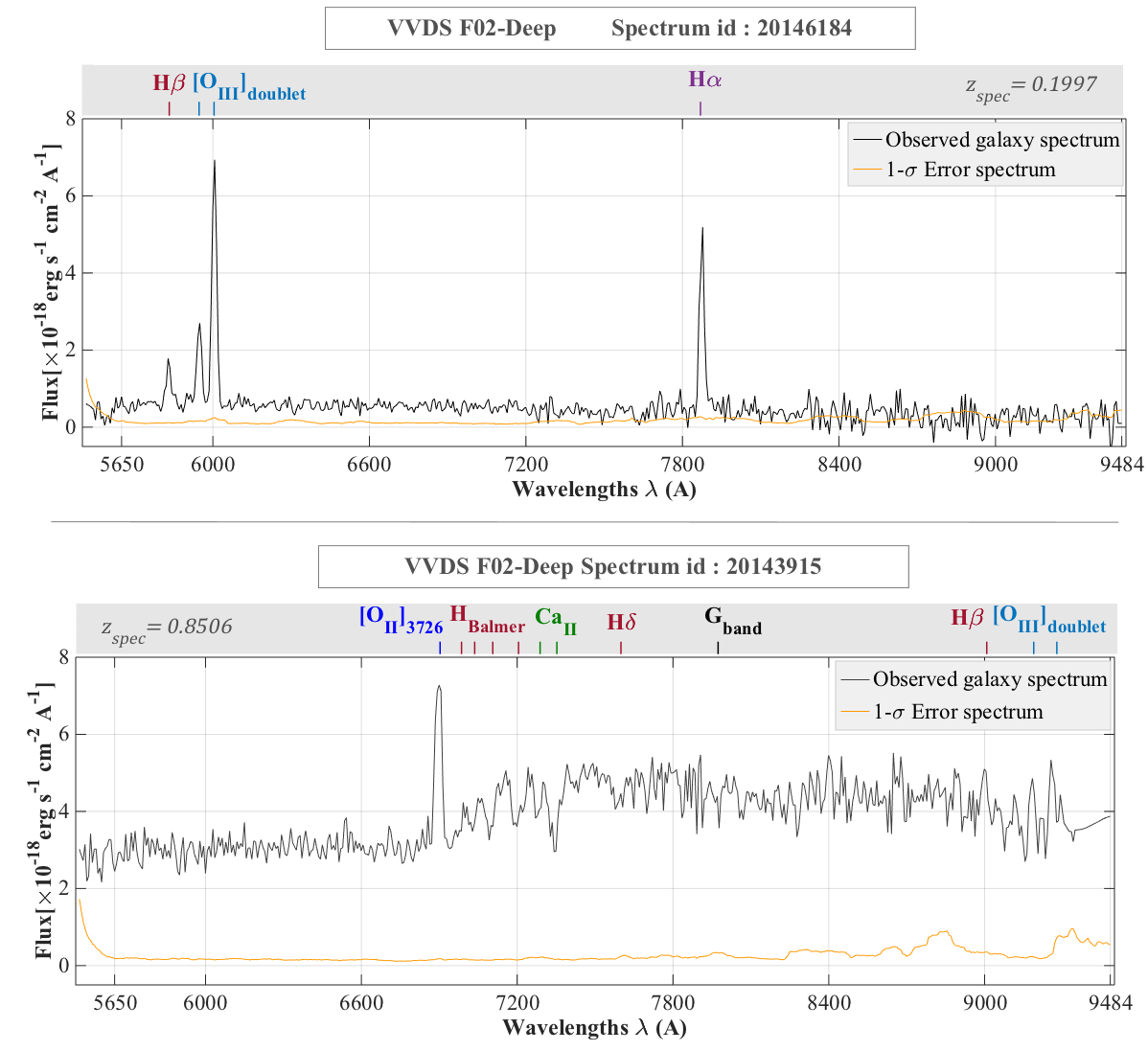 Figure 1
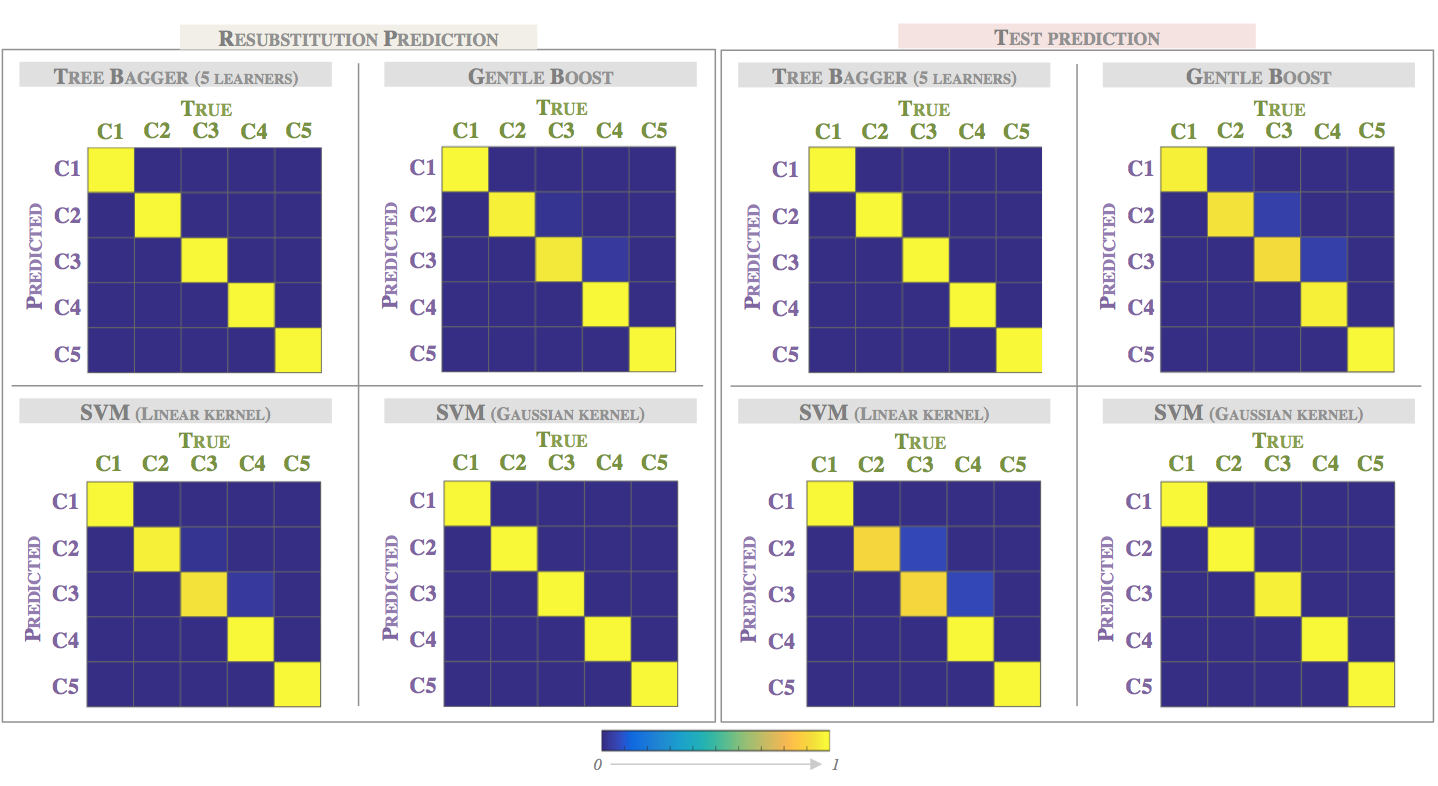 Figure 2
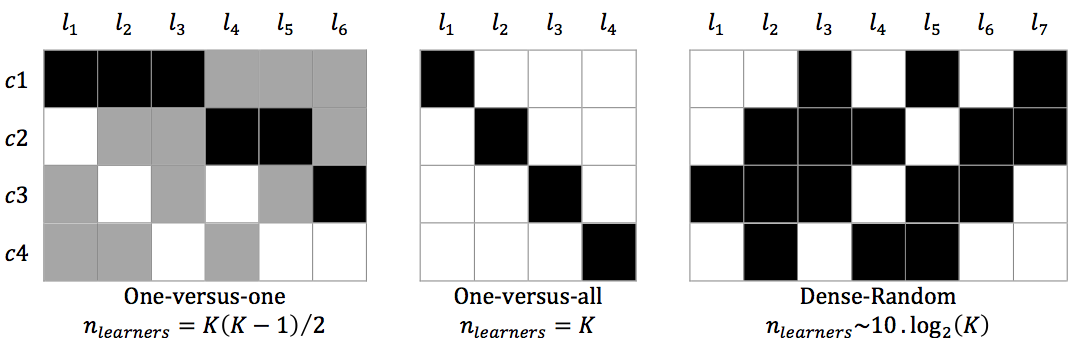 Figure 3
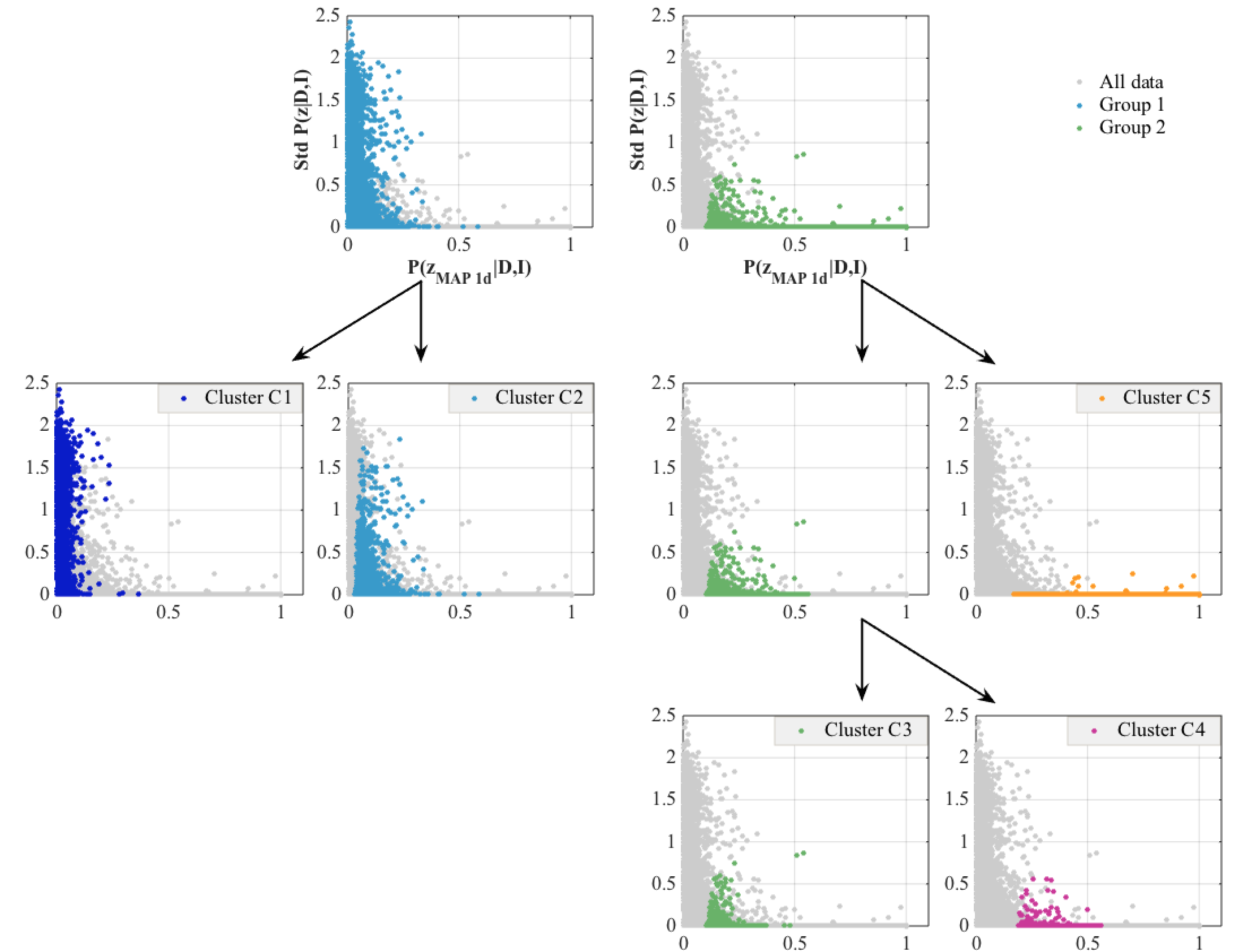 Figure 4
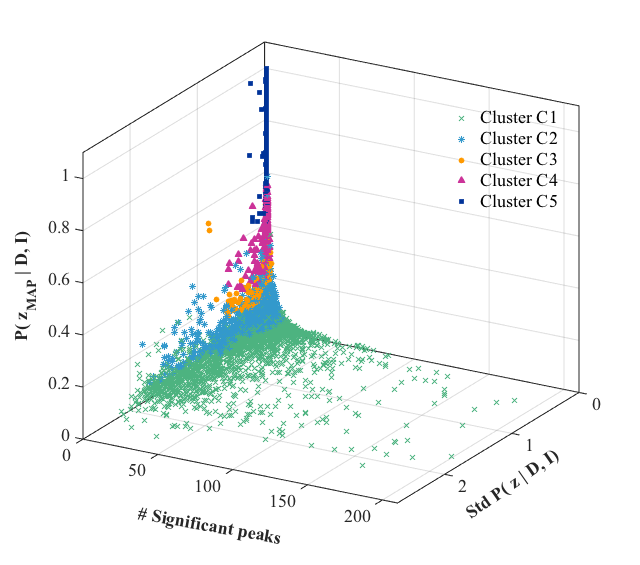 Figure 5
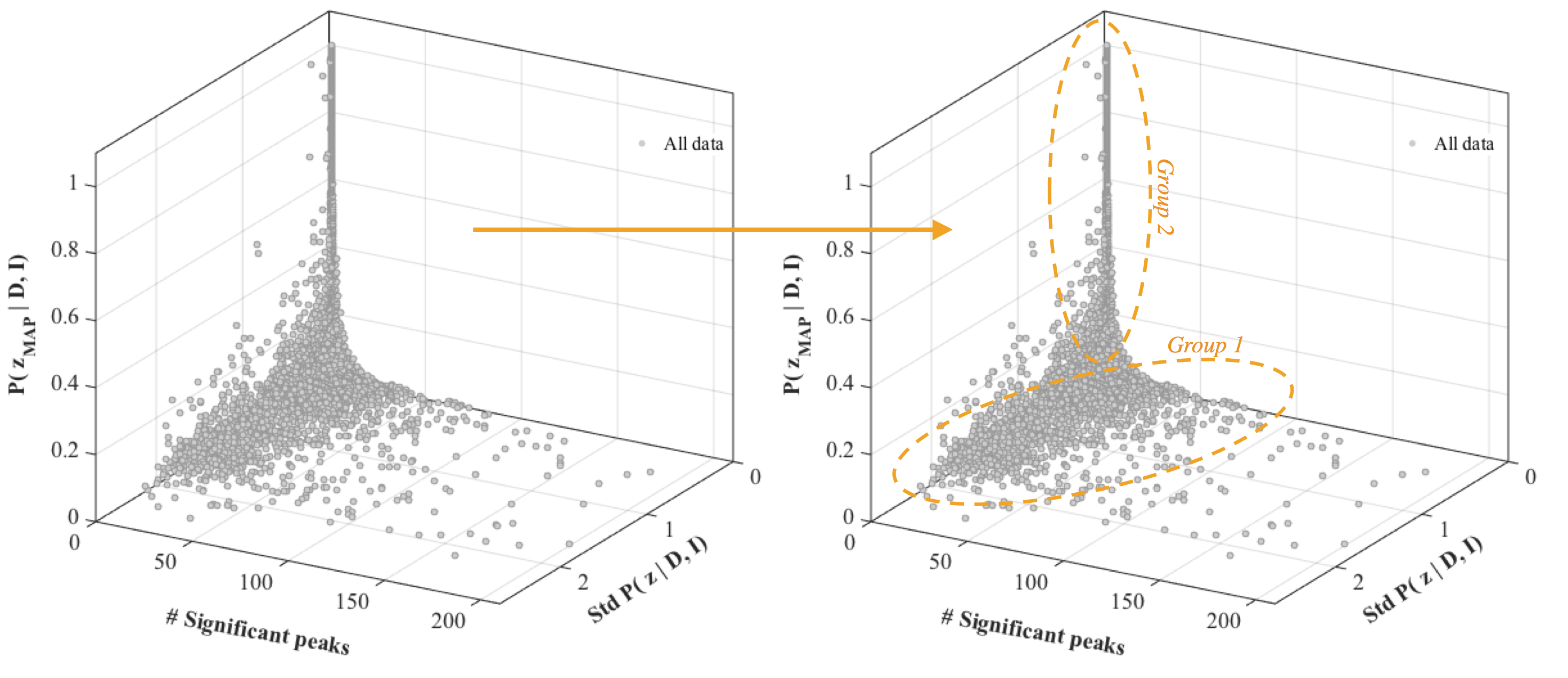 Figure 6
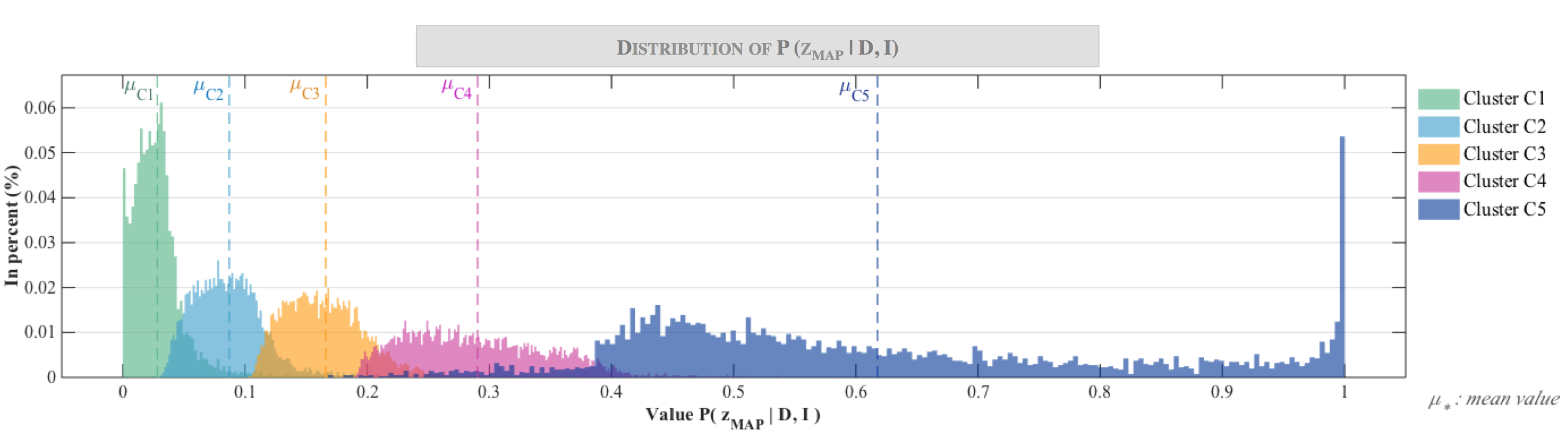 Figure 7
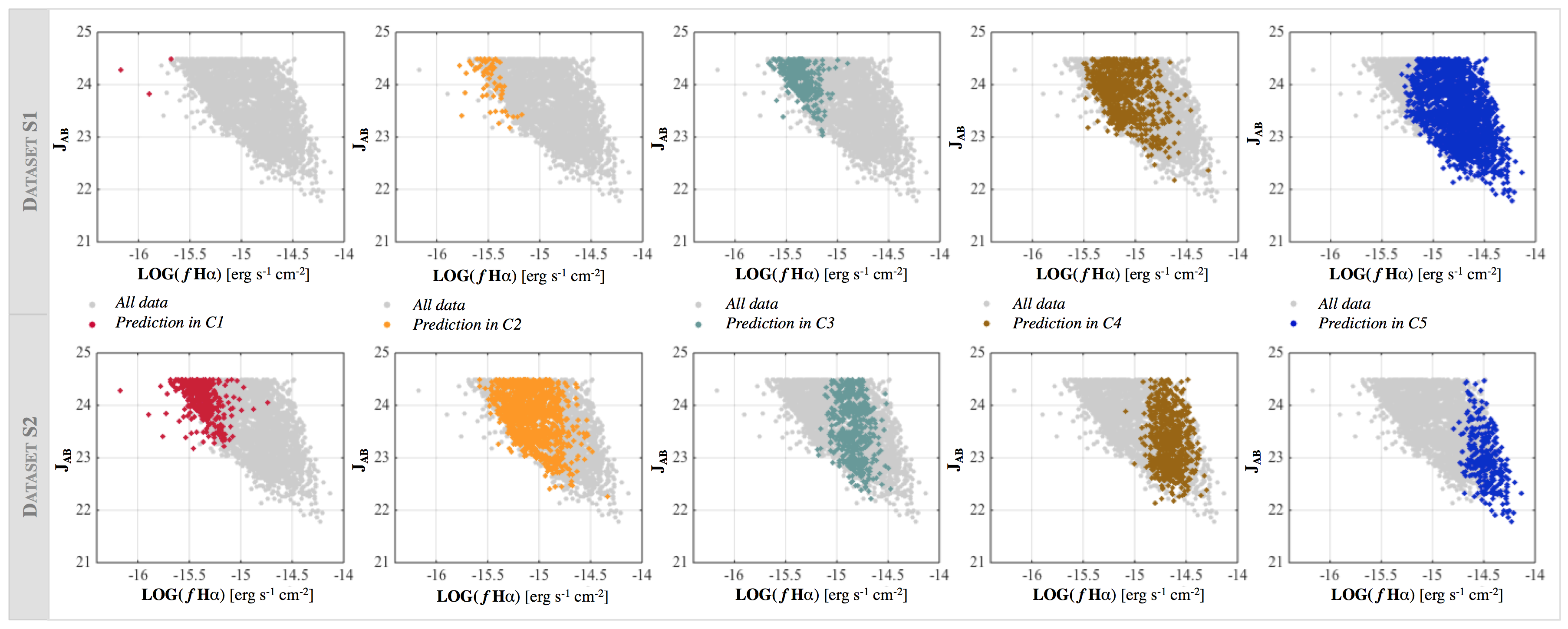 Figure 8
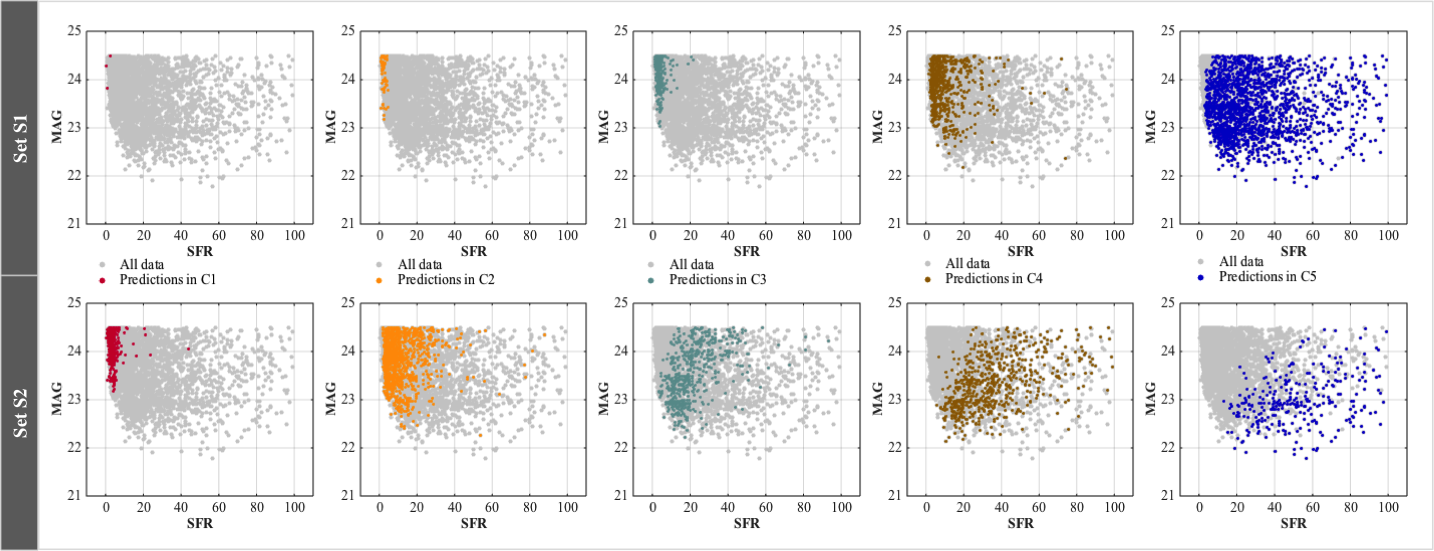 Figure 9
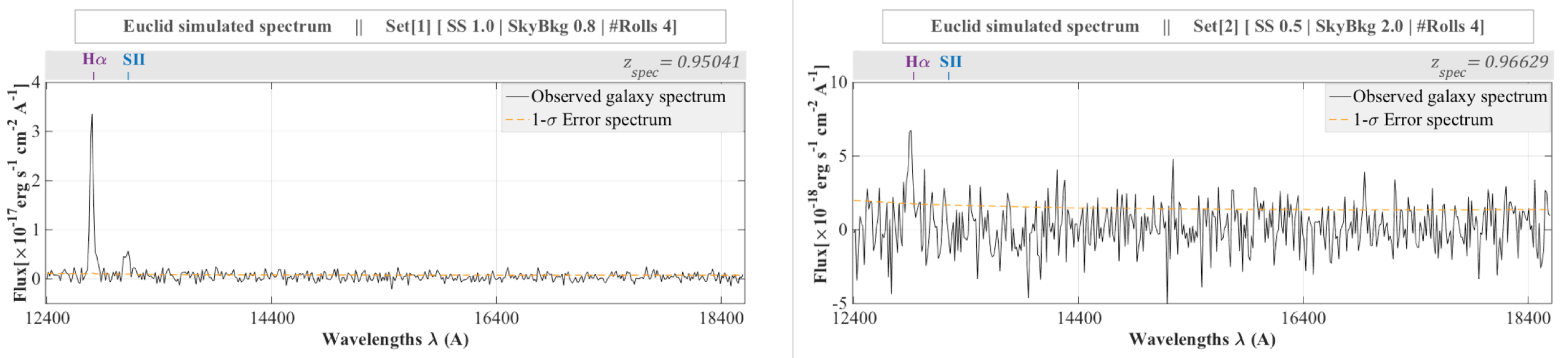 Figure 10
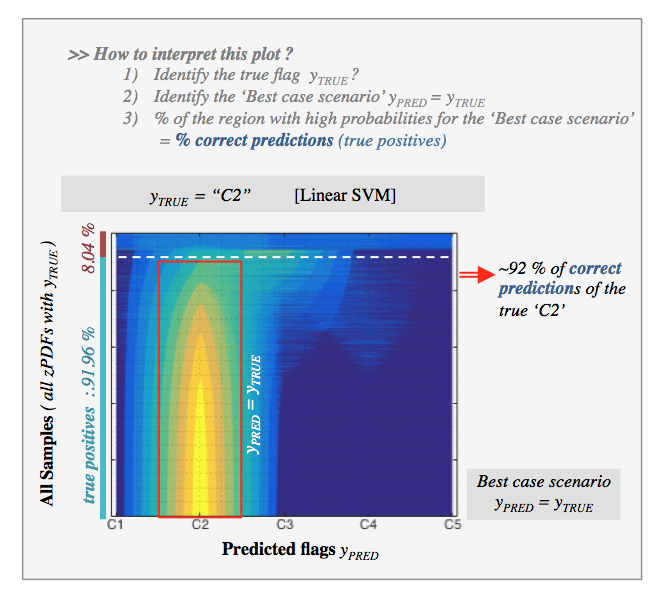 Figure 11
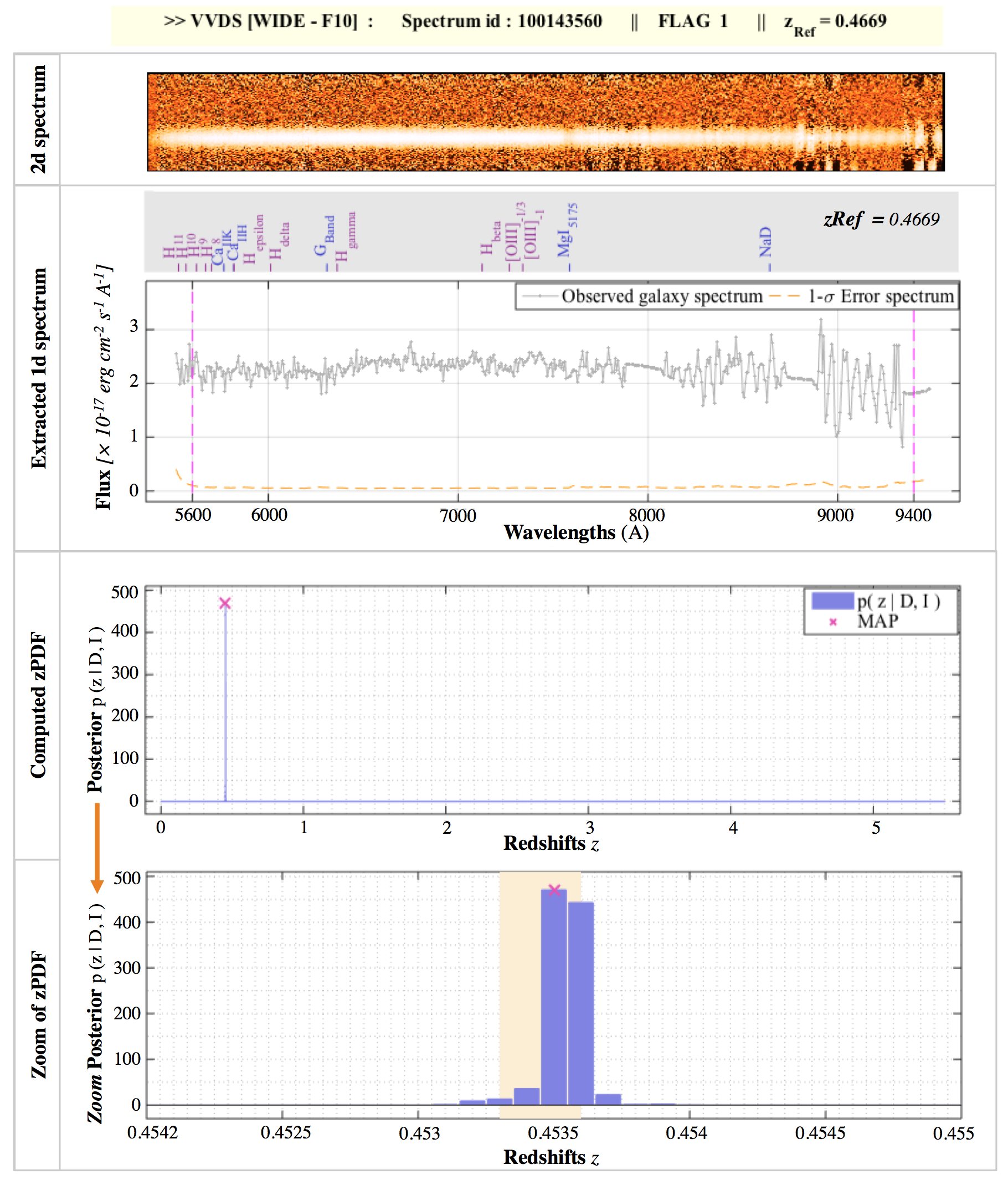 Figure 12
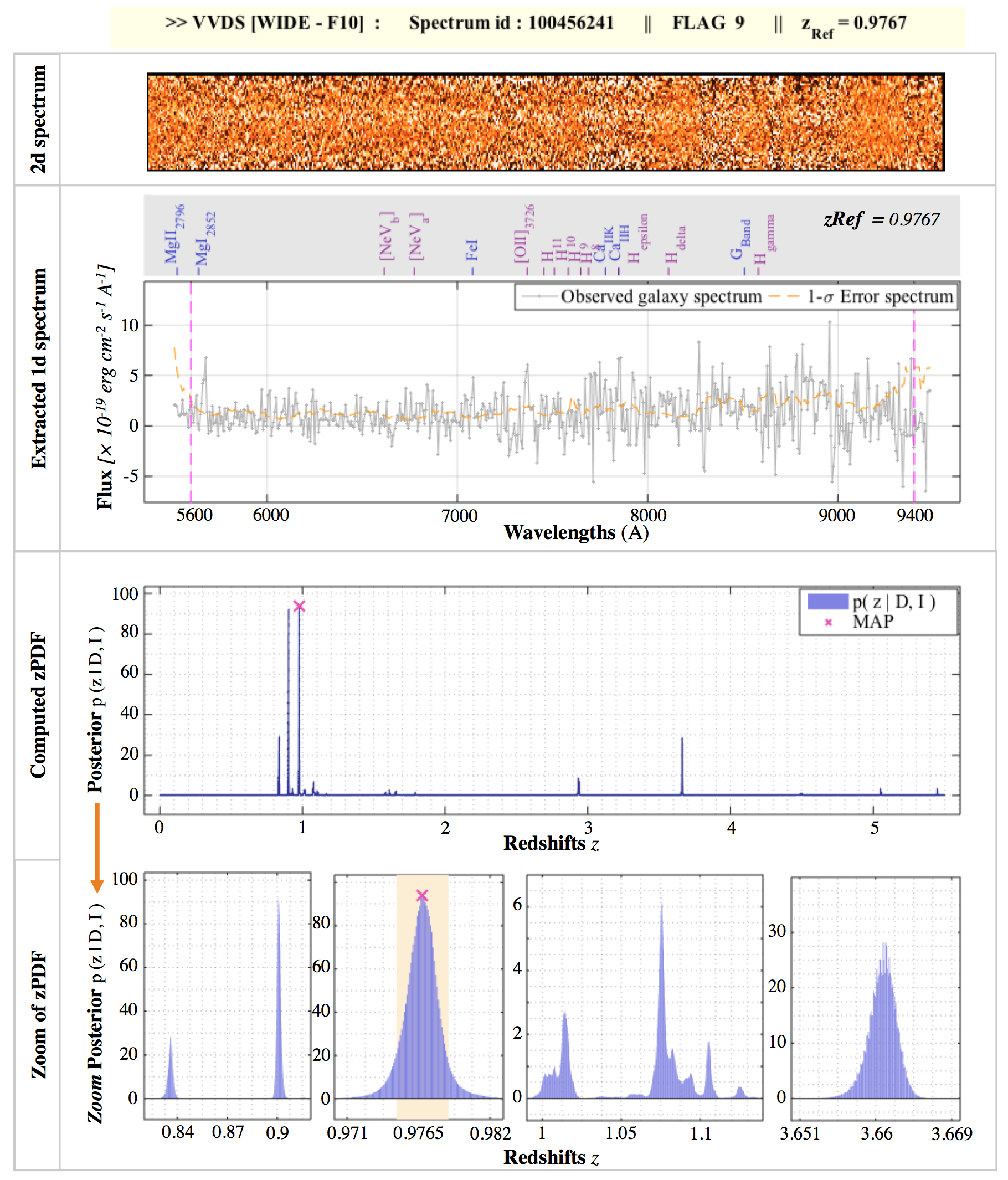 Figure 13
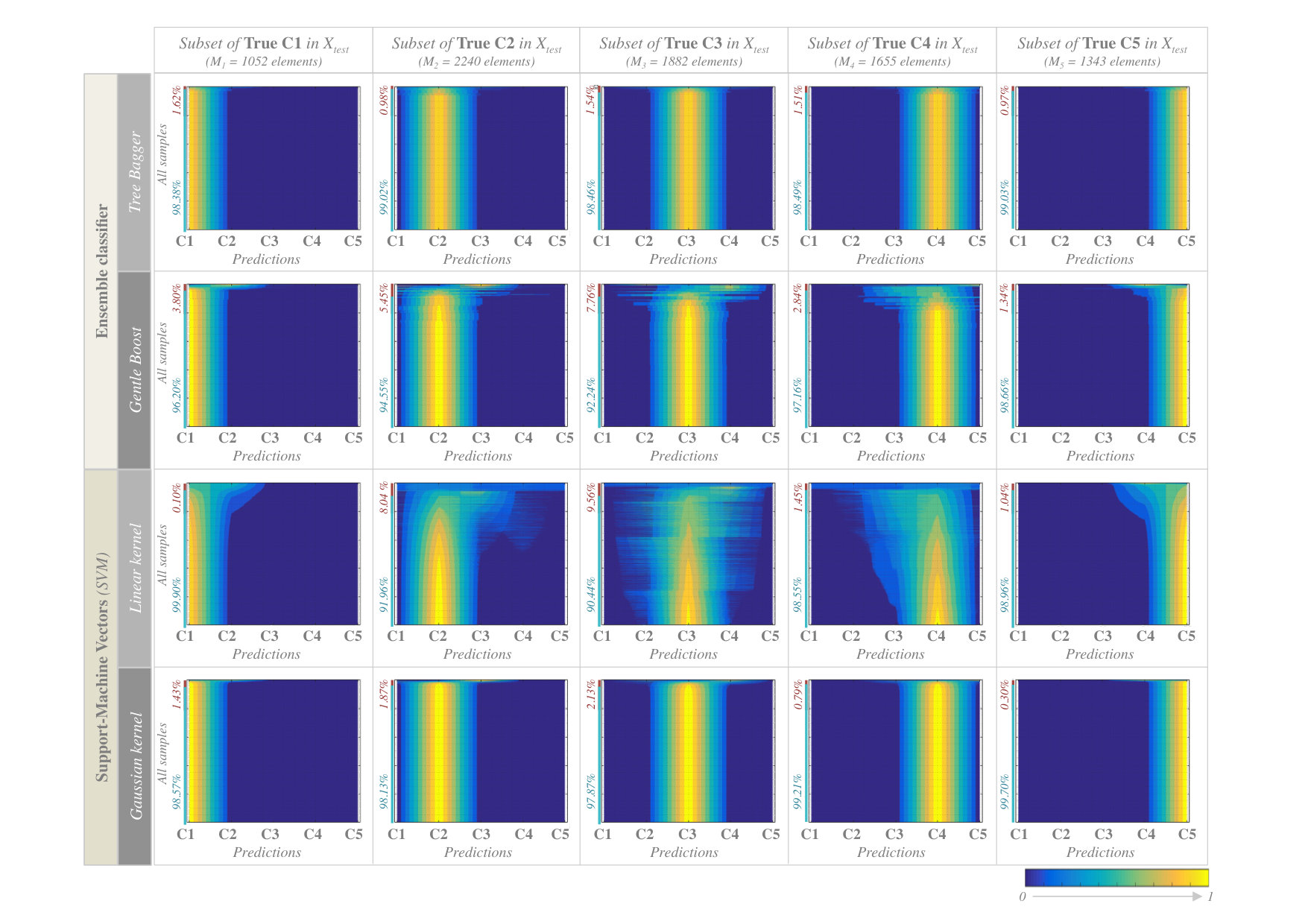 Figure 14
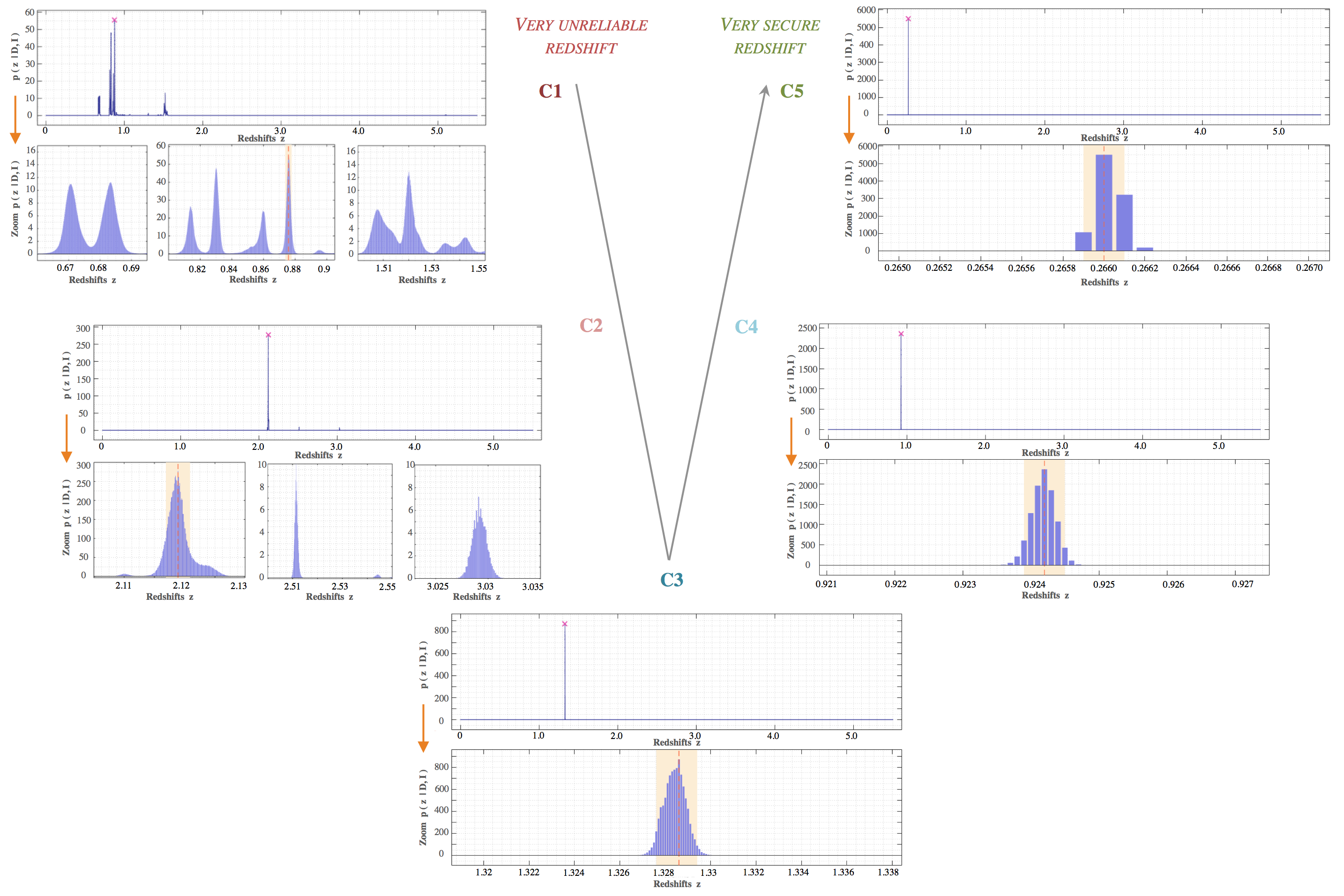 Figure 15
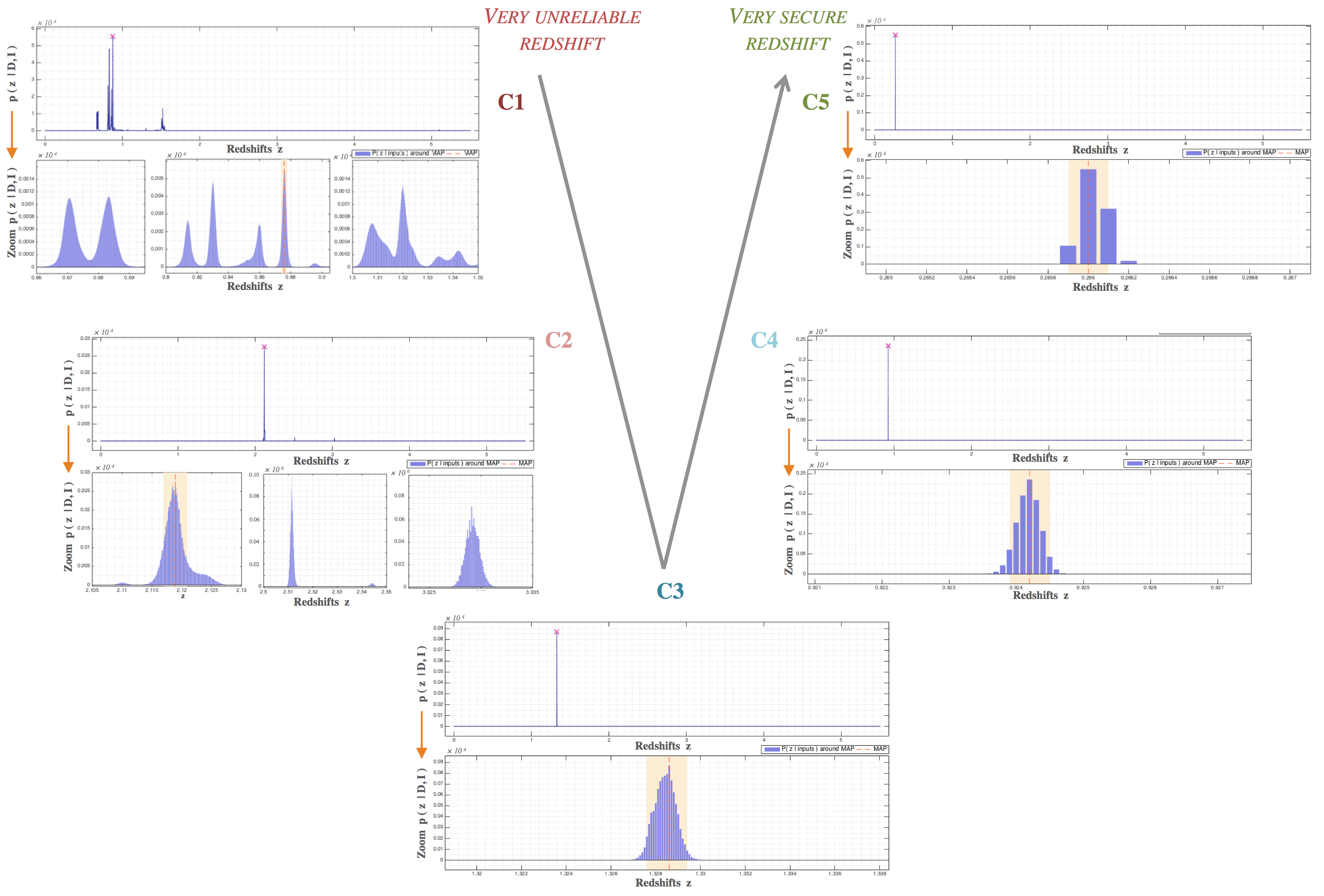 Figure 16
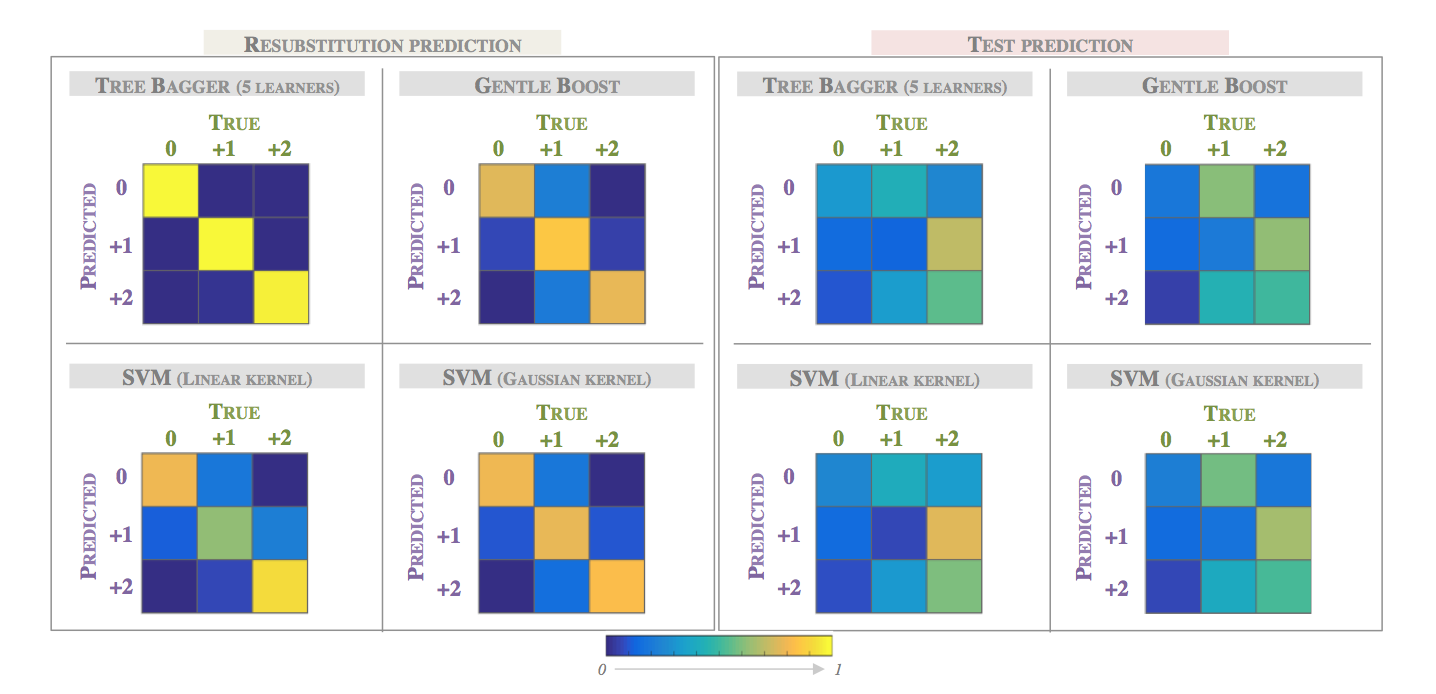 Figure 17
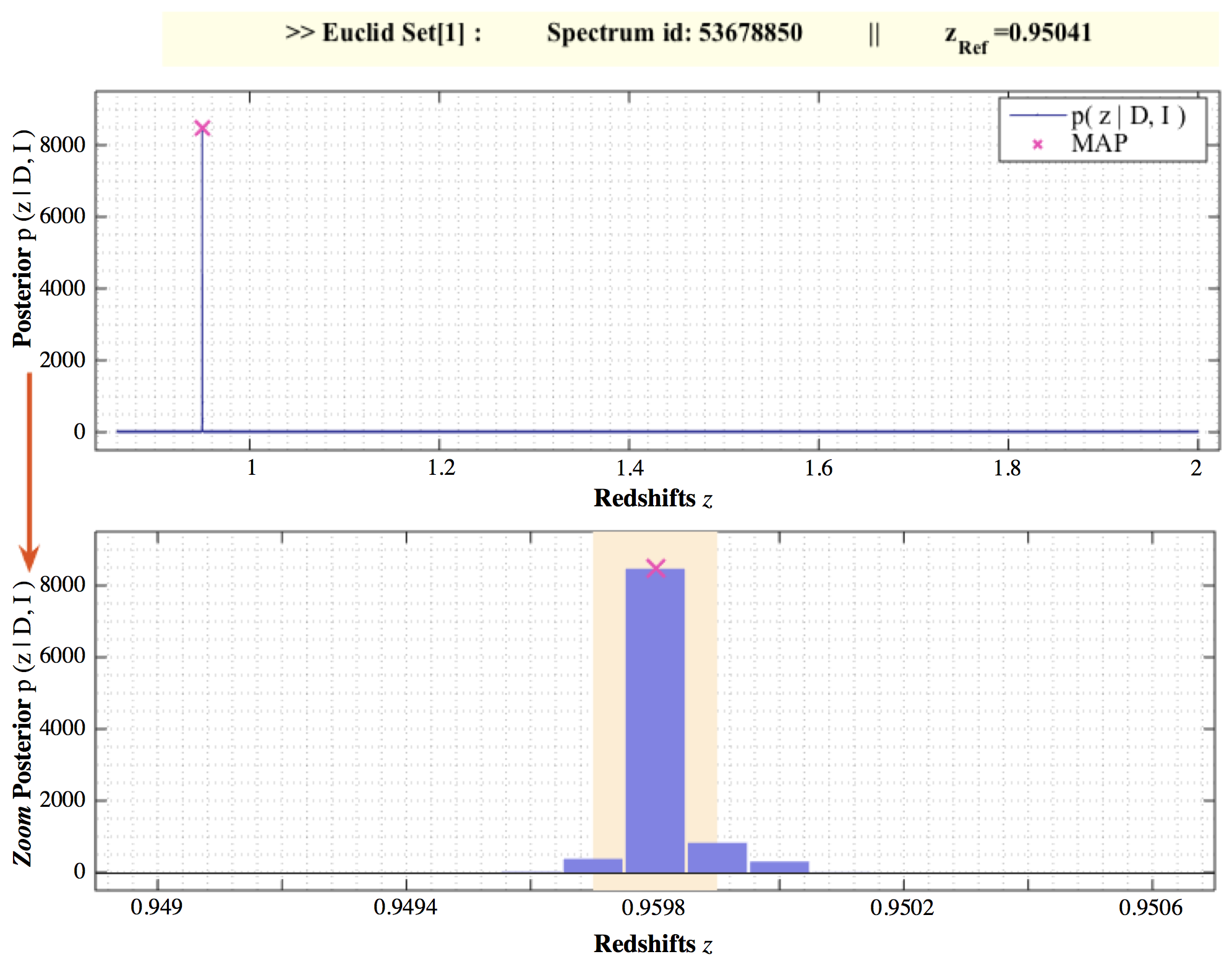 Figure 18
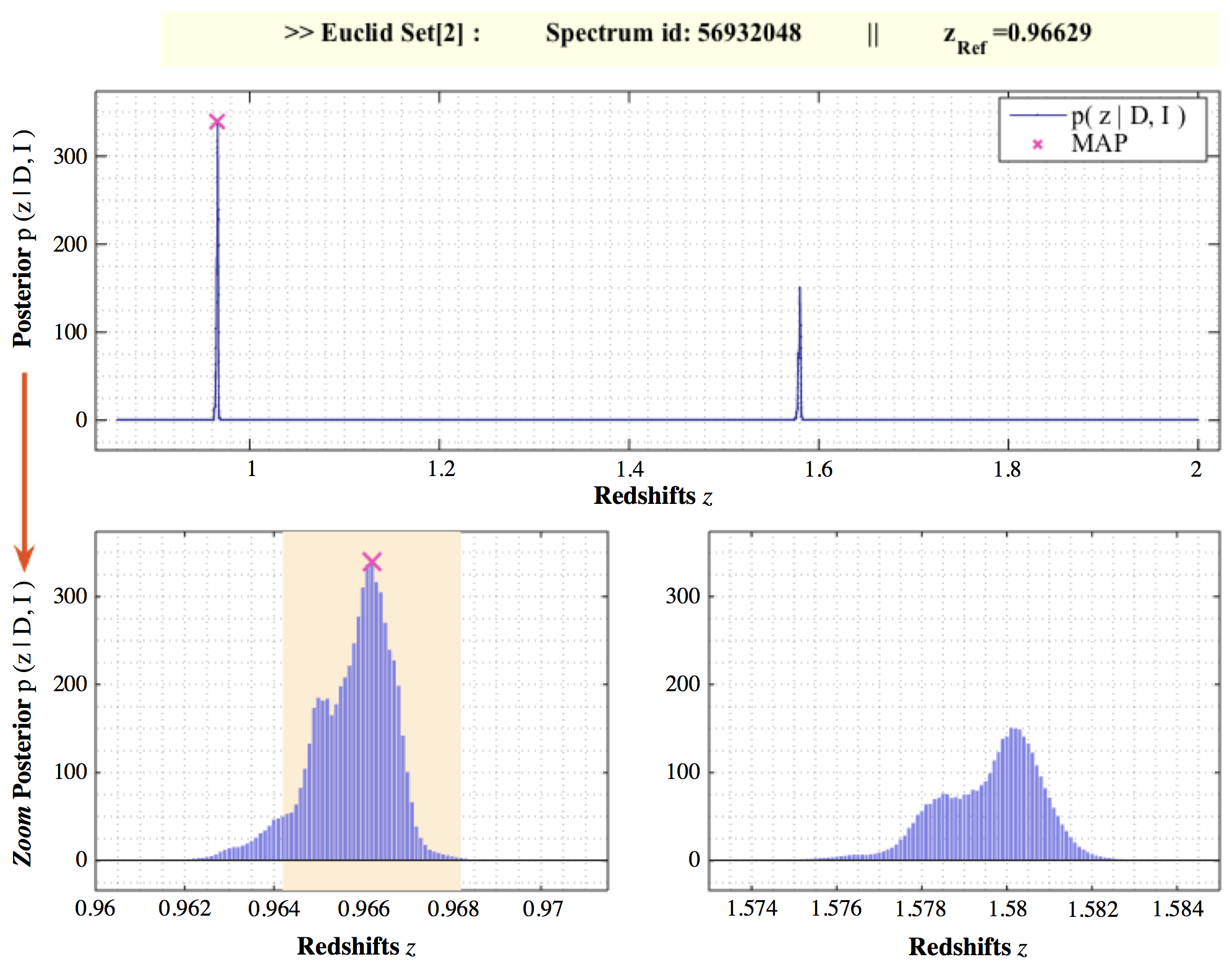 Figure 19
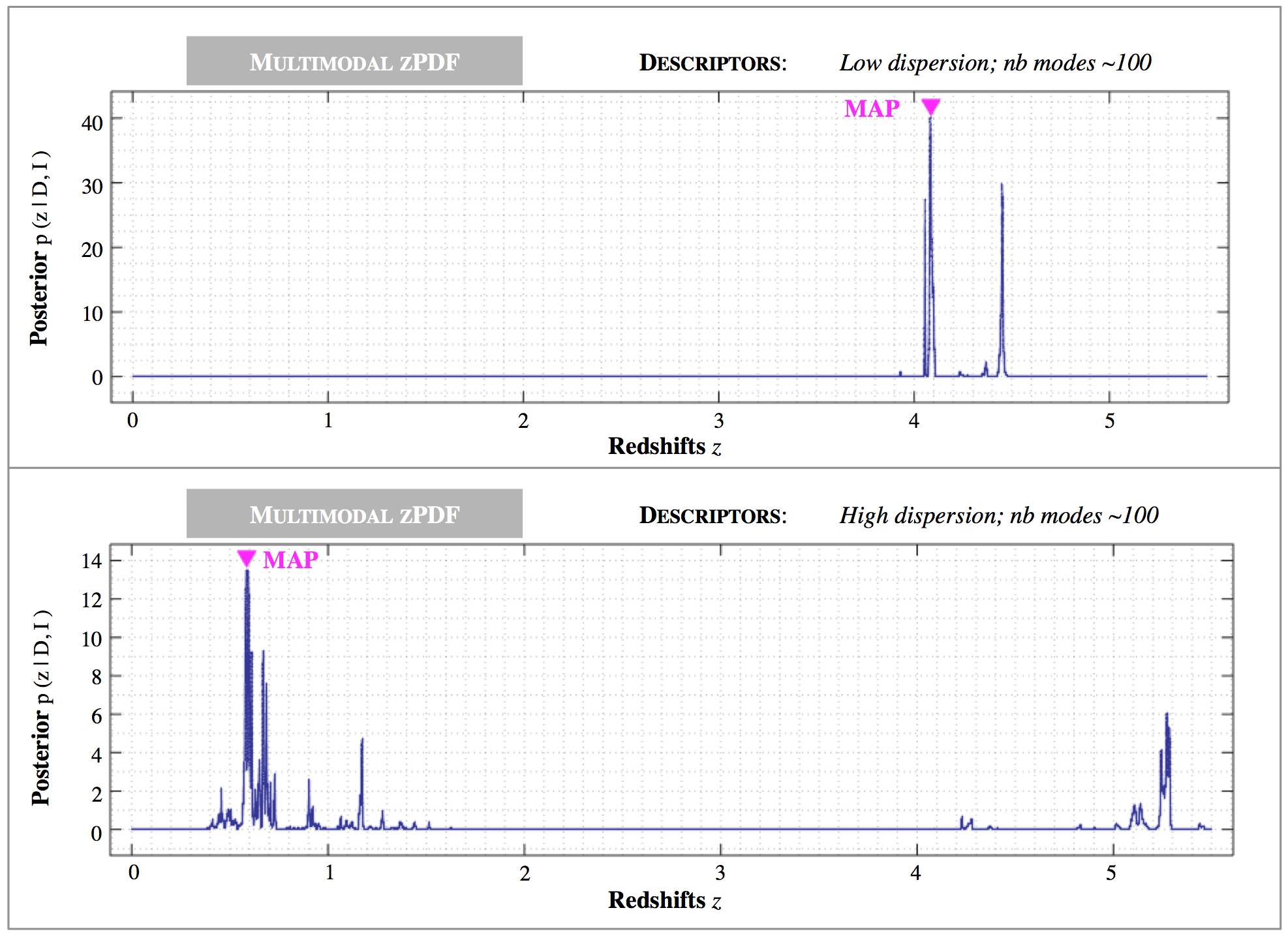 Figure 20
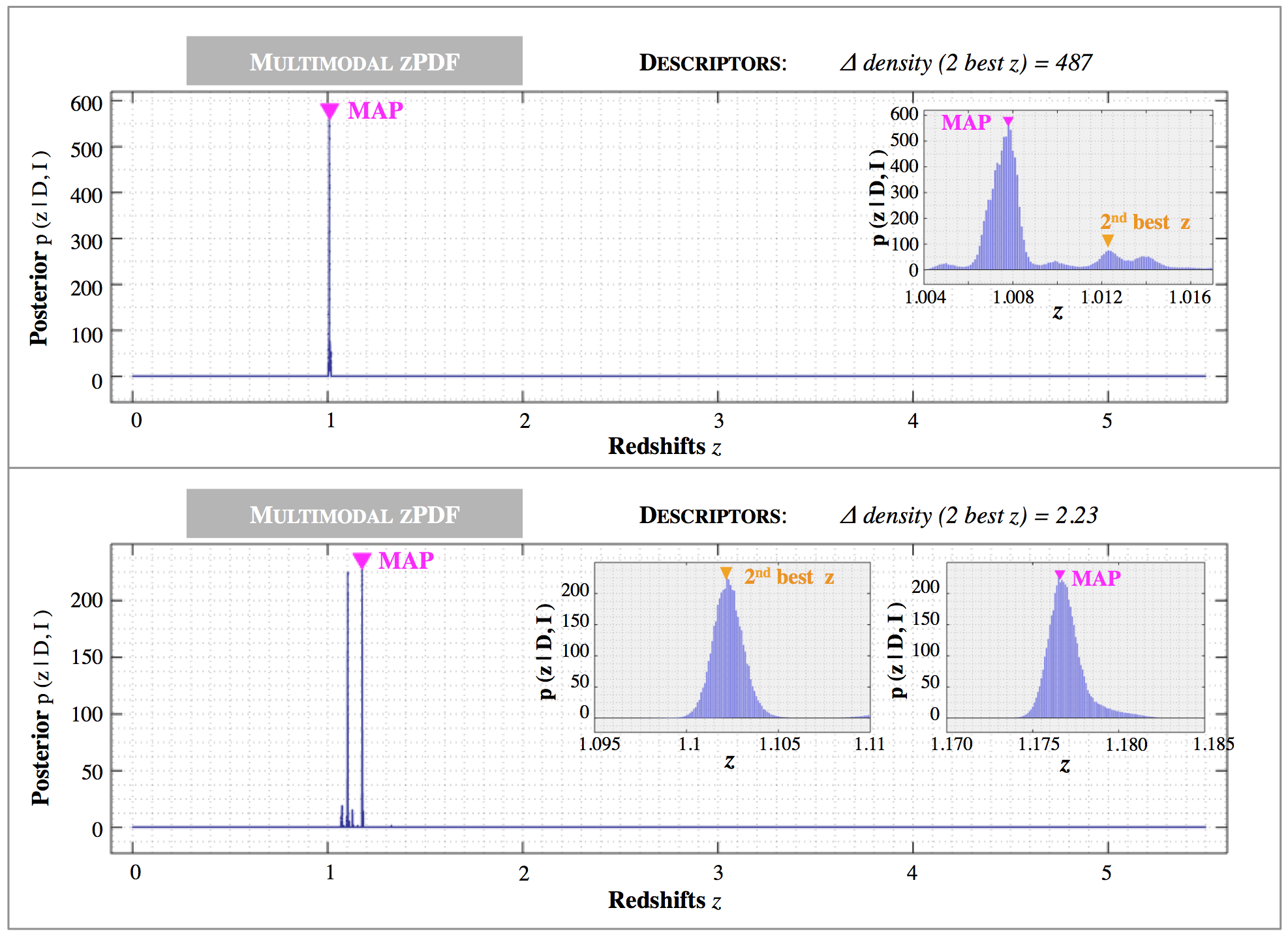 Figure 21
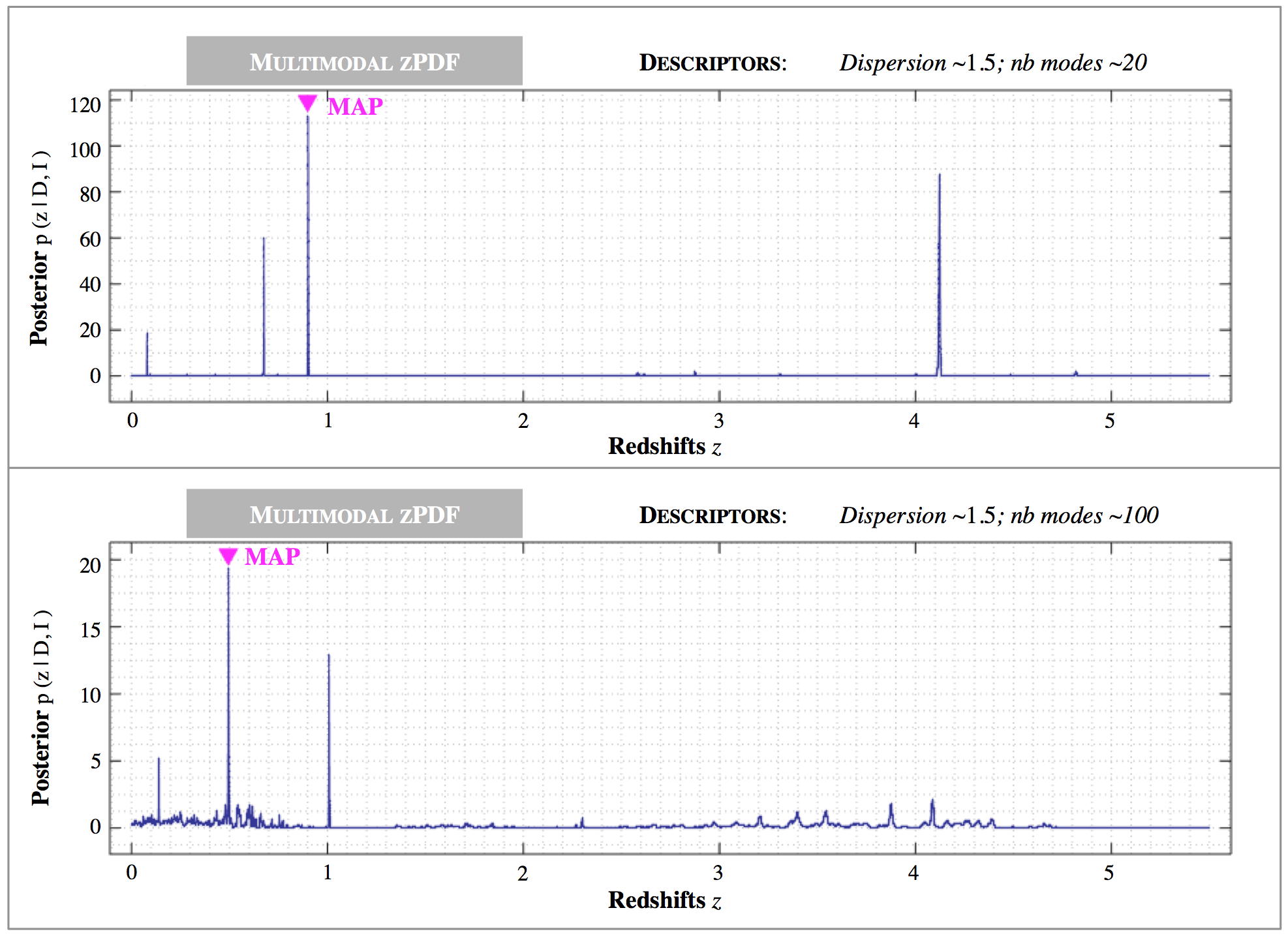 Figure 22
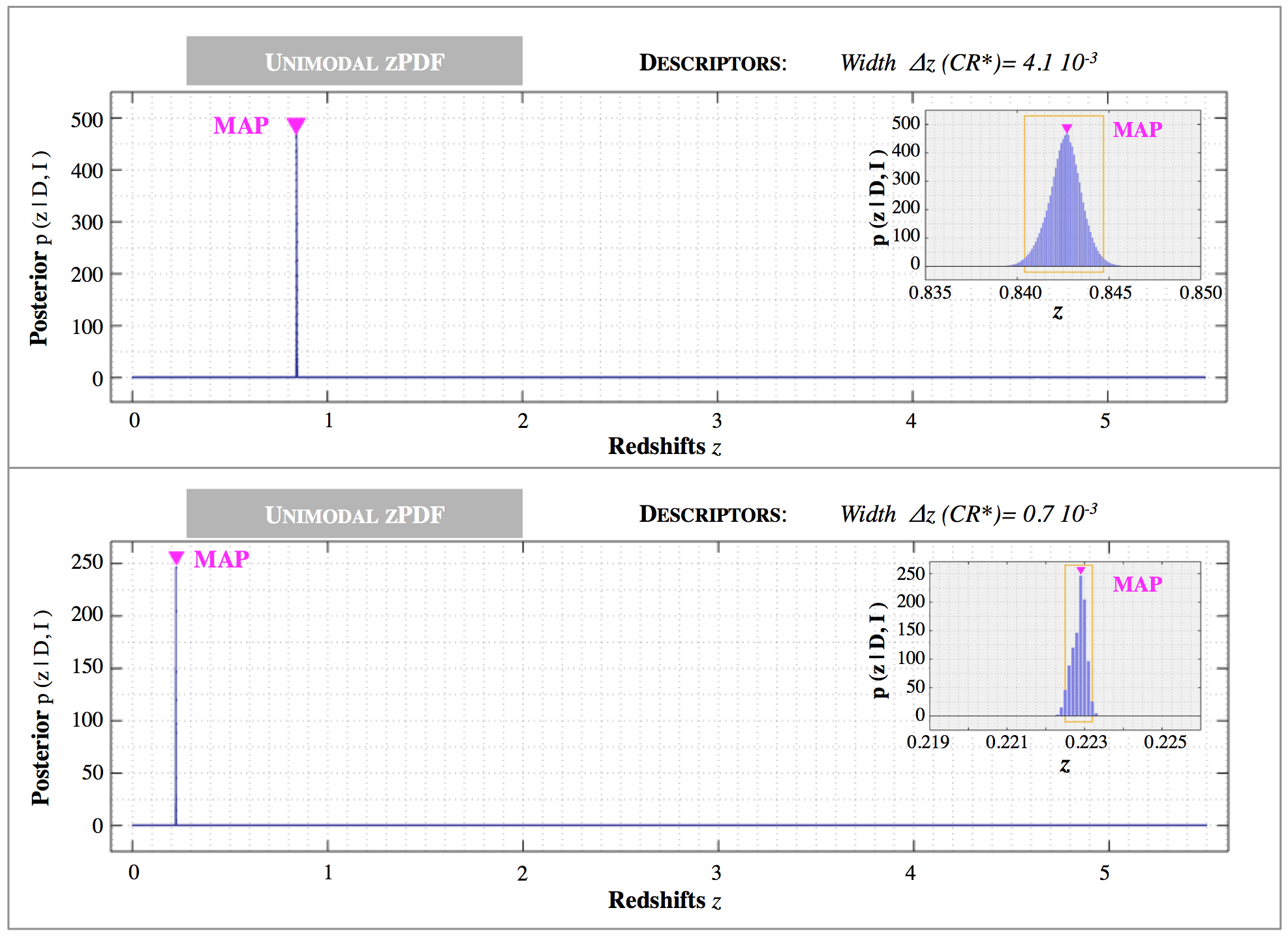 Figure 23
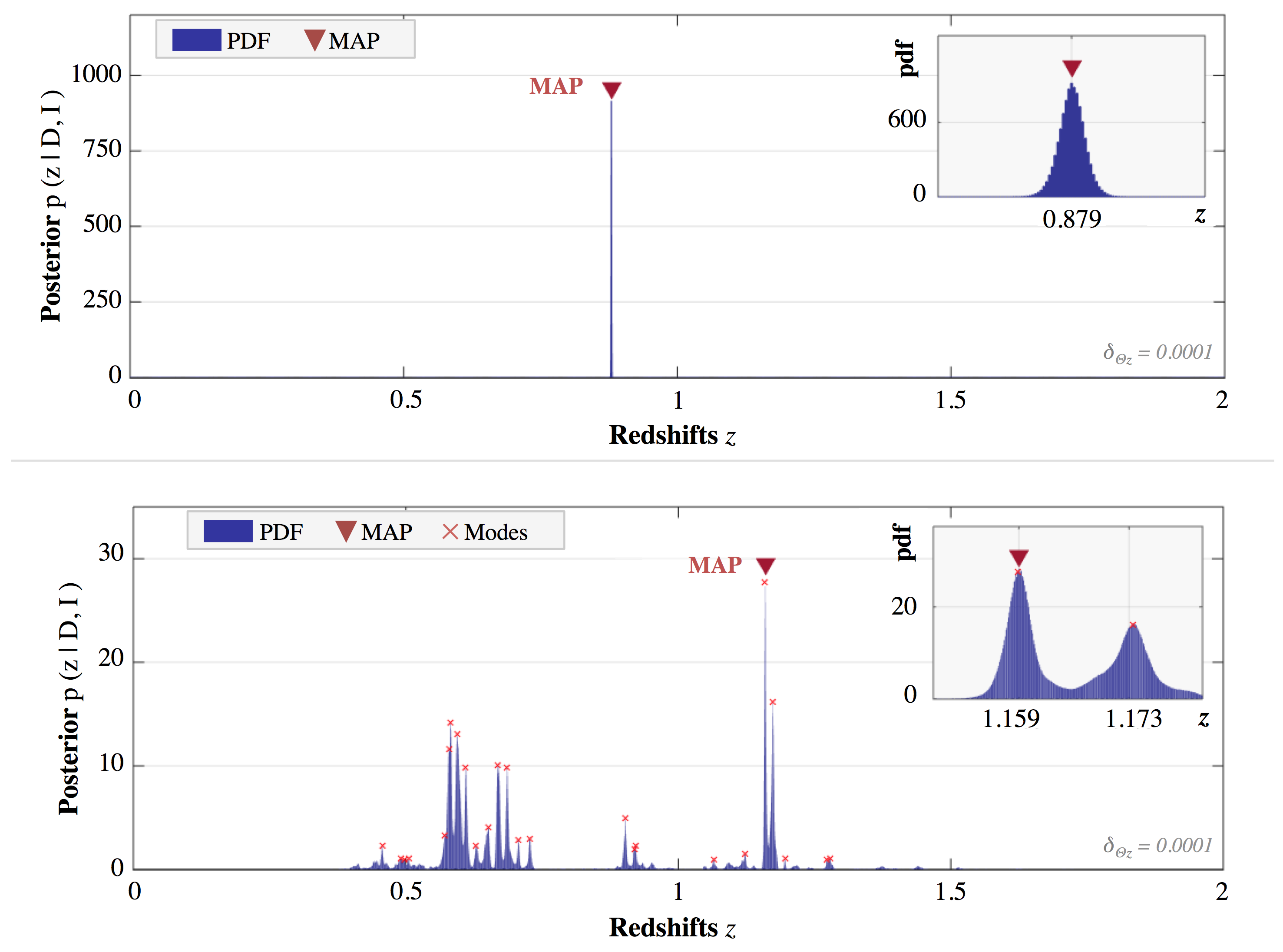 Figure 24
Peer Reviews
No public reviews on file for this paper yet. If you reviewed it on a platform where reviews are public (OpenReview, ICLR, NeurIPS, ICML), you can paste yours below so the community can read it here.
Videos
No videos yet. Explain this paper in a talk, walkthrough, or lecture? Add one.