Geometrically thick obscuration by radiation-driven outflow from magnetized tori of active galactic nuclei
Chi-Ho Chan, Julian H. Krolik

TL;DR
This study uses advanced radiative magnetohydrodynamics simulations to demonstrate how radiation-driven outflows from magnetized tori in active galactic nuclei create geometrically thick obscuration, aligning with observational data.
Contribution
It presents the first self-consistent simulation of IR and UV radiative transfer with MHD to model AGN obscuration without approximations, revealing steady-state torus dynamics.
Findings
The torus reaches a quasi-steady state with slow evolution.
Outflows are launched by UV radiation and driven by IR radiation.
Obscuration covers three-quarters of solid angle, matching observations.
Abstract
Near-Eddington radiation from active galactic nuclei (AGNs) has significant dynamical influence on the surrounding dusty gas, plausibly furnishing AGNs with geometrically thick obscuration. We investigate this paradigm with radiative magnetohydrodynamics simulations. The simulations solve the magnetohydrodynamics equations simultaneously with the infrared (IR) and ultraviolet (UV) radiative transfer (RT) equations; no approximate closure is used for RT. We find that our torus, when given a suitable sub-Keplerian angular momentum profile, spontaneously evolves toward a state in which its opening angle, density distribution, and flow pattern change only slowly. This "steady" state lasts for as long as there is gas resupply toward the inner edge. The torus is best described as a mid-plane inflow and a high-latitude outflow. The outflow is launched from the torus inner edge by UV radiation…
Click any figure to enlarge with its caption.
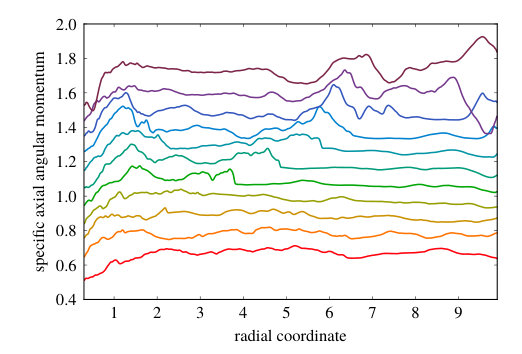 Figure 1
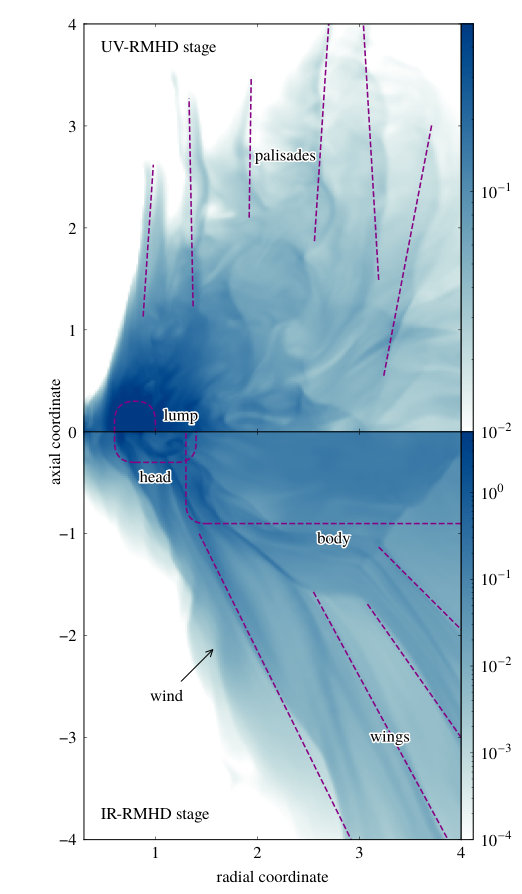 Figure 2
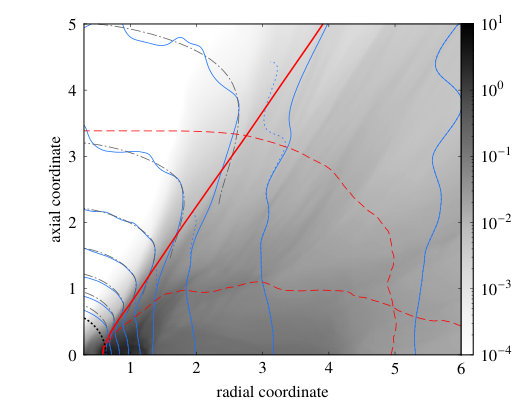 Figure 3
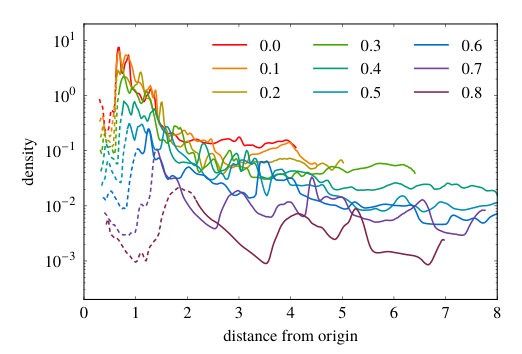 Figure 4
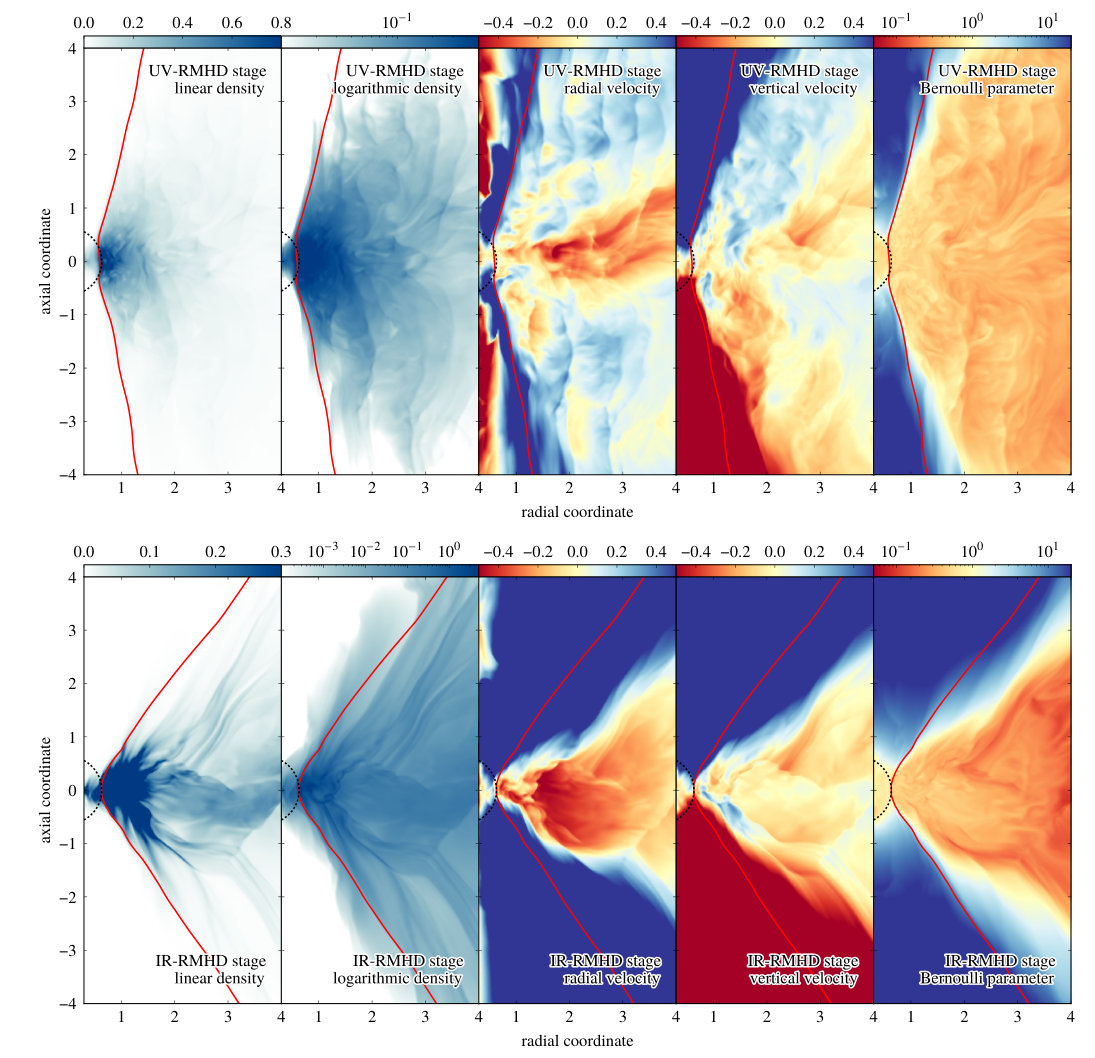 Figure 5
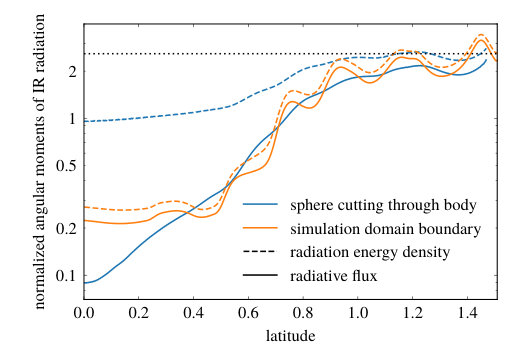 Figure 6
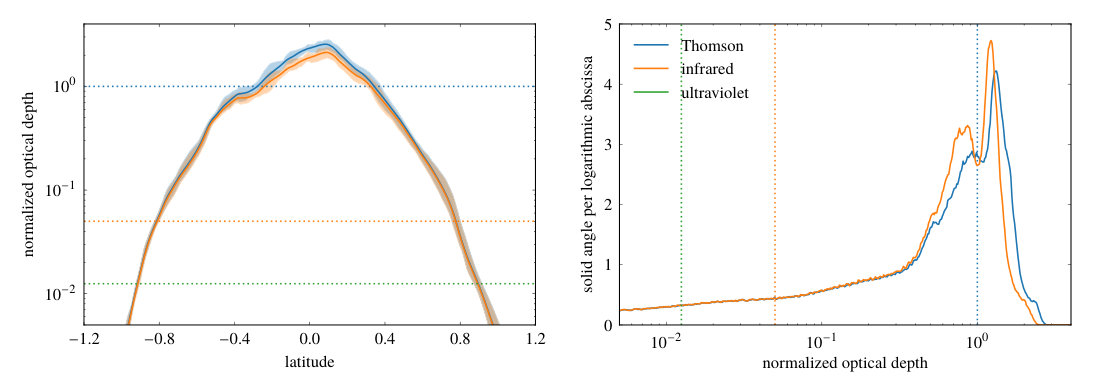 Figure 7
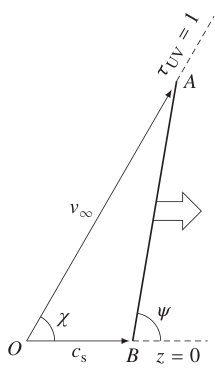 Figure 8
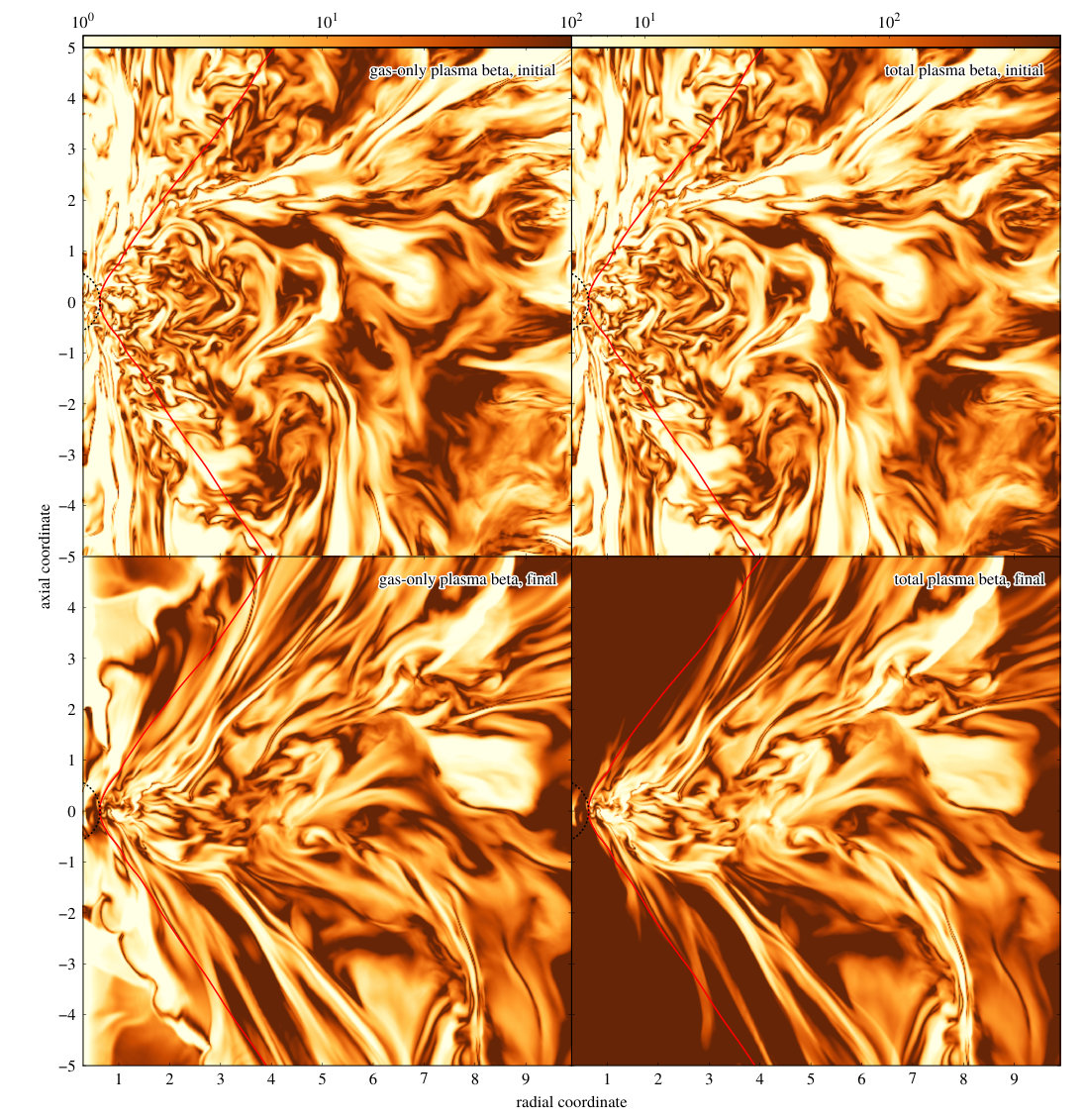 Figure 9
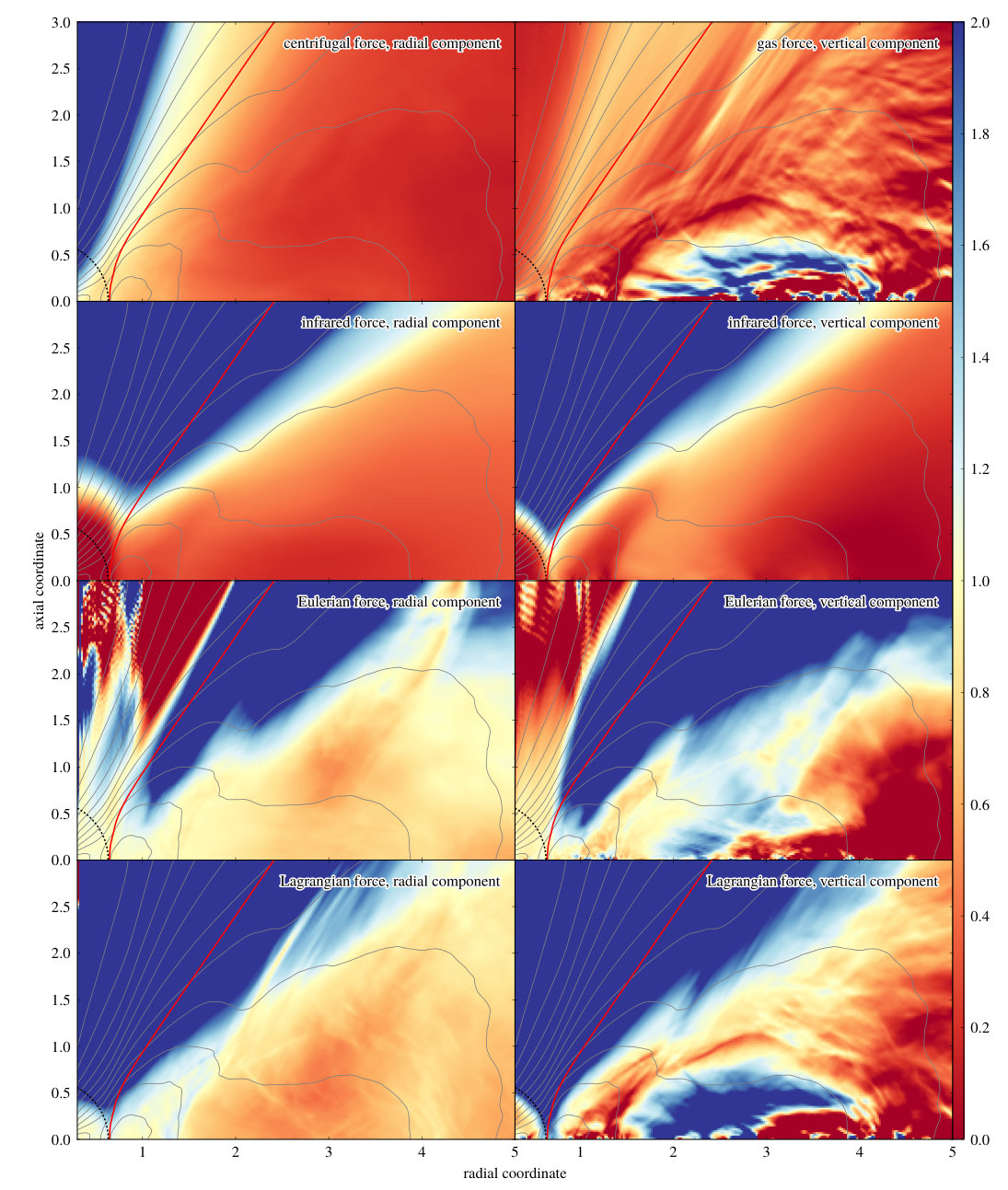 Figure 10
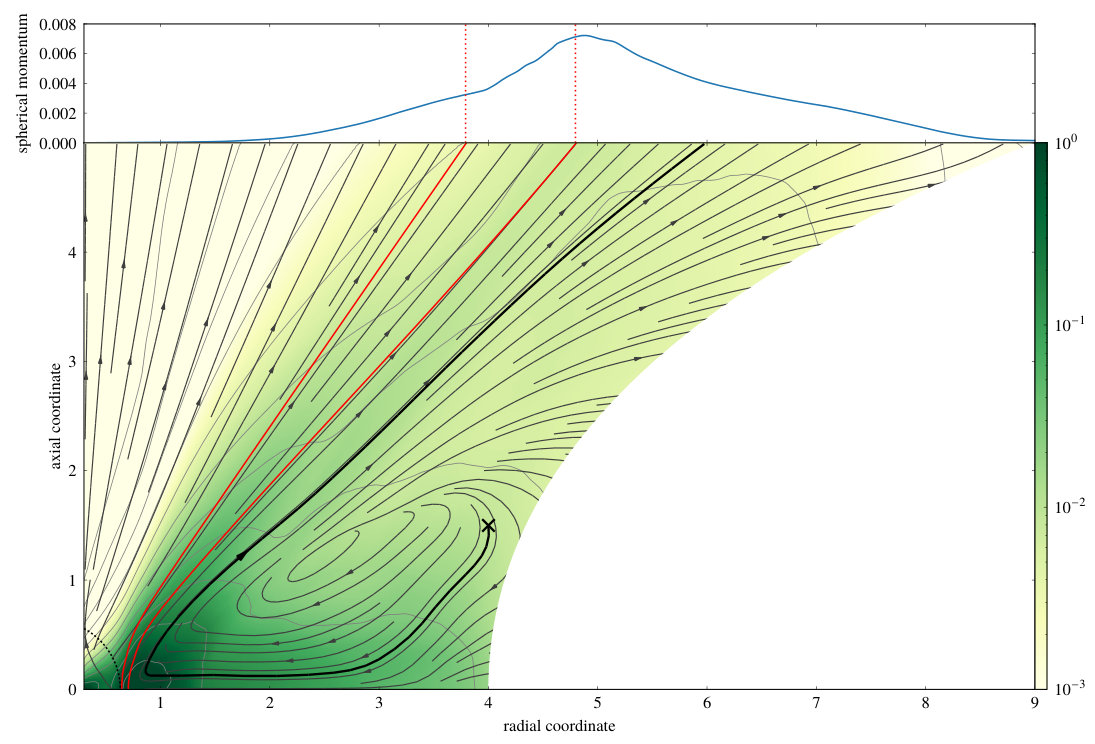 Figure 11
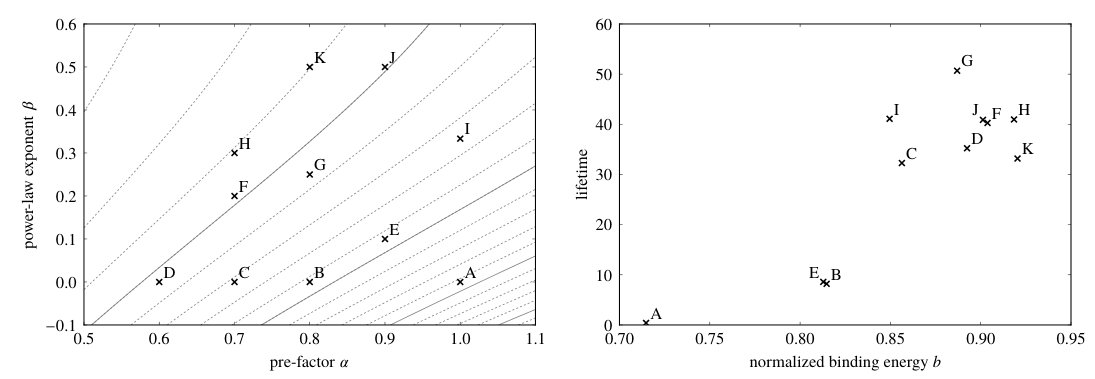 Figure 12
Peer Reviews
No public reviews on file for this paper yet. If you reviewed it on a platform where reviews are public (OpenReview, ICLR, NeurIPS, ICML), you can paste yours below so the community can read it here.
Videos
No videos yet. Explain this paper in a talk, walkthrough, or lecture? Add one.