Coherent single-atom superradiance
Junki Kim, Daeho Yang, Seung-hoon Oh, and Kyungwon An

TL;DR
This paper demonstrates cavity-mediated coherent superradiance from sequentially passing single atoms with predefined correlations, resulting in a steady-state coherent field with enhanced intensity, advancing understanding of collective atom-light interactions.
Contribution
It introduces a method for achieving coherent superradiance with single atoms passing through a cavity sequentially, mediated by a long-lived cavity field, with precise atomic phase control.
Findings
Steady-state coherent field generated with intensity proportional to the square of atom number.
Over ten-fold enhancement in emission compared to noncollective cases.
Atomic correlation achieved via nanometer-precision position control.
Abstract
Quantum effects, prevalent in the microscopic scale, generally elusive in macroscopic systems due to dissipation and decoherence. Quantum phenomena in large systems emerge only when particles are strongly correlated as in superconductors and superfluids. Cooperative interaction of correlated atoms with electromagnetic fields leads to superradiance, the enhanced quantum radiation phenomenon, exhibiting novel physics such as quantum Dicke phase and ultranarrow linewidth for optical clocks. Recent researches to imprint atomic correlation directly demonstrated controllable collective atom-field interactions. Here, we report cavity-mediated coherent single-atom superradiance. Single atoms with predefined correlation traverse a high-Q cavity one by one, emitting photons cooperatively with the atoms already gone through the cavity. Such collective behavior of time-separated atoms is mediated…
Click any figure to enlarge with its caption.
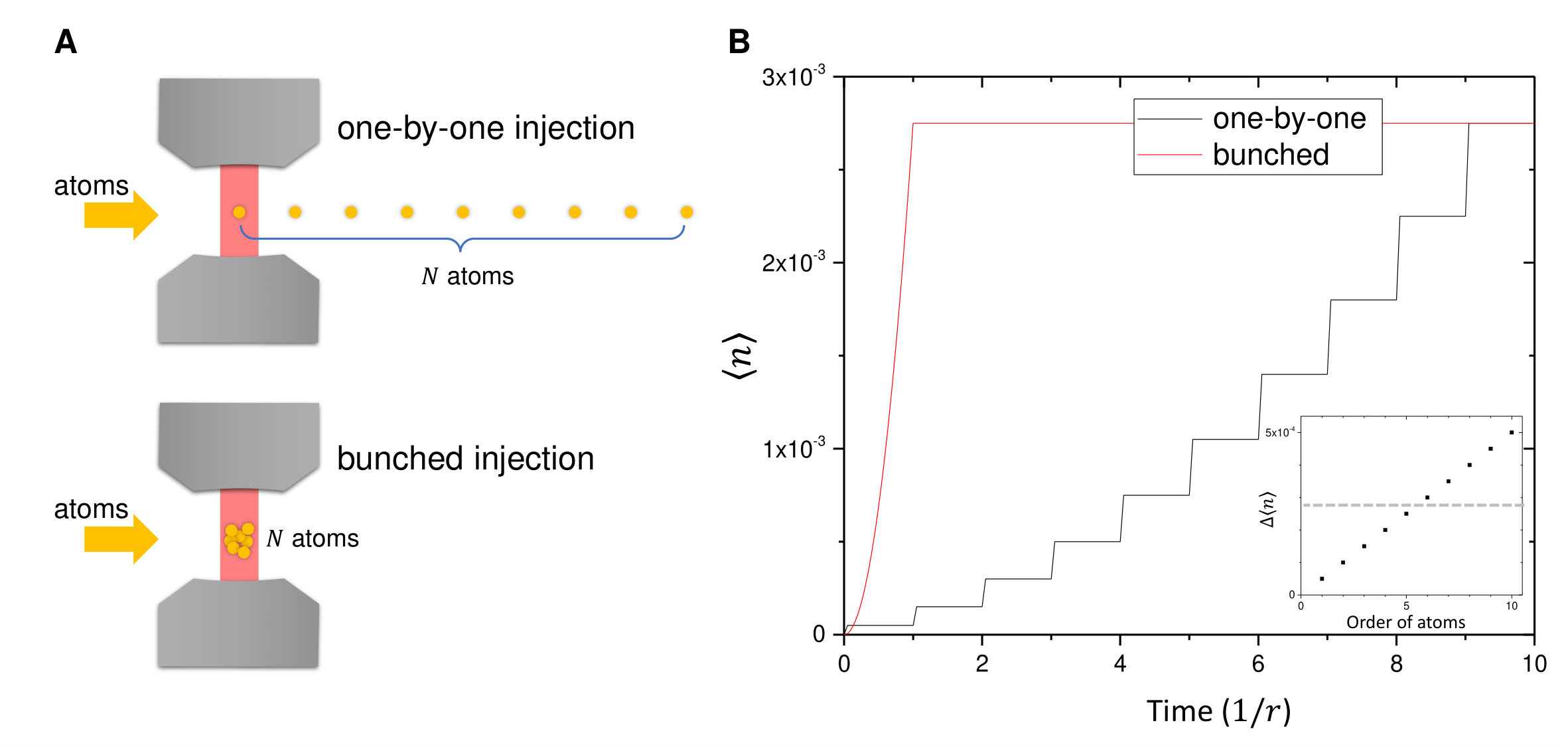 Figure 1
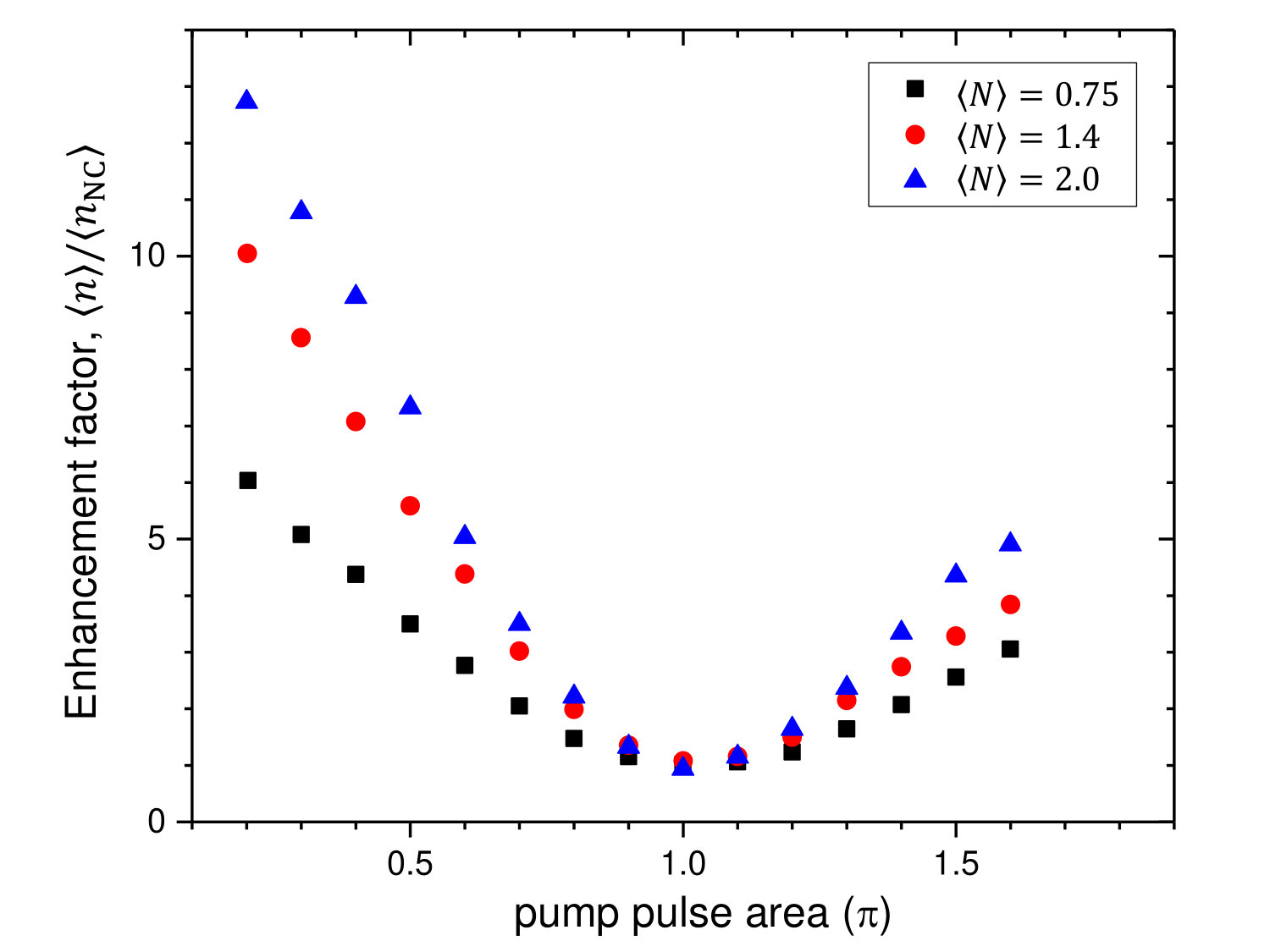 Figure 2
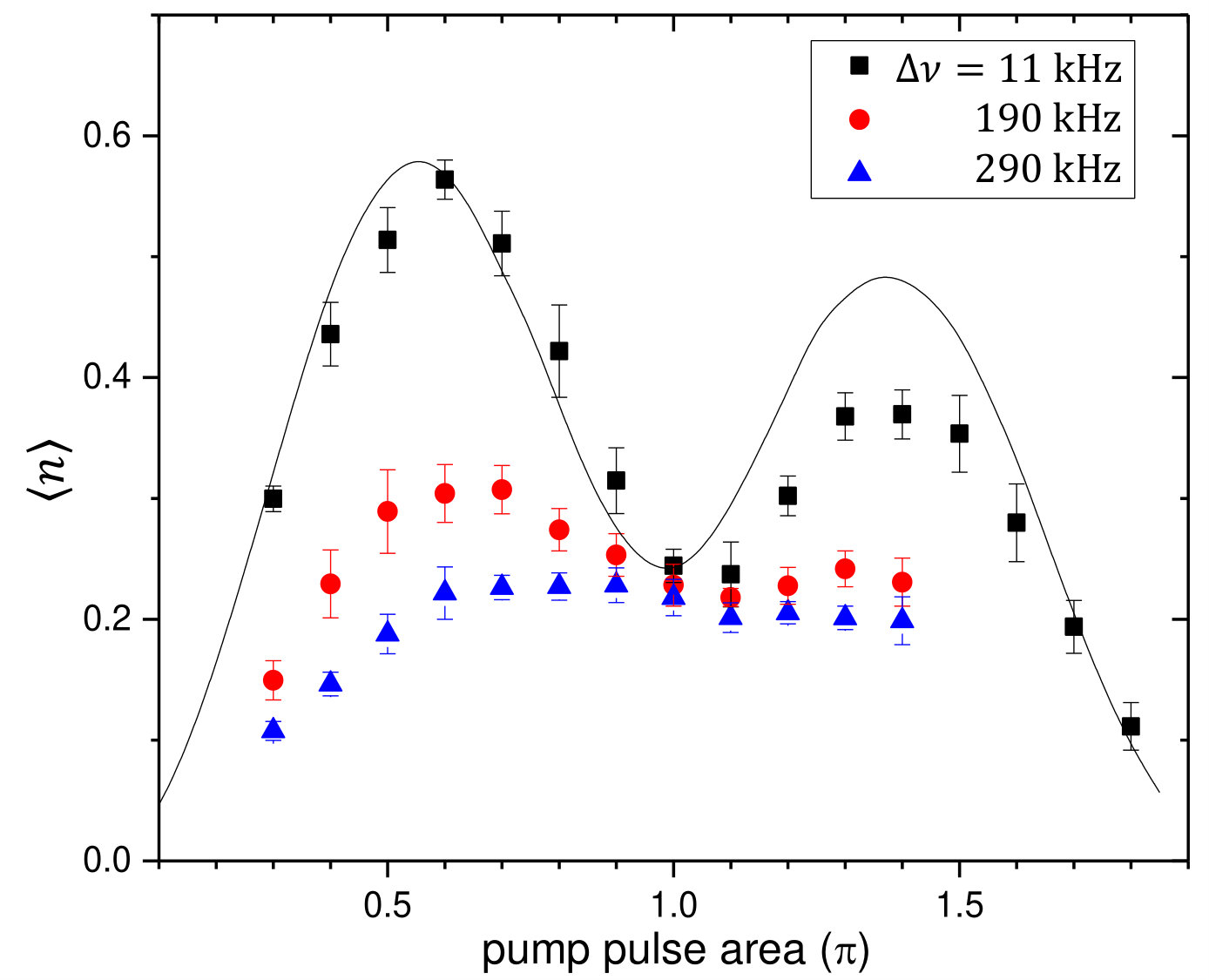 Figure 3
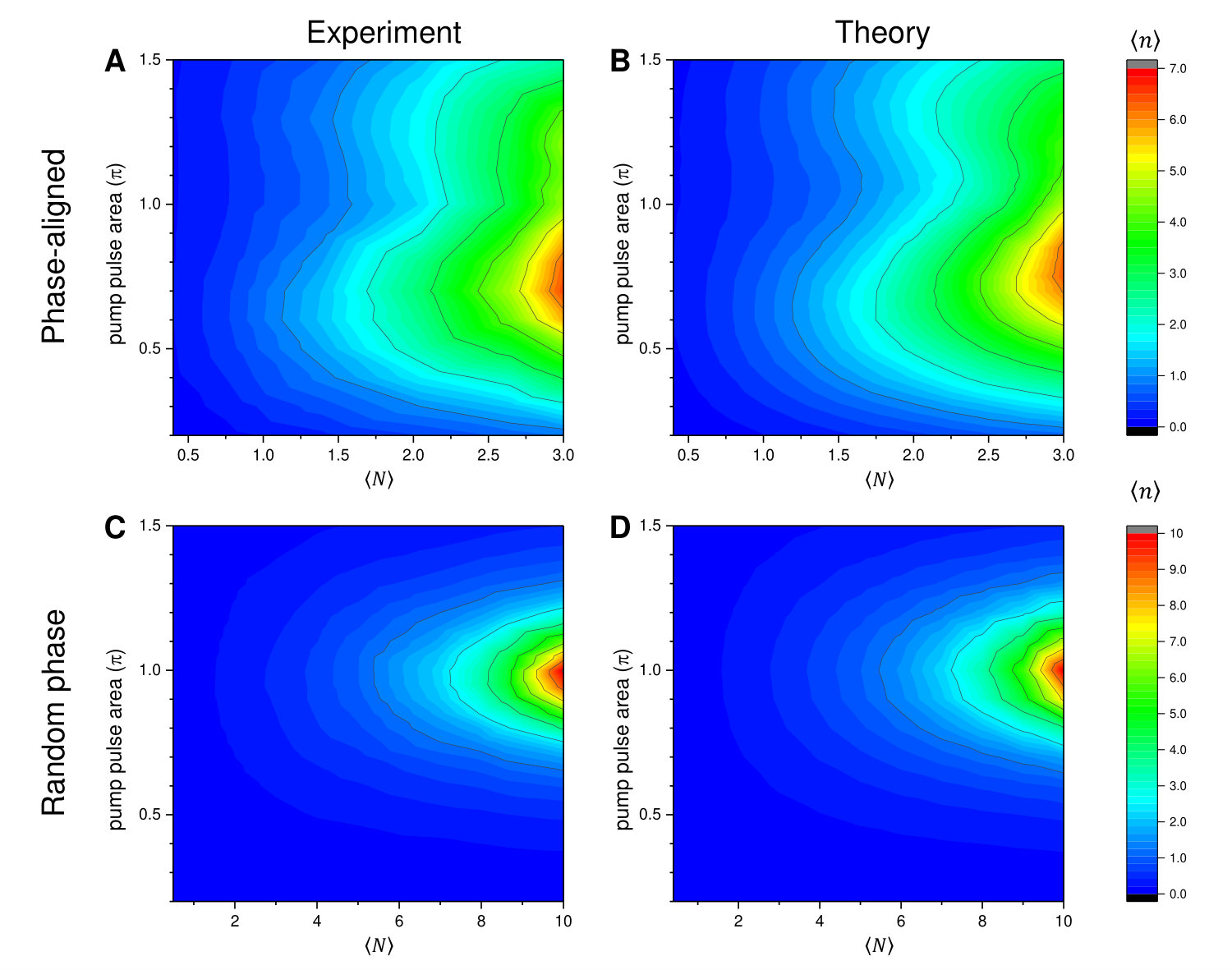 Figure 4
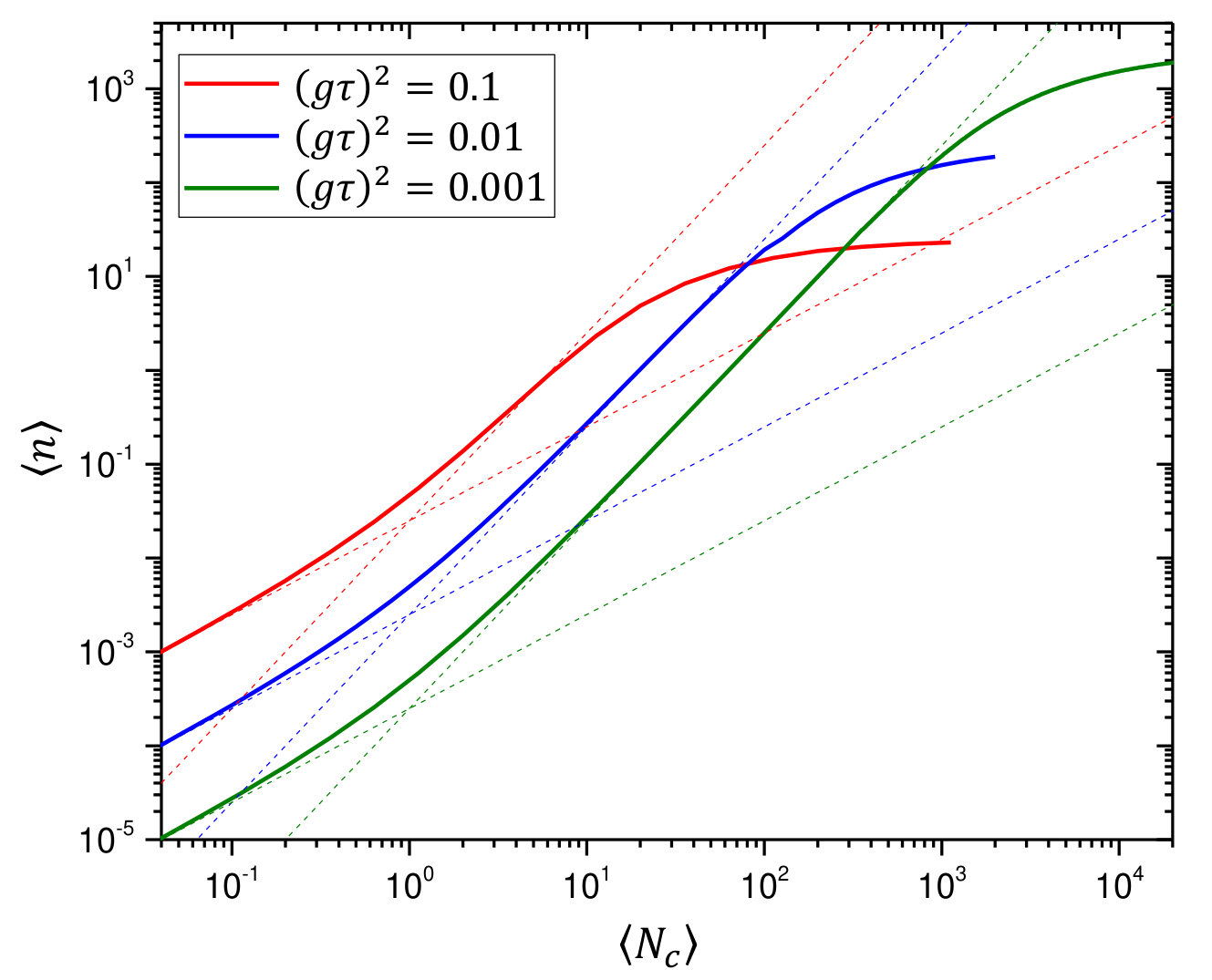 Figure 5
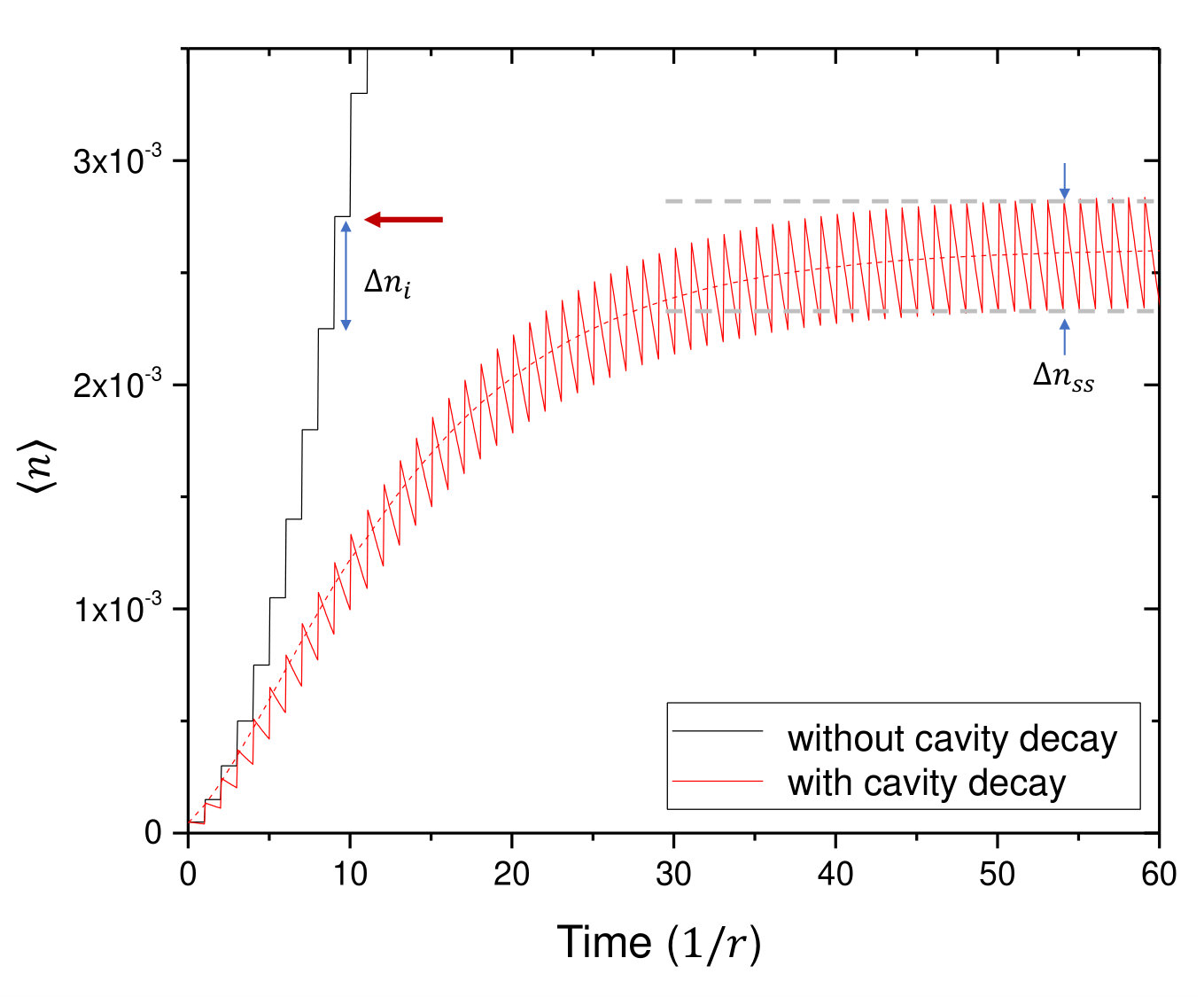 Figure 6
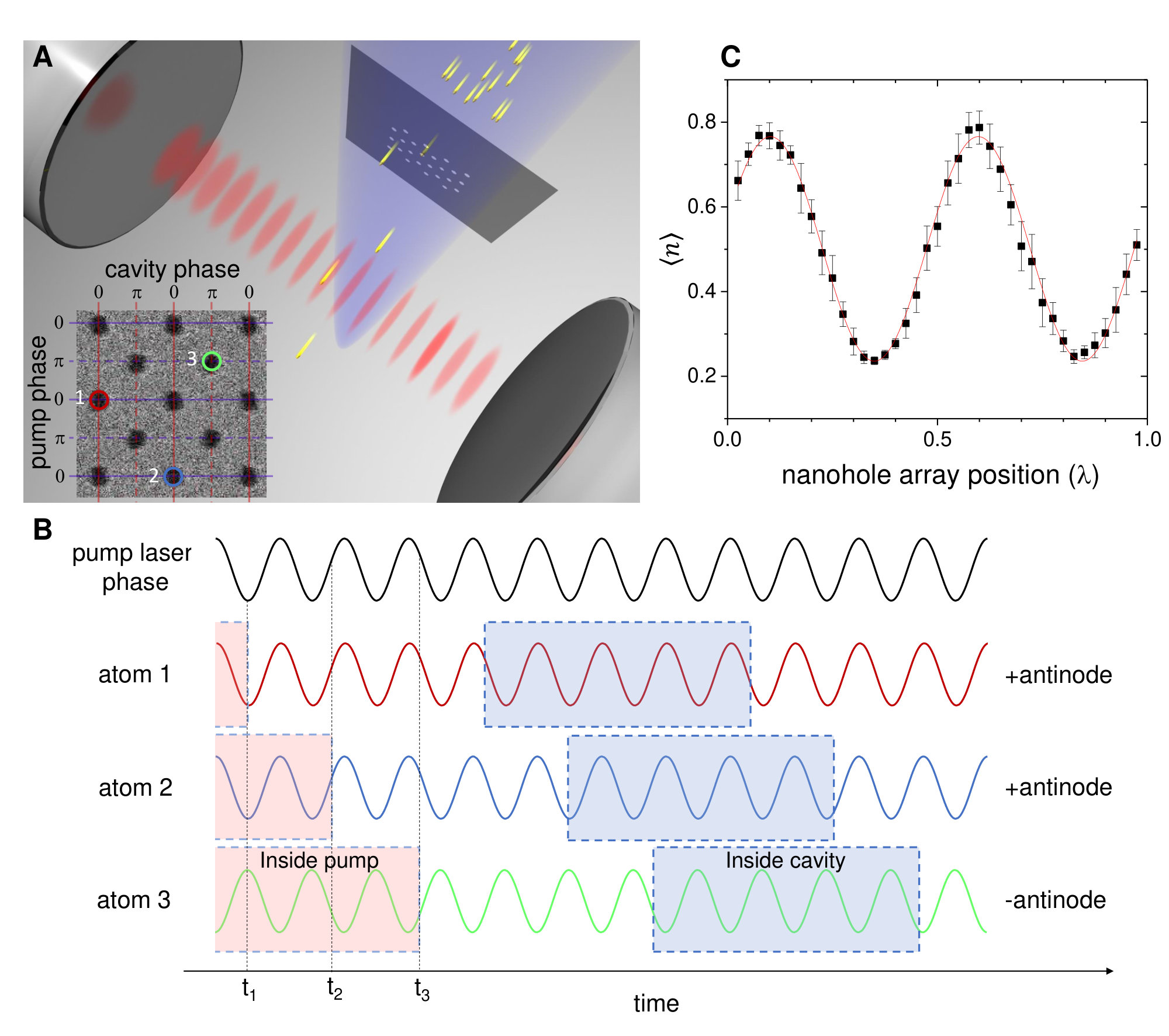 Figure 1
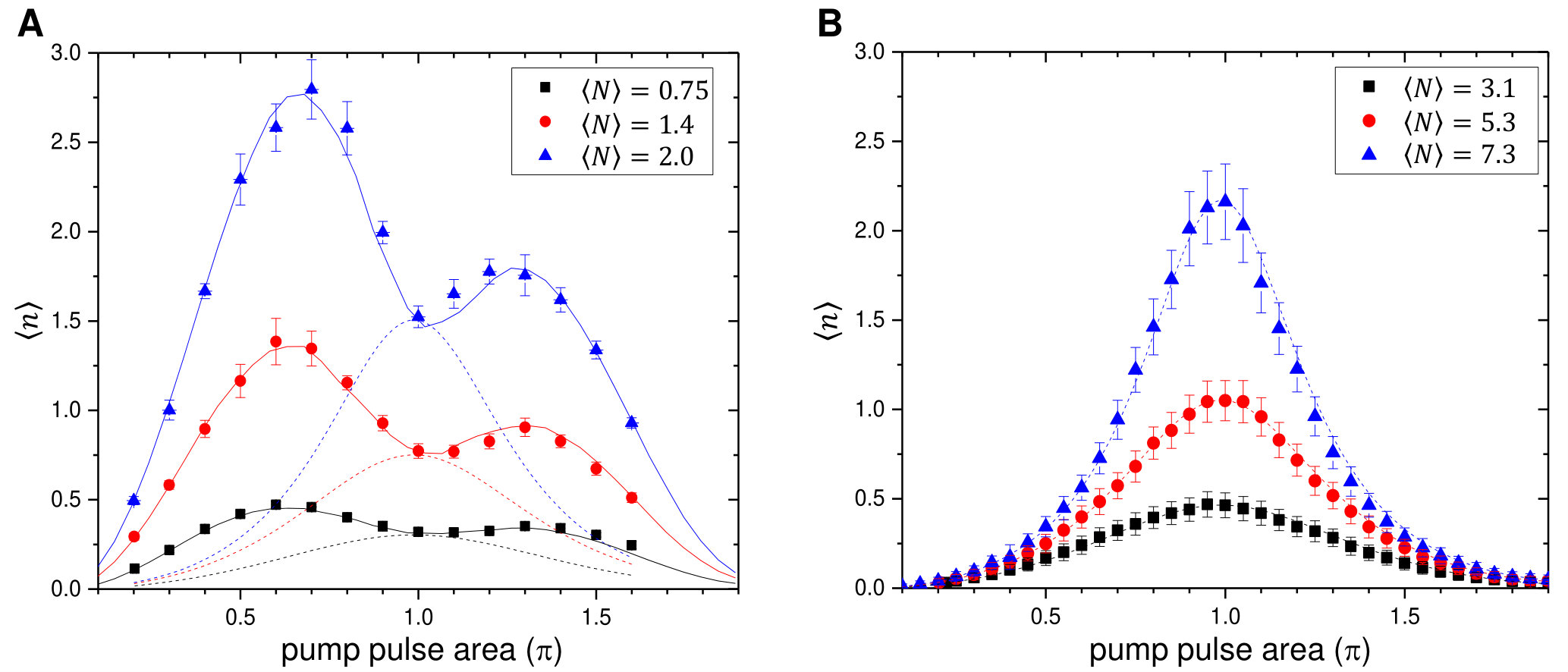 Figure 2
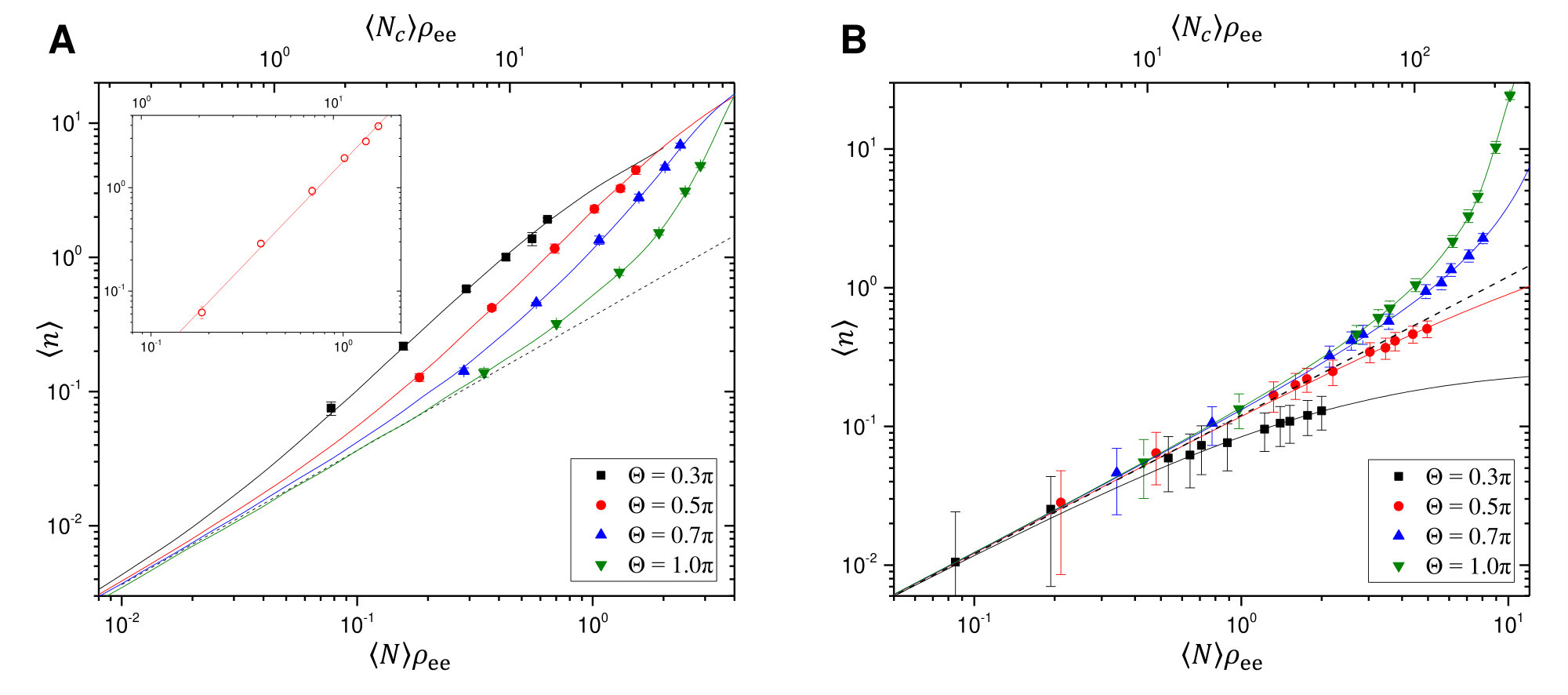 Figure 3
Peer Reviews
No public reviews on file for this paper yet. If you reviewed it on a platform where reviews are public (OpenReview, ICLR, NeurIPS, ICML), you can paste yours below so the community can read it here.
Videos
No videos yet. Explain this paper in a talk, walkthrough, or lecture? Add one.
Coherent single-atom superradiance
Junki Kim
Daeho Yang
Seung-hoon Oh
Kyungwon An
School of Physics and Astronomy, Seoul National University, Seoul 08826, Korea
Abstract
Superradiance is a quantum phenomenon emerging in macroscopic systems whereby correlated single atoms cooperatively emit photons. Demonstration of controlled collective atom-field interactions has resulted from the ability to directly imprint correlations with an atomic ensemble. Here, we report cavity-mediated coherent single-atom superradiance: single atoms with predefined correlation traverse a high-Q cavity one by one, emitting photons cooperatively with the atoms already gone through the cavity. Enhanced collective photoemission of -squared dependence was observed even when the intracavity atom number was less than unity. The correlation among single atoms was achieved by nanometer-precision position control and phase-aligned state manipulation of atoms by using a nanohole-array aperture. Our results demonstrate a platform for phase-controlled atom-field interactions.
One-sentence summary: Enhanced collective photoemission is observed from correlated atoms traversing an optical cavity.
Superradiance is a collective radiation phenomenon by a number of quantum emittersDIcke1954 . In the original prediction, exchange symmetry is present in closely packed emitters whose inter-particle distance is much smaller than the transition wavelength, and therefore dipole-dipole correlation emerges during their spontaneous decay process. The correlation makes the ensemble behave collectively and induces enhanced interaction with the vacuum fields, leading to stronger and faster radiation emission compared to the ordinary spontaneous emission. Early experiments performed with a large number of emitters (as in a dense atomic vapor or in a beam) reported observations consistent with the predictionGross1982 ; Skribanowitz1973 . Recent technical advances have enabled the realization of superradiance in various systems such as a Bose-Einstein condensateInouye1999 , quantum dotsScheibner2007 and trapped atoms coupled to a cavityReimann2015 .
The mutual phase correlation among atoms is the key to superradiance. It can make the ensemble behave as a single macro dipole. Moreover, direct control of atomic phases enables controllable collective atom-field interactions. In recent experiments, the phase of atoms in an ensemble was imprinted by a single photon pulseScully2009a ; Rohlsberger2010 ; Roof2016 or a frequency-swept laser pulseNorcia2016 . The ensemble then started superradiant emission without a threshold or an initial time delay. The output field in this case follows the given imprinted phase and thus its spatial mode overlaps with the input mode, making it hard to distinguish the input and output fields spatially. This approach works only in the pulsed regime. Observation of a superradiant state in a Bose-Einstein condensate couple to a cavity was another notable workBaumann2010 . However, it relied on self-organization of atoms based on a thermodynamic principle, and thus further tunability could not be attained.
Another approach to achieve controllable superradiance is to prepare emitters in a cavity and to manipulate the quantum state of individual emitters. IonsCasabone2015 , neutral atomsNeuzner2016 and artificial atoms based on superconducting circuitsMlynek2014 have been used in this approach. The results include immediate strong and fast radiation emission and controllability between superradiance and subradiance. However, technical difficulties have limited the number of emitters involved in the superradiance only up to two.
We present an approach to realize phase-controlled superradiance whereby single atoms are prepared in the same quantum superposition of ground and excited states traverse a cavity one by one. The long-lived cavity field then mediates collective interaction among the phase-correlated single atoms separated in time, leading to superradiance. The collective interaction is one-sided in that the emission of a particular atom in the cavity is cooperative only with the preceding atoms. Even when at most only one atom is present in the cavity, tens of atoms participate in the superradiance and the emission intensity is proportional to the square of the number of the participating atoms.
Our system, adapted from Ref. Lee2014 , consists of a supersonic barium atomic beam and a high-Q optical cavity which the atoms resonantly interact with (Fig. 1A). The barium-138 atoms are prepared in a superposition state of the ground and excited states just before they enter the cavity mode by a pump laser propagating perpendicular to the cavity axis as well as to the atomic beam direction. The atomic phase imprinted by the pump laser depends on the position at which the atom traverses the pump laser. The phase of the atom-cavity coupling also alternates 0 and radian following the standing wave structure of the cavity mode. A checkerboard-pattern nanohole array is used as an atomic beam aperture in order to localize and control the atomic position. The localized atoms then selectively pick up the phase of the pump laser as well as the cavity field corresponding to their positions prescribed by the array structure. As a result, the atom-field relative phase is the same for every atom traversing the cavity (Fig. 1B). The desired atomic internal state is prepared by the pump laser with a pulse area of , where is the Rabi frequency due to the pump laser and is velocity of the atom. The atomic state can then be expressed as , where is the atomic phase imprinted by the pump laser. Atomic correlation between any two of the injected atoms is then given by , where is the lowering operator of the -th atom, showing that the atom-atom correlation is maximized when .
Injected atoms then emit photons into the cavity mode and build up the cavity field. A previous study assuming a lossless cavity expected enhanced collective emission by consecutively injected atomic dipoles to show explicit dependenceKien1993 . The longlasting cavity field links the atoms together and the expected photon number is exactly the same as that of simultaneously injected dipoles (see Fig. S1).
When a cavity has a finite decay, the gain (emission by atoms) and the loss (absorption by atoms as well as the cavity decay) of the cavity field would be balanced in its steady state. The averaged cavity photon number in the steady state can be obtained from the quantum master equation (see Supplementary Text Section 2.2 for details) and it is approximately given by
[TABLE]
where is the mean number of atoms injected into the cavity during the cavity-field decay time with the atomic injection rate, and are the density matrix elements of atomic state with the subscripts ‘e’ and ‘g’ represent excited and ground states, respectively, is the atom-cavity coupling constant and is the atom-cavity interaction time.
The first term, approximately proportional to when , is due to the non-collective emission of atoms, including spontaneous and stimulated emission as well as the cavity-QED effect. The second term, exhibiting a quadratic dependence on , is due to collective emission, i.e. the superradiance. Compared to the case with a lossless cavityKien1993 , the number of atoms participating in the superradiance is identified to be in our case (see Supplementary Text Section 2.1). When , the second term dominates the emission and the field state approximately becomes a coherent state with .
The mean intracavity atom number is related to as . If the cavity-field decay time is much larger than (), can be much greater than unity even when the mean intracavity atom number is less than unity and thus the collective effect can take place. The cavity field mediates the collective behavior among the time-separated atoms that are going through the cavity individually during the cavity-field decay time, leading to the single-atom superradiance. Around 22 atoms are involved in the collective emission when a single atom is present in the cavity mode on average.
In our experiment, the phase-aligned atomic dipoles prepared with the aforementioned nanohole-array were injected into the cavity and the mean intracavity photon number in the steady state was measured with a single-photon-counting module. The atom-cavity interaction was in the strong coupling regime with (g,, ) = 2 (290, 25, 75)kHz, where is the atom-cavity coupling averaged over the atomic distribution centered around the antinodes of the cavity and () is the atomic polarization (cavity-field) decay rate. The single-atom cooperativity was . The mean travel time of atoms from the pump to the cavity field was about 200ns whereas the mean atom-cavity interaction time ns. As a comparative counterpart, we also performed the experiment with a 250m25m-sized rectangular atomic beam aperture for the case of atoms with random phases. In the latter case, the atomic beam was injected into the cavity mode with a small tilt angle in order to induce Doppler shifts so as to achieve a uniform atom-field couplingChoi2006 ; Yu2006 ; An1997b ; Hong2012 , whose strength is a half of the maximum coupling strength.
The collective emission described by the second term in Eq. (1) is expected to have the quadratic dependence on two parameters, the induced atomic dipole moment and the atom number . First, we investigated dependence of collective emission by varying the pump pulse area (Fig. 2). Due to the relation for the prepared superposition state, the atomic dipole moment would be maximized with equal ground- and excited-state populations (), and so would be the collective emission. Clear enhancement was observed when the atoms are prepared in the phase-aligned superposition states. The enhancement was more than ten-fold for (also see Fig. S2). Combined contributions by (non-collective) and (collective) make maximized near . Due to the small overlap between the pump laser field and the cavity mode (both are Gaussian), the collective emission process is somewhat disturbed by the stray pump field in the cavity when the pump intensity is strong, resulting in the enhancement reduction for . On the other hand, in the case of random phase, the photon number is given by the non-collective emission only, and thus it is maximized with fully inverted atomic states ().
The enhancement is strongly dependent on the atomic phase purity. In reality, there are several sources of phase noise. Finite atomic localization sets the lower bound of atomic phase variance. Atomic spontaneous emission into free space also contributes to phase diffusion of atoms, reducing by 6%. In addition, the pump laser has a phase uncertainty: the laser phase diffuses in time with a finite laser linewidth. If we intentionally make the pump laser linewidth larger, the superradiant enhancement becomes smaller (see Fig. S3). We performed quantum-trajectory simulation as well as quantum master equation calculation with the experimental parameters and our data well agree with the numerical results mm (also see Fig. S4).
Figure 3 shows the mean intracavity photon number versus the excited state atom number . When the atoms have no dipole moment (Fig. 3B), only the non-collective emission is present. With a small number of atoms, the cavity field is mainly made by spontaneous emission of atoms (dashed line) and its photon number increases linearly to the atom number. As the accumulated photon number gets larger, stimulated emission and absorption become dominant over the spontaneous emission and the system lases for positive inversion () or the photon number plateaus for negative inversion (). Especially for positive inversion, a rapid growth of the photon number starts to occur at , which is the well-known lasing threshold in the conventional lasersBjork1994 .
However, when atoms have the same phase (Fig. 3A), photon emission is enhanced nonlinearly with its log-log slope getting steeper than unity. The measured intracavity photon numbers are consistently larger than the photon number made only by the cavity-enhanced spontaneous emission (dashed line). When the pump pulse area is , corresponding to , the observed log-log slope is 1.660.01. After subtracting the contribution by the non-collective emission corresponding to the dashed line, the recalculated log-log slope becomes 1.940.04 (see the inset of Fig. 3), which indicates the observed emission is dominantly superradiance proportional to the square of the number of atoms. A near-quadratic growth appears even in the negative inversion case of , in which only 21% of atoms are in the excited state with the rest in the ground state. When , the atoms have positive population inversion and thus the photon number grows further by stimulated emission beyond the level by the collective emission. In this case, it is impossible to isolate the collective emission effect clearly in the log-log plot.
It is also notable that the log-log slope is almost invariant for a large range of for . The theory expects that the quadratic dependence on would be dominant in the region of for the perfectly phase-aligned atoms although the practical phase noise would make the domain somewhat reduced. Such a broad-range quadratic growth, occurring independently of values, including as in Ref.Bohnet2012 , is a distinctive feature of the present superradiance compared to the drastic slope change occurring near the threshold condition of in the ordinary lasing case. The absence of the usual lasing threshold or thresholdless lasing in the present superradiance cannot be explained in terms of the so-called -factor in ordinary lasers based on non-collective emissionKhajavikhan2012 . In our case in the nanohole-array-aperture case (Fig. 2A and 3A) and 0.011 in the rectangular-aperture case (Fig. 2B and 3B) (see Supplementary Text Section 2.3). The latter is consistent with the large mean photon number change occurring at the threshold in Fig. 3B (). Note also that the range of superradiance or the maximum number of atoms participating in the collective emission can be easily scaled up by choosing smaller values (see Fig. S5). This feature may provide a new approach in building thresholdless lasers.
The present single-atom superradiance can be viewed as a consequence of one-sided interaction among a series of atoms separated by tens of meters. Note that the photon emitted by a preceding atom interacts with the next atom after traveling (about 30m for ) when we unfold mirror refections although their average distance in real space is only hundreds of micrometers. Due to causality, only the preceding atoms can then affect the quantum states of the following atoms. This interaction induces the emission rate of the atom in the cavity to be twice larger than the emission rate per atom in the usual superradiance (see Supplementary Text as well as Fig. S6). The time-separated atoms linked by such one-sided interaction can form atom-atom interaction systems, which can serve as a testbed for various quantum many-body physicsLodahl2017 .
The present study deepens our understanding on matter-light collective interaction and provides a new insight on the field-mediated long-rangeDouglas2015 ; Meir2014 interactions. In addition, the phase-controlled many-atom-field interaction based on the nanohole-array technique can be used in non-classical field generation such as optical Schrödinger cat states and highly-squeezed vacuum statesYang2016 , even in a lossy cavity contrary to the previous studies in the microwave regionDeleglise2008 , as well as in realizing superabsorptionHiggins2014 . The greatly enhanced single-atom emission may be useful in constructing efficient quantum interfacesHammerer2010 .
The reference list from the paper itself. Each links out to its DOI / PubMed record.
- 1(1) R. H. Dicke, Physical Review 93 , 99 (1954).
- 2(2) M. Gross, S. Haroche, Physics Reports 93 , 301 (1982).
- 3(3) N. Skribanowitz, I. P. Herman, J. C. Mac Gillivray, M. S. Feld, Physical Review Letters 30 , 309 (1973).
- 4(4) S. Inouye et al. , Science 285 , 571 (1999).
- 5(5) M. Scheibner et al. , Nature Physics 3 , 106 (2007).
- 6(6) R. Reimann et al. , Physical Review Letters 114 , 023601 (2015).
- 7(7) M. O. Scully, A. A. Svidzinsky, Science 325 , 1510 (2009).
- 8(8) R. Rohlsberger, K. Schlage, B. Sahoo, S. Couet, R. Ruffer, Science 328 , 1248 (2010).