A Survey on QoE-oriented Wireless Resources Scheduling
Ivo Sousa, Maria Paula Queluz, Ant\'onio Rodrigues

TL;DR
This survey reviews recent QoE-oriented wireless scheduling strategies, emphasizing how they improve user experience by integrating QoE metrics into resource management for future wireless systems.
Contribution
It provides a comprehensive overview of QoE concepts, evolution of scheduling techniques, and recent strategies focusing on QoE optimization in wireless networks.
Findings
Highlights recent QoE-based scheduling approaches
Identifies key parameters for QoE optimization
Connects scheduling strategies with user experience improvements
Abstract
Future wireless systems are expected to provide a wide range of services to more and more users. Advanced scheduling strategies thus arise not only to perform efficient radio resource management, but also to provide fairness among the users. On the other hand, the users' perceived quality, i.e., Quality of Experience (QoE), is becoming one of the main drivers within the schedulers design. In this context, this paper starts by providing a comprehension of what is QoE and an overview of the evolution of wireless scheduling techniques. Afterwards, a survey on the most recent QoE-based scheduling strategies for wireless systems is presented, highlighting the application/service of the different approaches reported in the literature, as well as the parameters that were taken into account for QoE optimization. Therefore, this paper aims at helping readers interested in learning the basic…
Click any figure to enlarge with its caption.
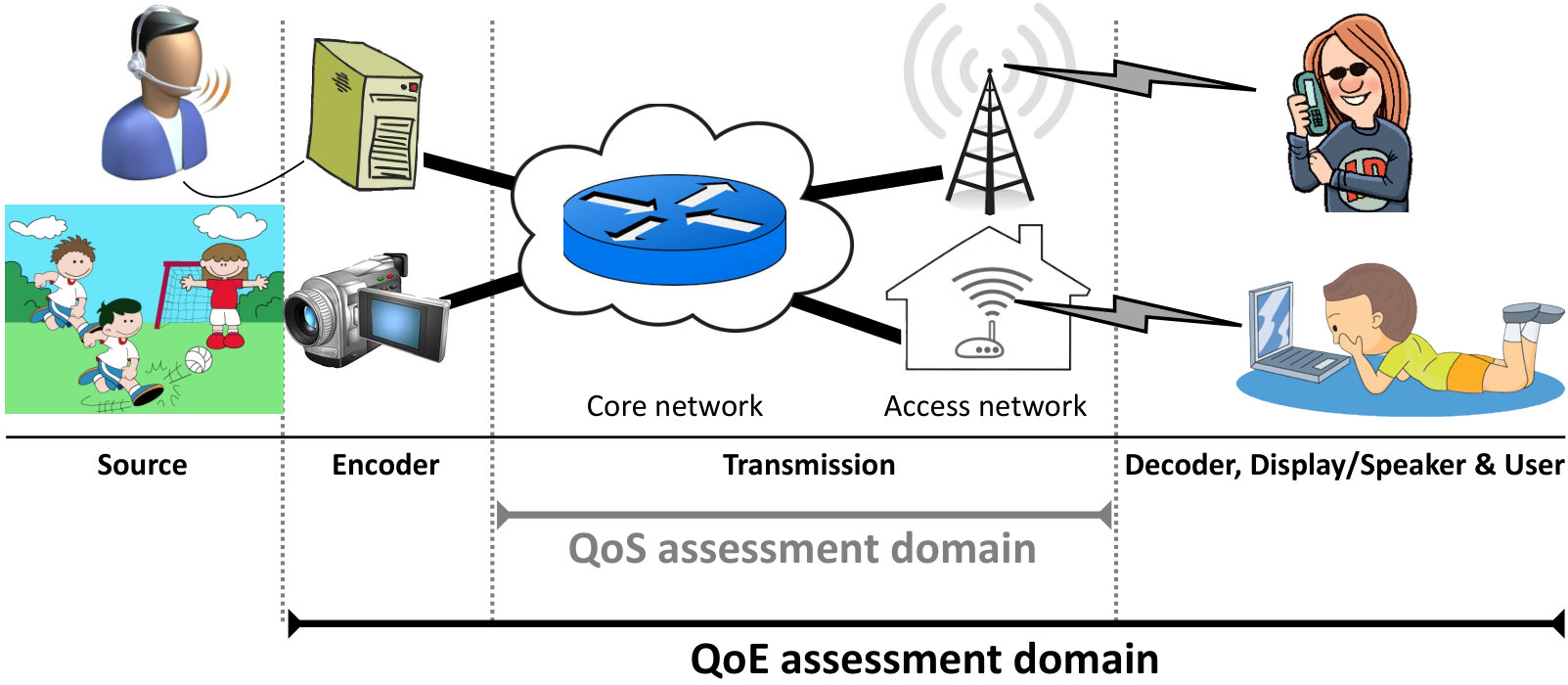 Figure 1
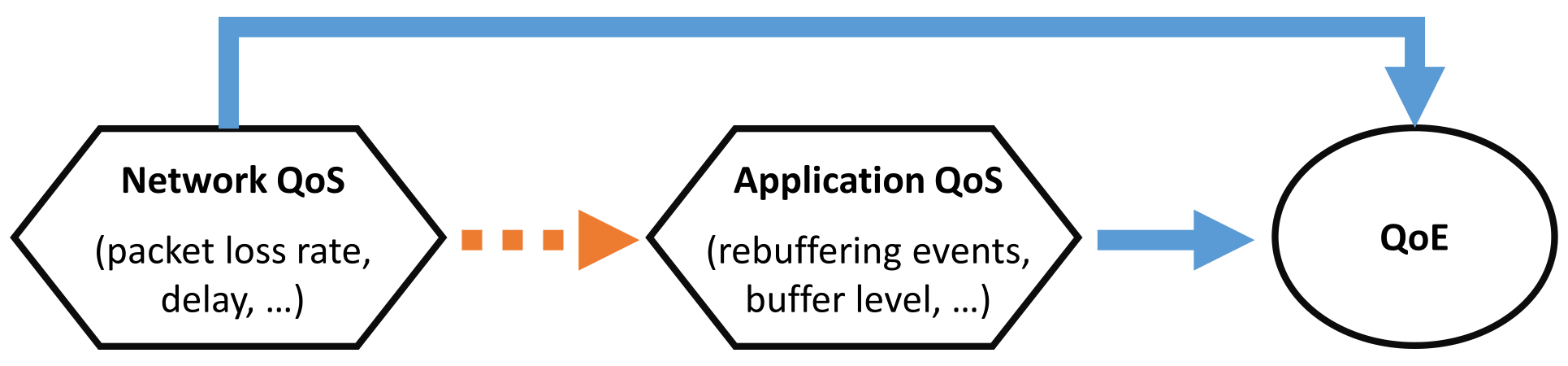 Figure 2
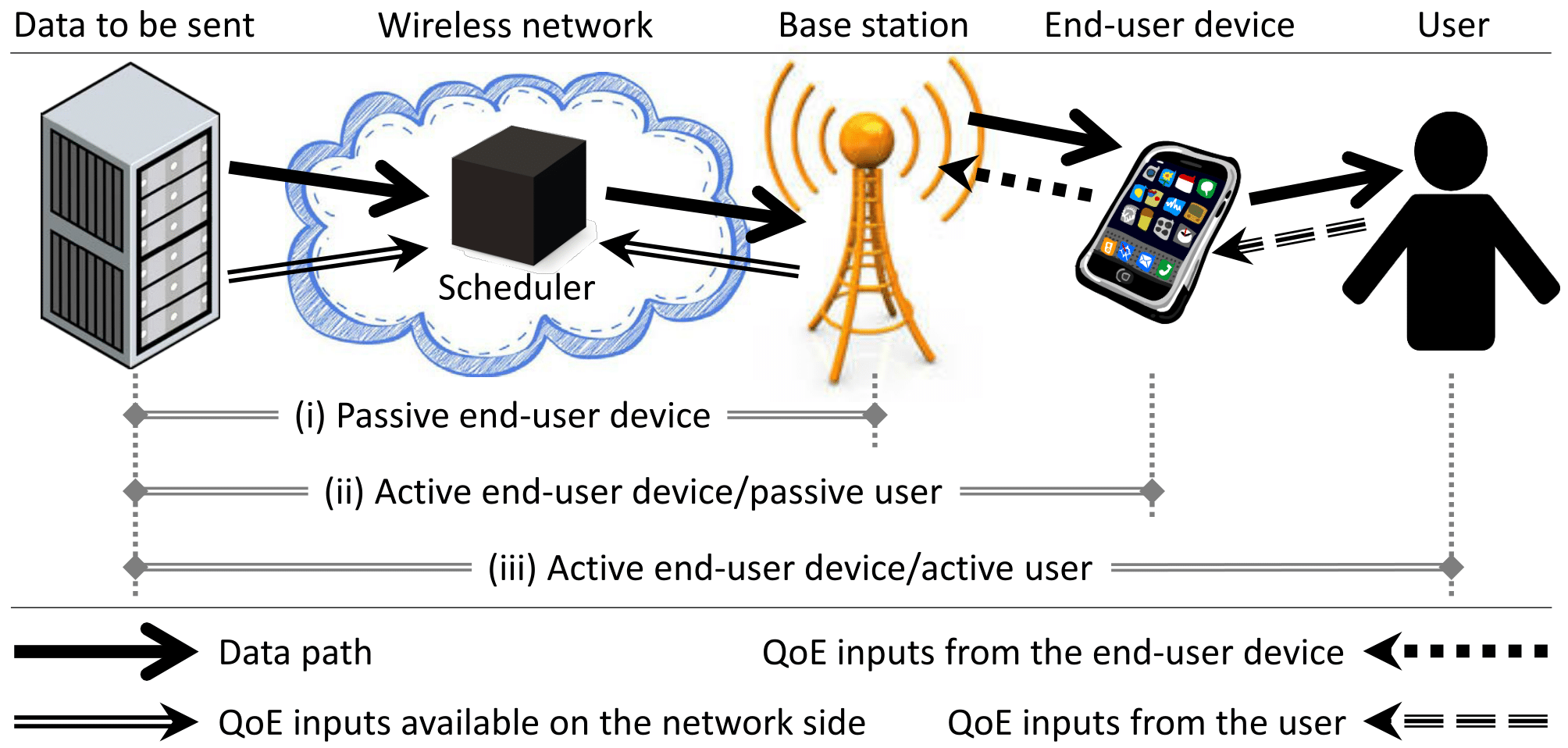 Figure 3
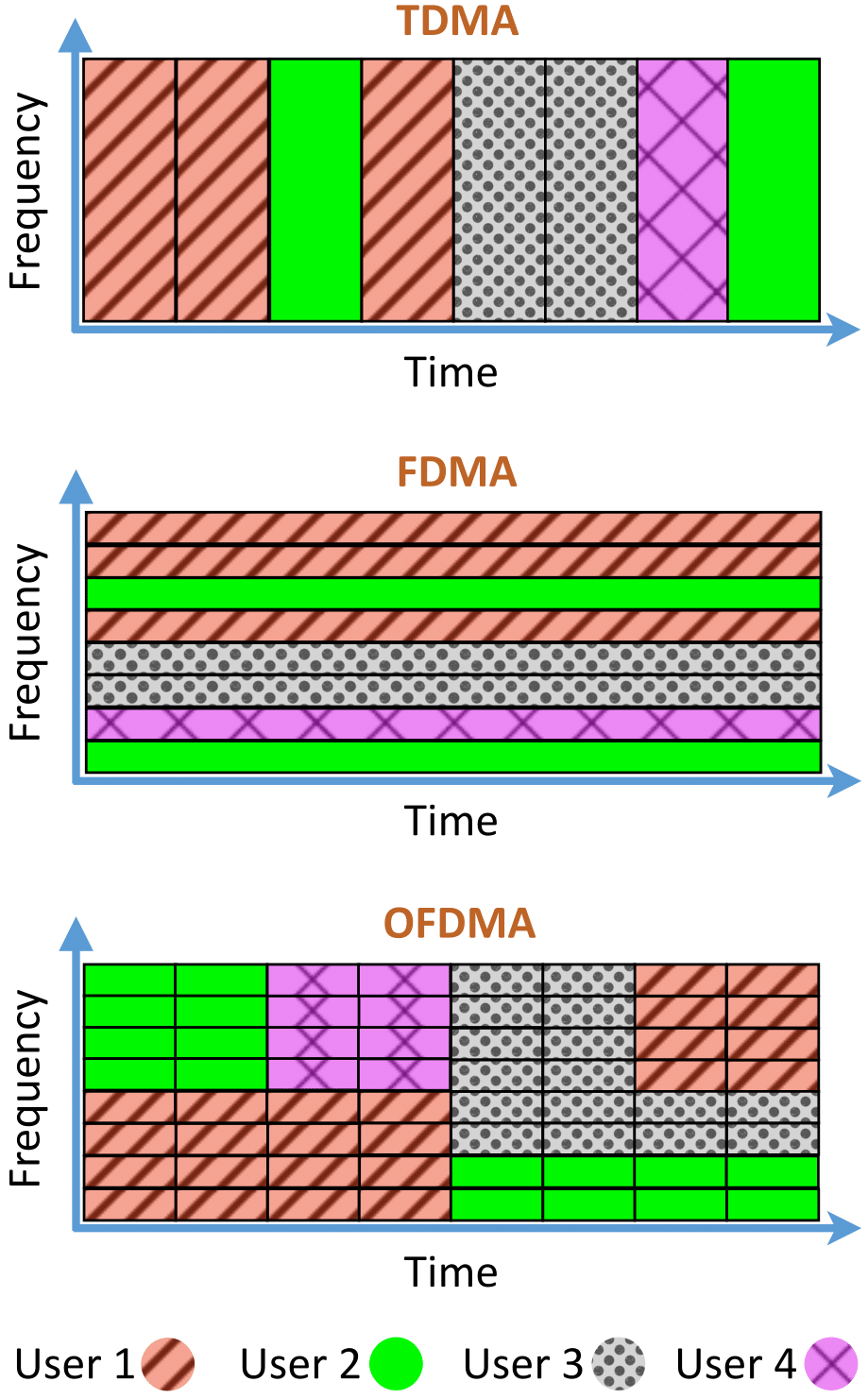 Figure 4
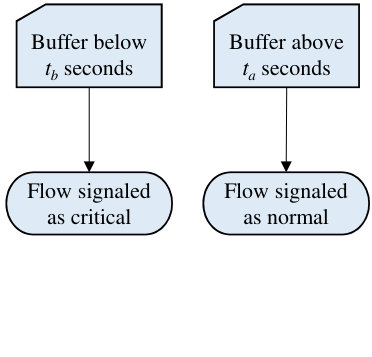 Figure 5
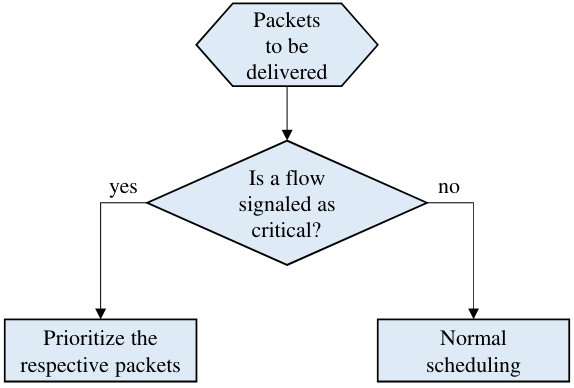 Figure 6
| Focus | References | Remarks |
| QoE estimation for different types of services | Chikkerur et al. (2011); Lin and Kuo (2011); Chen et al. (2015c); Juluri et al. (2016); Tsolkas et al. (2017) | These works address QoE assessment models for several applications (e.g., video streaming, conversational voice, web browsing, file download), but disregard QoE provisioning methodologies. |
| QoE challenges with respect to mobile networks | Baraković and Skorin-Kapov (2013); Siris et al. (2014); Liotou et al. (2015); Zhang et al. (2018) | QoE monitoring and optimization issues are considered, although without fully addressing the scheduling of wireless resources. |
| Wireless resources scheduling | So-In et al. (2009); Afolabi et al. (2013); Asadi and Mancuso (2013); Capozzi et al. (2013); Abu-Ali et al. (2014); Castañeda et al. (2017) | Only QoE-unaware strategies are contemplated. |
| Application | Reference | QoE optimization based on | Additional comments | ||
| Throughput | Packet loss rate | Delay | |||
| Video streaming | Shehada et al. (2011) | X | Video bitrate is assumed to be adjusted to match the achievable throughput. | ||
| Thakolsri et al. (2011) | X | ||||
| Yu et al. (2018) | X | ||||
| Piamrat et al. (2010) | X | X | |||
| Ju et al. (2012) | X | X | |||
| Ai et al. (2012) | X | X | |||
| Wirth et al. (2012) | X | Video bitrate constraints are taken as input parameters. | |||
| Seyedebrahimi et al. (2014) | X | ||||
| Pastushok and Turlikov (2016) | X | ||||
| Hsieh and Hou (2018) | X | ||||
| Chandur and Sivalingam (2014) | X | X | |||
| Li et al. (2016) | X | X | |||
| Khan and Martini (2016) | X | X | |||
| VoIP | Chen et al. (2015a) | X | |||
| Web browsing | Ameigeiras et al. (2010) | X | |||
| Multi-service | Liotou et al. (2016) | X | Application-unaware solution. | ||
| Liu et al. (2012) | X | X | X | Aim at maximizing the average QoE. | |
| Wang et al. (2017) | X | X | X | ||
| Anand and de Veciana (2017) | X | ||||
| Sacchi et al. (2011) | X | X | Attempt to provide similar QoE. | ||
| Xin et al. (2014) | X | ||||
| Deng et al. (2014) | X | Try to offer a trade-off between providing similar QoE and maximizing the average QoE. | |||
| Fei et al. (2015) | X | ||||
| Monteiro et al. (2015) | X | ||||
| Rugelj et al. (2014) | X | X | X | ||
| Hori and Ohtsuki (2016) | X | X | X | ||
| El-Azouzi et al. (2019) | X | Prioritize video streaming. | |||
| Chandrasekhar et al. (2019) | Buffer estimation through packet inspection. | ||||
| Application | Reference | QoE optimization based on | Additional comments | |
| Buffer level | Other | |||
| Video streaming | Wamser et al. (2012) | X | Run on top of existing schedulers (less proactive). | |
| Pervez and Raheel (2015) | X | |||
| Seetharam et al. (2015) | X | Attempt to offer similar QoE. | ||
| Liu et al. (2015) | Playout stalls | |||
| Navarro-Ortiz et al. (2013) | X | Aim also at maximizing throughput. | ||
| Joseph and de Veciana (2014) | X | |||
| Ramamurthi and Oyman (2014) | X | |||
| Yuan et al. (2017) | X | |||
| Singh et al. (2012) | X | Playout stalls | ||
| Rodrigues et al. (2018) | X | Tries to maximize buffer filling. | ||
| Pu et al. (2012) | X | Proxy-based solutions. | ||
| Essaili et al. (2015) | X | |||
| Zhao et al. (2015) | X | |||
| Li et al. (2017) | X | |||
| Kumar et al. (2017) | X | |||
| Web browsing | Szabó et al. (2016) | Delay & Page state info. | ||
| Multi-service | Nguyen et al. (2017) | Delay, Packet loss rate & Jitter | ||
| Scope | References |
| Uplink | Essaili et al. (2011); Wu et al. (2012); Song et al. (2014); Condoluci et al. (2017); Liu et al. (2018); Ranjan et al. (2018) |
| Multi-cell | Zheng et al. (2014); Cho et al. (2015); Kim et al. (2015); Miller et al. (2015) |
| Heterogeneous networks | Toseef et al. (2011); Jailton et al. (2013); Seyedebrahimi and Peng (2015); Morel and Randriamasy (2017); Abbas et al. (2017) |
| Device-to-device communications | Zhu et al. (2015a); Hong et al. (2017); Biswash and Jayakody (2018); Sawyer and Smith (2019) |
| Vehicular networks | Xu et al. (2013); Yaacoub et al. (2015); Ding et al. (2018) |
| Cognitive radio networks | Jiang et al. (2012); Wu et al. (2013); He et al. (2016); Zhang et al. (2017); Piran et al. (2017); Lin et al. (2017); Yin et al. (2019) |
| Relay networks | Reis et al. (2010); Wu et al. (2013); Bethanabhotla et al. (2016); Xiang et al. (2017); Fan and Zhao (2018) |
| Multi-user MIMO networks | Cao et al. (2012); Bethanabhotla et al. (2016); Chen et al. (2017); Huang and Zhang (2018) |
| Base stations energy consumption | Ma et al. (2012); Li et al. (2012); Gabale and Subramanian (2014); Draxler et al. (2014); Sapountzis et al. (2014); Farrokhi and Ercetin (2016); Kotagi and Murthy (2019); Xu et al. (2019) |
| Terminals energy consumption | Csernai and Gulyas (2011); Ksentini and Hadjadj-Aoul (2012); Szabó et al. (2014); Mushtaq et al. (2015); Abbas et al. (2017); Hong and Kim (2019); Gao et al. (2019) |
Peer Reviews
No public reviews on file for this paper yet. If you reviewed it on a platform where reviews are public (OpenReview, ICLR, NeurIPS, ICML), you can paste yours below so the community can read it here.
Videos
No videos yet. Explain this paper in a talk, walkthrough, or lecture? Add one.
A Survey on QoE-oriented Wireless Resources Scheduling
Ivo Sousa∗ [email protected]
Maria Paula Queluz
António Rodrigues
Instituto de Telecomunicações, Instituto Superior Técnico, University of Lisbon, 1049-001 Lisbon, Portugal
Abstract
Future wireless systems are expected to provide a wide range of services to more and more users. Advanced scheduling strategies thus arise not only to perform efficient radio resource management, but also to provide fairness among the users. On the other hand, the users’ perceived quality, i.e., Quality of Experience (QoE), is becoming one of the main drivers within the schedulers design. In this context, this paper starts by providing a comprehension of what is QoE and an overview of the evolution of wireless scheduling techniques. Afterwards, a survey on the most recent QoE-based scheduling strategies for wireless systems is presented, highlighting the application/service of the different approaches reported in the literature, as well as the parameters that were taken into account for QoE optimization. Therefore, this paper aims at helping readers interested in learning the basic concepts of QoE-oriented wireless resources scheduling, as well as getting in touch with its current research frontier.
keywords:
Quality of Experience (QoE) \sepScheduling \sepRadio Resource Management \sepWireless Networks.
††journal: Journal of Network and Computer Applications
\cortext
[cor1]Corresponding author
1 Introduction
Wireless resources scheduling comprises the allocation of physical radio resources among users and the determination of the users’ serving order (also known as prioritization). The goal is to fulfill some service requirements such as fairness (including avoiding greedy users, where one user consumes all or almost all system resources) or congestion, along with other constrains like delay or packet loss rate.
Compared to wired networks, wireless channels have time-varying behaviors, hence more complex scheduling schemes are required for the latter. However, since the scheduling process allows to save resources, wireless schedulers play a crucial role in efficient management of scarce radio resources.
In order to improve the service level, wireless systems have adopted in the past years schedulers that provide Quality of Service (QoS), i.e., the network’s capability to guarantee a certain level of performance to a data flow. Since QoS is usually evaluated in terms of delay, packet loss rate, jitter or throughput, QoS can be regarded as a service quality characterization that is network-centric.
Despite the popularity of QoS-oriented schedulers design, the end-users — humans — have the decisive judgment about the received service quality. In literature, some pioneering authors (Khan et al., 2007; Saul, 2008; Saul and Auer, 2009; Thakolsri et al., 2009) showed that the application of a subjective-based approach may lead to significant improvements on user perceived quality, i.e., Quality of Experience (QoE), compared to network-centric approaches, such as maximization of the system throughput (i.e., the sum of the data rates that are delivered to all terminals). Hence, a shift from QoS- to QoE-oriented mechanisms design has been observed in recent years.
QoE is a concept that tries to cover everything that a user experiences when dealing with multimedia services and systems (Brunnström et al., 2013); it takes into account not only the usability of a multimedia service or system, but also the information content. Consequently, QoE can be regarded as a user-centric characterization of the service quality.
As the number of dimensions involved in the users’ subjective evaluation is immense, QoE-based techniques are becoming progressively more complex and sophisticated than the previous QoS-oriented algorithms. Schedulers that make use of QoE features consequently try to directly reflect the subjective experiences of the users, resulting in their resource allocation and prioritization techniques to be more efficient in terms of satisfying the users than the schedulers that adopt conventional metrics. This efficiency can be achieved by avoiding wasting resources in situations where there is a small or even no impact on the user experience. Therefore, QoE-oriented wireless resources schedulers aim to fulfill the mobile system users expectations: watch/listen what I want, anywhere, anytime.
Considering the existing literature, it was recognized a lack of a proper comprehensive guide regarding wireless schedulers design that take QoE into account (cf. Table 1): some works survey QoE models and assessment methods for a variety of services, but they do not consider QoE provisioning algorithms; other works focus on mobile networks and provide insights on QoE management issues, yet they do not perform an in-depth study of wireless resources schedulers; finally, some surveys addressed precisely the scheduling of wireless resources, but no QoE-aware procedures were reviewed. Accordingly, this survey paper aims at filling this gap by giving an extensive overview of the key facets of QoE-oriented wireless resources scheduling. Its main contributions are:
- •
A taxonomy and classification of approaches for QoE-oriented resource scheduling in wireless networks;
- •
A survey of existing work, including the classification according to the aforementioned taxonomy;
- •
A brief discussion of each approach, giving the readers an idea about which parts of existing literature might be of interest to their requirements.
Therefore, this survey serves as a reference for those who want to implement QoE-aware wireless resource schedulers and also aims to be a valuable contribution for those who want to perform research within this topic.
This paper is organized as follows (cf. Fig. 1). The first two sections that follow this introduction provide a contextualization regarding what is QoE and how traditional schedulers work: in Section 2, the factors that influence the QoE in multimedia services over communication systems are presented, along with some QoE estimation methods; Section 3 illustrates some scheduling algorithms, ranging from the simplest ones to QoS-aware approaches, followed by the introduction of QoS-QoE mapping strategies and utility-based optimization. Section 4 provides the main contribution of this survey, namely the presentation of recent research directions regarding QoE-oriented wireless resources scheduling — state-of-the-art QoE-aware scheduling methods are discussed and classified based on the adjustments required, at the end-user devices, in order to implement the different scheduling strategies on wireless systems. Some of the important open challenges and future research opportunities are discussed in Section 5. Finally, Section 6 concludes the paper.
2 Understanding QoE
The Qualinet white paper on definitions of QoE states that “QoE is the degree of delight or annoyance of the user of an application or service. It results from the fulfillment of his or her expectations with respect to the utility and/or enjoyment of the application or service in the light of the user’s personality and current state” (Brunnström et al., 2013).
As far as communication systems are concerned, QoE can be affected by factors such as multimedia content, application, service, end-user device, network and context of use. For instance, Sumby and Pollack (1954) showed that if supplementary visual observation of the speaker’s facial and lip movements are also utilized besides the oral speech, higher levels of noise interference can be tolerated by humans than if no visual factors were taken into account. Hence, QoE assessment operations are performed in a broader domain when compared to QoS measurements — cf. Fig. 2.
The following subsections provide some details about the factors that influence the user experience, as well as some QoE estimation methods regarding multimedia services over communication systems.
2.1 Factors Influencing QoE
According to the Qualinet white paper (Brunnström et al., 2013), an influence factor is defined as “any characteristic of a user, system, service, application, or context whose actual state or setting may have influence on the QoE for the user”. Factors influencing QoE may be categorized as human, system, and context factors.
2.1.1 Human factors
The characteristics of the users such as gender, age, and visual and auditory acuity are examples of human physical factors that may impact the users’ perceived quality (Laghari and Connelly, 2012). On the other hand, more variant factors such as motivation, attention level, or users’ mood, i.e., emotional factors, also play an important role when addressing the QoE influence factors (Wechsung et al., 2011). Moreover, even educational background, occupation, and nationality will affect the QoE (Zhu et al., 2015b). In short, human factors that influence the perceived quality are complex and strongly interrelated, and their assessment should also take into consideration the time-dynamic perception of a service (i.e., the memory effect), where previous experiences also have influence on the current QoE (Hoßfeld et al., 2011).
2.1.2 System factors
The technology employed for multimedia content transmission may introduce distortions or impairments in the content, which may affect the users’ QoE. First, the original data need to be compressed, so that the multimedia content can be transmitted through a capacity-limited network. This encoding process, which incorporates many technical decisions such as the chosen bitrate (constant or variable), video frame rate or spatial resolution, may be lossless or lossy, meaning that the latter may lead to a quality degradation (Zinner et al., 2010). In addition, the transmission network may greatly affect the multimedia quality, namely due to major factors like packet loss, delay, and jitter (Minhas et al., 2012). Even with the adoption of a buffer at the receiver side, these network factors may cause the need for rebuffering, a streaming state activated when the playback buffer becomes empty and that leads to a playout stall, which is usually very annoying for the users (Pessemier et al., 2013; Ghadiyaram et al., 2014). Considering non-streaming services, the task completion (e.g., the non completion of a download) or the excessive amount of time a service takes to download or to upload are QoE degrading situations (Dellaert and Kahn, 1999), which are also caused by packet delay or data flow rate reduction. Other system factors that may affect the perceived quality are the type of device used at the users’ side (e.g., the screen resolution, user interface capabilities, audio loudness, computation power, or battery lifetime) and some system specifications (e.g., interoperability, personalization, security, or privacy) (Ickin et al., 2012) — the reader is suggested to refer to (Baraković and Skorin-Kapov, 2013; Siris et al., 2014; Liotou et al., 2015; Zhang et al., 2018) for more examples and details on QoE challenges concerning mobile networks.
2.1.3 Context factors
Apart from the two aforementioned group of factors, there are external factors that influence the users’ QoE by affecting the surrounding environment (Han et al., 2012). These context factors include temporal aspects, such as time of the day or day of the week (e.g., a better experience may be obtained when users are more relaxed, like during evenings or weekends), duration of the content and its popularity (e.g., users usually tolerate more distortion when they are watching popular videos), and service type, i.e., if it is live streaming or not (where users may have different quality expectations). The economic context can be also incorporated in this category of factors influencing QoE (Martinez et al., 2015), namely subscription type, costs, and brand of the system/service (including the availability of other service providers).
2.2 QoE Estimation Methods
Measuring and ensuring good QoE in multimedia applications is very subjective in nature. Hence, one way to assess QoE is to perform subjective tests, which directly measure the perceived quality by inquiring persons about their opinion regarding the quality of the multimedia content that is being tested. The subjective test results can also be used to validate the objective assessment performance, which is another quality assessment methodology.
The Mean Opinion Score (MOS), which is standardized by ITU-T (ITU, 2016), is the most widely adopted QoE measurement. MOS is defined as a numeric value ranging from 1 to 5 (1-Bad, 2-Poor, 3-Fair, 4-Good, 5-Excellent) and it corresponds to the arithmetic mean of individual ratings in a panel of users. This approach has some drawbacks, namely it is costly, time consuming, and does not allow real-time evaluations. Moreover, some useful information may not be captured (e.g., if an impairment occurs at a certain moment but affects the overall QoE, this particular moment may not be detected).
Objective quality methods have been developed in order to obtain a reliable QoE prediction while avoiding the need to perform subjective tests. The approach is based on mathematical techniques that yield quantitative measures of the multimedia content or service quality. Within the objective methods, two types of approaches can be identified: parameter-based methods and signal-based methods (Takahashi et al., 2008). The former rely on network/application parameters, such as viewing time (Balachandran et al., 2013), download ratio (Balachandran et al., 2014; Shafiq et al., 2014) or QoS parameters (Section 3.2 gives some examples of QoS-QoE mapping strategies). On the other hand, signal-based methods are based on the analysis of the signal; in intrusive methods, the analysis compares the received data with a reference, which can be the full original data (full reference methods) or some key features of it (reduced reference methods); non-intrusive methods, also known as no-reference methods, do not require access to the original multimedia content, relying only on the received signal to assess its quality. Nevertheless, some issues arise when performing objective assessment. Although intrusive methods are generally accurate, they are impracticable for monitoring live transmissions due to the need of the original multimedia content. Also, objective assessment may not reflect the perception of the users concerning the delivered service; for example, although some impairments may cause minor influence on the users’ QoE, and therefore they could be disregarded, the same impairments may be detected and emphasized by the objective methods.
It is also important to mention that the majority of QoE estimation methods that have been proposed so far address the specific case of video quality evaluation, mainly due to the popularity achieved by video streaming services over the last years — surveys on video quality estimation can be found in (Chikkerur et al., 2011; Lin and Kuo, 2011), which mostly focus on objective quality models, and in (Chen et al., 2015c; Juluri et al., 2016), where the former work addresses metrics and methodologies relevant to the traditional video delivery, whereas the latter work focus on measurement mechanisms that are used to evaluate the QoE for online video streaming; a survey on parametric QoE estimation for popular services, such as video-on-demand streaming, Voice over IP (VoIP), web browsing, Skype and file download services, can be found in (Tsolkas et al., 2017).
As can be inferred from what was presented so far, QoE cannot be easily modeled and assessed due to the fact that its influence factors are very diverse and they may interrelate, as well as different users have different quality expectations. In order to attain an enhanced QoE evaluation, a combination of objective and subjective methods can be carried out (Rubino et al., 2006; Chen et al., 2010).
3 Background on Scheduling Algorithms
Distributing the available wireless resources among the users, i.e., multi-user scheduling, is one of the most important tasks that must be implemented in any wireless communication system. Specifically, a scheduler decides how users share the wireless channel by allocating radio resources such as power, time slots, frequency channels, or a combination of these resources. For instance, Time Division Multiple Access (TDMA) systems are characterized by having time slots as the radio resources units that can be assigned to a user; on the other hand, a scheduler allocates frequency channels in Frequency Division Multiple Access (FDMA) systems; in Orthogonal Frequency-Division Multiple Access (OFDMA) systems, radio resources are scheduled into the frequency/time domain — Fig. 3 depicts examples of resource allocation within TDMA, FDMA and OFDMA; for more detail about wireless multiple-access schemes, please refer to (Prasad and Mihovska, 2009; Molisch, 2011). Nevertheless, from a conceptual point of view, a scheduler can be designed in such a generic way that it is agnostic to which particular radio resources are handled by the underlying wireless multiple-access scheme — the scheduler only requires knowledge of the total amount of available resource units and the throughput provided by each of these units to each of the different users. As an example, suppose that each resource unit of Fig. 3, within its respective multiple-access scheme, yields the same throughput for all four users, and suppose also that the depicted time/frequency domain span corresponds to a single allocation decision. Accordingly, all three scheduling examples could be generated by the same generic scheduler, namely if the decision was to allocate 3/8, 2/8, 2/8 and 1/8 of the maximum achievable system throughput to user 1, to user 2, to user 3 and to user 4, respectively. For this reason, some of the proposed wireless resource scheduling techniques follow this generic approach and only point out the percentage of total resources that should be allocated to each user and who should be prioritized, leaving out which specific resources are being handled by the scheduler.
Moreover, designing schedulers for wireless systems comprises many trade-offs among complexity, efficiency and fairness:
- •
Complexity: It is important to limit the processing time of scheduling algorithms, since they usually have to perform their job under very short periods of time (e.g., 1 ms is the time that Long Term Evolution (LTE) schedulers have for allocation decisions (3GPP, 2019a)). In addition, scheduling schemes should be scalable, meaning that low-complexity algorithms should be preferred over very complex and non-linear solutions, which could be prohibitive in terms of computational cost, time, and memory usage when applied to scenarios with a large number of users.
- •
Efficiency: Since radio resources are scarce, scheduling algorithms must aim at fully taking advantage of these resources. Performance indicators like the number of users served simultaneously or the average spectral efficiency of the wireless system are two examples of efficiency indicators adopted by many schedulers.
- •
Fairness: A minimum performance must be also guaranteed for all users, in order to avoid unfair sharing of the wireless resources. Accordingly, implementing the fairness requirement in the scheduling schemes enables that users experiencing poor channel conditions (e.g., users that are far away from the base station) are also served, or that greedy users cannot provoke resource starvation in other users within the same wireless system.
In addition to the design factors described above, QoS and QoE provisioning must also be taken into account by the scheduling algorithms. In this section, some scheduling algorithms are reviewed, ranging from the simplest ones to QoS-aware approaches, followed by the introduction of QoS-QoE mapping strategies and utility-based optimization. QoE-based scheduling algorithms are presented in Section 4.
3.1 QoE-unaware Schedulers
As previously mentioned, any scheduling strategy comprises many trade-offs among complexity, efficiency and fairness. In the case of schedulers that do not take QoE into account, these trade-offs also result from the significance that the different scheduling algorithms give to the communication channel characteristics and to QoS parameters.
3.1.1 Channel-unaware Strategies
The schedulers that implement these approaches assume that the transmission channel is error-free and time-invariant, which are unrealistic assumptions when dealing with wireless channels. Nevertheless, these strategies form the basis for more complex algorithms.
First In, First Out (FIFO), also known as First Come, First Served (FCFS) (Arpaci-Dusseau and Arpaci-Dusseau, 2018), can be regarded as the simplest scheduling scheme, in which users are served according to the order of their resource request. Even though this approach is very easy to implement, it is not fair nor efficient.
The Round-Robin (RR) strategy (Arpaci-Dusseau and Arpaci-Dusseau, 2018) tries to add some fairness to the FIFO approach, namely by allocating an equal share of resources to each user in a round-robin manner. Thus, this scheduling algorithm is fair regarding the channel occupancy time of each user and can be considered the best choice if the transmitter does not know anything about the channel (Molisch, 2011). However, RR schedulers are unfair in terms of user throughput because they do not take into account the radio channel conditions (which have a major impact on the throughput).
3.1.2 Channel-aware / QoS-unaware Strategies
A wireless resource scheduler can take into account the channel state information that is usually fed back to the base stations, so as to enhance the efficiency of its scheduling algorithm.
Maximum throughput (MT) (Prasad and Mihovska, 2009) is an example of a policy that, in each scheduling period, prioritizes the resources to the user experiencing the best channel conditions. Accordingly, these schedulers provide the highest system throughput, so that the best possible spectral efficiency is attained. Nevertheless, an MT scheduler is very unfair to users with poor channel conditions and can even make them suffer of starvation.
The concept adopted by Proportional Fair (PF) schedulers (Kelly, 1997) provides a compromise between fairness and spectral efficiency. Within this approach, the average throughput experienced in the past works as a weighting factor in an MT-like strategy, i.e., if two users can achieve the same throughput (taking into account the channel conditions), then the user that has experienced the lower average throughput is prioritized. This means that users with poor conditions will always be served after some time.
3.1.3 Channel-aware / QoS-aware Strategies
For the purpose of attaining a certain performance level, different applications have different requirements, which are typically mapped into QoS parameters. Accordingly, scheduling algorithms should also take into account these QoS parameters. For instance, some scheduling strategies try to guarantee a minimum throughput for the users, whereas others deal with delay constrains. This last approach is more common among QoS-aware schedulers, since many applications, such as real-time flows, video streaming or VoIP calls, require that their packets are delivered within a certain deadline.
The Modified Largest Weighted Delay First (M-LWDF) algorithm (Andrews et al., 2001) and the Exponential/PF (EXP/PF) scheme (Rhee et al., 2003) are two of the most popular QoS-aware scheduling strategies, as they provide a balanced trade-off among fairness, spectral efficiency and QoS provisioning. Besides taking service delay requirements into account, both algorithms support different services and treat differently real-time data flows.
All the above mentioned scheduling strategies, either channel-unaware or channel-aware (with or without taking into account QoS requirements), are just an illustrative sample of what can be found in the literature. The reader is suggested to refer to the surveys by So-In et al. (2009); Afolabi et al. (2013); Asadi and Mancuso (2013); Capozzi et al. (2013); Abu-Ali et al. (2014); Castañeda et al. (2017) for more examples and details on scheduling algorithms that are not QoE-oriented, namely regarding WiMAX networks, multicast OFDMA systems, opportunistic scheduling, downlink in LTE networks, uplink in LTE and LTE-Advanced, and multi-user Multiple-Input Multiple-Output (MIMO) systems, respectively.
3.2 QoS-QoE Mapping Strategies
QoS-QoE mapping strategies have been presented to quantify QoE, thus making a transition from QoS- to QoE-oriented optimization. QoS-QoE mapping relies on various QoS parameters, which can be divided into two levels: network QoS parameters (e.g., delay or packet loss rate) and application QoS parameters (e.g., rebuffering events or buffer level). Therefore, QoS-QoE mapping strategies try to discover the relationship between QoE and the two QoS levels, where the network QoS parameters are sometimes first mapped into application QoS parameters — cf. Fig. 4. Nevertheless, both types of QoS parameters can always be regarded as objective quality metrics, since their measurement is always well defined as they do not depend on any subjective judgment.
Choosing a function that establishes a QoS-QoE mapping, i.e., a mapping between the objective quality metrics and a subjective score, is not a straightforward task. A linear mapping relationship could be adopted if a certain subjective quality difference always corresponded to the same proportional objective difference (Korhonen et al., 2012):
[TABLE]
where and represent the parameters determined by linear fitting the objective QoS metric versus the measured subjective scores. However, the perceived quality ratings usually do not present a linear behavior with respect to the practical objective quality metrics, meaning that linear mapping functions may lead to an inappropriate assessment of the performance. To overcome this issue, nonlinear mapping relationships have been adopted, discussed and compared (Korhonen et al., 2012; Alreshoodi and Woods, 2013); the most widely used can be summarized as follows:
- •
Cubic polynomial (VQEG, 2010; Korhonen et al., 2012; ITU, 2015a, b):
[TABLE]
- •
Logistic functions (ITU, 2004; Korhonen et al., 2012; Song and Tjondronegoro, 2014):
[TABLE]
- •
Exponential function (Fiedler et al., 2010; Korhonen et al., 2012):
[TABLE]
- •
Power function (Korhonen et al., 2012):
[TABLE]
- •
Logarithmic function (ITU, 2014):
[TABLE]
Considering the most general case, QoS metrics can be mapped into QoE values by performing a combination of the previous functions (1)–(8), including intermediate nonlinear combinations of QoS metrics, i.e.,
[TABLE]
As can be seen, QoE modeling through the use of QoS metrics may encompass complex relationships and interdependencies, with a parametrization that constitutes a non-trivial problem. Moreover, other issues arise when designing QoS-QoE mapping strategies, such as finding out which are the QoS metrics that are more useful for QoE prediction or how much data is needed to achieve a certain accuracy on the estimated QoE. Hence, and in order to tackle these challenges, some authors have proposed the use of machine learning techniques, with the final goal of devising complex models regarding the QoS-QoE relationship (Rubino et al., 2006; Balachandran et al., 2013, 2014; Shafiq et al., 2014; Yang et al., 2017; Casas et al., 2017).
In all cases, after computing the predicted QoE values, correlation analysis should be carried out between these and ground truth values, so as to assess the goodness of the mapping strategy. On the other hand, traditional QoS optimization techniques can be applied and assessed in QoE optimization scenarios by making use of QoS-QoE mapping strategies. For instance, Alfayly et al. (2012) investigated and evaluated the performance of three downlink schedulers (PF, M-LWDF and EXP/PF) in terms of QoE metric for VoIP applications over LTE, making it possible to choose the most suitable one in terms of subjective experience.
3.3 Utility-based Optimization
The concept of utility functions emerged from microeconomics theory and formalizes the relationship between the service performance and the user perceived experience and satisfaction (Reichl et al., 2013). More specifically, the following utility function relates all the resources a user could hypothetically have (set ) to real numbers, where indicates that the user has a preference for over , with .
The utility-based scheduling optimization may then be regarded as a maximization of the total sum of users’ utilities through Network Utility Maximization (NUM) techniques (Chiang et al., 2007). In mathematical terms, using NUM to allocate network resources (such as transmission power, time slots, etc.) corresponds to perform the following maximization:
[TABLE]
where corresponds to the utility function of the user, stands for the resources allocated to this user, and denotes the bounds of the available resources.
In many cases, scheduling can also be regarded as selecting a throughput vector , for all users, from the current feasible throughput region , i.e., the set of achievable throughputs expected for each user according to the respective allocated resources. Thus, the gradient-based scheduling algorithm (Stolyar, 2005) can be applied in order to perform resource allocation decisions:
[TABLE]
where denotes the derivative of an increasing concave utility function and stands for the achievable throughput expected for the user. For example, the MT scheduler can be obtained from (11) by adopting the utility function , whereas the PF policy derives from the gradient-based scheduling technique with a utility function , where represents the past average throughput experienced by the user; accordingly, the selected MT and PF throughput vectors, and respectively, are given by
[TABLE]
3.4 Discussion
Based on what was previously described, QoS-QoE mapping strategies and utility-based optimization can be regarded as the fundamental tools to perform the shift from QoS- to QoE-oriented scheduling. Ideally, one should aim at obtaining mathematical formulas that relate application, transport, and physical layer parameters to subjective quality experienced by the users. With these, wireless systems design can be adjusted in order to improve the quality perceived by the users. For instance, a closed-form expression was presented by Colonnese et al. (2016) concerning the probability of timely transmission of video sequences as a function of the users’ allocated bandwidth. As a consequence, and given a certain QoE requirement based on the probability of timely delivery and the received video stream quality level, the aforementioned expression allows to infer the number of users that can be accommodated in the wireless access system, as well as it can be used to design admission procedures, bandwidth pricing policies, and cell dimensioning. In (Hoßfeld et al., 2017), a general fairness metric is formulated for shared systems, which satisfies QoE-relevant properties, assuming that estimated QoE values are known. This QoE fairness metric may be adopted when comparing different resource management techniques in terms of their fairness across users and services, although it says nothing about how good the system is and thus needs to be considered together with the achieved (e.g., mean) QoE in system design.
In certain cases, the mathematical formula adopted for a QoS-QoE mapping strategy can also be used as a QoE-oriented utility function, namely if there is a well-defined relation between allocation decisions and the considered QoS parameters. For instance, if a QoS-QoE mapping formula regarding video streaming considers, as single input, the transmitted video bitrate, and assuming that this QoS parameter is directly proportional to the achievable throughput, then a utility function can be derived from this QoS-QoE mapping formula, namely by replacing the QoS input by the corresponding relation between transmitted video bitrate and achievable throughput. Another example of a utility function that stems from QoS-QoE mapping strategies can be given regarding file download applications, namely when a QoS-QoE mapping formula only considers, as QoS input, the service response time (i.e., the file download time), which is inversely proportional to the achievable throughput, with a constant of proportionality equal to the size of the file that is being downloaded.
On the other hand, in many cases, the inputs of QoS-QoE mapping strategies might not have a well-defined relation with the allocation decisions (e.g., when packet loss rate is adopted as QoS input). Nonetheless, utility functions (or, alternatively, throughput vector selection formulas) can be designed without any knowledge of a specific QoS-QoE mapping strategy and still follow a QoE-oriented approach, as long as the scheduling goals include addressing some issues that affect the users’ QoE — for instance, to try to lessen the impact of packet losses by serving better the respective users afterwards; another example is to perform allocation of resources in order to try to avoid rebuffering events. Accordingly, very often QoS-QoE mapping strategies are only required to assess the goodness of a utility function/throughput vector selection formula, i.e., to know the impact of a certain resource allocation policy on the users’ QoE. Notice that this last approach can be used to study, in terms of QoE, any scheduling procedure, even those that do not follow a QoE-based design. For example, and considering video streaming over LTE, the QoE metrics presented in (Yaacoub and Dawy, 2014) try to describe the performance of radio resource management methods regarding the end-users subjective video quality. The authors measured minimum, average and geometric mean QoE when scheduling algorithms like MT and PF are adopted. In (Abbas et al., 2016), the QoE of adaptive video streaming is analyzed under several scheduling policies, like RR and MT, where the QoE is based on the mean video bit rate and the mean buffer surplus. The examination of the performance impact of the different scheduling schemes is then used to suggest the best strategy to be adopted in various mobility scenarios.
4 QoE-oriented Scheduling Algorithms
Many challenges arise when attempting to perform QoE-oriented wireless resources scheduling. As seen in the previous sections, it is important to identify the factors that influence QoE and their relationships to QoE metrics for a given type of service. Some more challenges may be identified after addressing the QoE modeling, namely determining which parameters to collect (e.g., user requirements, network performance, application type, context, etc.), where, how, and when to collect them (e.g., the required parameters could be collected at the base stations or at the end-user devices, either before, during, or after the delivery of the service). Lastly, procedures have also to be defined in order to combine all these steps, i.e., it is necessary to design the methods that allow the collected data to perform QoE-aware scheduling.
In this section, state-of-the-art QoE-based scheduling strategies for wireless systems are reviewed, highlighting the parameters adopted for QoE optimization. To simplify the reading of the survey, the strategies that address the downlink scenario have been classified into three categories — cf. Fig. 5: (i) passive end-user device; (ii) active end-user device / passive user; (iii) active end-user device / active user. This classification is based on the adjustments required, at the end-user devices, in order to implement the different scheduling strategies on wireless systems. The last part of this section provides a review of QoE-aware scheduling methods that can enhance the wireless resources management in other scenarios, namely the uplink direction, the multi-cell case, under heterogeneous, cognitive radio, relay and multi-user MIMO networks, as well as when dealing with energy-related issues.
4.1 Passive End-user Device Strategies
Scheduling techniques are easier to implement in a wireless network when the users, as well as their devices, do not perform any exclusive QoE tasks (e.g., monitoring, measuring and reporting relevant parameters), as the QoE assessment is based on measurements that can be carried out solely at the base station side. Since the required assessments can be performed by the scheduler on the network side, no extra information needs to be exchanged between the user’s device and the network. On the other hand, these approaches may not achieve the best possible QoE performance, since many relevant metrics, which could be collected at the end-user device (e.g., buffer status), either cannot be used or have to be estimated.
4.1.1 Video Streaming
The simplest QoE-based scheduling approaches consider only the impact of the throughput on the user-perceived quality, namely by adopting the following utility function:
[TABLE]
With respect to video streaming, Shehada et al. (2011) and Thakolsri et al. (2011) made use of (14) by first establishing a mapping between video bitrate and MOS, followed by an allocation of resources to each user assuming that the bitrate of the transmitted video is adjusted to match the respective achievable throughput, so that there is a known correspondence between throughput and MOS. Besides considering the NUM, it is also proposed in (Shehada et al., 2011) another allocation criterion that establishes an a priori target mean MOS of all users, in order to save some network resources (which could be used to serve more users or to support high-demand applications), whereas a tuning mechanism is presented in (Thakolsri et al., 2011) that enables the network operator to dynamically adjust the resource allocation between similar perceived quality among all users (system fairness) and maximum average perceived quality (system efficiency). Yu et al. (2018) proposed a framework to optimize the throughput distribution, which also comprises the determination of video encoding parameters for each user, so that the combined video compression plus radio resource allocation is able to maximize the QoE of all users. Nevertheless, the previous works neglect the impact of packet loss on the QoE, a relevant parameter that was taken into account by other authors. For instance, a trained random neural network is used in (Piamrat et al., 2010) to establish a mapping between the packet loss rate as well as the mean loss burst size and a video QoE score normalized to scale ; next, the respective score of each user, , is adopted as a coefficient in modified versions of the MT and PF algorithms, i.e.,
[TABLE]
where corresponds to the respective user weight associated to the MT scheduling policy () or the PF one (). In (Ju et al., 2012), throughput was also considered in conjunction with packet loss rate in the work presented, in which an artificial neural network is adopted to learn the relationship between these parameters and the QoE; afterwards, the scheduler allocates resources based on a particle swarm optimization method, which has the goal of maximizing the users’ QoE and, at the same time, balance fairness among them. Ai et al. (2012) also made use of the utility function (14), but now throughput is replaced by goodput (i.e., the rate at which the useful data — namely excluding retransmitted data packets — is delivered), so packet loss rate can be considered implicitly, as well as the resource allocation algorithm proposed therein also aims at decreasing the video quality variation.
The aforementioned scheduling techniques do not take into account the occurrence of playout stalls (which, as mentioned in Section 2.1, are very annoying for the users), mainly because these algorithms assume that the bitrate of the transmitted video is adjusted to match the respective achievable throughput — hence, in theory, rebuffering events would be avoided. However, clients may request video segments with specific bitrates, which means that not only the allocation algorithms must be able to take bitrate constraints as input parameters, but also they should aim at providing interruption-free video transmissions, as playout stalls are more likely to occur if the requested bitrate by a client is too demanding when compared to the respective achievable throughput. One way to tackle this problem is to consider that the radio resource assignment is given by
[TABLE]
where stands for a term that reflects the effect of the user satisfaction based on the possibility of rebuffering events taking place. For instance, Wirth et al. (2012) made use of (16) by defining as an exponential weighted moving average filter that depends on the minimum throughput requirement (which stems from the requested video bitrate):
[TABLE]
where stands for the value of the previous scheduling period and denotes a small positive value. With this approach, a user will be prioritized if the respective achievable throughput does not meet the minimum rate constraint (in order to try to avoid playout stalls), whereas if this target is met, then the user experiences a very low weight, thus being deferred from being served. Another approach based on (16) is proposed in (Seyedebrahimi et al., 2014), namely by considering and a weight given by
[TABLE]
where corresponds to a value that can be adjusted to achieve a certain trade-off between fairness (high values) and efficiency ( close to zero).
Still regarding the occurrence of playout stalls, Pastushok and Turlikov (2016) proposed a lower bound for a mean rebuffering percentage (percentage of the entire streaming time in which a user is experiencing playout stalls), along with a corresponding optimal scheduling strategy. Their approach yields, for each user, an achievable throughput value that ranges from zero to — more precisely, the scheduler serves the users that require less resources (in order to fulfill their demand) until there are no more resources available, thus meaning that users with a high relation are more prone to be left out, where represents the maximum achievable throughput if all resources were assigned to user . Nevertheless, this scheduling technique is not suitable for the case where all users can be served at the same time without network congestion, namely because some spare resources would not be allocated (which could lead to an increase of the initial playout delay). In addition, the aforementioned lower bound assumes that the video representation quality chosen at the beginning will be the same throughout the whole streaming session, which is not true if adaptive video streaming is enforced.
Another factor that may influence the users’ QoE, and which has not been addressed by the previous scheduling algorithms, is when one or more subscribers should be prioritized over the remaining because, e.g., they are paying more in order to obtain a better service. One way to tackle this issue is to divide the users into different classes and assign different priority weights to them. This approach was followed by Hsieh and Hou (2018), in conjunction with a scheduling technique that tries to minimize the duration of playout stalls. More specifically, it is proposed to schedule the client with the largest in each scheduling period and, if a tie occurs, the chosen client is the one that has the smallest , where corresponds to a predetermined weight that takes into account the user’s class. In order to compute , the authors adopt the NUM technique and obtain some tractable solutions; however, it is important to mention that the scheduling technique presented in (Hsieh and Hou, 2018) is designed assuming some conditions, namely that the sum of the minimum throughputs required by the users is not higher than the maximum achievable system throughput. Moreover, since a user will always be sacrificed if the respective channel conditions are poorer than the ones of another user, this scheduling policy is more suitable in scenarios where the throughput of the wireless link is expected to be similar among all users.
Some authors have also considered another relevant parameter not addressed so far, namely the Head-of-Line (HoL) packet delay (i.e., the delay of the first packet), in order to perform QoE-oriented scheduling that is somewhat capable of minimizing playout stalls. In (Chandur and Sivalingam, 2014), a modified version of the PF algorithm is proposed, which adopts the following scheduling decision:
[TABLE]
where and denote the HoL packet delay and the average packet delay, respectively, regarding the user, whereas and represent some constants which enable to adjust the impact of the delay variables on the scheduling decision. An approach based on the M-LWDF technique is proposed in (Li et al., 2016), in which the scheduling process jointly considers packet delay, expected throughput and video importance. More specifically, before scheduling a user, some overdue packets are discarded within this scheme, namely those with an associated delay that has exceeded the deadline threshold given by , where and correspond to positive tuning parameters that enable to adjust the deadline threshold with respect to the user. Afterwards, radio resource assignment is performed by following the scheduling rule given by
[TABLE]
where stands for the video importance index of the packet that is being download by the user, which is derived from an algorithm described in (Li et al., 2016) and aims at setting a value for how important is a packet in enhancing the video quality. Khan and Martini (2016) proposed a scheduling policy that is similar to the previous one, in the sense that not only it takes into account packet delay, expected throughput and video importance, but also the scheduler is allowed to discard some packets. However, the packet filtering process is now based on the respective contribution towards video quality (instead of overdue packets), under an algorithm that is adjusted to work with scalable video streaming. The scheduling decision of this method is as follows:
[TABLE]
where corresponds to the priority rating of the packet that is being downloaded by the user, which takes into account the respective bitrate and contribution towards the perceived video quality, and denotes the number of packets currently residing in the queue to be scheduled to user . It is noteworthy to stress that these last two scheduling techniques are not lossless, i.e., a client may not receive all the information it asked for; on the other hand, resources can be saved (and further allocated in order to enhance the QoE) by not transmitting overdue packets or with low contribution to the video quality, which might have become useless at the receiver in the sense that they would not provide a great QoE enhancement.
4.1.2 Other Applications
The user experience in some wireless applications other than video streaming can also be enhanced by the use of QoE-aware scheduling methods. With respect to VoIP, the algorithm presented in (Chen et al., 2015a) tries to allocate resources in order to limit the delay within a certain deadline and, consequently, meet the tight delay requirements of VoIP; in addition, the proposed framework also has the goal of minimizing the total number of radio resources scheduled during a certain period of time, a procedure which is based on not serving some users at some time instances if their forecasted channel conditions are able to cope with future transmissions that still meet the deadline. Ameigeiras et al. (2010) addressed web browsing applications and suggested a mapping from user throughput to user experienced quality, which enables to perform radio resource allocation through the maximization of the aggregate utility over all users; the respective utility function is given by
[TABLE]
where stands for the Web page size — note that this approach can also be regarded as one that aims at rendering the Web page with a service latency lower than approximately 10 seconds, namely because the ratio is intended to correspond to the service response time measured in seconds.
In the general case, wireless networks provide multi-services, where video streaming, VoIP, Web browsing and file download applications are available to the users; consequently, there should be a scheduling concern of providing high QoE for all of them. For instance, the scheduler proposed in (Liotou et al., 2016) tries to maintain the past average throughput values per user, in order to moderate throughput fluctuations; more specifically, the authors adopt the following scheduling rule:
[TABLE]
Noticing that this approach is application-unaware, it has the advantage that there is no need for the scheduler to know which service each user is using. On the other hand, and since QoE is also application-dependent (as mentioned in Section 2.1), scheduling strategies should be adjusted in order to take into account the particularities of each service. For instance, the work presented in (Liu et al., 2012) proposes a NUM-based scheduling scheme, in which different utilities functions are adopted for each service — the authors consider mapping functions based on throughput plus packet loss regarding video streaming, the delay is regarded as the relevant parameter for VoIP, whereas the QoE of Web browsing and file download applications are based on service response time and throughput, respectively. This scheduling algorithm was assessed for two operation modes, namely one that aims at maximizing the sum of all users’ QoE and another with the optimization target of maximizing the sum of the logarithm of the users’ QoE — it is claimed that the latter mode improves the fairness among services without a great impact on the average QoE. The resource allocation scheme described in (Wang et al., 2017) also aims at maximizing the average QoE regarding multi-services; the authors devised a personalized strategy, in which QoE is evaluated not only using QoS factors, such as throughput, packet loss rate or delay, but also considering a predicted user preference based on contextual factors (e.g., the registered age, gender and occupation of the user, time of the day, day of the week, duration of the content and its popularity, etc.). Anand and de Veciana (2017) designed a scheduling method which takes into consideration the mean flow delays in multi-service systems. More specifically, they propose a framework based on the Gittins index to solve the optimization problem given by
[TABLE]
where the denotes the mean delay vector realized by the scheduling policy (for all services) from the feasible delay region , i.e., the set of possible mean delay vectors considering all policies; with respect to service , stands for the arrival rate, represents the mean delay experienced and corresponds to the cost function that reflects the respective QoE sensitivity.
In (Sacchi et al., 2011), a wireless resources assignment method is presented that also has the goal of providing a similar QoE among all users (which have miscellaneous requirements for video, voice and data services), namely by making use of game theory concepts, as well as minimum throughput requirement and packet loss probability of the different services, in order to maximize the minimum QoE. A scheduling procedure is proposed in (Xin et al., 2014) with respect to instant messaging service, which can incorporate video chat, audio chat and text chat subservices, and where a user may launch several subservices at the same time (e.g., multiple text chats and an audio chat). More precisely, the authors adopt the average delay of image, voice and text flows as the base metric to quantify QoE, along with a method in which the scheduler computes, without feedback from the terminals, the probability that a user is focusing on a certain subservice (taking into account the subservice type and its serving quality), thus regarding the one with the higher probability as the representative service. Based on this premise, the scheduling scheme first looks up for the user experiencing the poorest QoE of the representative service and then allocates resources for one subservice of this user; regarding this last step, a random approach is devised, such that even though the representative service has a higher chance of being prioritized, the other subservices will not be starved (which also helps to handle inaccurate estimations of the representative service).
It is important to stress that even though the previous approaches aim at ensuring that all users have an identical QoE (system fairness), this might lead to undesirable situations: for instance, when one user is requesting a very demanding service or is experiencing very poor channel conditions, a QoE-fair scheduler would allocate more resources to this user and eventually force the majority of the remaining users to have a poor experience. On the other hand, a scheduler that maximizes the average perceived quality (system efficiency) could also sacrifice some users by not providing them, at least, an acceptable QoE. For this reason, and regarding multi-service systems, some works proposed solutions that try to offer a trade-off between system fairness and system efficiency (Deng et al., 2014; Fei et al., 2015; Monteiro et al., 2015; Rugelj et al., 2014; Hori and Ohtsuki, 2016) — although these works are somewhat similar, their differences deserve to be highlighted, which will be done in the following paragraph.
According to the scheme introduced in (Deng et al., 2014), the users are served following an MT fashion until all of them have the respective minimum throughput requirement satisfied (it is assumed that QoE is estimated by taking into account solely the throughput of video, audio and file download applications); in the following step, the resources are allocated to the users that can achieve the best QoE gain. In (Fei et al., 2015), the proposed scheduler performs the same first step as the previous solution, i.e., users are served following an MT fashion until all of them have the respective minimum throughput requirement satisfied; afterwards, the remaining resources are allocated in a fair manner such that almost the same quantity is assigned to all users. In (Monteiro et al., 2015), the proposed algorithm serves the users following an MT fashion until a predefined number of users is satisfied by having a QoE equal or greater than a certain threshold (it is assumed that throughput can be mapped into QoE); afterwards, the remaining resources are allocated to the users with the lowest QoE. Rugelj et al. (2014) presented a method that searches for the users with the minimum QoE and assigns resources to them; this process is repeated until each user is considered satisfied according to the respective minimum QoE (the authors adopted mapping functions based on throughput plus packet loss regarding video streaming and audio applications, whereas for Web browsing applications the considered relevant parameter was service response time); next, the remaining resources are allocated following an MT fashion, with the proviso that users that achieve a very high satisfaction threshold are excluded from being further served. The approach of Hori and Ohtsuki (2016) is very similar to the previous one, with the main difference that all users are considered satisfied according to the same QoE threshold (the adopted mapping functions are also slightly different, namely delay is now used as relevant parameters for audio applications); this criterion might be less realistic than the previous one, in the sense that users often expect a different level of satisfaction for different services.
The reference list from the paper itself. Each links out to its DOI / PubMed record.
- 13GPP (2019 a) 3GPP, 2019 a. Evolved Universal Terrestrial Radio Access (E-UTRA) and Evolved Universal Terrestrial Radio Access Network (E-UTRAN); Overall description; Stage 2. 3GPP TS 36.300 (v. 14.11.0).
- 23GPP (2019 b) 3GPP, 2019 b. Transparent end-to-end Packet-switched Streaming Service (PSS); Progressive Download and Dynamic Adaptive Streaming over HTTP (3GP-DASH). 3GPP TS 26.247 (v. 16.2.0).
- 3Abbas et al. (2017) Abbas, N., Hajj, H., Dawy, Z., Jahed, K., Sharafeddine, S., 2017. An optimized approach to video traffic splitting in heterogeneous wireless networks with energy and Qo E considerations. Journal of Network and Computer Applications 83, 72 – 88. doi: 10.1016/j.jnca.2017.01.008 . · doi ↗
- 4Abbas et al. (2016) Abbas, N., Lin, Y.T., Sayrac, B., 2016. Mobility-driven Scheduler for Mobile Networks Carrying Adaptive Streaming Traffic, in: 27th IEEE Annual International Symposium on Personal, Indoor, and Mobile Radio Communications (PIMRC 2016), pp. 1–7. doi: 10.1109/PIMRC.2016.7794827 . · doi ↗
- 5Abu-Ali et al. (2014) Abu-Ali, N., Taha, A.E.M., Salah, M., Hassanein, H., 2014. Uplink Scheduling in LTE and LTE-Advanced: Tutorial, Survey and Evaluation Framework. IEEE Communications Surveys & Tutorials 16, 1239–1265. doi: 10.1109/SURV.2013.1127.00161 . · doi ↗
- 6Afolabi et al. (2013) Afolabi, R.O., Dadlani, A., Kim, K., 2013. Multicast Scheduling and Resource Allocation Algorithms for OFDMA-Based Systems: A Survey. IEEE Communications Surveys & Tutorials 15, 240–254. doi: 10.1109/SURV.2012.013012.00074 . · doi ↗
- 7Ai et al. (2012) Ai, Q., Ji, Y., Zhong, L., Wang, P., Liu, F., 2012. Qo E-based cross-layer resource allocation for video streaming in high speed downlink access, in: 8th International Wireless Communications & Mobile Computing Conference (IWCMC 2012), pp. 1011–1016. doi: 10.1109/IWCMC.2012.6314344 . · doi ↗
- 8Alfayly et al. (2012) Alfayly, A., Mkwawa, I.H., Sun, L., Ifeachor, E., 2012. Qo E-based performance evaluation of scheduling algorithms over LTE, in: 2012 IEEE GLOBECOM Workshops, pp. 1362–1366. doi: 10.1109/GLOCOMW.2012.6477781 . · doi ↗