Small cities face greater impact from automation
Morgan R. Frank, Lijun Sun, Manuel Cebrian, Hyejin Youn, Iyad Rahwan

TL;DR
This paper compares how automation impacts employment in U.S. cities, finding small cities face greater disruptions while large cities develop specialized, less automatable occupational profiles.
Contribution
It provides the first empirical analysis linking urban size to differential automation impacts on employment, highlighting the role of occupational specialization.
Findings
Small cities experience greater worker displacement due to automation.
Large cities develop specialized, less automatable job sectors.
Results are robust across various checks.
Abstract
The city has proven to be the most successful form of human agglomeration and provides wide employment opportunities for its dwellers. As advances in robotics and artificial intelligence revive concerns about the impact of automation on jobs, a question looms: How will automation affect employment in cities? Here, we provide a comparative picture of the impact of automation across U.S. urban areas. Small cities will undertake greater adjustments, such as worker displacement and job content substitutions. We demonstrate that large cities exhibit increased occupational and skill specialization due to increased abundance of managerial and technical professions. These occupations are not easily automatable, and, thus, reduce the potential impact of automation in large cities. Our results pass several robustness checks including potential errors in the estimation of occupational automation…
Click any figure to enlarge with its caption.
 Figure 1
 Figure 2
 Figure 3
 Figure 4
 Figure 5
 Figure 6
 Figure 7
 Figure 8
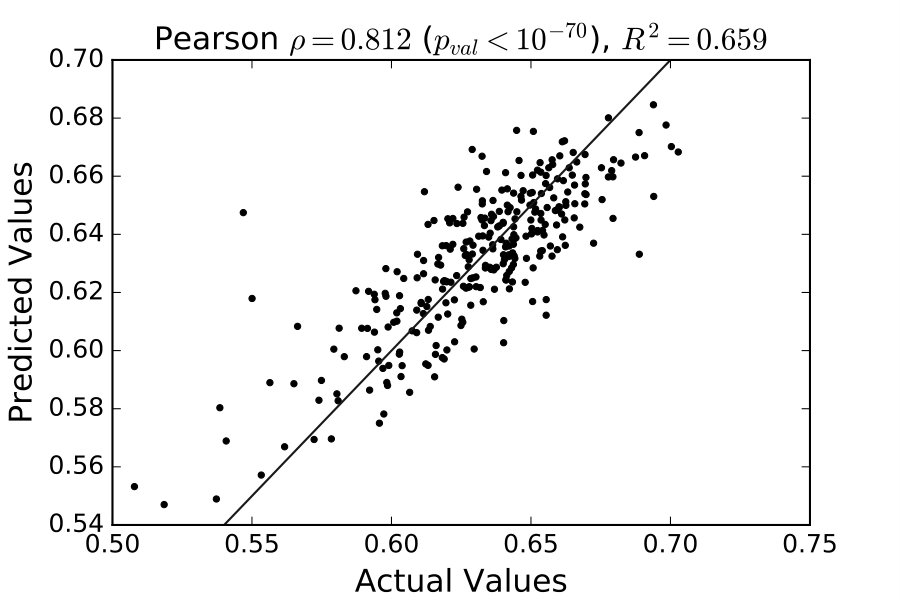 Figure 9
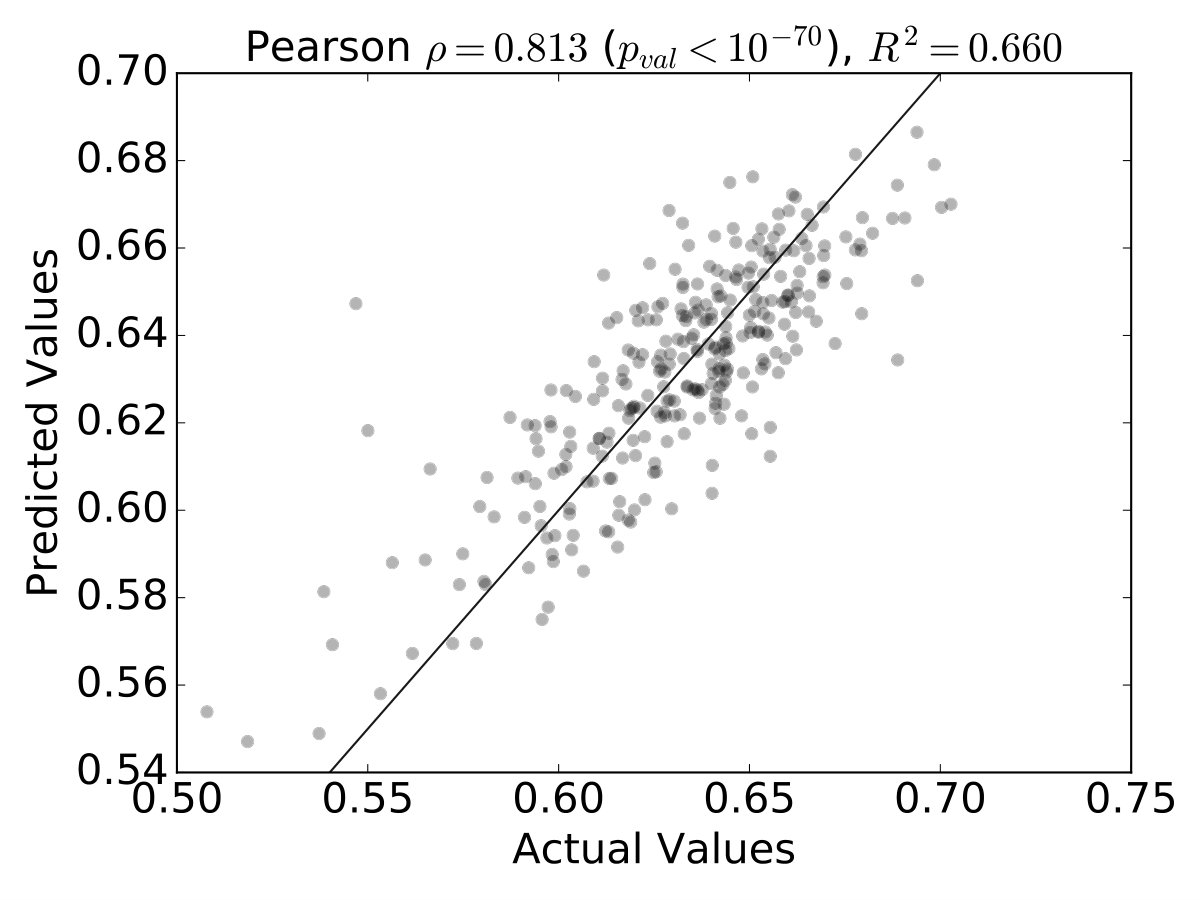 Figure 10
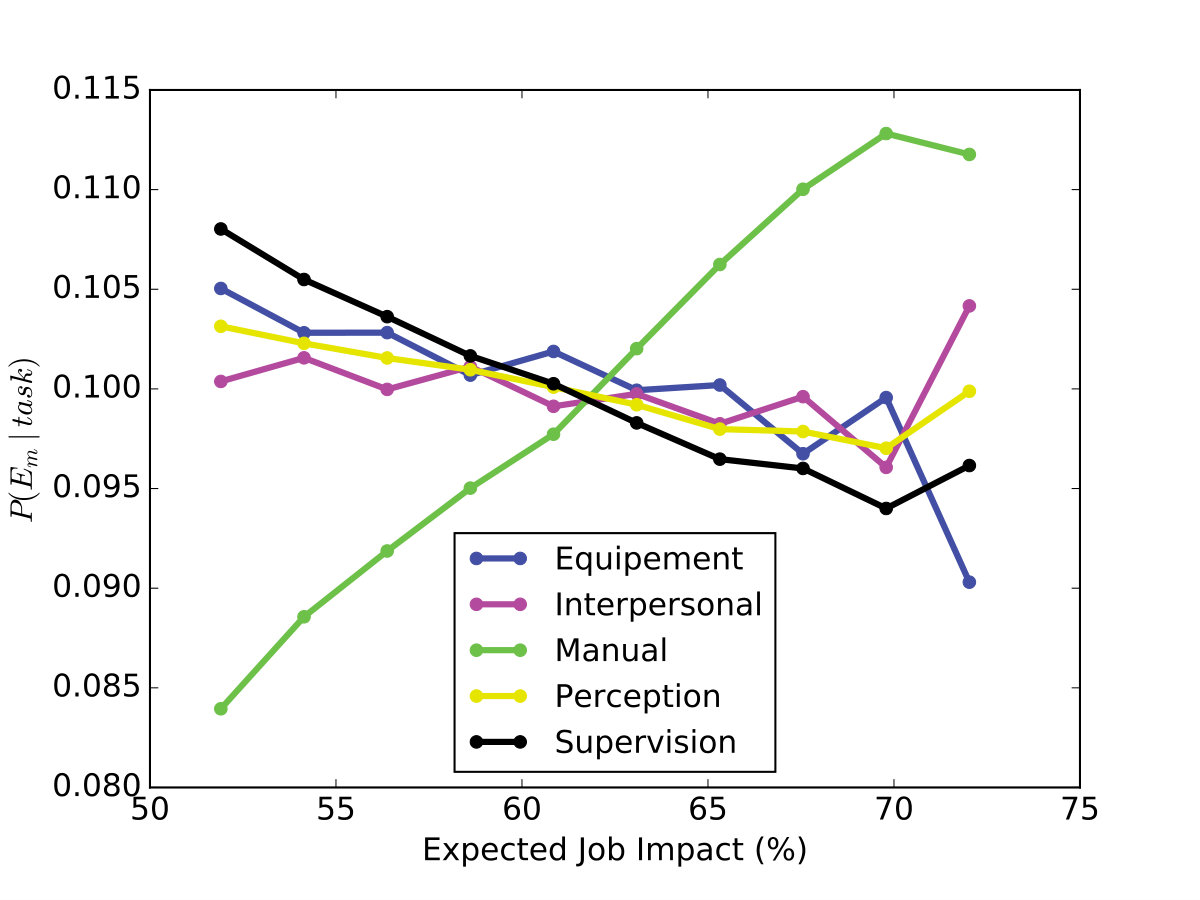 Figure 11
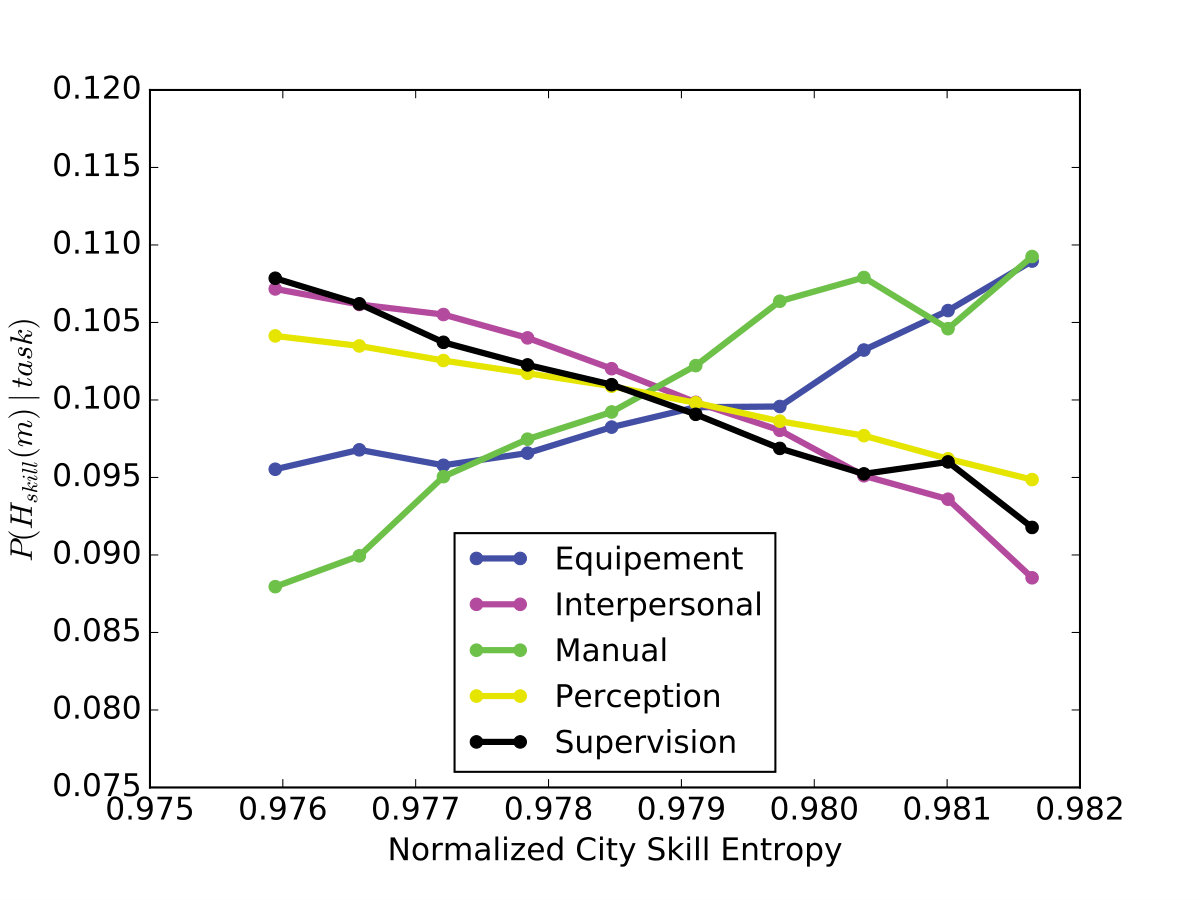 Figure 12
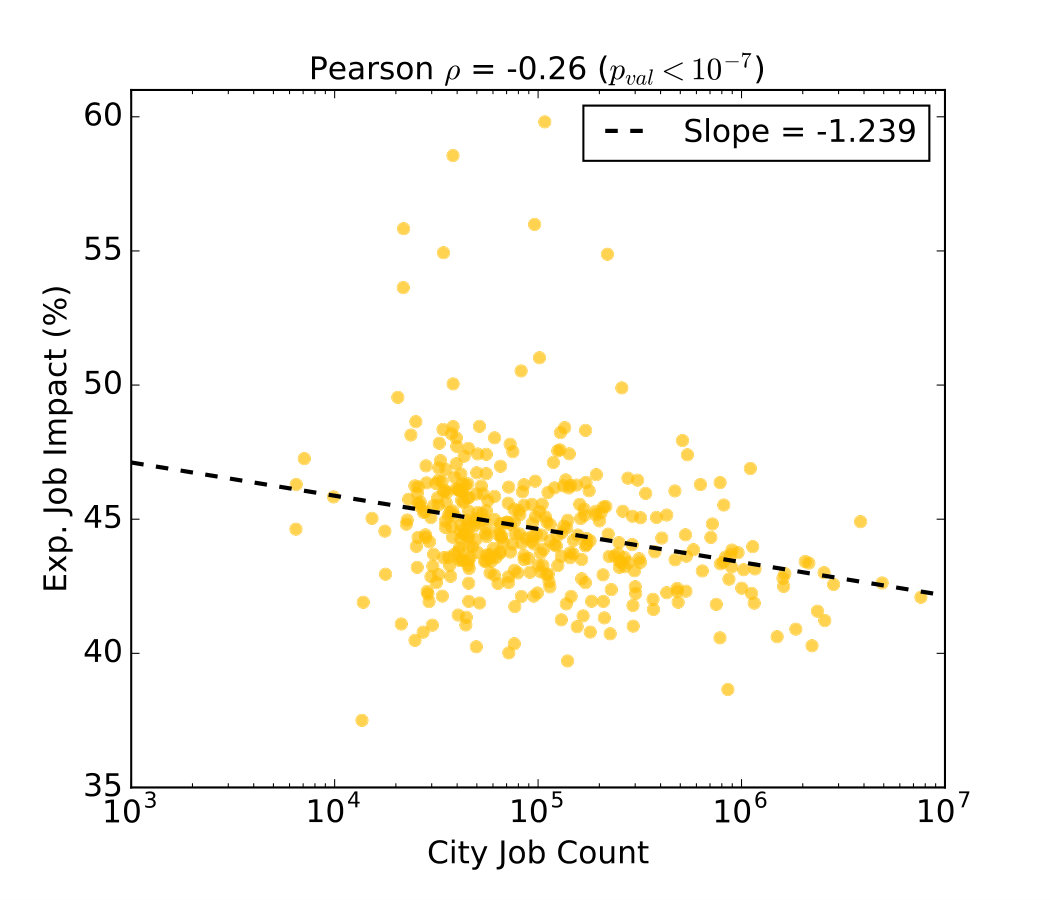 Figure 13
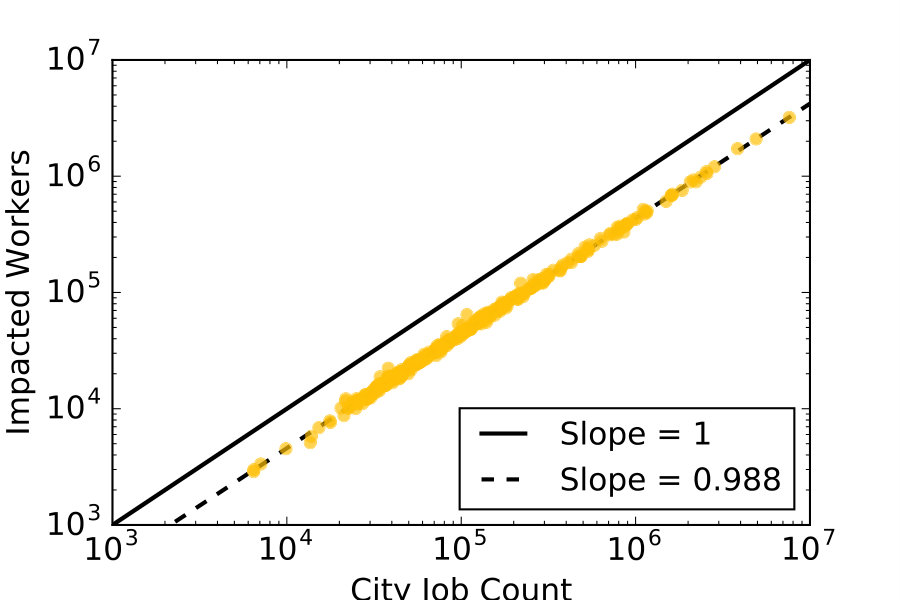 Figure 14
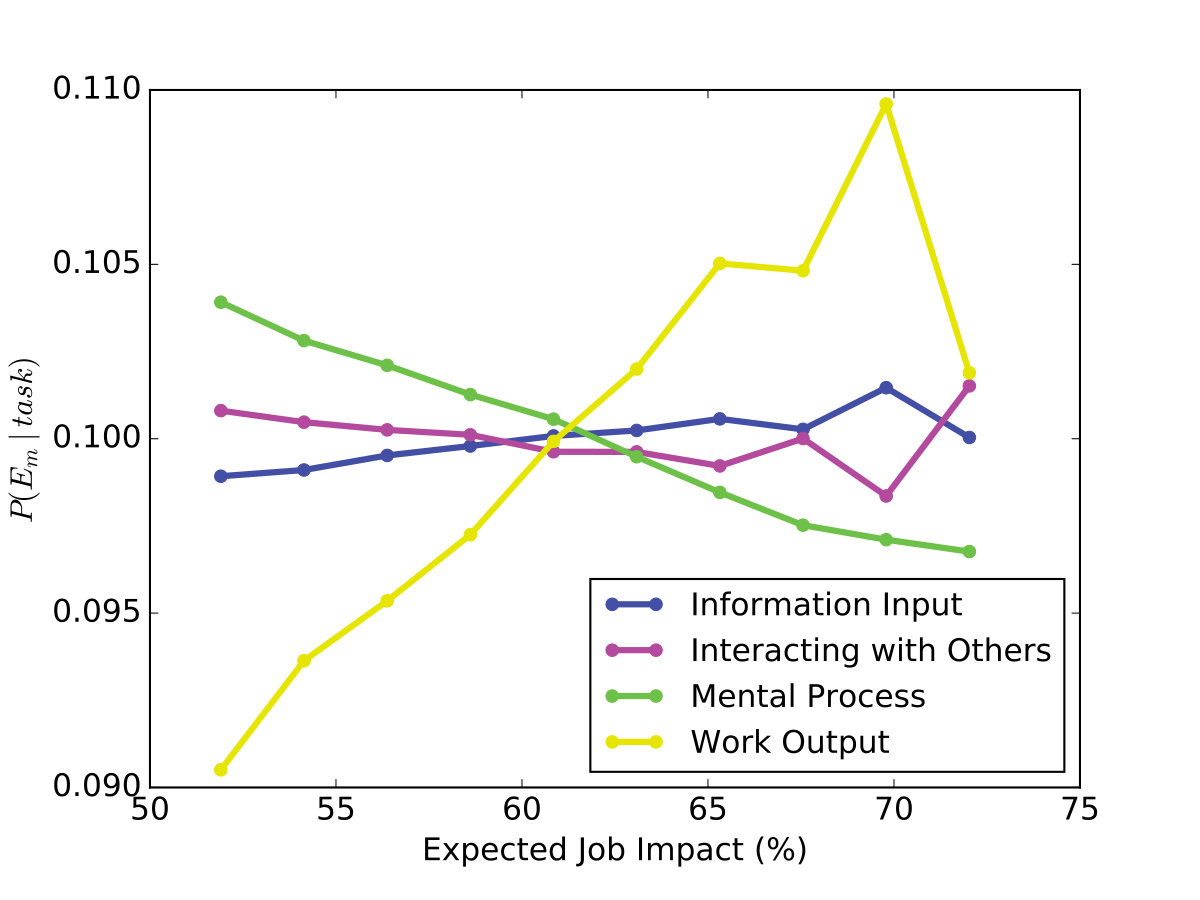 Figure 15
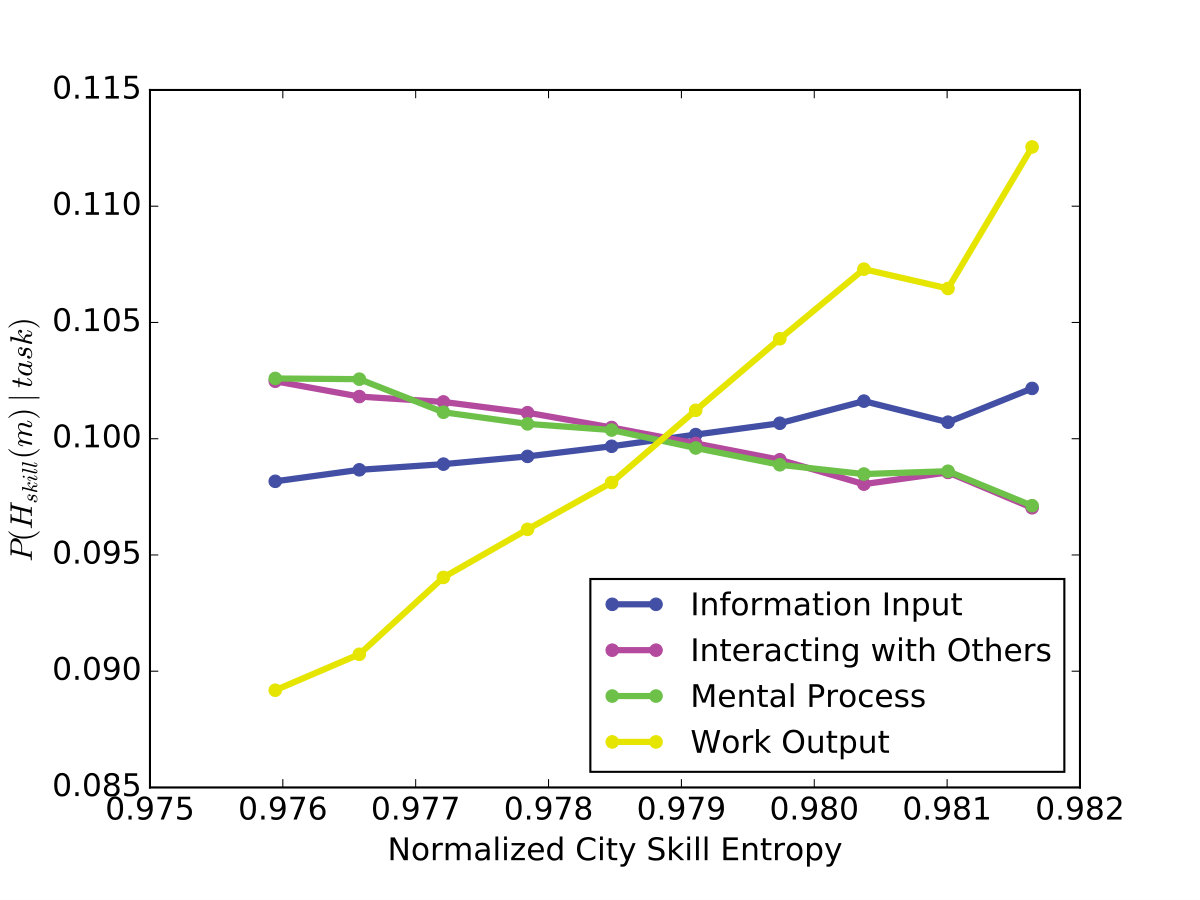 Figure 16
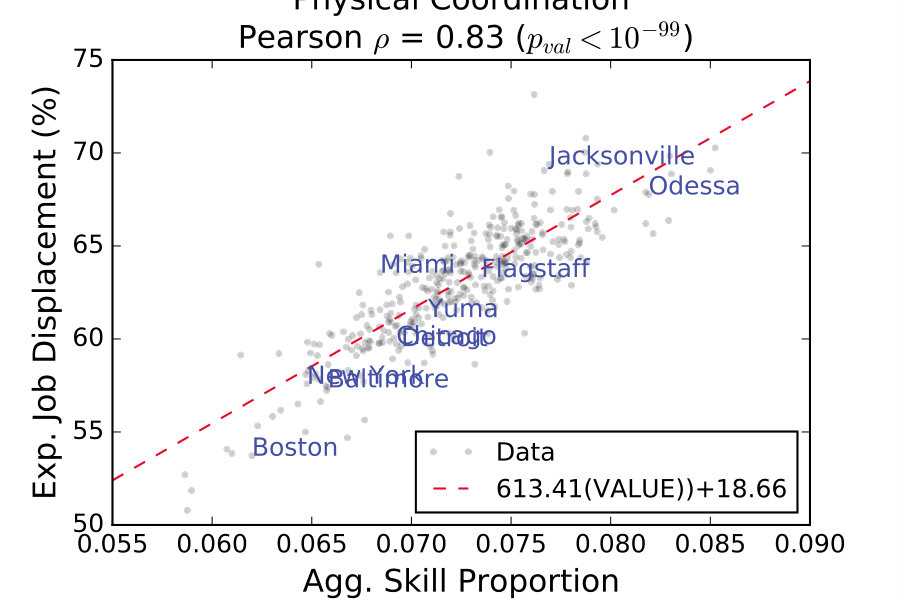 Figure 17
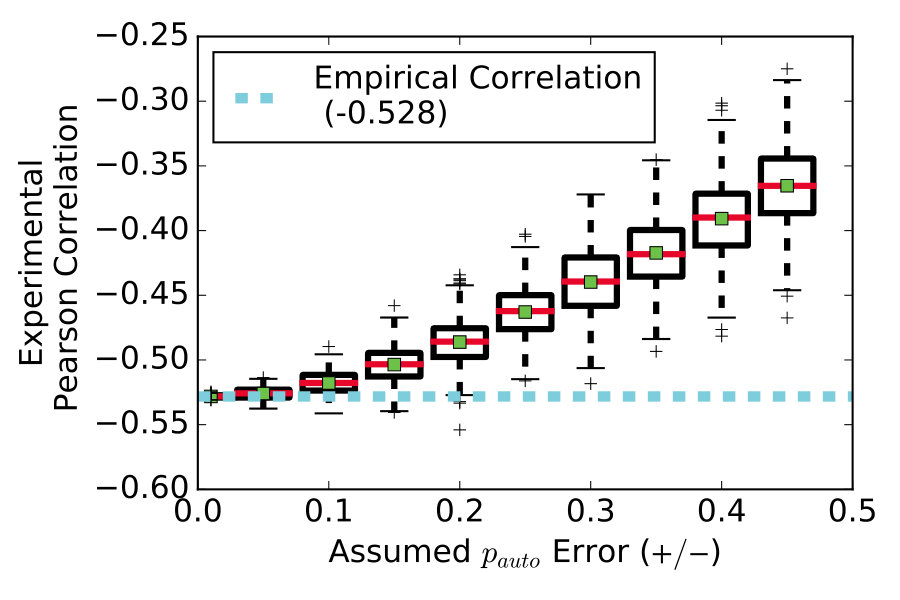 Figure 18
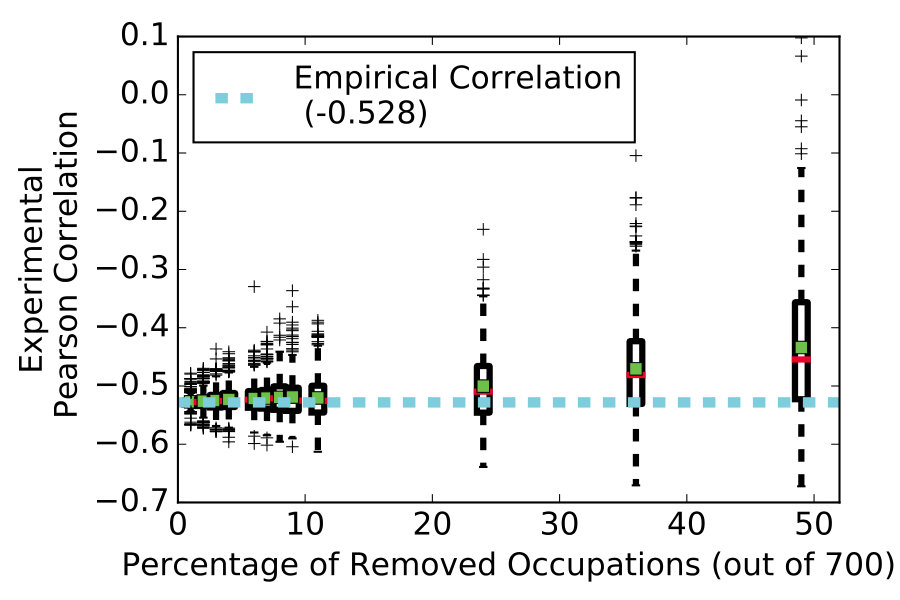 Figure 19
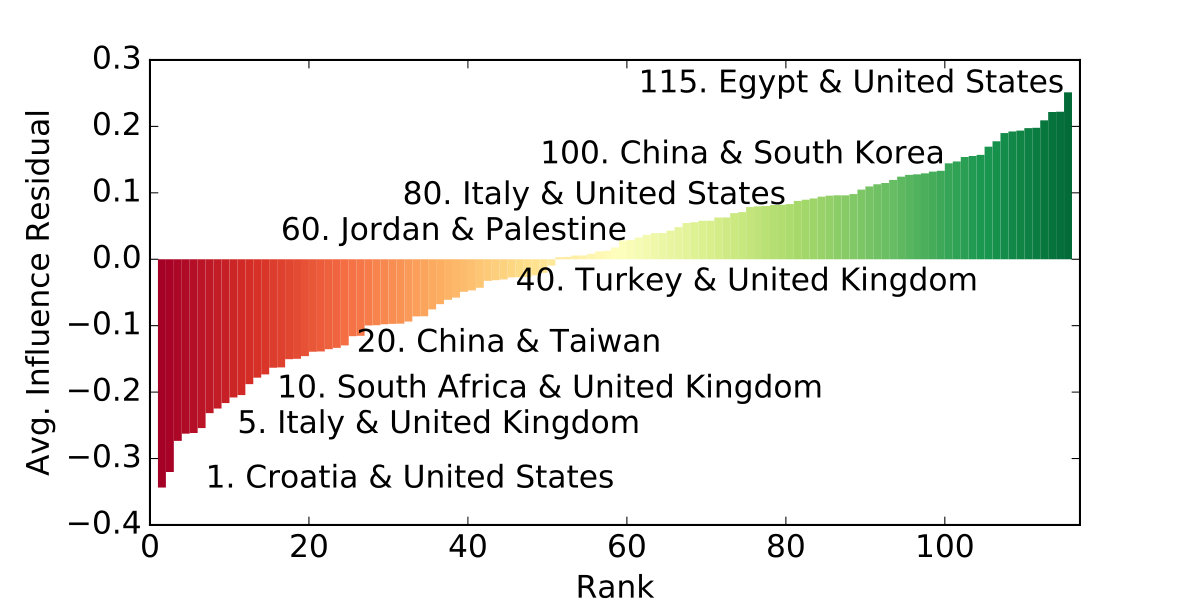 Figure 20
 Figure 21
 Figure 22
 Figure 23
 Figure 24
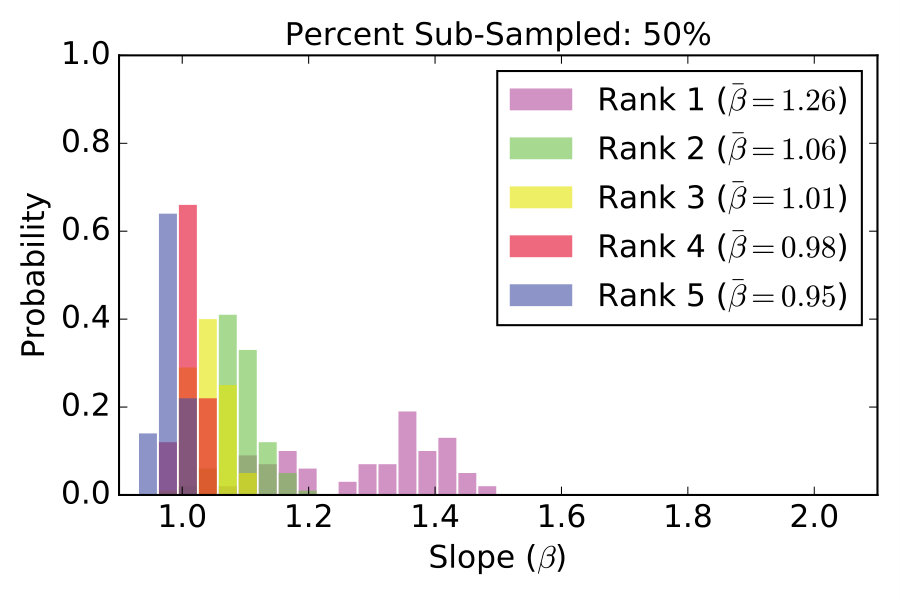 Figure 25
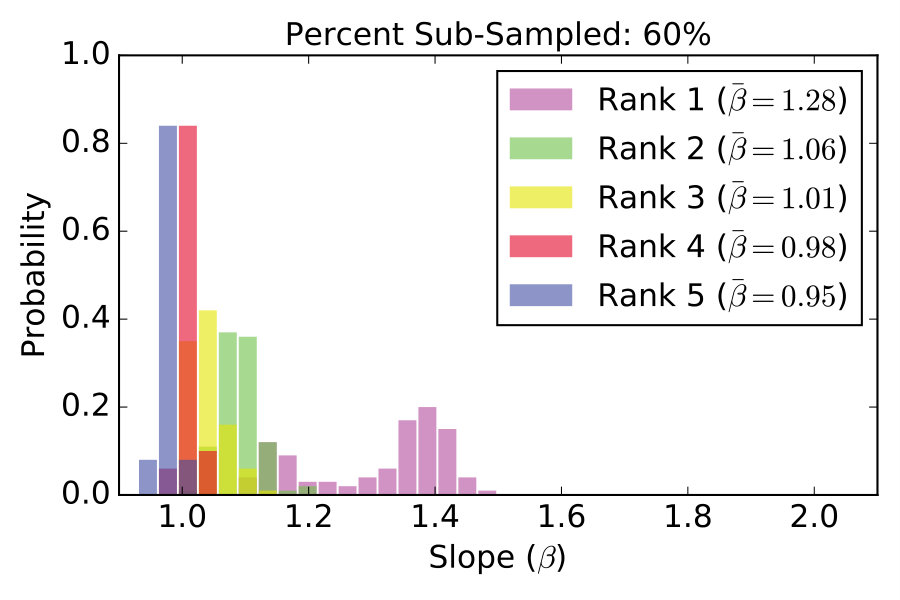 Figure 26
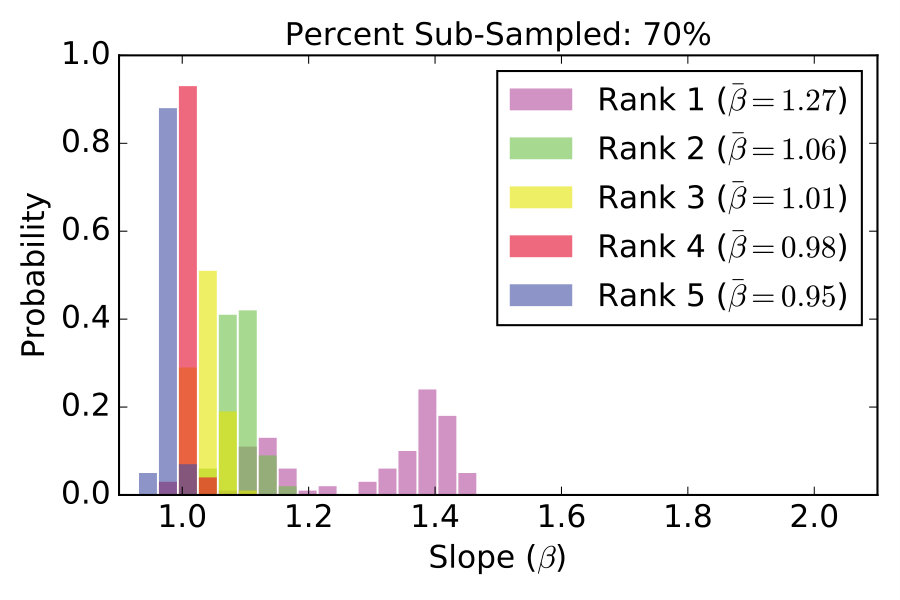 Figure 27
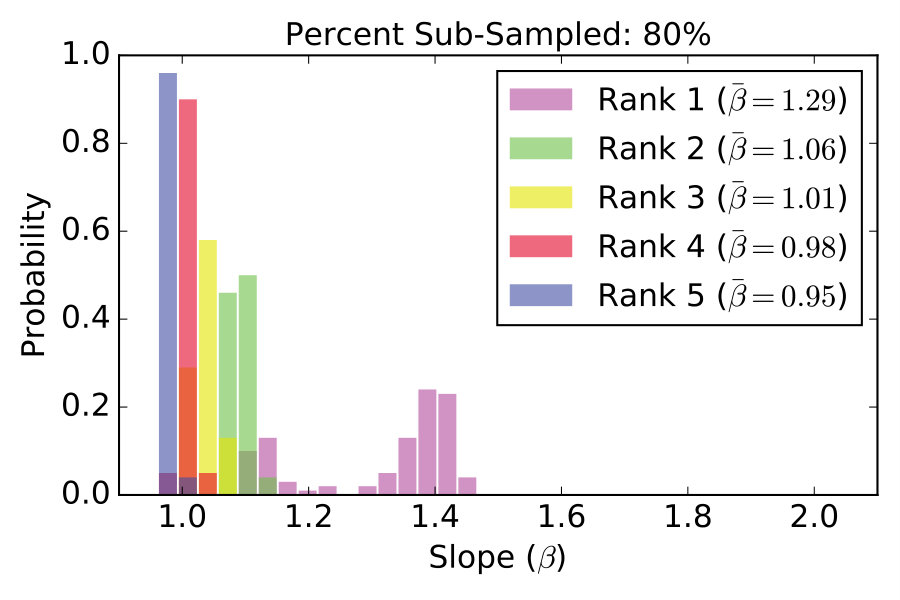 Figure 28
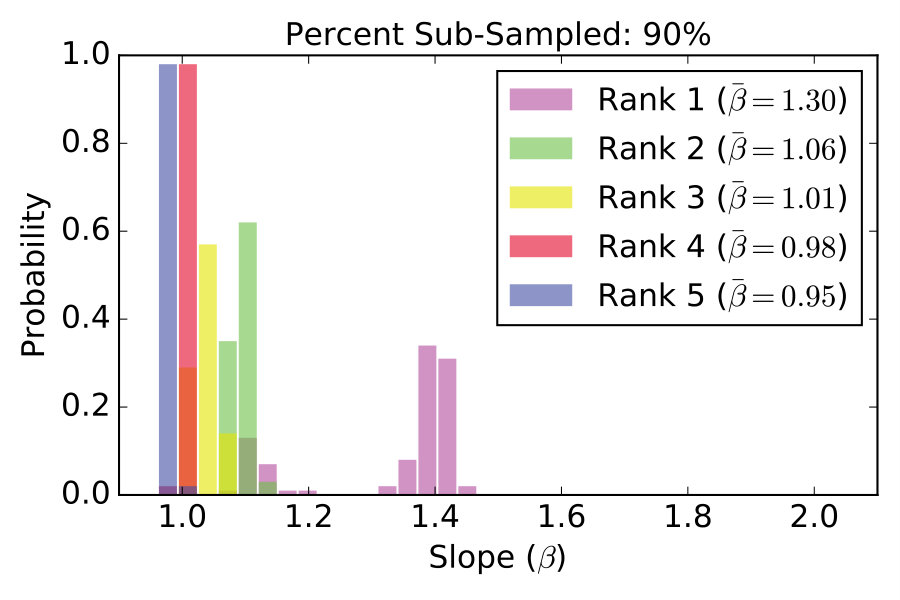 Figure 29
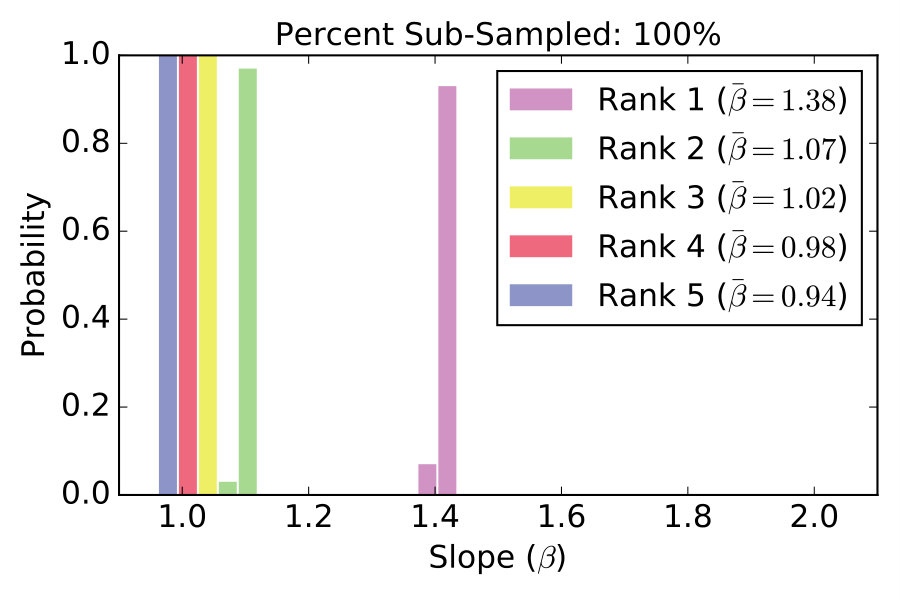 Figure 30
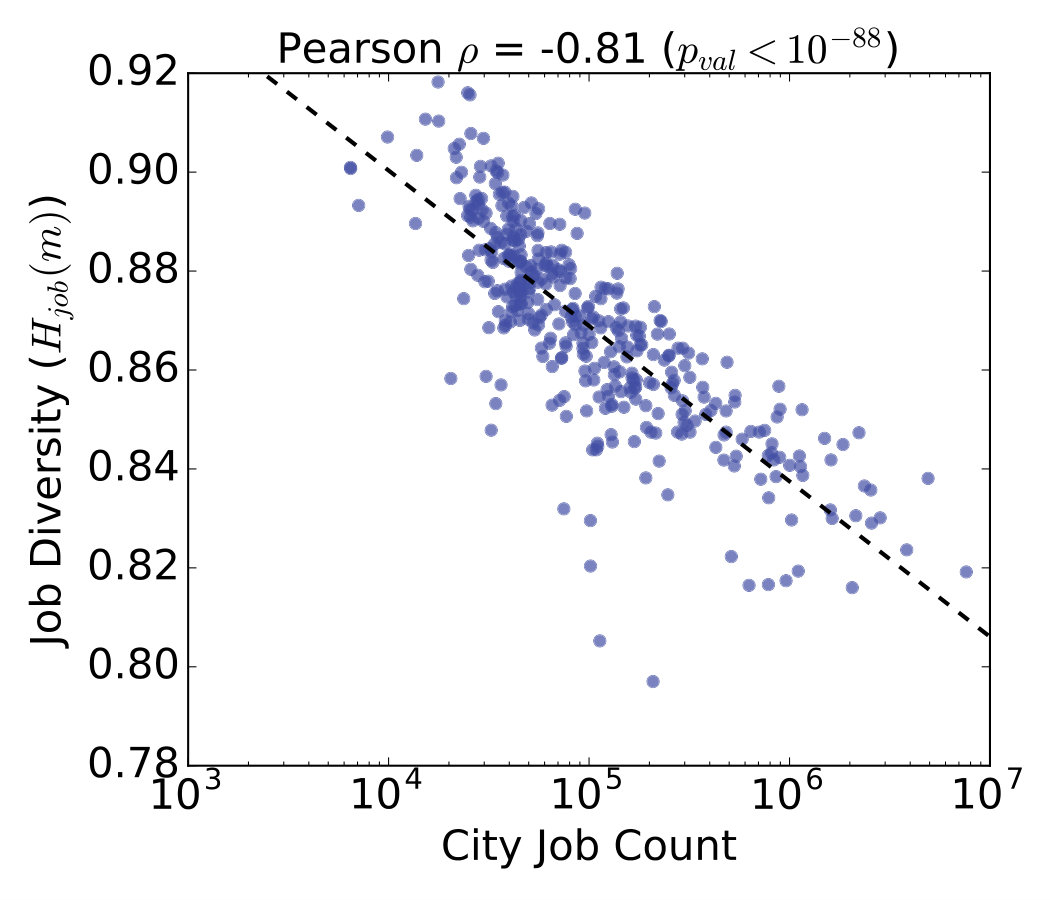 Figure 31
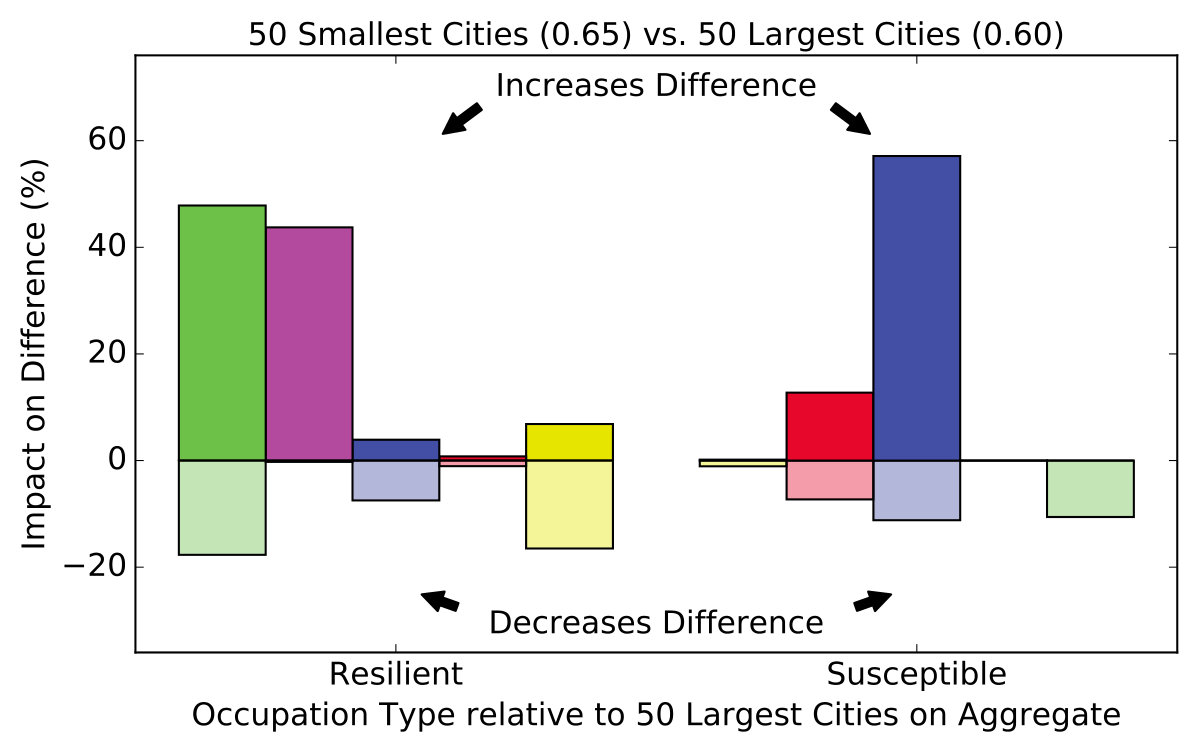 Figure 32
 Figure 33
 Figure 34
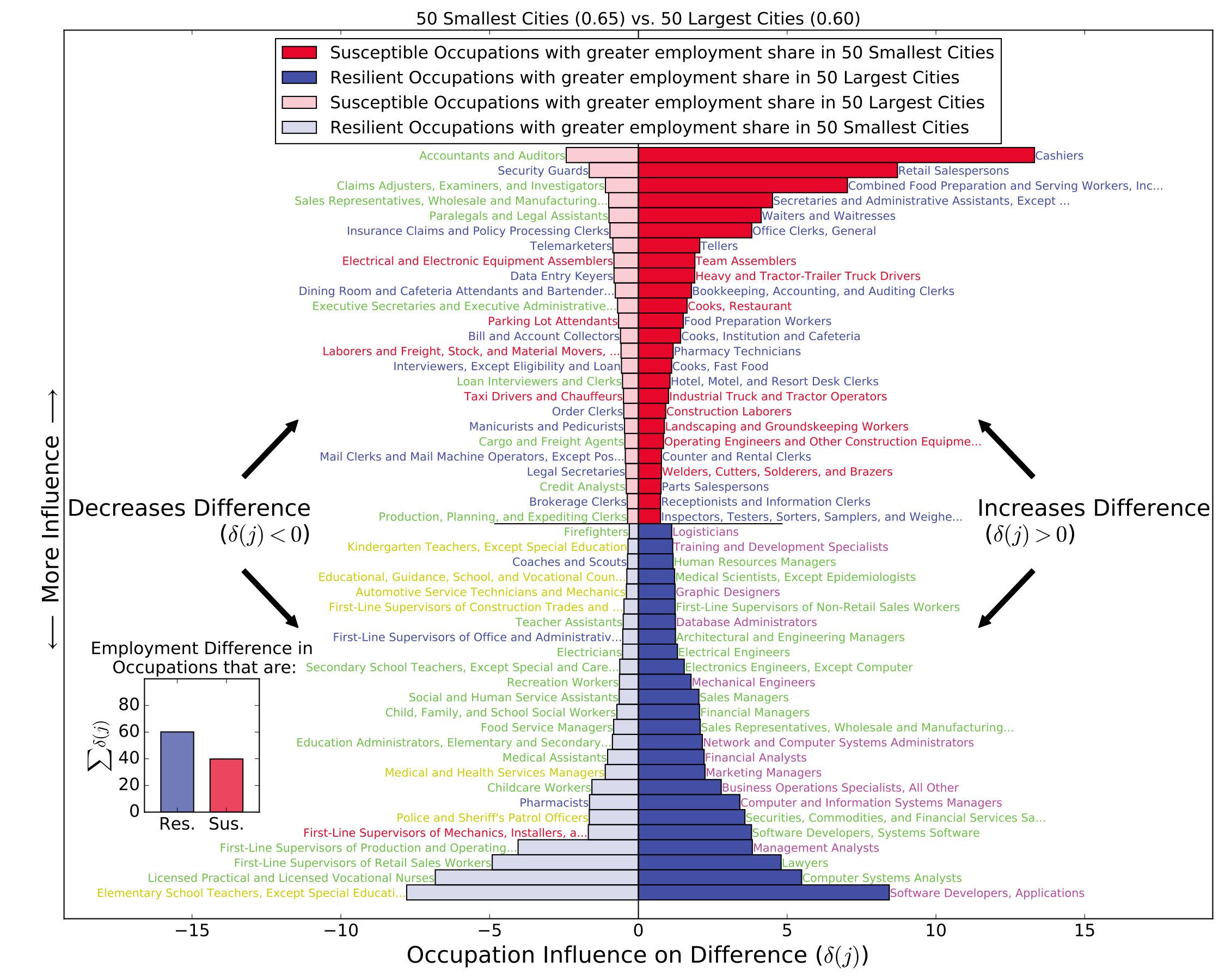 Figure 35
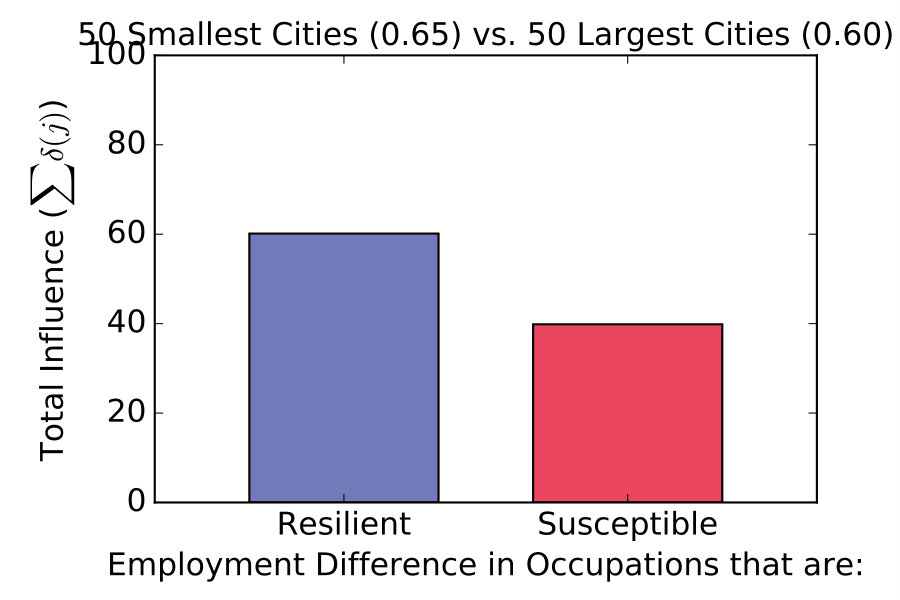 Figure 36
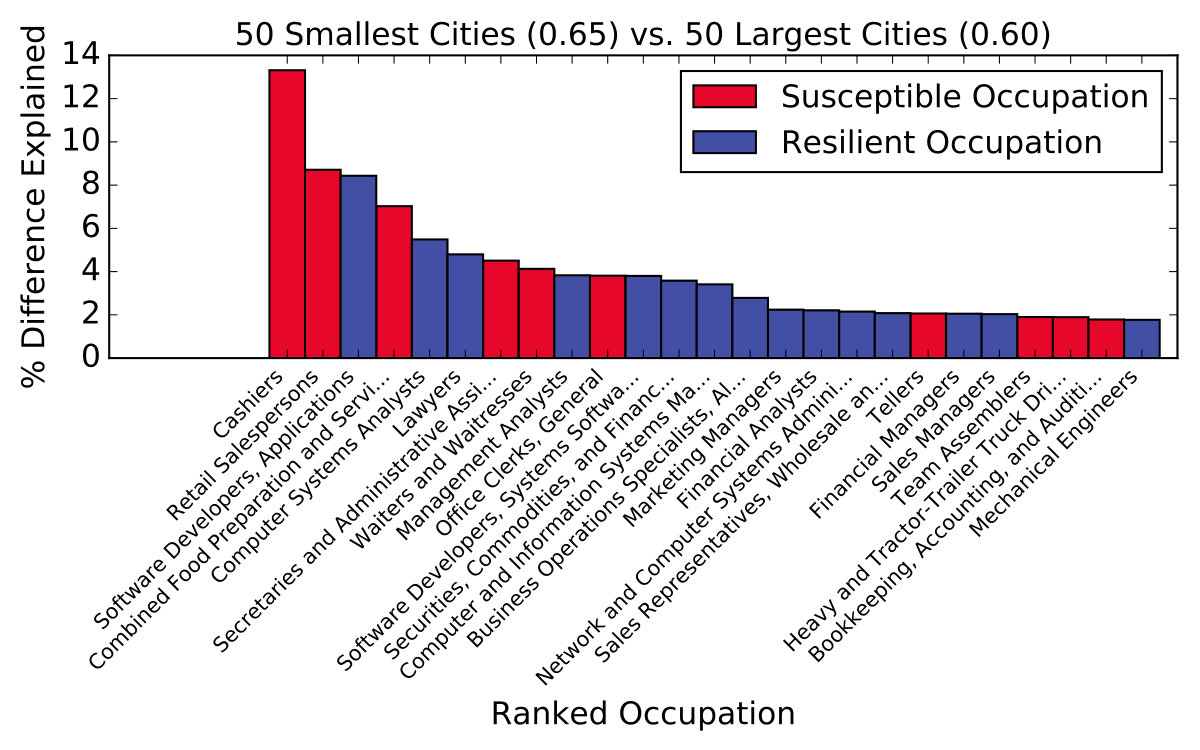 Figure 37
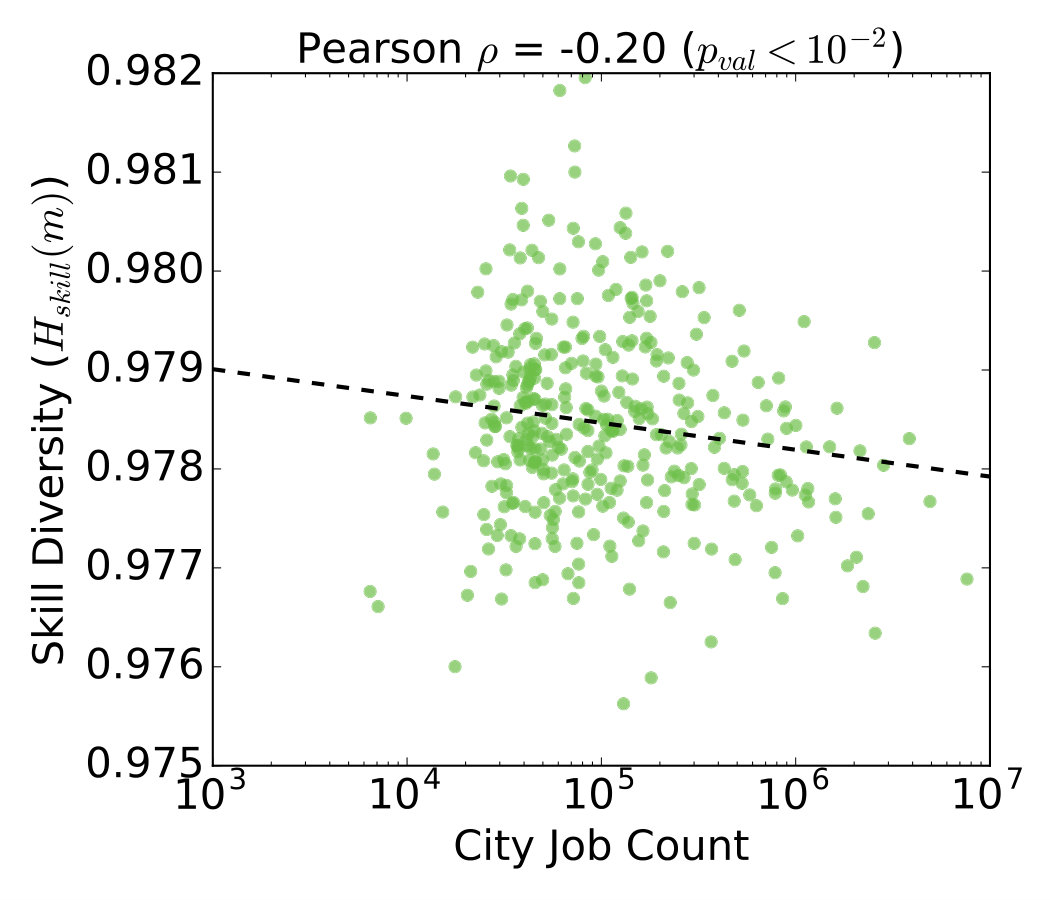 Figure 38
 Figure 39
 Figure 40
Peer Reviews
No public reviews on file for this paper yet. If you reviewed it on a platform where reviews are public (OpenReview, ICLR, NeurIPS, ICML), you can paste yours below so the community can read it here.
Videos
No videos yet. Explain this paper in a talk, walkthrough, or lecture? Add one.