Deterministic phase measurements exhibiting super-sensitivity and super-resolution
Clemens Sch\"afermeier, Miroslav Je\v{z}ek, Lars S. Madsen, Tobias, Gehring, Ulrik L. Andersen

TL;DR
This paper demonstrates a deterministic method using Gaussian states and homodyne detection to achieve both super-sensitivity and super-resolution in phase measurements, surpassing quantum noise limits with a simple setup.
Contribution
It introduces a fully deterministic approach combining Gaussian states and homodyne measurement for simultaneous super-sensitivity and super-resolution in phase estimation.
Findings
22-fold improvement in phase resolution
1.7-fold enhancement in sensitivity
Deterministic implementation with Gaussian states
Abstract
Phase super-sensitivity is obtained when the sensitivity in a phase measurement goes beyond the quantum shot noise limit, whereas super-resolution is obtained when the interference fringes in an interferometer are narrower than half the input wavelength. Here we show experimentally that these two features can be simultaneously achieved using a relatively simple setup based on Gaussian states and homodyne measurement. Using 430 photons shared between a coherent- and a squeezed vacuum state, we demonstrate a 22-fold improvement in the phase resolution while we observe a 1.7-fold improvement in the sensitivity. In contrast to previous demonstrations of super-resolution and super-sensitivity, this approach is fully deterministic.
Click any figure to enlarge with its caption.
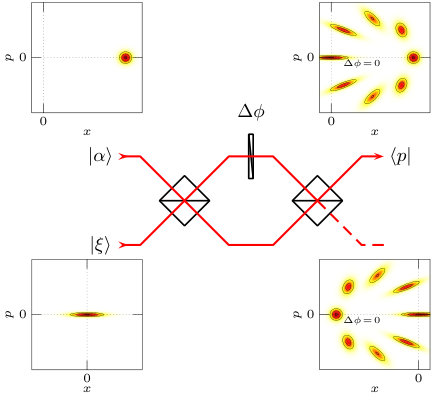 Figure 1
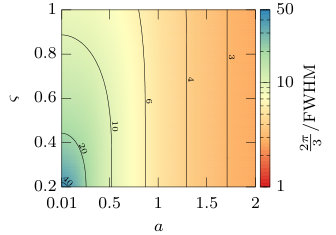 Figure 2
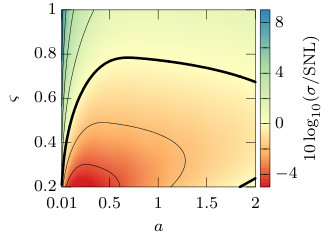 Figure 2
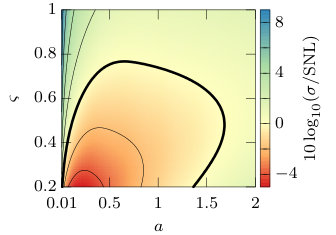 Figure 2
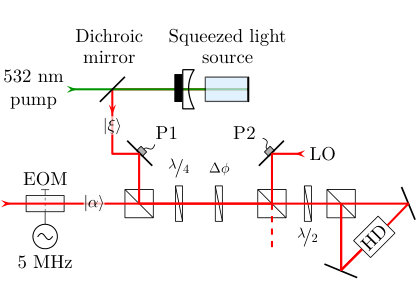 Figure 3
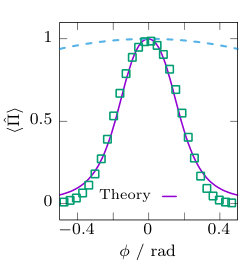 Figure 4
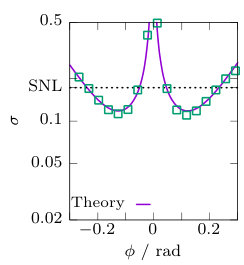 Figure 4
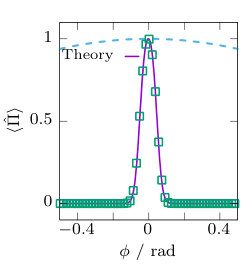 Figure 4
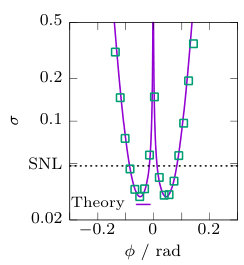 Figure 4
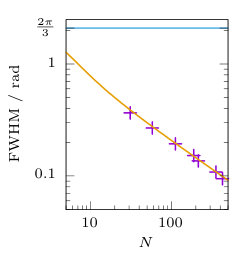 Figure 5
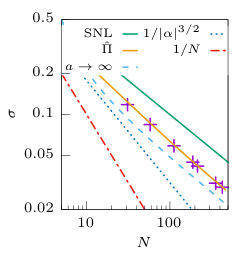 Figure 5
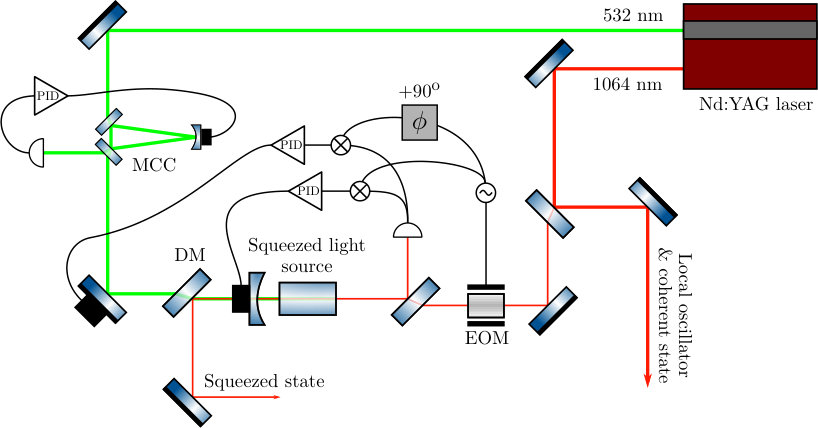 Figure 12
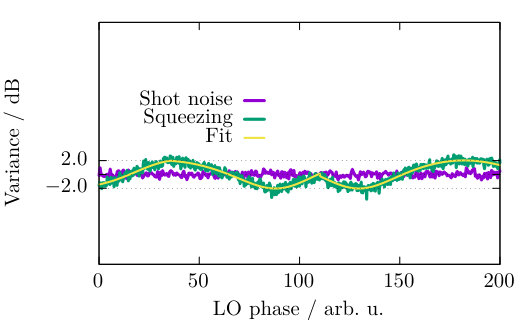 Figure 13
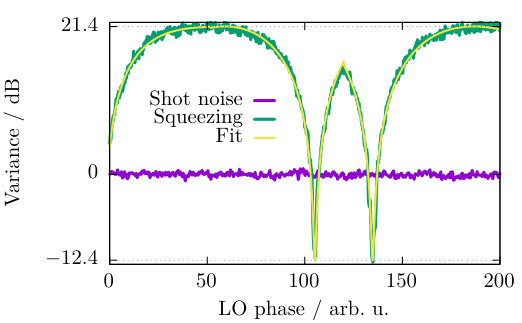 Figure 14
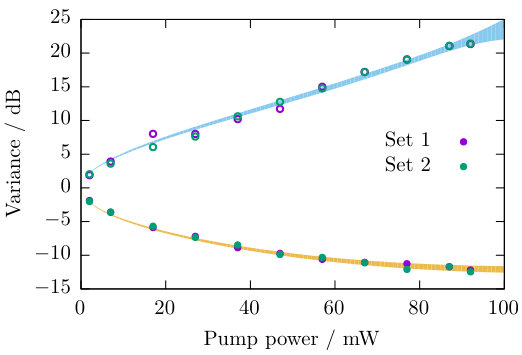 Figure 15
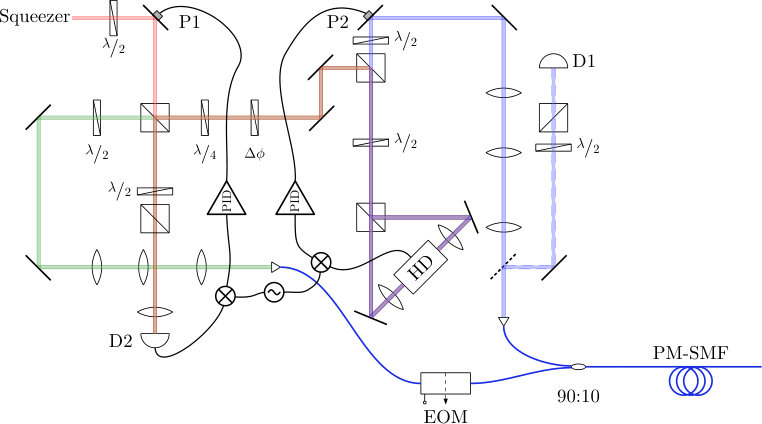 Figure 16
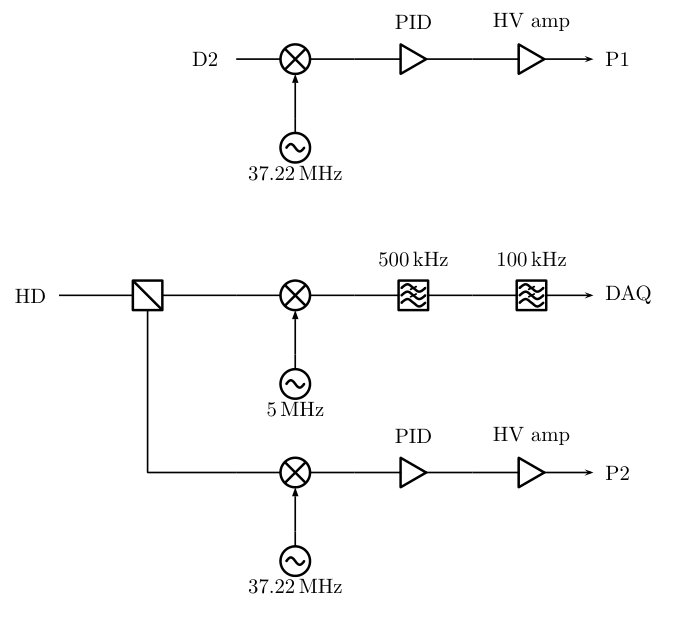 Figure 17
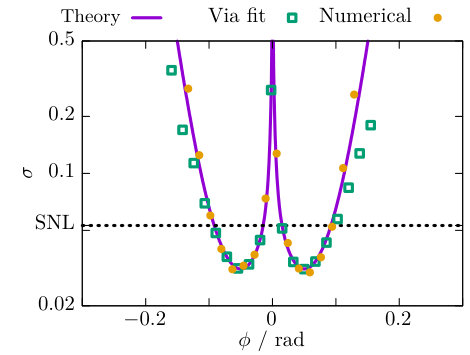 Figure 18
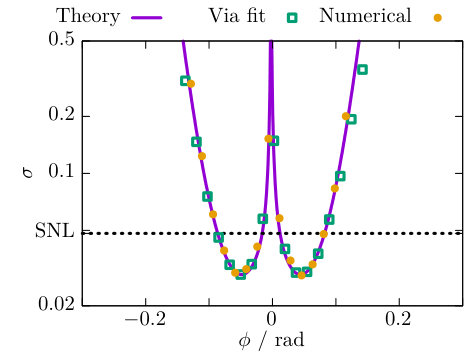 Figure 19
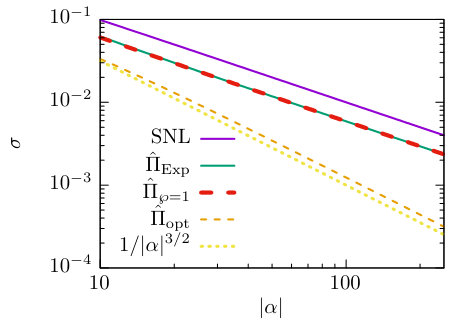 Figure 20
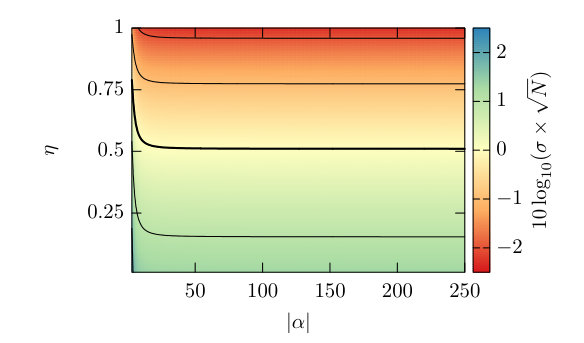 Figure 21
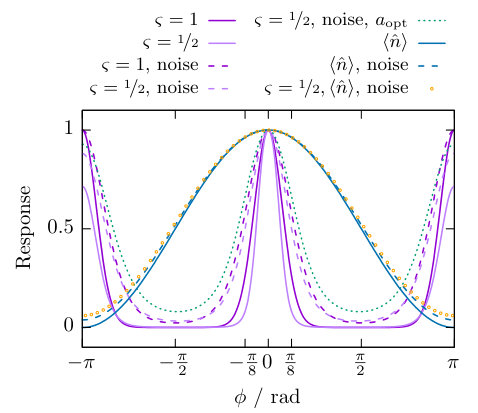 Figure 22
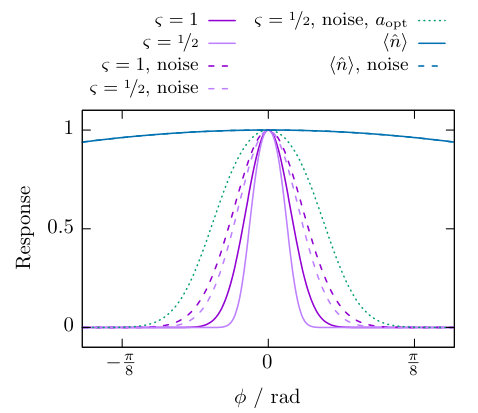 Figure 23
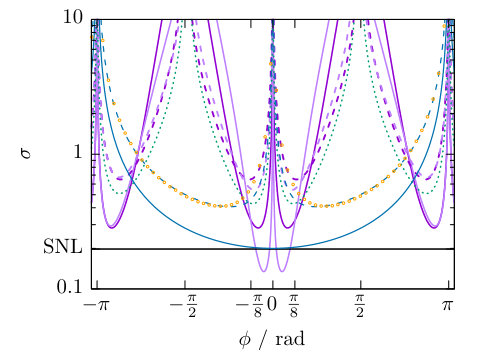 Figure 24
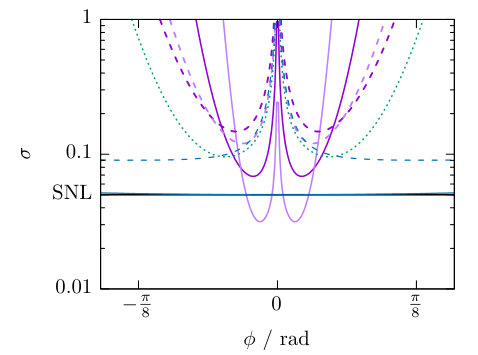 Figure 25
Peer Reviews
No public reviews on file for this paper yet. If you reviewed it on a platform where reviews are public (OpenReview, ICLR, NeurIPS, ICML), you can paste yours below so the community can read it here.
Videos
No videos yet. Explain this paper in a talk, walkthrough, or lecture? Add one.