The bi-layered precipitate phase zeta in the Al-Ag alloy system
Zezhong Zhang, Laure Bourgeois, Julian M. Rosalie, Nikhil V. Medhekar

TL;DR
This paper reports the discovery of a new layered precipitate phase, zeta, in the Al-Ag alloy system, characterized by STEM and first-principles calculations, revealing its role as an intermediate in phase transformations.
Contribution
The study identifies and characterizes a previously unknown zeta phase in the Al-Ag system, providing insights into its structure and formation during alloy aging.
Findings
Zeta is a new layered precipitate phase in Al-Ag alloys.
Zeta acts as an intermediate between GP zones and gamma prime.
First-principles calculations confirm zeta as a local energy minimum.
Abstract
The Al-Ag system is thought to be a well-understood model system used to study diffusional phase transformations in alloys. Here we report the existence of a new precipitate phase, zeta, in this classical system using scanning transmission electron microscopy (STEM). The zeta phase has a modulated structure composed of alternating bilayers enriched in Al or Ag. Our in situ annealing experiments reveal that the zeta phase is an intermediate precipitate phase between GP zones epsilon and gamma prime. First-principles calculations show that z is a local energy minimum state formed during Ag clustering in Al. The layered structure of zeta is analogous to the well-known Ag segregation at the precipitate-matrix interfaces when Ag is micro- alloyed in various aluminium alloys.
Click any figure to enlarge with its caption.
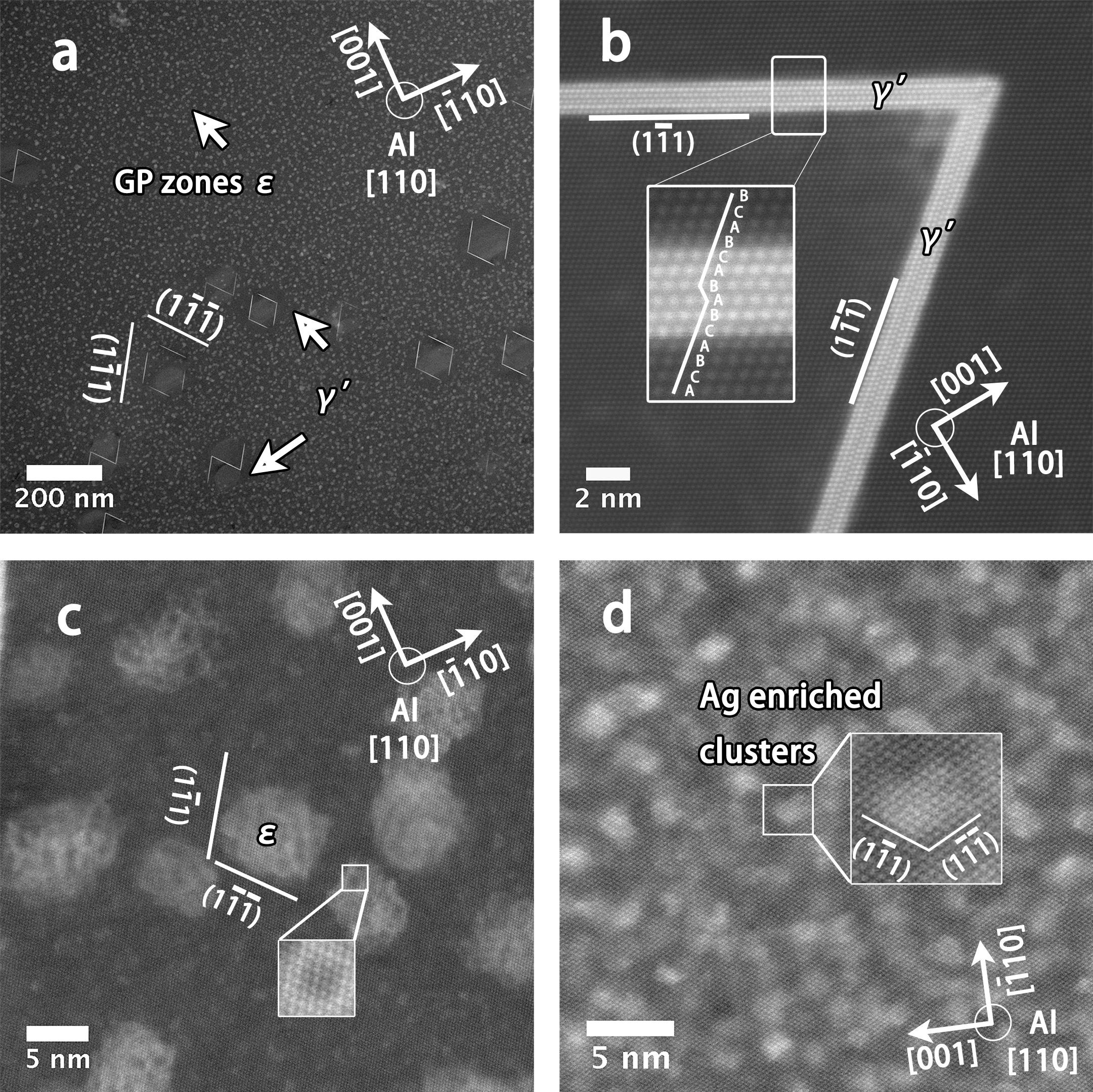 Figure 1
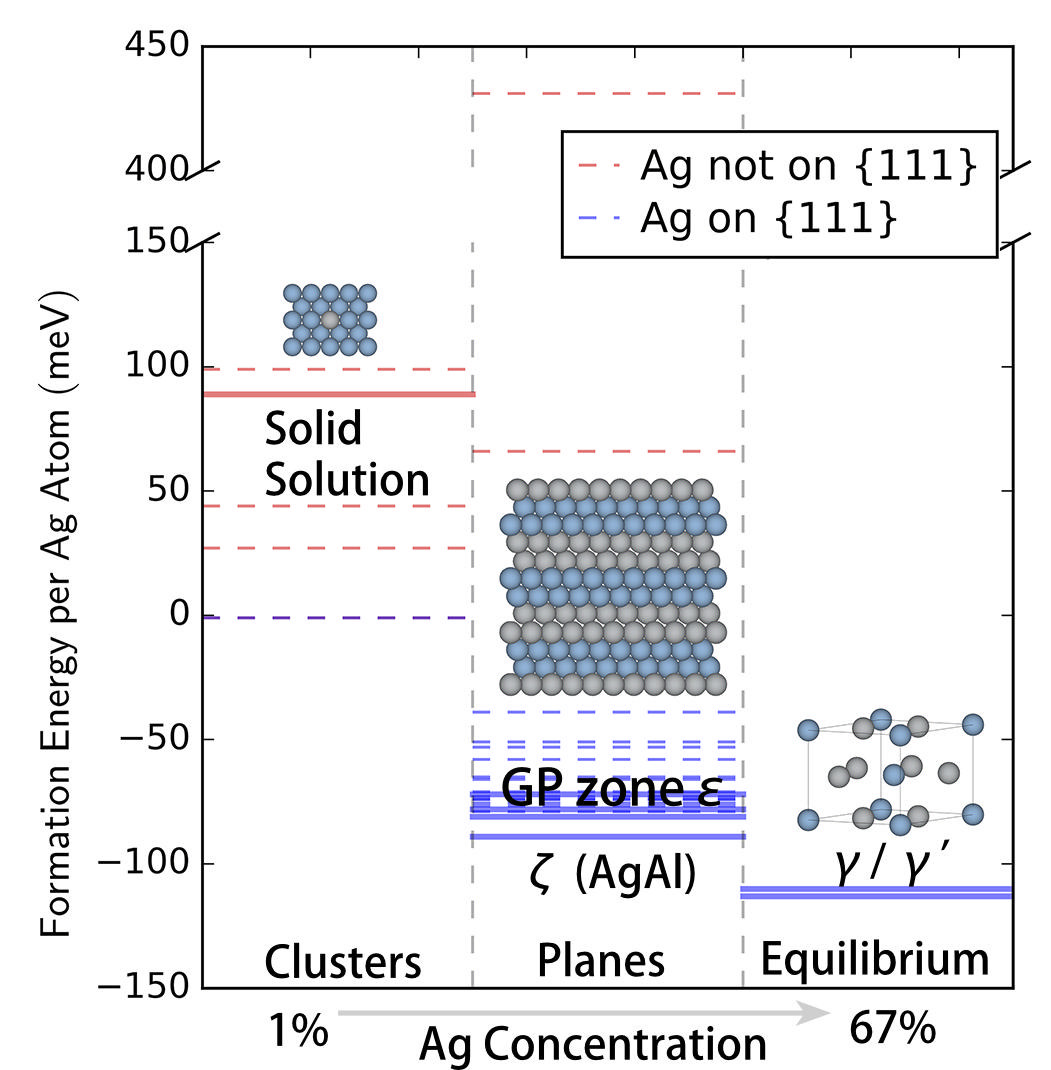 Figure 10
 Figure 2
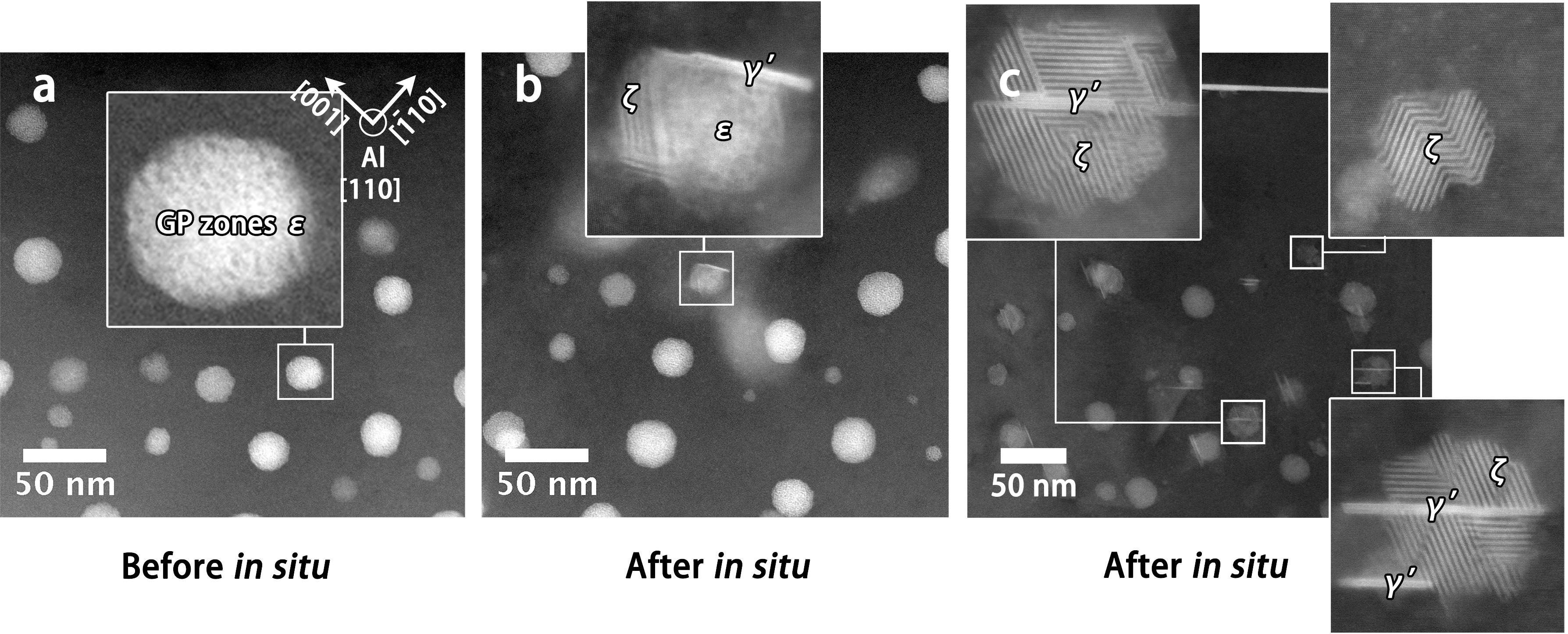 Figure 3
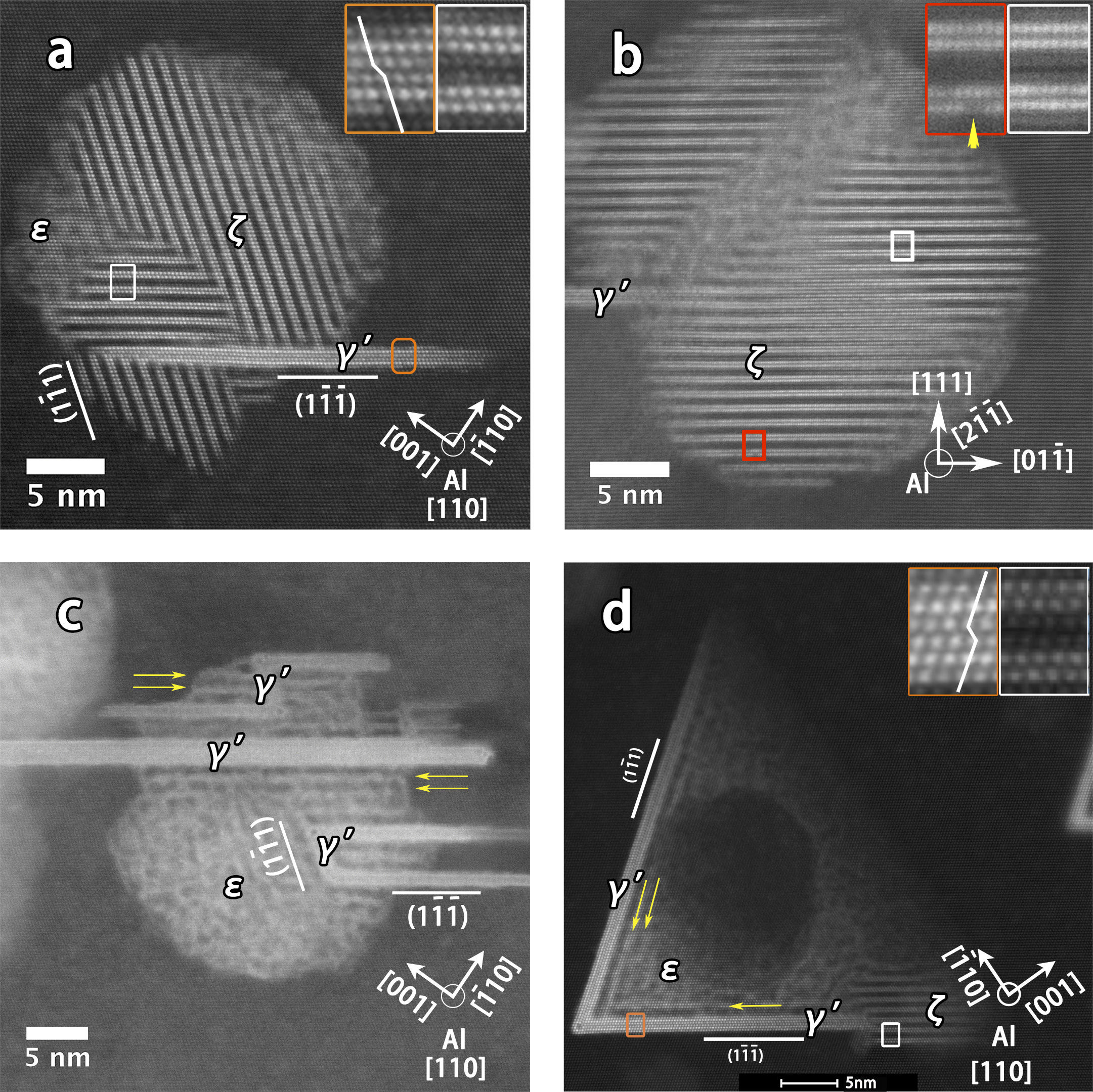 Figure 4
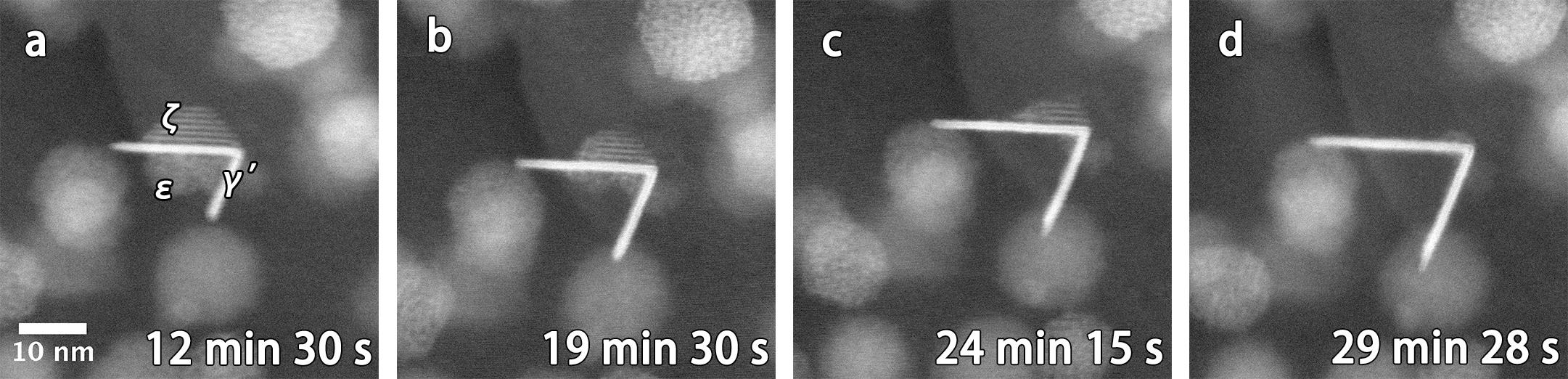 Figure 5
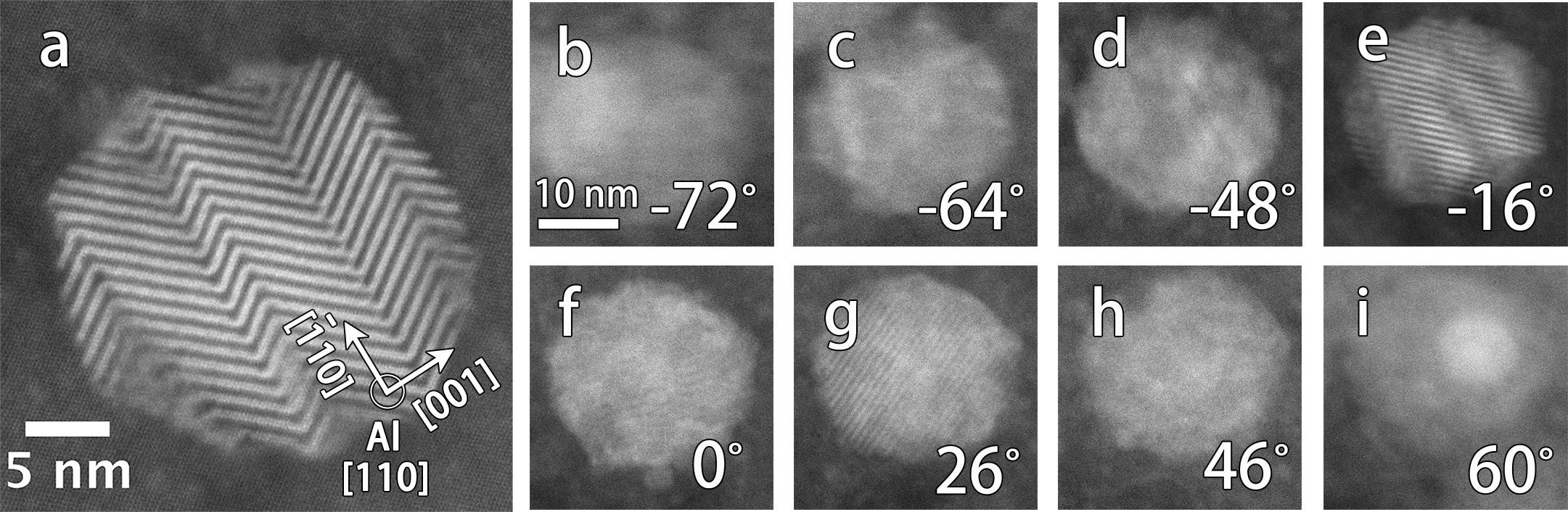 Figure 6
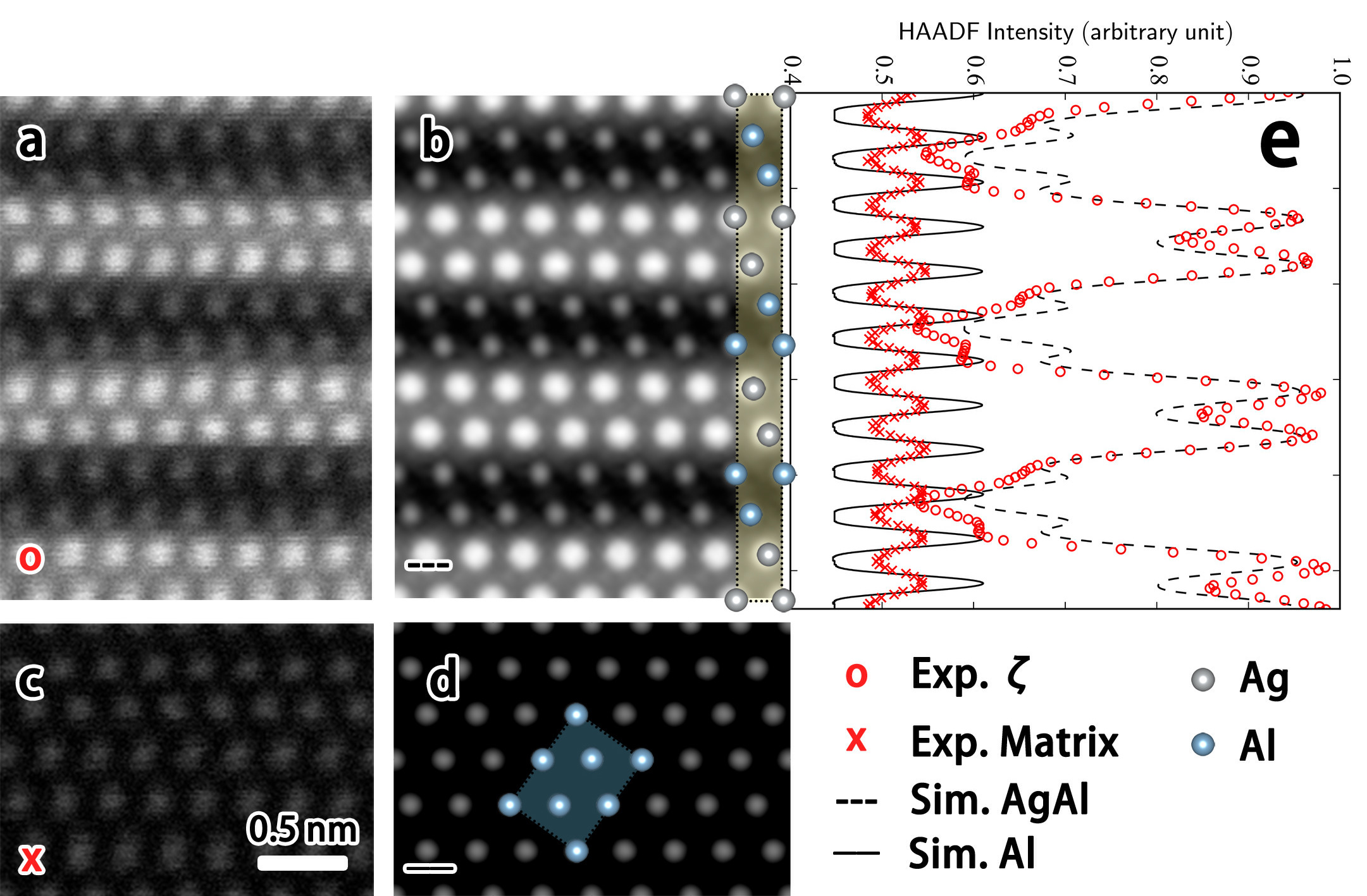 Figure 7
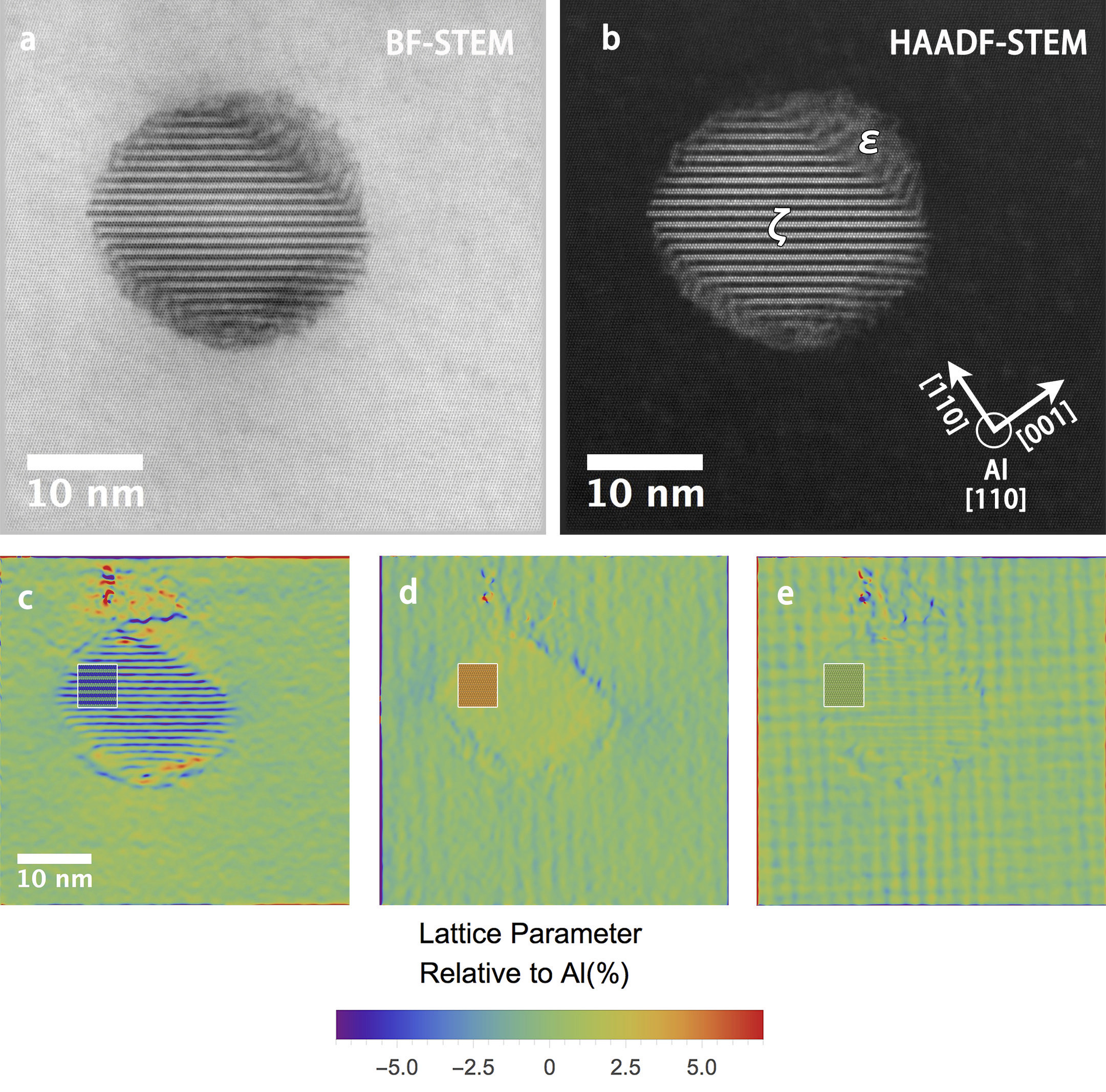 Figure 8
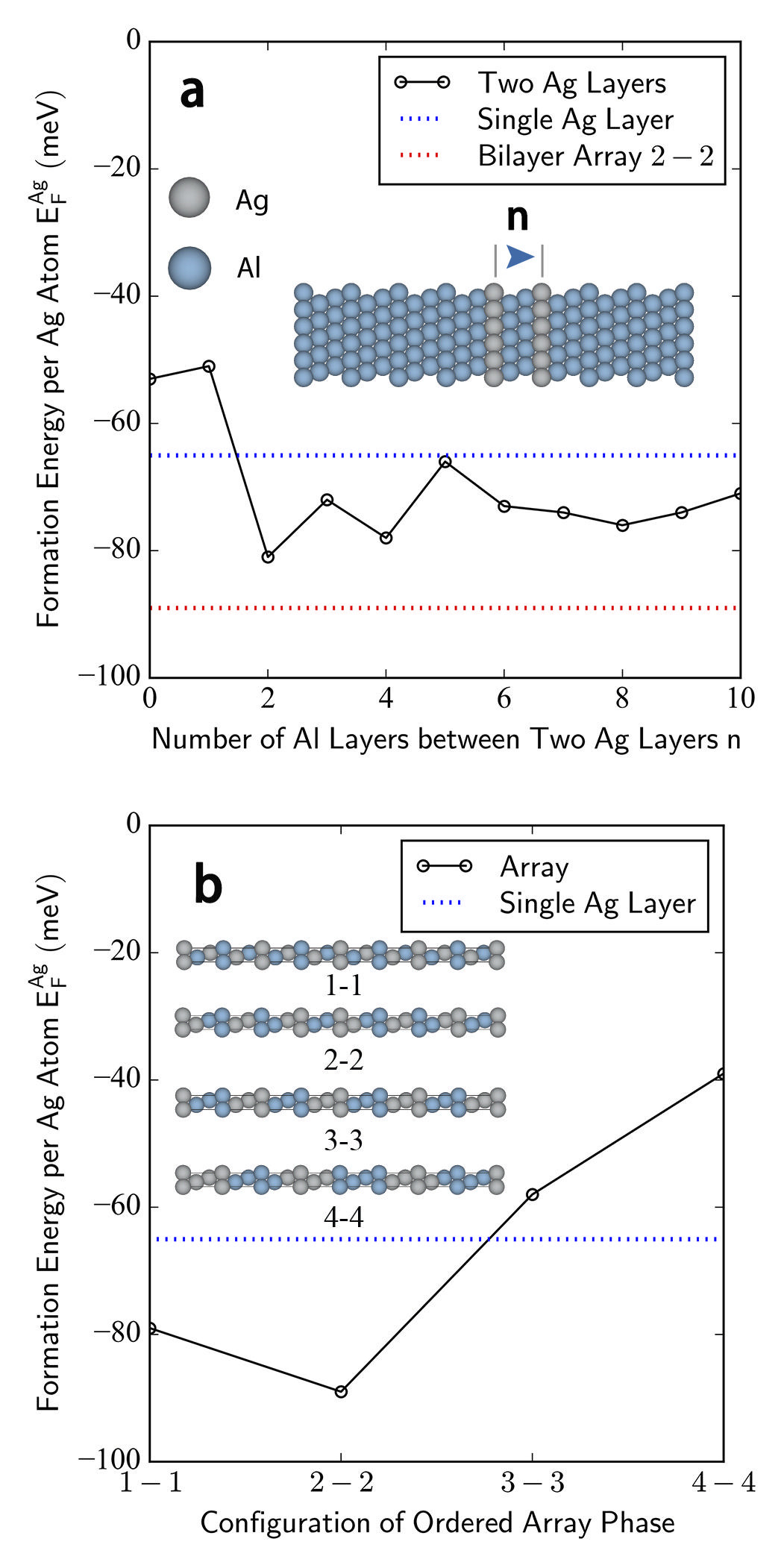 Figure 9
Peer Reviews
No public reviews on file for this paper yet. If you reviewed it on a platform where reviews are public (OpenReview, ICLR, NeurIPS, ICML), you can paste yours below so the community can read it here.
Videos
No videos yet. Explain this paper in a talk, walkthrough, or lecture? Add one.