Dynamic Models of Wasserstein-1-Type Unbalanced Transport
Bernhard Schmitzer, Benedikt Wirth

TL;DR
This paper introduces a dynamic formulation for Wasserstein-1-type unbalanced transport problems, providing an equivalent static model, analyzing optimal solutions, and comparing with existing models in the literature.
Contribution
It derives a computationally efficient static formulation from dynamic models with transport costs proportional to distance, and analyzes the relationship between dynamic and static models.
Findings
Derived an equivalent static formulation for dynamic unbalanced transport models.
Analyzed the structure of optimal mass transport and change.
Compared the proposed models with existing formulations in the literature.
Abstract
We consider a class of convex optimization problems modelling temporal mass transport and mass change between two given mass distributions (the so-called dynamic formulation of unbalanced transport), where we focus on those models for which transport costs are proportional to transport distance. For those models we derive an equivalent, computationally more efficient static formulation, we perform a detailed analysis of the model optimizers and the associated optimal mass change and transport, and we examine which static models are generated by a corresponding equivalent dynamic one. Alongside we discuss thoroughly how the employed model formulations relate to other formulations found in the literature.
Click any figure to enlarge with its caption.
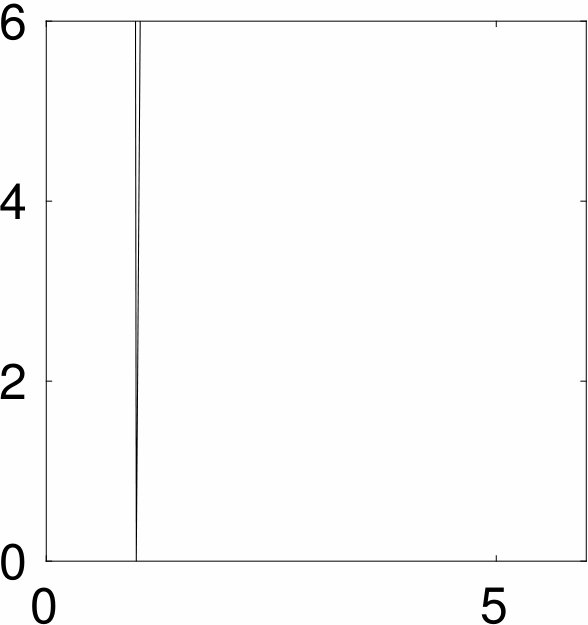 Figure 1
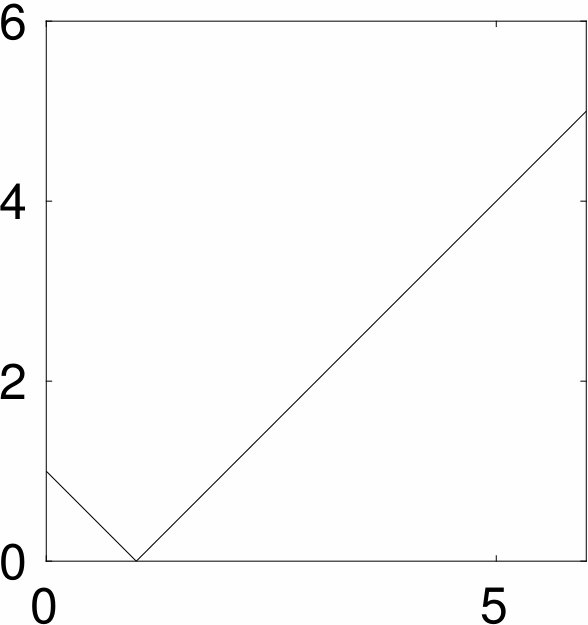 Figure 2
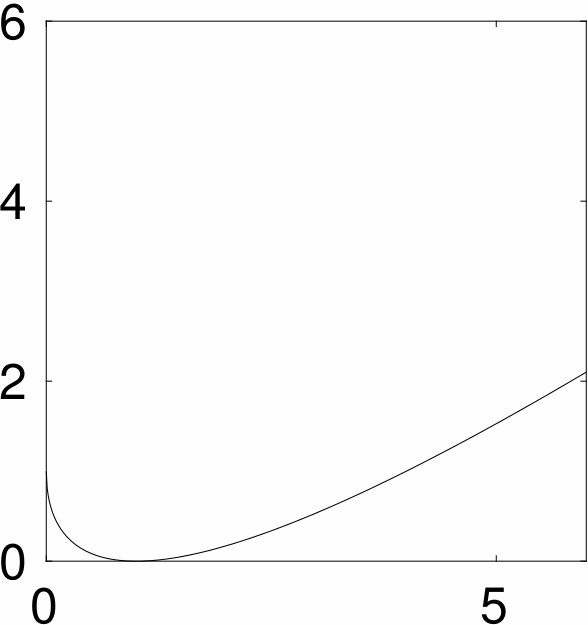 Figure 3
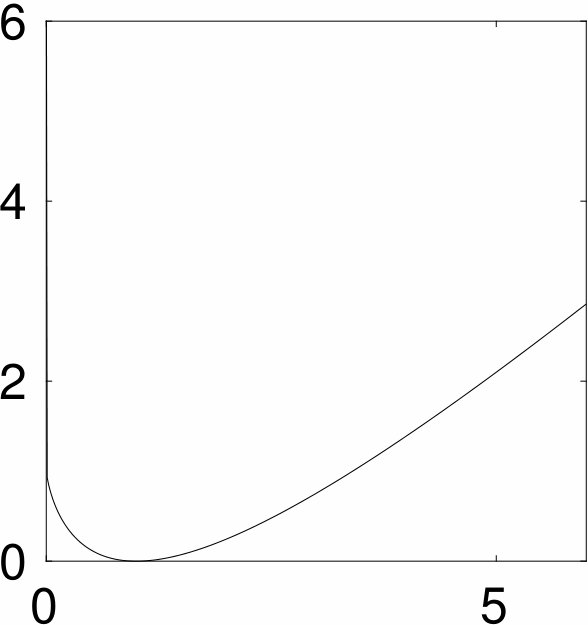 Figure 4
 Figure 5
 Figure 6
 Figure 7
 Figure 8
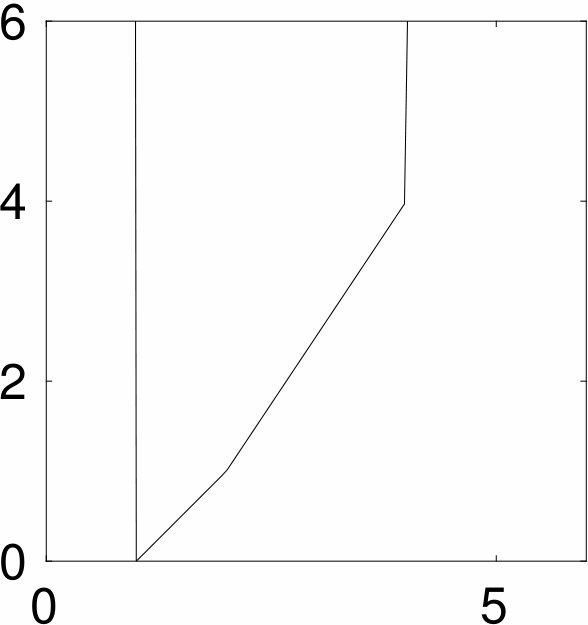 Figure 9
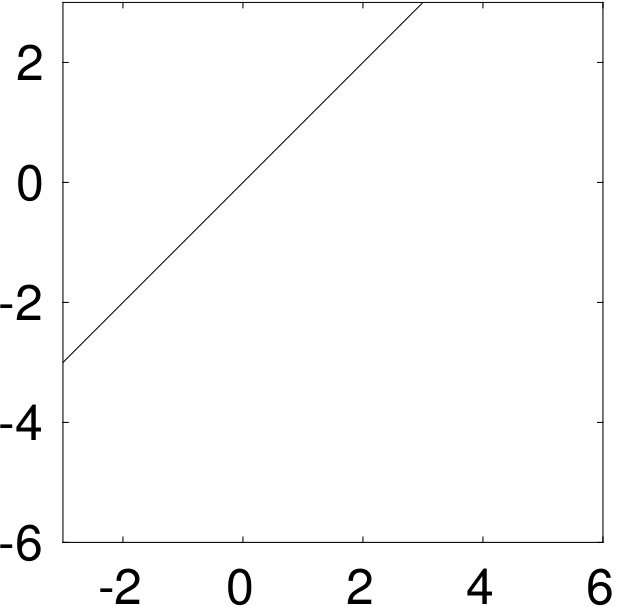 Figure 10
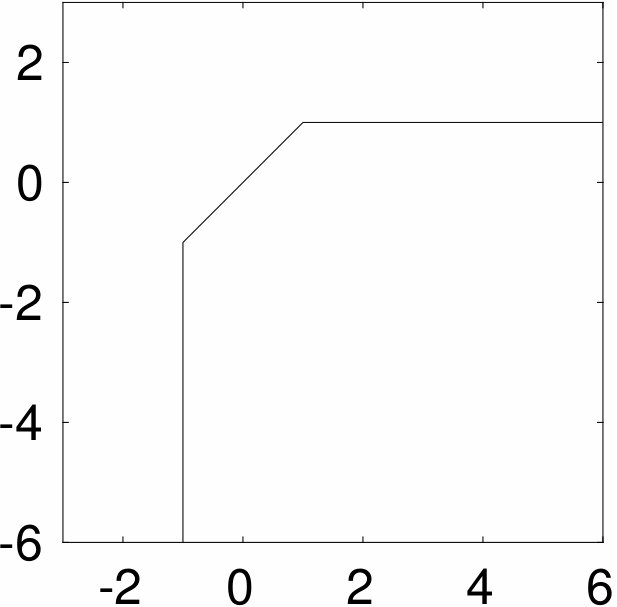 Figure 11
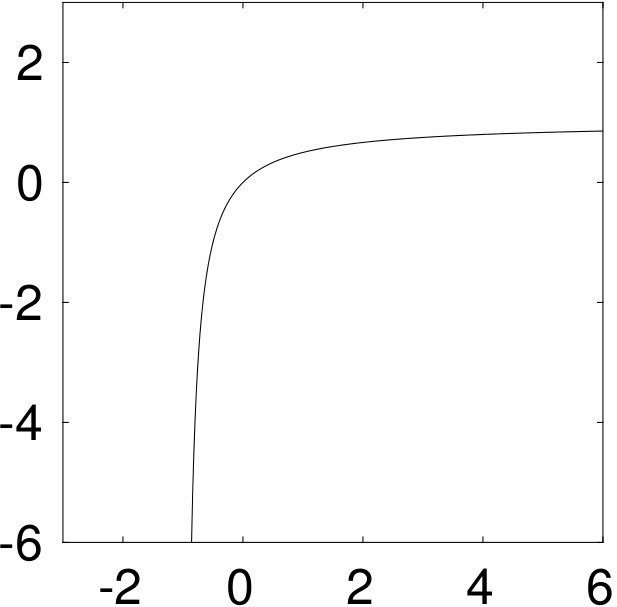 Figure 12
 Figure 13
 Figure 14
 Figure 15
 Figure 16
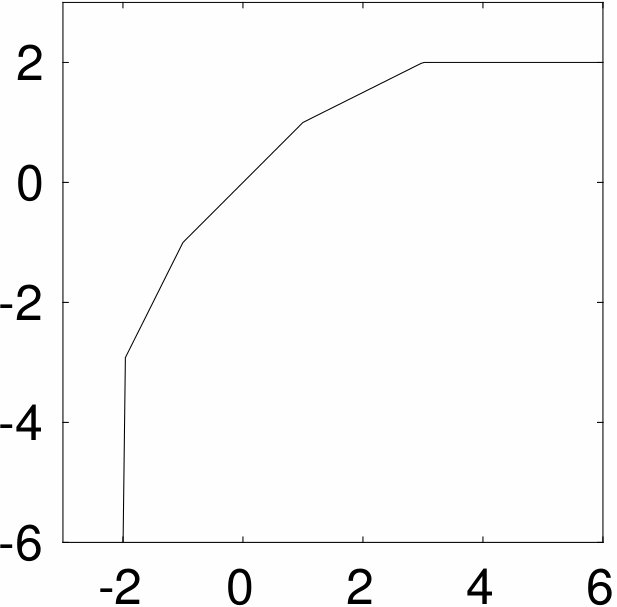 Figure 17
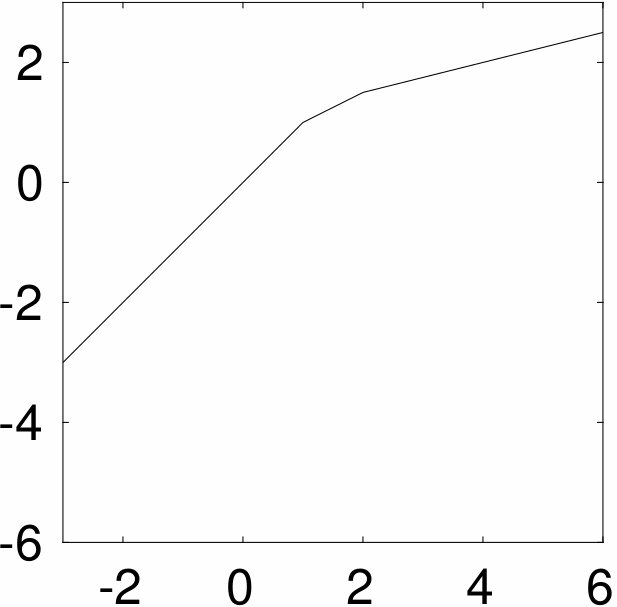 Figure 18
 Figure 19
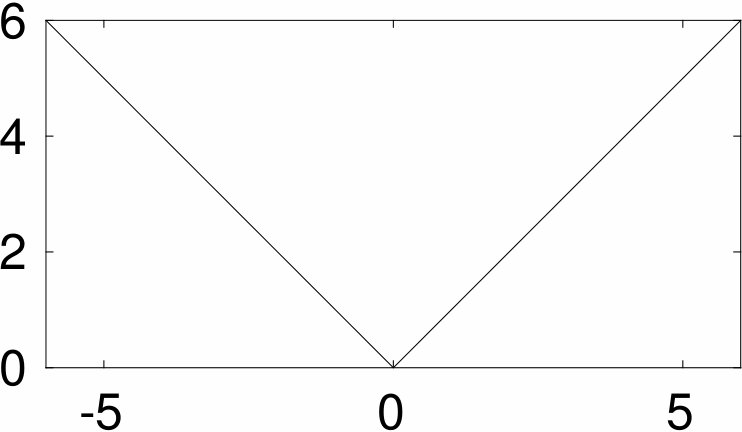 Figure 20
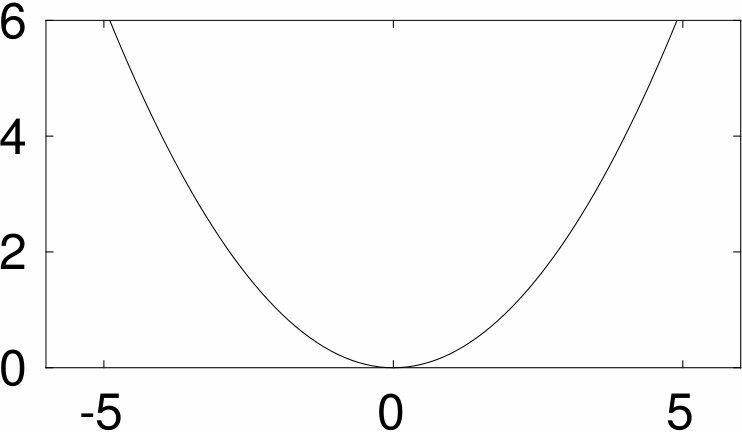 Figure 21
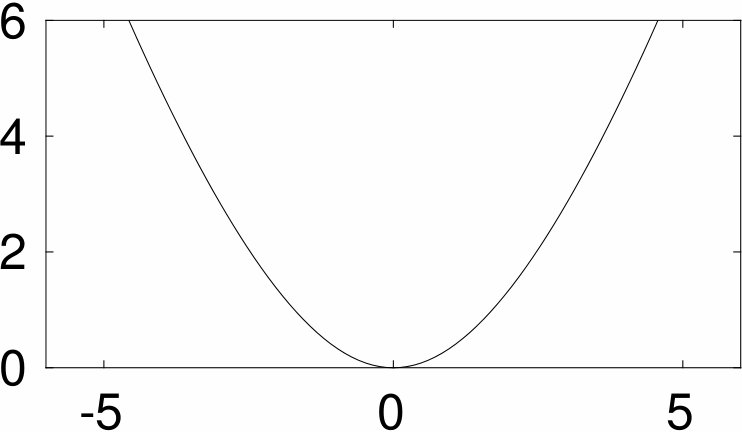 Figure 22
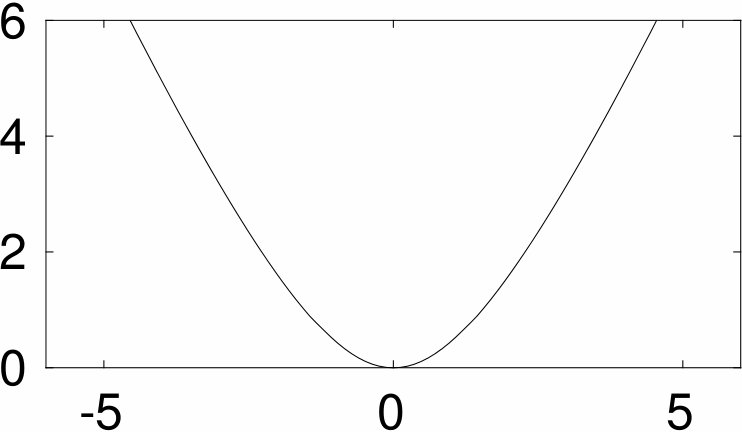 Figure 23
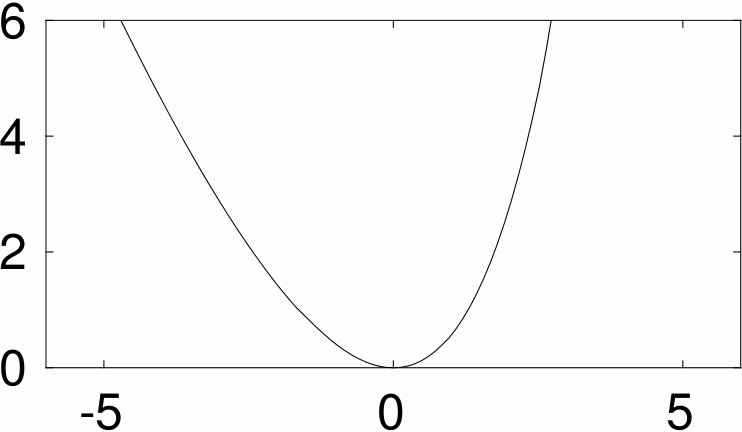 Figure 24
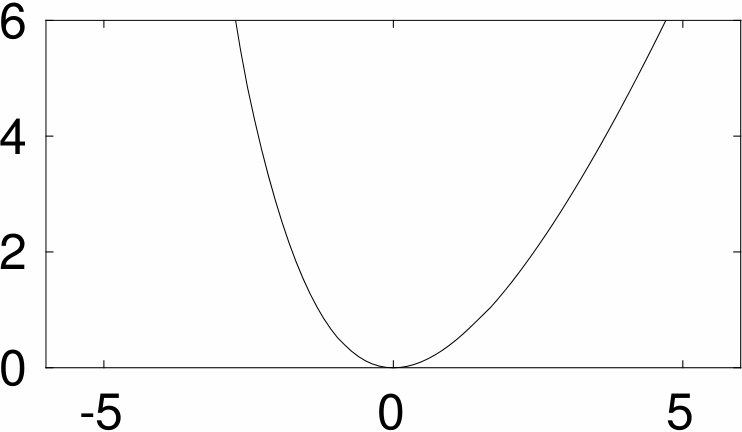 Figure 25
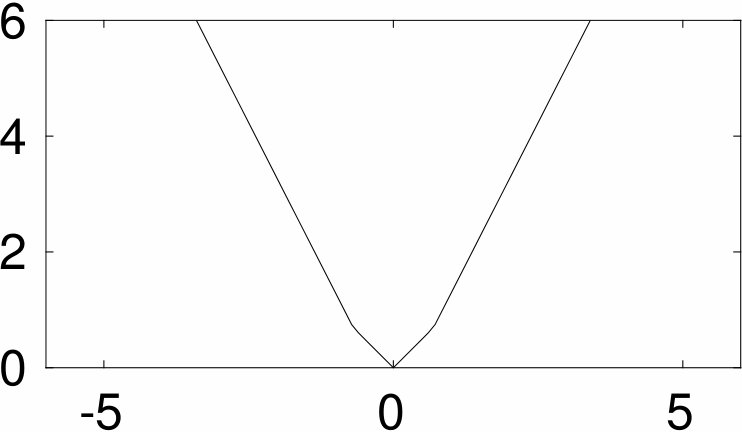 Figure 26
 Figure 27
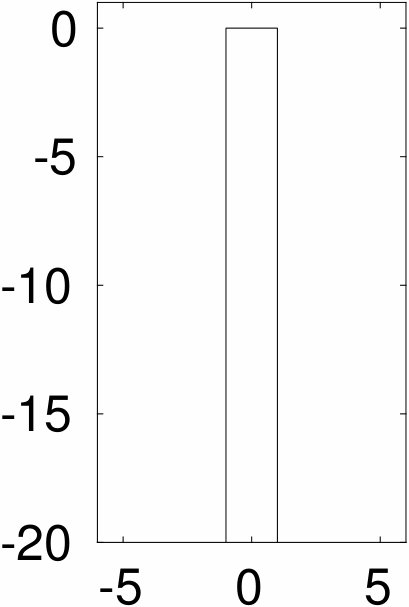 Figure 28
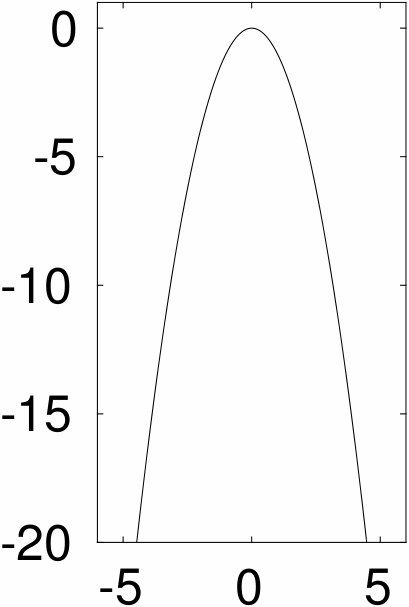 Figure 29
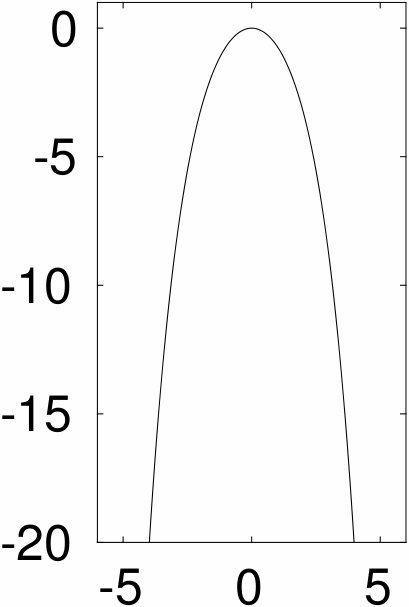 Figure 30
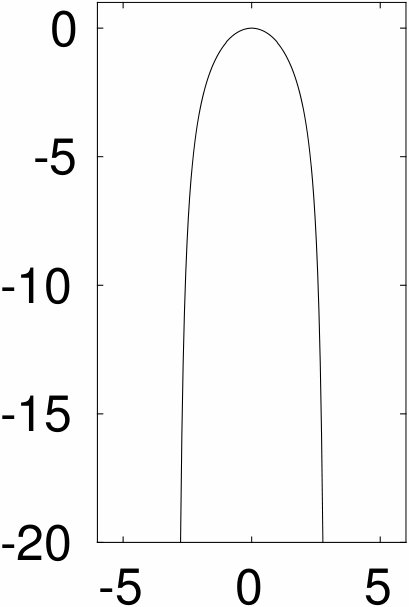 Figure 31
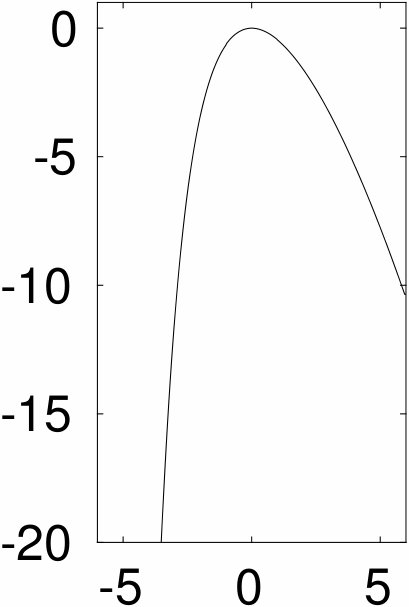 Figure 32
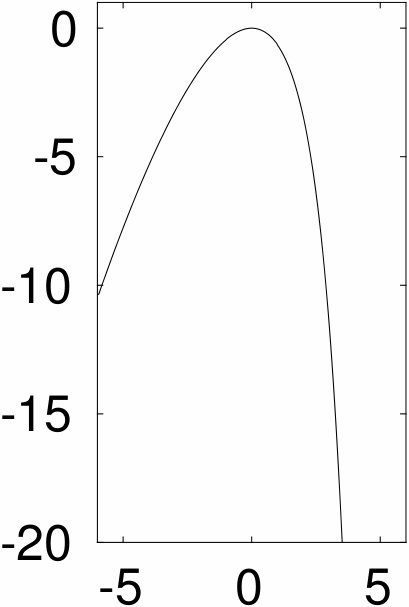 Figure 33
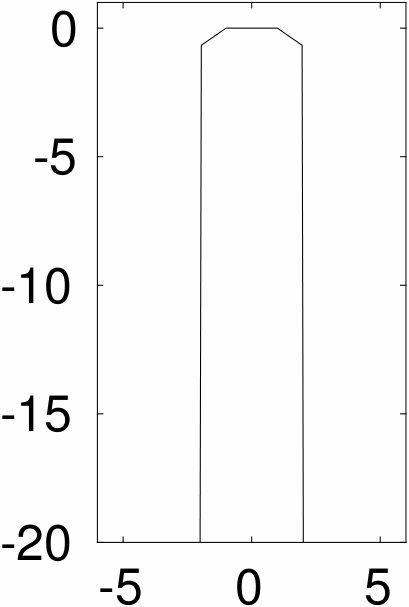 Figure 34
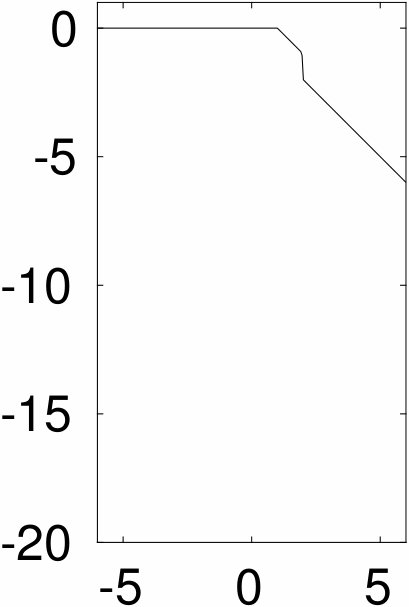 Figure 35
 Figure 36
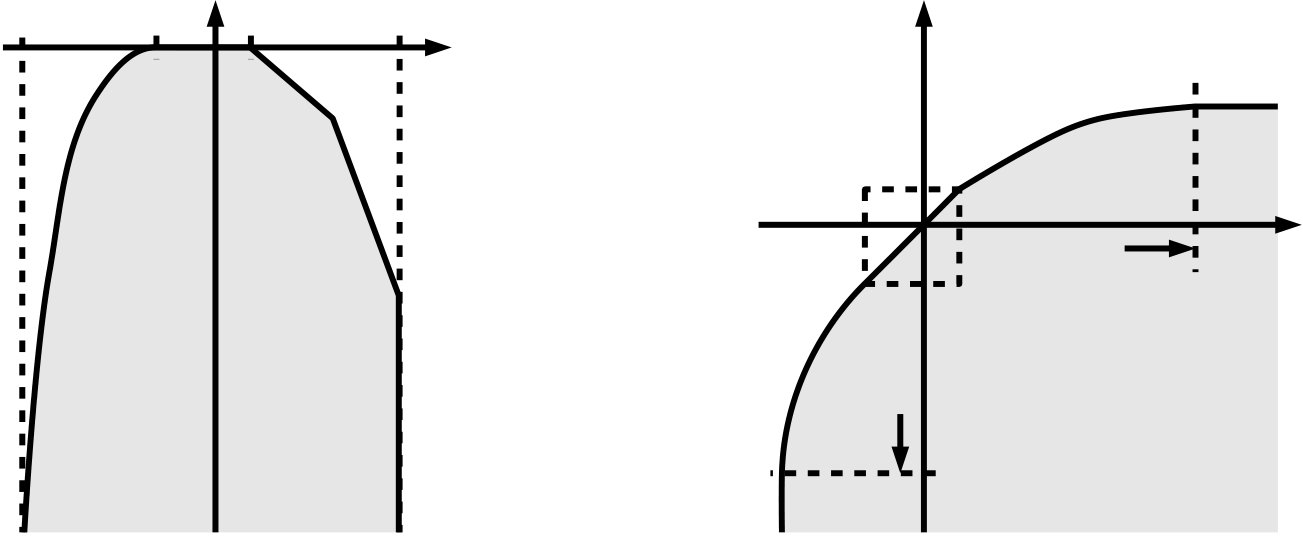 Figure 37
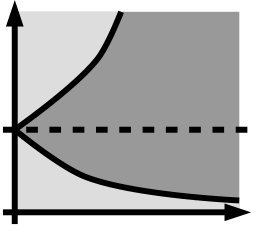 Figure 38
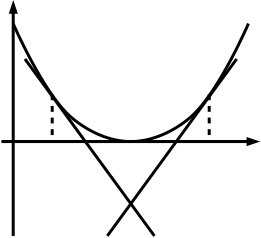 Figure 39
Peer Reviews
No public reviews on file for this paper yet. If you reviewed it on a platform where reviews are public (OpenReview, ICLR, NeurIPS, ICML), you can paste yours below so the community can read it here.
Videos
No videos yet. Explain this paper in a talk, walkthrough, or lecture? Add one.