K2-106, a system containing a metal-rich planet and a planet of lower density
E.W. Guenther, O. Barragan, F. Dai, D. Gandolfi, T. Hirano, M., Fridlund, L. Fossati, A. Chau, R. Helled, J. Korth, J. Prieto-Arranz, D., Nespral, G. Antoniciello, H. Deeg, M. Hjorth, S. Grziwa, S. Albrecht, A.P., Hatzes, H. Rauer, Sz. Csizmadia, A.M.S. Smith, J. Cabrera

TL;DR
This study characterizes two planets orbiting K2-106, revealing a dense, metal-rich inner planet and a lower-density outer planet, providing insights into planetary composition, atmospheric loss, and formation scenarios.
Contribution
First detailed mass, radius, and density measurements of a two-planet system with contrasting compositions, highlighting atmospheric escape and formation processes.
Findings
Inner planet is extremely dense with a high metal content.
Outer planet likely has a hydrogen-dominated atmosphere.
System serves as a laboratory for studying atmospheric escape.
Abstract
Planets in the mass range from 2 to 15 MEarth are very diverse. Some of them have low densities, while others are very dense. By measuring the masses and radii, the mean densities, structure, and composition of the planets are constrained. These parameters also give us important information about their formation and evolution, and about possible processes for atmospheric loss.We determined the masses, radii, and mean densities for the two transiting planets orbiting K2-106. The inner planet has an ultra-short period of 0.57 days. The period of the outer planet is 13.3 days.Although the two planets have similar masses, their densities are very different. For K2-106b we derive Mb=8.36-0.94+0.96 MEarh, Rb=1.52+/-0.16 REarth, and a high density of 13.1-3.6+5.4 gcm-3. For K2-106c, we find Mc=5.8-3.0+3.3 MEarth, Rc=2.50-0.26+0.27 REarth and a relatively low density of 2.0-1.1+1.6 gcm-3.Since…
Click any figure to enlarge with its caption.
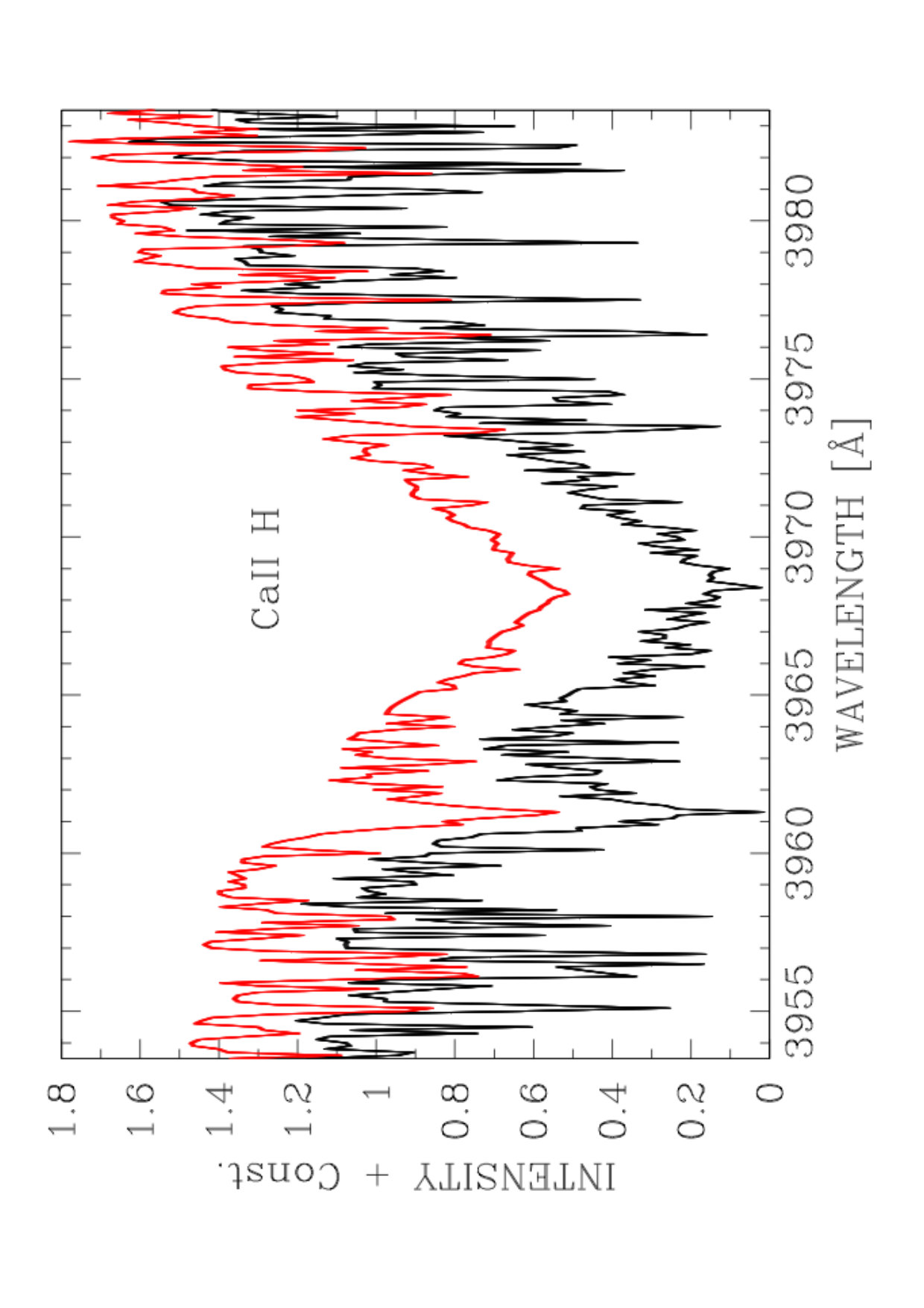 Figure 1
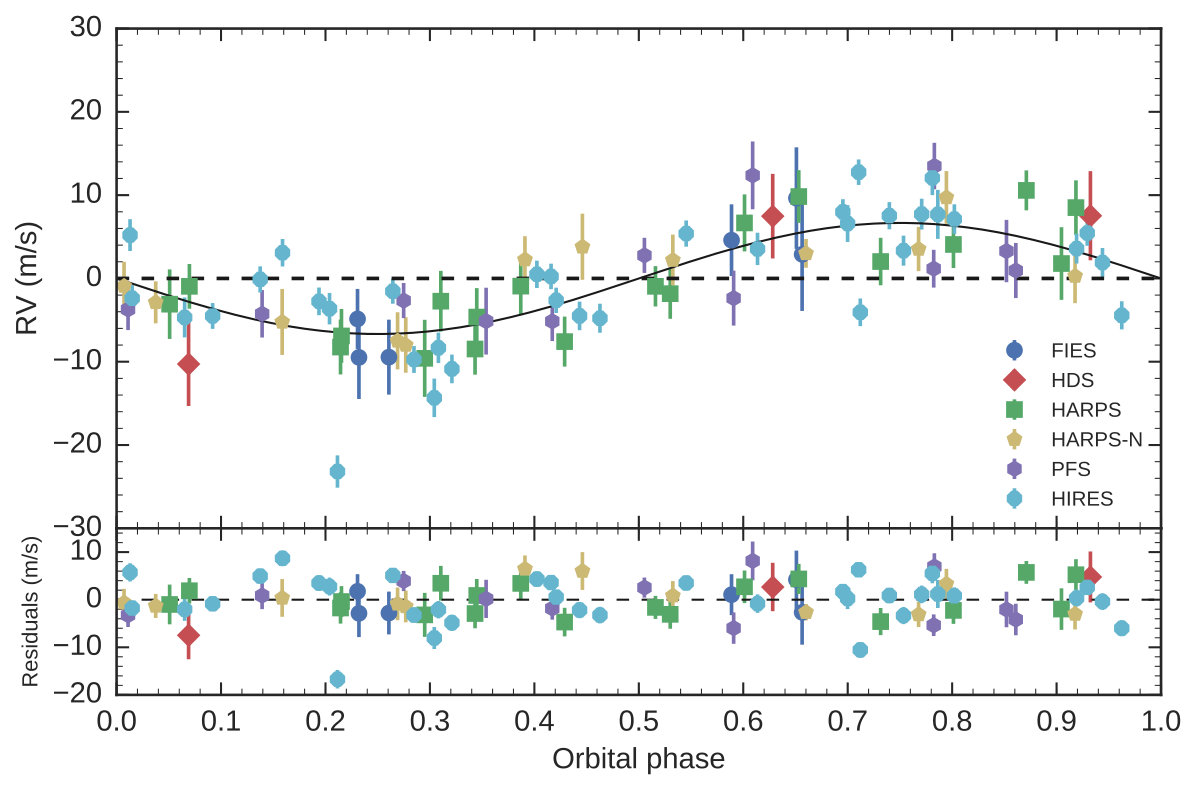 Figure 2
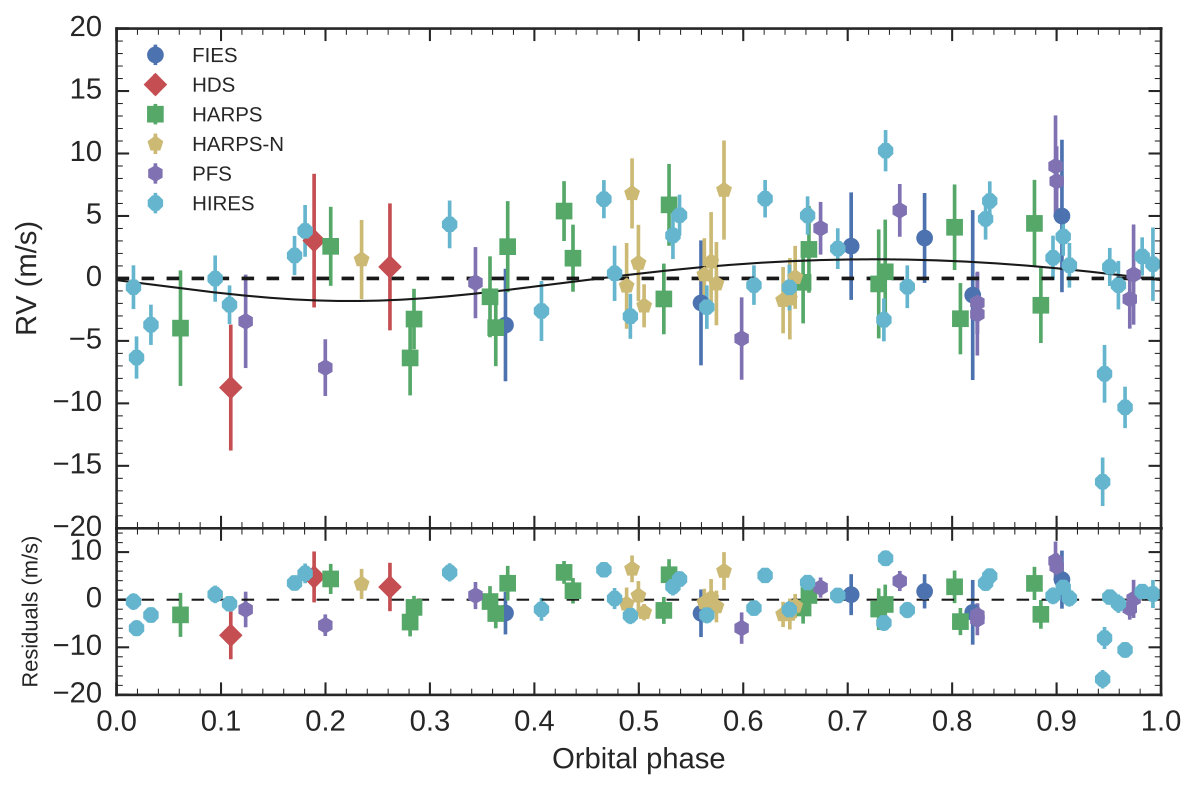 Figure 3
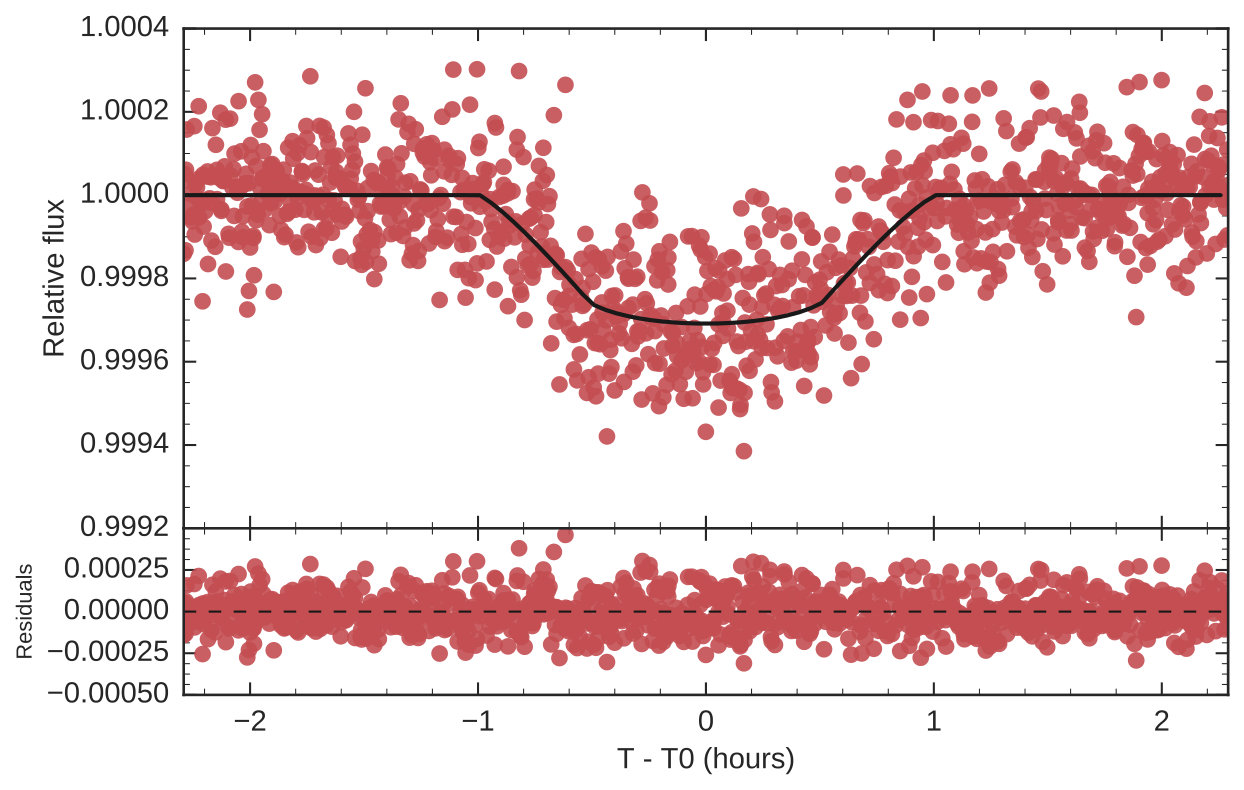 Figure 4
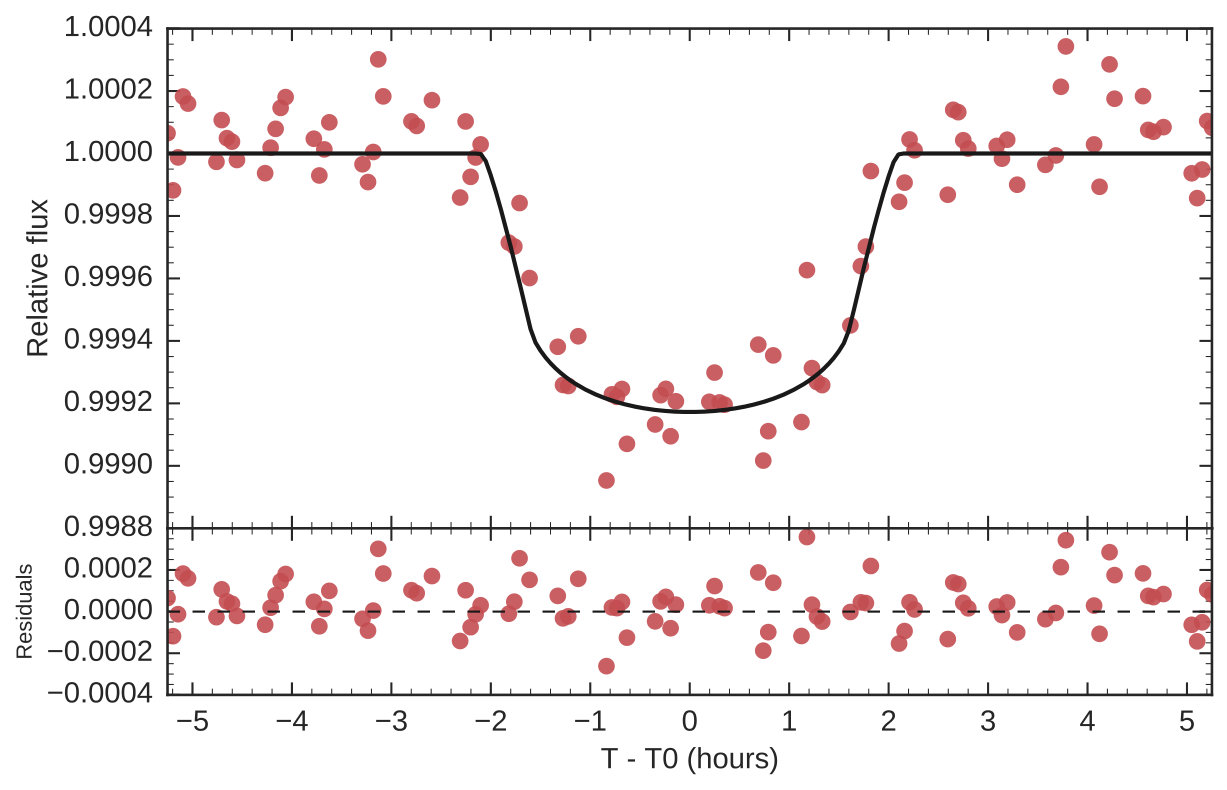 Figure 5
 Figure 6
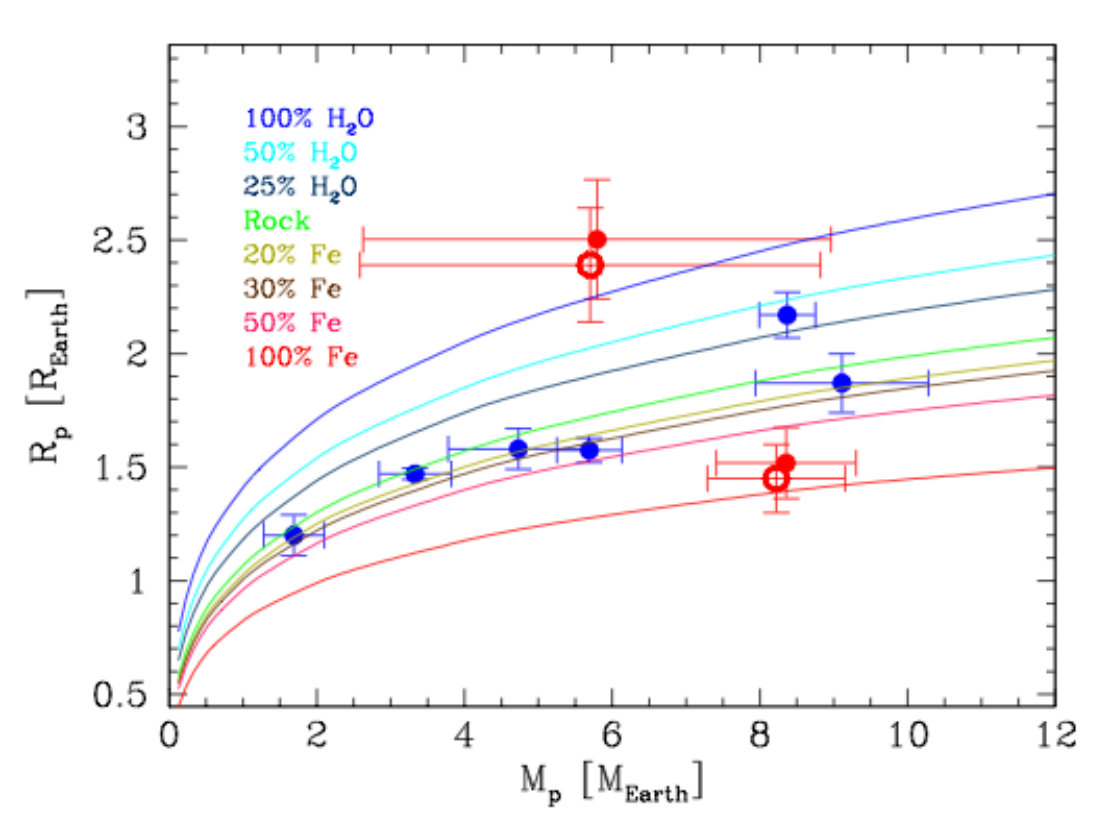 Figure 7
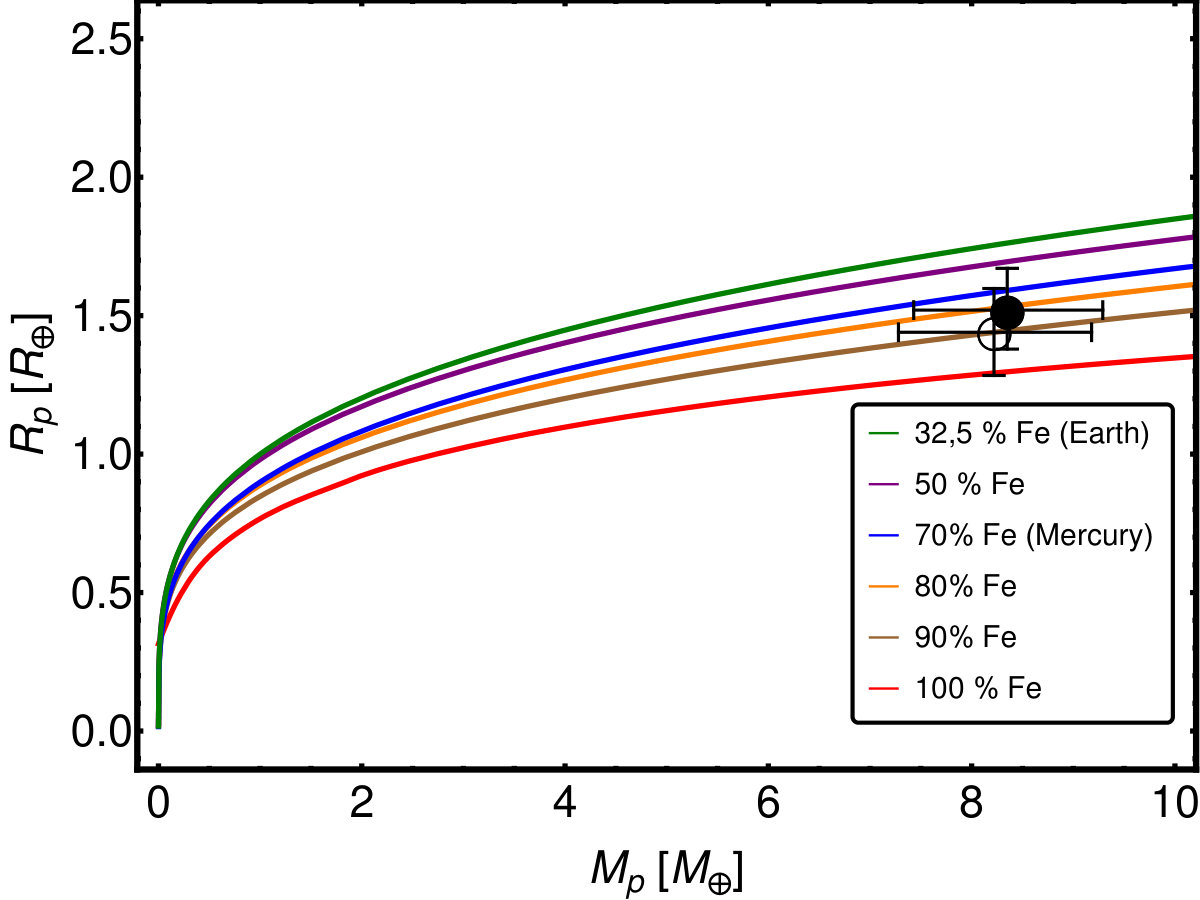 Figure 8
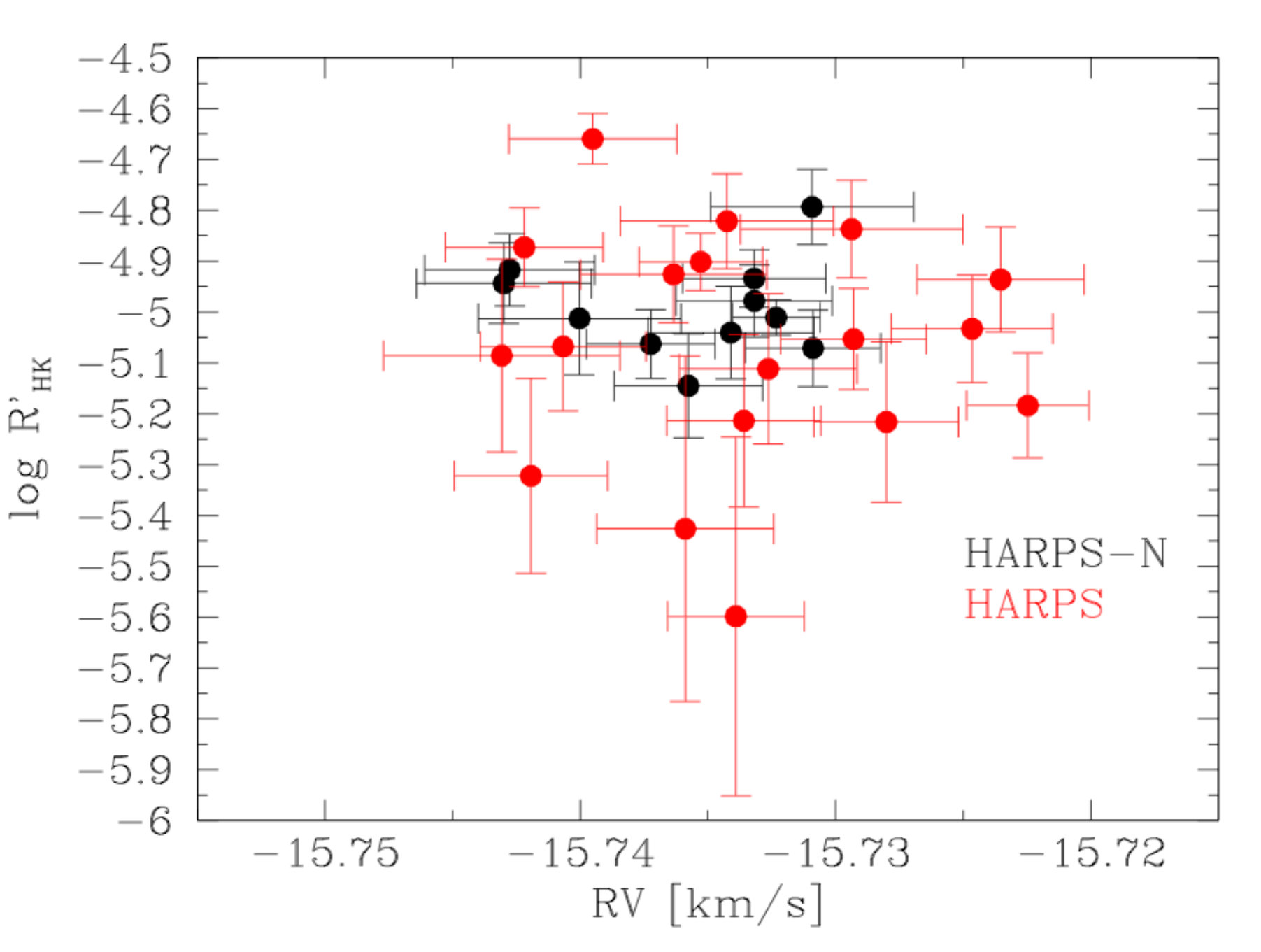 Figure 9
Peer Reviews
No public reviews on file for this paper yet. If you reviewed it on a platform where reviews are public (OpenReview, ICLR, NeurIPS, ICML), you can paste yours below so the community can read it here.
Code & Models
Videos
No videos yet. Explain this paper in a talk, walkthrough, or lecture? Add one.