Defining and Surveying Wireless Link Virtualization and Wireless Network Virtualization
Jonathan van de Belt, Hamed Ahmadi, Linda E. Doyle

TL;DR
This paper develops a formal theory to define wireless link virtualization, enabling clearer classification and comparison of existing work, and provides a comprehensive survey highlighting research gaps and future directions.
Contribution
It introduces a formal framework for defining wireless link virtualization and uses it to systematically survey existing research in the field.
Findings
Provides a formal classification of virtualization levels
Distinguishes between resource allocation and virtualization work
Identifies research gaps and future opportunities
Abstract
Virtualization is a topic of great interest in the area of mobile and wireless communication systems. However the term virtualization is used in an inexact manner which makes it difficult to compare and contrast work that has been carried out to date. The purpose of this paper is twofold. In the first place, the paper develops a formal theory for defining virtualization. In the second instance, this theory is used as a way of surveying a body of work in the field of wireless link virtualization, a subspace of wireless network virtualization. The formal theory provides a means for distinguishing work that should be classed as resource allocation as distinct from virtualization. It also facilitates a further classification of the representation level at which the virtualization occurs, which makes comparison of work more meaningful. The paper provides a comprehensive survey and highlights…
Click any figure to enlarge with its caption.
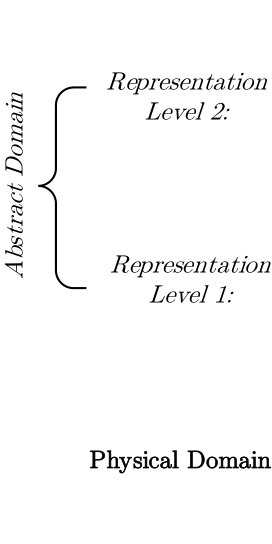 Figure 1
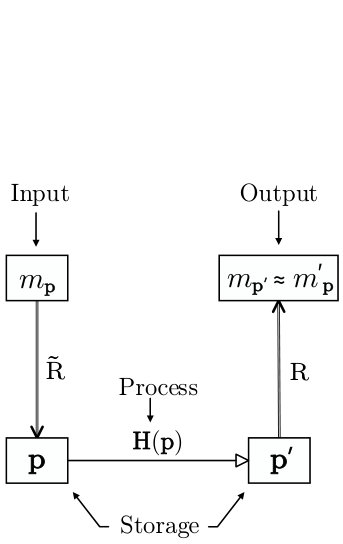 Figure 2
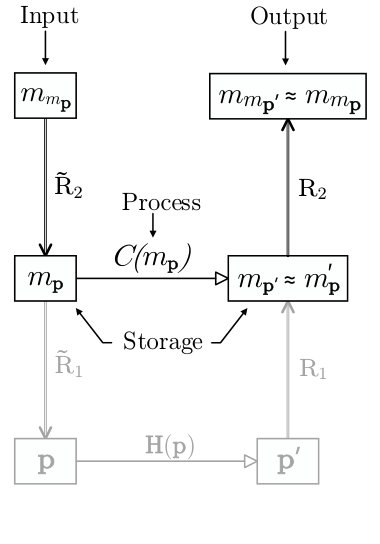 Figure 3
 Figure 4
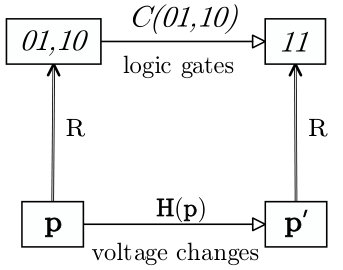 Figure 5
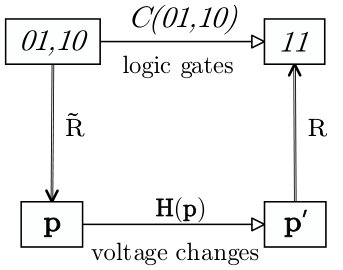 Figure 6
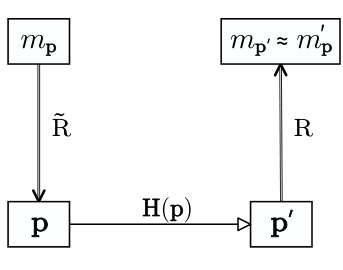 Figure 7
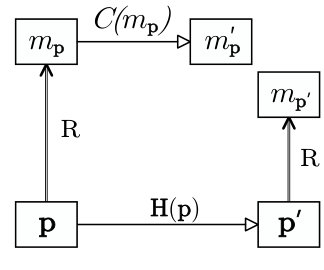 Figure 8
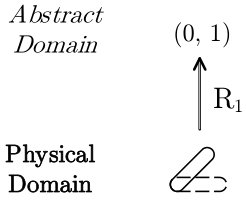 Figure 9
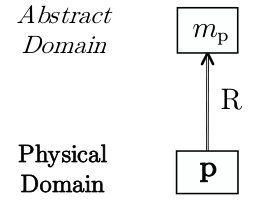 Figure 10
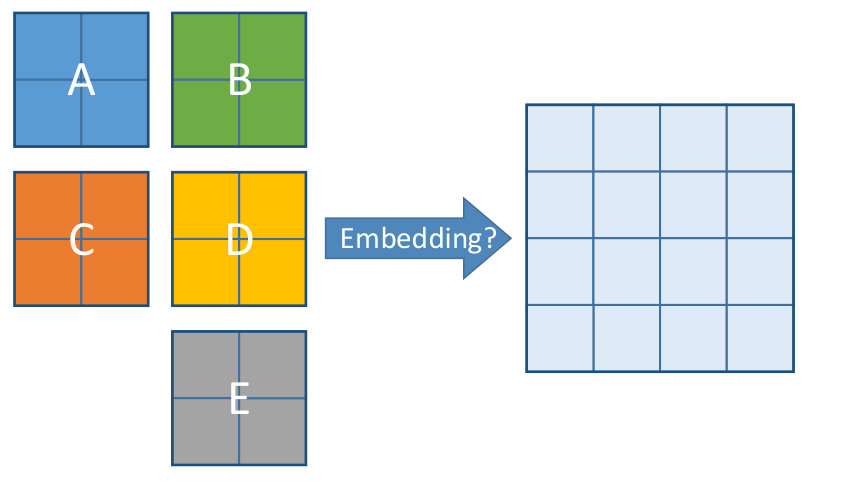 Figure 11
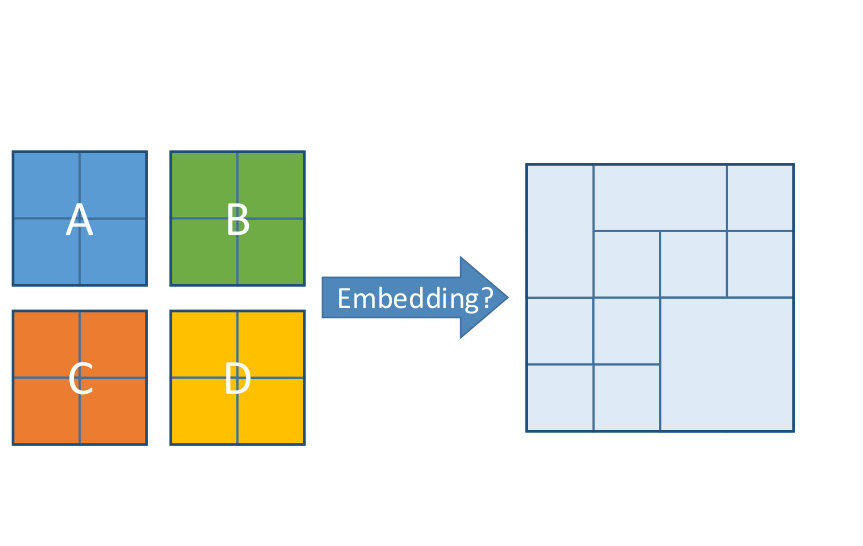 Figure 12
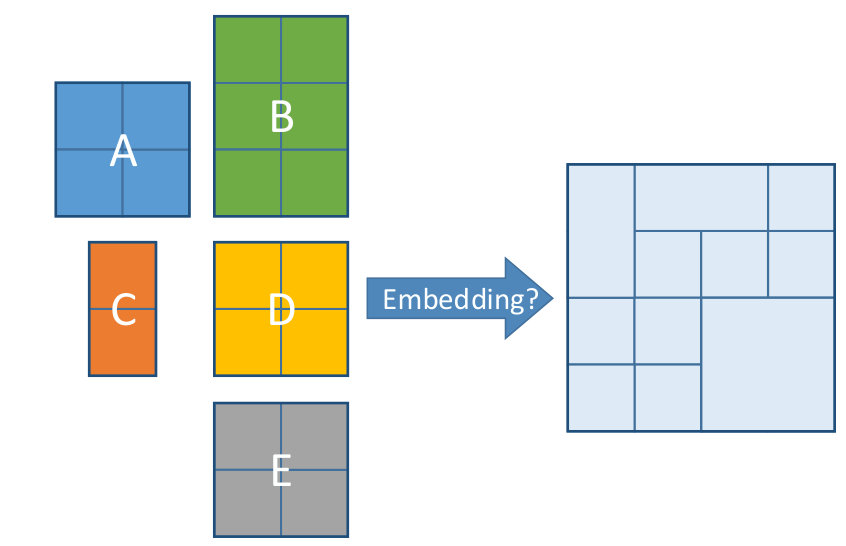 Figure 13
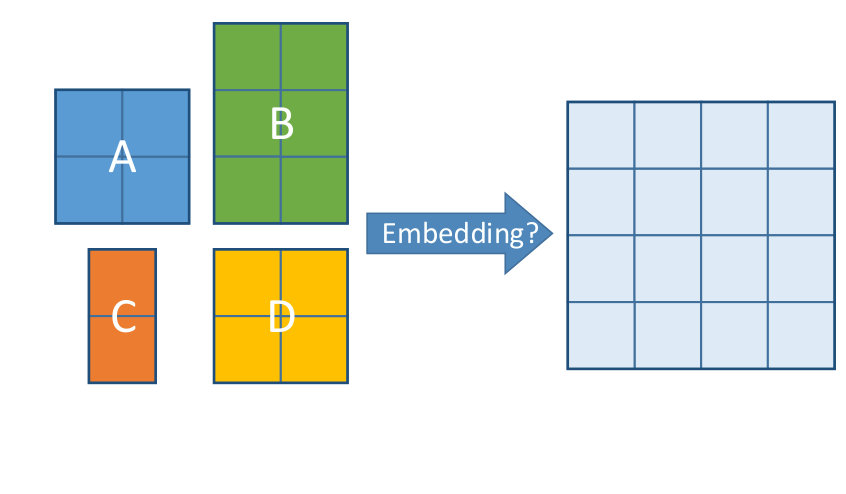 Figure 14
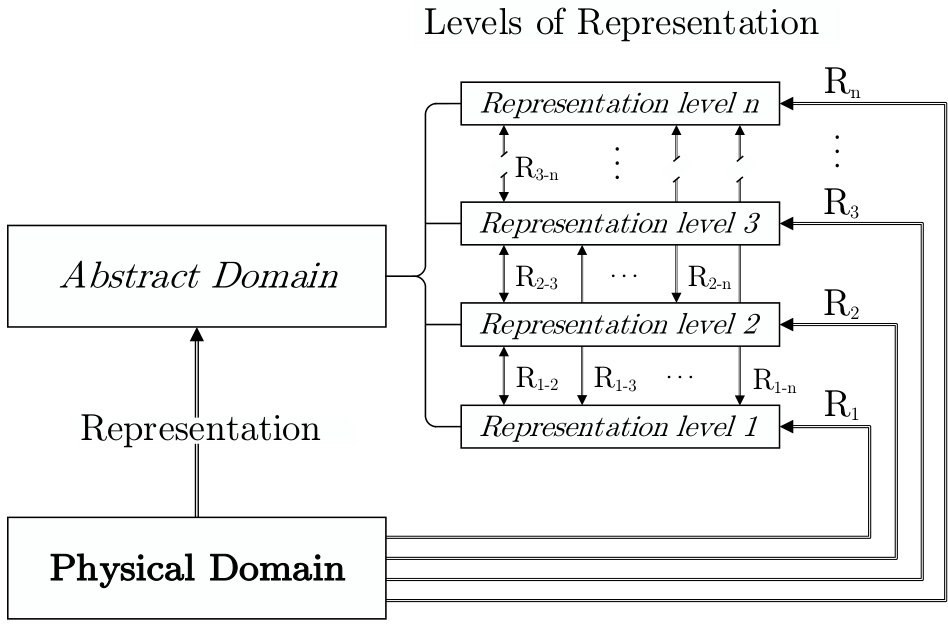 Figure 15
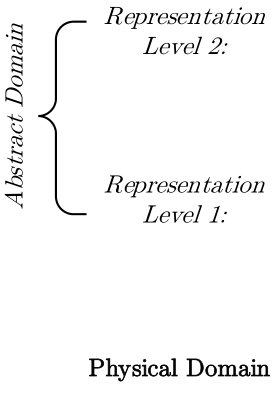 Figure 16
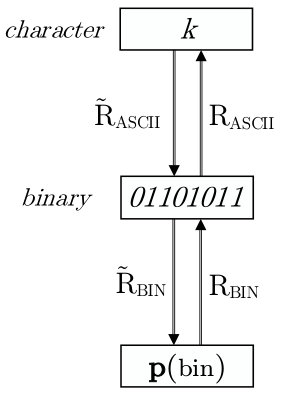 Figure 17
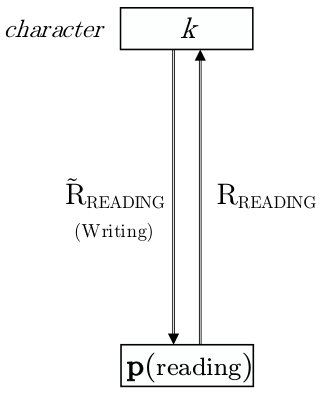 Figure 18
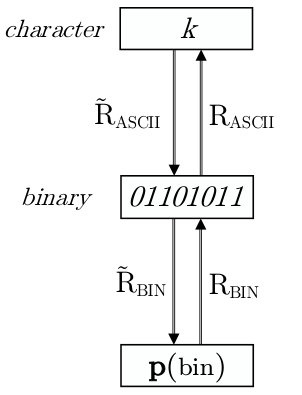 Figure 19
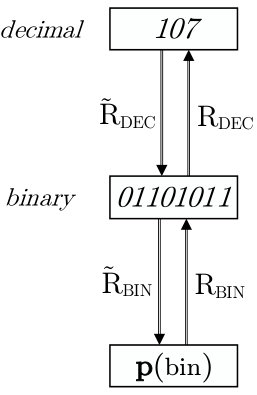 Figure 20
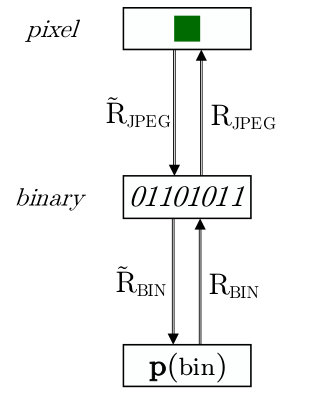 Figure 21
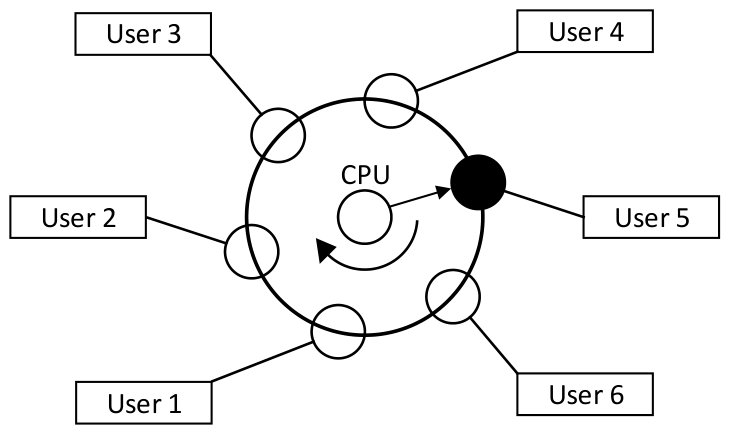 Figure 22
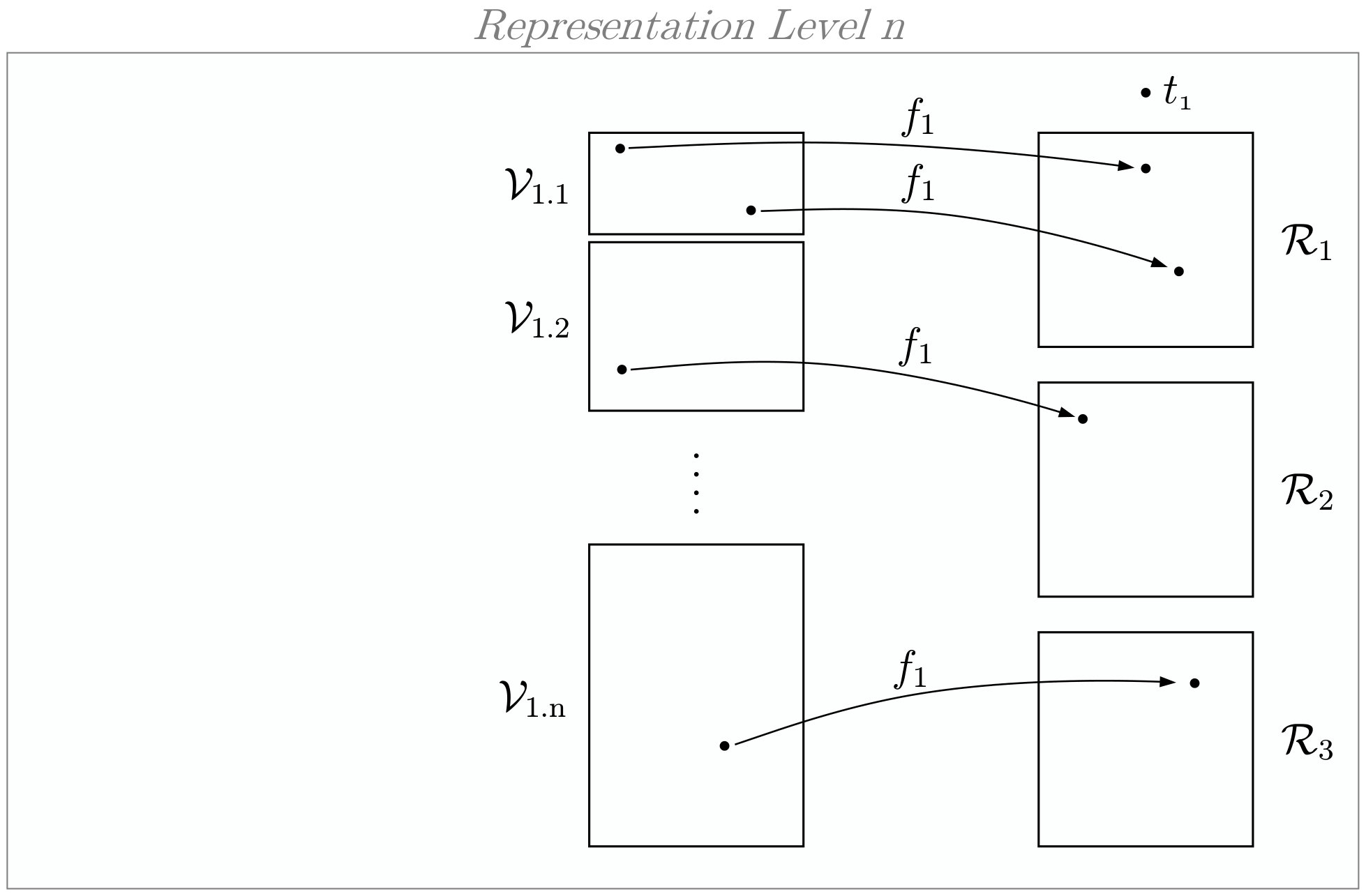 Figure 23
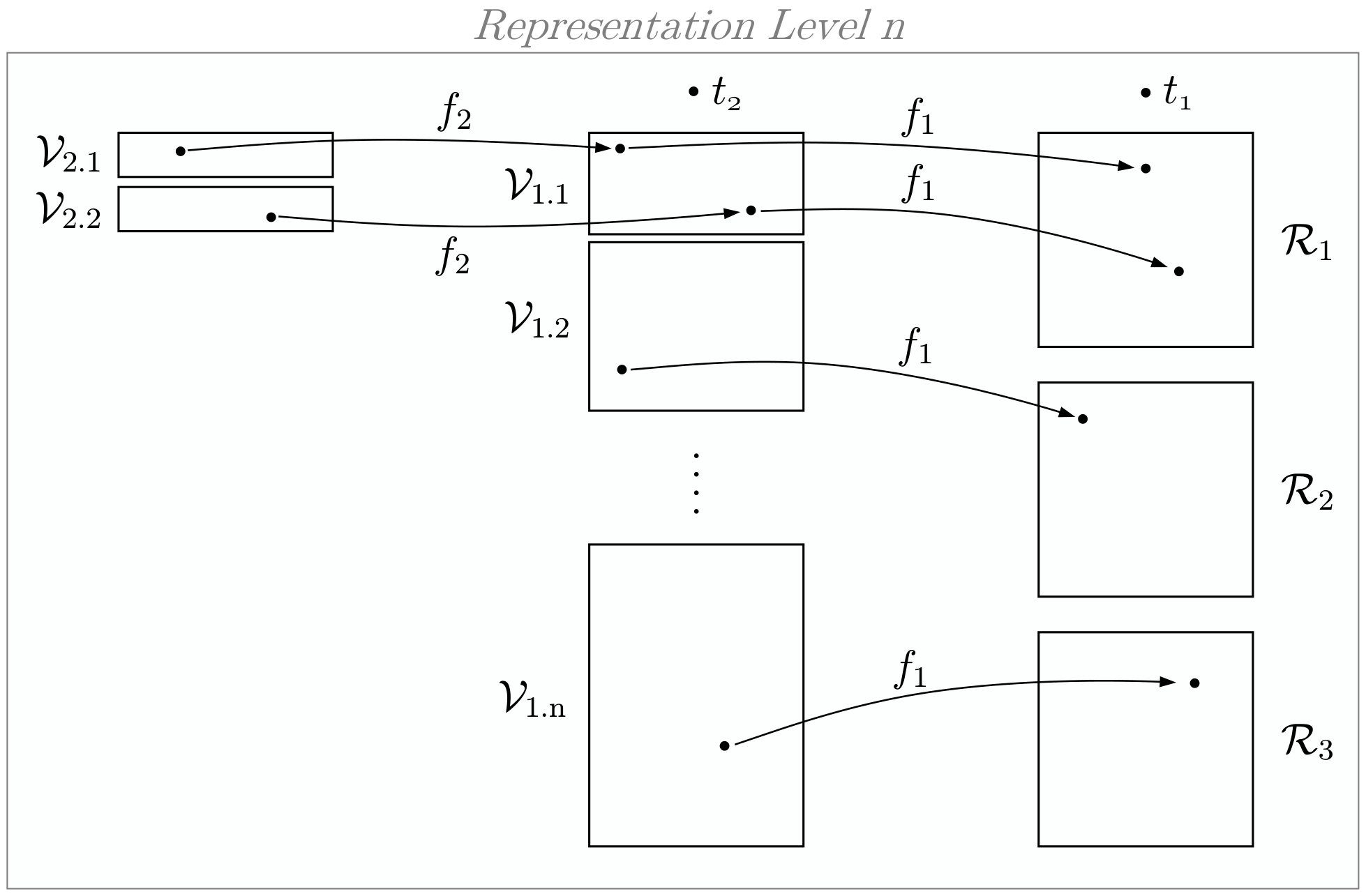 Figure 24
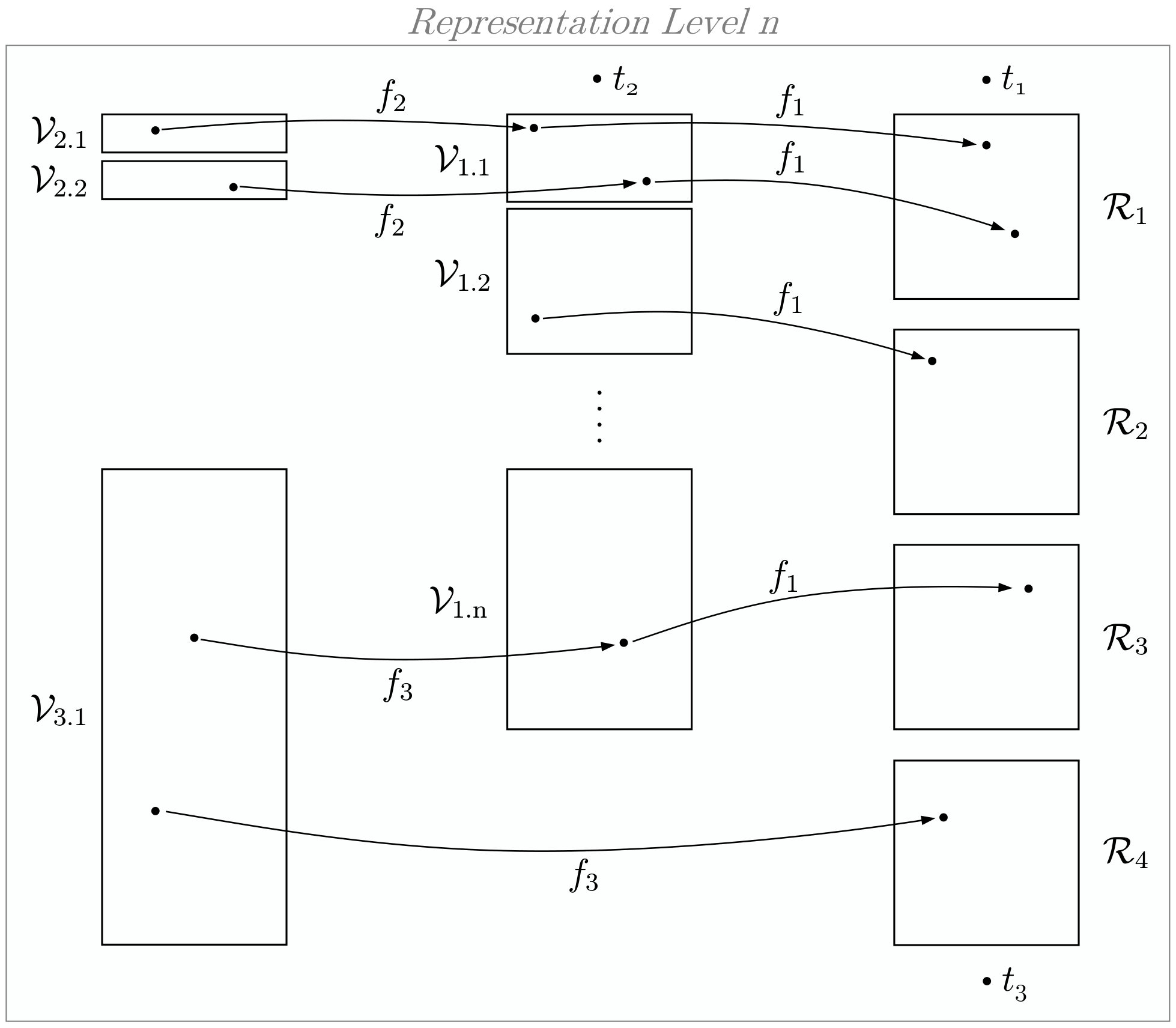 Figure 25
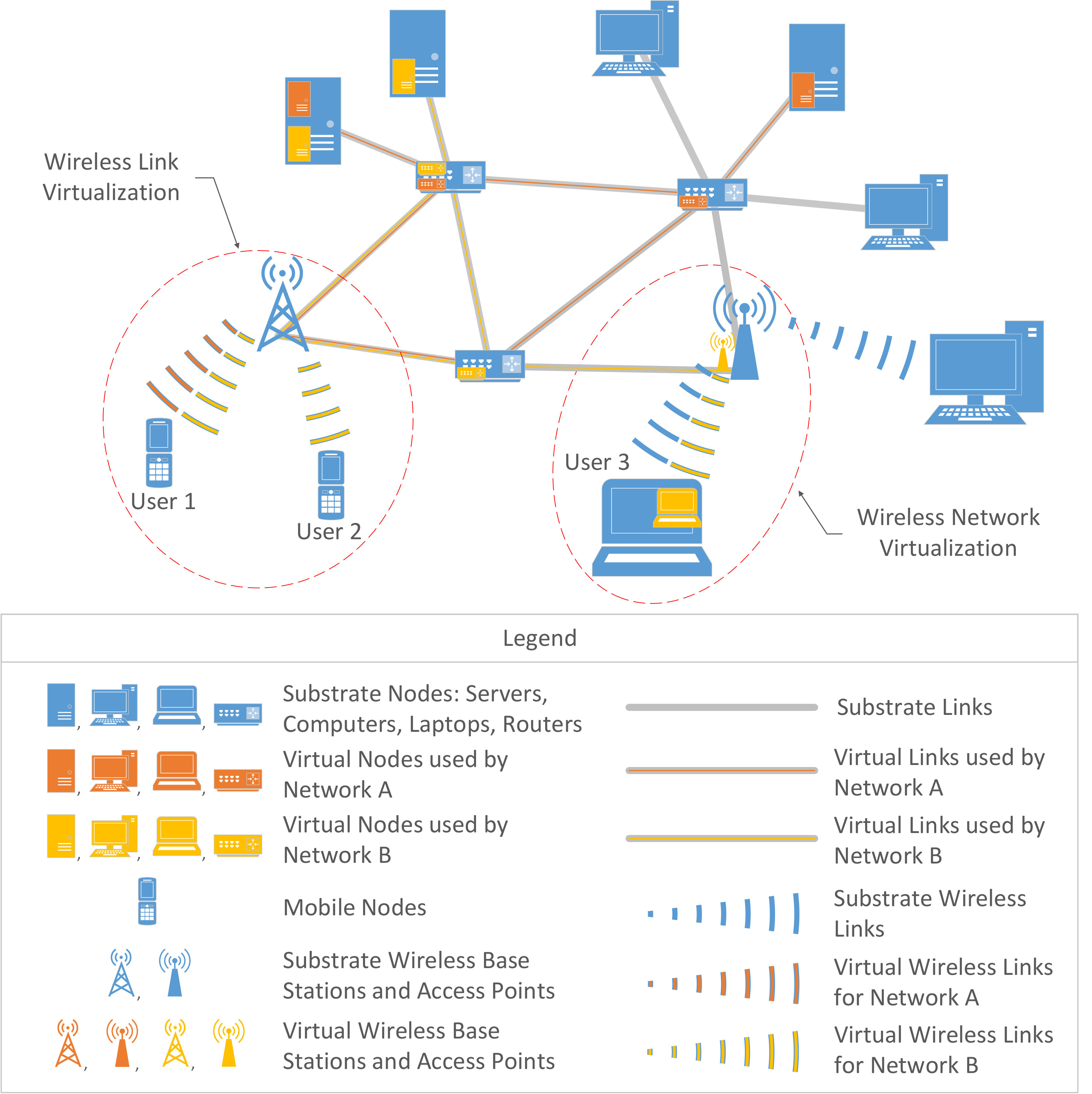 Figure 26
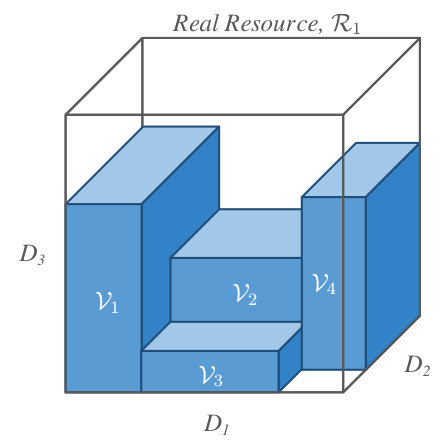 Figure 27
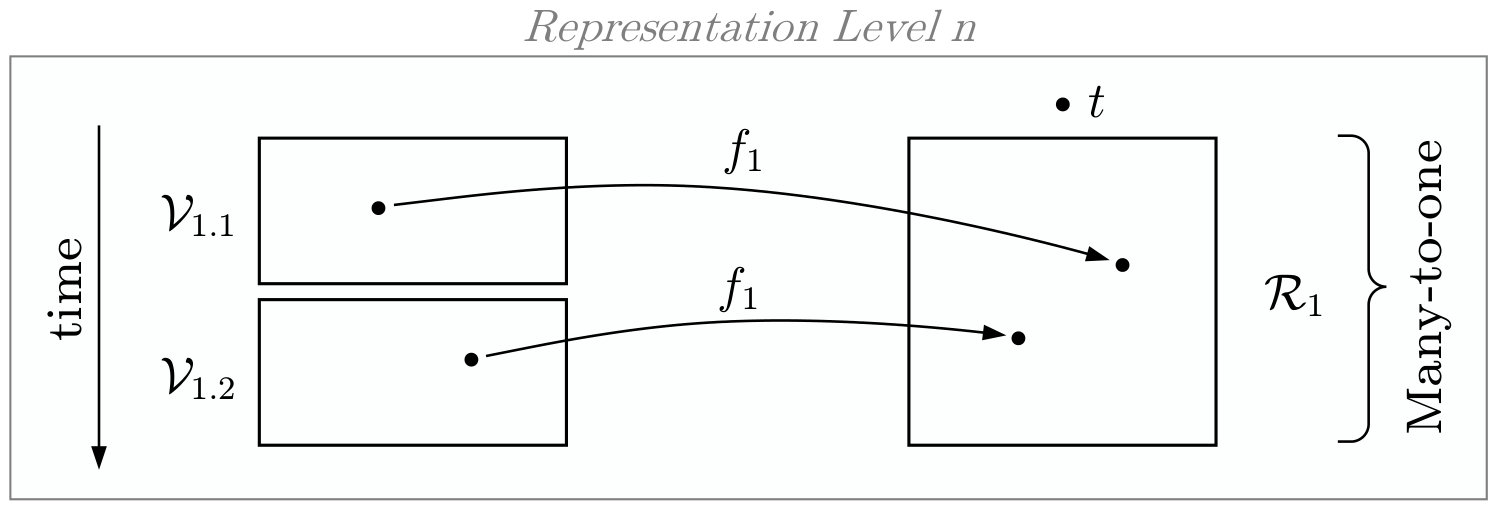 Figure 28
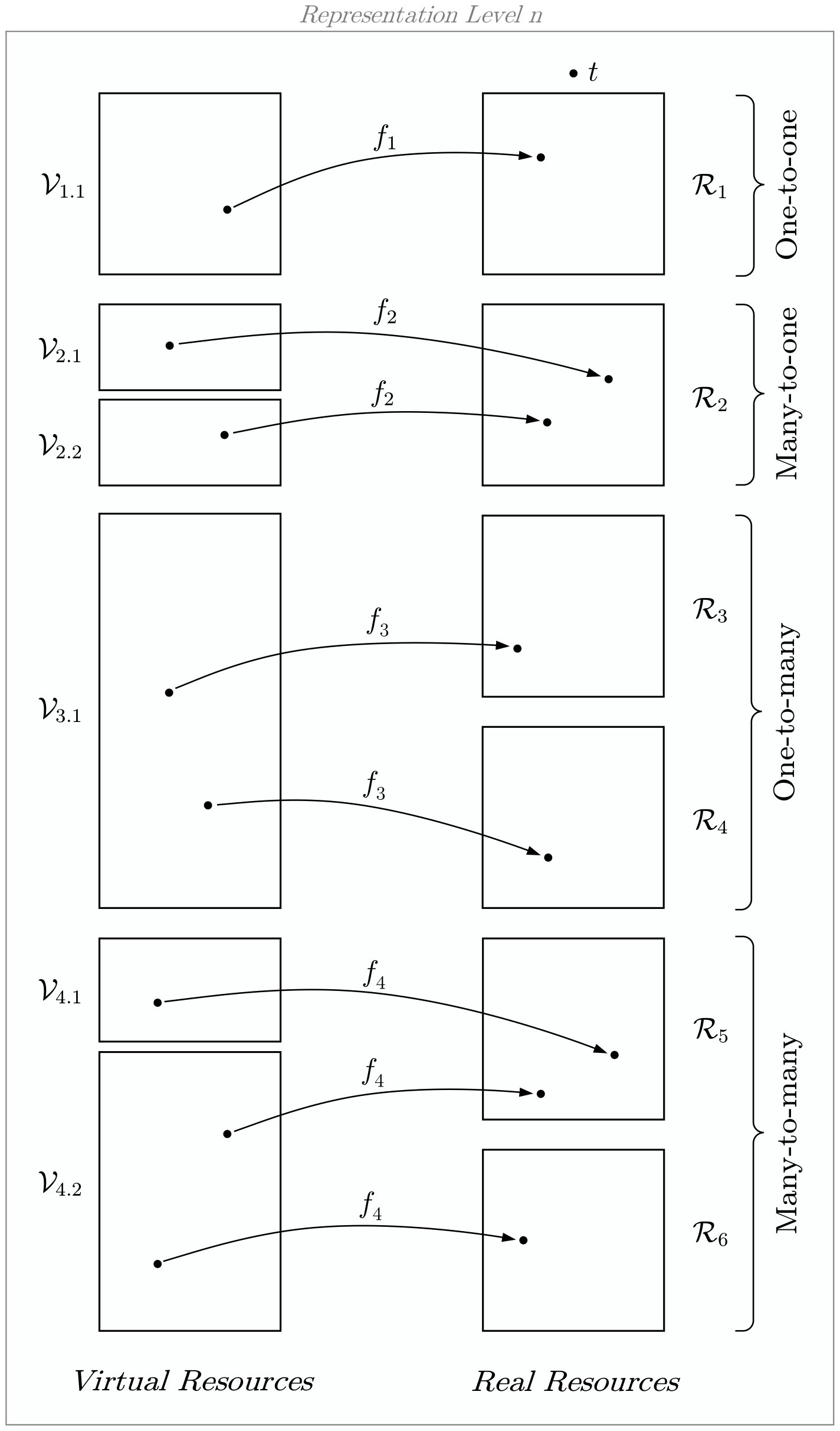 Figure 29
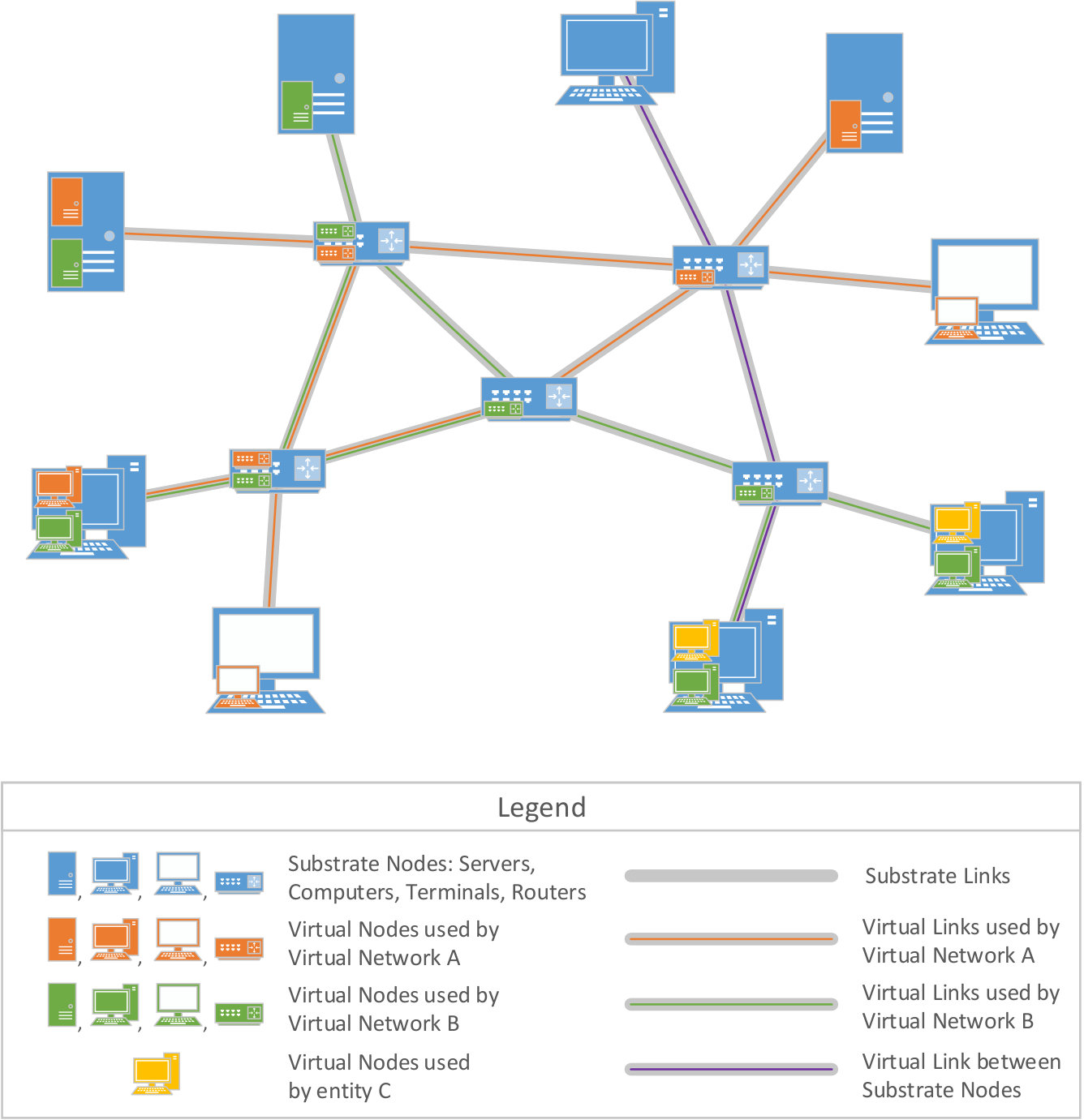 Figure 30
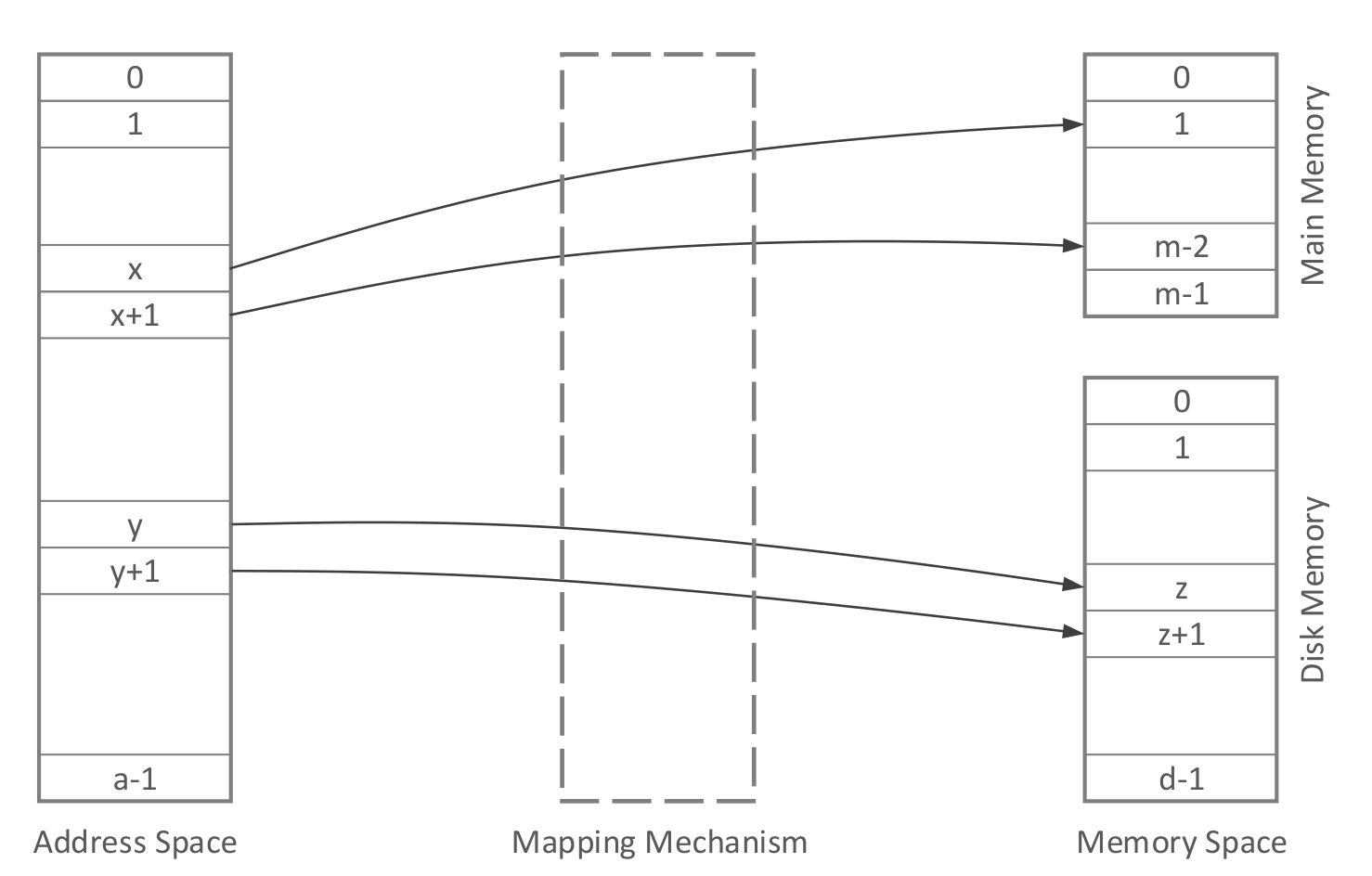 Figure 31
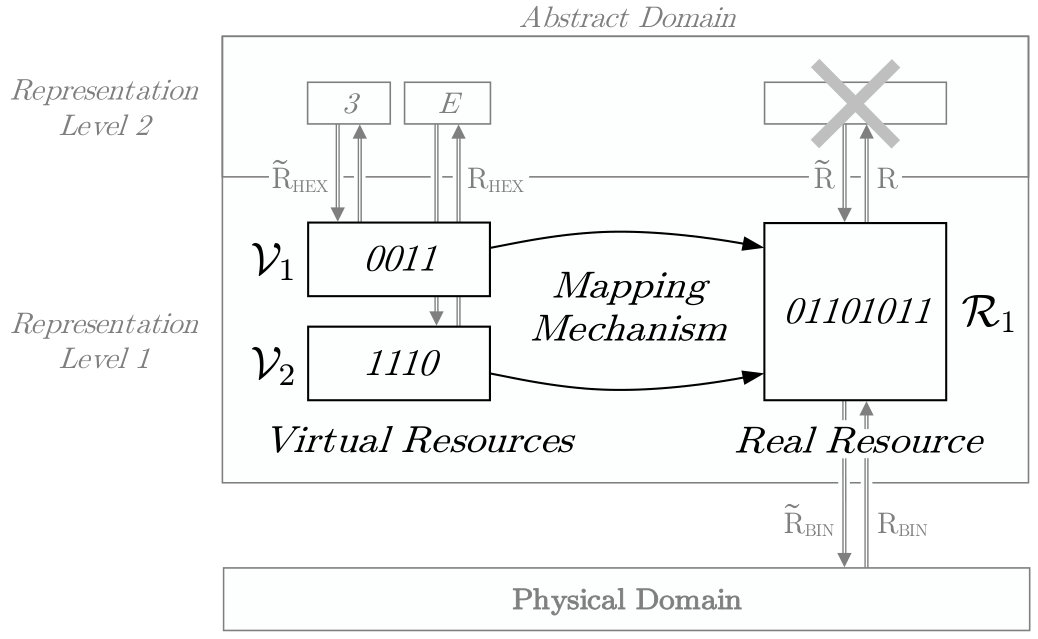 Figure 32
Peer Reviews
No public reviews on file for this paper yet. If you reviewed it on a platform where reviews are public (OpenReview, ICLR, NeurIPS, ICML), you can paste yours below so the community can read it here.
Videos
No videos yet. Explain this paper in a talk, walkthrough, or lecture? Add one.