Blind Detection of Polar Codes
Pascal Giard, Alexios Balatsoukas-Stimming, and Andreas Burg

TL;DR
This paper introduces a low-complexity blind detection algorithm for polar codes, crucial for 5G control channels, leveraging the structure of frozen bits to distinguish polar-encoded frames efficiently.
Contribution
It proposes a novel detection metric and update rules that exploit frozen-bit structures for blind detection of polar codes, addressing a gap in existing research.
Findings
The detection metric effectively distinguishes polar frames from other data.
The method achieves low complexity suitable for 5G applications.
Results demonstrate clear separation in detection metrics for polar versus non-polar data.
Abstract
Polar codes were recently chosen to protect the control channel information in the next-generation mobile communication standard (5G) defined by the 3GPP. As a result, receivers will have to implement blind detection of polar coded frames in order to keep complexity, latency, and power consumption tractable. As a newly proposed class of block codes, the problem of polar-code blind detection has received very little attention. In this work, we propose a low-complexity blind-detection algorithm for polar-encoded frames. We base this algorithm on a novel detection metric with update rules that leverage the a priori knowledge of the frozen-bit locations, exploiting the inherent structures that these locations impose on a polar-encoded block of data. We show that the proposed detection metric allows to clearly distinguish polar-encoded frames from other types of data by considering the…
Click any figure to enlarge with its caption.
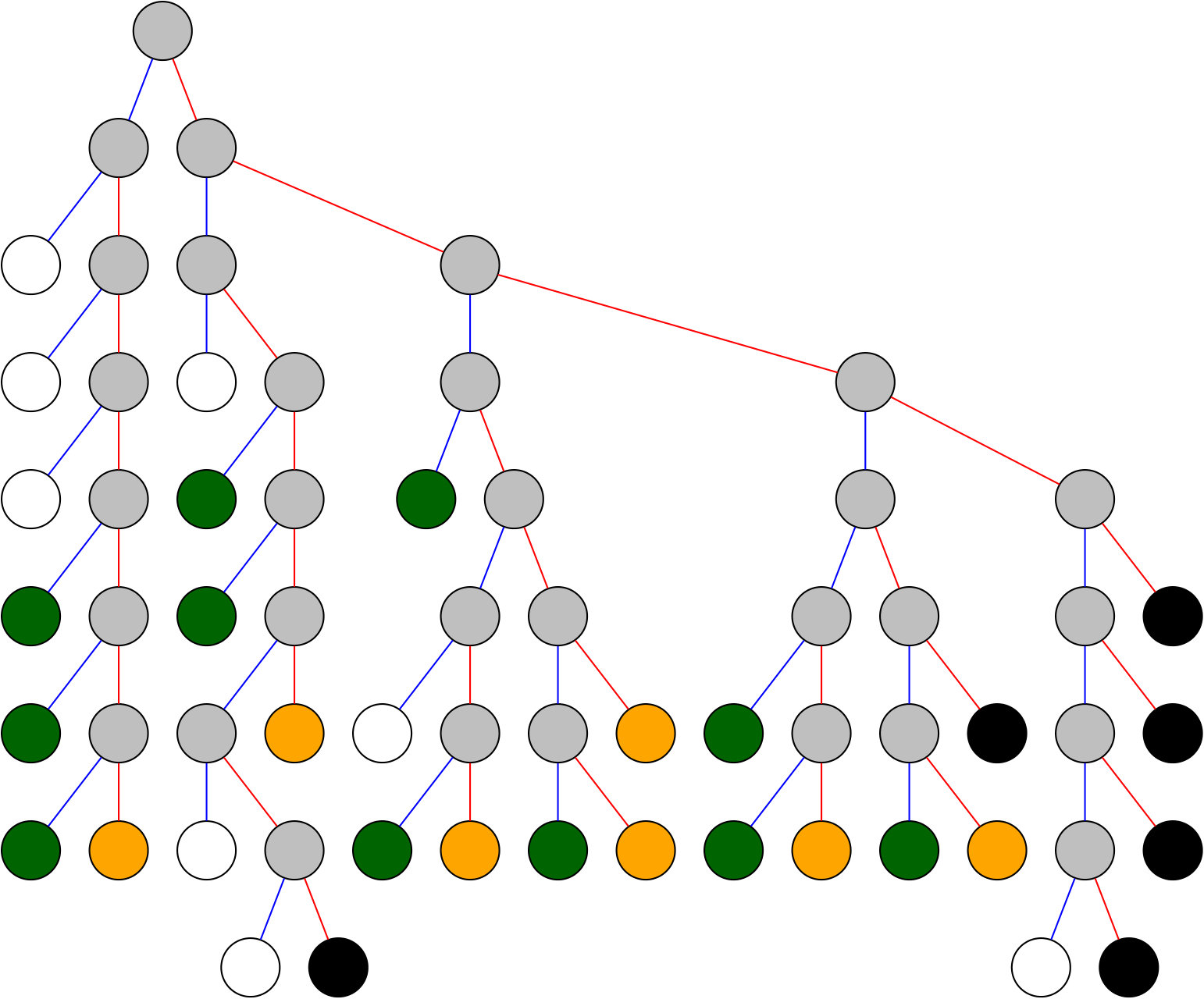 Figure 1
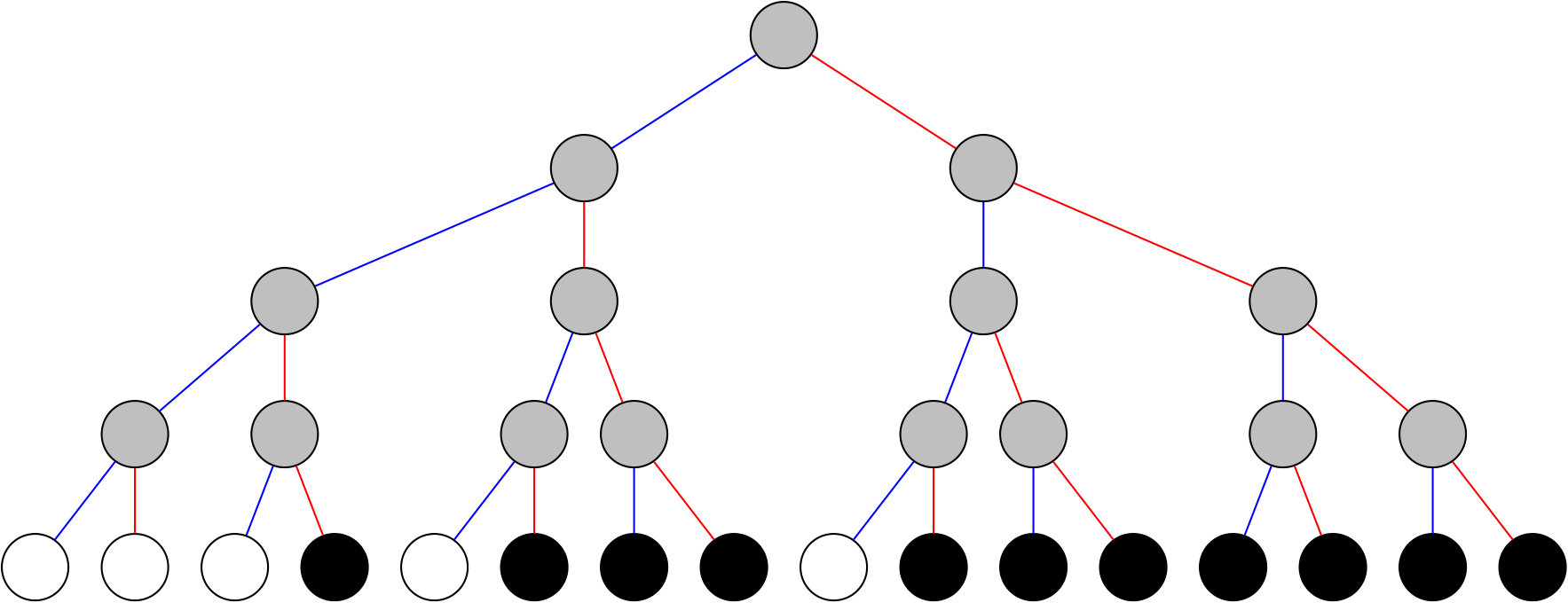 Figure 2
Peer Reviews
No public reviews on file for this paper yet. If you reviewed it on a platform where reviews are public (OpenReview, ICLR, NeurIPS, ICML), you can paste yours below so the community can read it here.
Videos
No videos yet. Explain this paper in a talk, walkthrough, or lecture? Add one.