Resource Allocation for Elastic Optical Networks using Geometric Optimization
Mohammad Hadi, Mohammad Reza Pakravan

TL;DR
This paper introduces a fast heuristic for resource allocation in elastic optical networks using geometric optimization, significantly reducing computation time while maintaining accuracy compared to traditional MINLP methods.
Contribution
It develops a novel geometric optimization-based heuristic for resource allocation that is faster and nearly as accurate as MINLP, with new posynomial expressions for SNR and spectral efficiency.
Findings
Heuristic is over 59 times faster than MINLP in simulations.
Proposed posynomial expressions effectively model SNR and spectral efficiency.
Routing based on product of fiber spans and bit rate improves long-haul network performance.
Abstract
Resource allocation with quality of service constraints is one of the most challenging problems in elastic optical networks which is normally formulated as an MINLP optimization program. In this paper, we focus on novel properties of geometric optimization and provide a heuristic approach for resource allocation which is very faster than its MINLP counterpart. Our heuristic consists of two main parts for routing/traffic ordering and power/spectrum assignment. It aims at minimization of transmitted optical power and spectrum usage constrained to quality of service and physical requirements. We consider three routing/traffic ordering procedures and compare them in terms of total transmitted optical power, total received noise power and total nonlinear interference including self- and cross-channel interferences. We propose a posynomial expression for optical signal to noise ratio in which…
Click any figure to enlarge with its caption.
 Figure 1
 Figure 2
 Figure 3
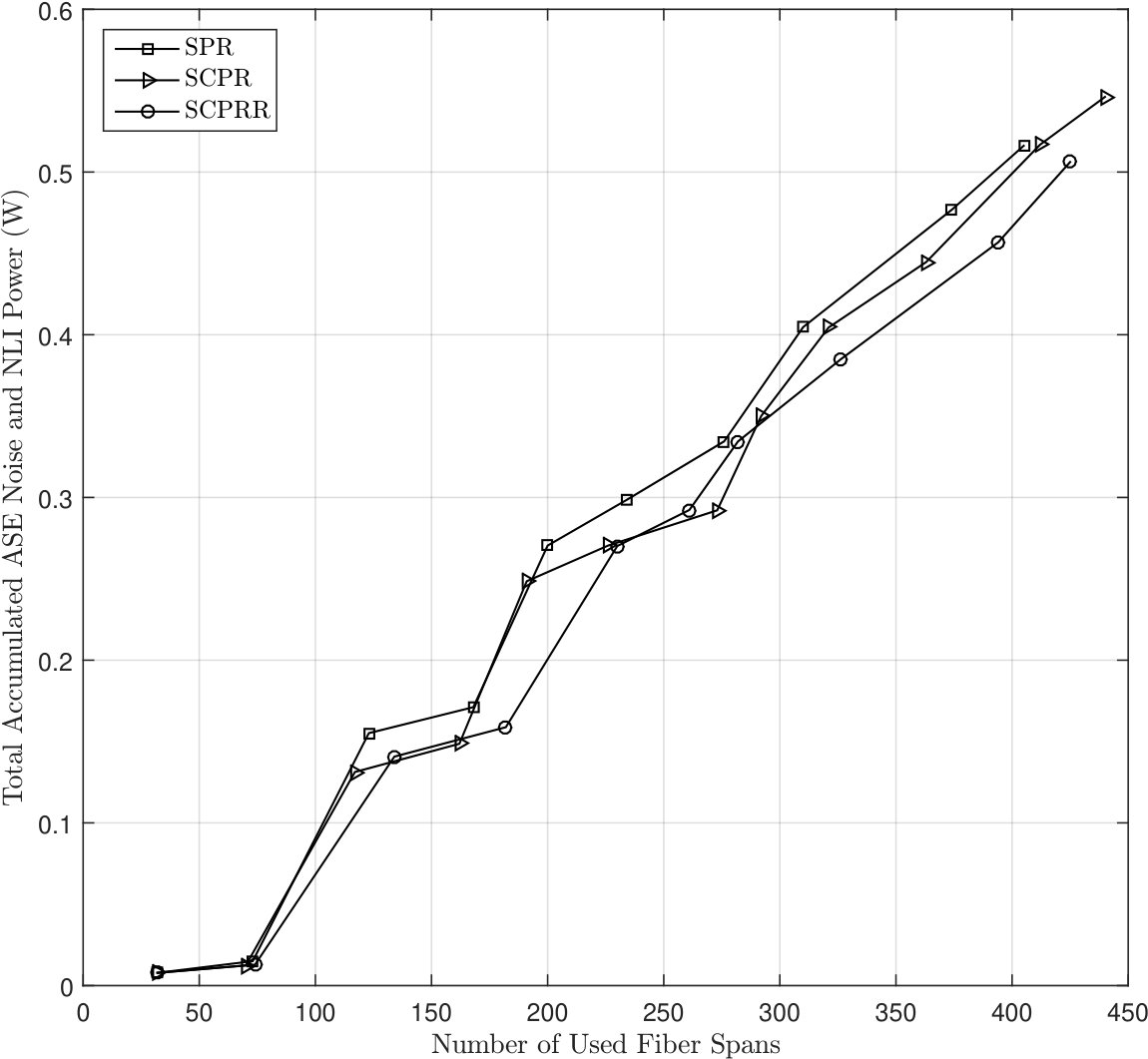 Figure 4
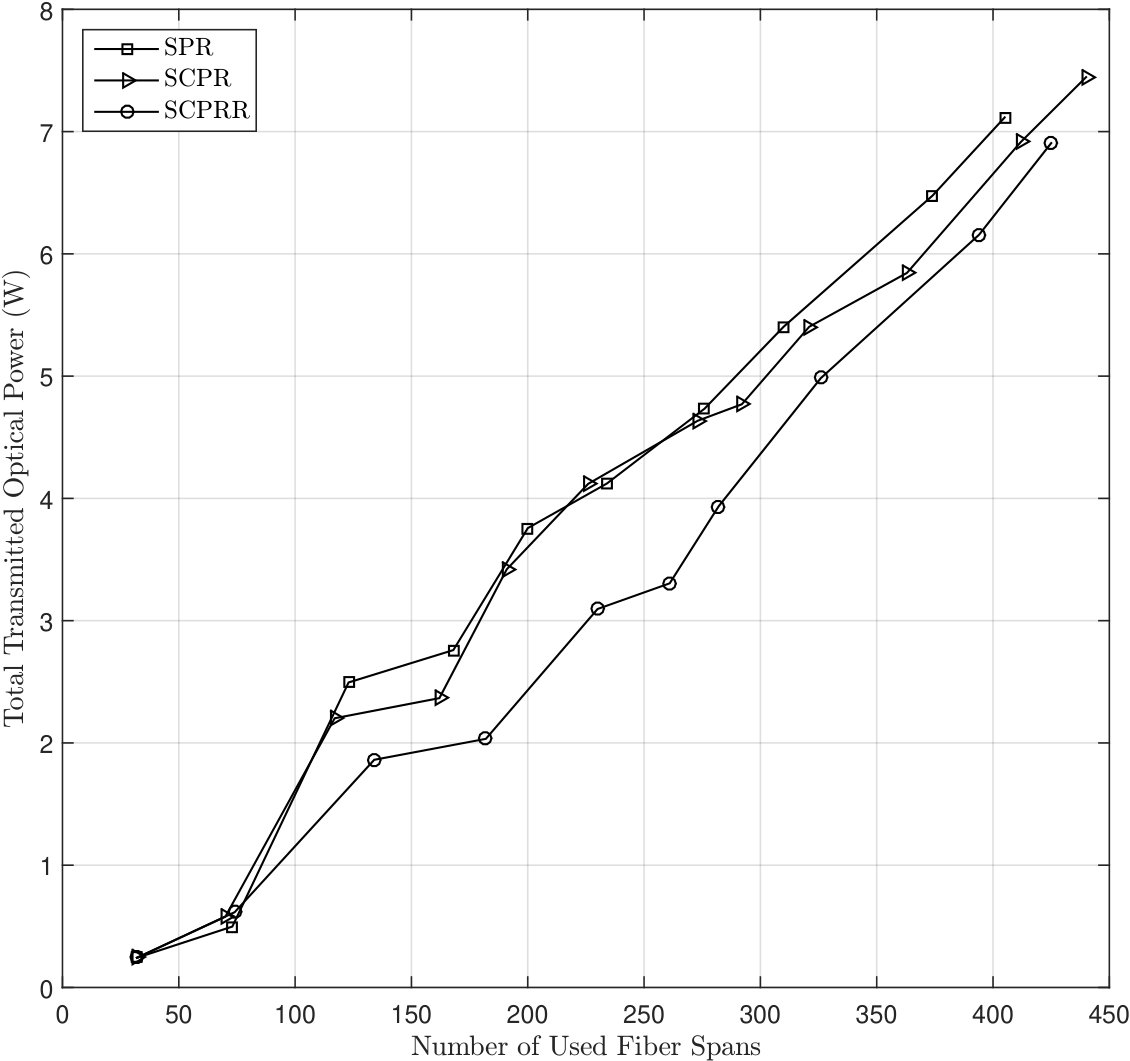 Figure 5
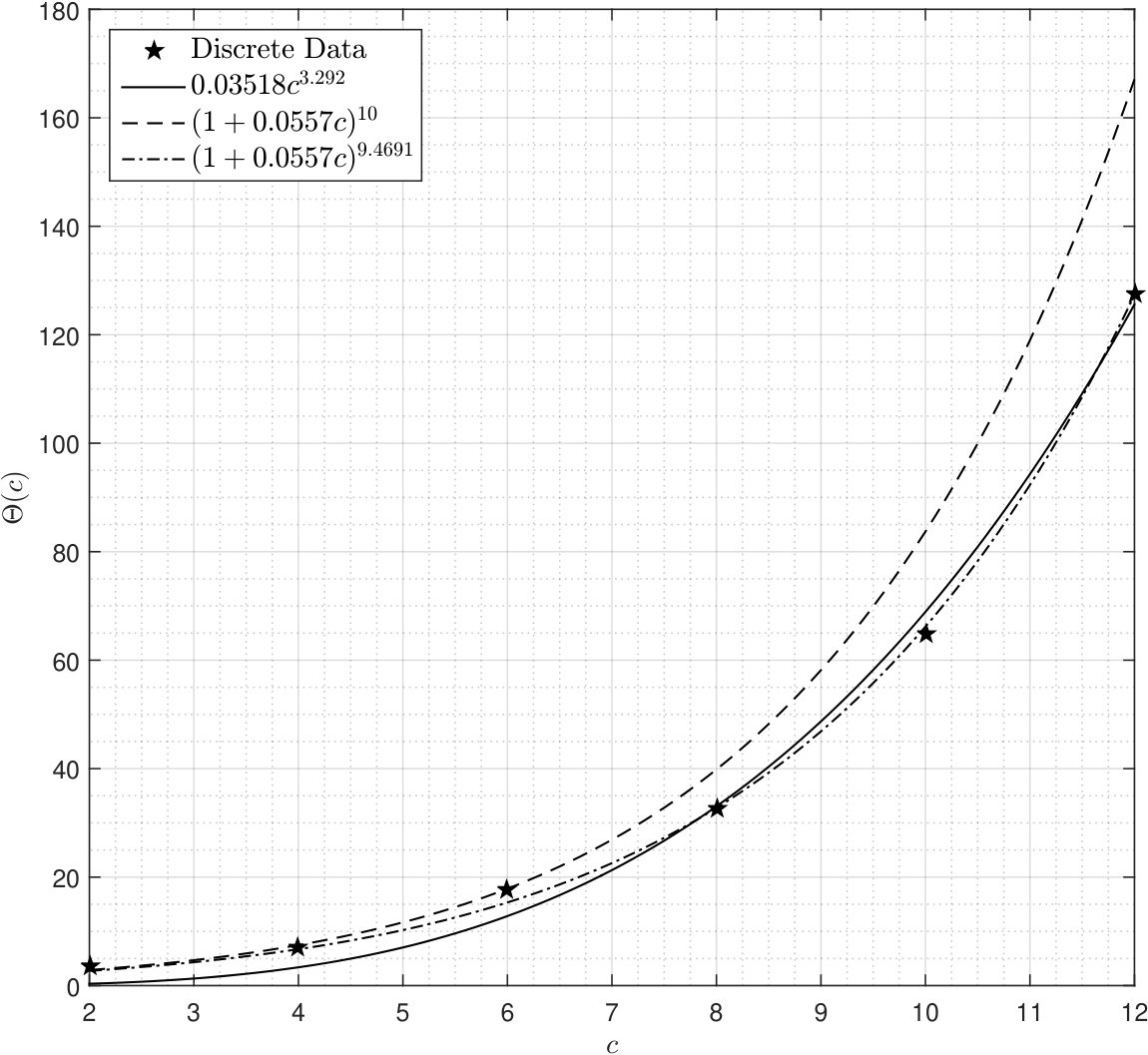 Figure 6
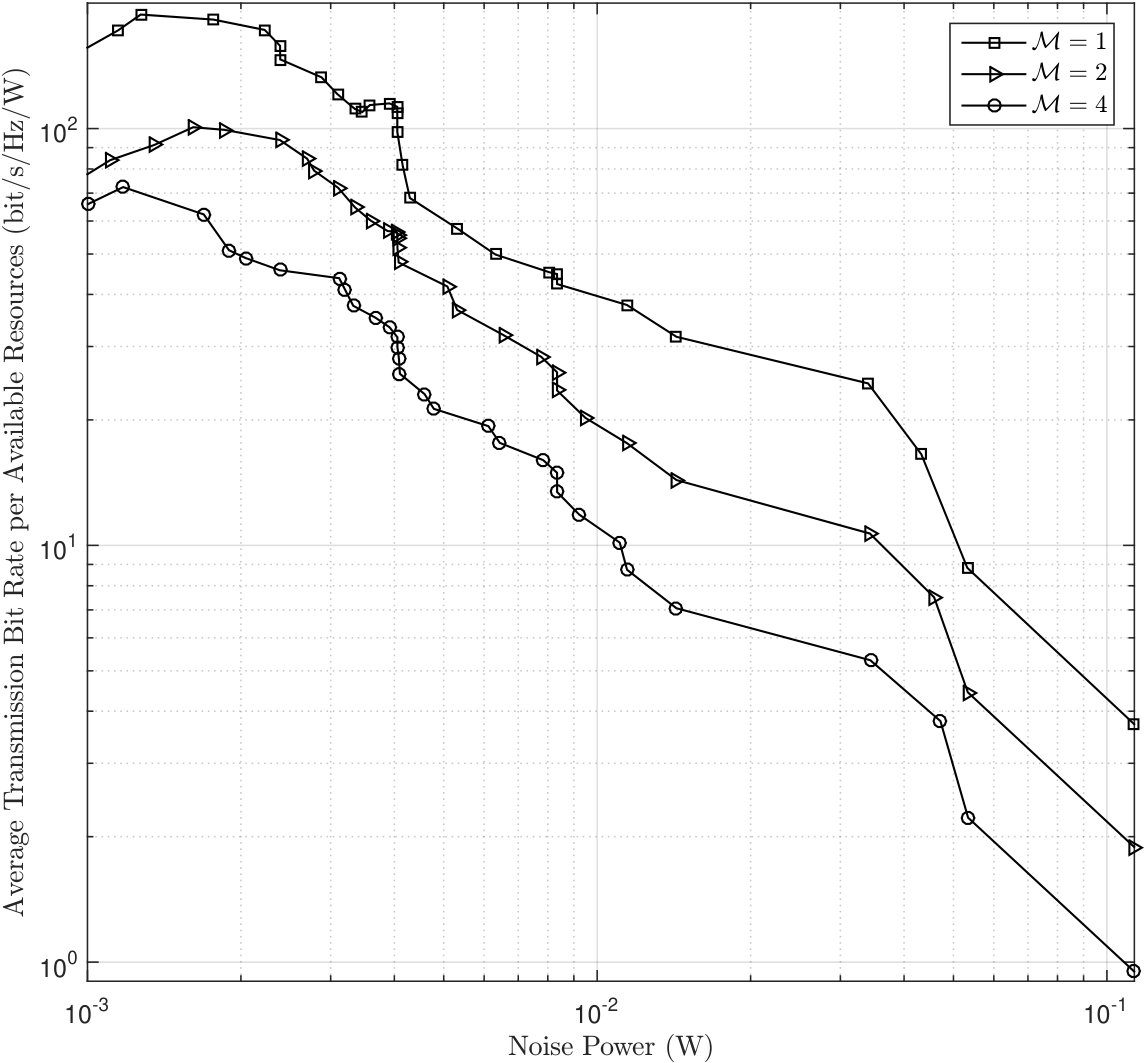 Figure 7
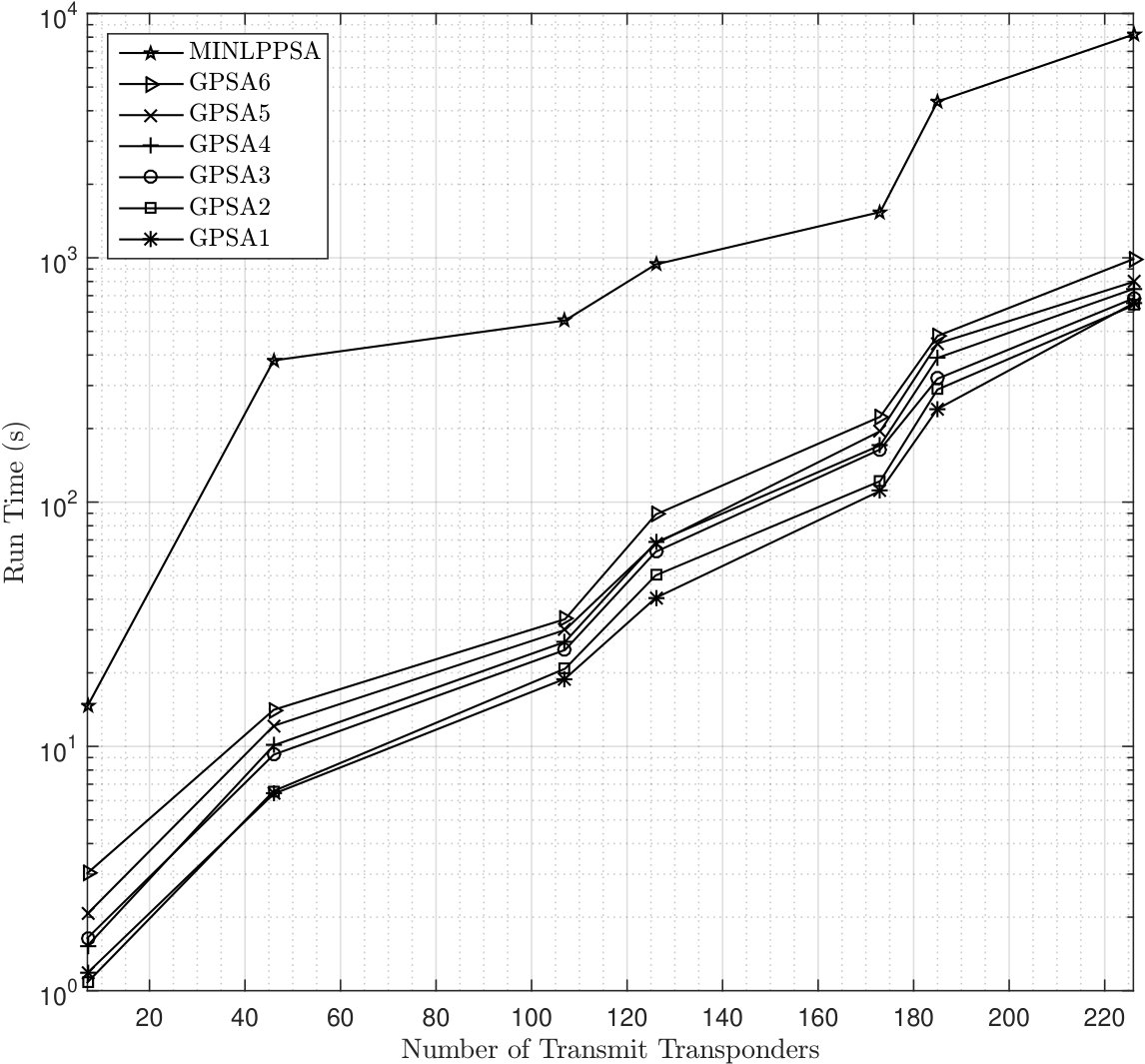 Figure 8
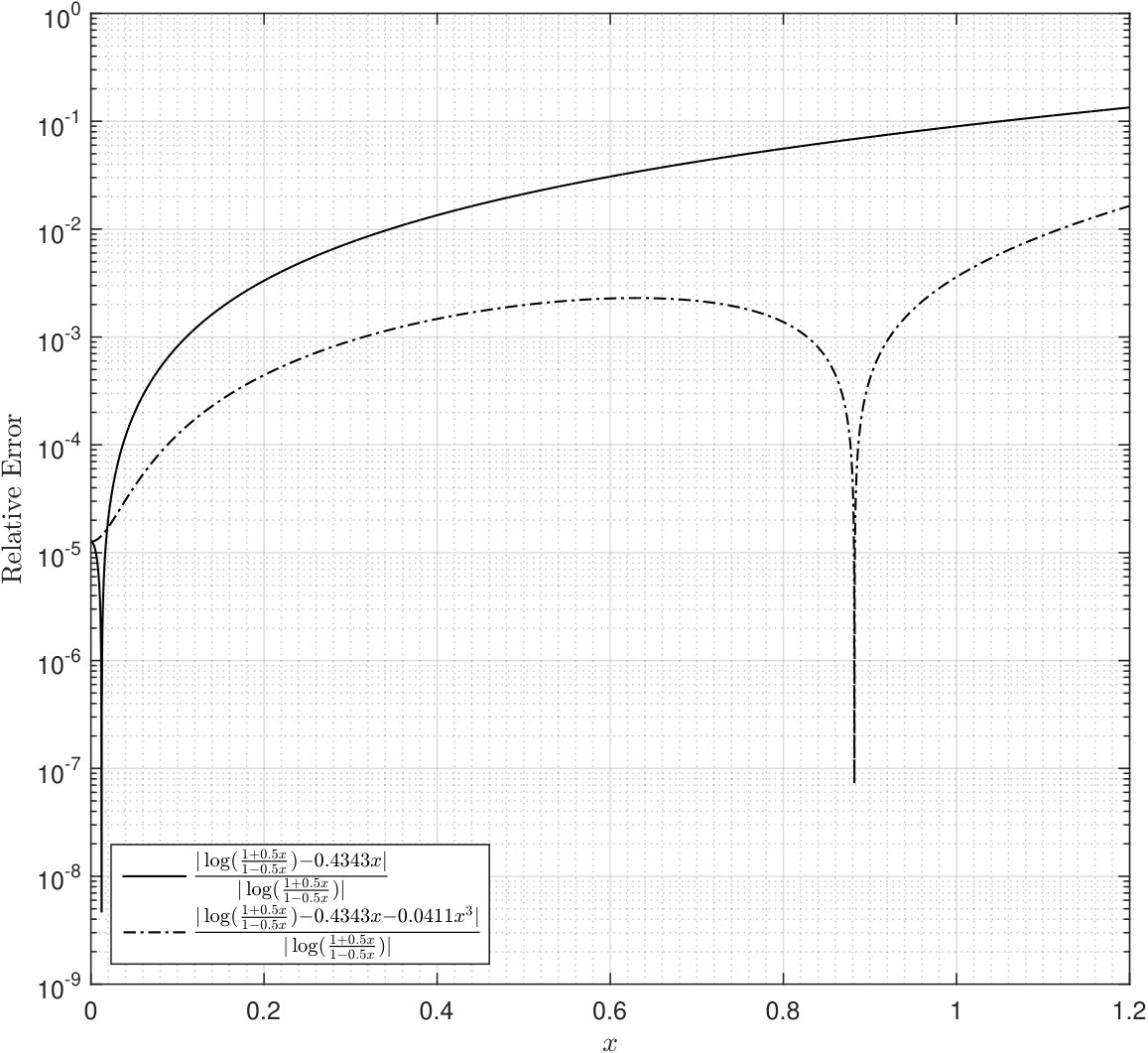 Figure 9
Peer Reviews
No public reviews on file for this paper yet. If you reviewed it on a platform where reviews are public (OpenReview, ICLR, NeurIPS, ICML), you can paste yours below so the community can read it here.
Videos
No videos yet. Explain this paper in a talk, walkthrough, or lecture? Add one.