Higgs mode and its decay in a two dimensional antiferromagnet
A. Jain, M. Krautloher, J. Porras, G. H. Ryu, D. P. Chen, D. L., Abernathy, J. T. Park, A. Ivanov, J. Chaloupka, G. Khaliullin, B. Keimer, and, B. J. Kim

TL;DR
This study reports the first direct observation of a dispersive Higgs mode in a two-dimensional antiferromagnet, revealing its decay into Goldstone modes using neutron scattering, and provides a minimal model for its dynamics.
Contribution
The paper demonstrates the existence and decay of the Higgs mode in a 2D antiferromagnet, establishing a new experimental platform for studying Higgs dynamics in condensed matter.
Findings
Discovered a well-defined Higgs mode in Ca$_2$RuO$_4$
Mapped the decay of the Higgs mode into Goldstone modes
Provided a minimal model Hamiltonian for the system
Abstract
Condensed-matter analogs of the Higgs boson in particle physics allow insights into its behavior in different symmetries and dimensionalities. Evidence for the Higgs mode has been reported in a number of different settings, including ultracold atomic gases, disordered superconductors, and dimerized quantum magnets. However, decay processes of the Higgs mode (which are eminently important in particle physics) have not yet been studied in condensed matter due to the lack of a suitable material system coupled to a direct experimental probe. A quantitative understanding of these processes is particularly important for low-dimensional systems where the Higgs mode decays rapidly and has remained elusive to most experimental probes. Here, we discover and study the Higgs mode in a two-dimensional antiferromagnet using spin-polarized inelastic neutron scattering. Our spin-wave spectra of…
Click any figure to enlarge with its caption.
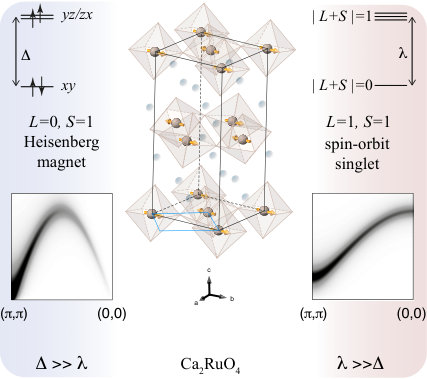 Figure 1
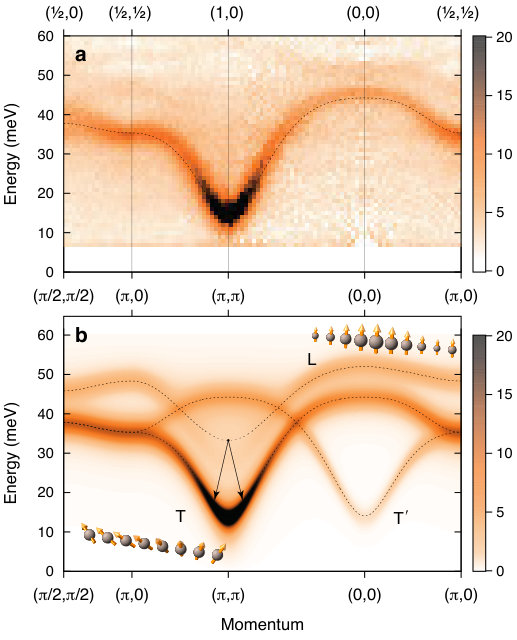 Figure 2
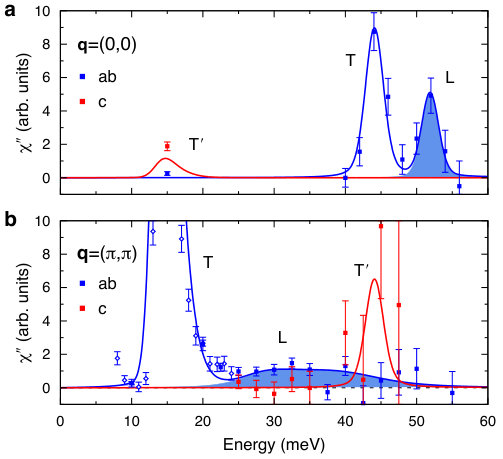 Figure 3
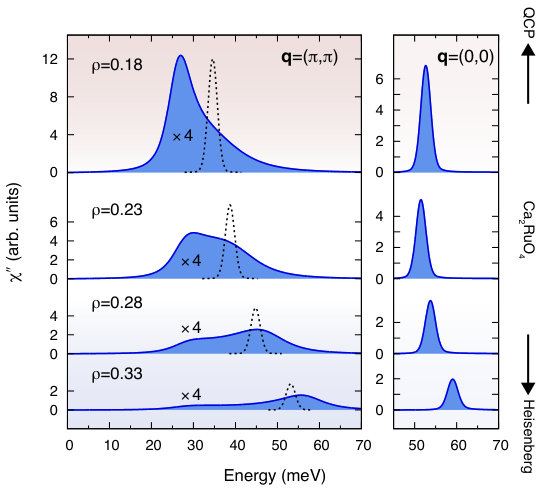 Figure 4
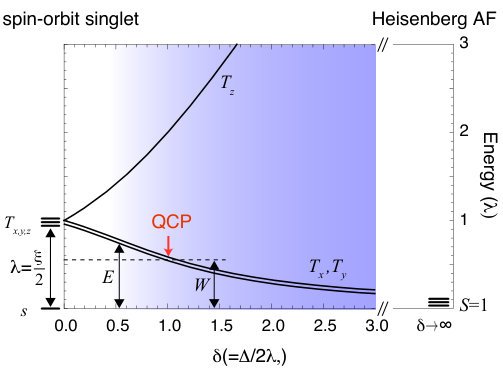 Figure 5
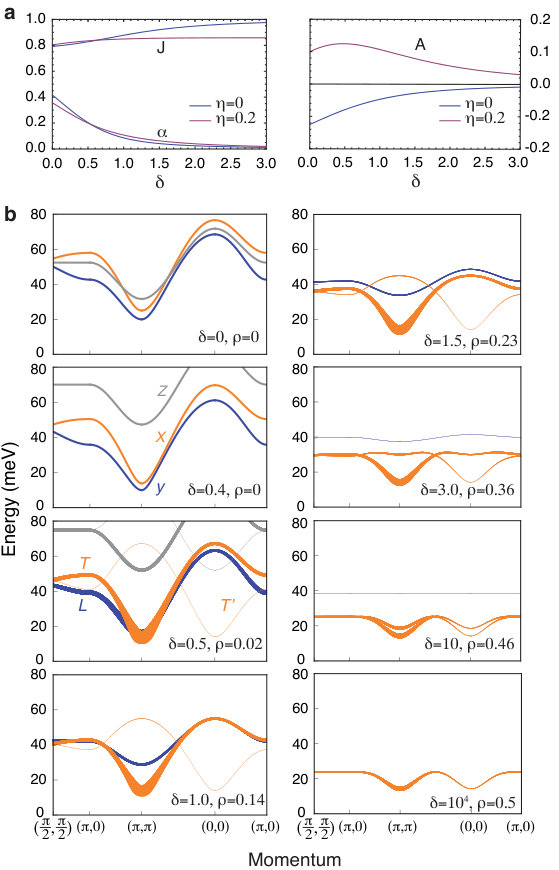 Figure 6
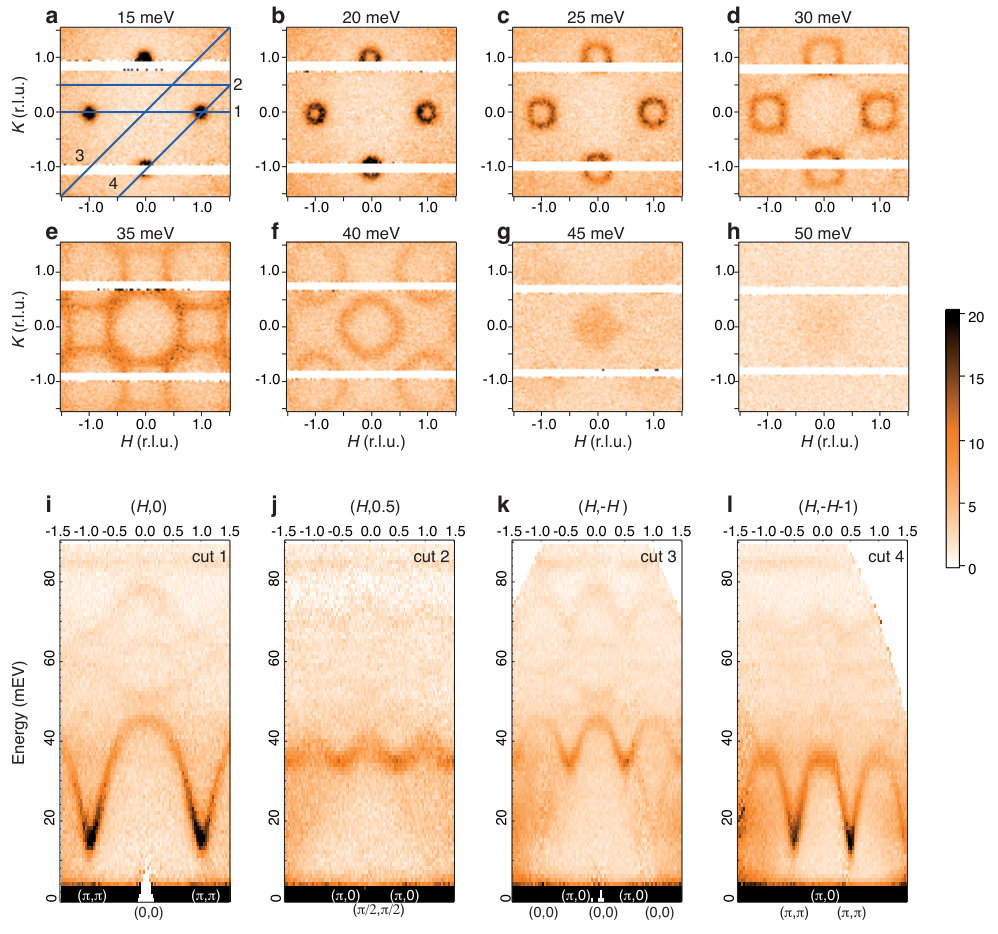 Figure 7
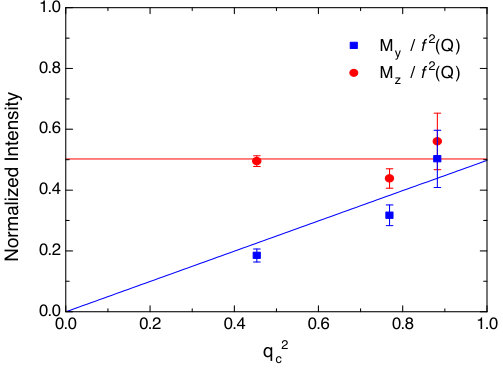 Figure 8
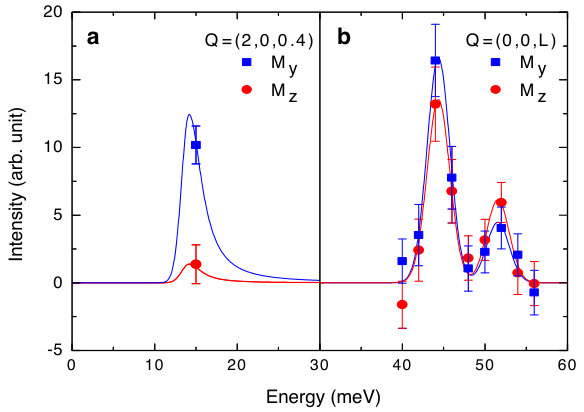 Figure 9
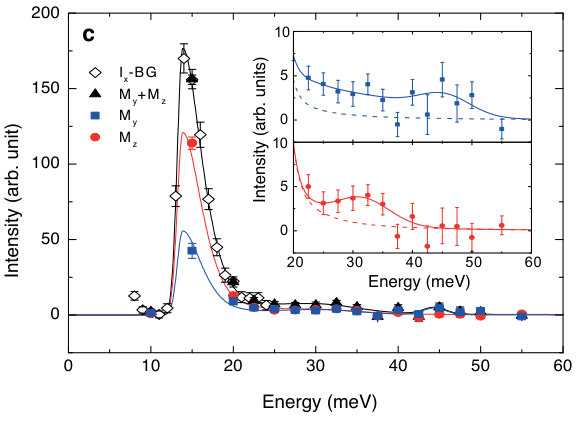 Figure 10
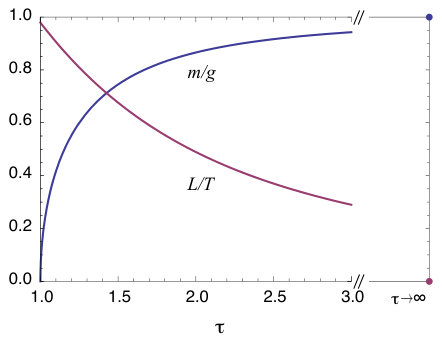 Figure 11
Peer Reviews
No public reviews on file for this paper yet. If you reviewed it on a platform where reviews are public (OpenReview, ICLR, NeurIPS, ICML), you can paste yours below so the community can read it here.
Videos
No videos yet. Explain this paper in a talk, walkthrough, or lecture? Add one.
Higgs mode and its decay in a two dimensional antiferromagnet
A. Jain1,2,†, M. Krautloher1,†, J. Porras1,†, G. H. Ryu1, D. P. Chen1, D. L. Abernathy3, J. T. Park4, A. Ivanov5, J. Chaloupka6, G. Khaliullin1, B. Keimer1,∗, and B. J. Kim1,7,∗
1Max Planck Institute for Solid State Research, Heisenbergstraße 1, D-70569 Stuttgart, Germany
2Solid State Physics Division, Bhabha Atomic Research Centre, Mumbai 400085, India
3Quantum Condensed Matter Division, Oak Ridge National Laboratory, Oak Ridge, Tennessee 37831, USA
4Heinz Maier-Leibnitz Zentrum, TU München, Lichtenbergstraße 1, D-85747 Garching, Germany
5Institut Laue-Langevin, 6, rue Jules Horowitz, BP 156, 38042 Grenoble Cedex 9, France
6 Central European Institute of Technology, Masaryk University, Kotlářská 2, 61137 Brno, Czech Republic
7Department of Physics, Pohang University of Science and Technology, Pohang 790-784, Republic of Korea
**Condensed-matter analogs of the Higgs boson in particle physics allow insights into its behavior in different symmetries and dimensionalitiespekker_2014 . Evidence for the Higgs mode has been reported in a number of different settings, including ultracold atomic gasesEndres_2012 , disordered superconductorsSherman_2015 , and dimerized quantum magnetsRuegg_2008 . However, decay processes of the Higgs mode (which are eminently important in particle physics) have not yet been studied in condensed matter due to the lack of a suitable material system coupled to a direct experimental probe. A quantitative understanding of these processes is particularly important for low-dimensional systems where the Higgs mode decays rapidly and has remained elusive to most experimental probes. Here, we discover and study the Higgs mode in a two-dimensional antiferromagnet using spin-polarized inelastic neutron scattering. Our spin-wave spectra of Ca2RuO4 directly reveal a well-defined, dispersive Higgs mode, which quickly decays into transverse Goldstone modes at the antiferromagnetic ordering wavevector. Through a complete mapping of the transverse modes in the reciprocal space, we uniquely specify the minimal model Hamiltonian and describe the decay process. We thus establish a novel condensed matter platform for research on the dynamics of the Higgs mode. **
For a system of interacting spins, amplitude fluctuations of the local magnetization—the Higgs mode—can exist as well-defined collective excitations near a quantum critical point (QCP). We consider here a magnetic instability driven by the intra-ionic spin-orbit coupling, which tends toward a nonmagnetic state through complete cancellation of orbital () and spin () moments when they are antiparallel and of equal magnitudeKhaliullin_2013 ; Meetei_2015 . Specifically, we investigate the magnetic insulator Ca2RuO4, a quasi-two-dimensional antiferromagnet Nakatsuji_1997 with nominally =1 and =1 (Fig. 1). Because the local symmetry around the Ru(IV) ion is very lowBraden_1998 ; Friedt2001 (having only inversion symmetry), it is widely believed that the orbital moment is completely quenched by the crystalline electric fieldAnisimov_2002 ; Fang2004 ; Liebsch_2007 ; Gorelov_2010 , which is dominated by the compressive distortion of the RuO6 octahedra along the -axis (Fig. 1). In the absence of an orbital moment, the nearest-neighbor magnetic exchange interaction is necessarily isotropic. Deviations from this behavior are a sensitive indicator of an unquenched orbital moment. If this moment is sufficiently strong, it can drive Ca2RuO4 close to a QCP with novel Higgs physics.
Our comprehensive set of time-of-flight (TOF) inelastic neutron scattering (INS) data over the full Brillouin zone (Fig. 2a) indeed reveal qualitative deviations of the transverse spin-wave dispersion from those of a Heisenberg antiferromagnet. In particular, the global maximum of the dispersion is found at = (0,0), in sharp contrast to a Heisenberg antiferromagnet which has a minimum there (Fig. 1). This striking manifestation of orbital magnetism in Ca2RuO4 Mizokawa_2001 ; Haverkort_2008 ; Fatuzzo_2015 leads us to consider the limit of strong spin-orbit coupling described in terms of a singlet and a triplet separated in energy by (Fig. 1). In this limit, the ground state is non-magnetic with zero total angular momentum, and therefore a QCP separating it from a magnetically ordered phase is expected as a matter of principle. Although this QCP can be pre-empted by an insulator-metal transitionTaniguchi_2013 ; Nakamura_2002 or rendered first-order by coupling to the lattice or other extraneous factors, it is sufficient that the system is reasonably close to the hypothetical QCP.
To assess the proximity to the QCP and the possibility of finding the Higgs mode, we first reproduce the observed transverse spin-wave modes by applying the spin-wave theoryMatsumoto2004 ; Sommer2001 to the following phenomenological Hamiltonian dictated by general symmetry considerations:
[TABLE]
Here, denotes a pseudospin-1 operator describing the entangled spin and orbital degrees of freedom. This model includes single-ion anisotropy ( and ) terms induced by tetragonal ( ) and orthorhombic ( ) distortions, correspondingly, as well as an XY-type exchange anisotropy () and the bond-directional pseudodipolar interaction (); note that its sign depends on the bond. Also symmetry allowed—but neglected here—are the Dzyaloshinskii-Moriya interaction (which can be gauged out by a suitable local coordinate transformation) and further-neighbor interactions. The coupling constants resulting from fits of the model to the measured spectra are provided in the caption of Fig. 2. We stress that this model gives the unique minimal description of the system, which we also derive explicitly starting from the microscopic electronic structure (see Supplementary Information).
We find that the single-ion term overwhelms all other coupling constants, particularly the nearest-neighbor exchange coupling , and thus confines the pseudospins to the basal plane. This accounts for the XY-like dispersion which has a maximum at = (0,0). This important aspect was missed in a recent INS study of Ca2RuO4, because the dispersion along the path (/2,/2)–(0,0) was not measuredBraden_2015 . The large also acts toward suppressing the magnetic order by favoring the = 0 singlet ground state—known in the literature as ‘spin nematic’Podolsky2005 —which is also consistent with microscopic considerations (Fig. 1). Other terms play a rather minor role; the pseudodipolar term accounts for the small dispersion along the magnetic zone boundary (/2,/2)-(,0), and is responsible for gapping the transverse mode, the significance of which will be discussed later. Our calculation (Fig. 2b) predicts in this parameter regime an intense Higgs mode, visible as a longitudinal spin wave, which heralds a proximate QCP.
Armed with this specific guidance, we pursue the Higgs mode using spin-polarized INS, using the scattering geometry that maximizes its neutron cross section. We use the standard XYZ-difference method to filter out all non-magnetic and incoherent scattering signals and to resolve all three spin-wave polarizations: the longitudinal mode (L) oscillates along the crystallographic -axis, and the transverse Goldstone modes (T and T′) along the and axes. Because our sample mosaic consisting of 100 crystals is “twinned”, i.e., approximately half of them are rotated 90∘ about the axis with respect to the other half, we can only distinguish between in-plane () and out-of-plane () polarized modes. However, this is sufficient to identify the Higgs mode (see Supplementary Information).
Figure 3a shows the measured (symbols with error bars) and calculated (solid lines) dynamical susceptibility at = (0,0). We observe three peaks in total as expected, but not all of them were clearly seen in the TOF data because their intensities are maximized in different scattering geometries. The highest-energy peak at 52 meV is unambiguously identified as the Higgs mode by its magnetic and in-plane-polarized character, because the second in-plane-polarized mode at 45 meV has already been identified as the T mode (Fig. 2). Further, the data are in excellent accord with the model calculation, which has no adjustable parameter after fitting the dispersion of the T modes. The intensity ratio between the L and T modes is 0.550.11, which is a quantitative measure of the proximity to the QCP (Fig. S7), at which the distinction between the L and T modes vanishes and their intensities become identical.
Having established the existence of the Higgs amplitude mode, we now look at its long-wavelength behavior. It is at the ordering wave vector where the stability of the Higgs mode critically depends on the dimensionality of the system. In three dimensions, earlier INS studies on a dimerized quantum magnet have established a well-defined Higgs modeRuegg_2008 , which was then used to study its critical behavior across a QCPRuegg_2008_2 ; merchant_2014 . In sharp contrast, our in-plane polarized spectrum measured at = (,) shows only one clear peak for the T mode at 14 meV, followed by a broad magnetic intensity distribution in the energy range 20-50 meV, which is however well above the detection limit (Fig. 3b). The Higgs mode has decayed to the extent that a high-flux spin-polarized neutron spectrometer is required to detect its trace.
However, it is also known that the response of the Higgs mode strongly depends on the symmetry of the probe being used. Therefore, its rapid decay in the longitudinal susceptibility measured by INS does not necessarily imply its instability in two dimensions. In fact, it has been shown in other two-dimensional systems, such as disordered superconductorsSherman_2015 and superfluids of cold atomsEndres_2012 , that the Higgs mode is clearly visible in the scalar susceptibility with its characteristic \sim$$\omega^{3} onset in the energy spectrum. By contrast, theory predicts that the Higgs mode in the longitudinal susceptibility quickly loses its coherence by decaying into a pair of Goldstone modesPodolsky_2011 ; Gazit_2013 . This results in an infrared divergence in two dimensions and renders the Higgs mode elusive.
Conversely, the INS spectrum at = (,) encodes detailed information on the decay process of the Higgs mode that is not available from other measurements. To model the decay process, we go beyond the harmonic approximation used in the spin-wave theory to include the coupling of the longitudinal mode to the two-magnon continuum (see Supplementary Information). The solid lines in Fig. 3 show the result of the final calculation, which give an excellent description of the data both at = (0,0) and = (,); the decay process (Fig. 2b) is kinematically restricted away from the ordering wave vector, and the Higgs mode is well identified at = (0,0).
Intriguingly, we encounter a rather unusual situation where all the transverse modes are massive (gapped), as a result of orthorhombic symmetry of the crystal structure parameterized by . The transverse gap cuts off the infrared singularity and the spectral weight piles up at non-zero energy. We illustrate this point in Fig. 4 by simulating the change in the longitudinal spectrum as the system approaches the QCP. At = (,), the decay of the Higgs mode into a pair of minimum-energy transverse modes is still the dominant channel, which generates a ‘resonance’ at twice the energy of the gap. This resonance steals much of the spectral weight from the bare longitudinal mode, thus obscuring its spectral signature especially near the QCP. As the system moves away from the QCP, the longitudinal mode progressively hardens and becomes weaker, and its spectral weight spans a larger energy range. The spectral evolution at = (0,0) shows this trend with the decay process suppressed; the Higgs mode remains a well-defined excitation even away from the QCP although its intensity quickly diminishes.
Now that we have established a two-dimensional material system, future studies can reveal further aspects of the Higgs mode. In particular, it is uncertain at this point whether the decay process considered above fully describes its dynamics. Other channels, such as decays into vortex-like excitations, are conceivable in two dimensions and require further investigation. In addition, it would be interesting to compare the results presented herein with the spectra from resonant inelastic x-ray scattering, which can in principle access both the scalar and longitudinal susceptibilities. Finally, it is interesting to note that the Higgs boson in particle physics is detected through its decay products, such as pairs of photons, W and Z bosons, or leptons. The Higgs potential can be determined through the decay rates and branching ratios of these processes, which have been calculated to very high precision. Our study represents the first step toward a parallel development in condensed matter physics.
Acknowledgements We acknowledge financial support from the German Science Foundation (DFG) via the coordinated research program SFB-TRR80, and from the European Research Council via Advanced Grant 669550 (Com4Com). The experiments at Oak Ridge National Laboratory’s Spallation Neutron Source were sponsored by the Division of Scientific User Facilities, US DOE Office of Basic Energy Sciences. J.C. was supported by GACR (project no. GJ15-14523Y) and by MSMT CR under NPU II project CEITEC 2020 (LQ1601).
Methods
Sample synthesis & characterization Single crystals of Ca2RuO4 were grown by the floating zone method with RuO2 self-fluxNakatsuji2001 . The lattice parameters = 5.409 Å, = 5.505 Å, and = 11.9312 Å were determined by x-ray powder diffraction, in good agreement with the parameters reported in the literatureBraden_1998 for the “S” phase with short -axis lattice parameter. The magnetic ordering temperature = 110 K was determined using magnetization measurements in a Quantum Design SQUID-VSM device. Polarized neutron diffraction measurements indicate that most of the array orders in the “A-centered” magnetic structure with magnetic propagation vector = (1,0,0)Braden_1998 . The fraction of the sample with ordering vector = (0,1,0), i.e.“B-centered”, is estimated to be less than 5%.
Time-of-flight inelastic neutron scattering For the TOF measurements, we co-aligned about 100 single crystals with a total mass of 1.5 g into a mosaic on Al plates. Approximately half of the crystals were rotated 90∘ about the -axis from the other half (Supplementary Fig. 2). The in-plane and -axis mosaicity of the aligned crystal assembly were 3.2∘ and 2.7∘, respectively. The measurements were performed on the ARCS time-of-flight chopper spectrometer at the Spallation Neutron Source, Oak Ridge National Laboratory, Tennessee, USA. The incident neutron energy was 100 meV. The Fermi chopper and chopper frequencies were set to 600 and 90 Hz, respectively, to optimize the neutron flux and energy-resolution. The measurements were carried out at T = 5 K. The sample was mounted with (,0,) plane horizontal. The sample was rotated over 90∘ about the vertical -axis with a step size of 1∘. At each step data were recorded over a deposited proton charge of 3 Coulombs ( 45 minutes) and then converted into 4D using the HORACE software packageHorace and normalized using a vanadium calibration.
Polarized inelastic neutron scattering Preliminary triple-axis measurements, in order to reproduce the TOF results and determine the feasibility of the polarized experiment, were done in the thermal triple-axis spectrometer PUMA at the FRM-II, Garching, Germany. The measurements were done on the same sample used for the TOF experiment. To optimize the flux and energy resolution, double-focused PG (002) and Cu (220) monochromators, for measurements below and above 30 meV respectively, and a double-focused PG (002) analyzer were used, keeping = 2.662 Å*-1* constant. For the polarized triple axis measurement we remounted the crystals from the TOF experiment on Si plates and increased the number of crystals to obtain a total sample mass of 3 g. The mosaicity of this sample was 3.2∘ and 2.6∘ for in-plane and -axis, respectively. The experiment was performed on the IN20 three-axis-spectrometer at the Institute Laue-Langevin, Grenoble, France. For the XYZ polarization analysis, we used a Heusler (111) monochromator and analyzer in combination with Helmholtz coils at the sample position. Throughout the experiment we used a fixed = 2.662 Å*-1* and performed polarization analysis in energy and scans at (,) and (0,0), keeping as small as permitted by kinematic constraints. The measurements were carried out at T = 2 K.
The reference list from the paper itself. Each links out to its DOI / PubMed record.
- 1(1) Pekker, D. & Varma, C. M. Amplitude/Higgs modes in condensed matter physics. Annual Review of Condensed Matter Physics 6 , 269–297 (2014).
- 2(2) Endres, M. et al. The ‘Higgs’ amplitude mode at the two-dimensional superfluid/Mott insulator transition. Nature 487 , 454–458 (2012).
- 3(3) Sherman, D. et al. The Higgs mode in disordered superconductors close to a quantum phase transition. Nature Phys. 11 , 188–192 (2015).
- 4(4) Rüegg, C. et al. Quantum magnets under pressure: Controlling elementary excitations in Tl Cu Cl 3 . Phys. Rev. Lett. 100 , 205701 (2008).
- 5(5) Braden, M., André, G., Nakatsuji, S. & Maeno, Y. Crystal and magnetic structure of Ca 2 Ru O 4 : Magnetoelastic coupling and the metal-insulator transition. Phys. Rev. B 58 , 847–861 (1998).
- 6(6) Friedt, O. et al. Structural and magnetic aspects of the metal-insulator transition in Ca 2-x Sr x Ru O 4 . Phys. Rev. B 63 , 174432 (2001).
- 7(7) Khaliullin, G. Excitonic magnetism in Van Vleck-type d 4 superscript 𝑑 4 {d}^{4} Mott insulators. Phys. Rev. Lett. 111 , 197201 (2013).
- 8(8) Meetei, O. N., Cole, W. S., Randeria, M. & Trivedi, N. Novel magnetic state in d 4 superscript 𝑑 4 {d}^{4} Mott insulators. Phys. Rev. B 91 , 054412 (2015).