Optical spectroscopy of the Be/X-ray Binary V850 Cen/GX 304-1 during faint X-ray periodical activity
C. Malacaria, W. Kollatschny, E. Whelan, A. Santangelo, D. Klochkov,, V. McBride, and L. Ducci

TL;DR
This study uses optical spectroscopy to analyze the circumstellar disk of the Be/X-ray binary V850 Cen/GX 304-1, revealing disk variability and its relation to X-ray activity over a binary orbit.
Contribution
It provides detailed optical spectral observations of the system, linking disk evolution with X-ray activity and constraining the disk size and inclination angle.
Findings
Hα V/R ratio varies significantly over a year
Disk size changes correlate with X-ray activity levels
Hβ-emitting region is about half the size of Hα-emitting disk
Abstract
Be/X-ray binaries are the most populous class of High Mass X-ray Binaries. Their X-ray duty cycle is tightly related to the optical companion wind activity, which in turn can be studied through optical spectroscopical dedicated observations. We study optical spectral features of the Be circumstellar disk to test their long-term variability and their relation with the X-ray activity. Special attention has been given to the H emission line, that is one of the best tracers of the disk conditions. We obtained optical broadband medium resolution spectra from a dedicated campaign with the Anglo-Australian Telescope and the Southern African Large Telescope in 2014-2015. Data span over one entire binary orbit, and cover both X-ray quiescent and moderately active periods. We used Balmer emission lines to follow the evolution of the circumstellar disk. We observe prominent spectral…
Click any figure to enlarge with its caption.
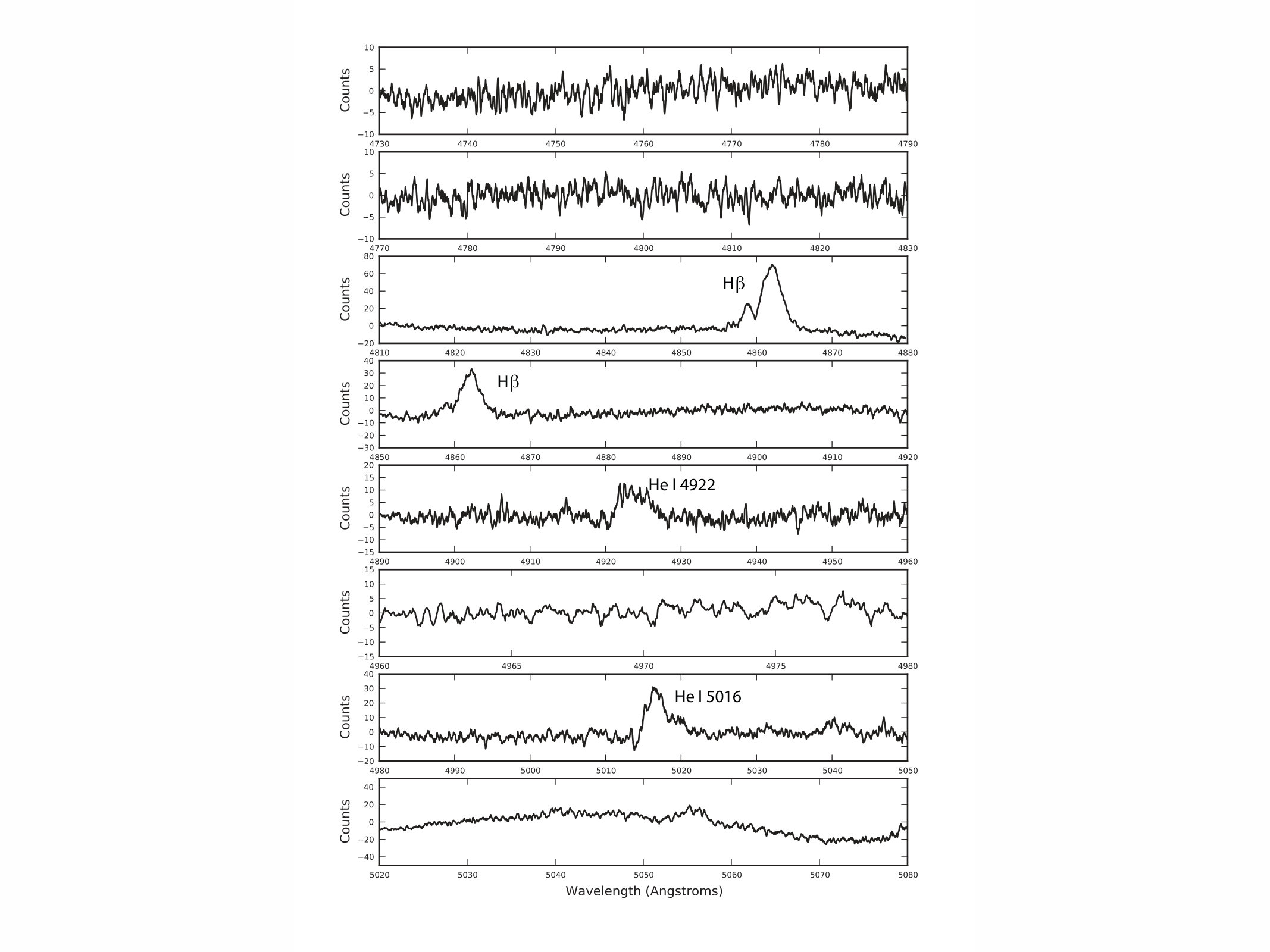 Figure 1
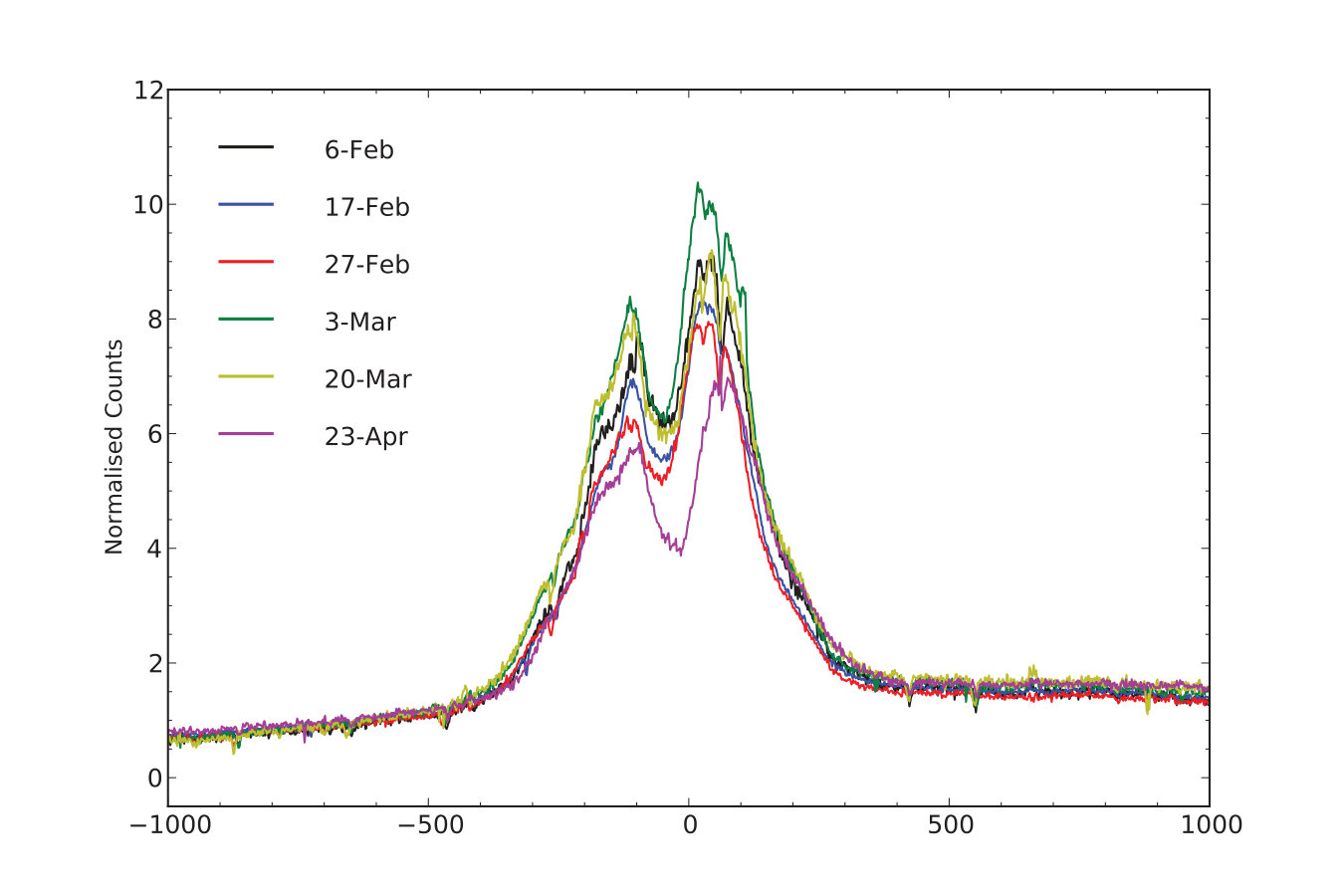 Figure 2
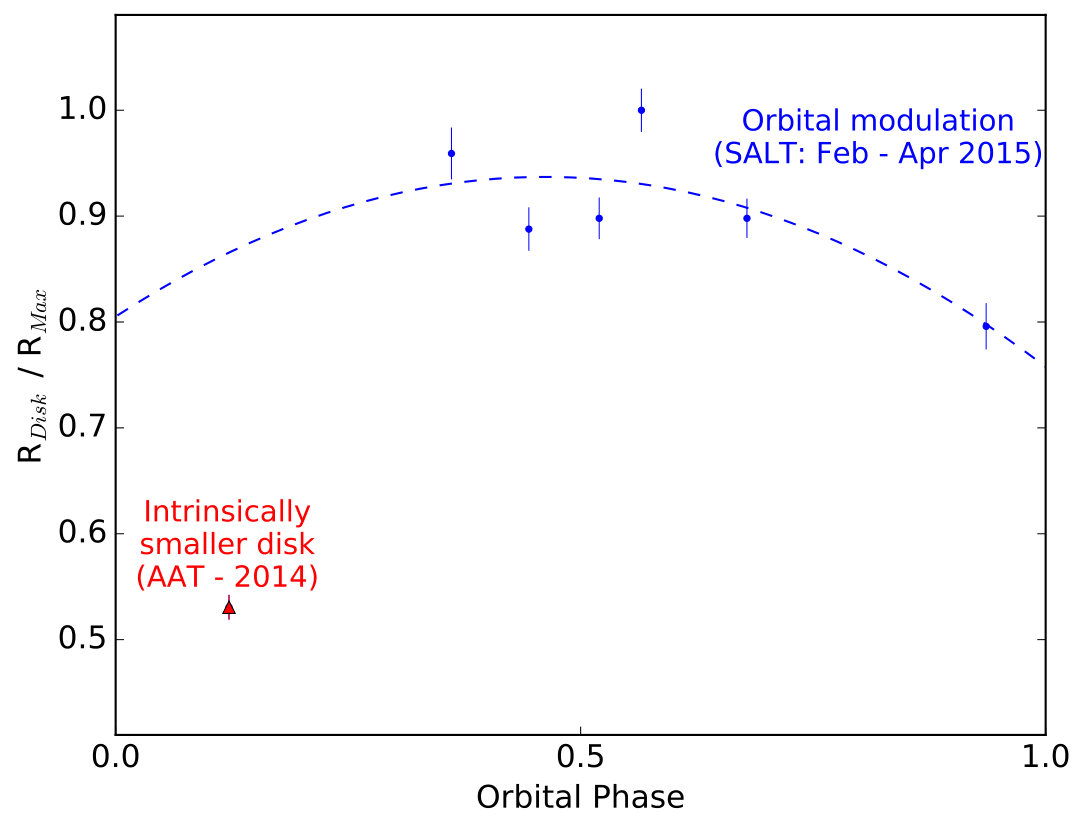 Figure 3
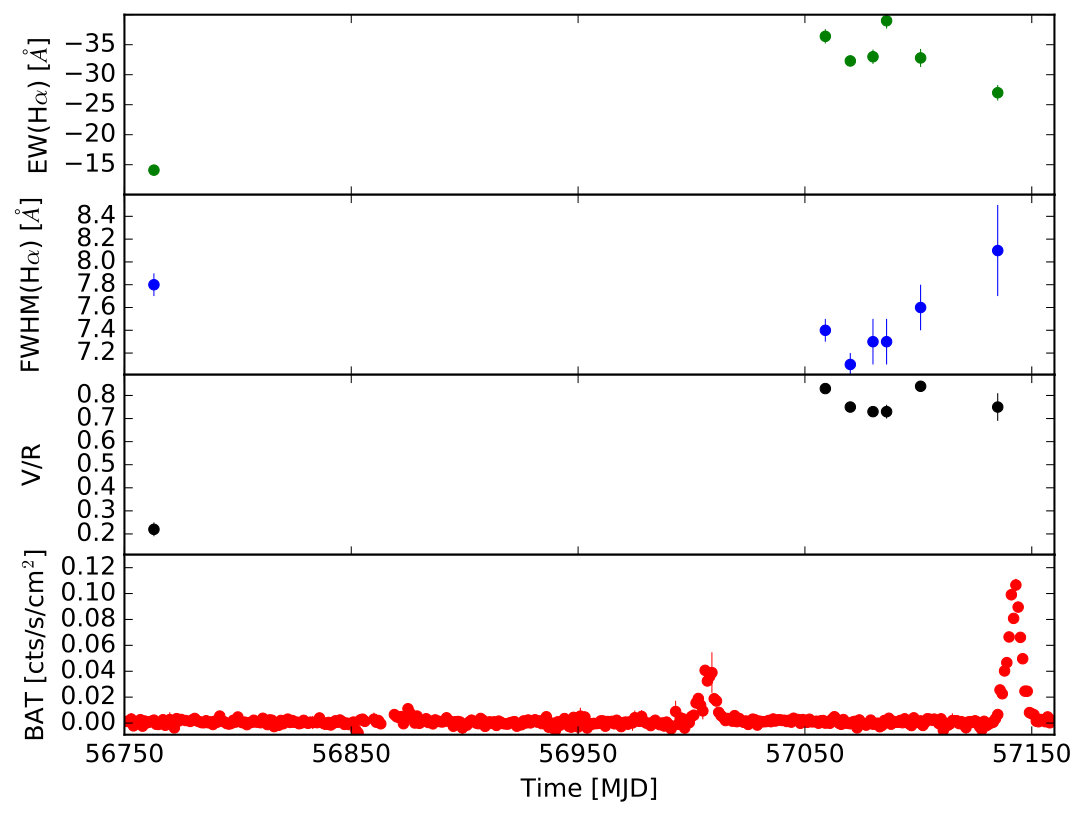 Figure 4
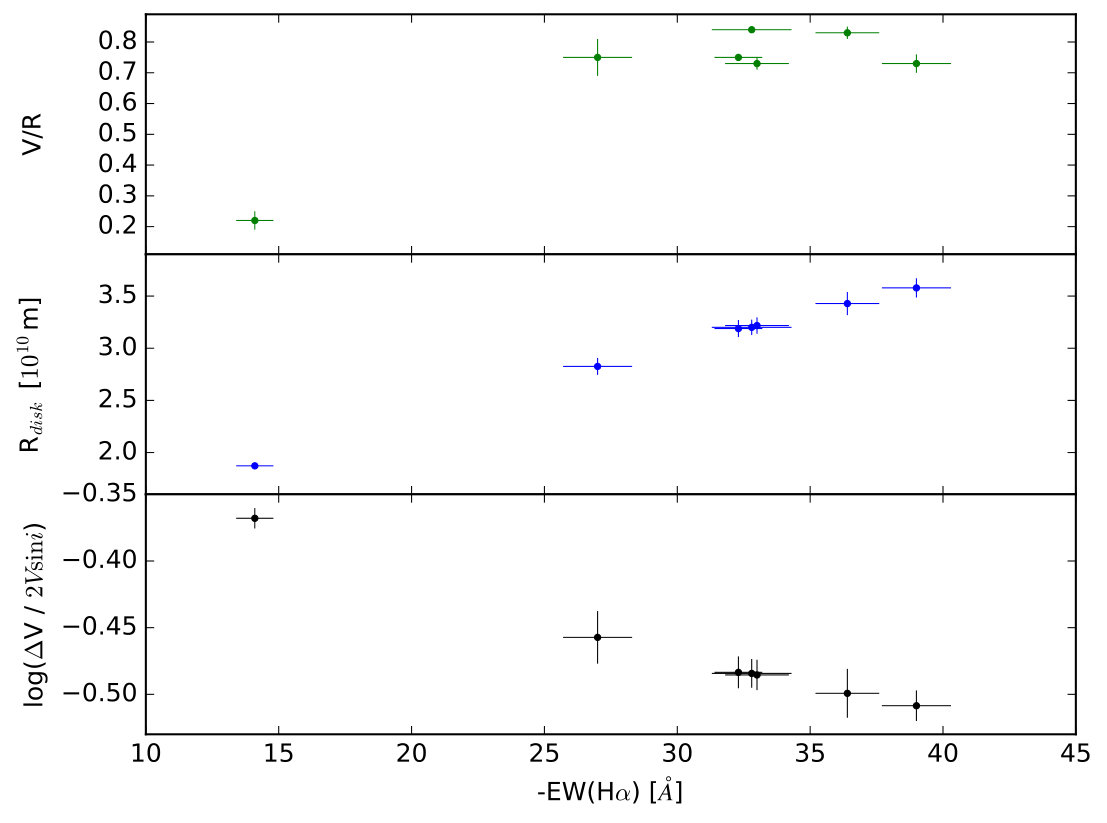 Figure 5
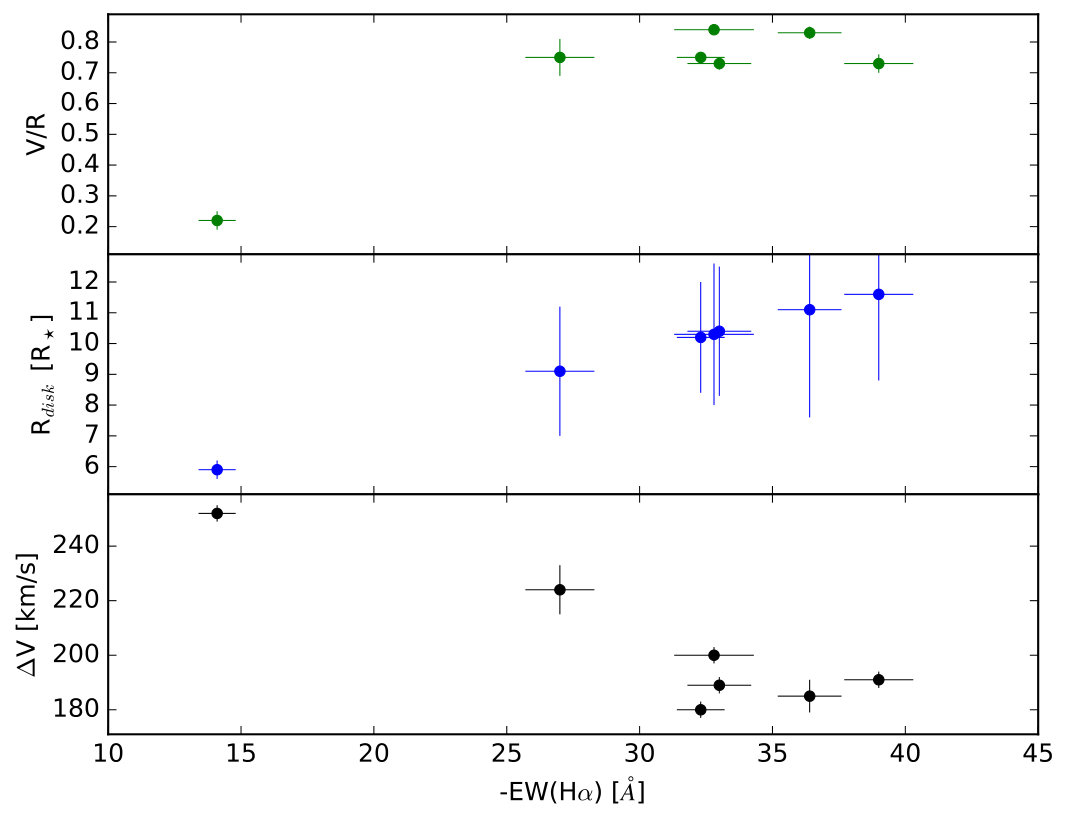 Figure 6
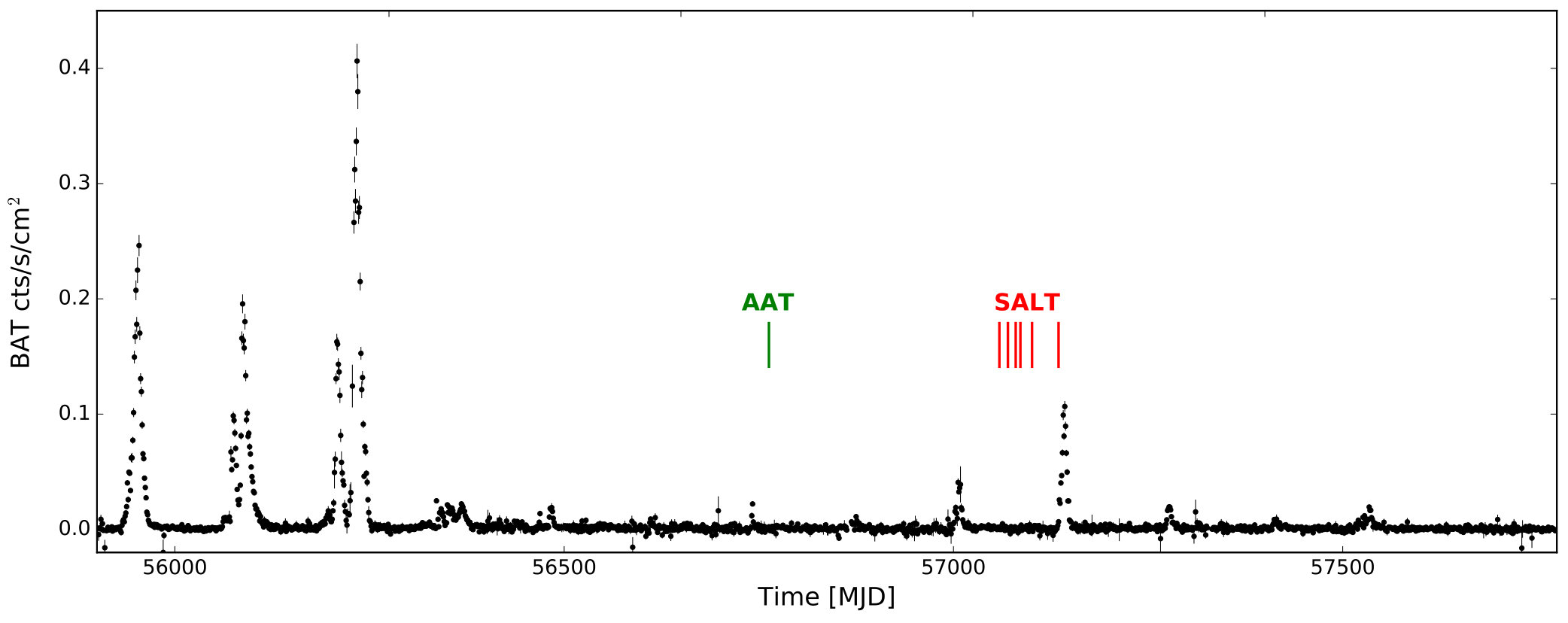 Figure 7
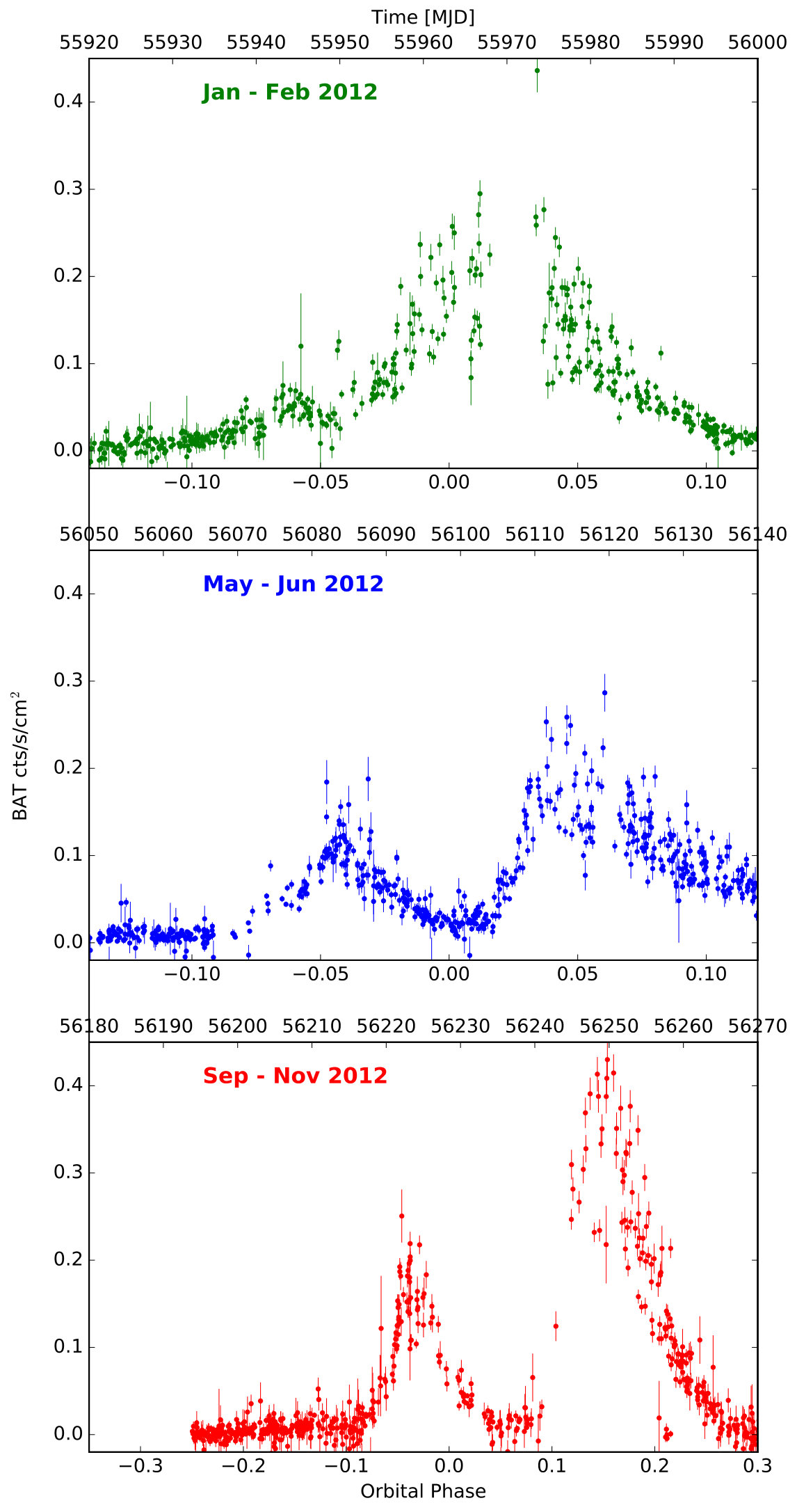 Figure 8
Peer Reviews
No public reviews on file for this paper yet. If you reviewed it on a platform where reviews are public (OpenReview, ICLR, NeurIPS, ICML), you can paste yours below so the community can read it here.
Videos
No videos yet. Explain this paper in a talk, walkthrough, or lecture? Add one.