Lightning Chemistry on Earth-like Exoplanets
Aleksandra Ardaseva, Paul B. Rimmer, Ingo Waldmann, Marco Rocchetto,, Sergei N. Yurchenko, Christiane Helling, Jonathan Tennyson

TL;DR
This paper introduces a comprehensive lightning-induced atmospheric chemistry model applicable to Earth-like exoplanets, predicting chemical yields and spectral features, and assessing detectability with current telescopes.
Contribution
The study develops a coupled hydrodynamics and kinetic chemistry model for lightning on exoplanets, providing new predictions for atmospheric composition changes and spectral signatures.
Findings
NO and NO2 yields match observations for Earth analogues
Lightning can significantly alter atmospheric composition, including O3 and C2N
Spectral features of lightning-induced chemicals are below JWST detection limits
Abstract
We present a model for lightning shock induced chemistry that can be applied to atmospheres of arbitrary H/C/N/O chemistry, hence for extrasolar planets and brown dwarfs. The model couples hydrodynamics and the STAND2015 kinetic gas-phase chemistry. For an exoplanet analogue to the contemporary Earth, our model predicts NO and NO2 yields in agreement with observation. We predict height-dependent mixing ratios during a storm soon after a lightning shock of NO ~ 1e-3 at 40 km and NO2 ~ 1e-4 below 40 km, with O3 reduced to trace quantities (<< 1e-10). For an Earth-like exoplanet with a CO2/N2 dominated atmosphere and with an extremely intense lightning storm over its entire surface, we predict significant changes in the amount of NO, NO2, O3, H2O, H2, and predict significant abundance of C2N. We find that, for the Early Earth, O2 is formed in large quantities by lightning but is rapidly…
Click any figure to enlarge with its caption.
 Figure 1
 Figure 2
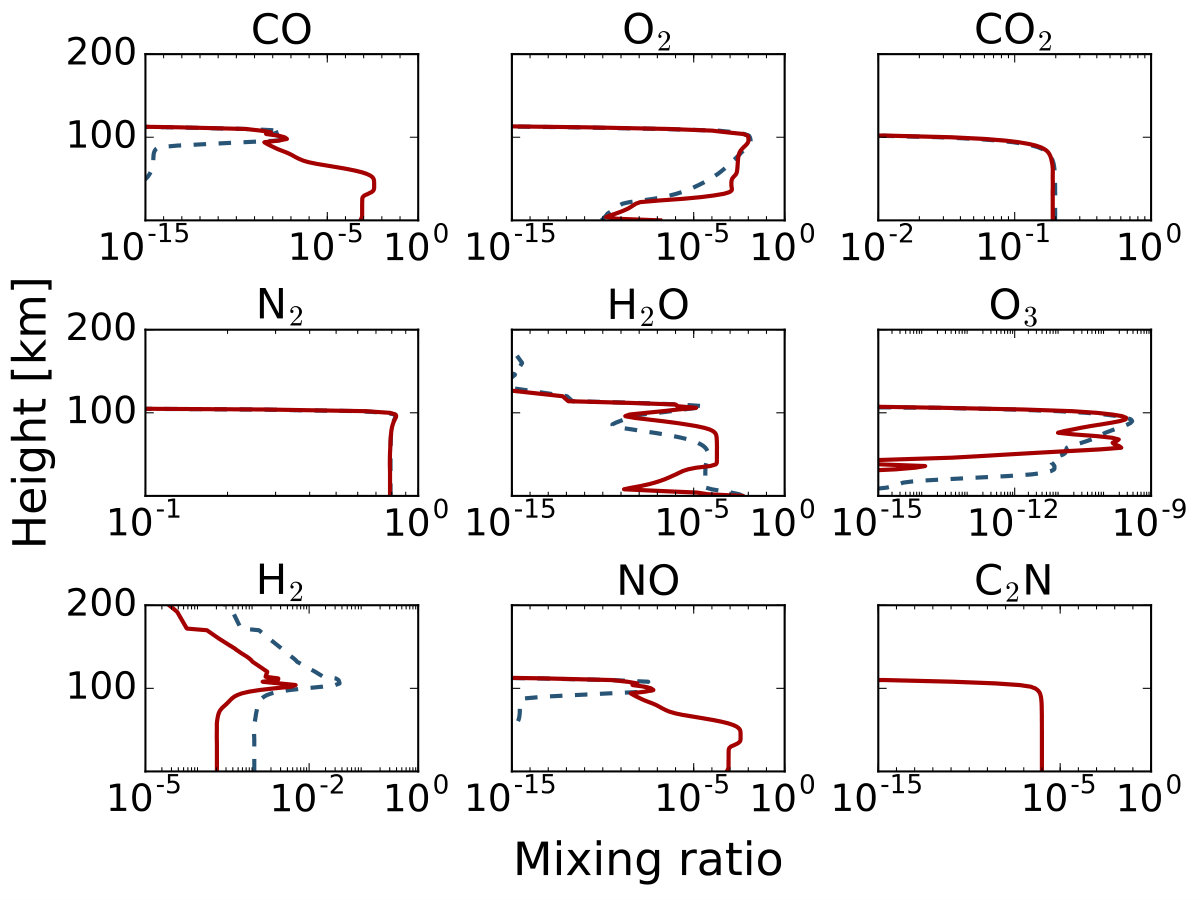 Figure 3
 Figure 4
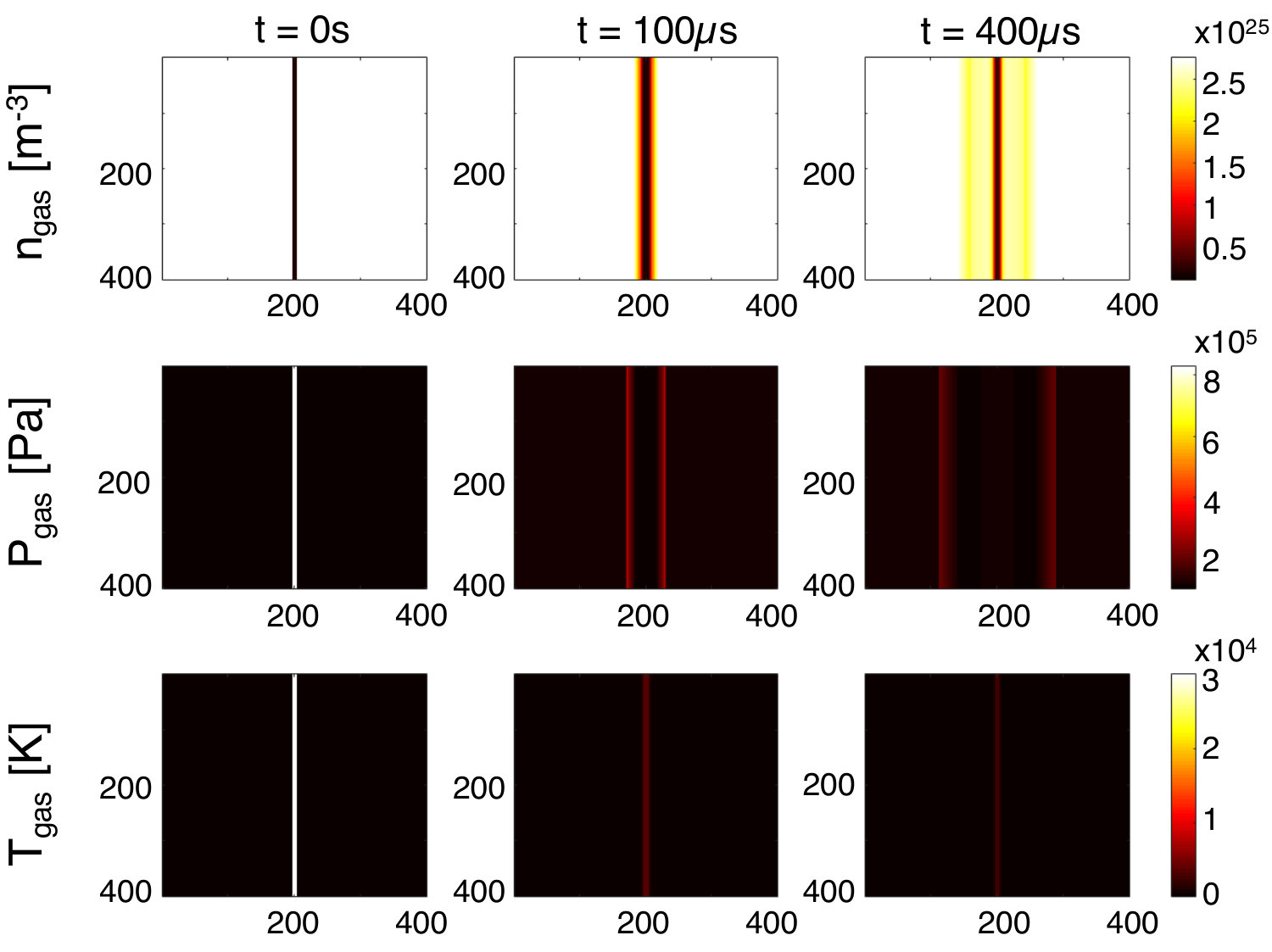 Figure 5
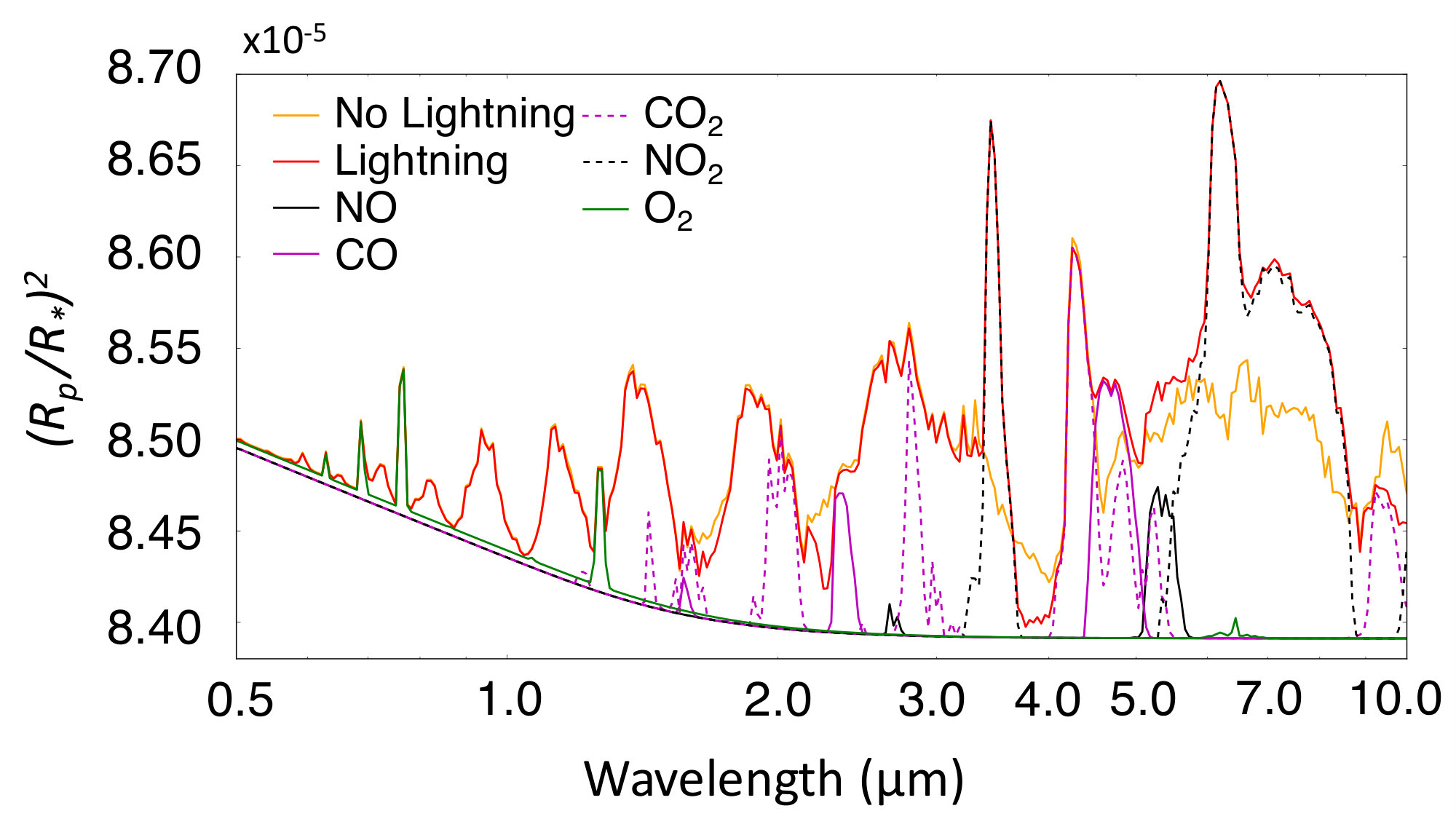 Figure 6
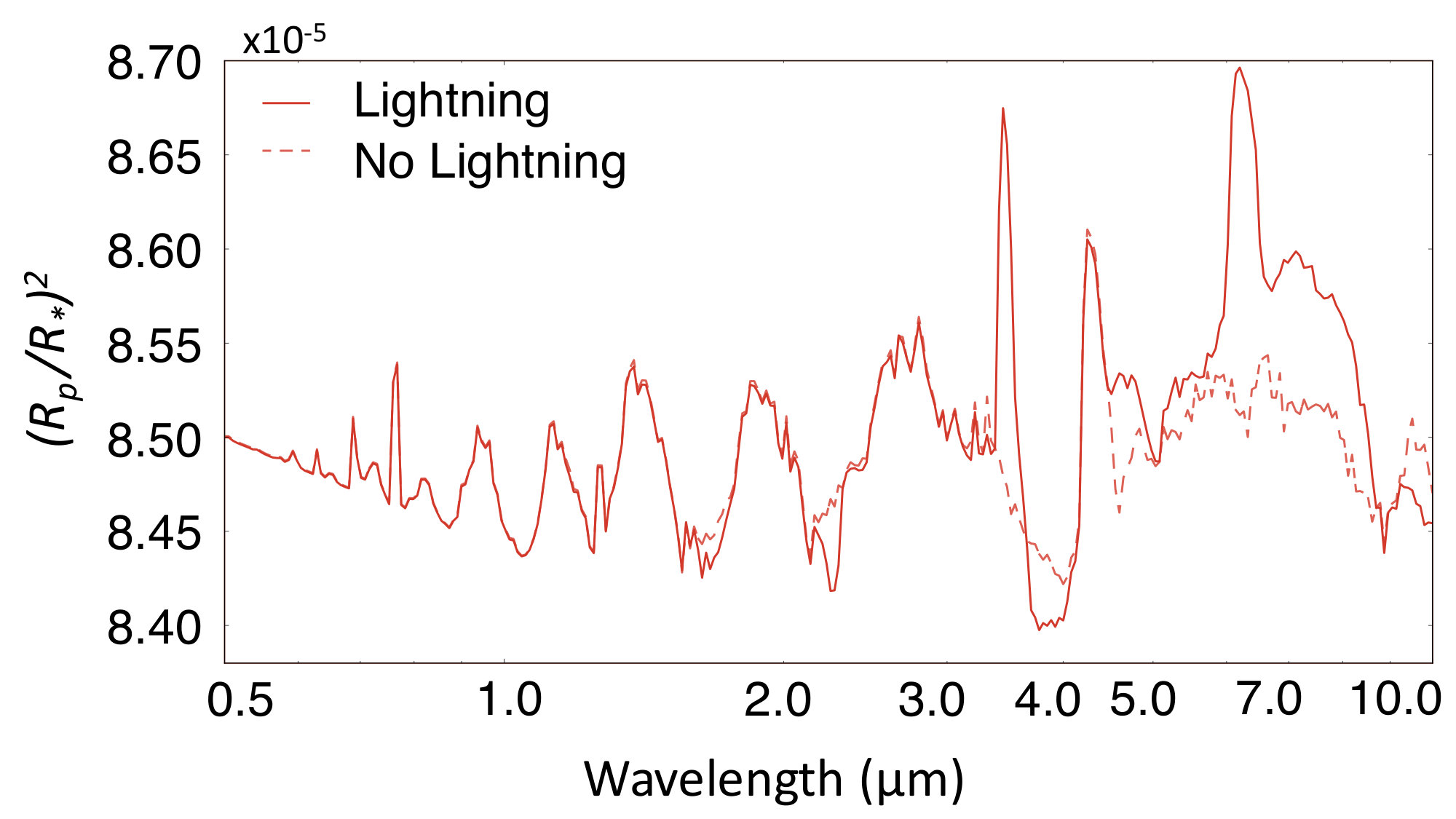 Figure 7
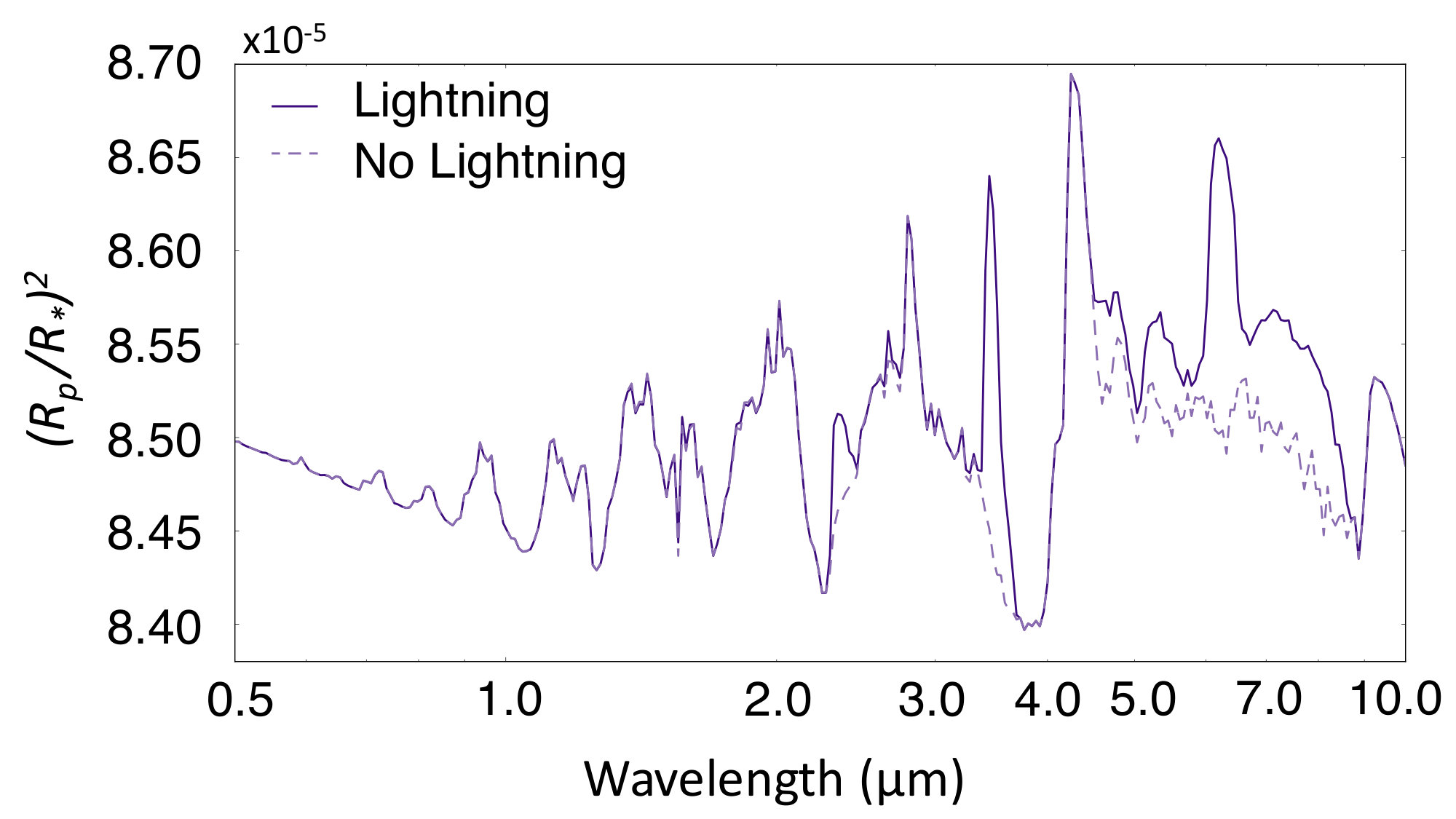 Figure 8
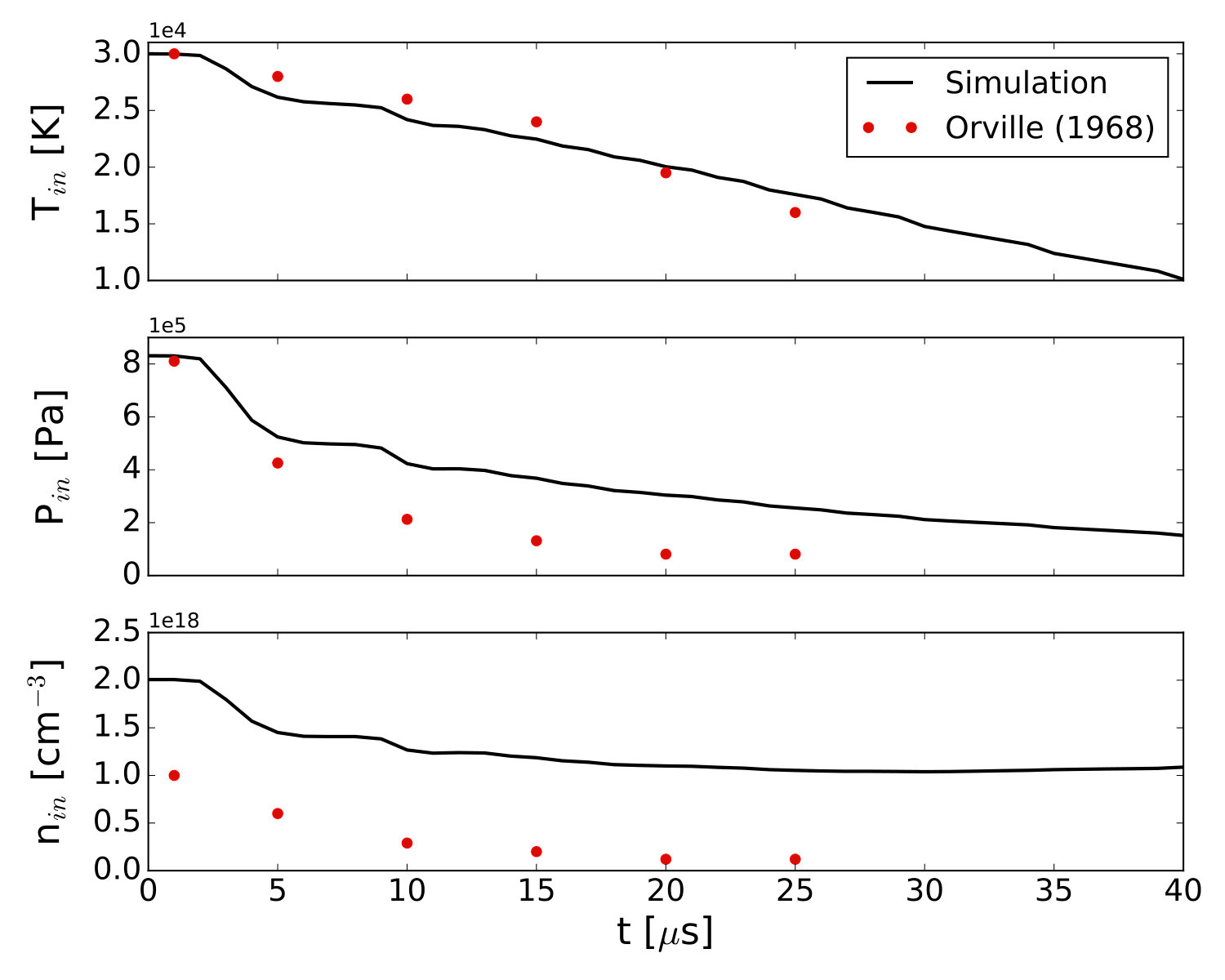 Figure 9
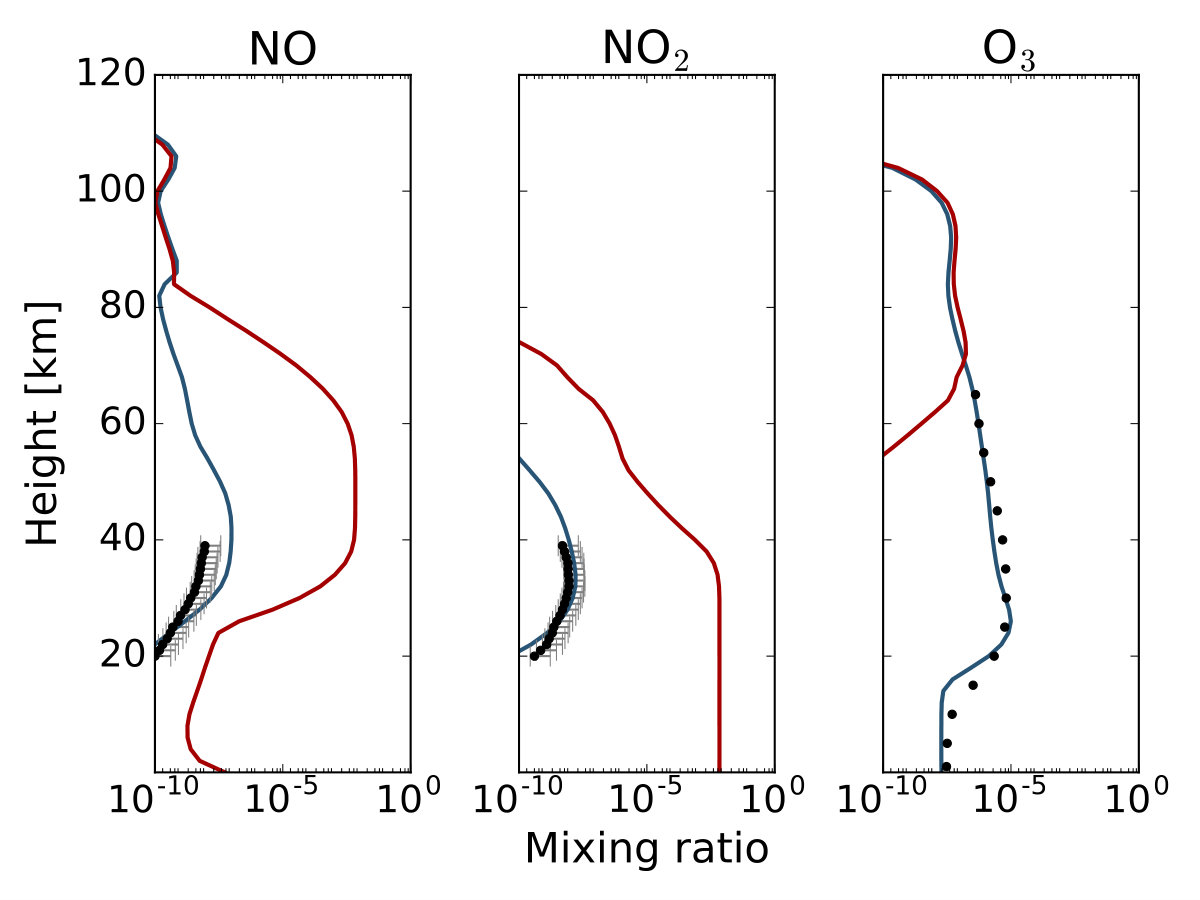 Figure 10
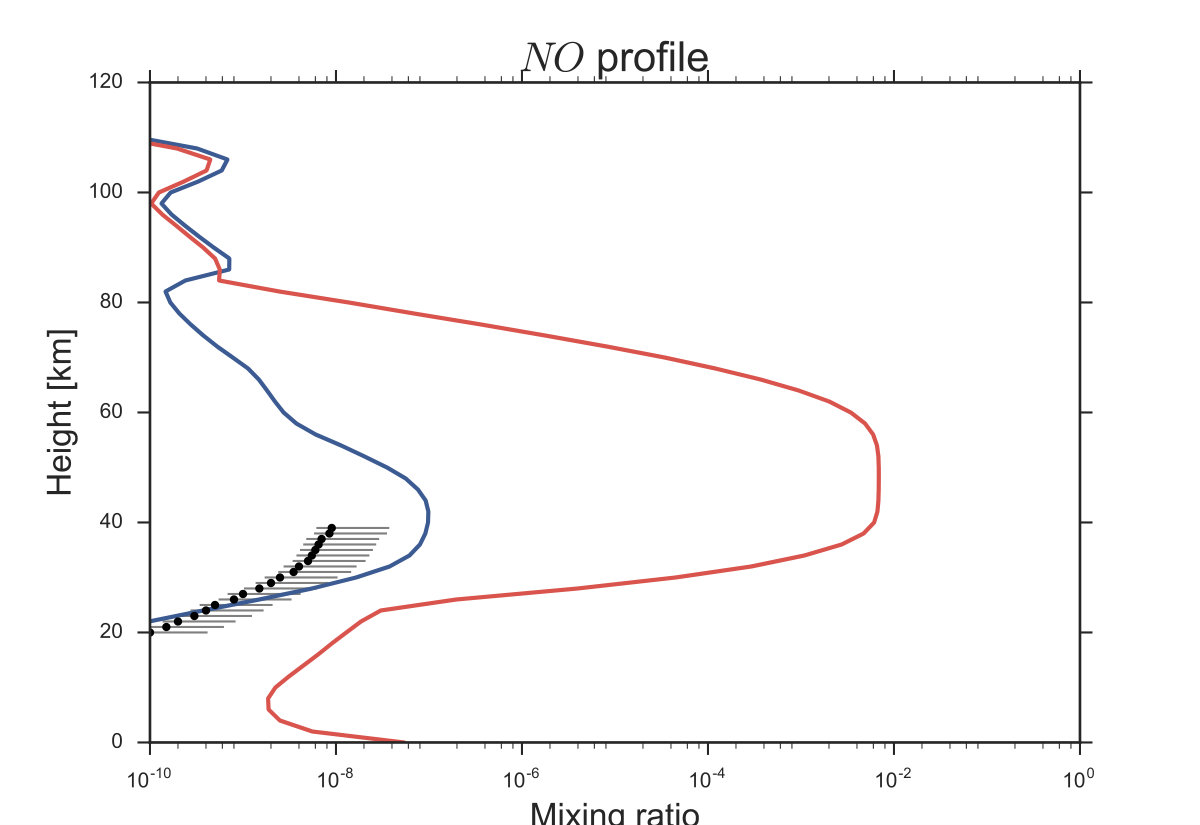 Figure 11
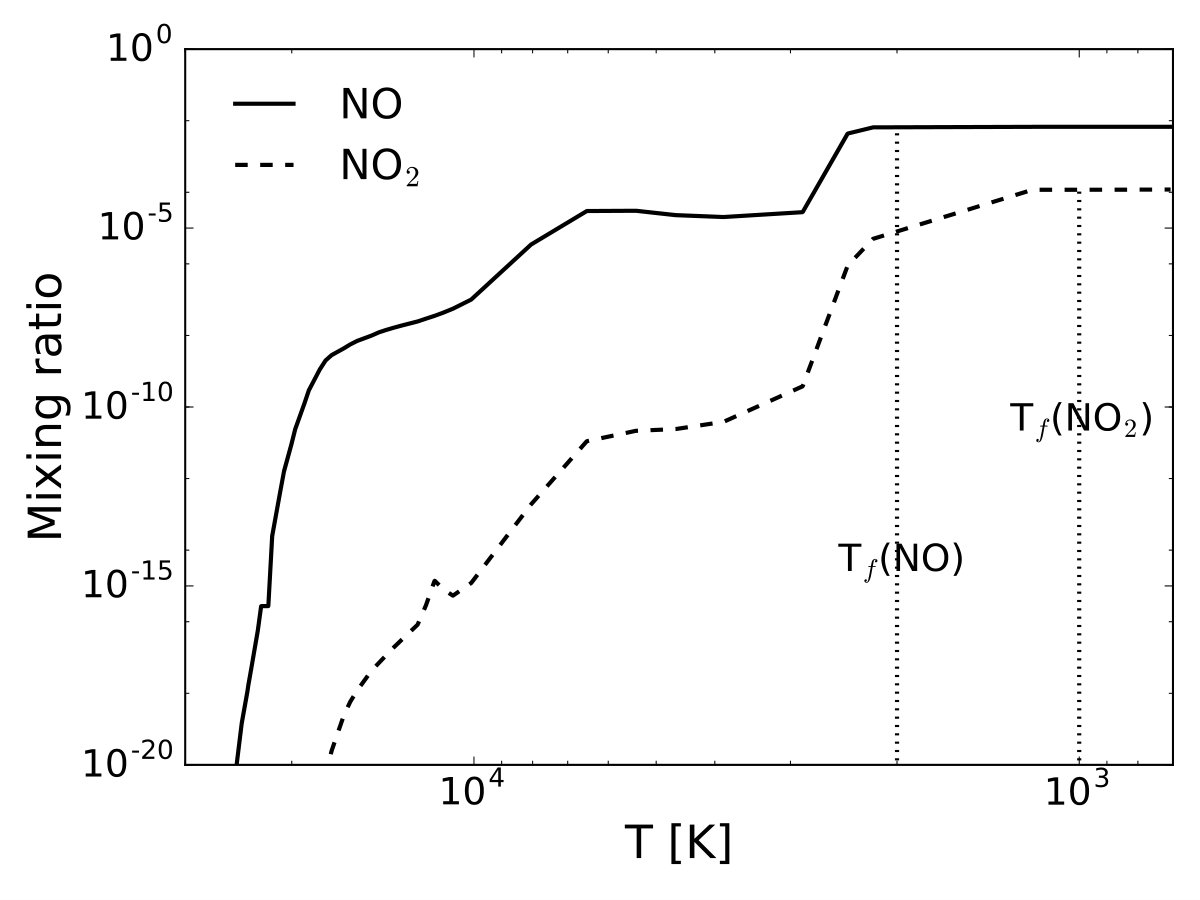 Figure 12
Peer Reviews
No public reviews on file for this paper yet. If you reviewed it on a platform where reviews are public (OpenReview, ICLR, NeurIPS, ICML), you can paste yours below so the community can read it here.
Videos
No videos yet. Explain this paper in a talk, walkthrough, or lecture? Add one.