Search for supersymmetry in multijet events with missing transverse momentum in proton-proton collisions at 13 TeV
CMS Collaboration

TL;DR
This paper reports a search for supersymmetry in multijet events with missing transverse momentum at 13 TeV, setting new mass limits for gluinos and squarks based on CMS detector data from 2016.
Contribution
It introduces a four-dimensional exclusive search strategy and provides the most stringent limits to date on gluino and squark masses in simplified supersymmetry models.
Findings
No significant excess over the standard model expectation.
Gluino mass limits up to 1960 GeV.
Squark mass limits up to 1390 GeV.
Abstract
A search for supersymmetry is presented based on multijet events with large missing transverse momentum produced in proton-proton collisions at a center-of-mass energy of sqrt(s) = 13 TeV. The data, corresponding to an integrated luminosity of 35.9 inverse femtobarns, were collected with the CMS detector at the CERN LHC in 2016. The analysis utilizes four-dimensional exclusive search regions defined in terms of the number of jets, the number of tagged bottom quark jets, the scalar sum of jet transverse momenta, and the magnitude of the vector sum of jet transverse momenta. No evidence for a significant excess of events is observed relative to the expectation from the standard model. Limits on the cross sections for the pair production of gluinos and squarks are derived in the context of simplified models. Assuming the lightest supersymmetric particle to be a weakly interacting…
Click any figure to enlarge with its caption.
 Figure 1
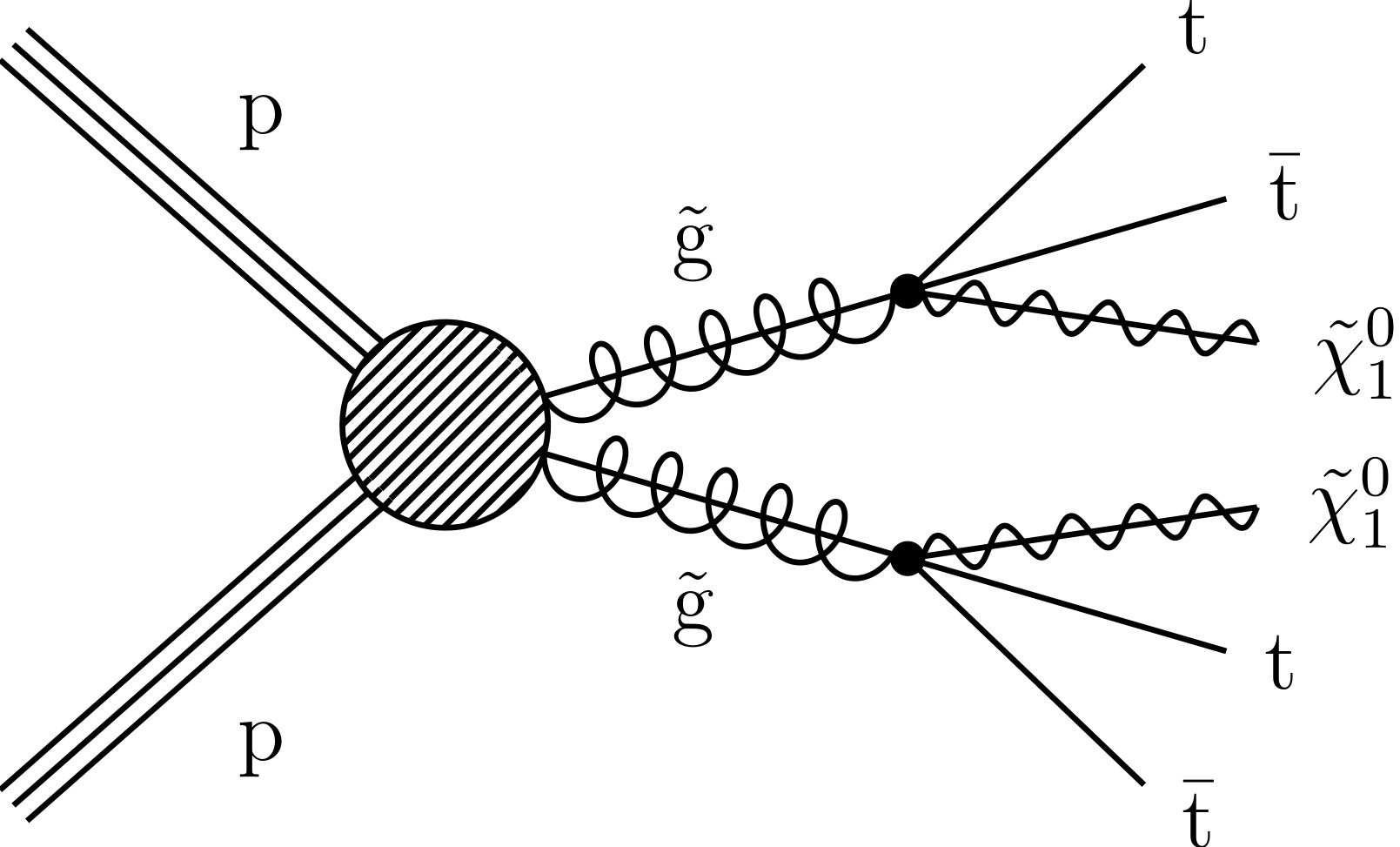 Figure 1
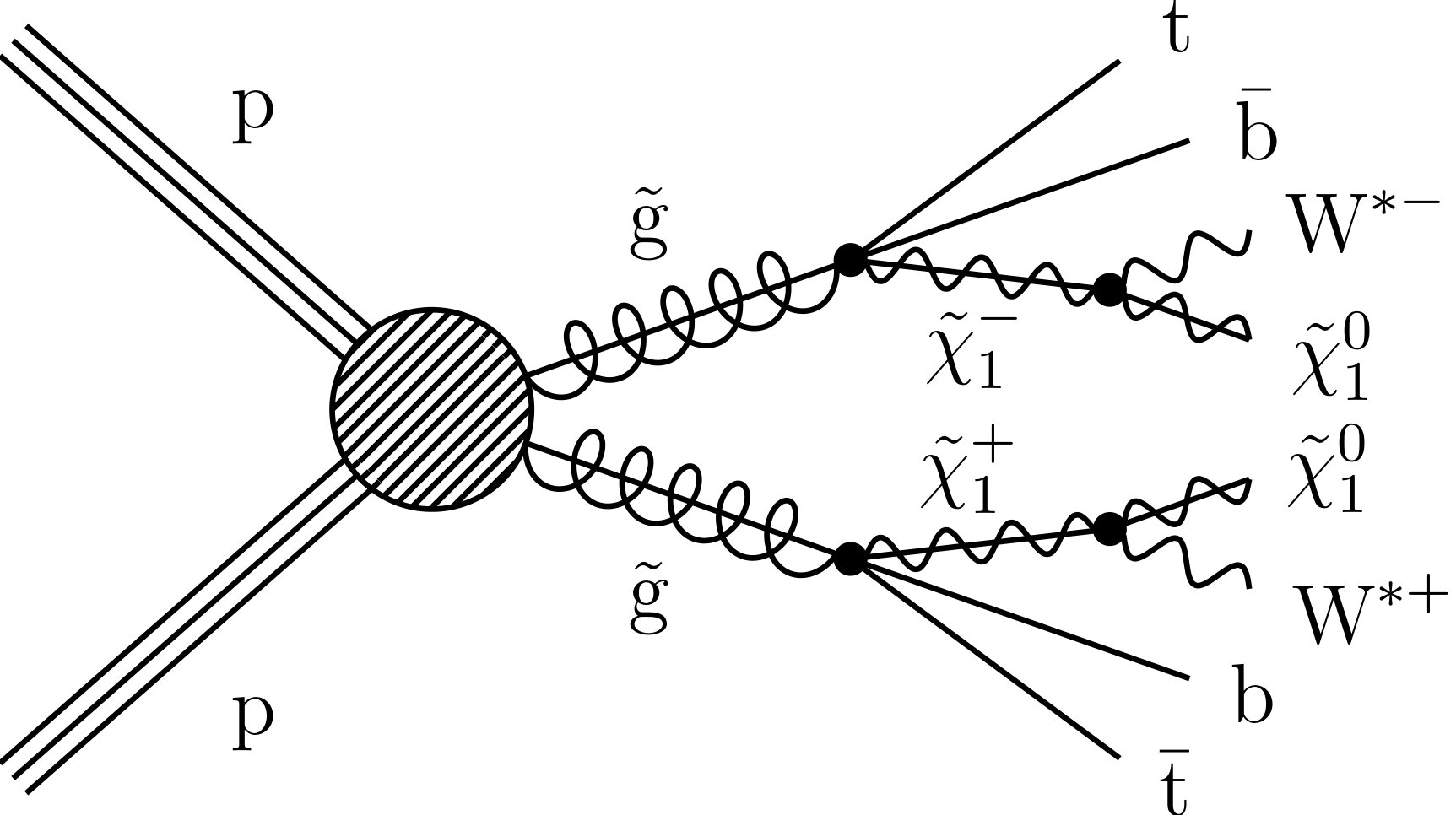 Figure 1
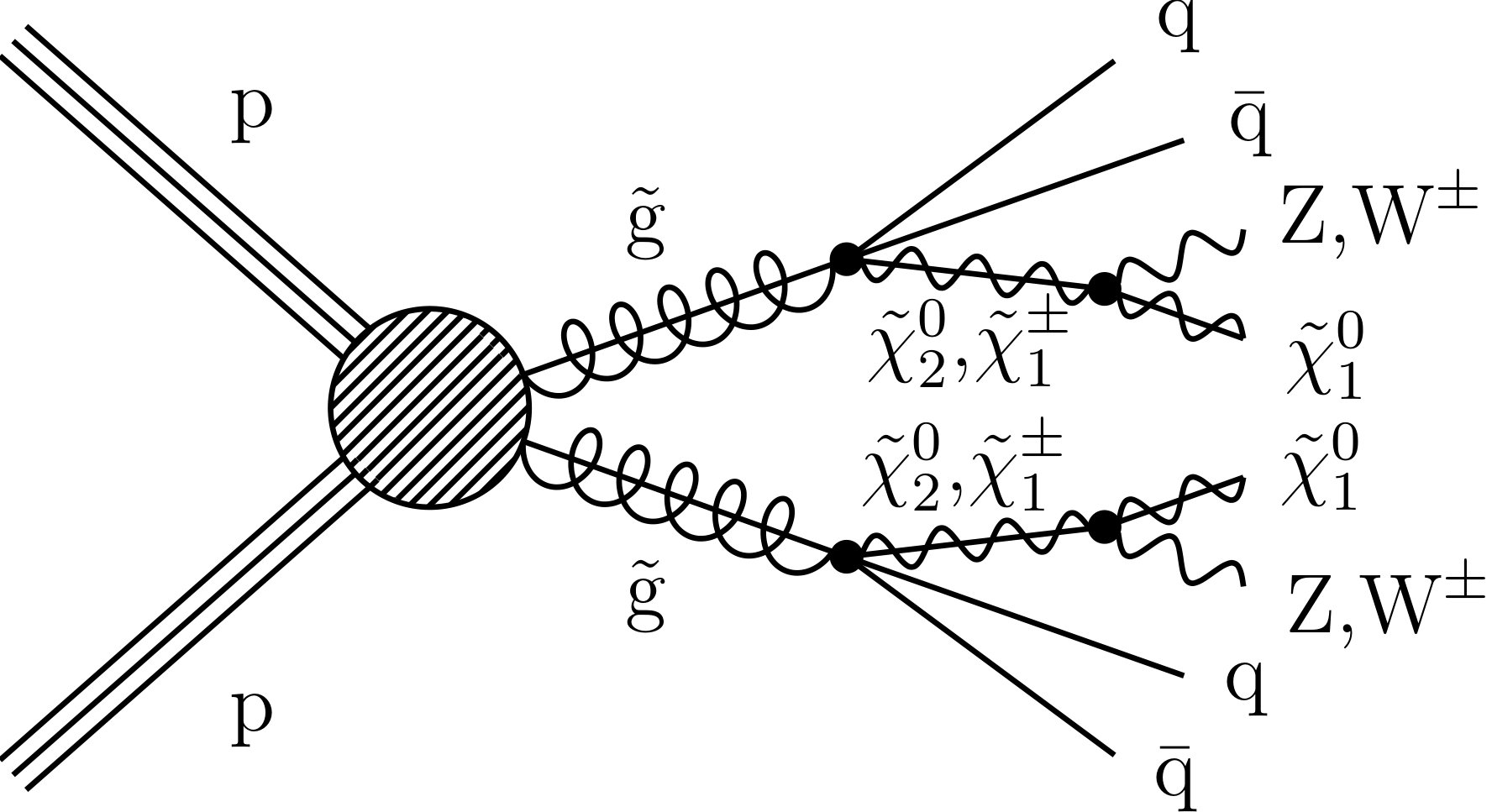 Figure 1
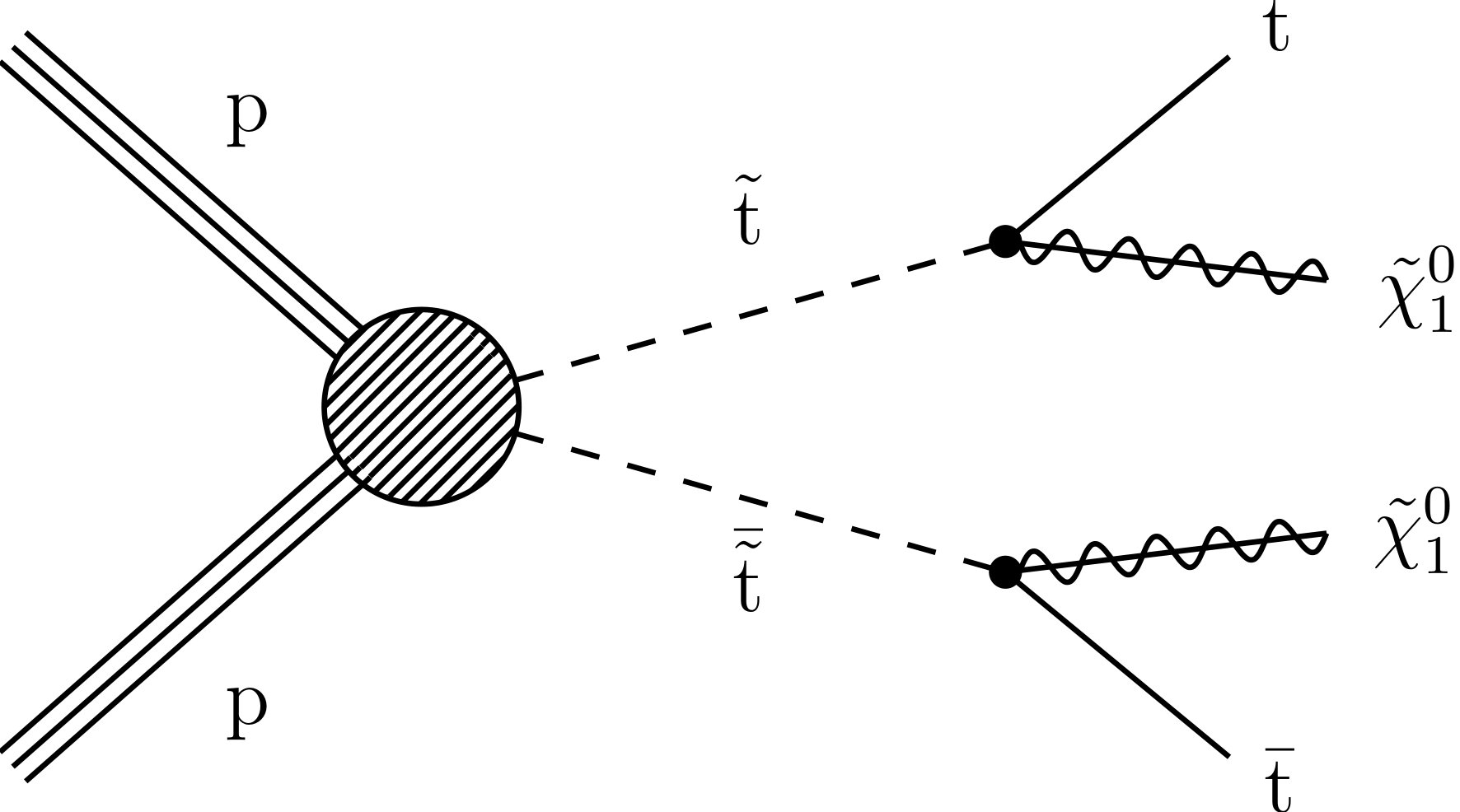 Figure 1
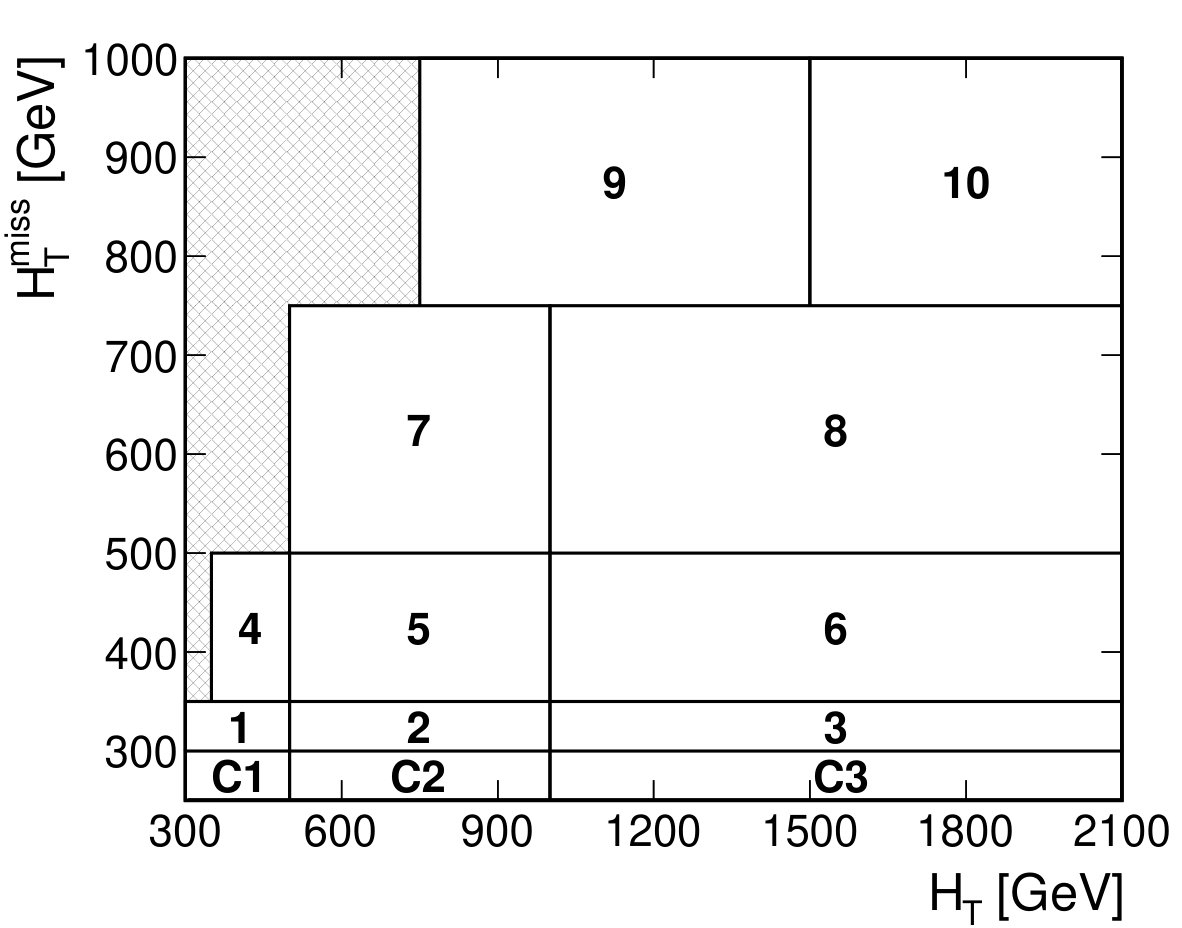 Figure 2
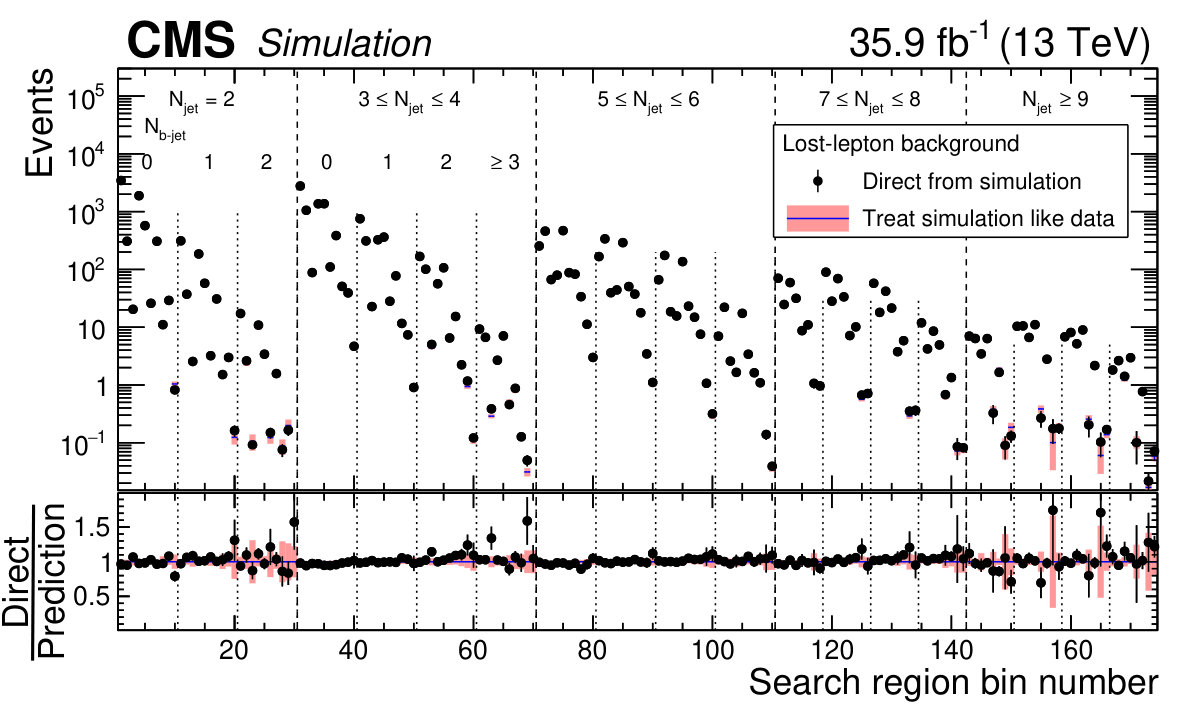 Figure 3
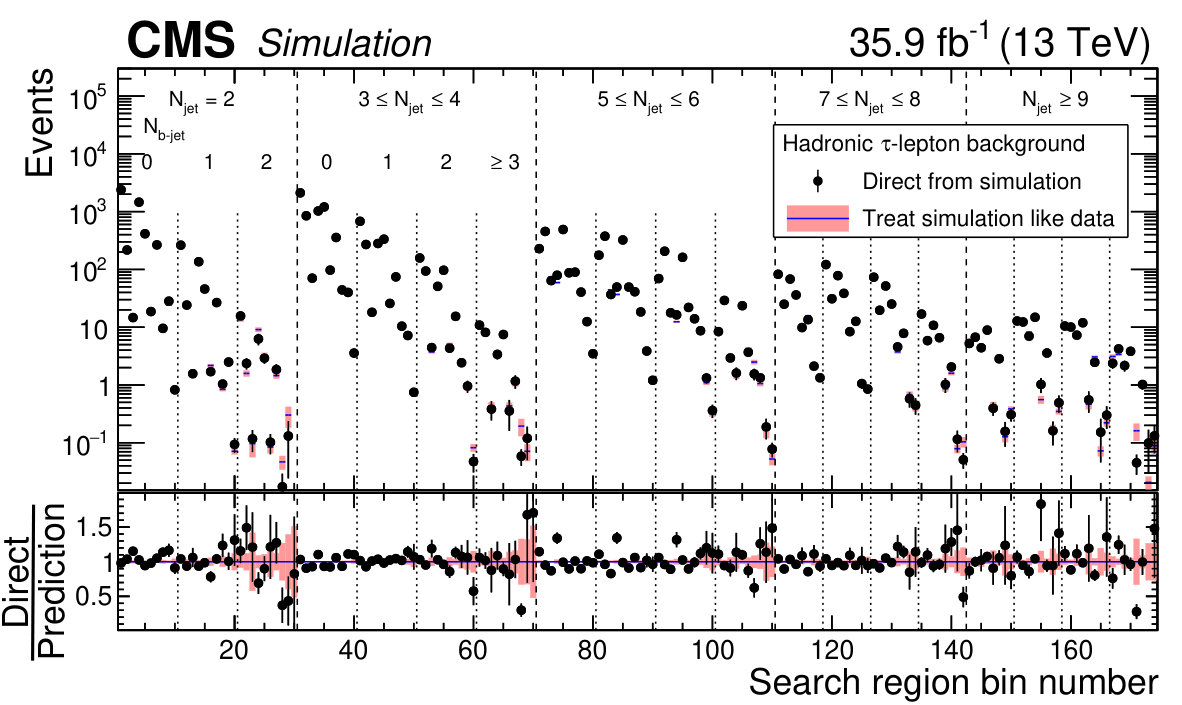 Figure 4
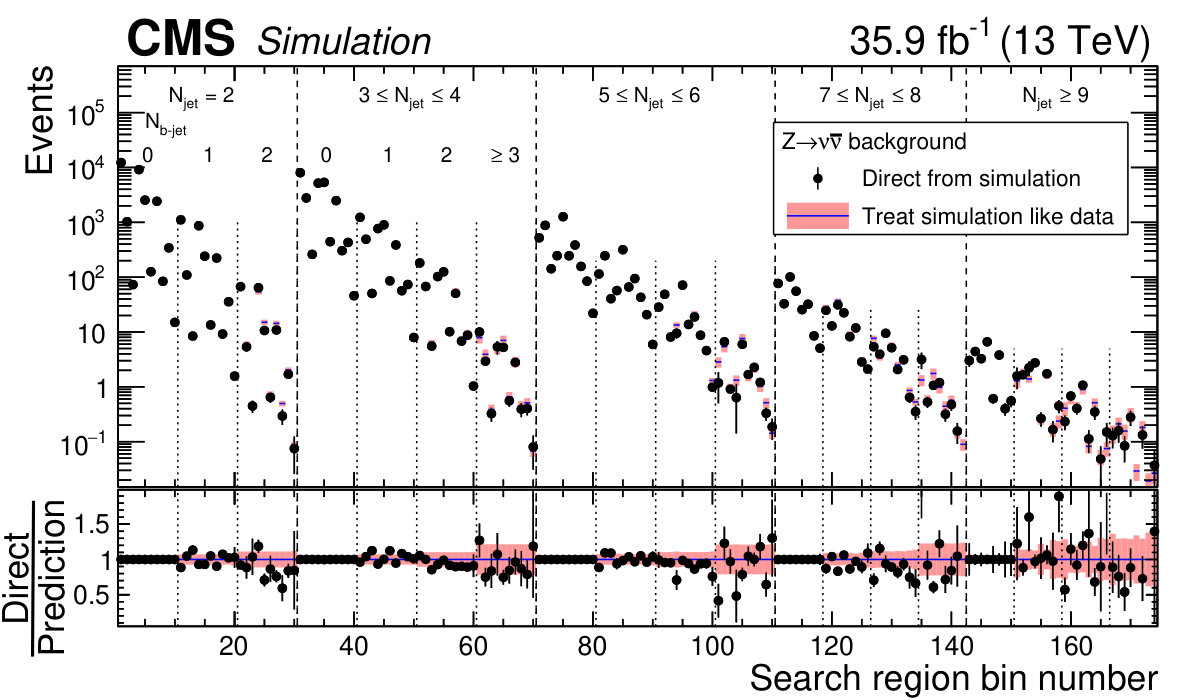 Figure 5
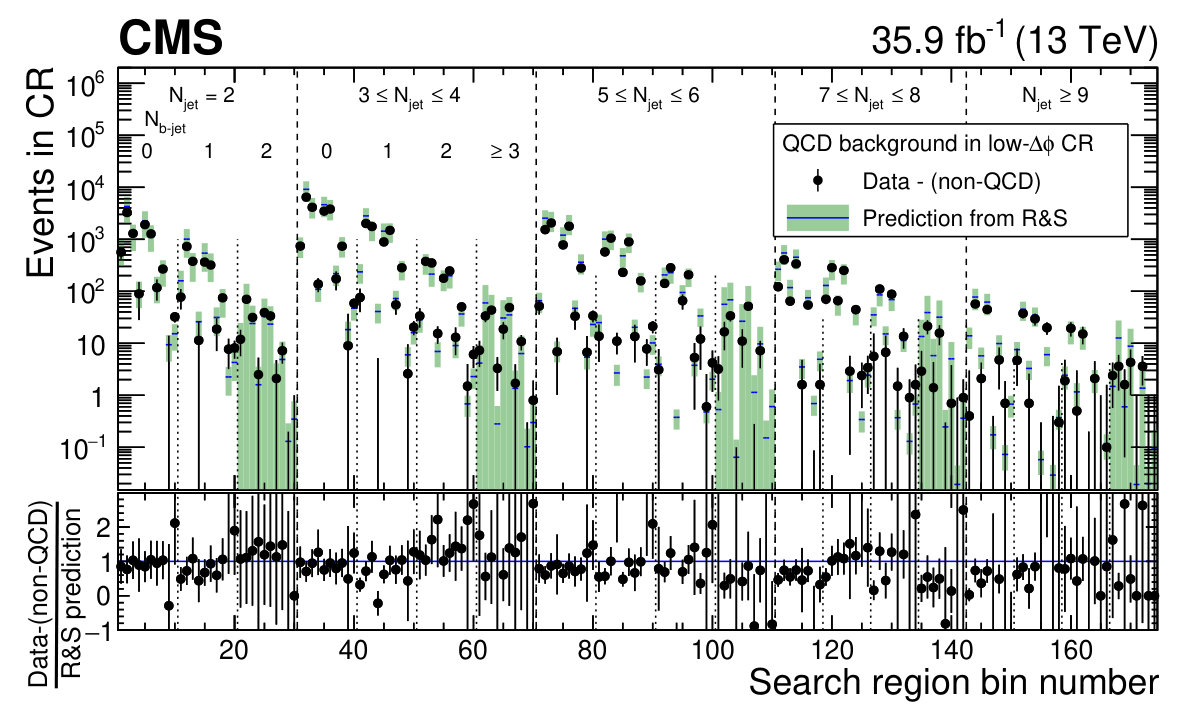 Figure 6
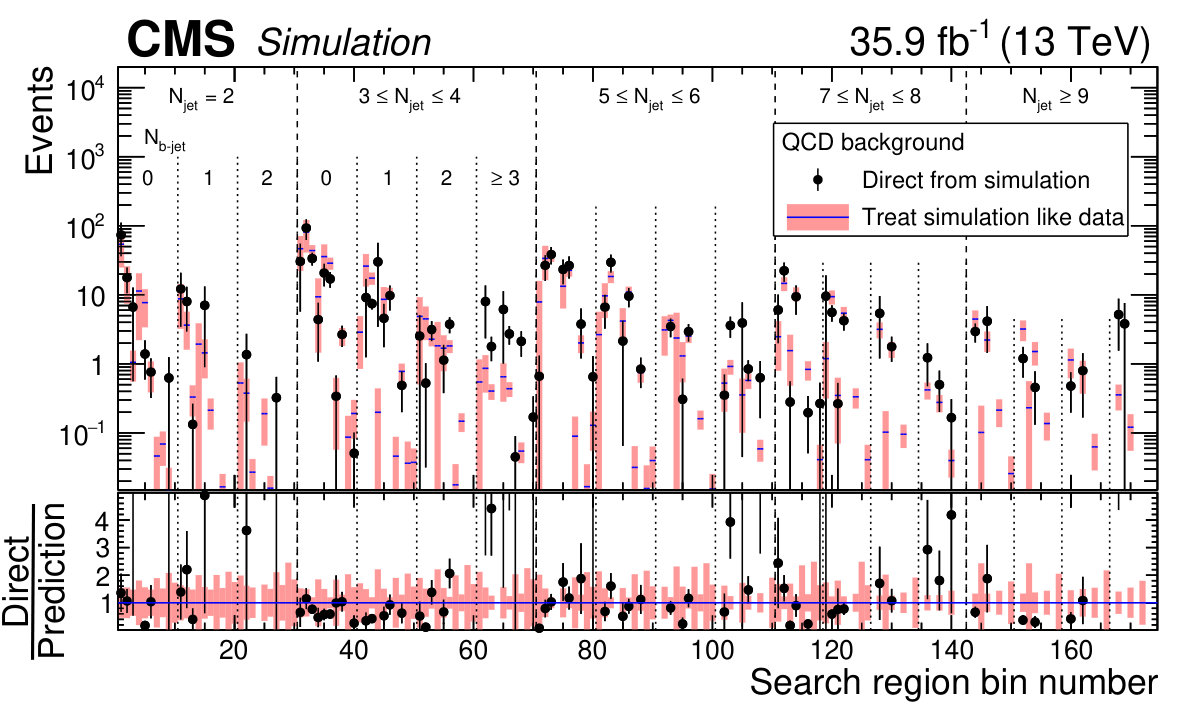 Figure 7
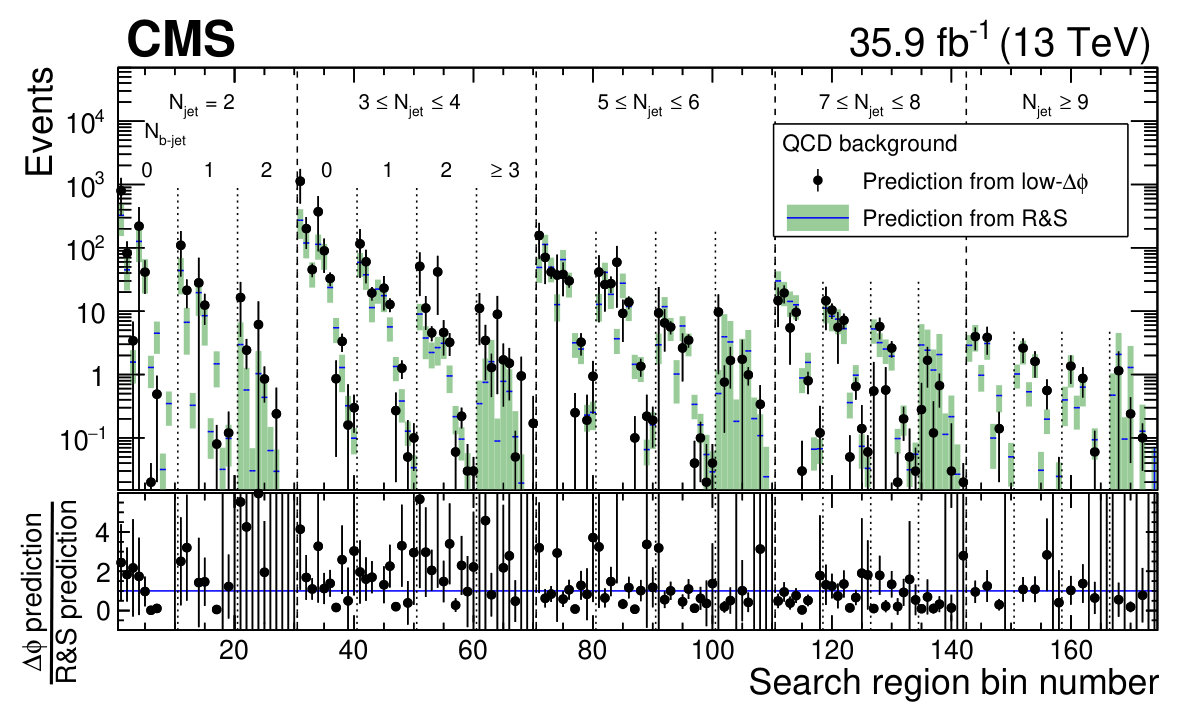 Figure 8
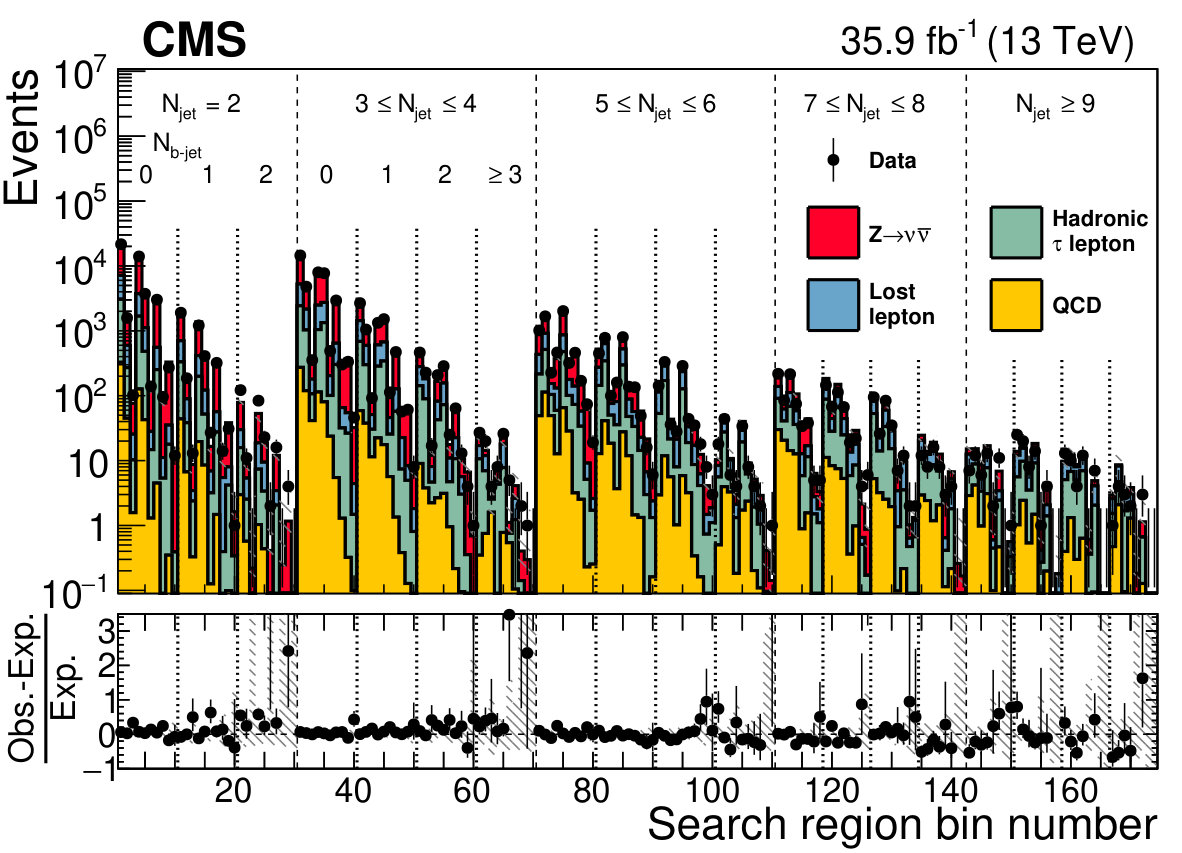 Figure 9
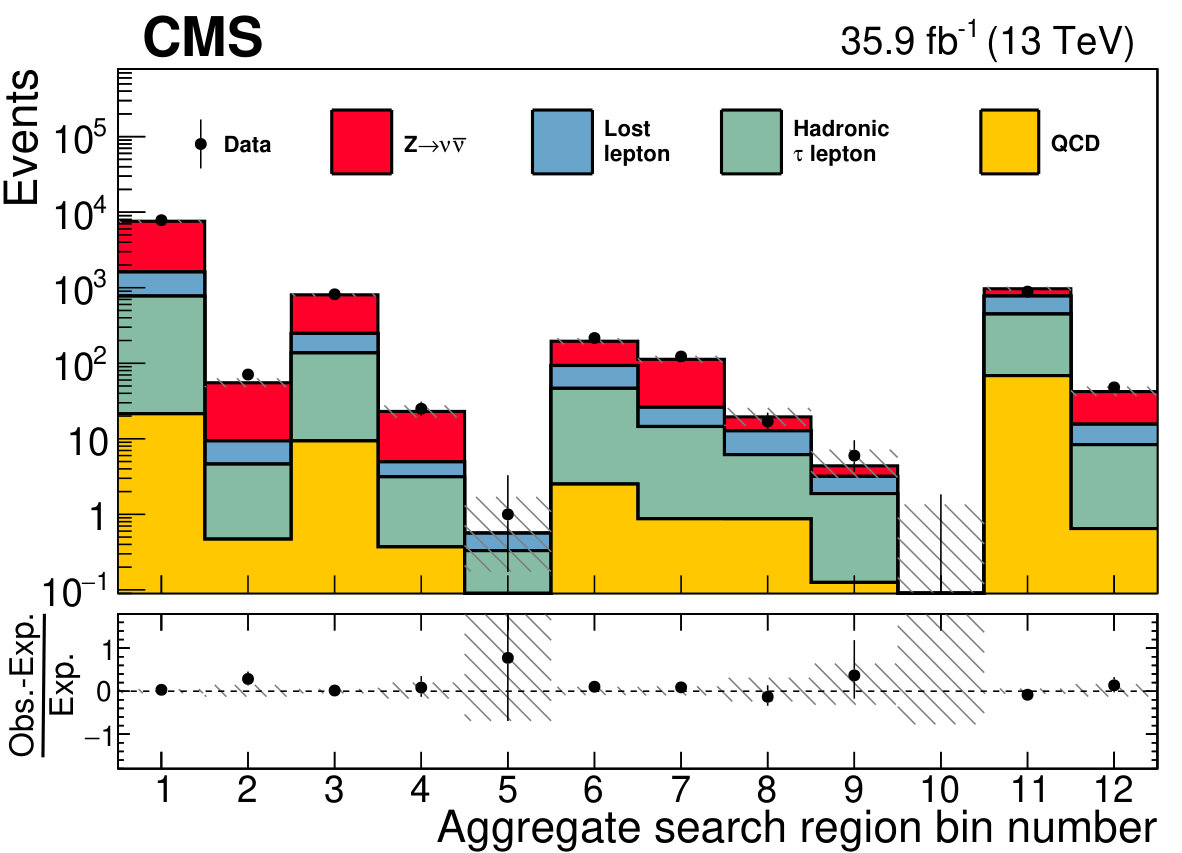 Figure 10
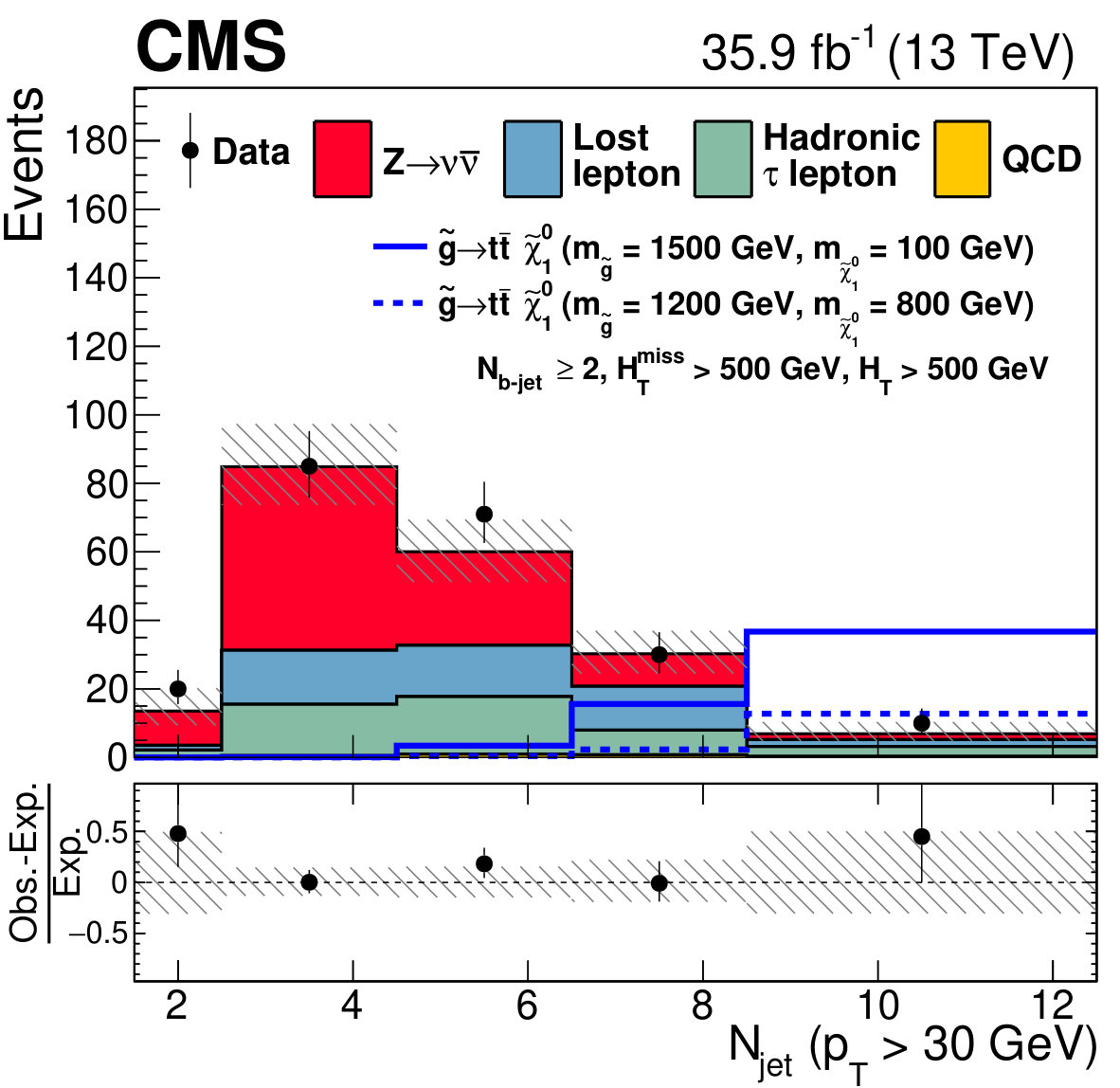 Figure 11
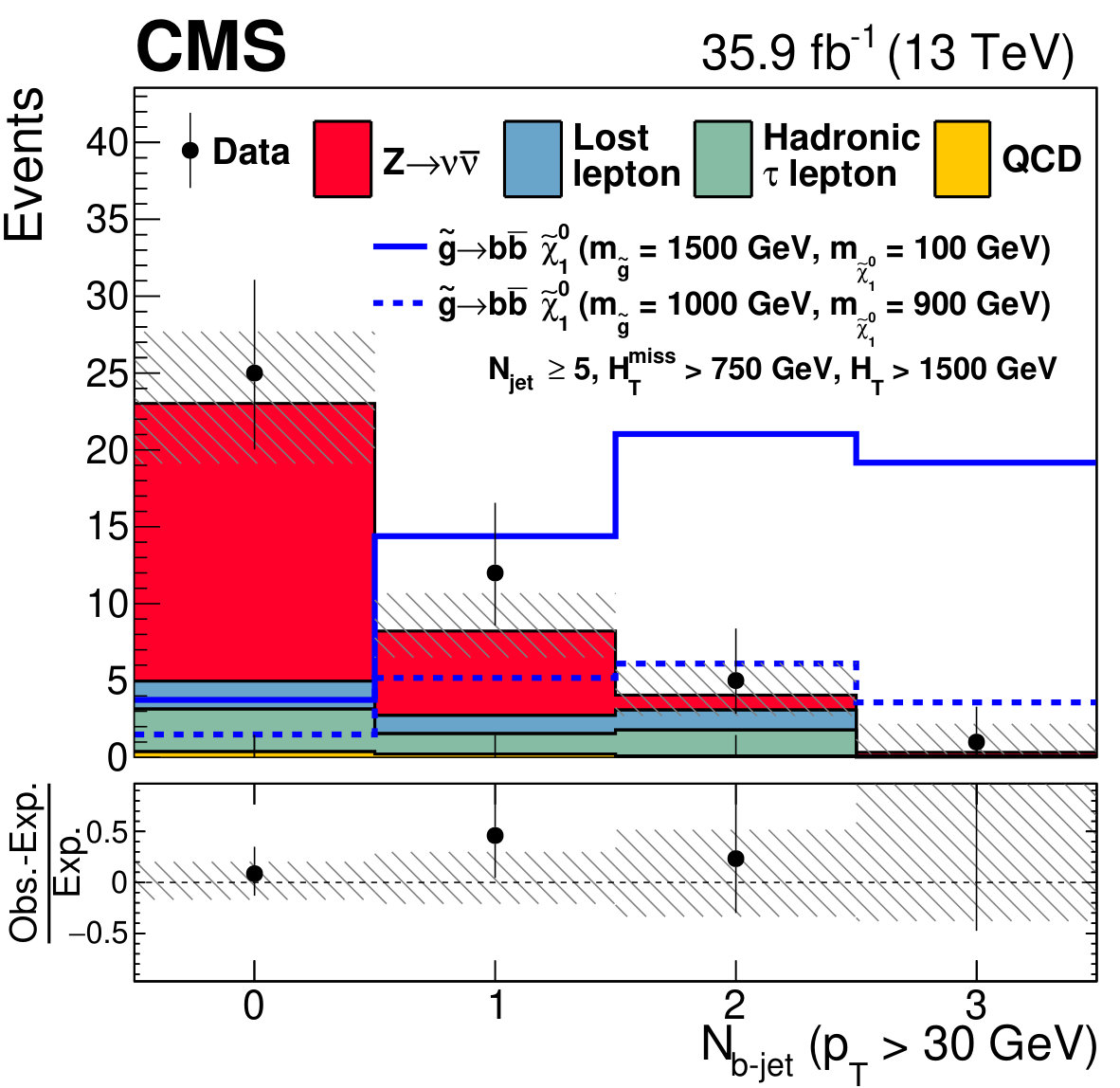 Figure 11
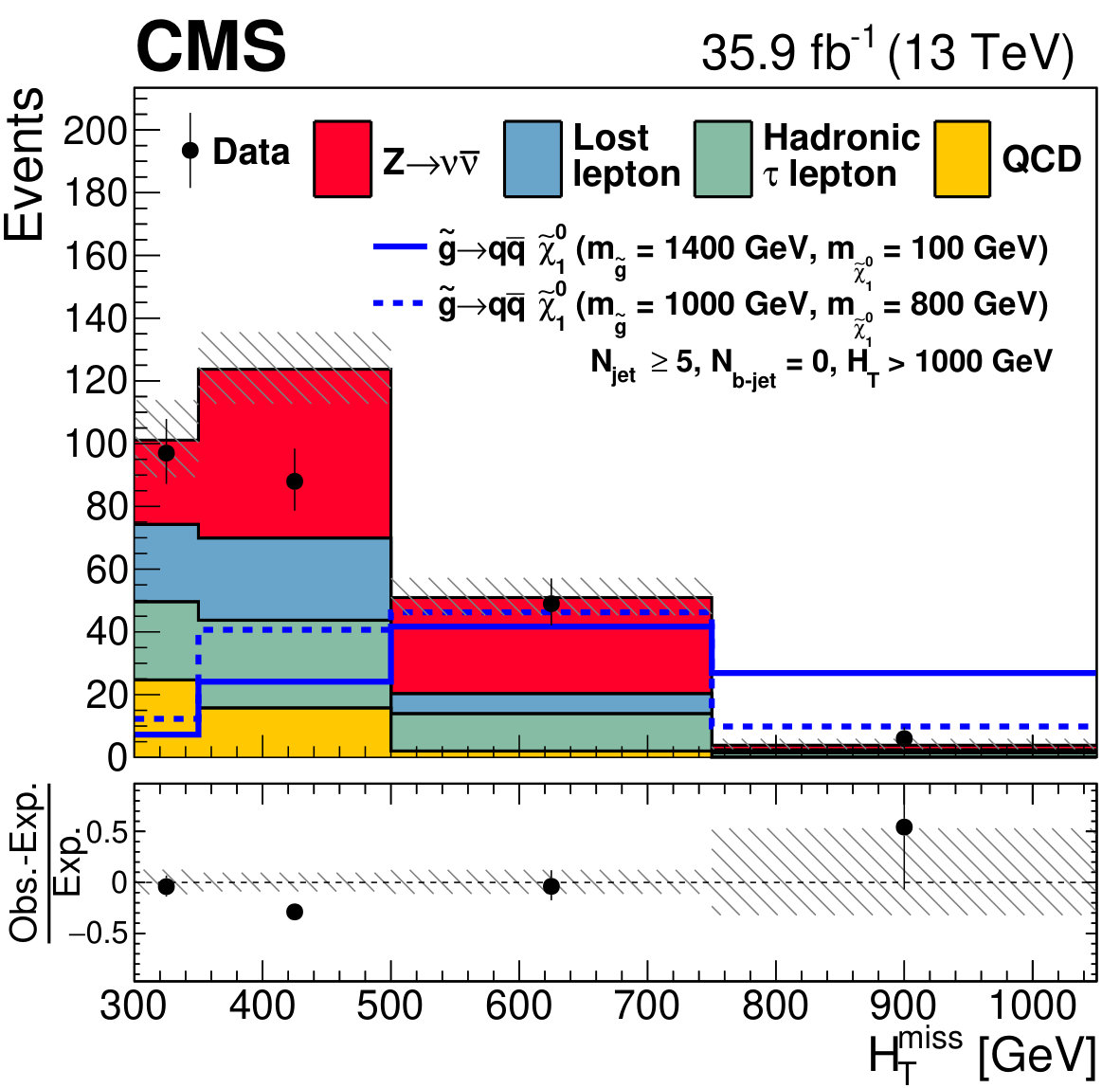 Figure 11
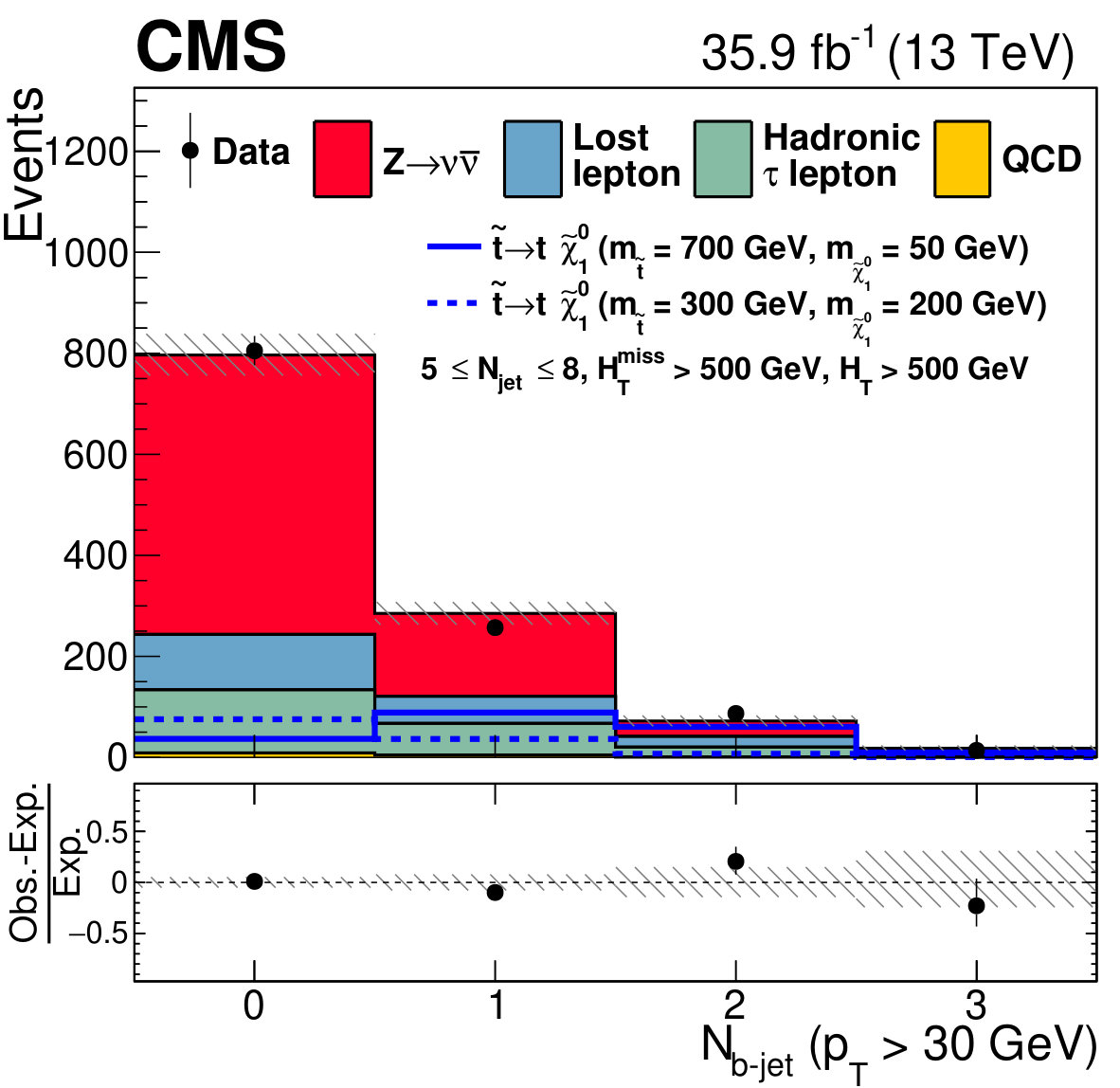 Figure 11
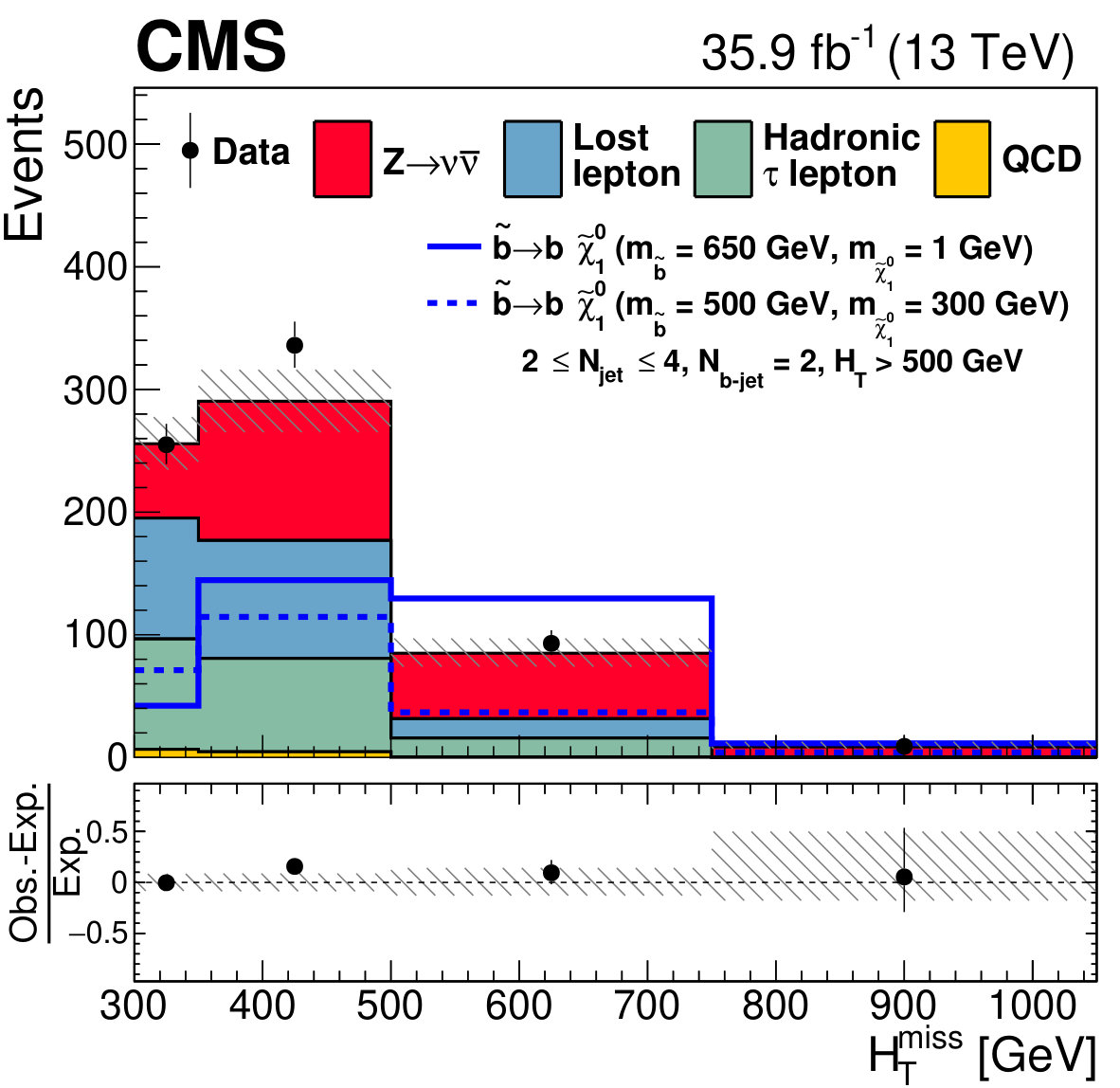 Figure 11
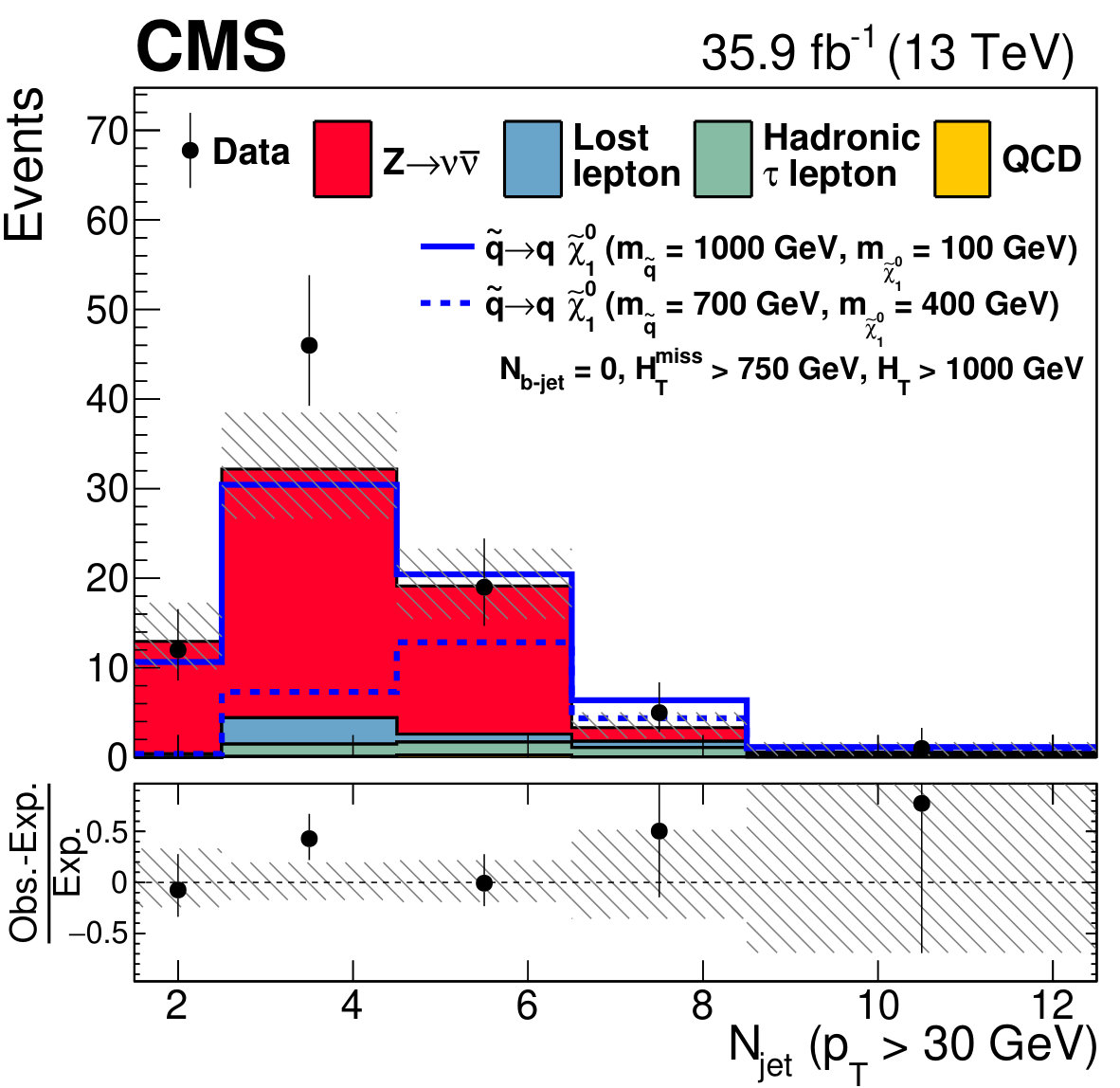 Figure 11
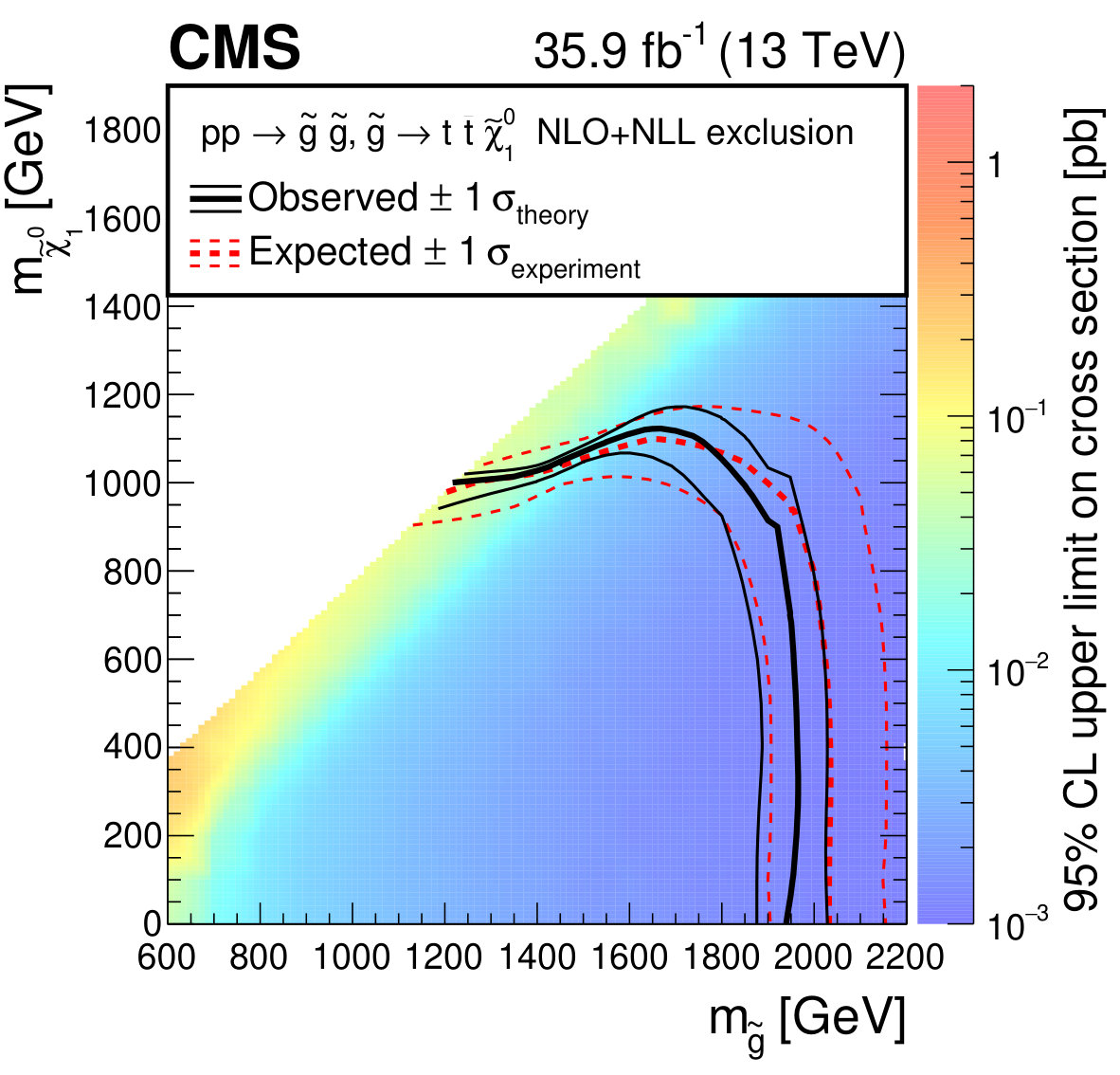 Figure 12
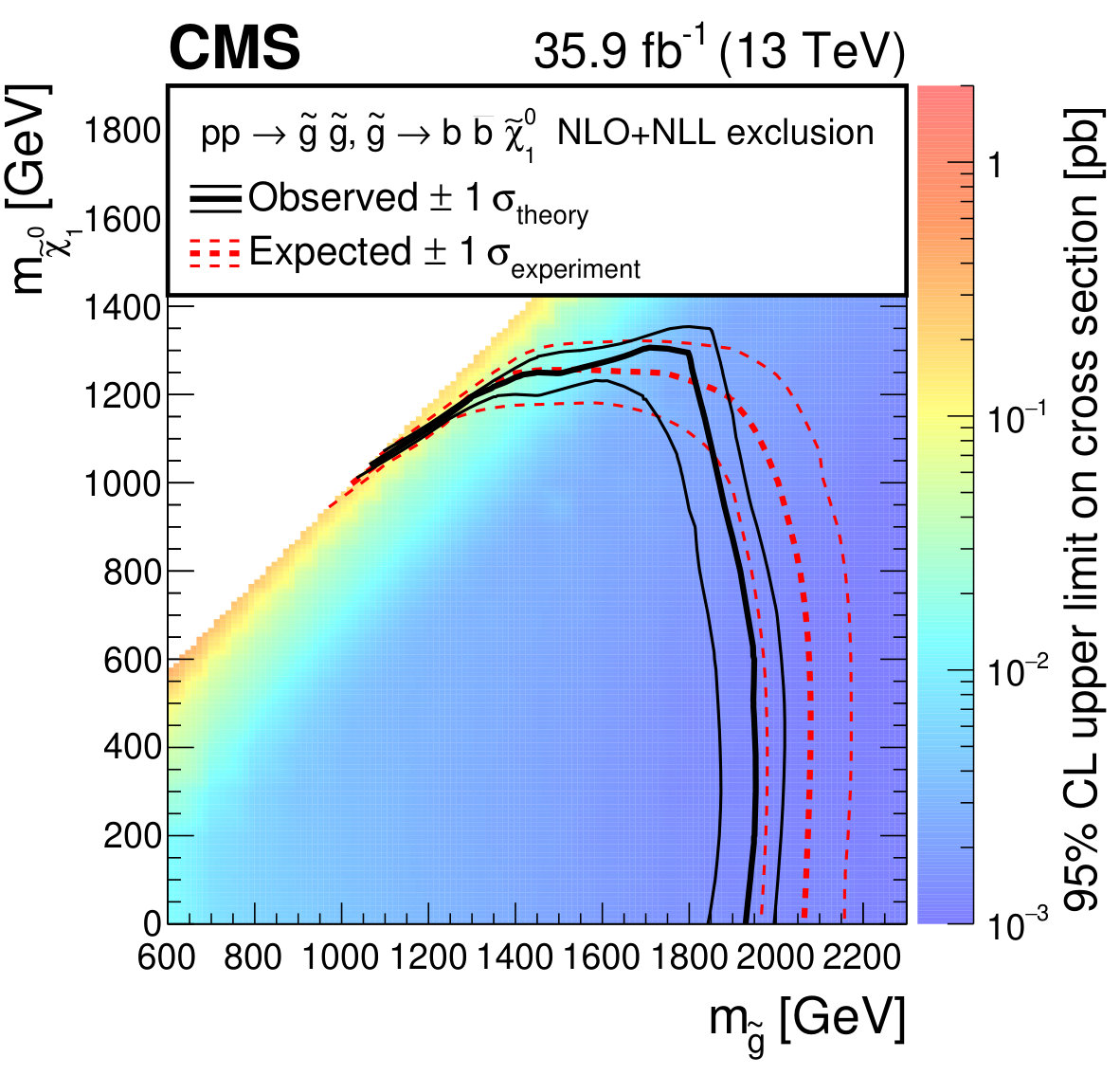 Figure 12
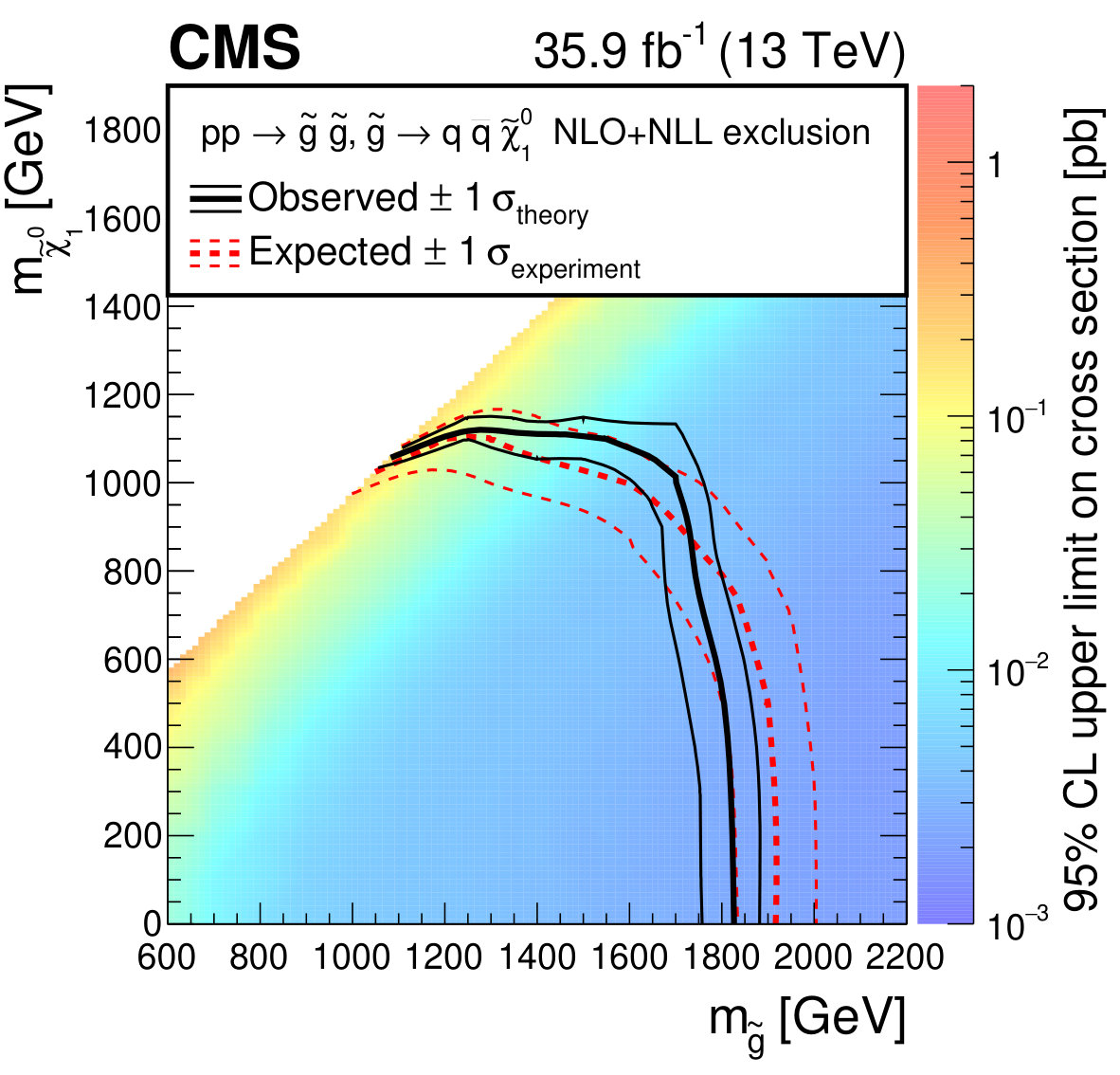 Figure 12
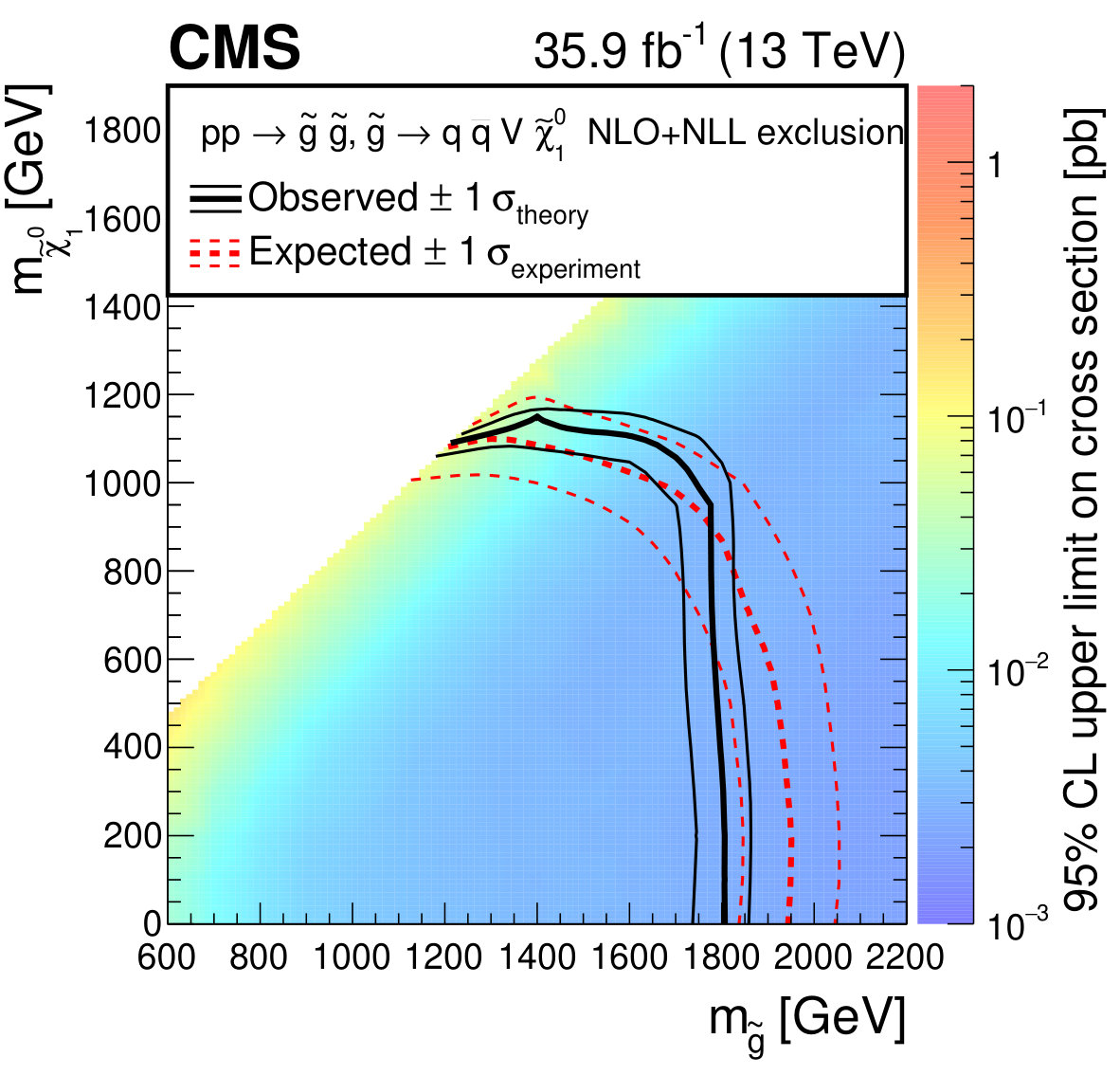 Figure 12
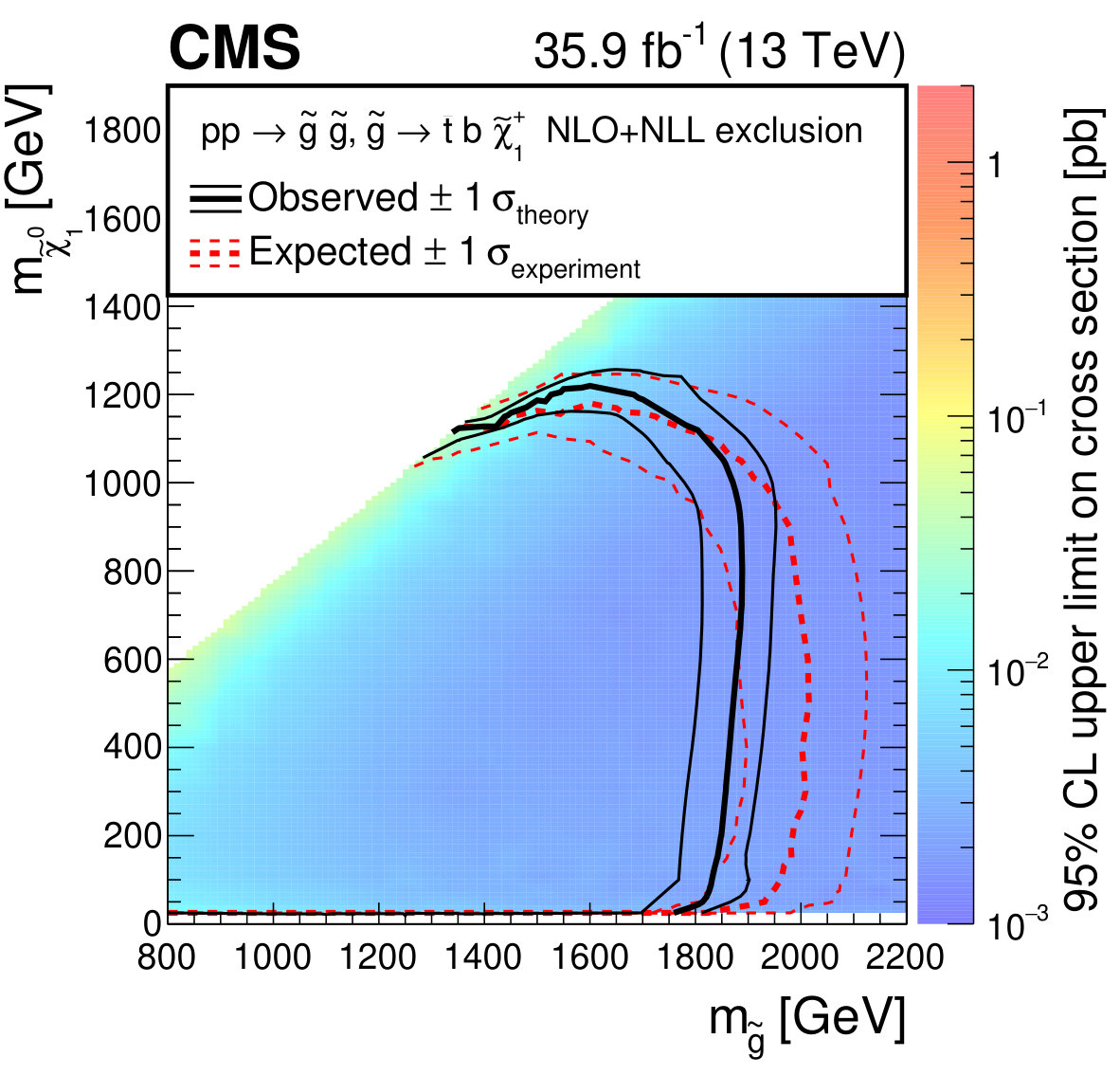 Figure 12
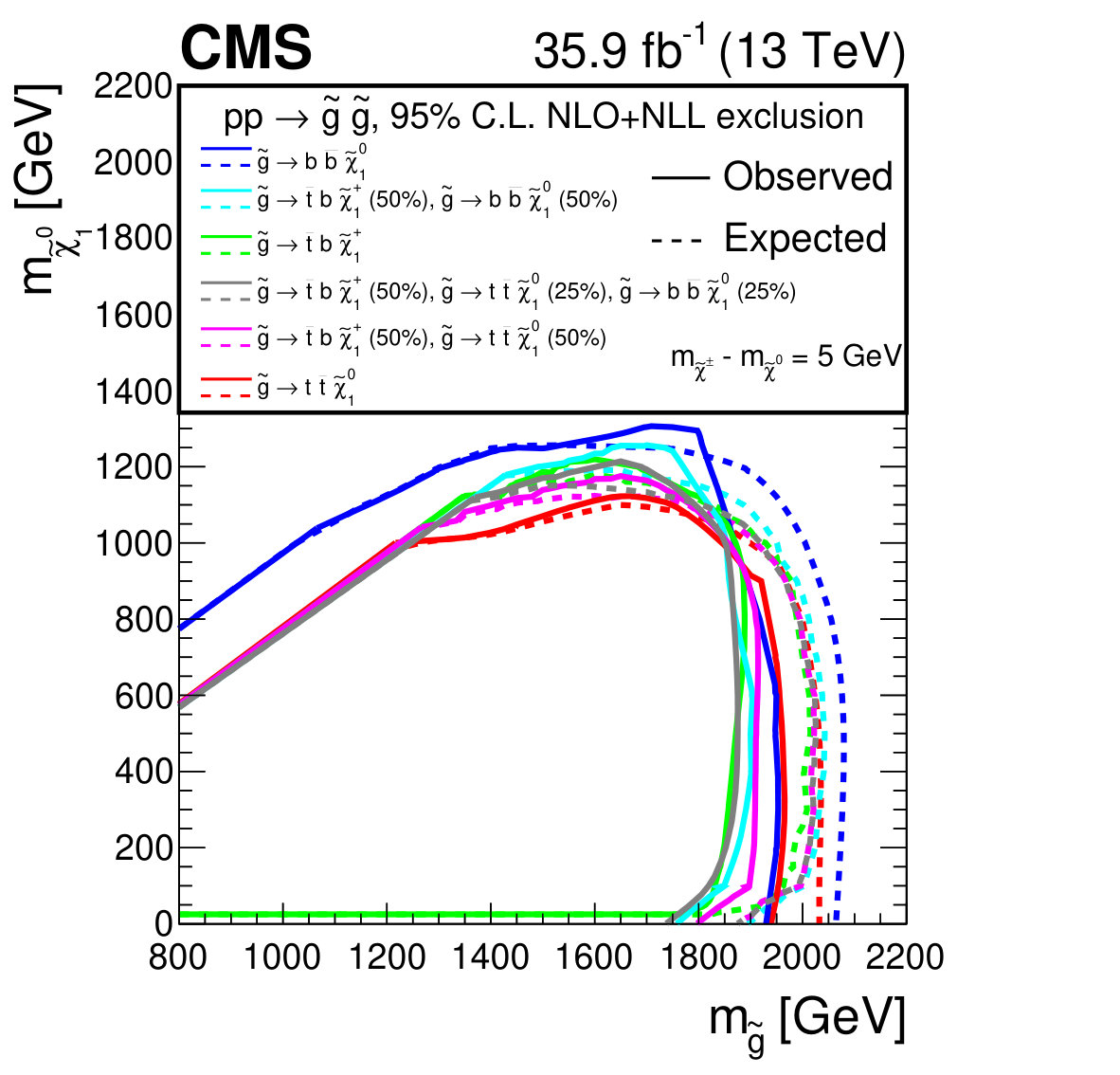 Figure 12
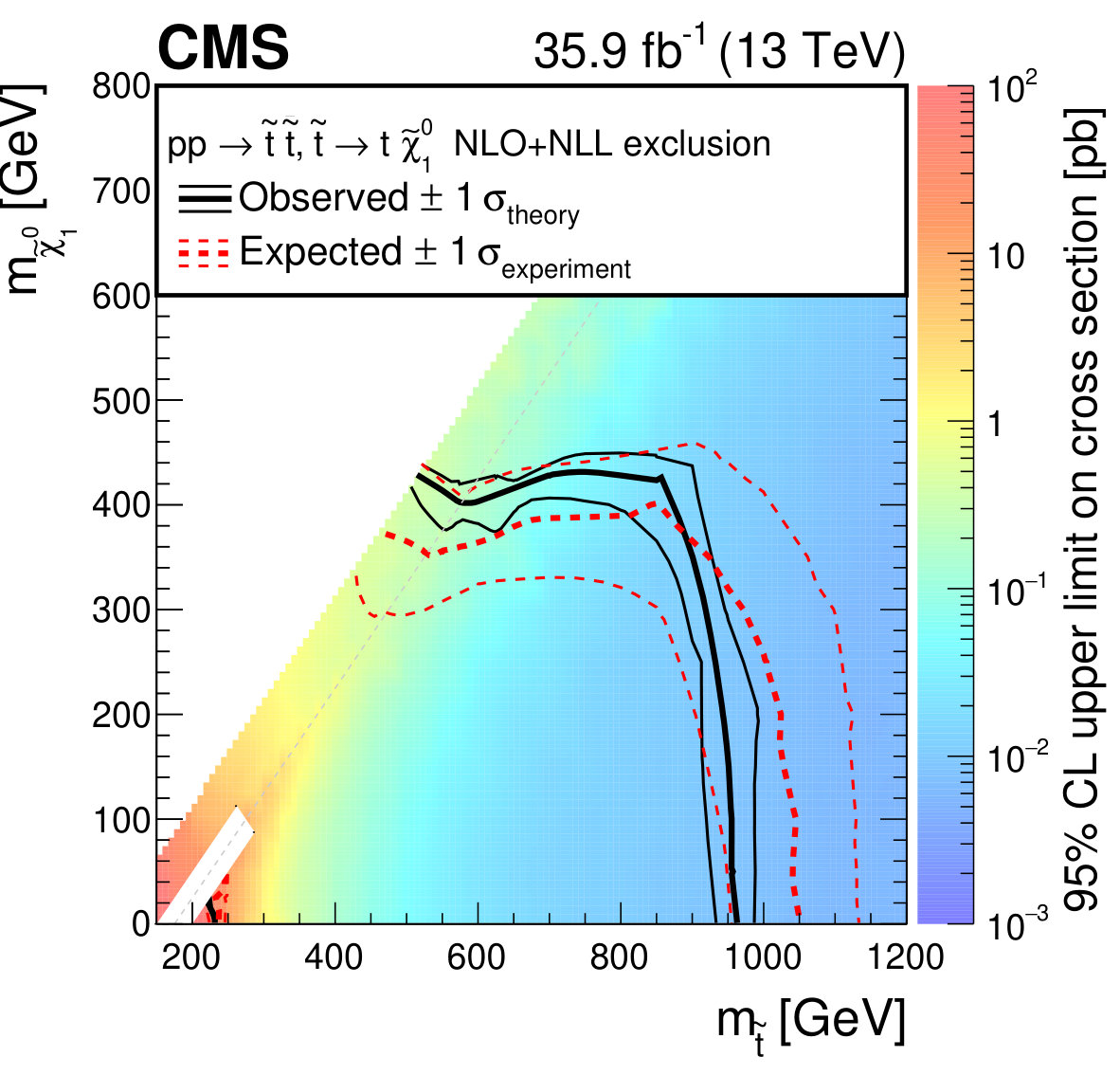 Figure 13
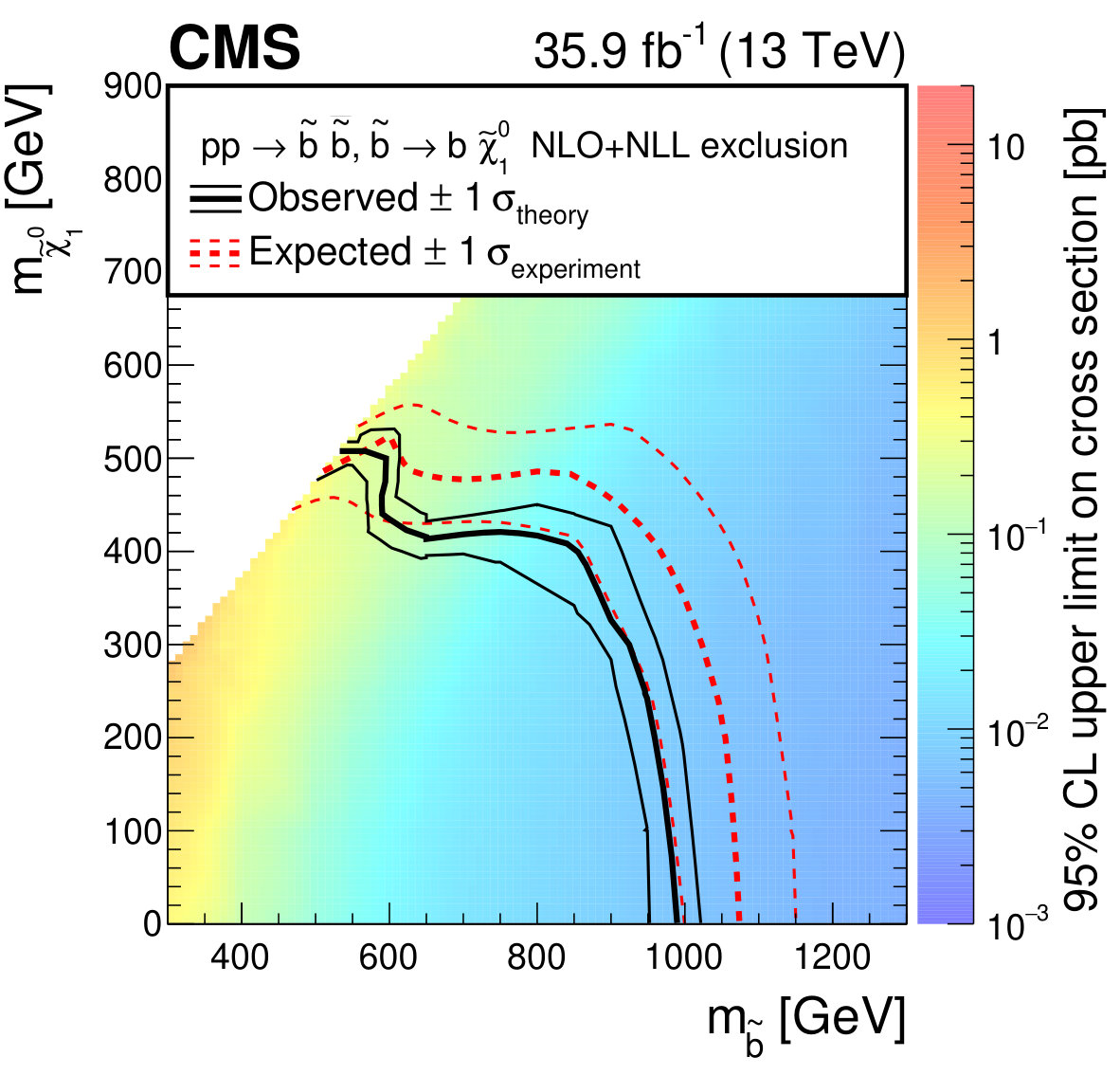 Figure 13
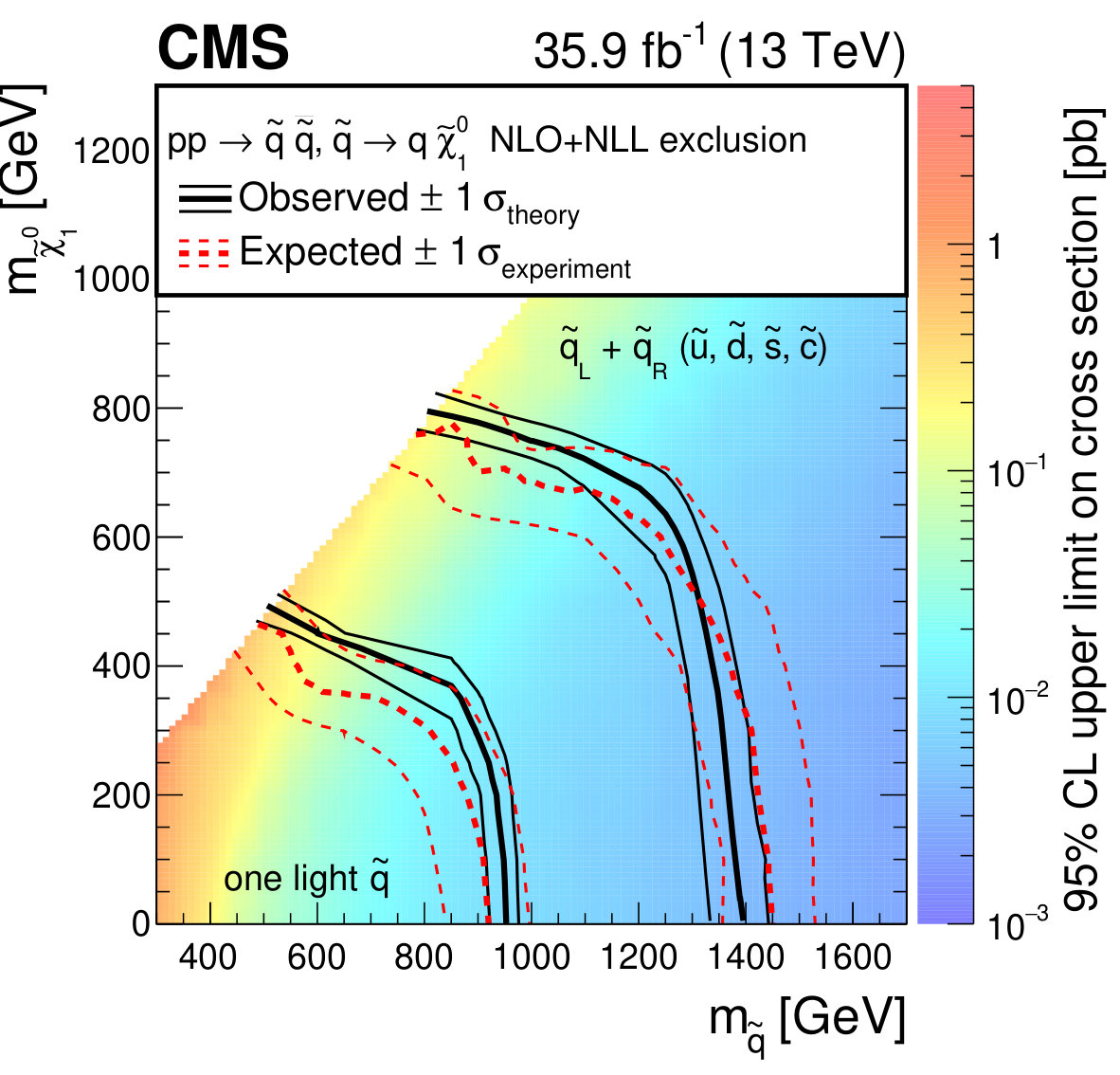 Figure 13
 Figure 30
Peer Reviews
No public reviews on file for this paper yet. If you reviewed it on a platform where reviews are public (OpenReview, ICLR, NeurIPS, ICML), you can paste yours below so the community can read it here.
Videos
No videos yet. Explain this paper in a talk, walkthrough, or lecture? Add one.