Standardized Cumulants of Flow Harmonic Fluctuations
Navid Abbasi, Davood Allahbakhshi, Ali Davody, Seyed Farid Taghavi

TL;DR
This paper models flow harmonic fluctuations in heavy ion collisions using standardized cumulants, introduces a new parametrization for $v_3$ distribution, and compares theoretical predictions with experimental data.
Contribution
It provides a novel parametrization of the $v_3$ distribution based on standardized cumulants and relates cumulants to multi-particle correlations, improving the modeling of flow fluctuations.
Findings
Standardized cumulants effectively characterize flow harmonic fluctuations.
The new $v_3$ distribution parametrization fits experimental data better than Gaussian.
Comparison shows consistency between simulation and experimental kurtosis values.
Abstract
The distribution of flow harmonics in heavy ion experiment can be characterized by standardized cumulants. We first model the ellipticity and power parameters of the elliptic-power distribution by employing MC-Glauber model. Then we use the elliptic-power distribution together with the hydrodynamic linear response approximation to study the two dimensional standardized cumulants of elliptic and triangular flow ( and ) distribution. For the second harmonic, it turns out that finding two dimensional cumulants in terms of -particle correlation functions is limited to the skewness. We also show that , , and , are related to the second, fourth, and sixth standardized cumulants of the distribution, respectively. The cumulant can be also written in terms of . Specifically, turns out…
Click any figure to enlarge with its caption.
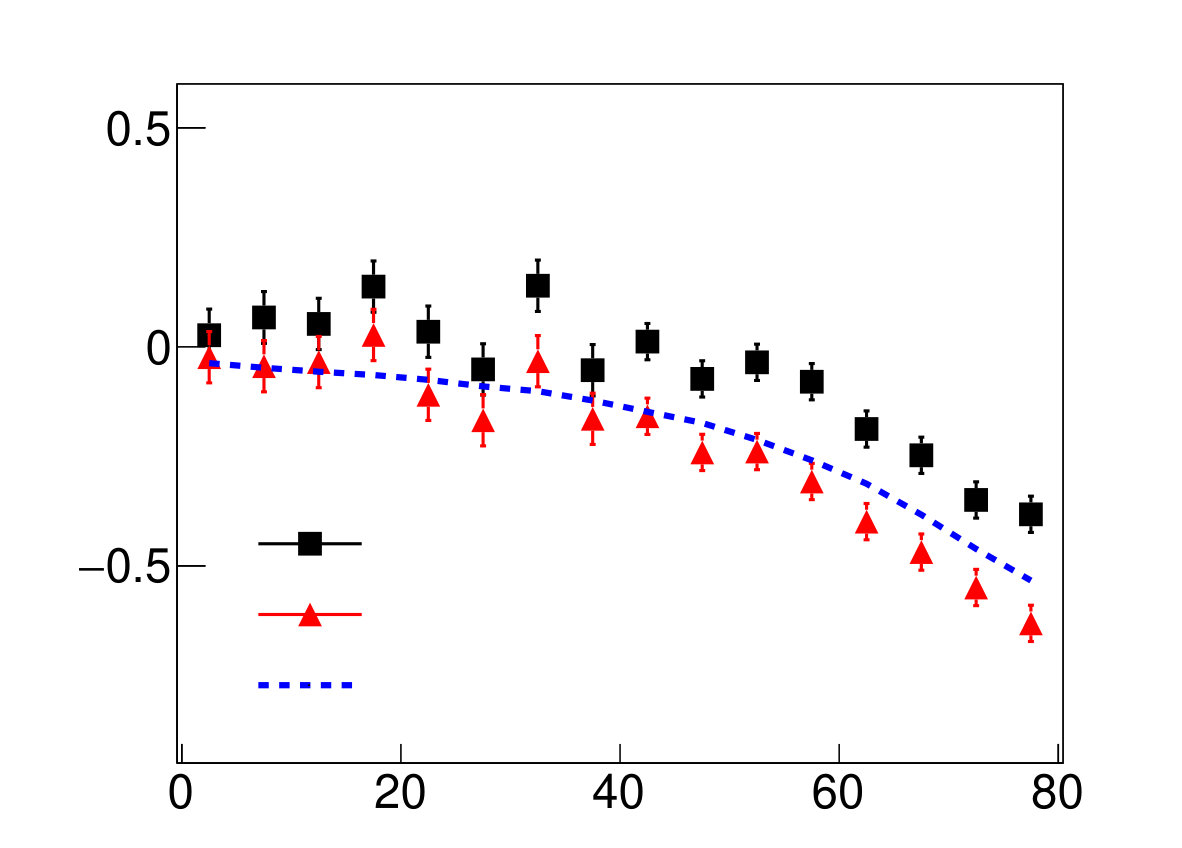 Figure 1
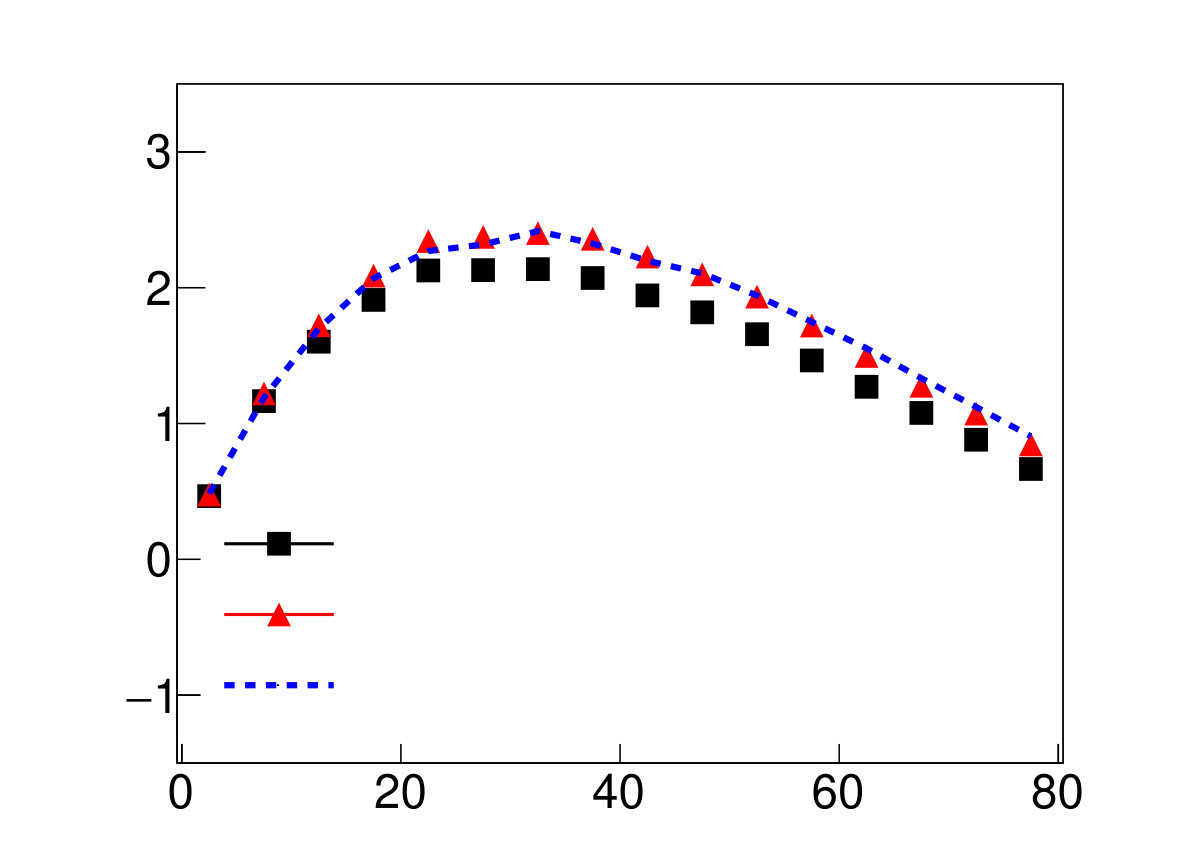 Figure 2
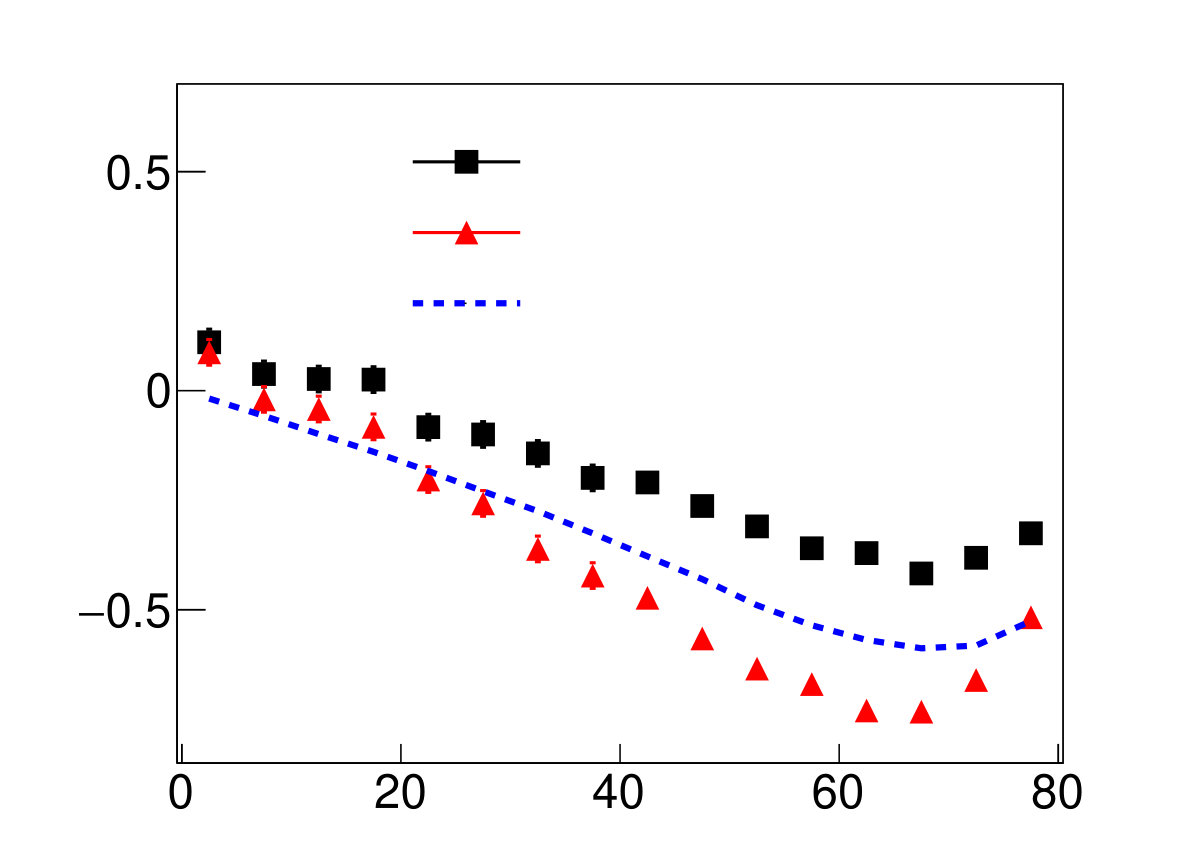 Figure 3
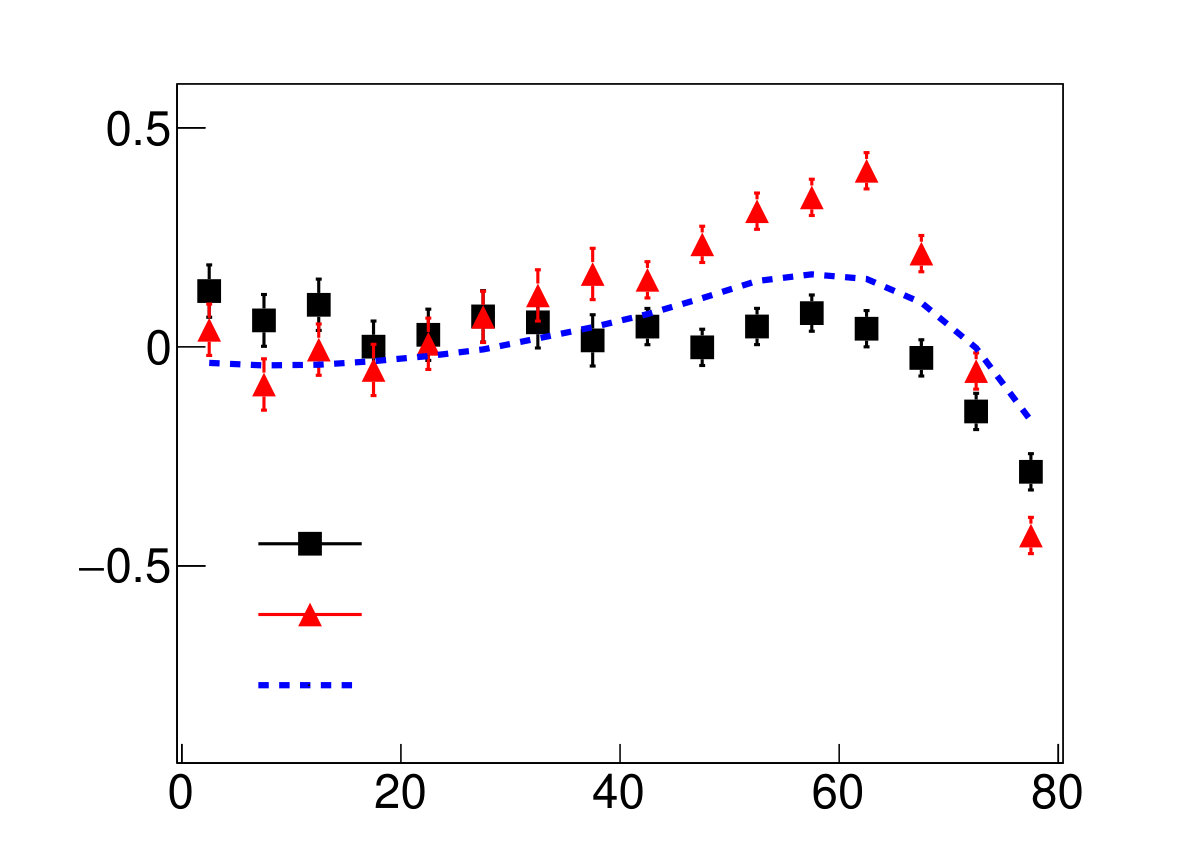 Figure 4
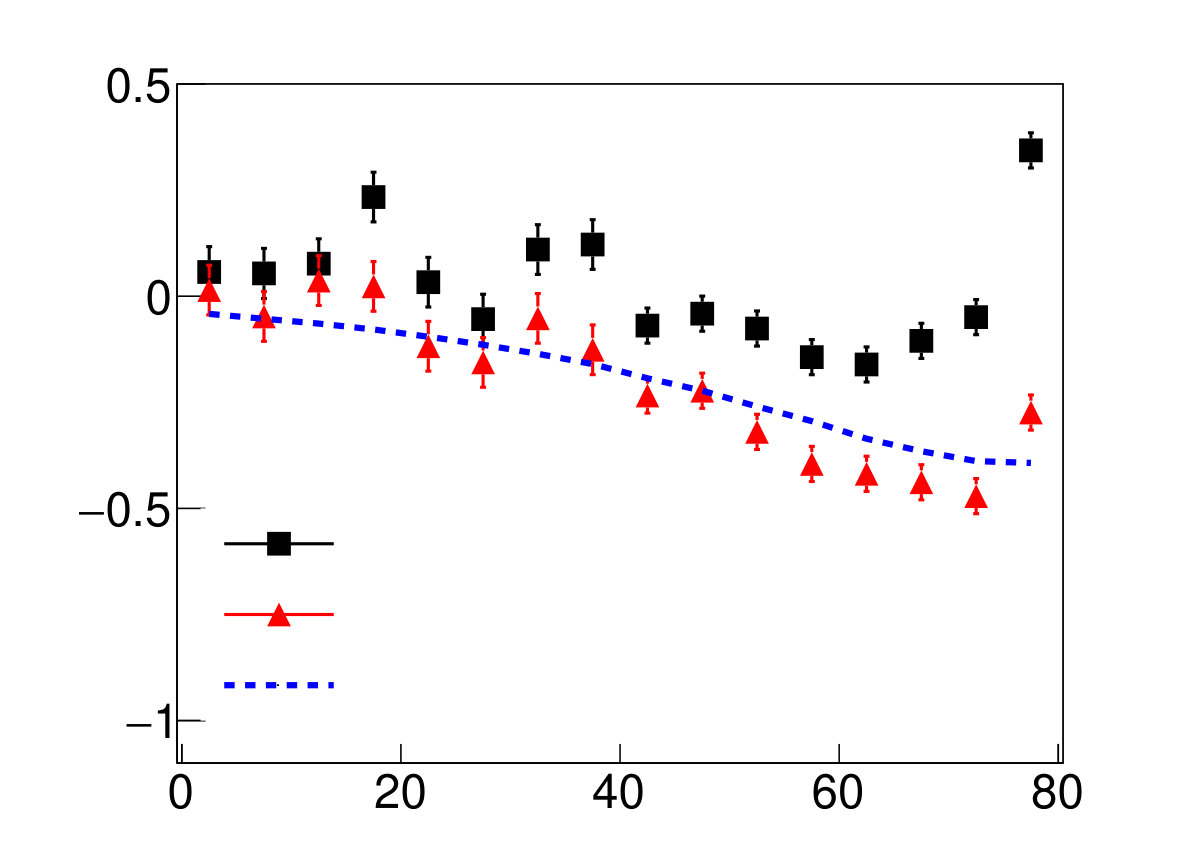 Figure 5
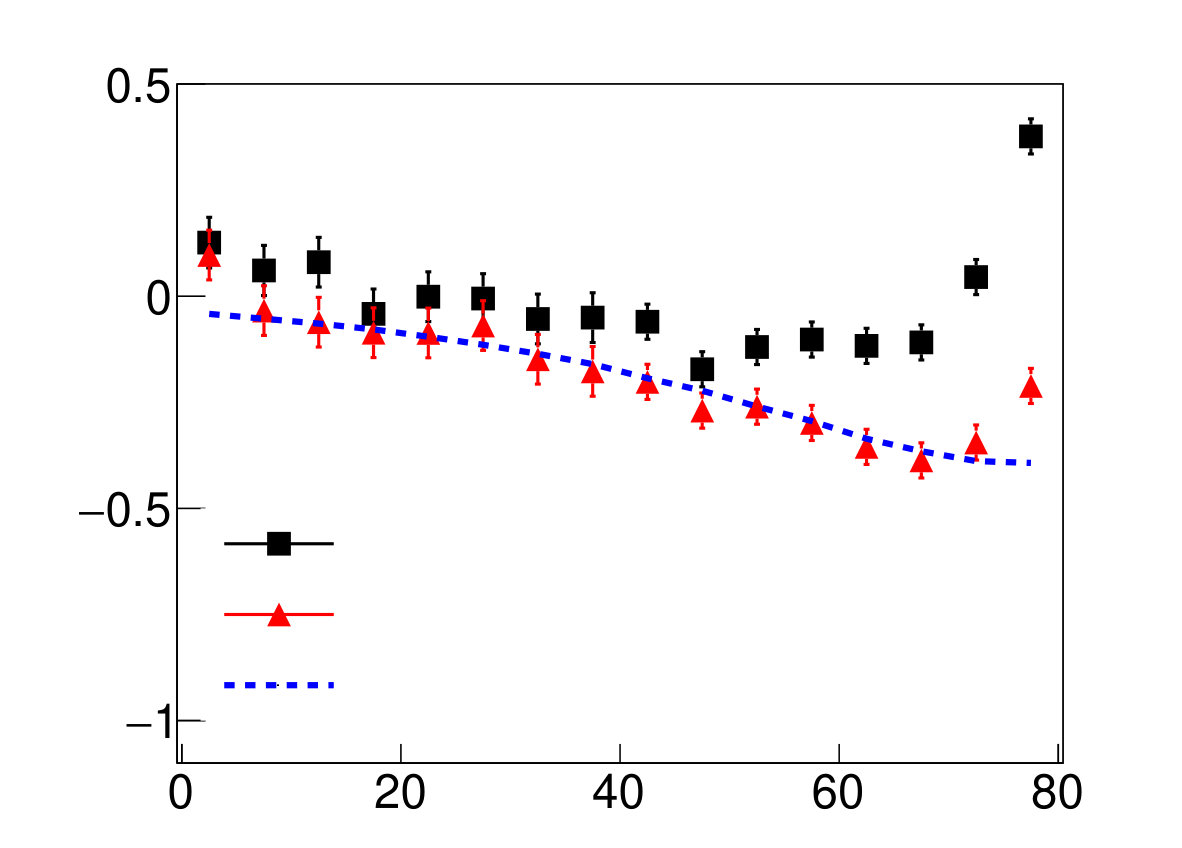 Figure 6
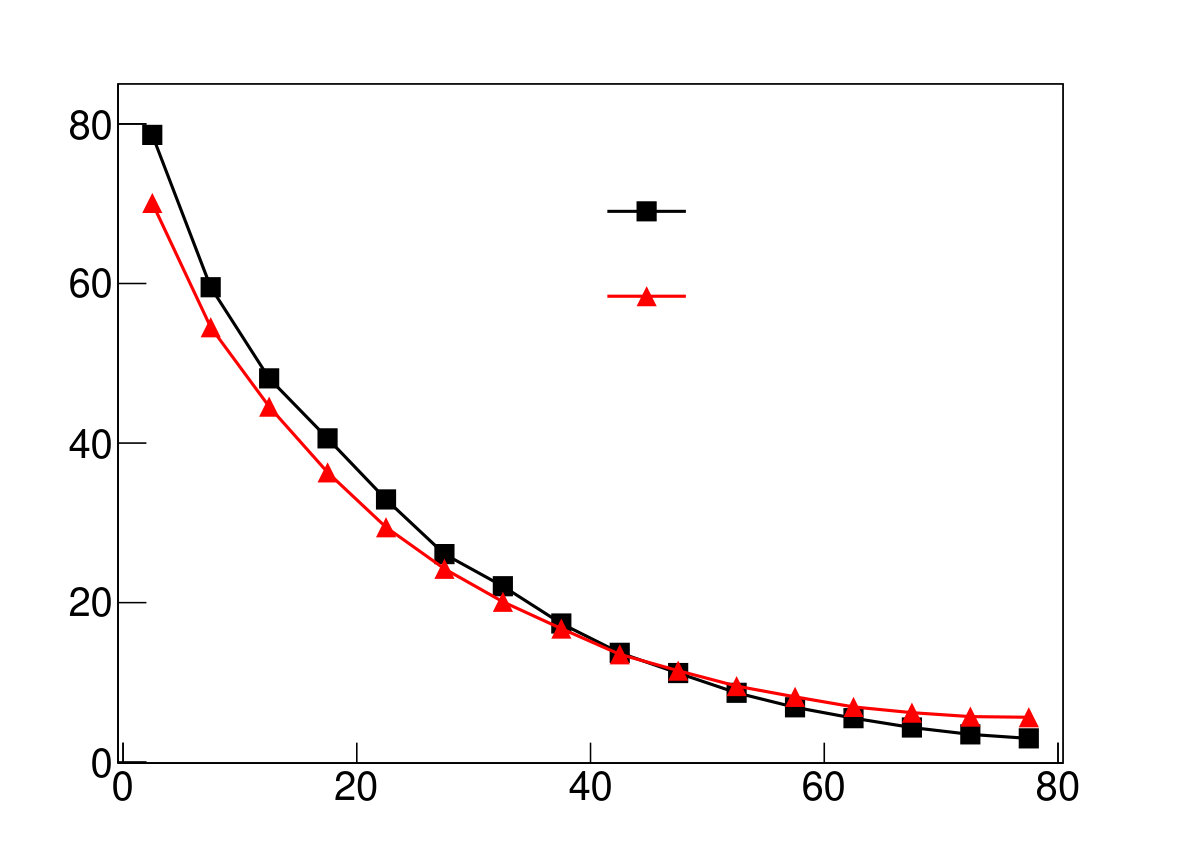 Figure 7
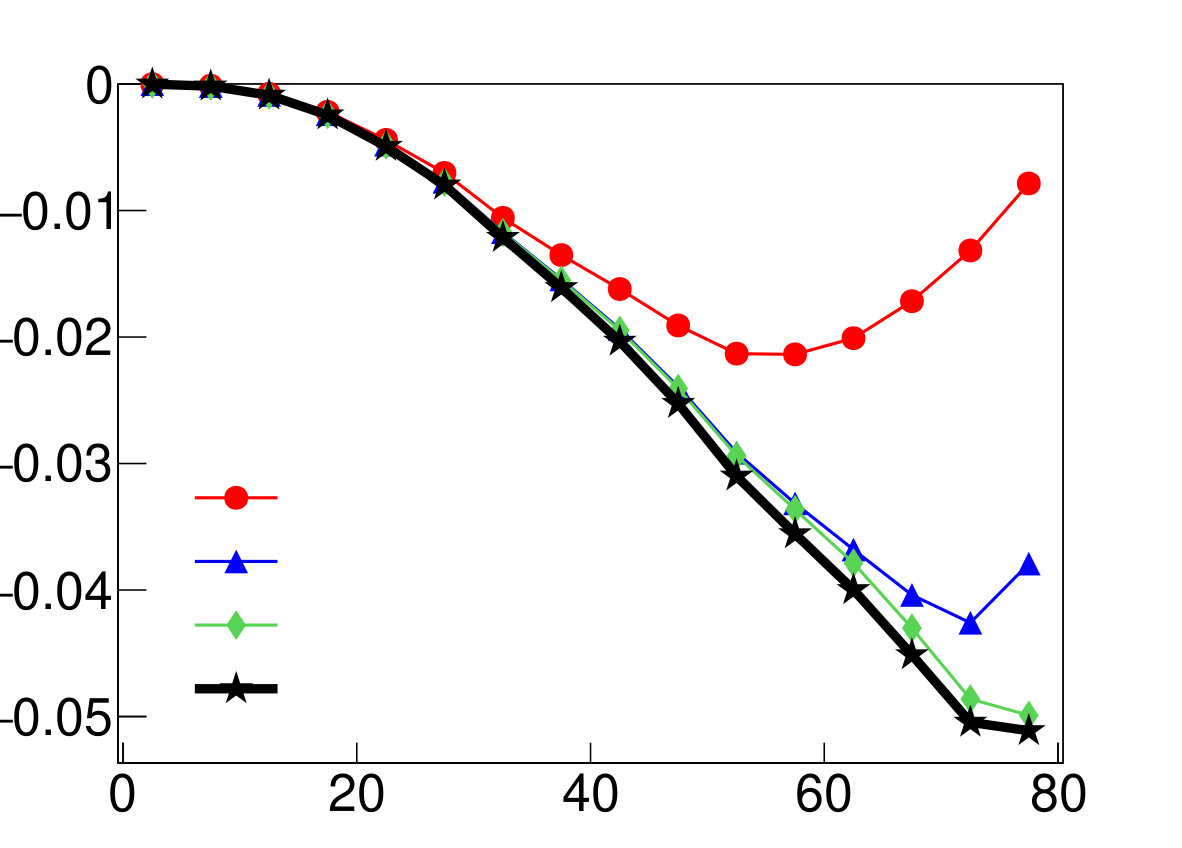 Figure 8
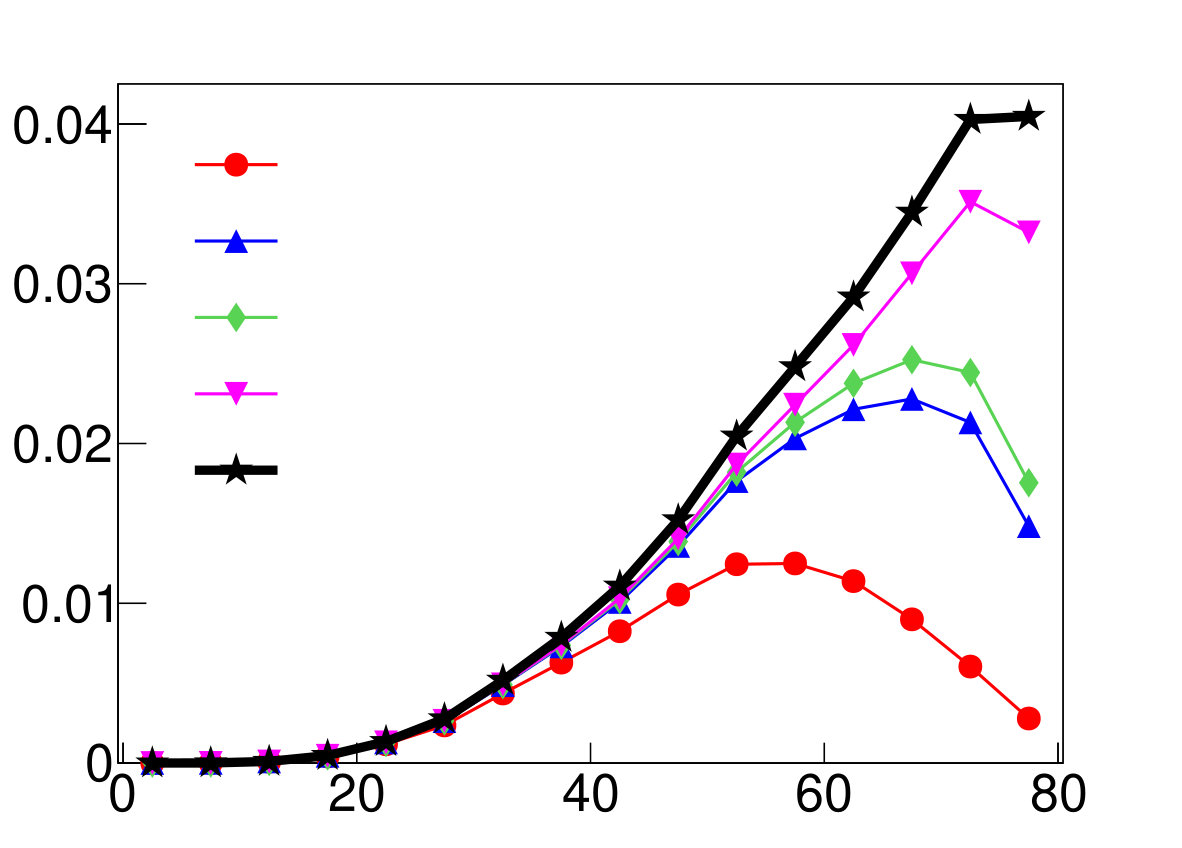 Figure 9
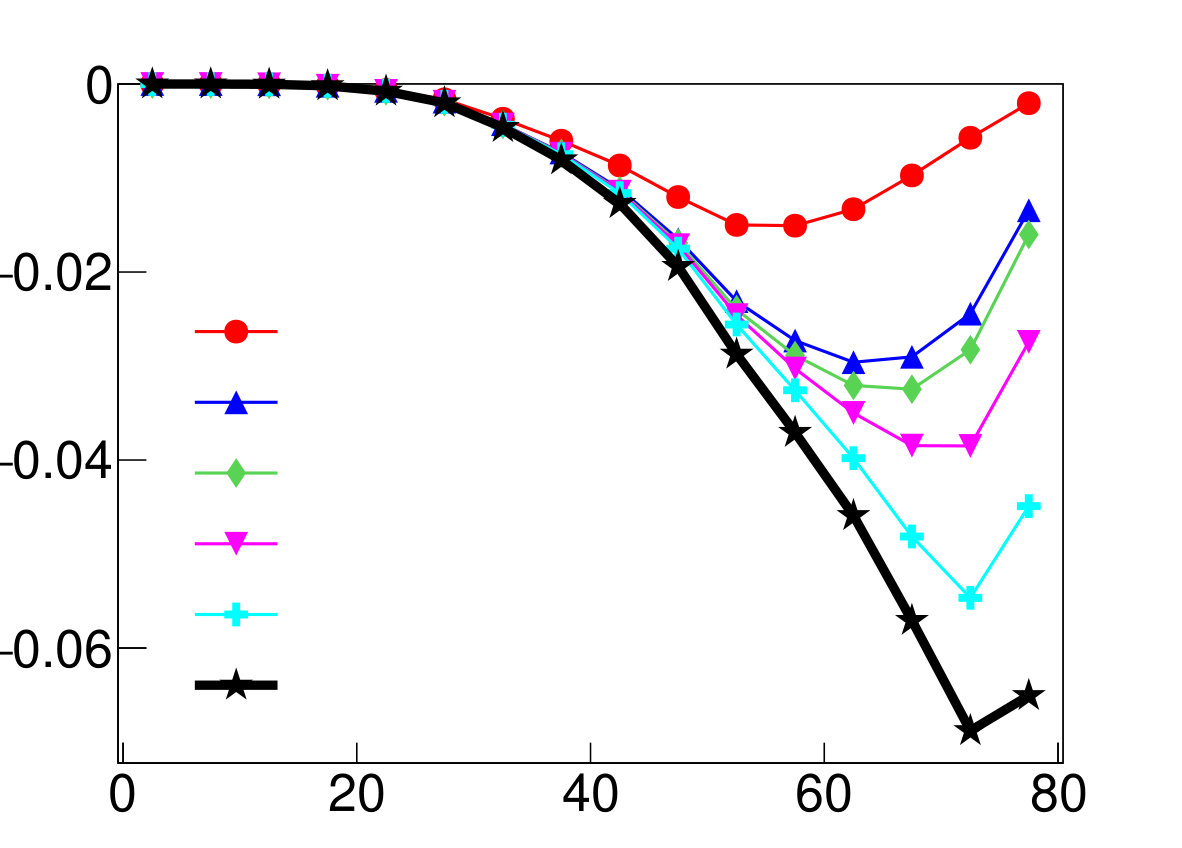 Figure 10
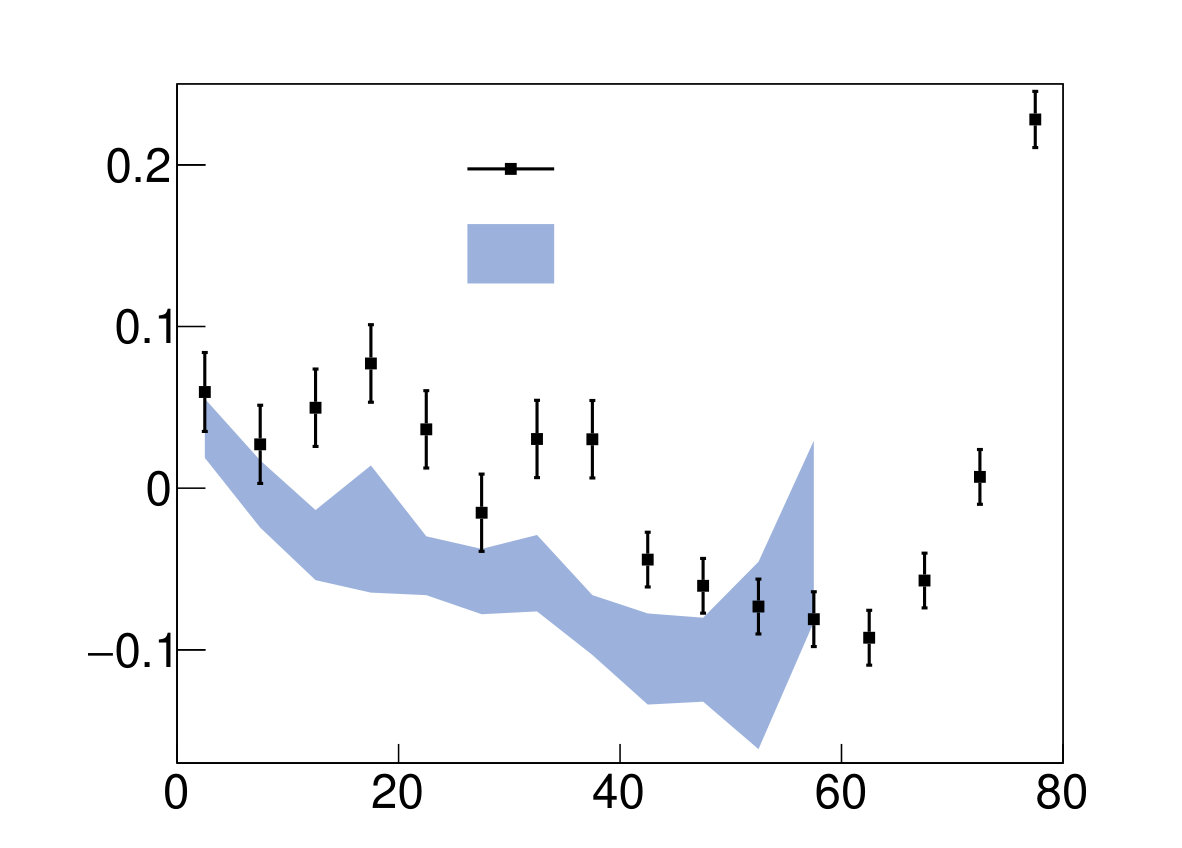 Figure 11
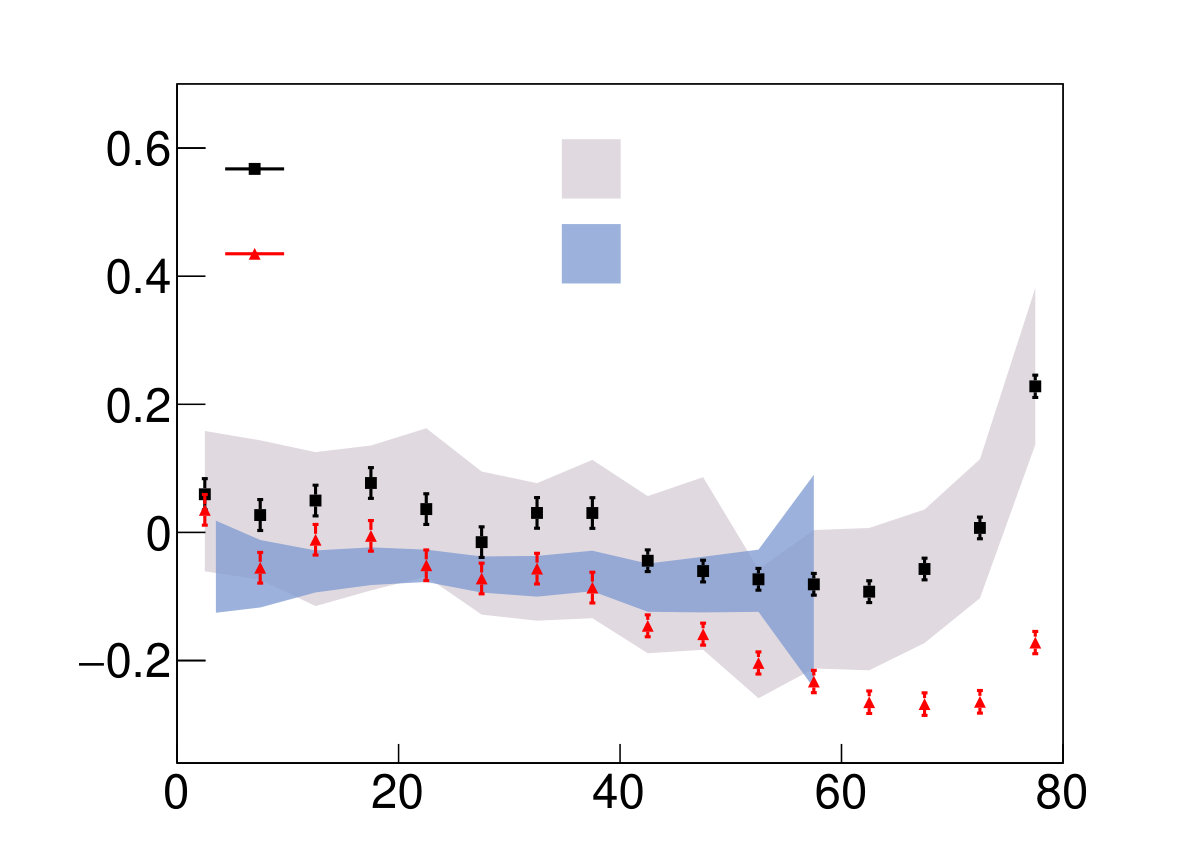 Figure 12
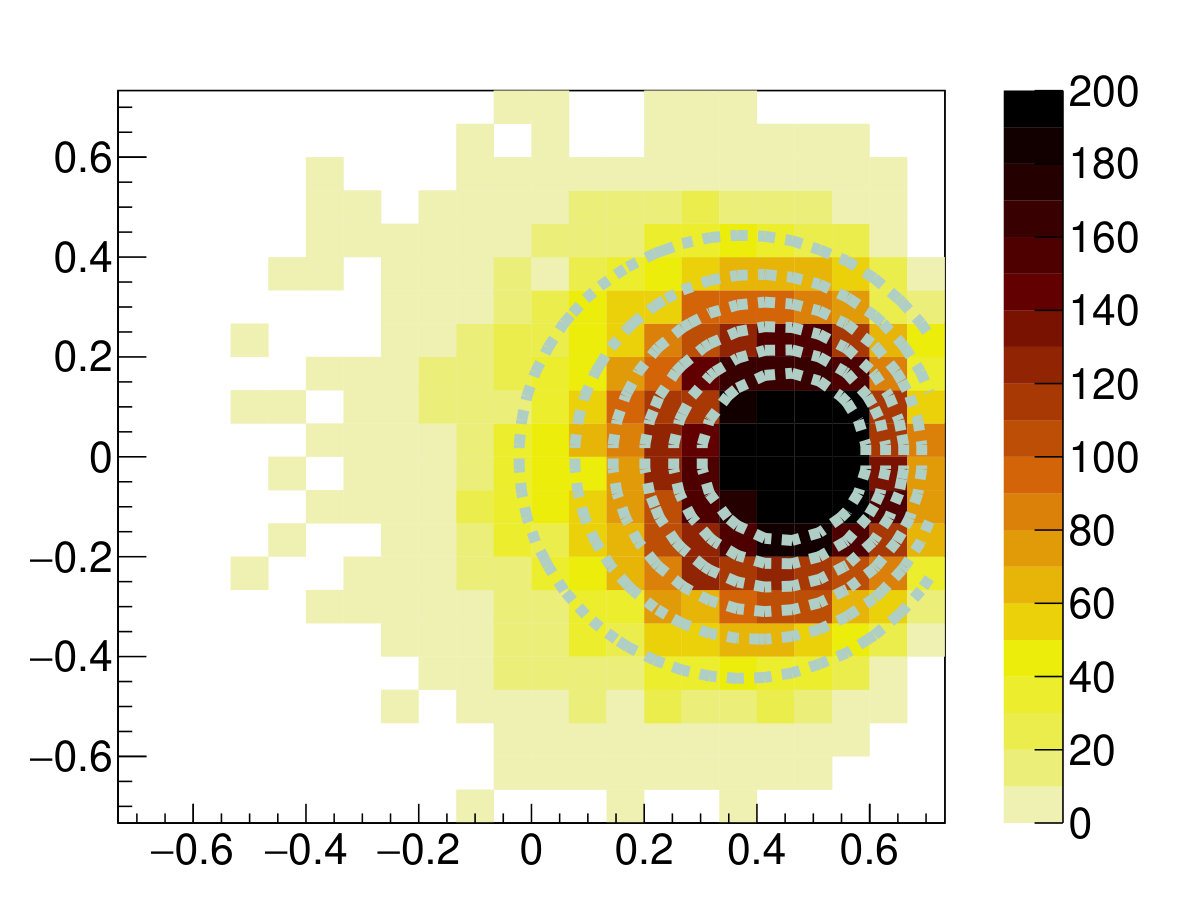 Figure 13
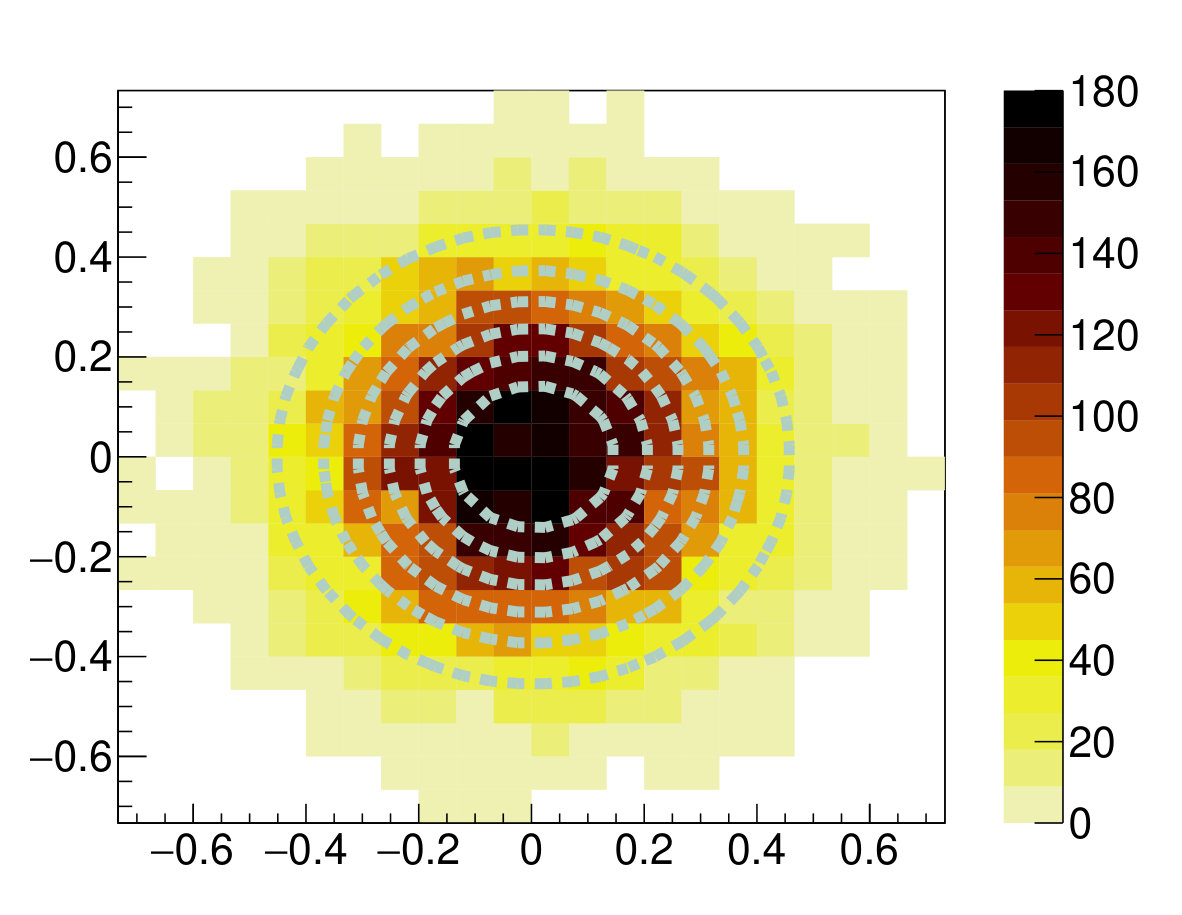 Figure 14
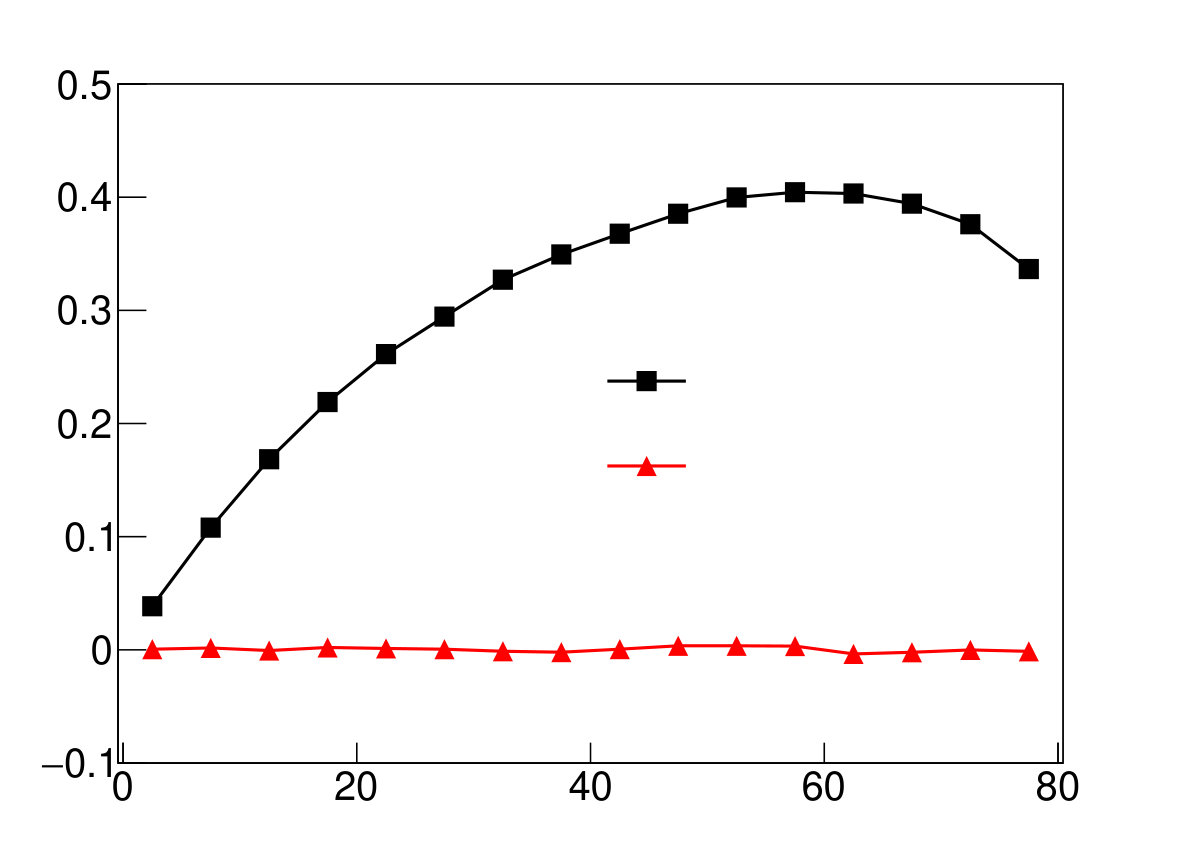 Figure 15
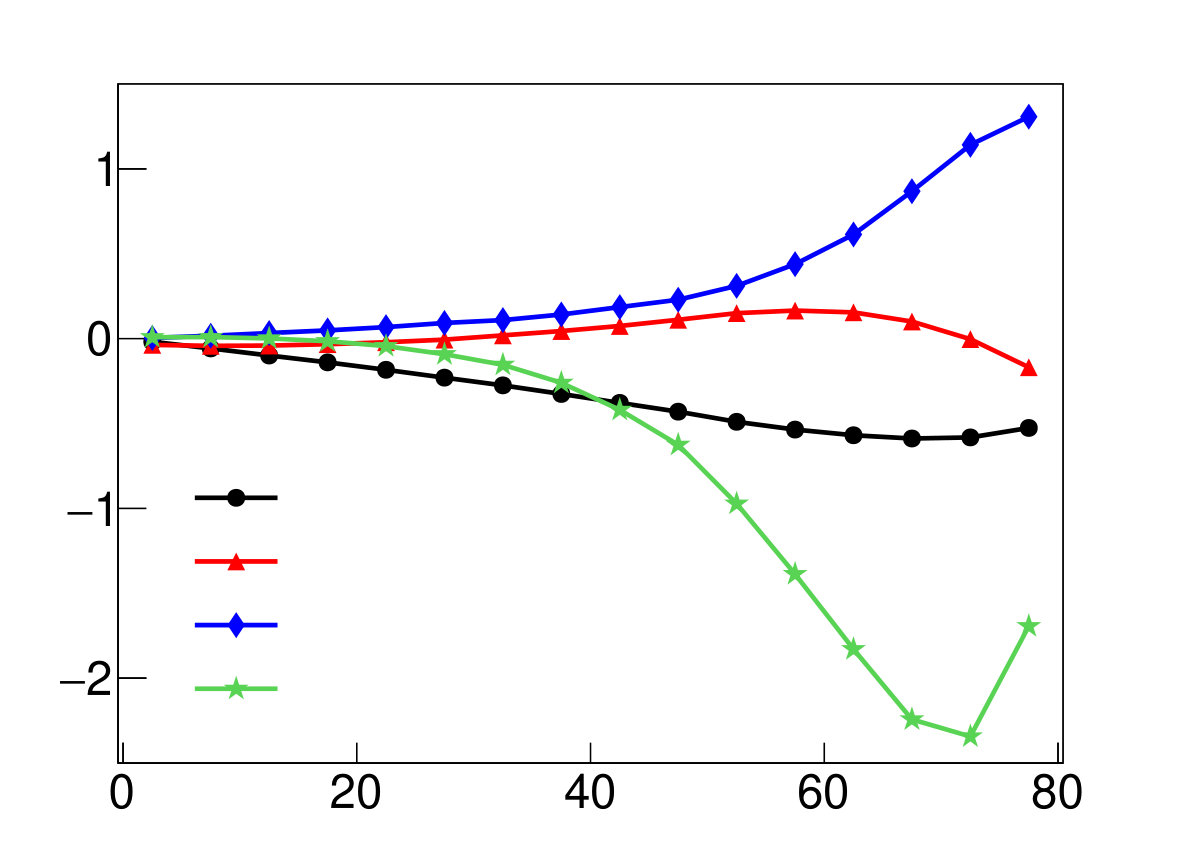 Figure 16
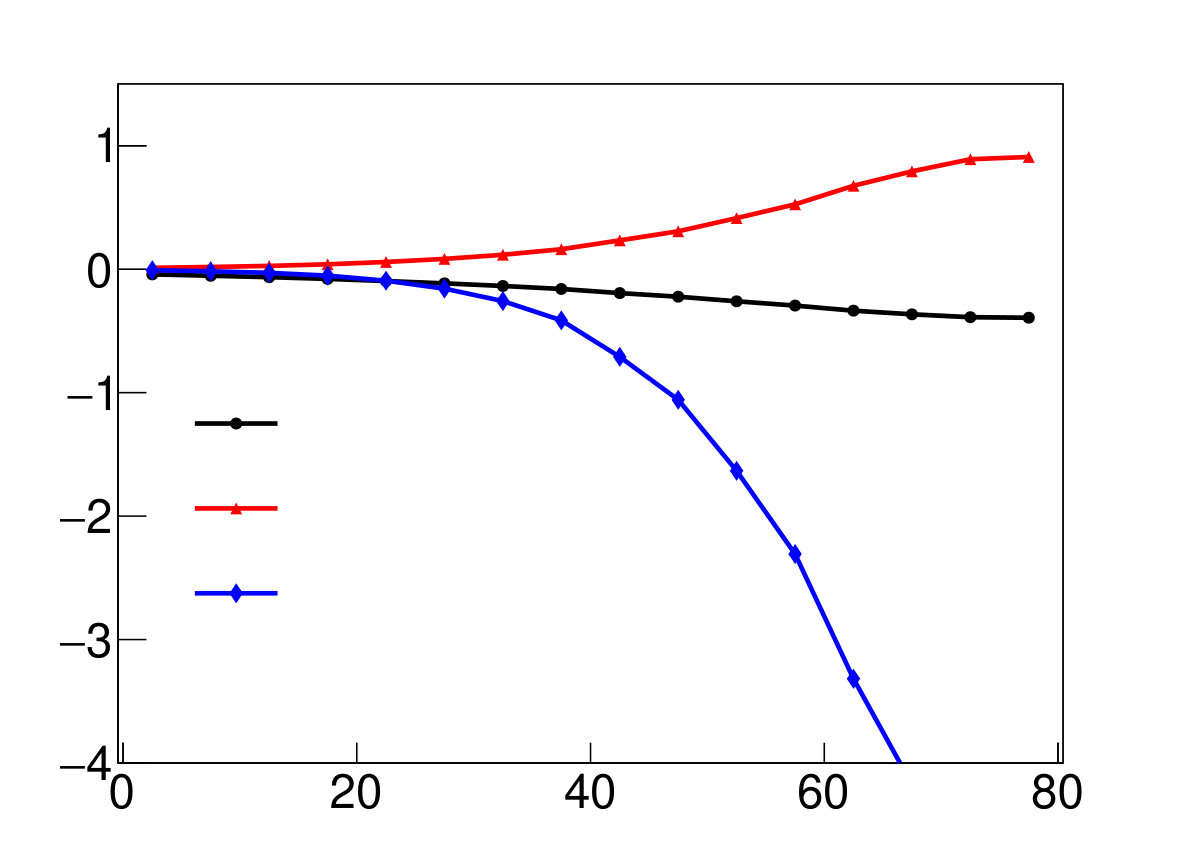 Figure 17
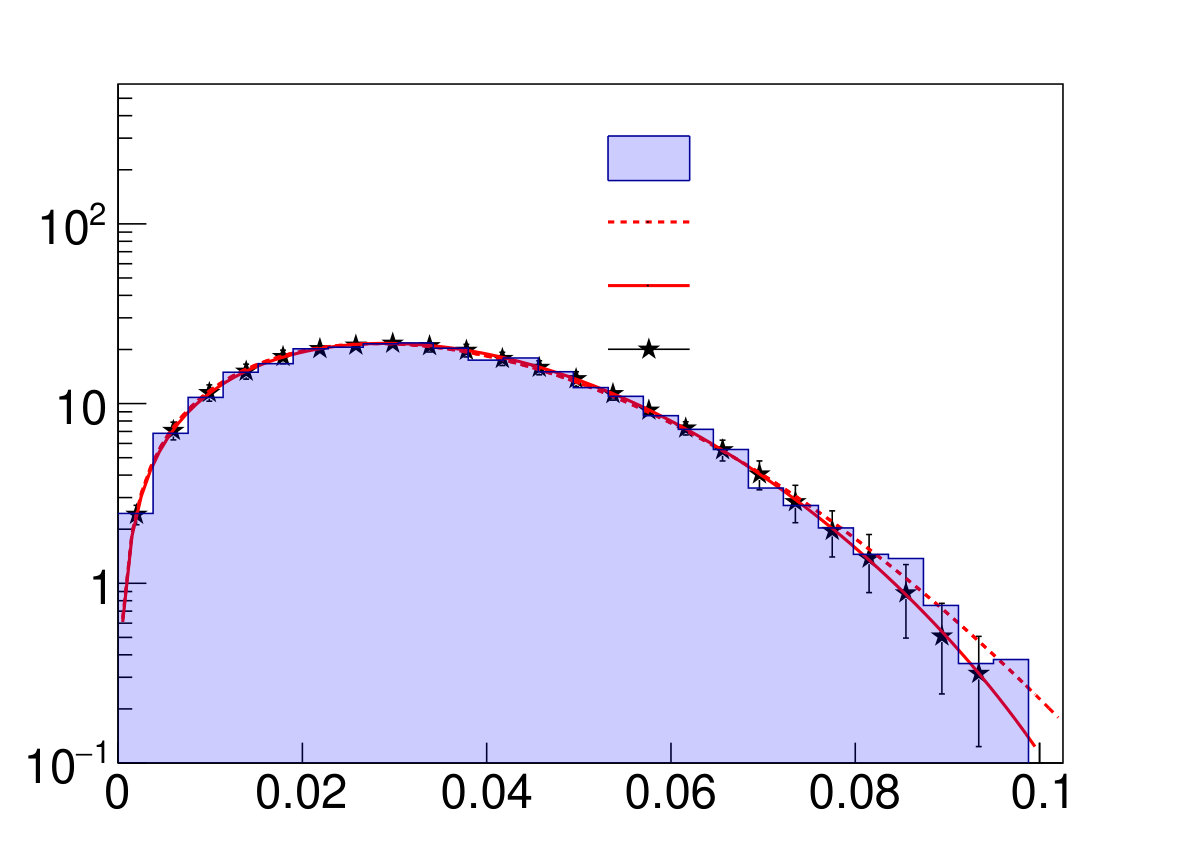 Figure 18
Peer Reviews
No public reviews on file for this paper yet. If you reviewed it on a platform where reviews are public (OpenReview, ICLR, NeurIPS, ICML), you can paste yours below so the community can read it here.
Videos
No videos yet. Explain this paper in a talk, walkthrough, or lecture? Add one.