Field-induced quantum criticality in the Kitaev system $\alpha$-RuCl$_3$
A. U. B. Wolter, L. T. Corredor, L. Janssen, K. Nenkov, S., Sch\"onecker, S.-H. Do, K.-Y. Choi, R. Albrecht, J. Hunger, T. Doert, M., Vojta, and B. B\"uchner

TL;DR
This study investigates the quantum critical behavior of $ ext{RuCl}_3$ under magnetic fields, revealing a field-induced quantum critical point and a spin-excitation gap, advancing understanding of Kitaev quantum spin liquids.
Contribution
It provides experimental evidence of a field-induced quantum critical point in $ ext{RuCl}_3$ and relates findings to a specific theoretical honeycomb model.
Findings
Suppression of antiferromagnetic order with increasing magnetic field.
Observation of a spin-excitation gap above the critical field.
Universal scaling behavior indicating quantum criticality.
Abstract
-RuCl has attracted enormous attention since it has been proposed as a prime candidate to study fractionalized magnetic excitations akin to Kitaev's honeycomb-lattice spin liquid. We have performed a detailed specific-heat investigation at temperatures down to K in applied magnetic fields up to T for fields parallel to the plane. We find a suppression of the zero-field antiferromagnetic order, together with an increase of the low-temperature specific heat, with increasing field up to T. Above , the magnetic contribution to the low-temperature specific heat is strongly suppressed, implying the opening of a spin-excitation gap. Our data point toward a field-induced quantum critical point (QCP) at ; this is supported by universal scaling behavior near . Remarkably, the data also reveal the existence of a small characteristic…
Click any figure to enlarge with its caption.
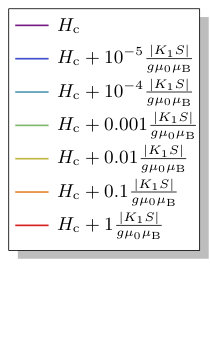 Figure 1
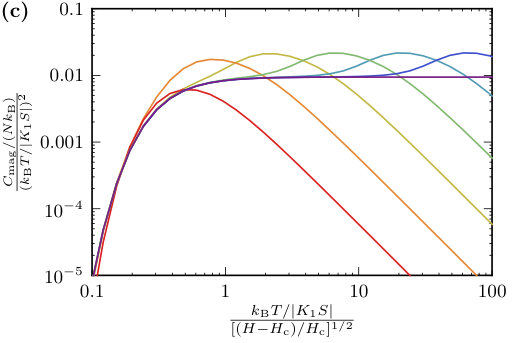 Figure 2
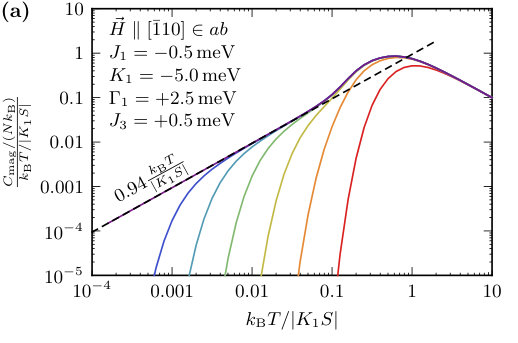 Figure 3
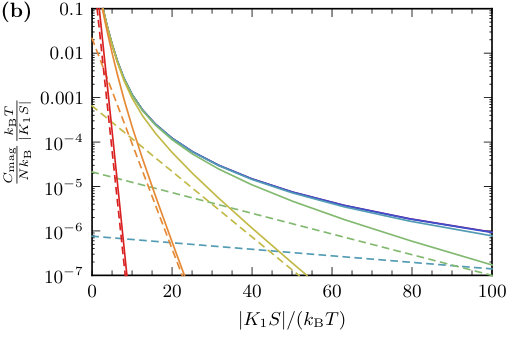 Figure 4
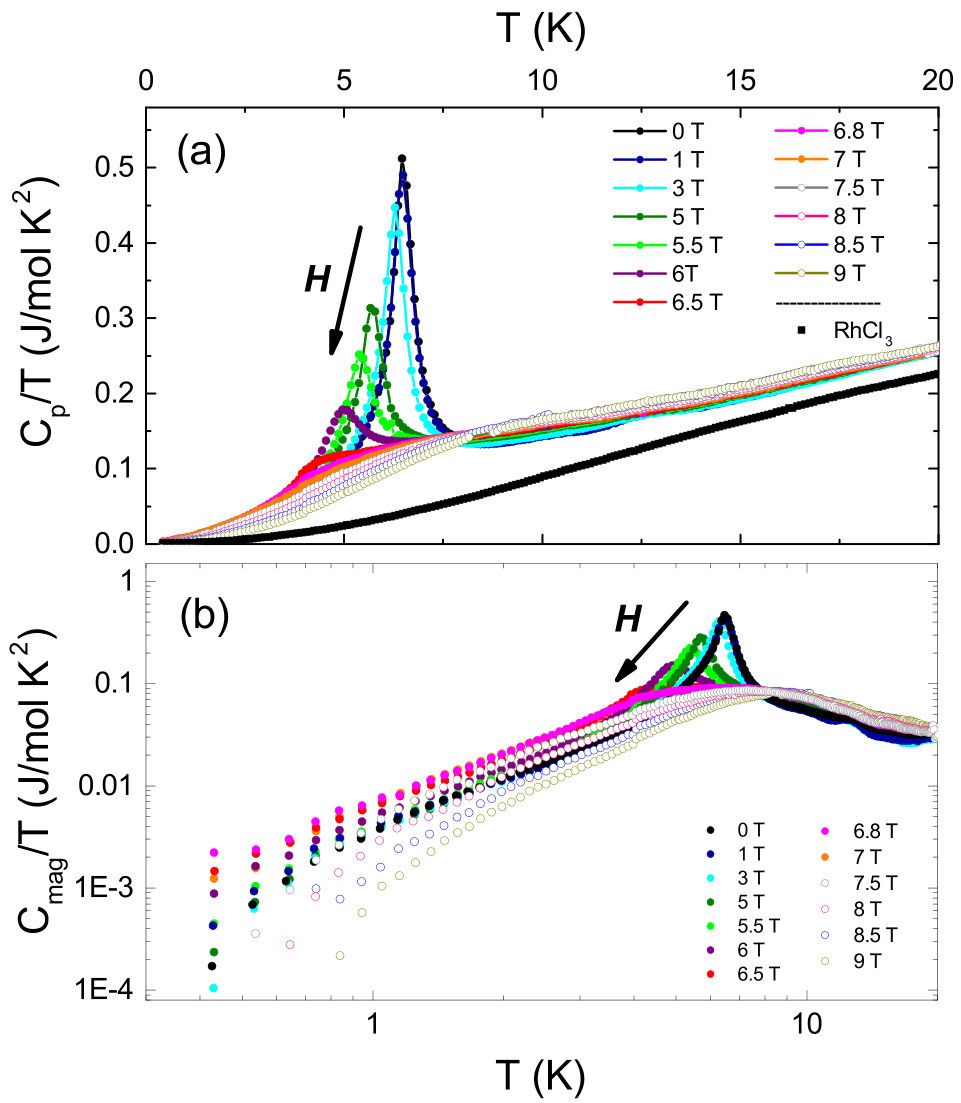 Figure 1
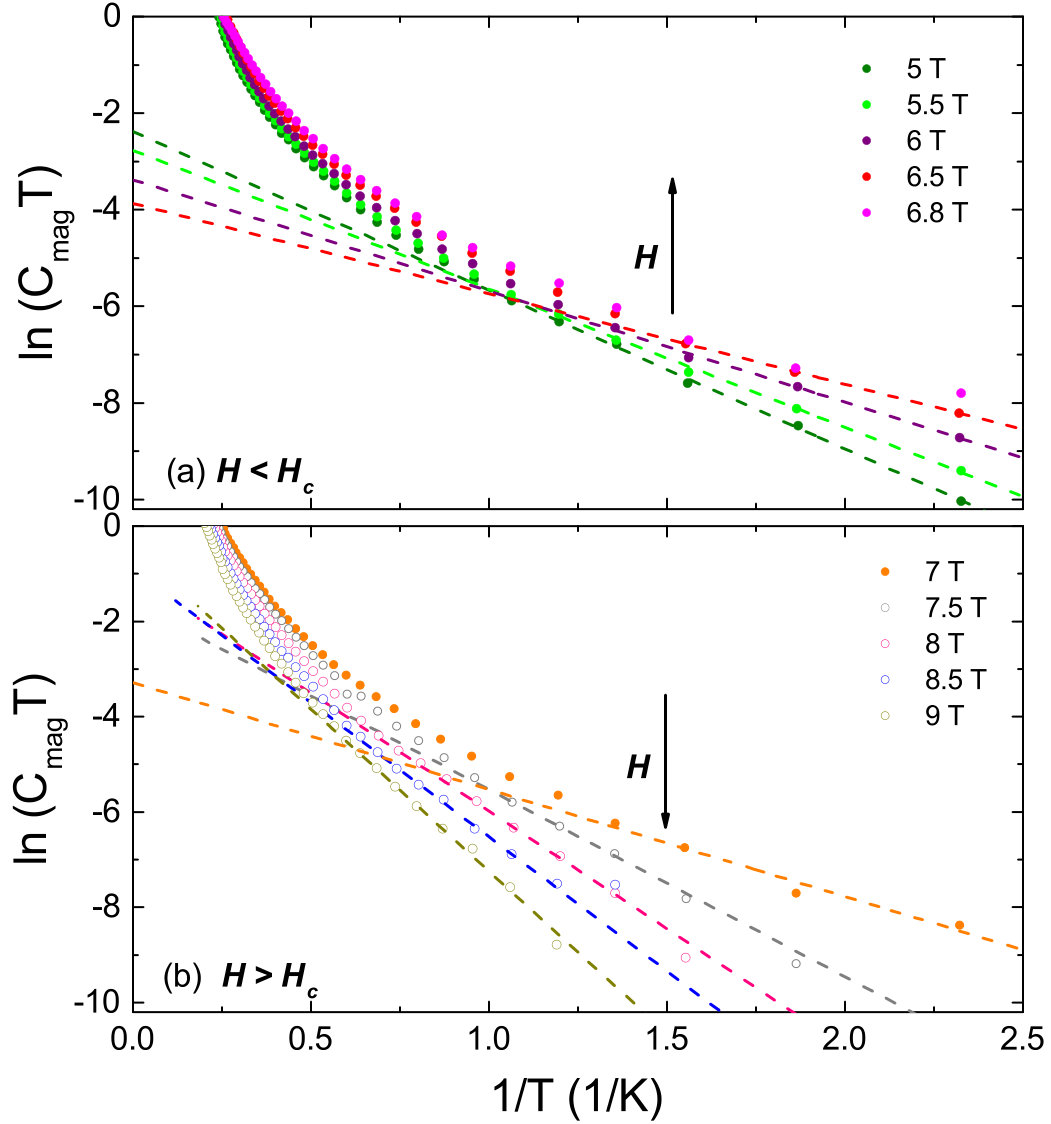 Figure 2
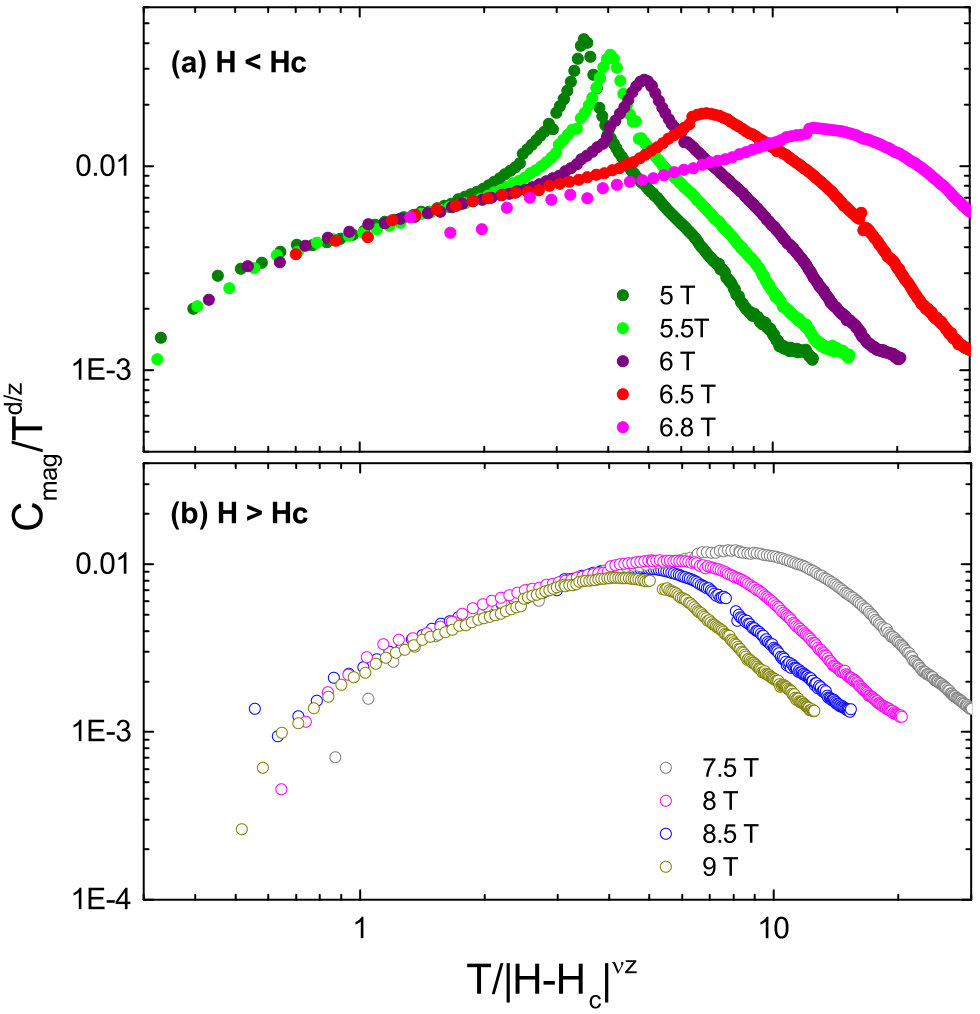 Figure 3
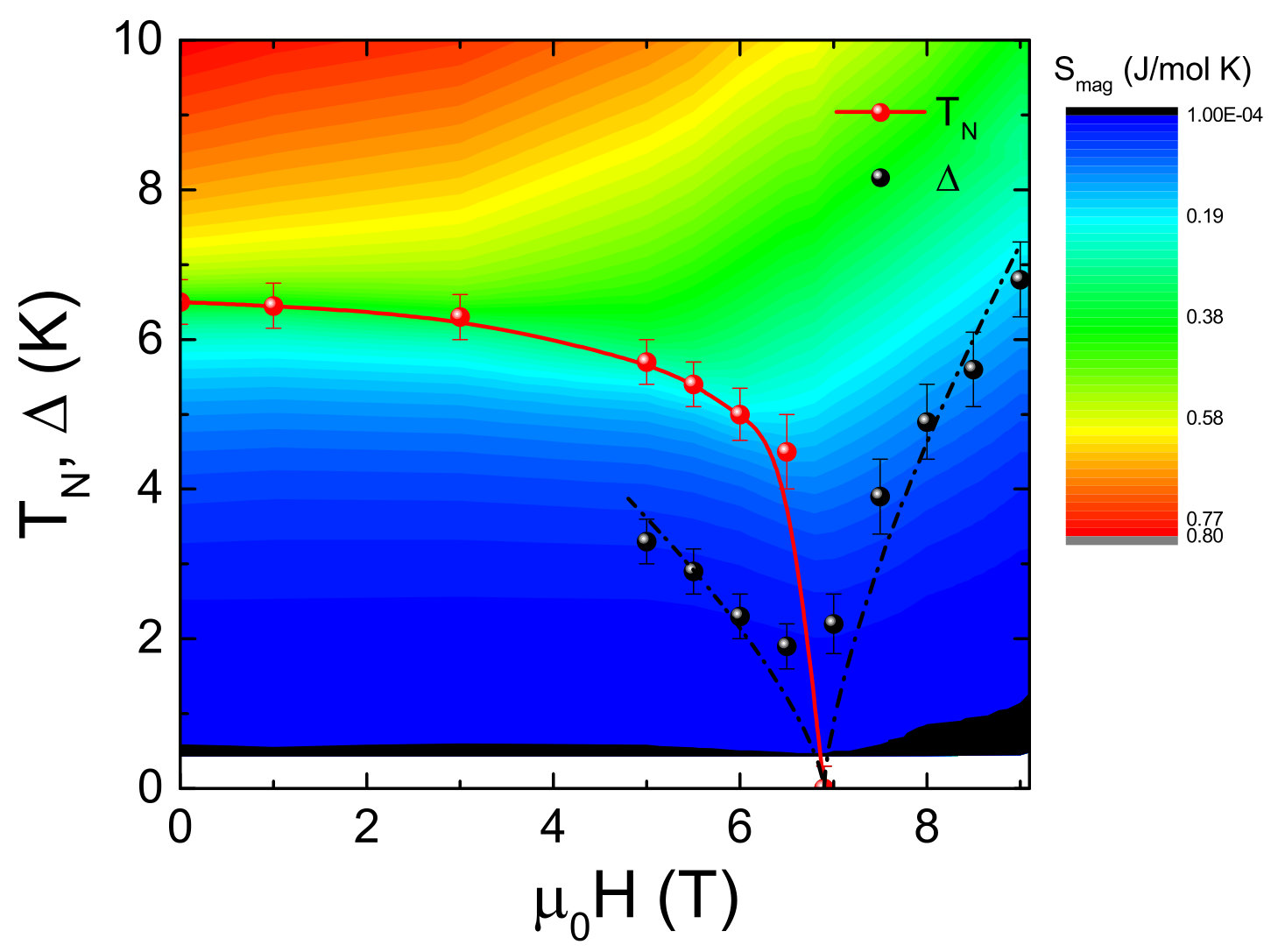 Figure 4
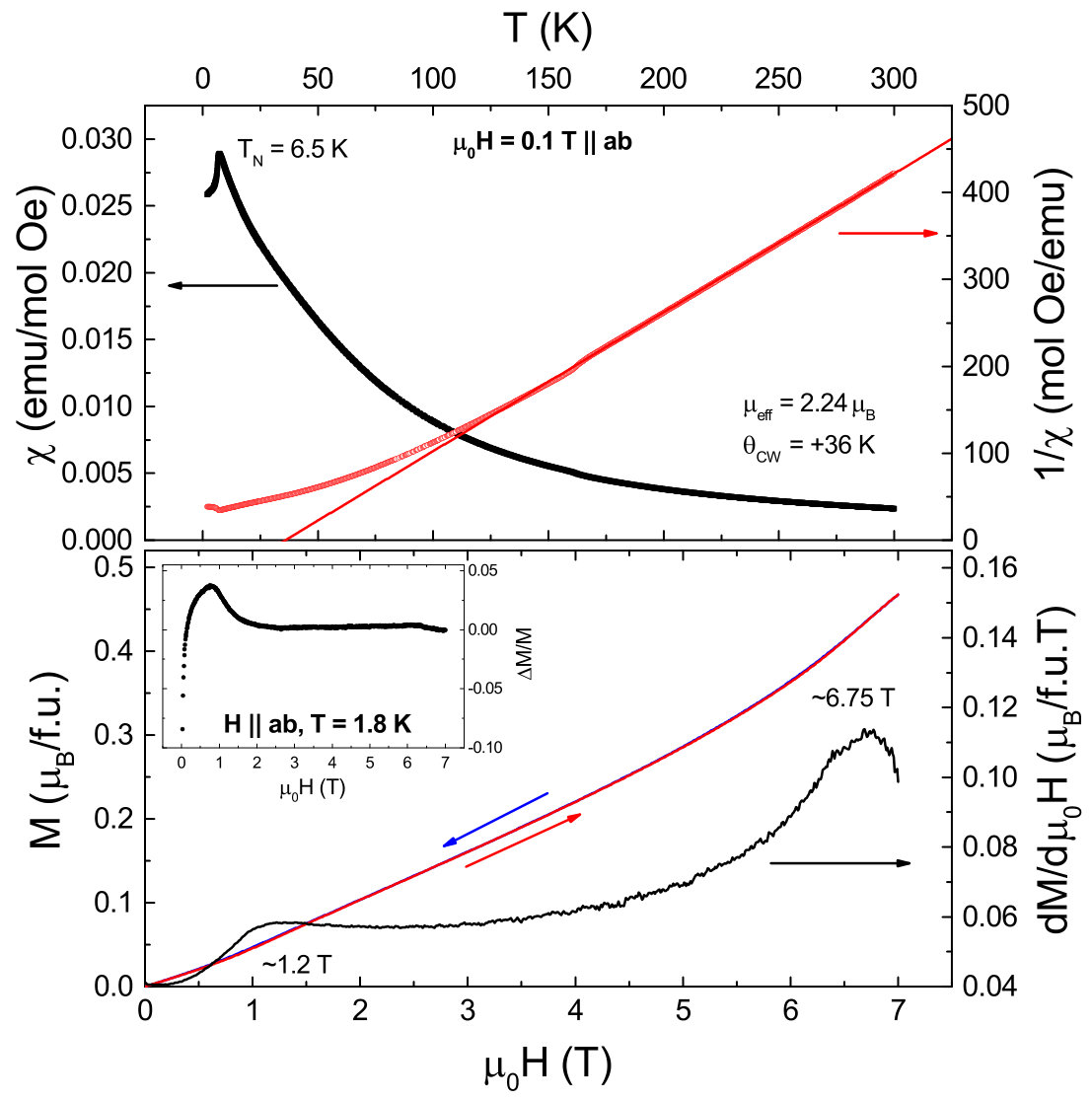 Figure 9
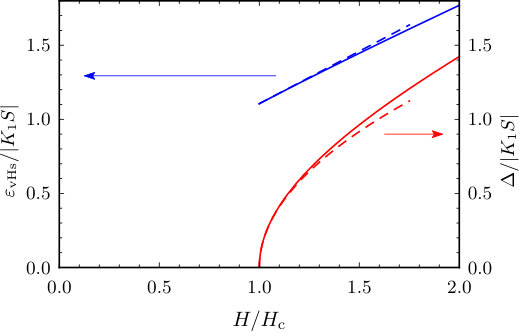 Figure 10
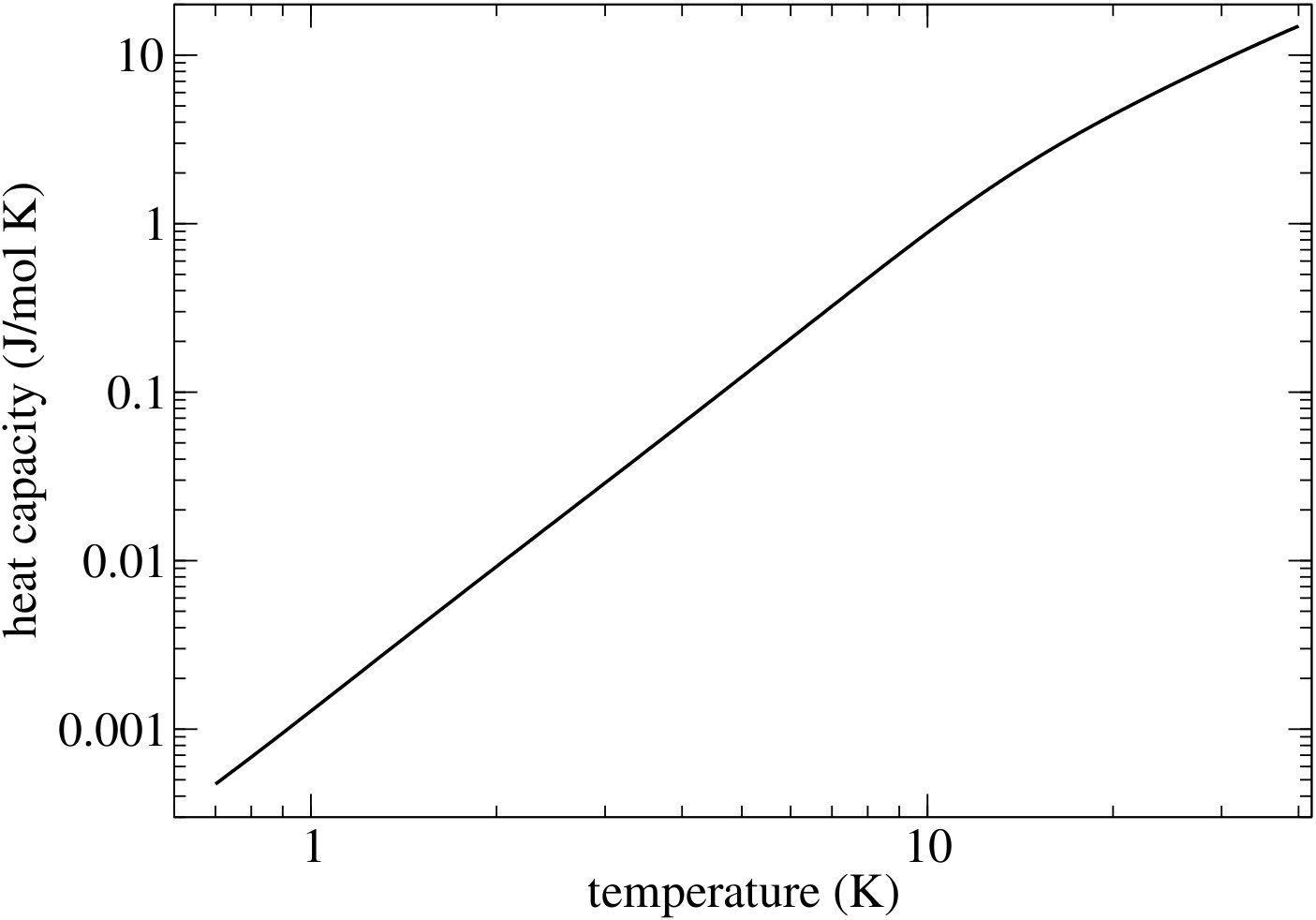 Figure 11
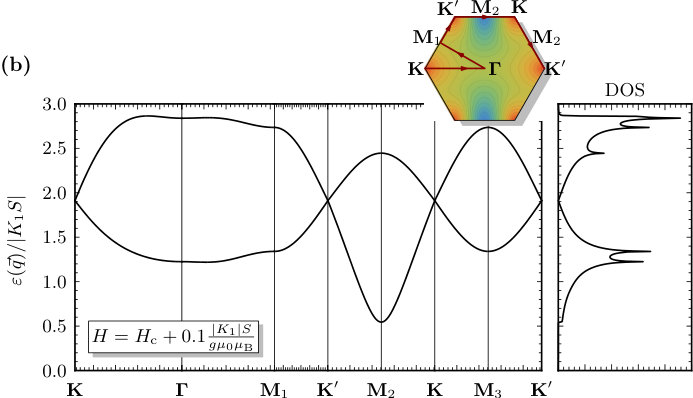 Figure 12
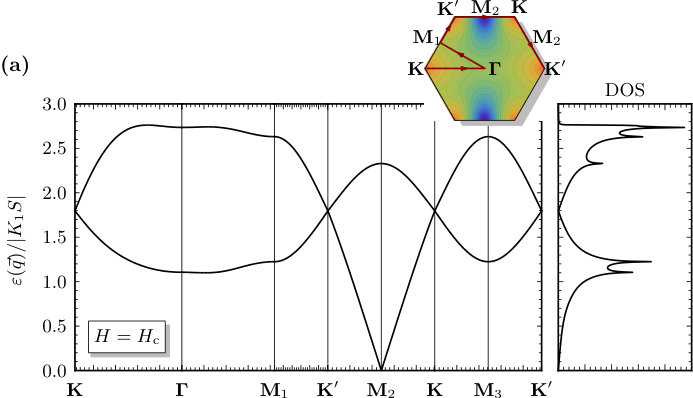 Figure 13
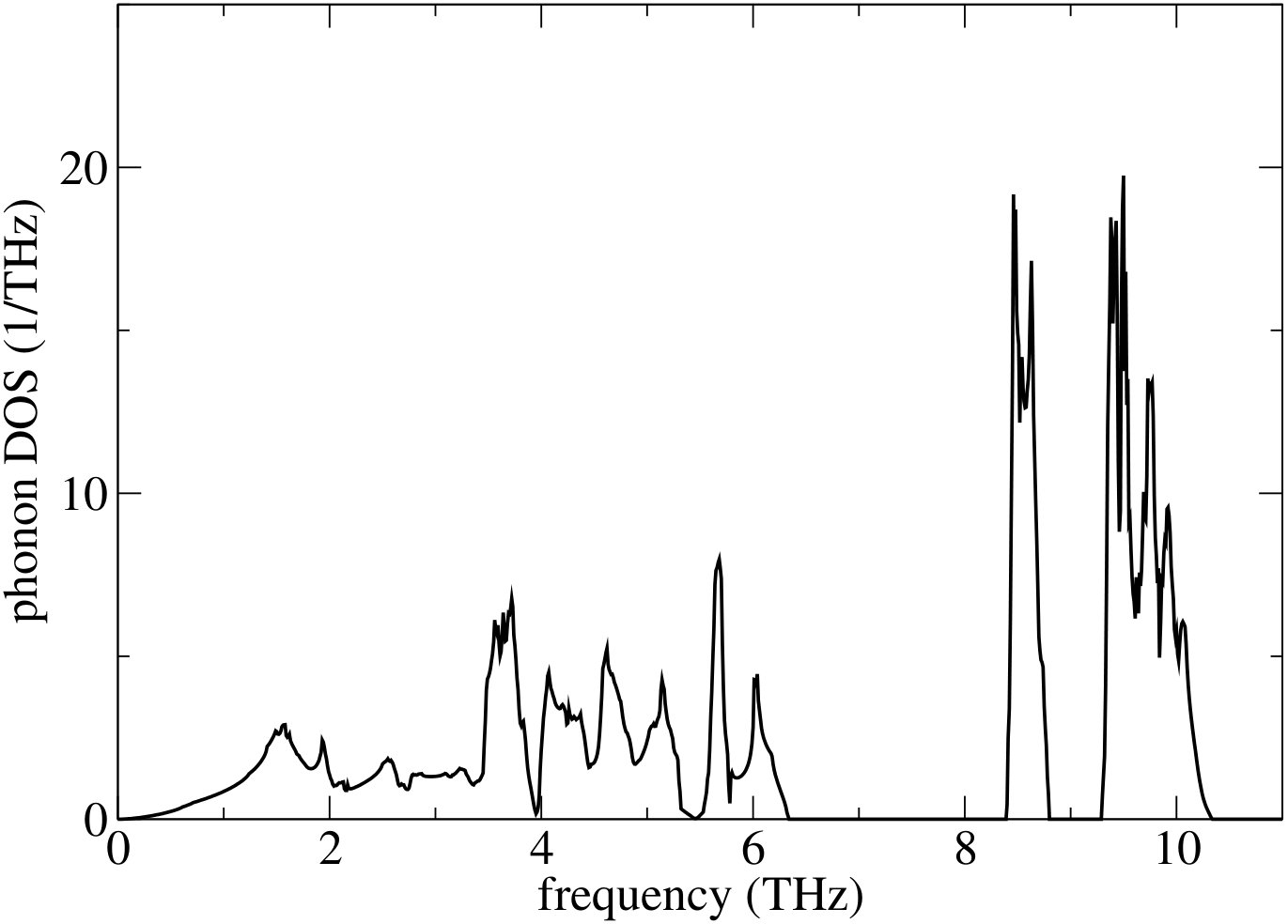 Figure 14
Peer Reviews
No public reviews on file for this paper yet. If you reviewed it on a platform where reviews are public (OpenReview, ICLR, NeurIPS, ICML), you can paste yours below so the community can read it here.
Videos
No videos yet. Explain this paper in a talk, walkthrough, or lecture? Add one.
††thanks: These authors contributed equally to this work.
Supplemental Material:
Field-induced quantum criticality in the Kitaev system -RuCl3
A. U. B. Wolter
L. T. Corredor
Leibniz-Institut für Festkörper- und Werkstoffforschung (IFW) Dresden, 01171 Dresden, Germany
L. Janssen
Institut für Theoretische Physik, Technische Universität Dresden, 01062 Dresden, Germany
K. Nenkov
Leibniz-Institut für Festkörper- und Werkstoffforschung (IFW) Dresden, 01171 Dresden, Germany
S. Schönecker
Department of Materials Science and Engineering, KTH
- Royal Institute of Technology, Stockholm 10044, Sweden
S.-H. Do
K.-Y. Choi
Department of Physics, Chung-Ang University, Seoul 156-756, Republic of Korea
R. Albrecht
J. Hunger
T. Doert
Fachrichtung Chemie und Lebensmittelchemie, Technische Universität Dresden, 01062 Dresden, Germany
M. Vojta
Institut für Theoretische Physik, Technische Universität Dresden, 01062 Dresden, Germany
B. Büchner
Leibniz-Institut für Festkörper- und Werkstoffforschung (IFW) Dresden, 01171 Dresden, Germany
Institut für Festkörperphysik, Technische Universität Dresden, 01062 Dresden, Germany
I Magnetic characterization of -RuCl3
The temperature dependence of the magnetic susceptibility of -RuCl3 is shown in Fig. S1 (upper panel) for = 0.1 T ab. Note that the same single crystal was used for the magnetic characterization and the specific heat capacity measurements. Clearly, exhibits a sharp maximum at K in agreement with earlier reports on high-quality single crystals, which only have a very small amount of stacking faults Banerjee et al. (2016); Cao et al. (2016); Baek et al. . From the derivative the transition temperature signalling the transition into the magnetically long-range ordered state is determined to K.
From the temperature dependence of the inverse susceptibility (red line in the upper panel of Fig. S1) a linear scaling of 1/ with temperature is observed for K. marks the first-order structural transition of -RuCl3 Baek et al. . From a fit of the inverse susceptibility to a Curie-Weiss law, a Curie-Weiss temperature K and an effective magnetic moment were extracted for . Notably, the effective moment is much larger than the spin-only value of 1.73 expected for Ru3+, pointing towards a large orbital contribution to the magnetic moment.
The magnetization of -RuCl3 as function of field measured at K is depicted in the lower panel of Fig. S1. From the derivative curve two changes of slope can clearly be discerned at T and T. While the transition around T is in line with the field-induced QCP observed in our specific-heat study in this work, the one around 1.2 T is still a matter of debate. Following the change of slope of in the low-field regime together with the magnetic susceptibility at lowest , the presence of paramagnetic impurities can be discarded as origin for the low-field anomaly around T. Rather, the anomaly could be due to a redistribution in domain population occurring in this rather low field range Sears et al. .
Looking at the hysteretic behavior of our magnetization curves for up- and down-sweeps of the magnetic fields, no substantial hysteresis can be observed for fields above T. This is in perfect agreement with our field-induced QCP scenario at 6.9 T, and underlines the second-order nature of the phase transition at .
II Phonon calculations for RhCl3
II.1 Computational details
The first-principles calculations were performed with the projector-augmented wave method as implemented in the Vienna ab initio simulation package (VASP) Blöchl (1994); Kresse and Joubert (1999); Kresse and Furthmüller (1996). The force-constant matrix was obtained through the super cell approach within the finite displacement method Parlinski et al. (1997); Chaput et al. (2011) taking into account non-analytical term corrections Gonze and Lee (1997). The generalized-gradient approximation in the parameterization of Perdew, Burke, and Ernzerhof (PBE) Perdew et al. (1996) was adopted to describe exchange and correlation. The software PHONOPY was employed to determine the phonon dispersion relations and the phonon density of states (DOS) from the force-constant matrix, as well as the heat capacity at constant volume Togo et al. (2008). The experimental single crystal structure parameters for RhCl3 were used in the calculations, which confirm the literature data Bärnighausen and Handa (1964).
The convergence of all numerical parameters was carefully checked. All VASP calculations were carried out with the global precision switch “Accurate” employing a plane-wave cutoff of eV. The grid for augmentation charges contained eight times the default number and the convergence criteria for the total energy was set to eV. -point calculations for a super cell in terms of the conventional eight atoms unit cell (corresponding to a phonon grid partitioning) mesh were adopted for the present results.
III Results
The computed phonon DOS and the derived heat capacity in the low temperature region for RhCl3 are shown in Figs. S2 and S3, respectively. As is evident, the phonon spectrum is gapped twice, exhibits a Debye-like low-frequency behavior, and possesses a band width of approximately 10.3 Thz. The temperature dependence of the heat capacity follows a Debye-like behavior up to approximately 10 K.
IV Field-induced QCP in ––– honeycomb lattice model
IV.1 Modelling
To date, the debate about the most appropriate effective spin model to describe the magnetic behavior of -RuCl3 has not been settled. Most proposals involve nearest-neighbor Heisenberg, Kitaev, and symmetric off-diagonal exchanges on a two-dimensional honeycomb lattice; often second- and/or third-neighbor interactions are invoked as well. Below we will show results for a concrete minimal model derived from ab-initio density functional theory, containing nearest-neighbor Heisenberg , Kitaev , and off-diagonal interaction as well as a third-nearest-neighbor Heisenberg interaction Winter et al. (2016):
[TABLE]
Here, on a nearest-neighbour bond, for example. The spin quantization axes point along the cubic axes of the RuCl6 octahedra, such that the direction is perpendicular to the honeycomb plane (sometimes referred to as axis) and the in-plane direction points along a Ru-Ru nearest-neighbor bond of the honeycomb lattice. Trigonal distortion is neglected in this simple model. The values for the exchange couplings can be estimated from the ab initio calculations Winter et al. (2016); however, we find better agreement with our experimental data by using a slightly adapted parameter set that has recently been suggested by comparing with neutron scattering data (at zero field) Winter et al. :
[TABLE]
We are interested in the behavior of this model in the presence of an external magnetic field, i.e., described by the Hamiltonian . Here, corresponds to the effective moment of the states in the crystal. Solving this (or other relevant) models for quantum-mechanical spins requires large-scale numerics, and detailed studies in an applied field are lacking.
IV.2 Spin-wave theory for
The model (S1) can be solved in the semiclassical limit of large spin Janssen et al. (2016, ). At zero field, it has a zigzag antiferromagnetic ground state. At finite , the zigzag state cants towards the magnetic field. At a critical field strength , there is a continuous transition towards a (partially) polarized high-field phase. For the critical field we find, in the semiclassical limit, if we assume the previously estimated factor of Majumder et al. (2015). Given the fact that our model does not include any free fitting parameter and in light of the semiclassical approximation we find the rough agreement with our experimental finding of satisfactory.
The excitation spectrum in the high-field phase can be computed within spin-wave theory. We employ the Holstein-Primakoff representation
[TABLE]
with and . , , and are the spin quantization axes. and ( and ) are the magnon creation and annihilation operators at site on sublattice A (B). To the leading order in , we find the spin-wave Hamiltonian
[TABLE]
with the coefficients
[TABLE]
can be diagonalized by means of a Bogoliubov transformation. The resulting excitation spectrum together with the corresponding density of states (DOS) for the parameter set of Eq. (S2) is displayed for two different values of the magnetic field at and above the quantum critical point (QCP) in Fig. S4. The spectrum is gapped for any (in agreement with the classical critical field strength) with a gap value of
[TABLE]
which is roughly of the order of magnitude of the experimentally observed gap. As quantum effects are enhanced at low energies, we expect Eq. (S8) to receive sizable corrections when magnon interactions are taken into account. In particular, the true gap exponent will deviate from the mean-field value we have obtained here. This prevents a more detailed quantitative comparison with the experimental gap behavior.
We note, however, that thermodynamic quantities, such as the specific heat at low to intermediate temperatures, should be expected to be lesser affected by our linear spin-wave approximation, since they predominantly depend on the parts of the excitation spectrum with a large density of states, and these are located at higher energy.
IV.3 Specific heat for
The heat capacity is obtained from the spectrum via
[TABLE]
where are the two magnon bands. The result is given for different magnetic field strengths in Fig. S5(a). At low temperatures, and not too close to , the specific heat is exponentially suppressed,
[TABLE]
where is the density of states at the band minimum. This is shown in Fig. S5(b). Close to the QCP, on the other hand, the critical part of the specific heat is expected to follow a scaling law
[TABLE]
with the spatial dimensionality , the dynamical critical exponent , the correlation-length exponent , and scaling functions above and below the QCP. This is demonstrated for our theoretical data in Fig. S5(c). As a consequence, directly at the QCP for , the specific heat follows a power law at low temperatures, , see dashed line in Fig. S5(a). For fields the low- specific heat is gapped, with a gap which depends sublinearly on , see Fig. S6.
Interestingly, displays a maximum at higher temperatures, . The position of this maximum shifts approximately linearly with ; this can be attributed to the shift of the high-energy part of the spectrum that has a large weight, such as the location of the van-Hove singularities at at . The shift of with field is illustrated in Fig. S6. Note that the weight near is particularly large due to almost flat portions of the magnon bands, arising from the combination of and terms.
We emphasize that it is this specific-heat maximum which limits the validity of scaling in our theoretical data, Fig. S5(c). This is not unlike what happens in the experimental data where scaling is spoiled by the presence of a small energy scale in the magnon spectrum. Spectroscopic investigations of the excitation spectrum at elevated fields are clearly called for.
The reference list from the paper itself. Each links out to its DOI / PubMed record.
- 1Banerjee et al. (2016) A. Banerjee, C. A. Bridges, J.-Q. Yan, A. A. Aczel, L. Li, M. B. Stone, G. E. Granroth, M. D. Lumsden, Y. Yiu, J. Knolle, S. Bhattacharjee, D. L. Kovrizhin, R. Moessner, D. A. Tennant, D. G. Mandrus, and S. E. Nagler, Nat. Mater. 15 , 733 (2016) . · doi ↗
- 2Cao et al. (2016) H. B. Cao, A. Banerjee, J.-Q. Yan, C. A. Bridges, M. D. Lumsden, D. G. Mandrus, D. A. Tennant, B. C. Chakoumakos, and S. E. Nagler, Phys. Rev. B 93 , 134423 (2016) . · doi ↗
- 3(3) S.-H. Baek, S.-H. Do, K.-Y. Choi, Y. S. Kwon, A. U. B. Wolter, S. Nishimoto, J. van den Brink, and B. Büchner, ar Xiv:1702.01671 .
- 4(4) J. A. Sears, Y. Zhao, Z. Xu, J. W. Lynn, and Y.-J. Kim, ar Xiv:1703.08431 .
- 5Blöchl (1994) P. E. Blöchl, Phys. Rev. B 50 , 17953 (1994) . · doi ↗
- 6Kresse and Joubert (1999) G. Kresse and D. Joubert, Phys. Rev. B 59 , 1758 (1999) . · doi ↗
- 7Kresse and Furthmüller (1996) G. Kresse and J. Furthmüller, Phys. Rev. B 54 , 11169 (1996).
- 8Parlinski et al. (1997) K. Parlinski, Z. Q. Li, and Y. Kawazoe, Phys. Rev. Lett. 78 , 4063 (1997) . · doi ↗