The leptonic future of the Higgs
Gauthier Durieux, Christophe Grojean, Jiayin Gu, Kechen Wang

TL;DR
This paper evaluates the potential of future lepton colliders to precisely measure Higgs and electroweak processes, using a global effective-field-theory approach to compare different collider designs.
Contribution
It introduces a global determinant parameter (GDP) to quantify the overall constraint improvements and assesses the reach of various proposed collider projects.
Findings
Future colliders can significantly improve Higgs and electroweak measurements.
Differential measurements at different energies enhance constraint precision.
The GDP provides a basis-independent measure of constraint strength.
Abstract
Precision study of electroweak symmetry breaking strongly motivates the construction of a lepton collider with center-of-mass energy of at least 240 GeV. Besides Higgsstrahlung (), such a collider would measure weak boson pair production () with an astonishing precision. The weak-boson-fusion production process () provides an increasingly powerful handle at higher center-of-mass energies. High energies also benefit the associated top-Higgs production () that is crucial to constrain directly the top Yukawa coupling. The impact and complementarity of differential measurements, at different center-of-mass energies and for several beam polarization configurations, are studied in a global effective-field-theory framework. We define a "global determinant parameter" (GDP) which characterizes the overall strengthening…
Click any figure to enlarge with its caption.
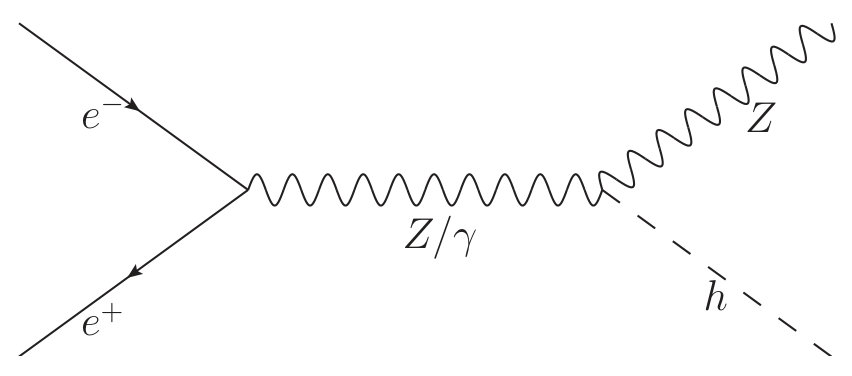 Figure 1
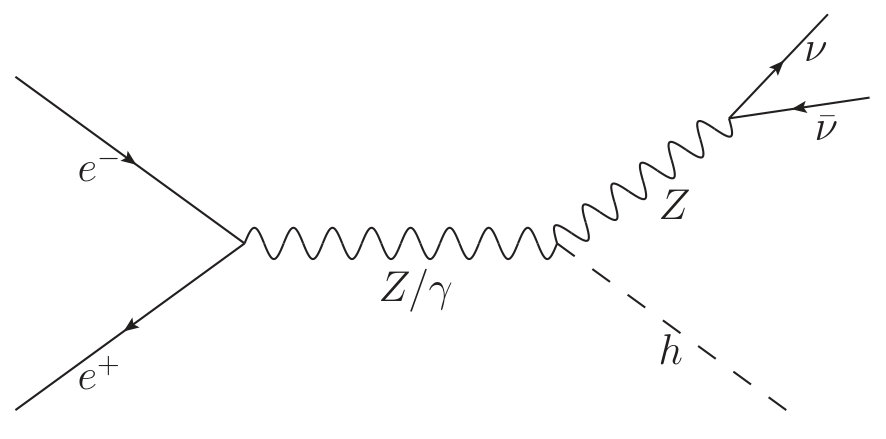 Figure 2
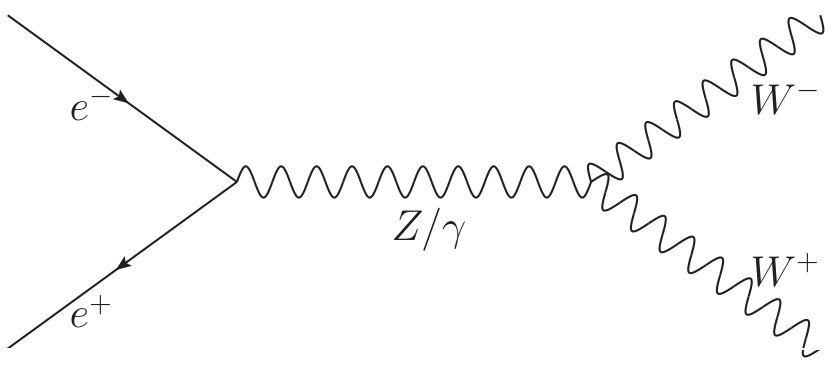 Figure 3
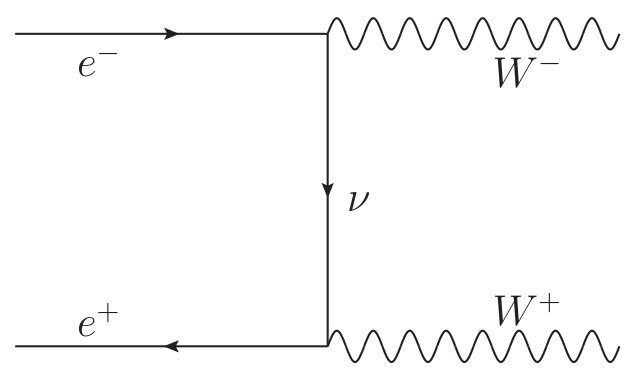 Figure 4
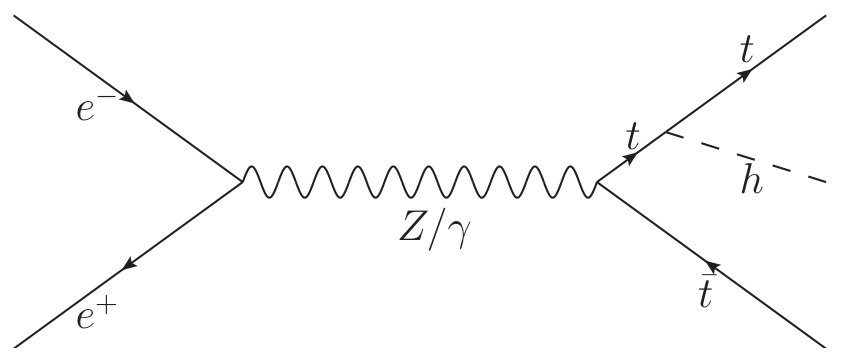 Figure 5
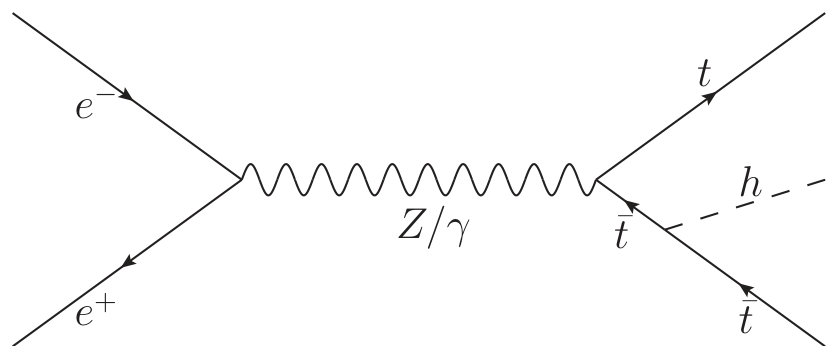 Figure 6
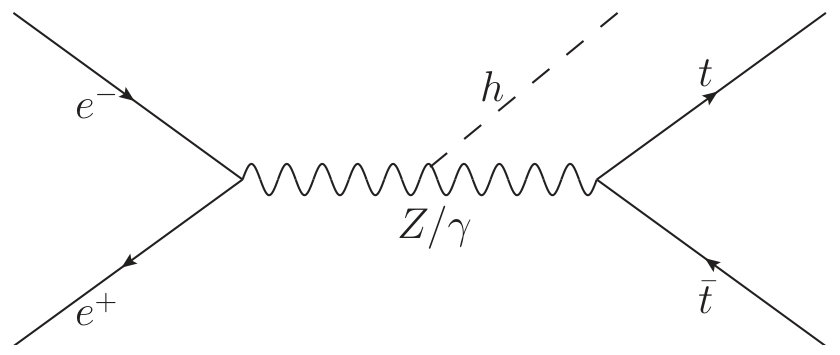 Figure 7
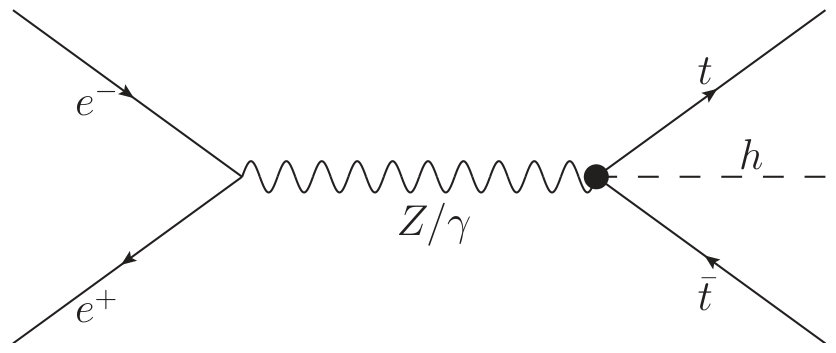 Figure 8
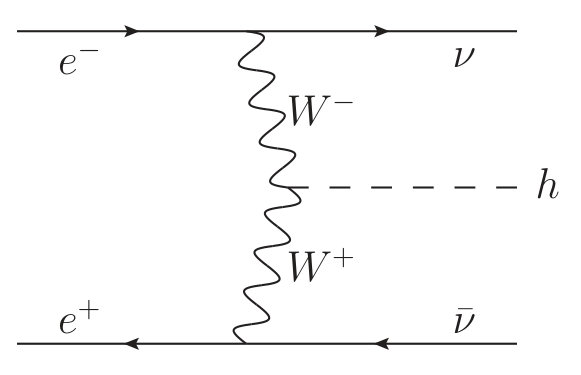 Figure 9
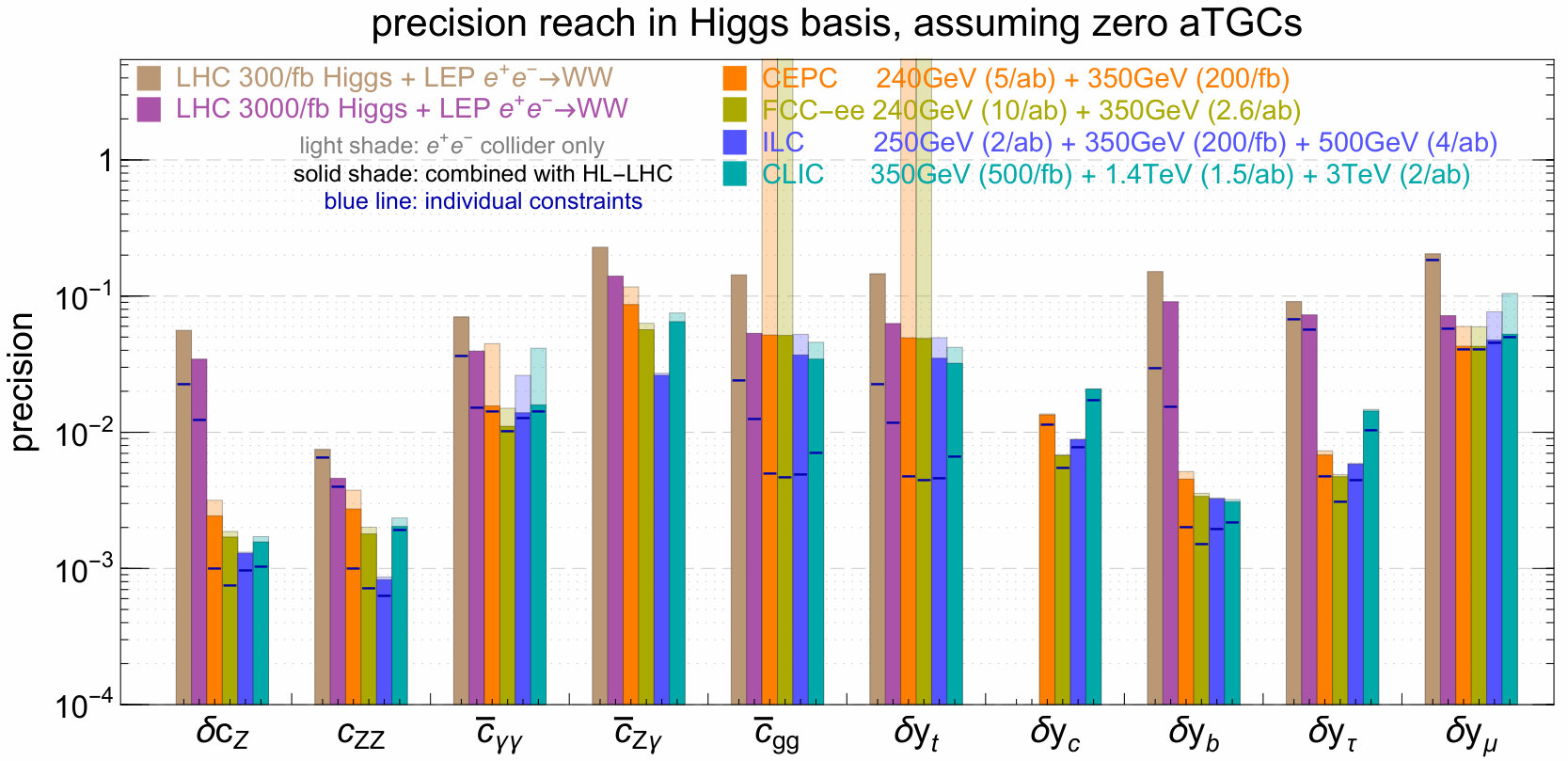 Figure 10
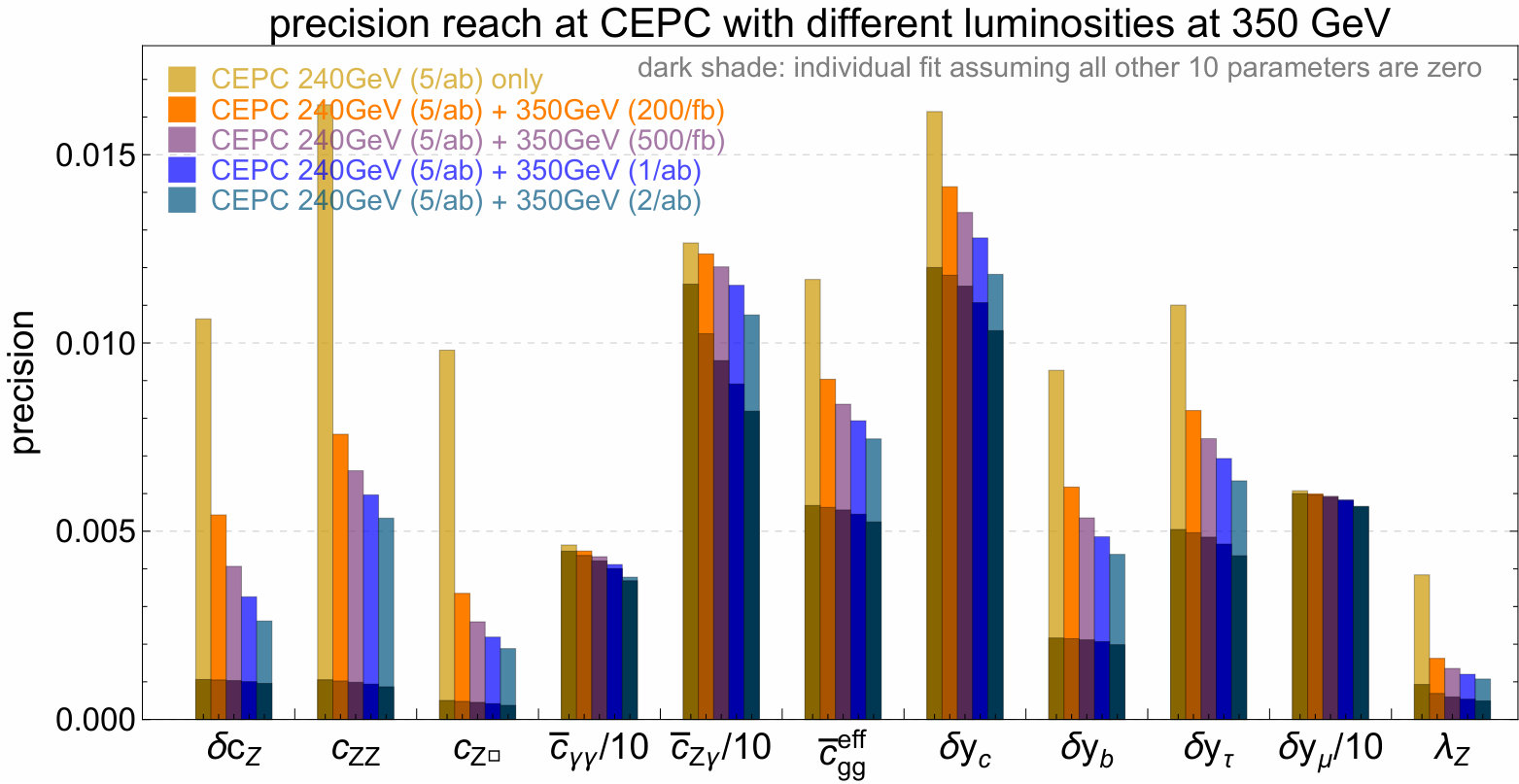 Figure 11
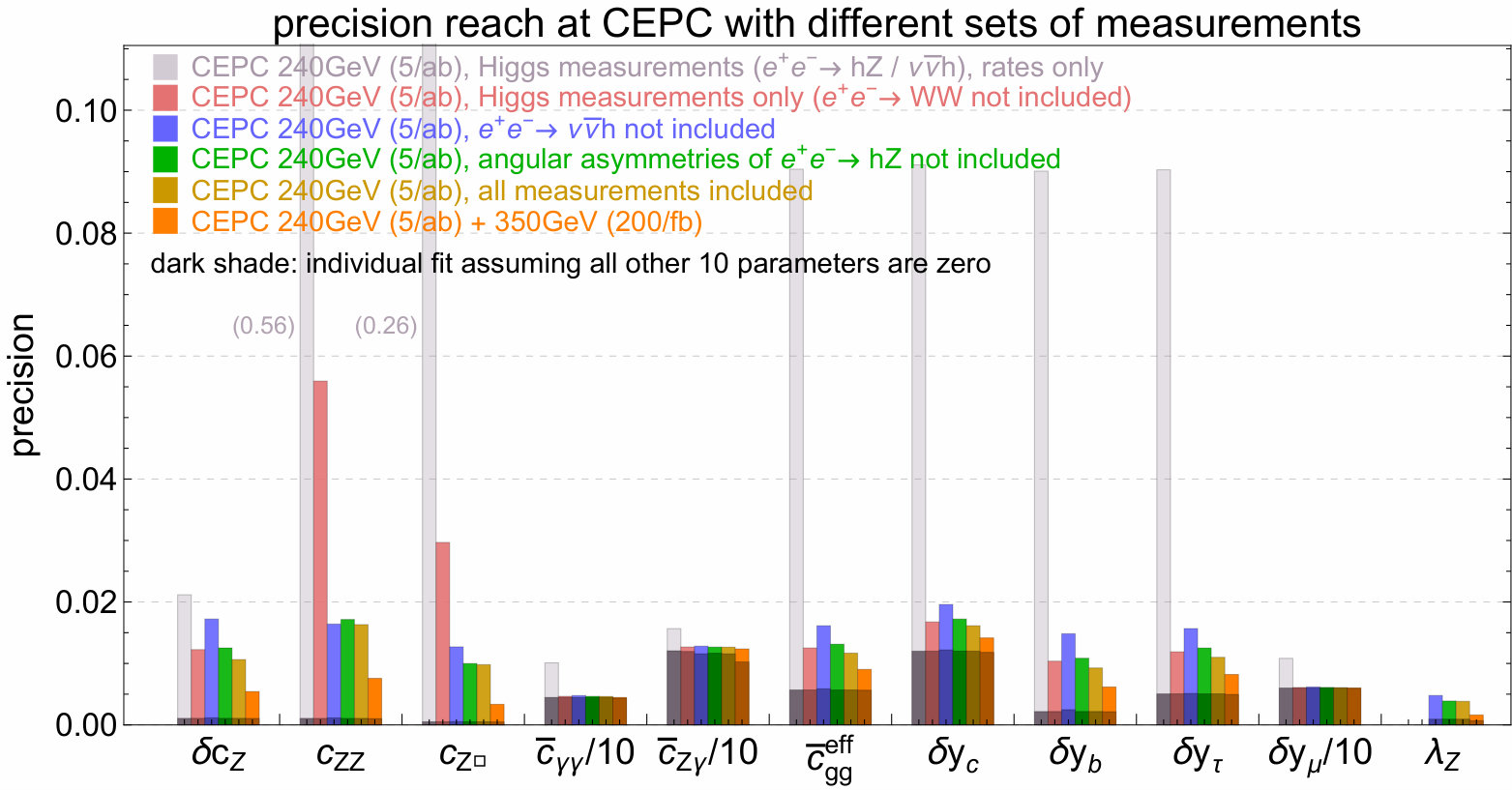 Figure 12
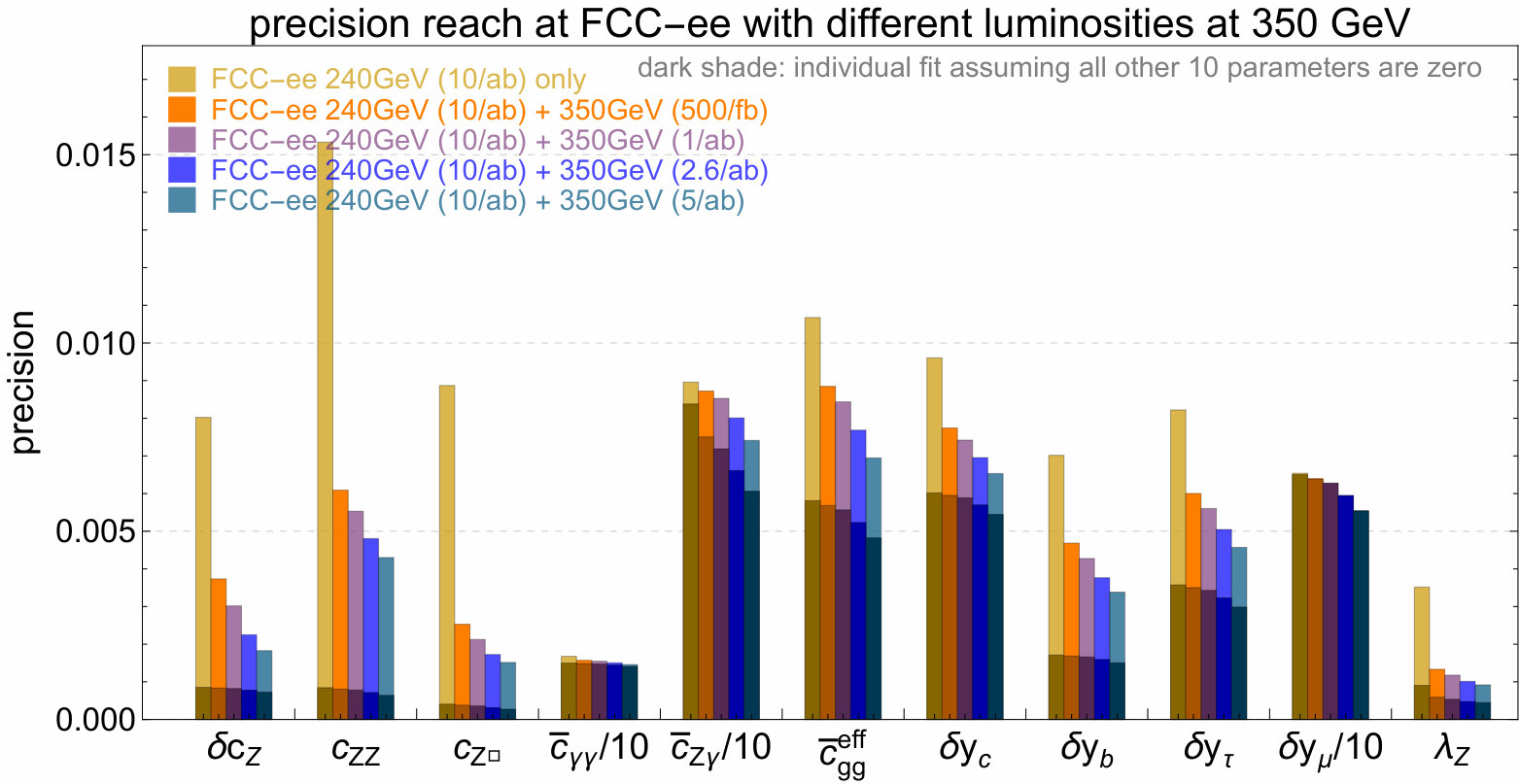 Figure 13
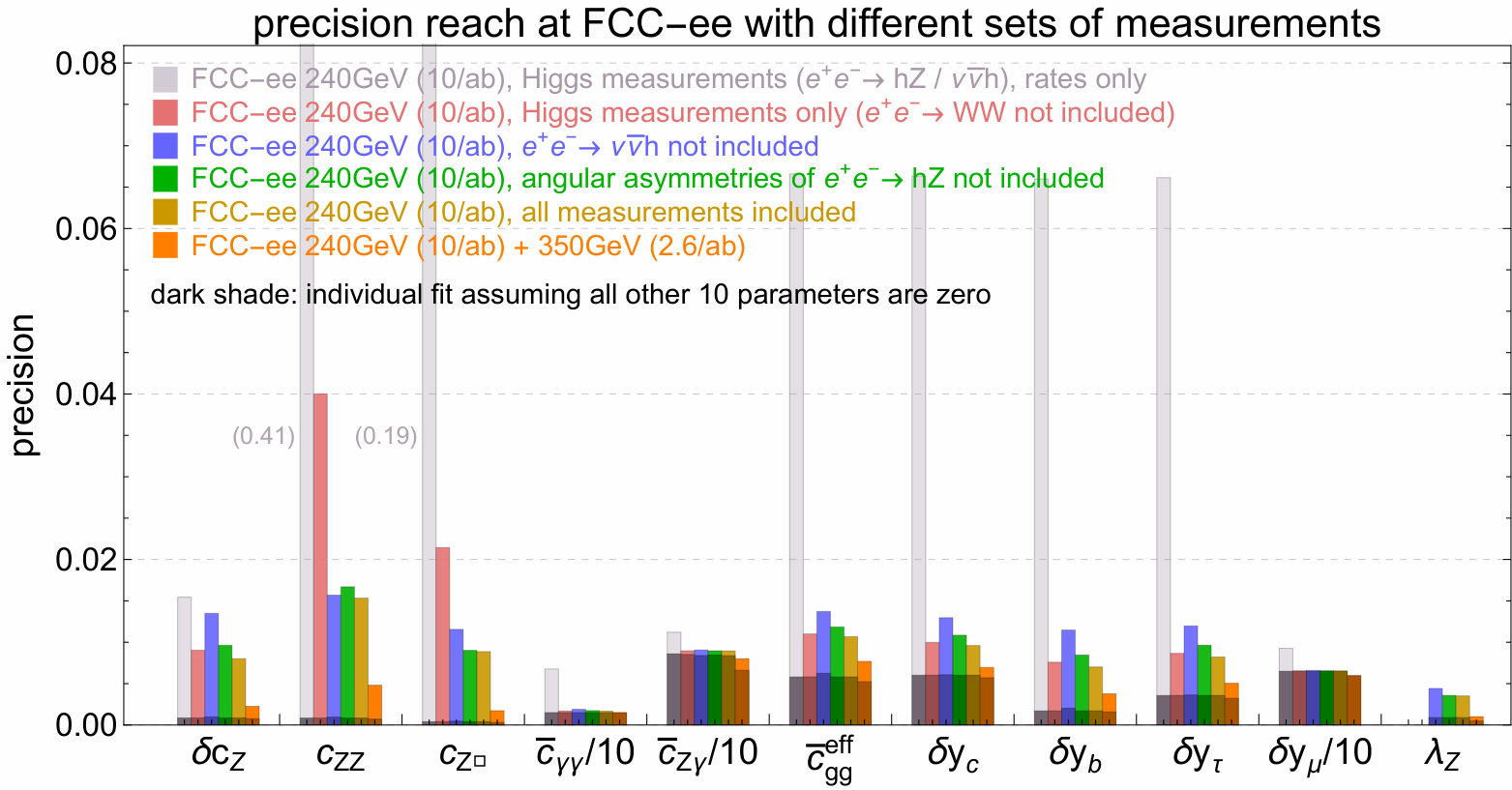 Figure 14
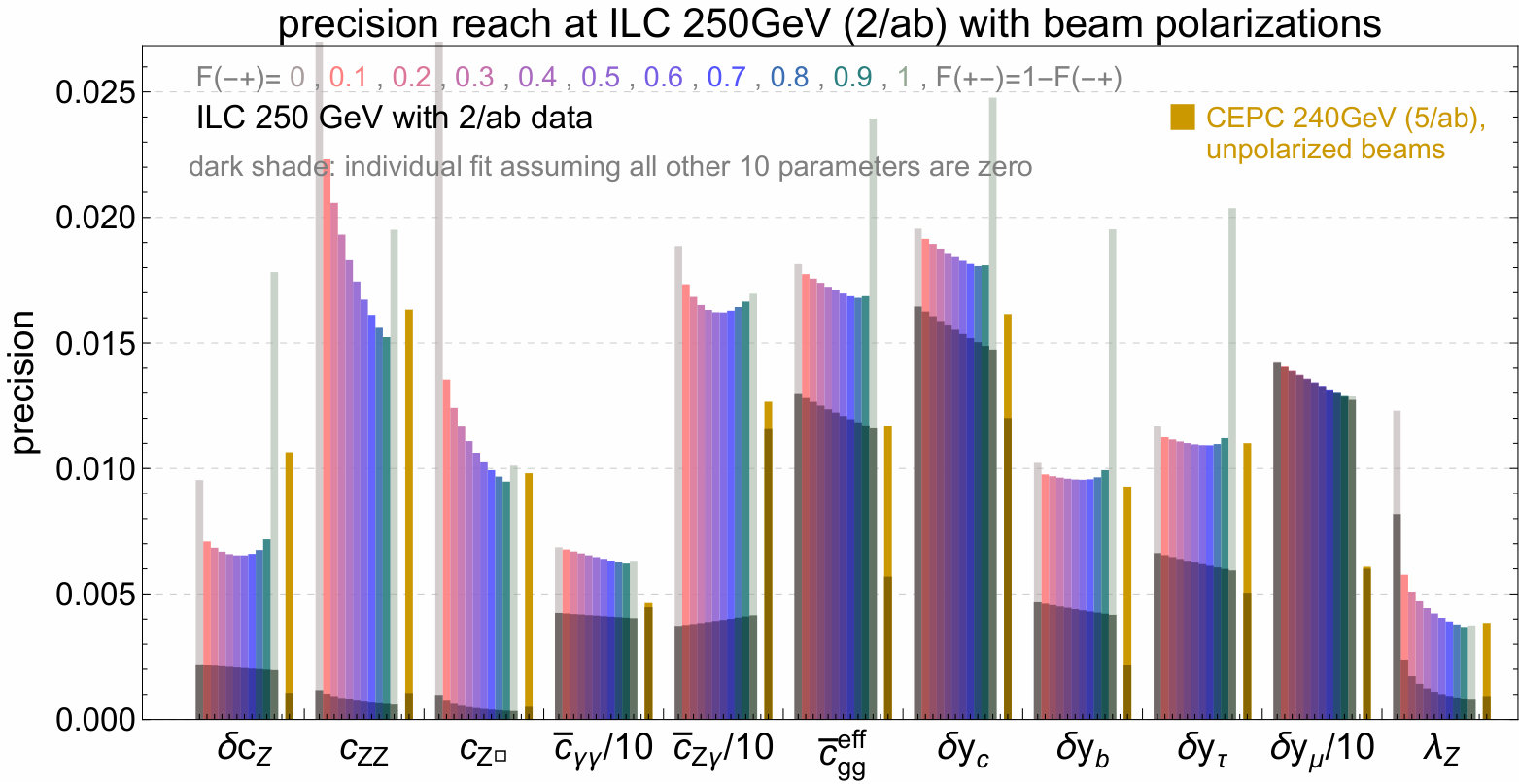 Figure 15
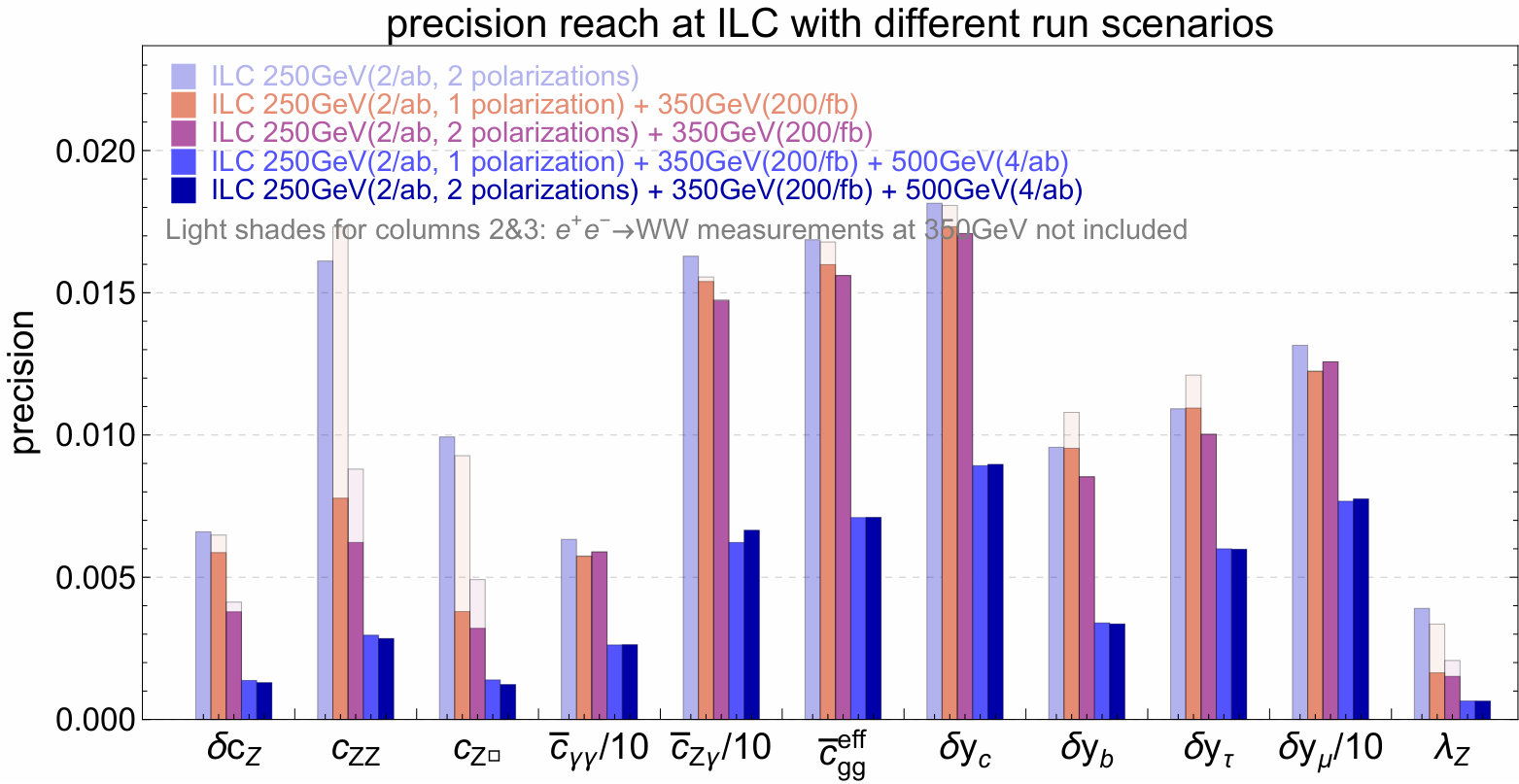 Figure 16
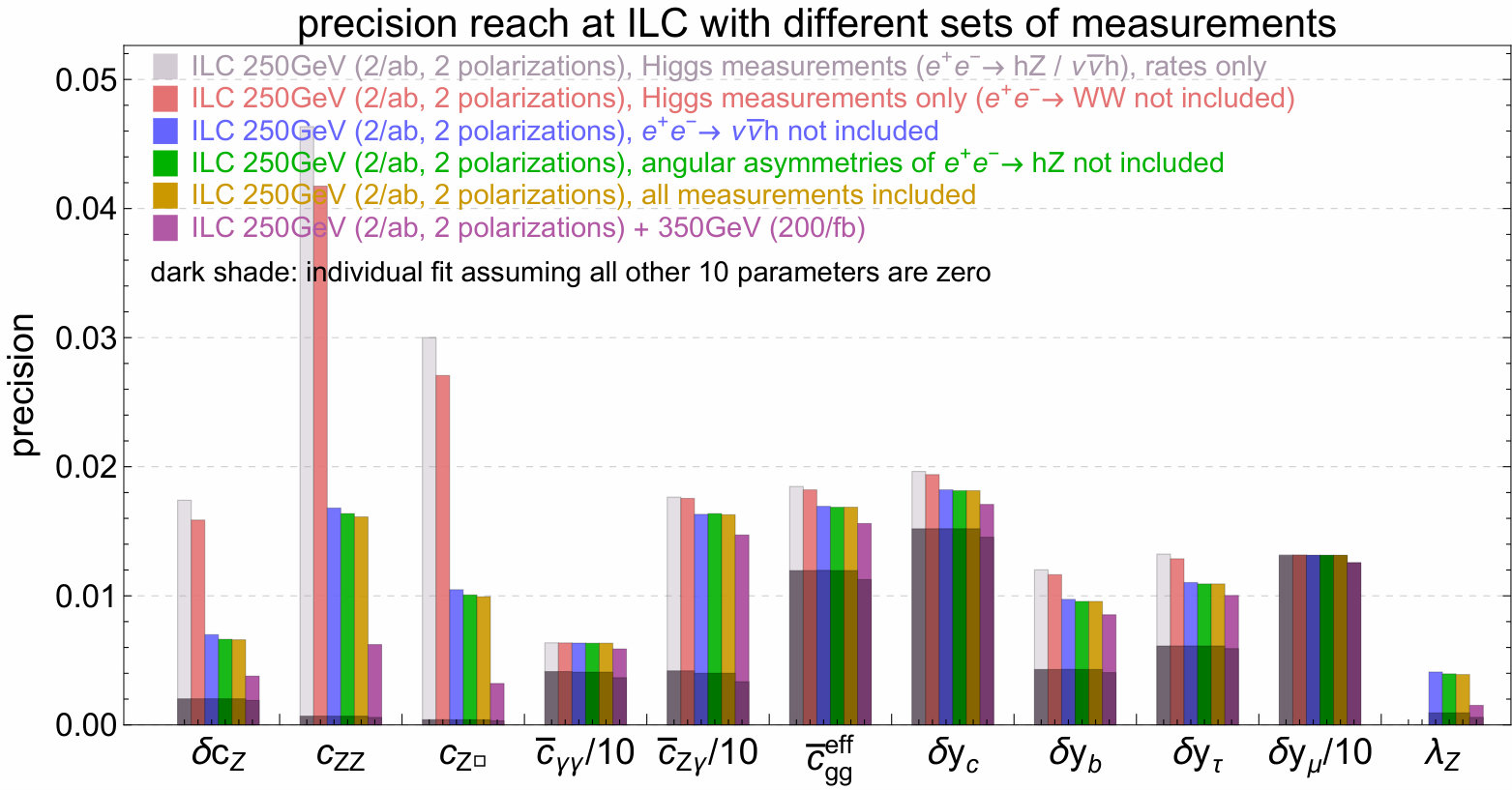 Figure 17
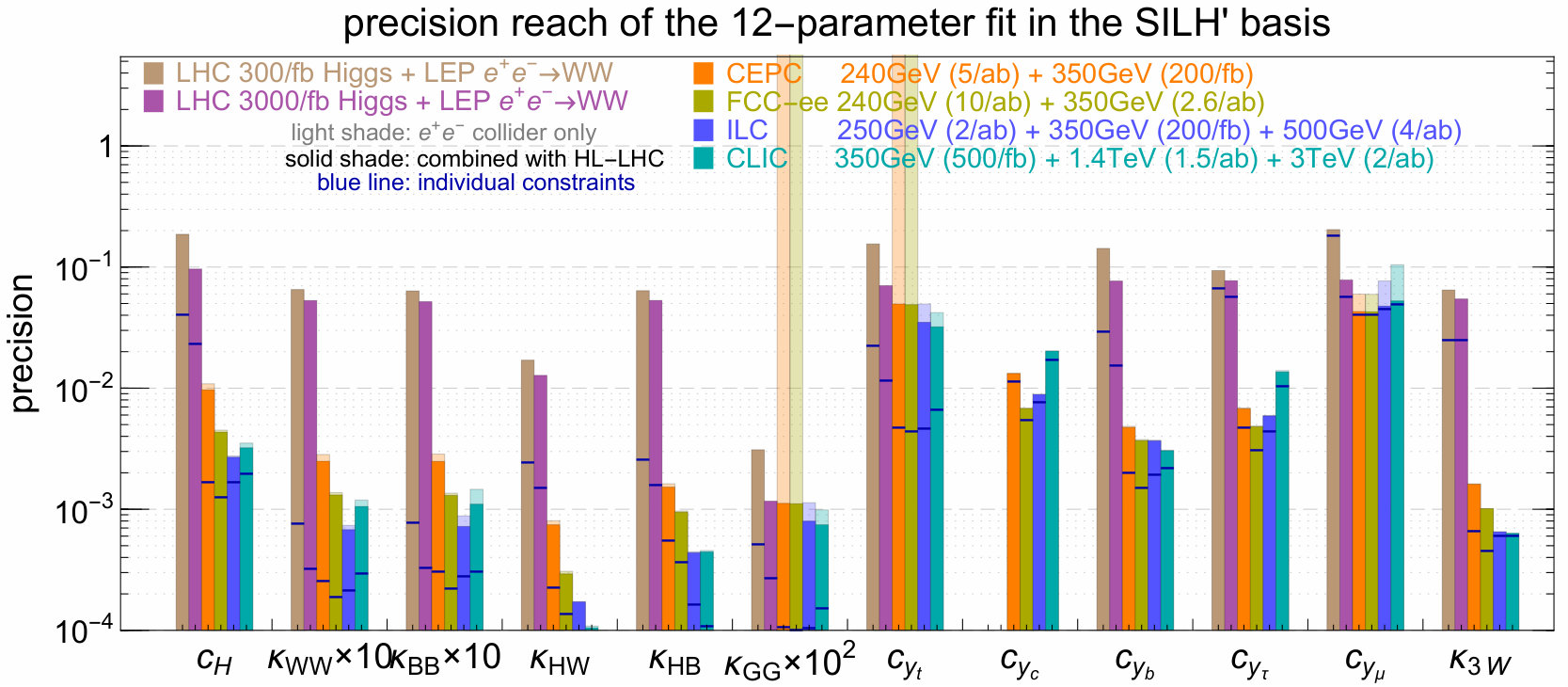 Figure 18
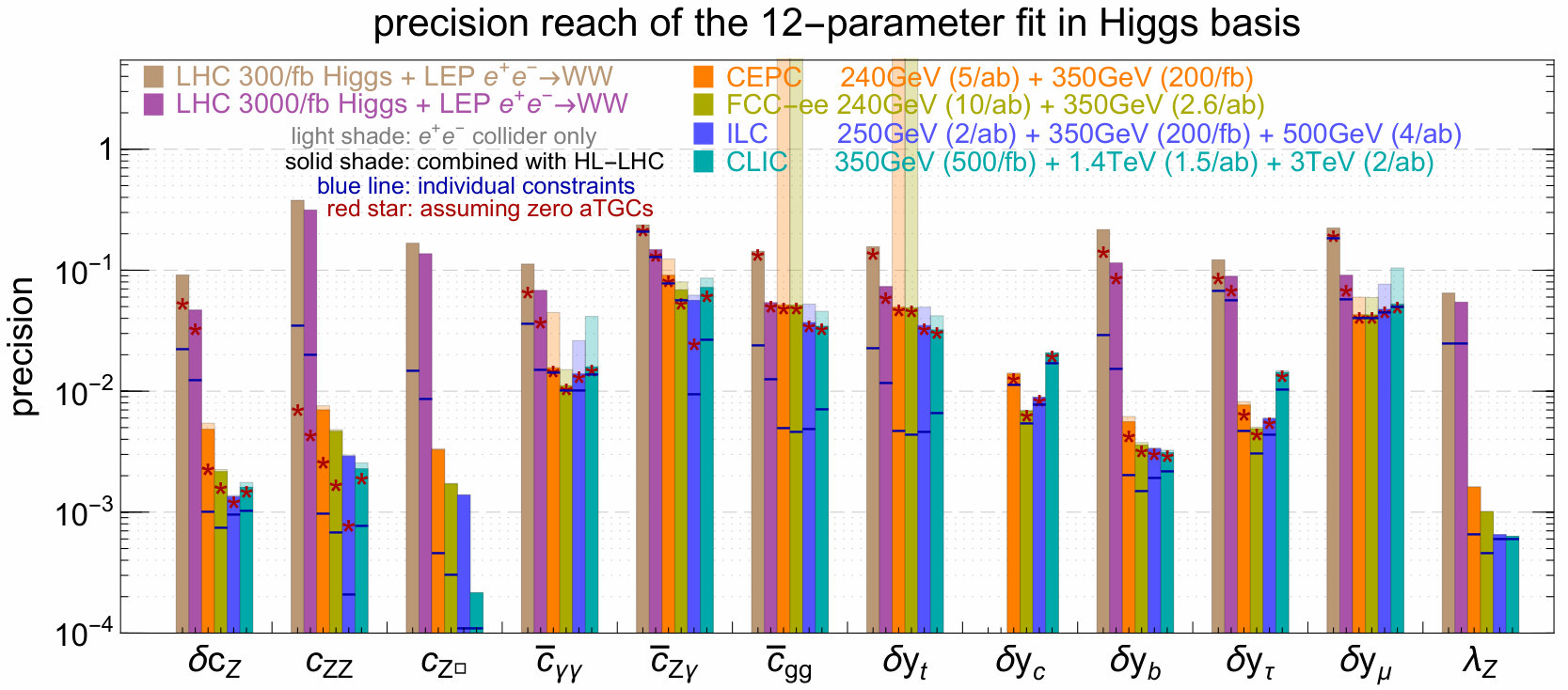 Figure 19
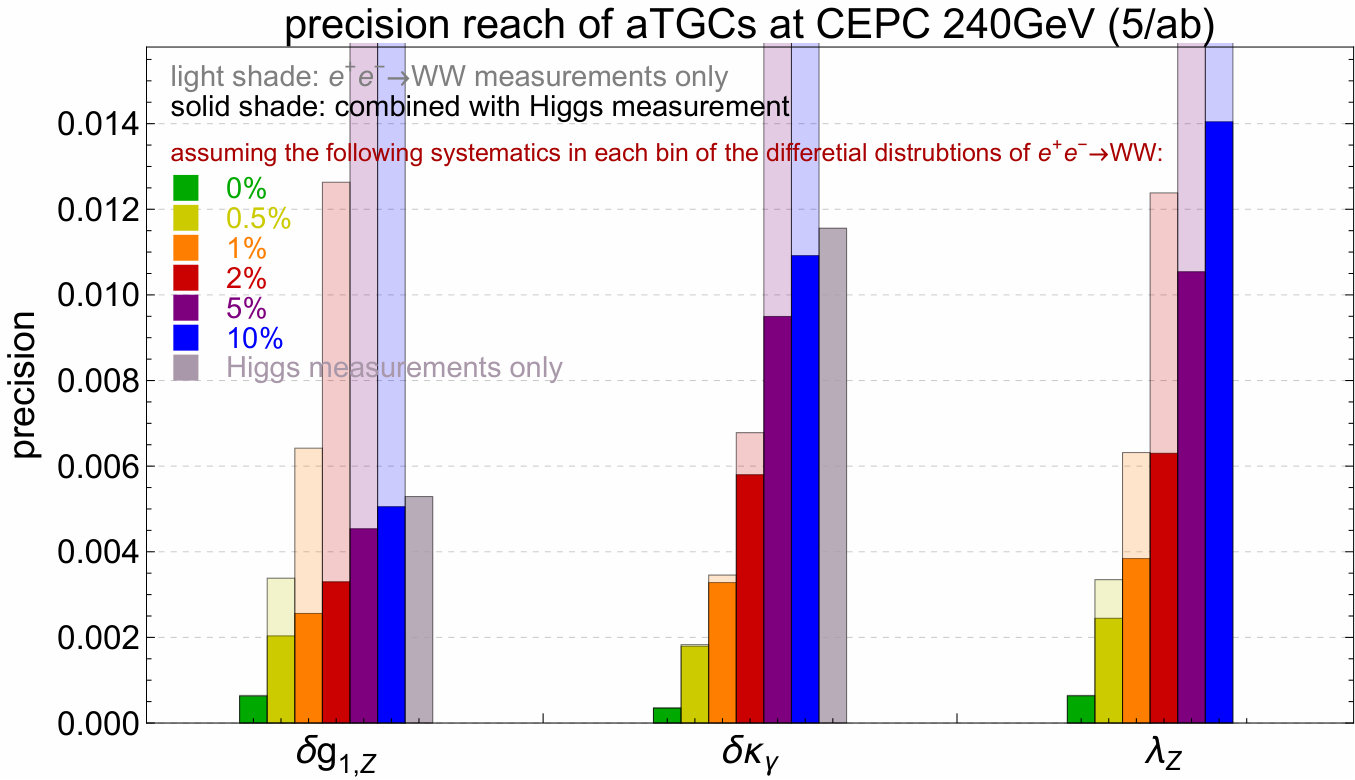 Figure 20
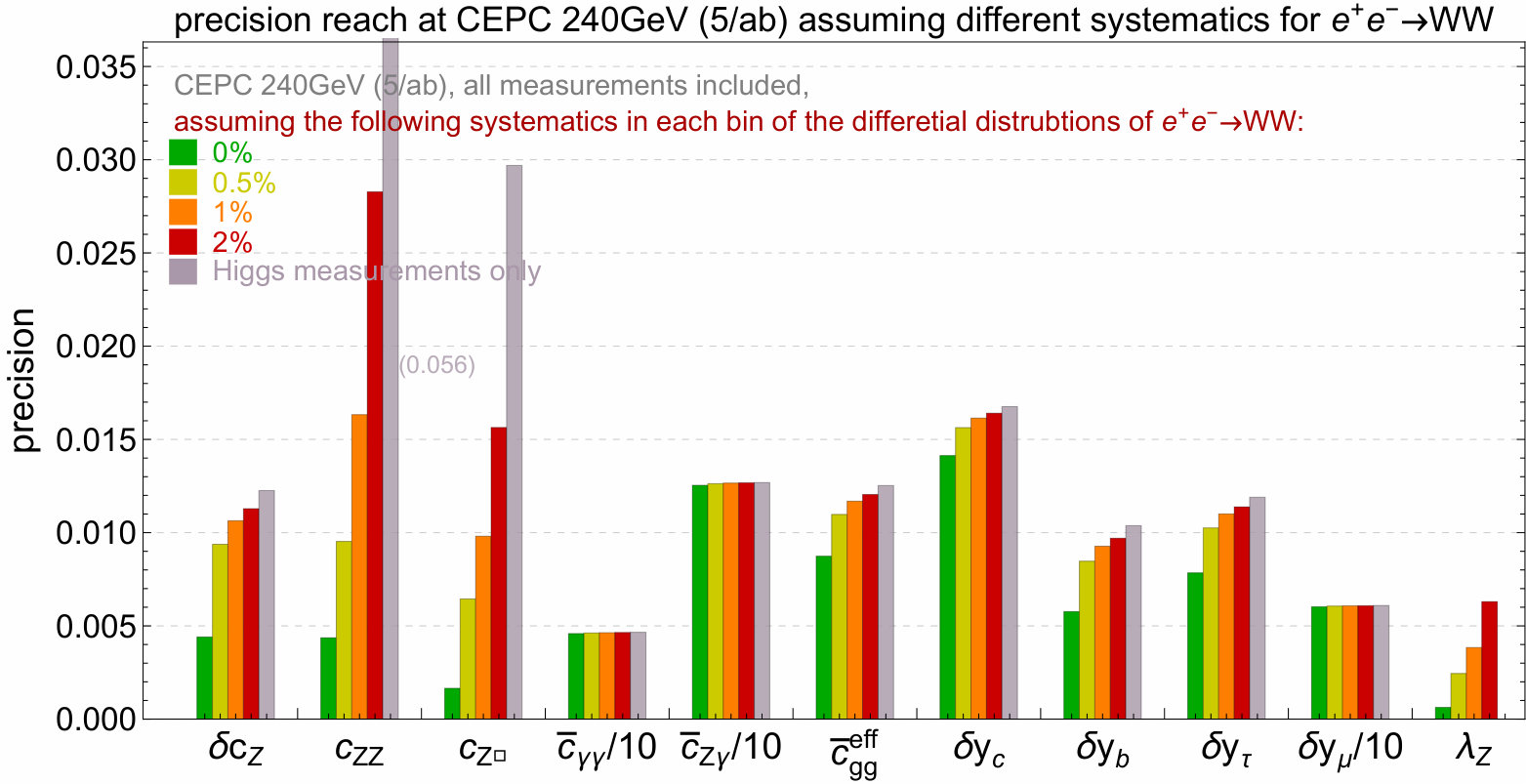 Figure 21
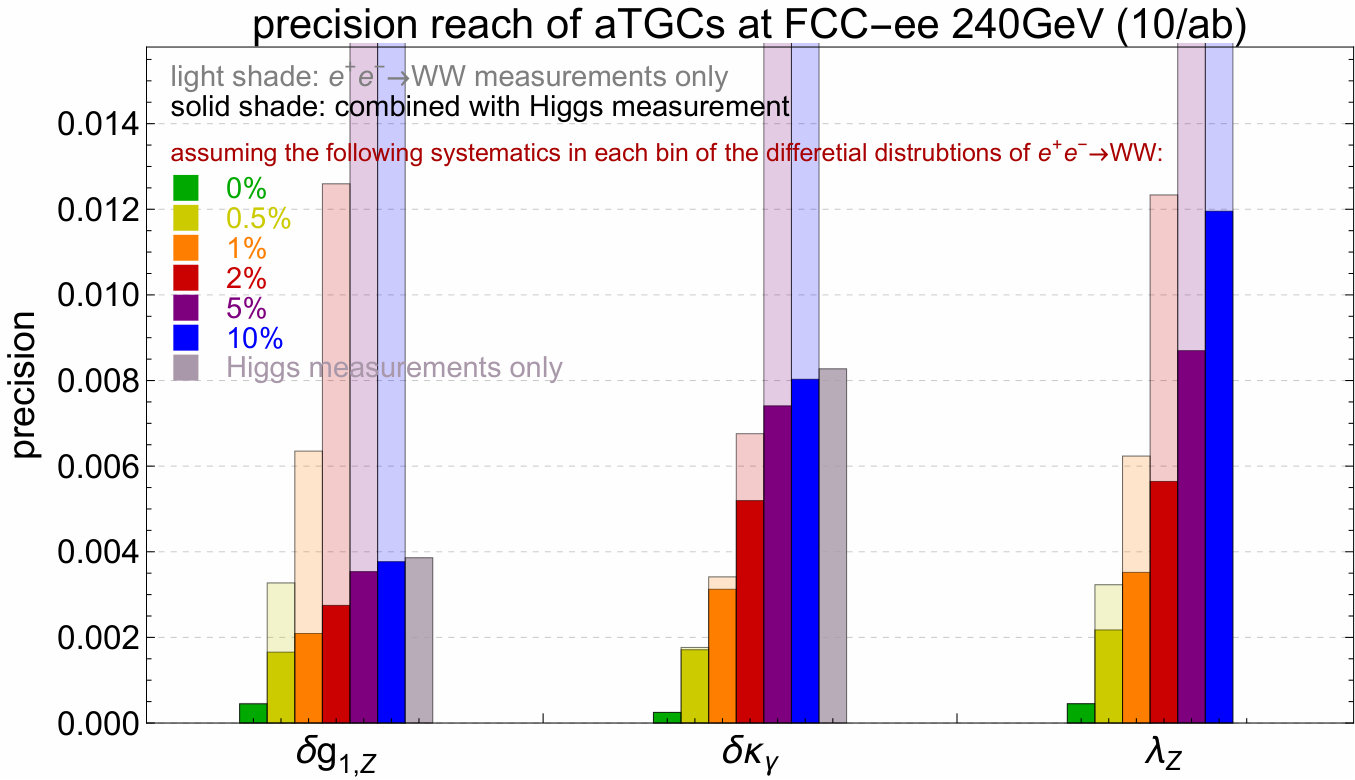 Figure 22
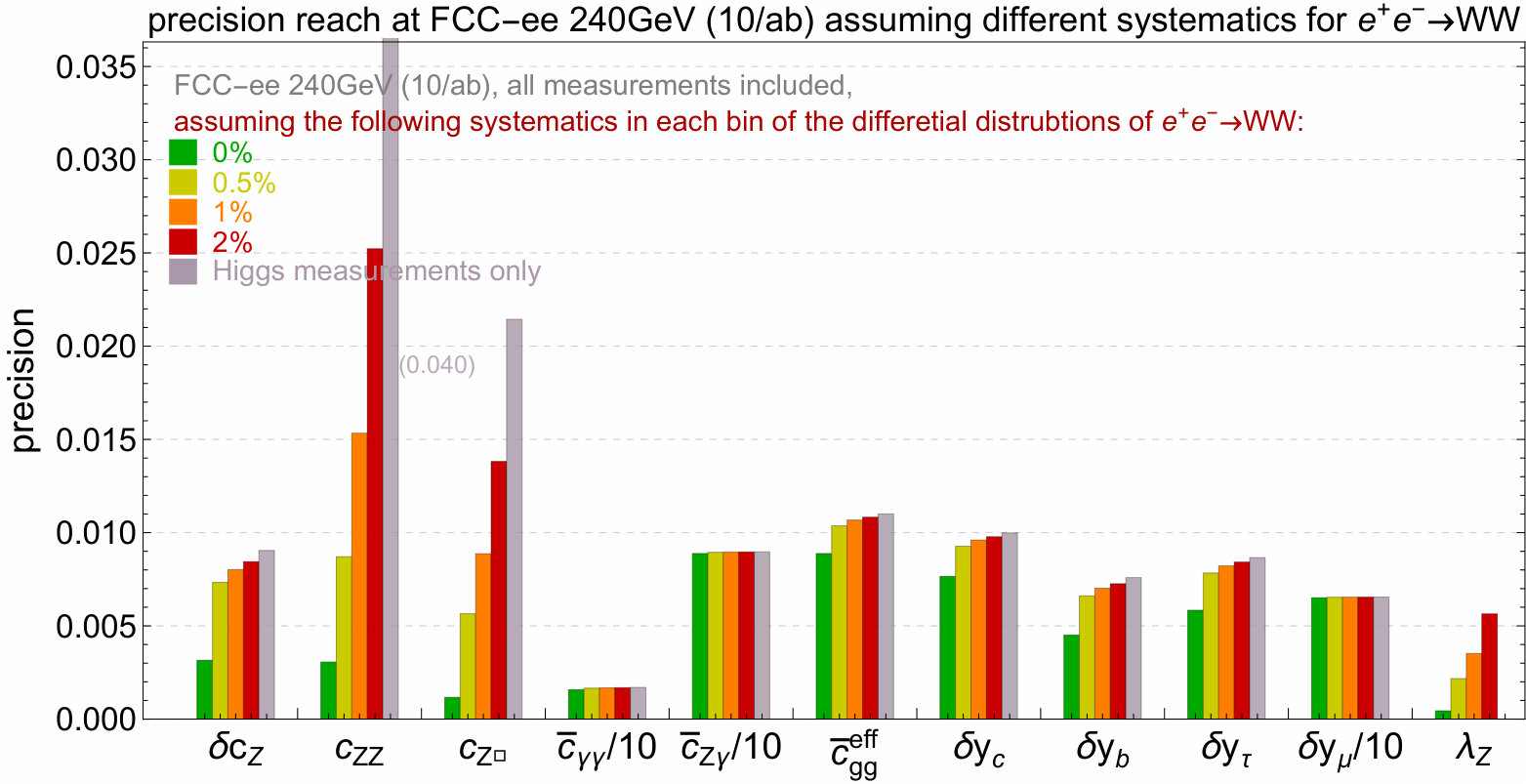 Figure 23
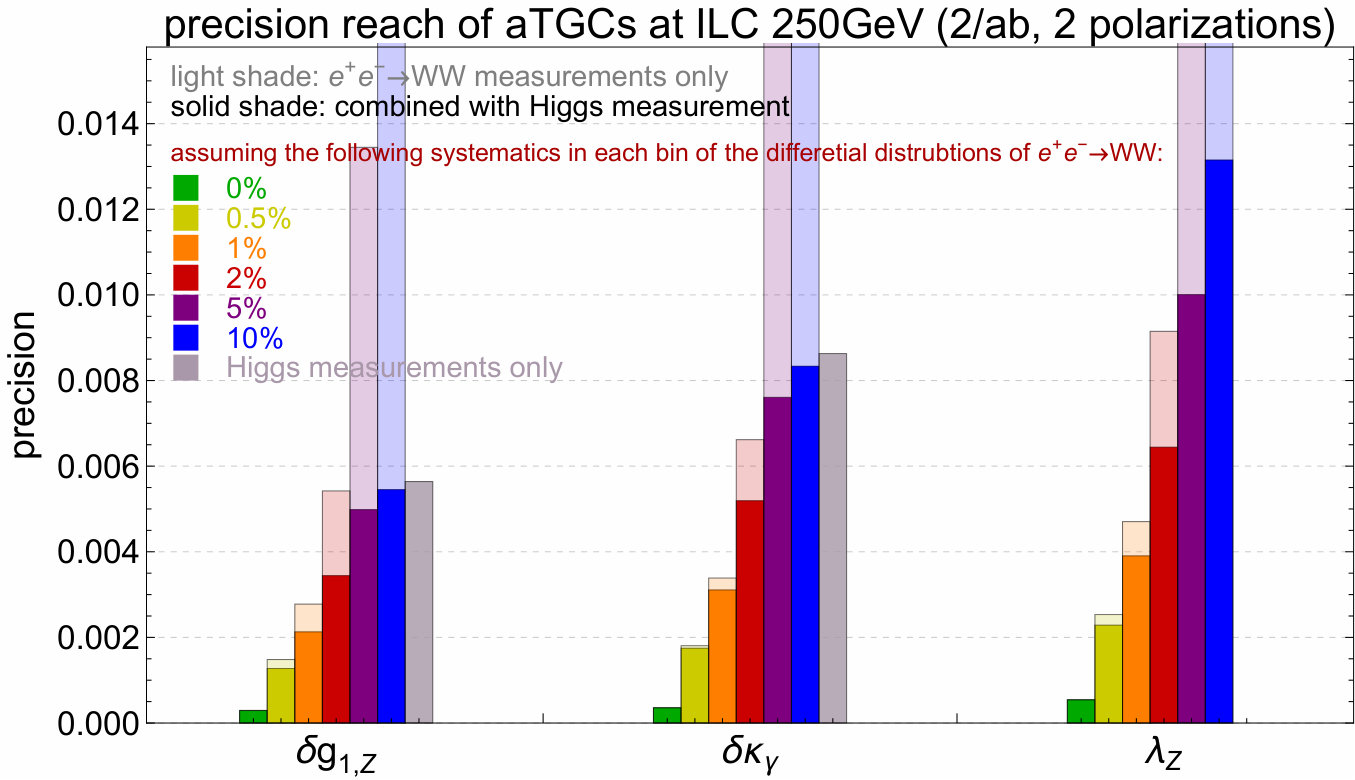 Figure 24
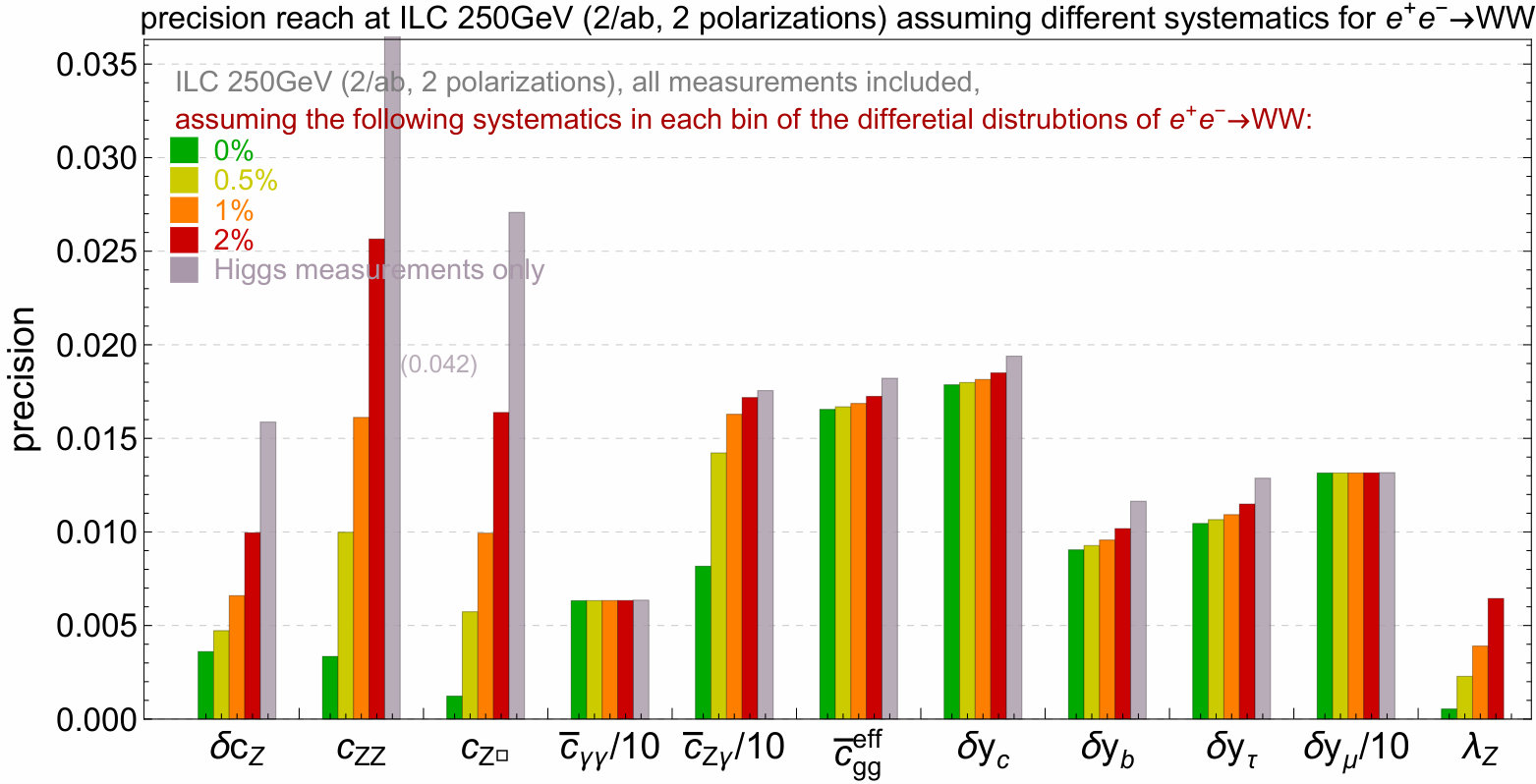 Figure 25
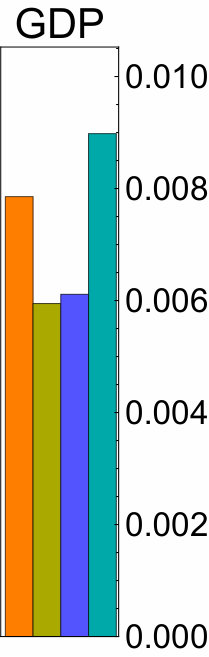 Figure 26
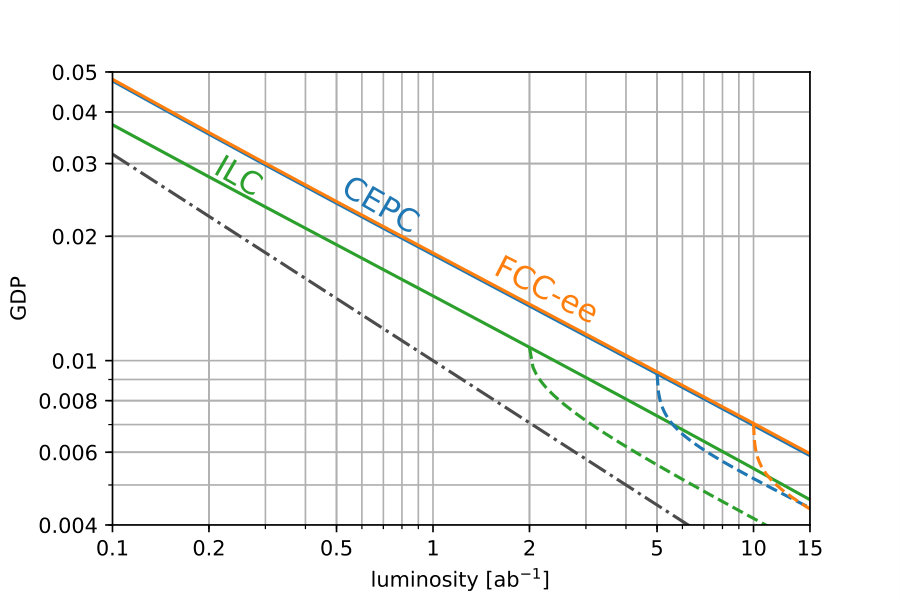 Figure 27
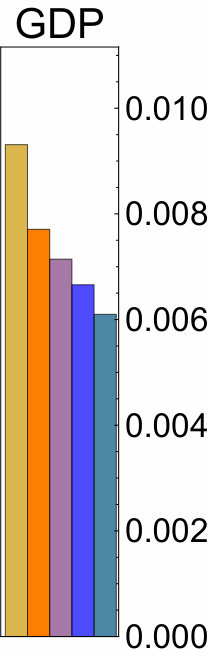 Figure 28
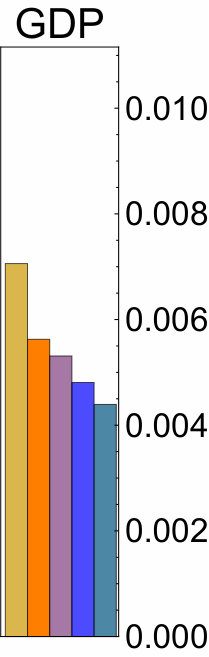 Figure 29
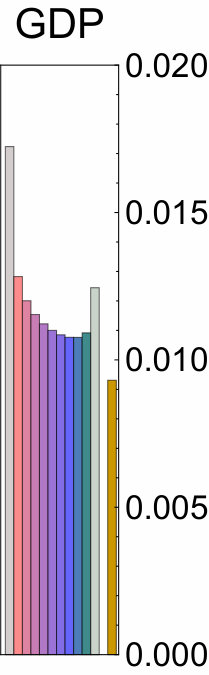 Figure 30
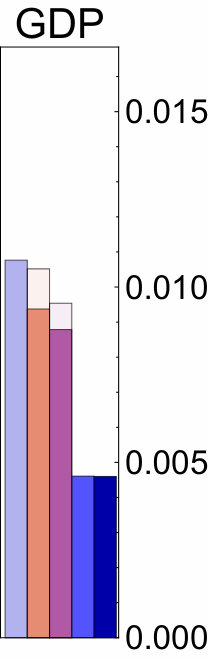 Figure 31
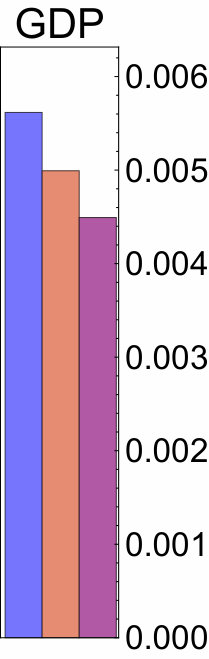 Figure 32
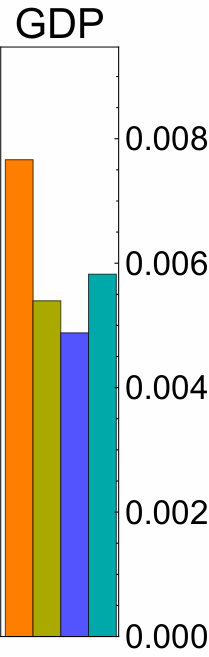 Figure 33
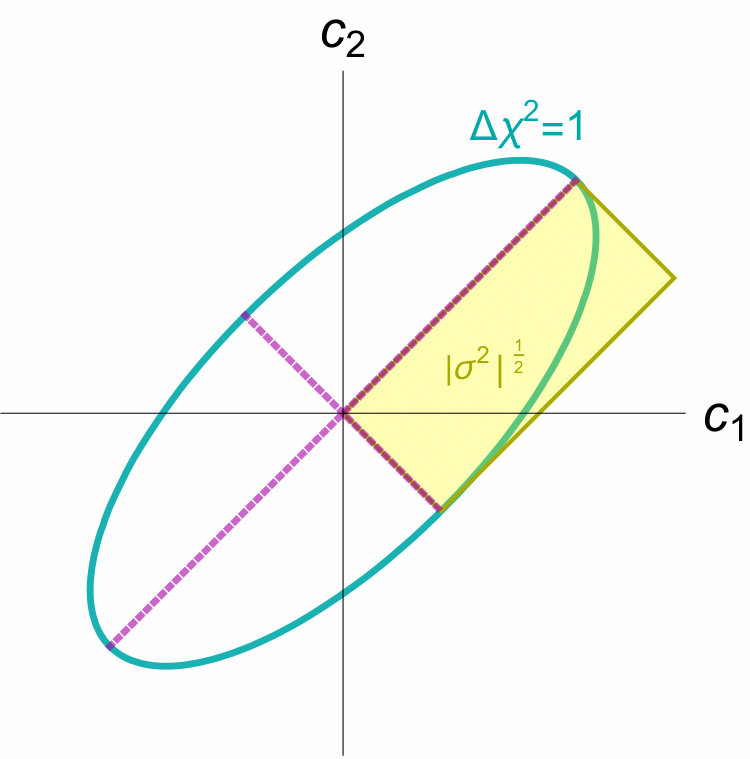 Figure 34
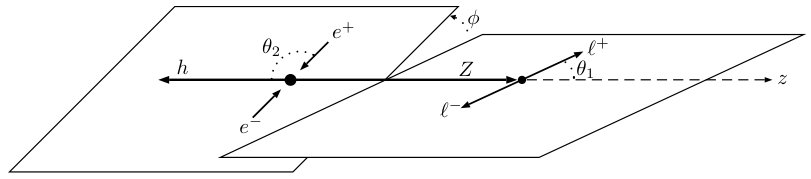 Figure 35
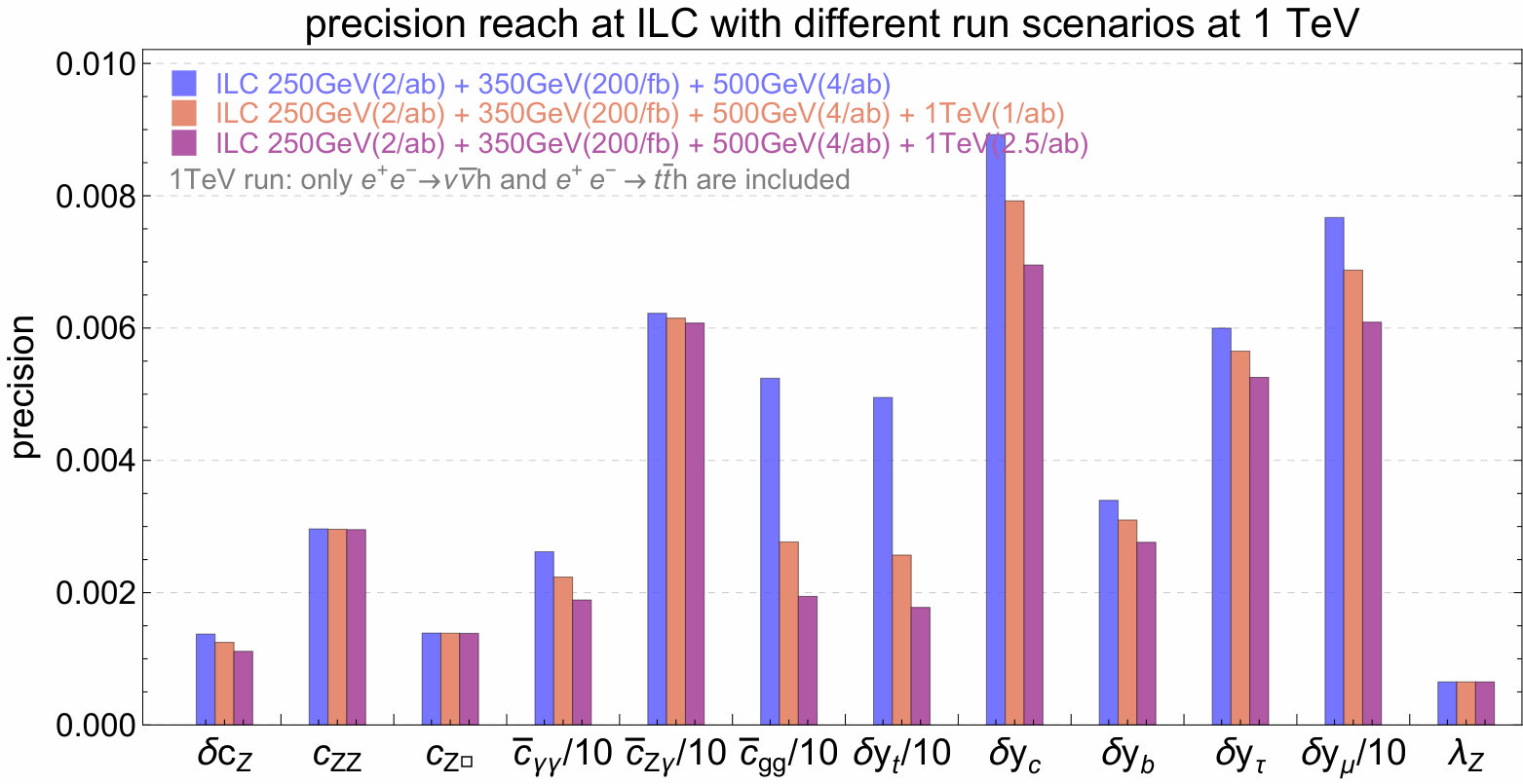 Figure 36
Peer Reviews
No public reviews on file for this paper yet. If you reviewed it on a platform where reviews are public (OpenReview, ICLR, NeurIPS, ICML), you can paste yours below so the community can read it here.
Videos
No videos yet. Explain this paper in a talk, walkthrough, or lecture? Add one.