Combining Topological Hardware and Topological Software: Color Code Quantum Computing with Topological Superconductor Networks
Daniel Litinski, Markus S. Kesselring, Jens Eisert, Felix von Oppen

TL;DR
This paper proposes a scalable, fault-tolerant quantum computing architecture combining topological hardware with topological error correction, using Majorana networks and color codes to enable universal quantum computation.
Contribution
It introduces a novel architecture integrating topological superconductor networks with color codes, enabling fault-tolerant quantum computation with protected gates and efficient error correction.
Findings
Hexagonal cells serve as physical qubits for universal computation.
Protocols for topologically protected Clifford gates are developed.
Feasibility estimates suggest practical error correction implementation.
Abstract
We present a scalable architecture for fault-tolerant topological quantum computation using networks of voltage-controlled Majorana Cooper pair boxes, and topological color codes for error correction. Color codes have a set of transversal gates which coincides with the set of topologically protected gates in Majorana-based systems, namely the Clifford gates. In this way, we establish color codes as providing a natural setting in which advantages offered by topological hardware can be combined with those arising from topological error-correcting software for full-fledged fault-tolerant quantum computing. We provide a complete description of our architecture including the underlying physical ingredients. We start by showing that in topological superconductor networks, hexagonal cells can be employed to serve as physical qubits for universal quantum computation, and present protocols for…
Click any figure to enlarge with its caption.
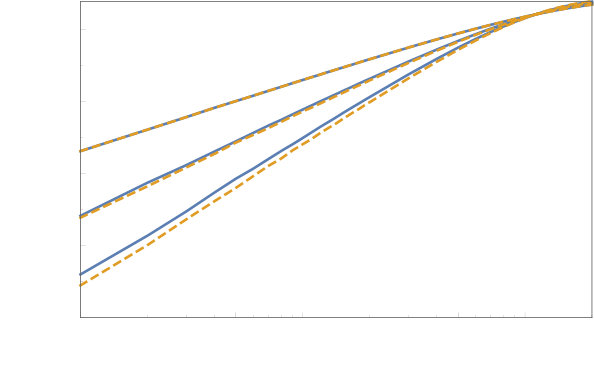 Figure 1
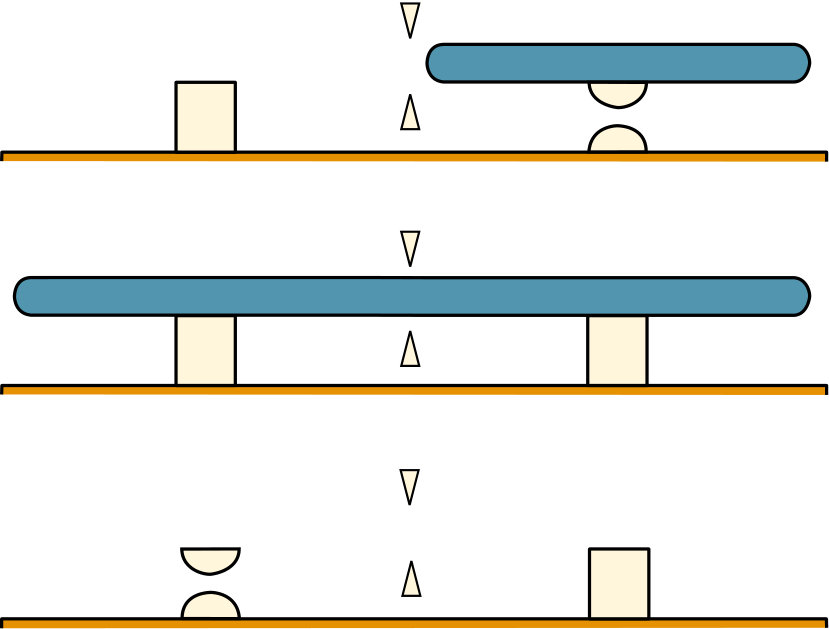 Figure 2
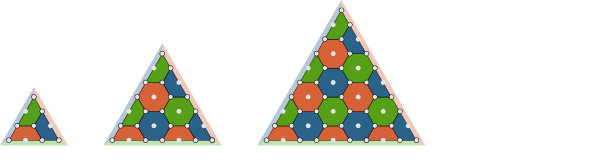 Figure 3
 Figure 4
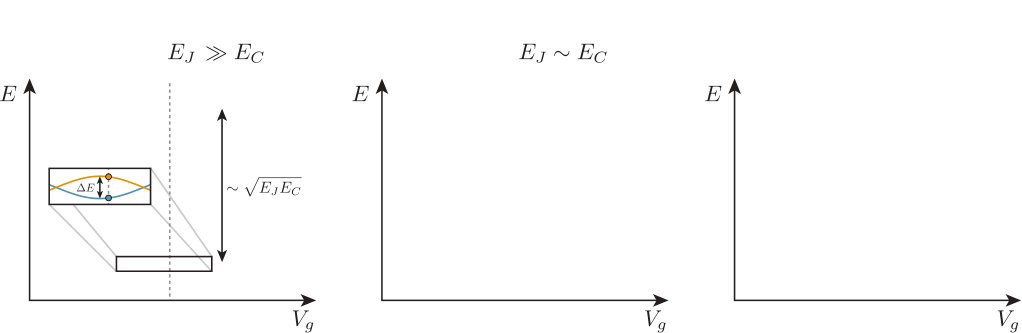 Figure 5
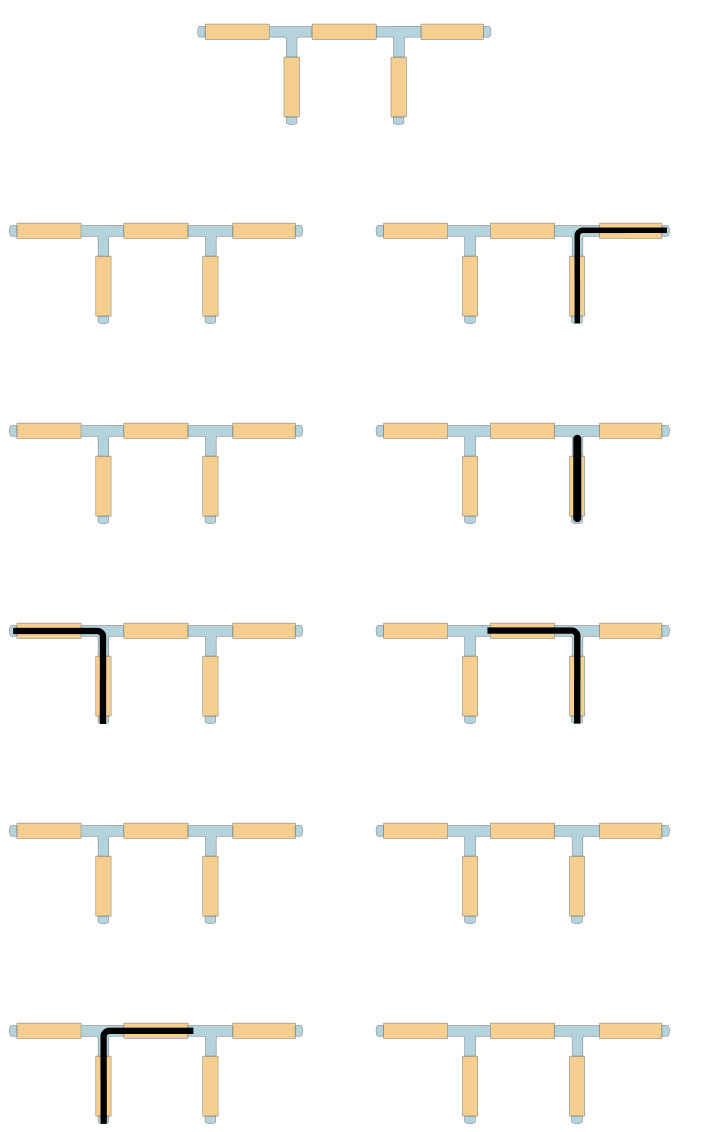 Figure 6
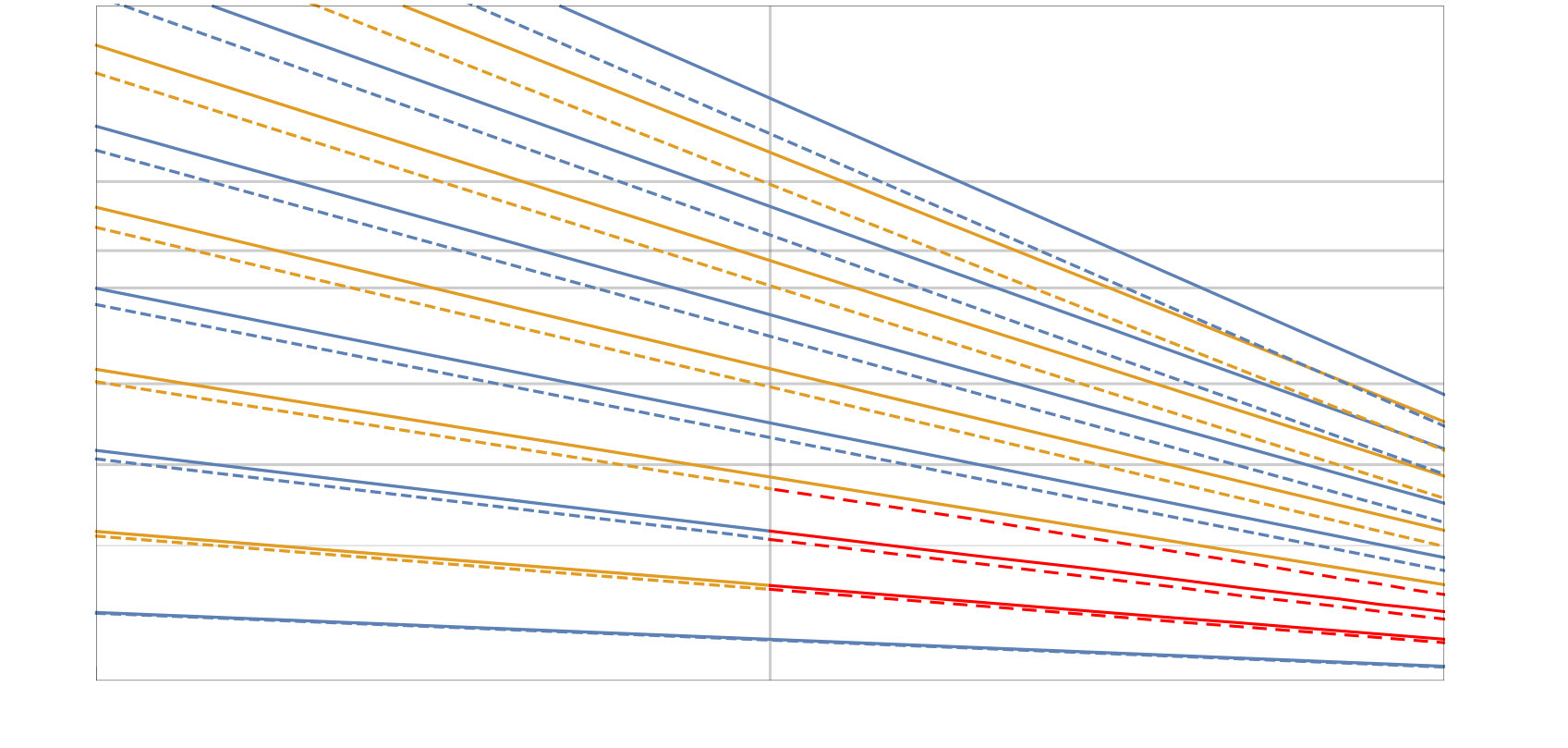 Figure 7
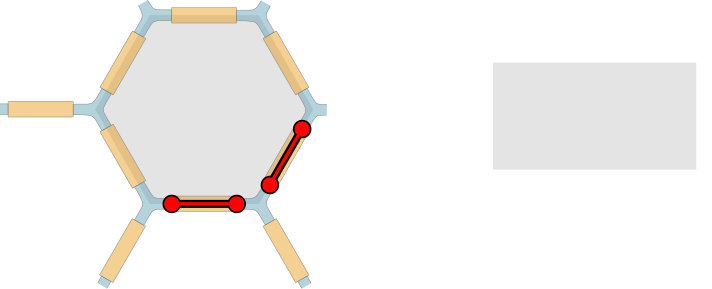 Figure 8
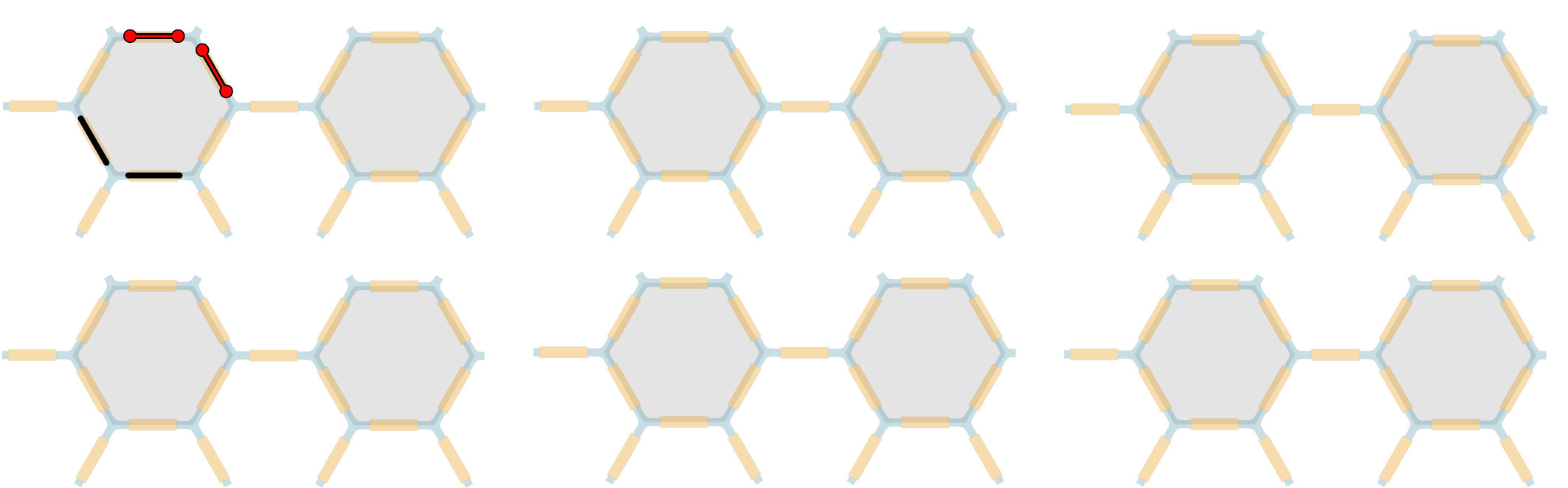 Figure 9
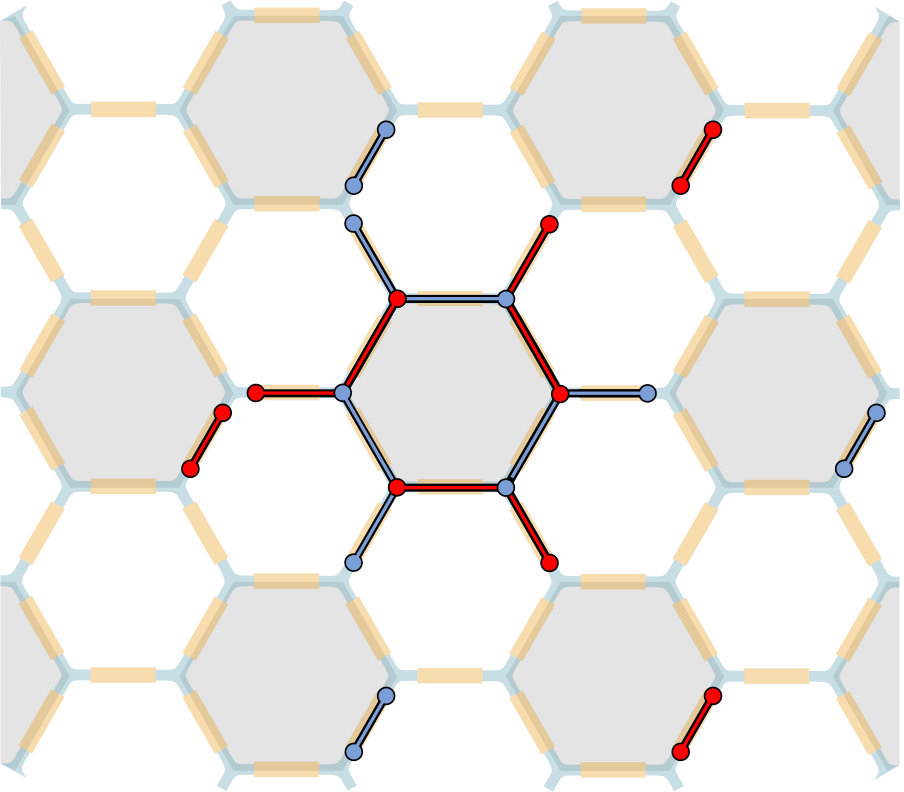 Figure 10
 Figure 11
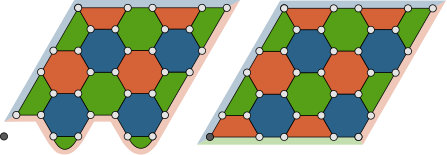 Figure 12
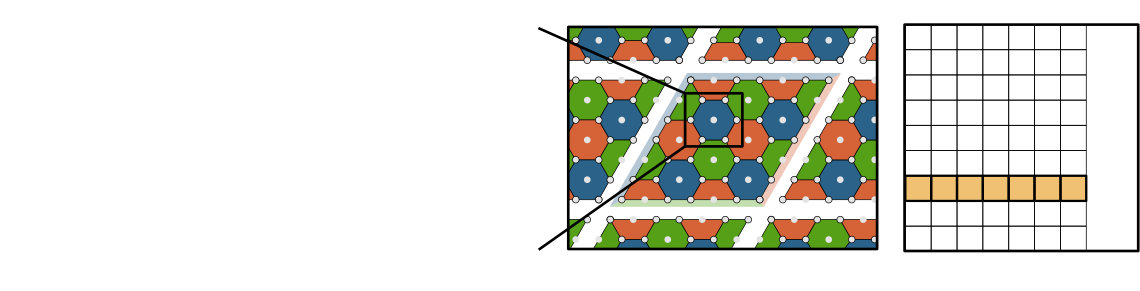 Figure 13
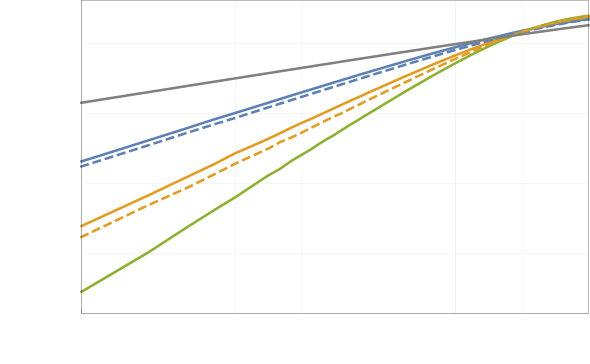 Figure 14
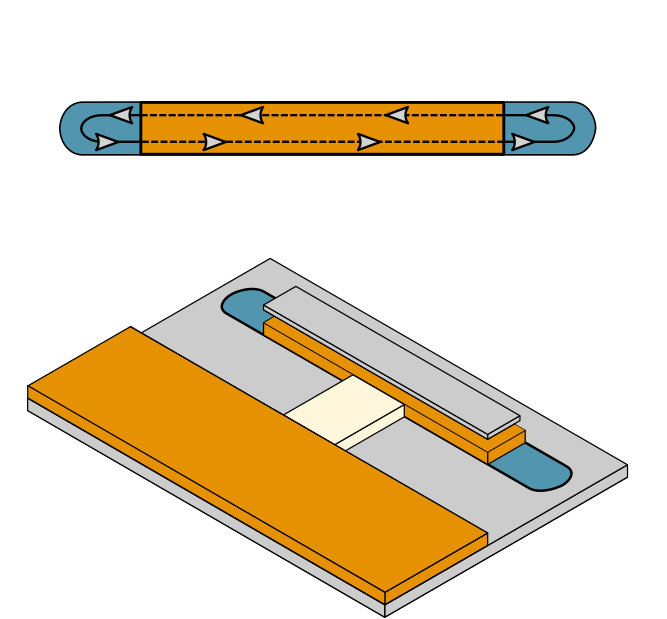 Figure 15
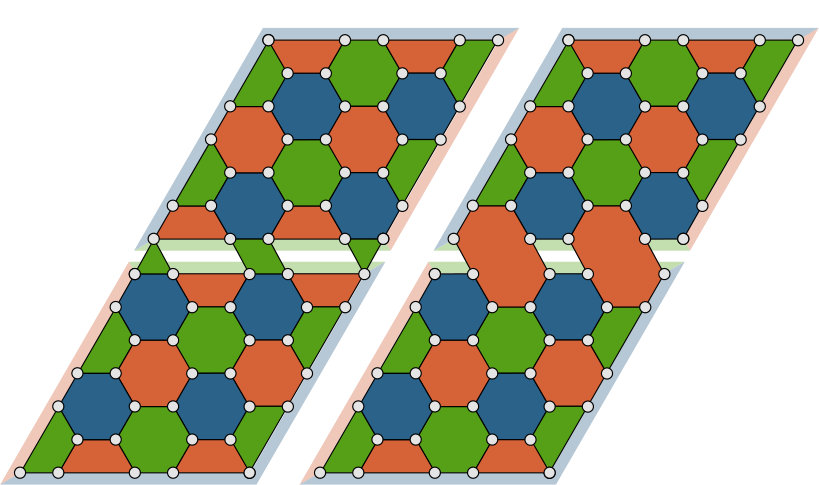 Figure 16
 Figure 17
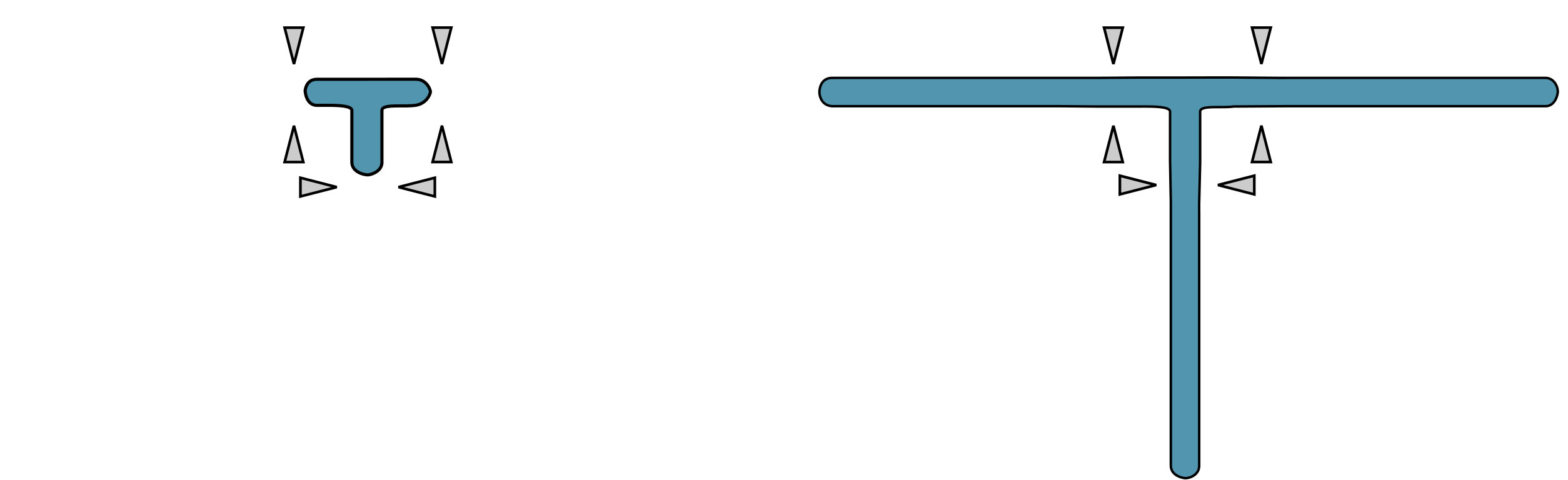 Figure 18
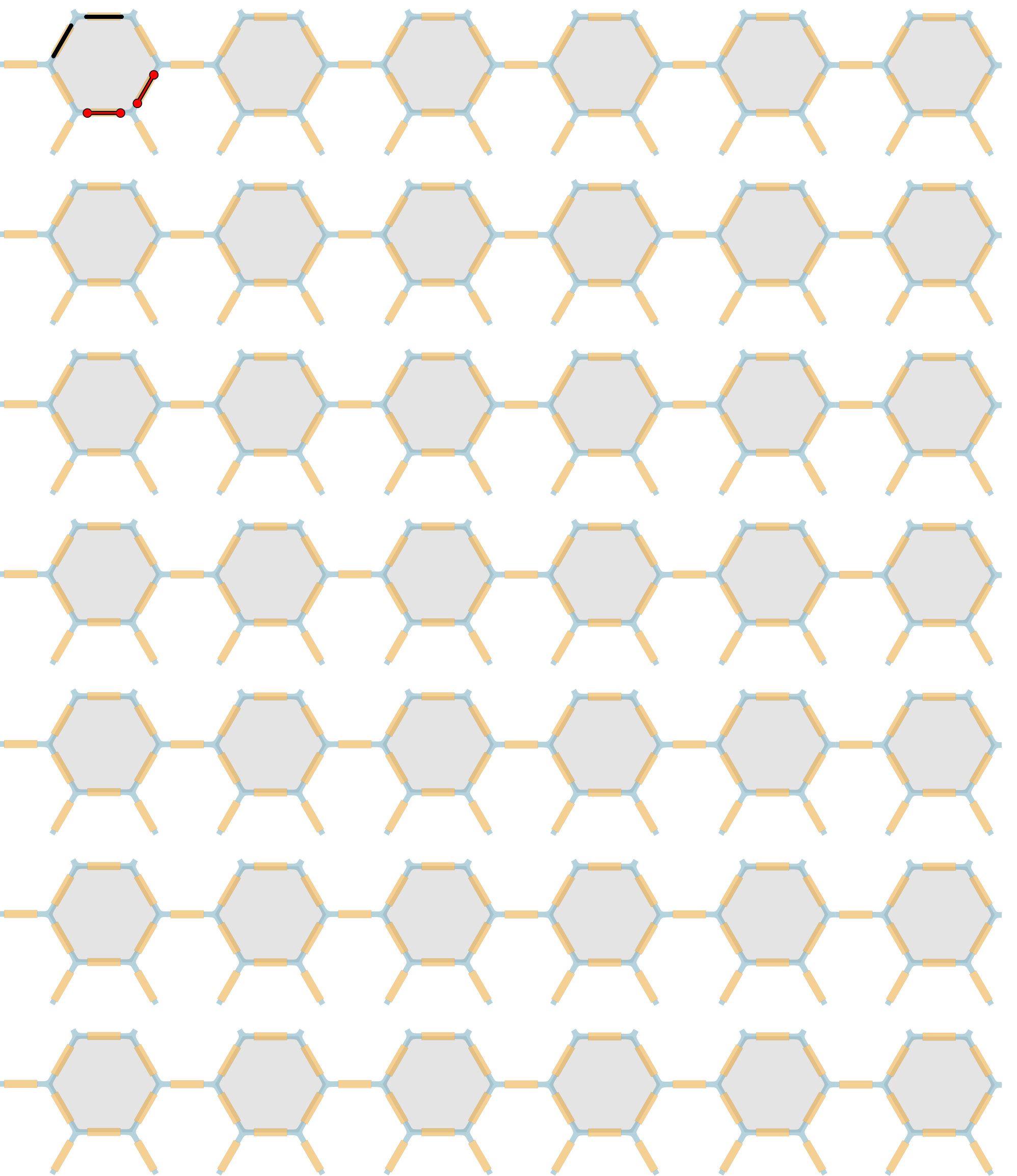 Figure 19
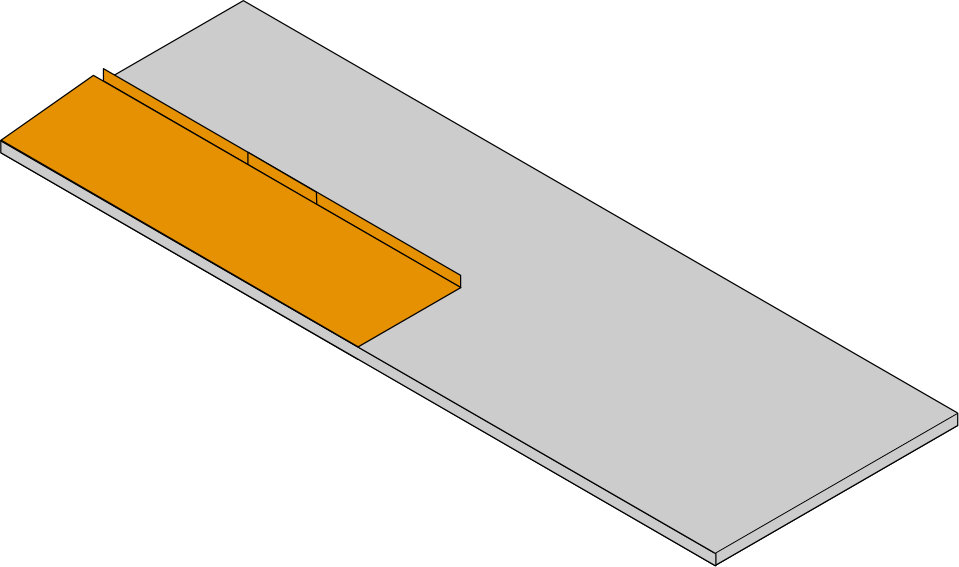 Figure 20
Peer Reviews
No public reviews on file for this paper yet. If you reviewed it on a platform where reviews are public (OpenReview, ICLR, NeurIPS, ICML), you can paste yours below so the community can read it here.
Videos
No videos yet. Explain this paper in a talk, walkthrough, or lecture? Add one.