An Application of Multi-band Forced Photometry to One Square Degree of SERVS: Accurate Photometric Redshifts and Implications for Future Science
Kristina Nyland, Mark Lacy, Anna Sajina, Janine Pforr, Duncan Farrah,, Gillian Wilson, Jason Surace, Boris Haeussler, Mattia Vaccari, and Matt, Jarvis

TL;DR
This paper demonstrates how The Tractor's forced photometry improves multi-band galaxy property measurements in SERVS, leading to more accurate photometric redshifts and better galaxy detection, with implications for future extragalactic surveys.
Contribution
It introduces a novel application of The Tractor for forced photometry in SERVS, enhancing source identification and redshift accuracy over traditional methods.
Findings
Improved source cross-identification across bands.
Enhanced de-blending of blended sources.
Significant reduction in photometric redshift outliers.
Abstract
We apply The Tractor image modeling code to improve upon existing multi-band photometry for the Spitzer Extragalactic Representative Volume Survey (SERVS). SERVS consists of post-cryogenic Spitzer observations at 3.6 and 4.5 micron over five well-studied deep fields spanning 18 square degrees. In concert with data from ground-based near-infrared (NIR) and optical surveys, SERVS aims to provide a census of the properties of massive galaxies out to z ~ 5. To accomplish this, we are using The Tractor to perform "forced photometry." This technique employs prior measurements of source positions and surface brightness profiles from a high-resolution fiducial band from the VISTA Deep Extragalactic Observations (VIDEO) survey to model and fit the fluxes at lower-resolution bands. We discuss our implementation of The Tractor over a square degree test region within the XMM-LSS field with deep…
Click any figure to enlarge with its caption.
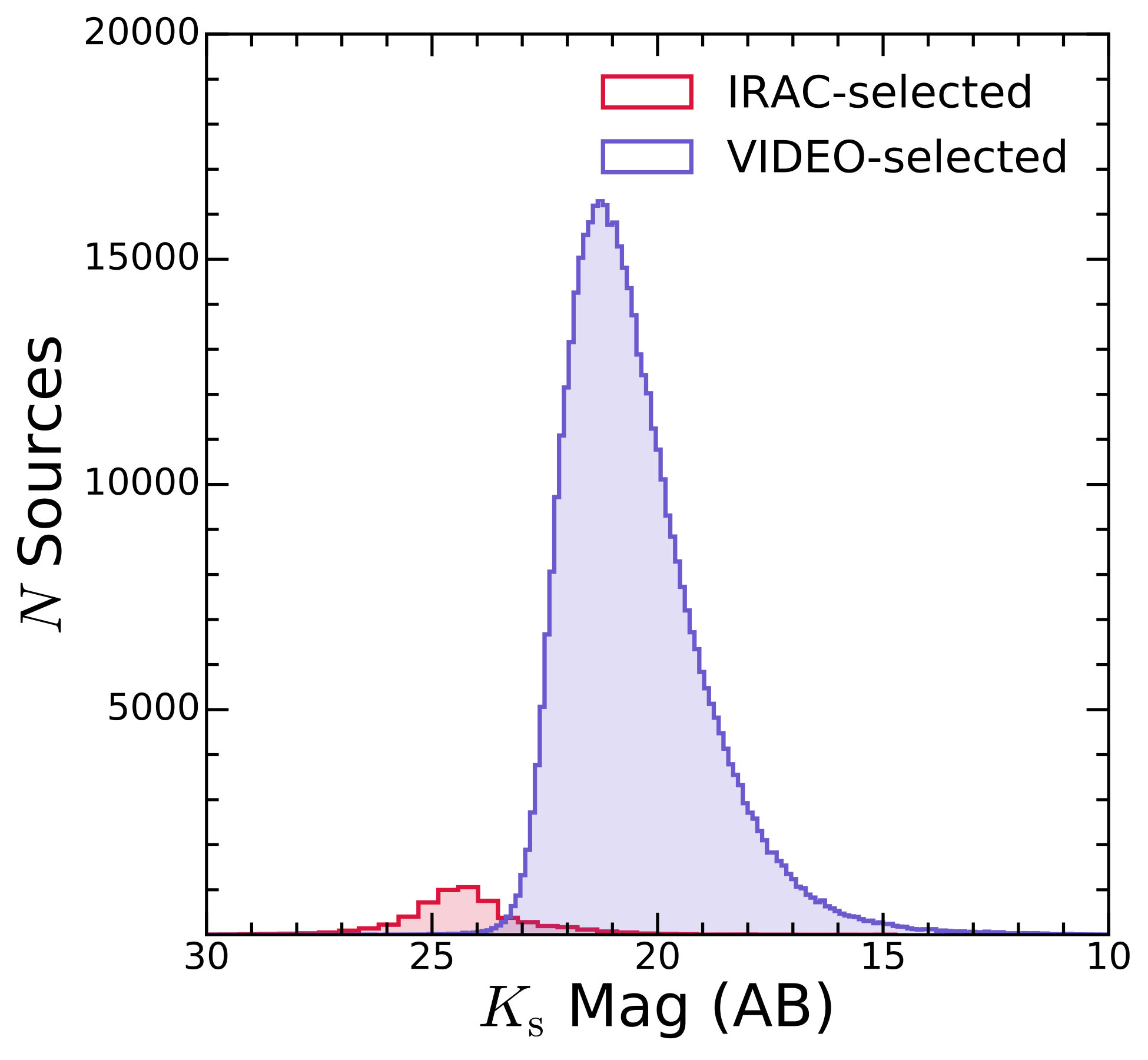 Figure 1
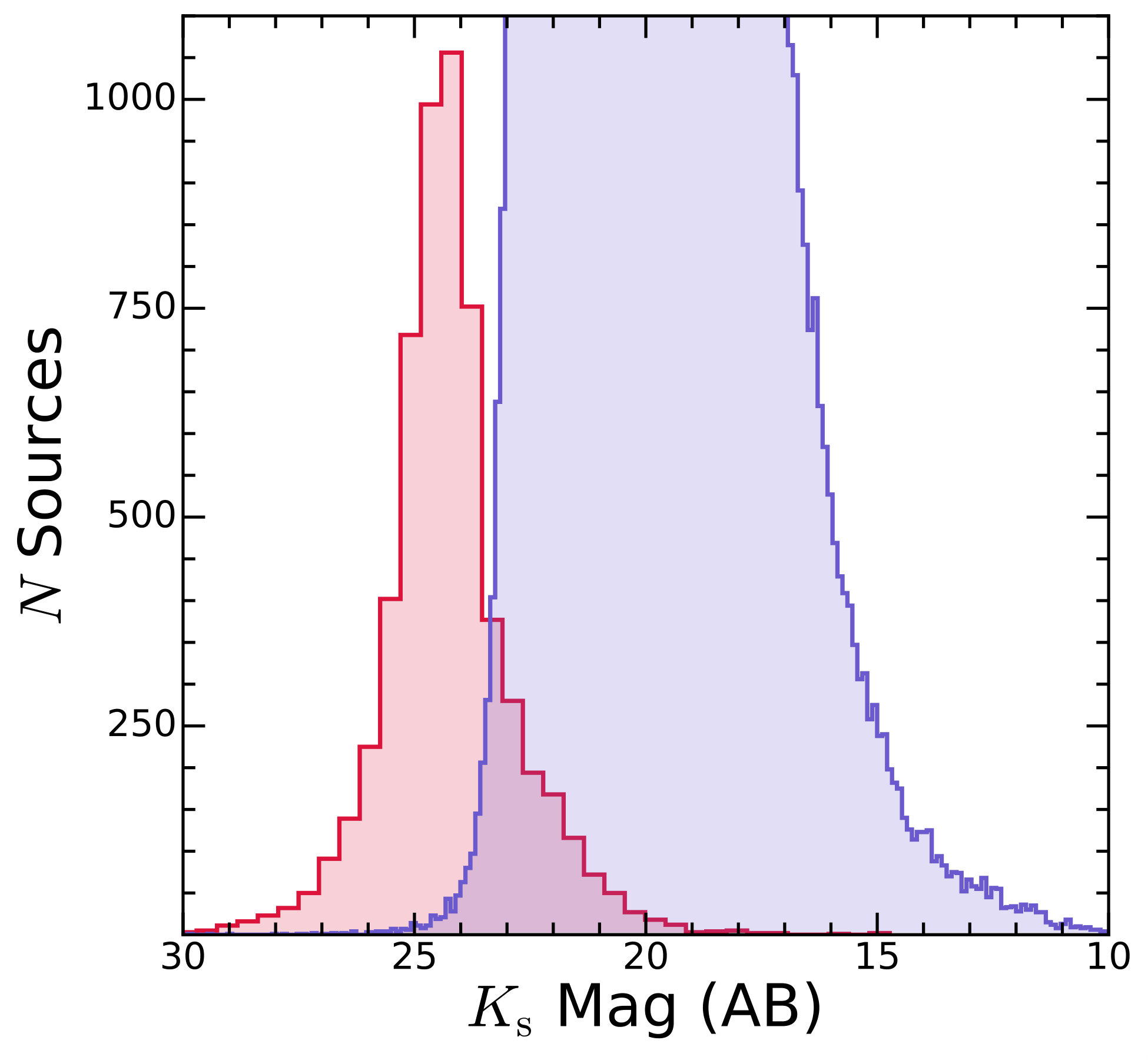 Figure 2
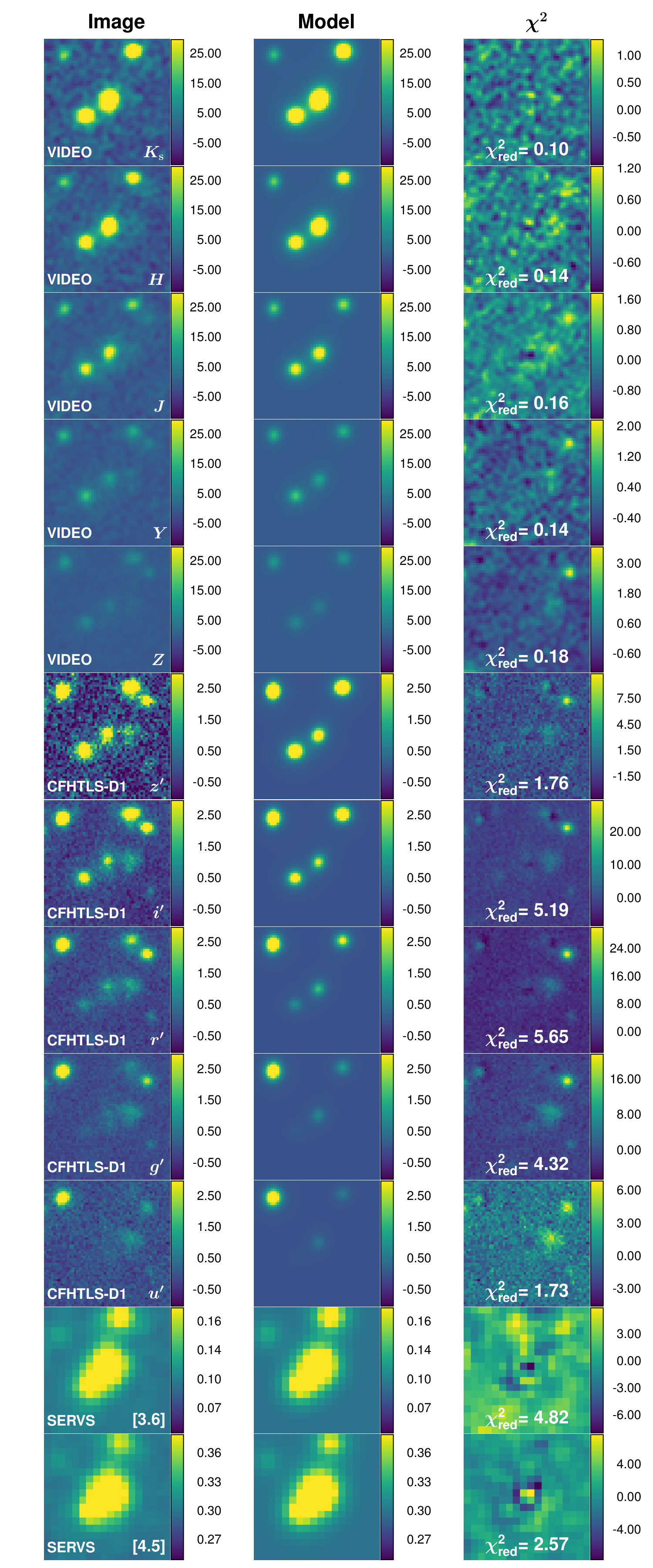 Figure 3
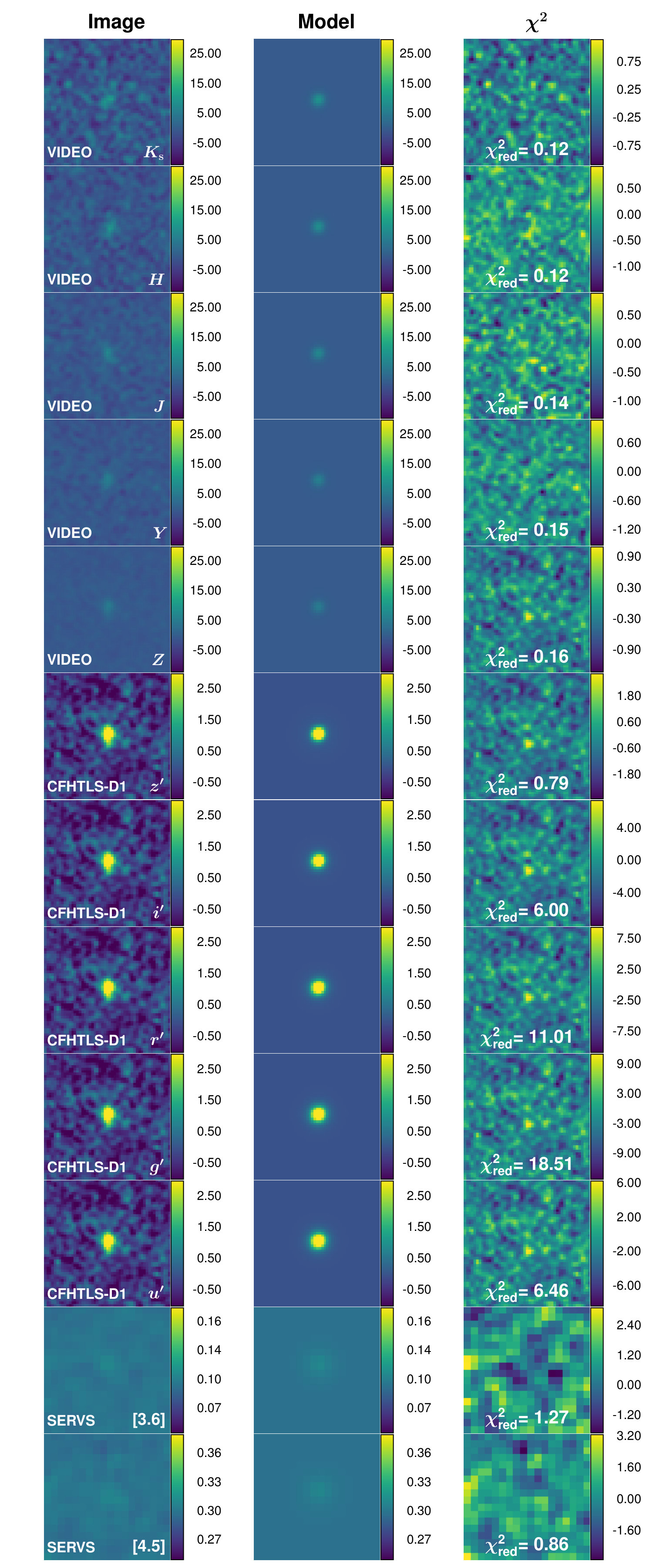 Figure 4
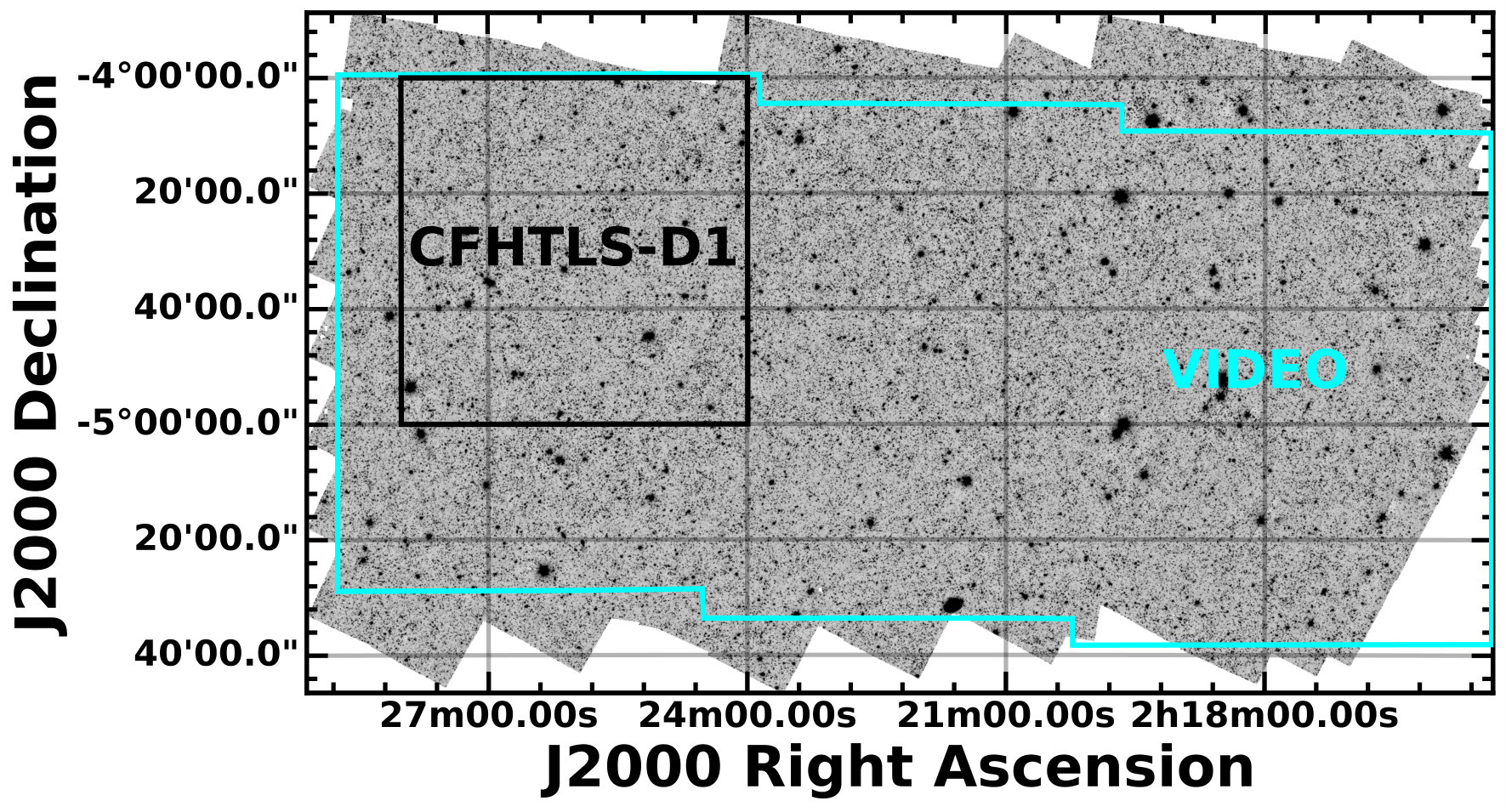 Figure 5
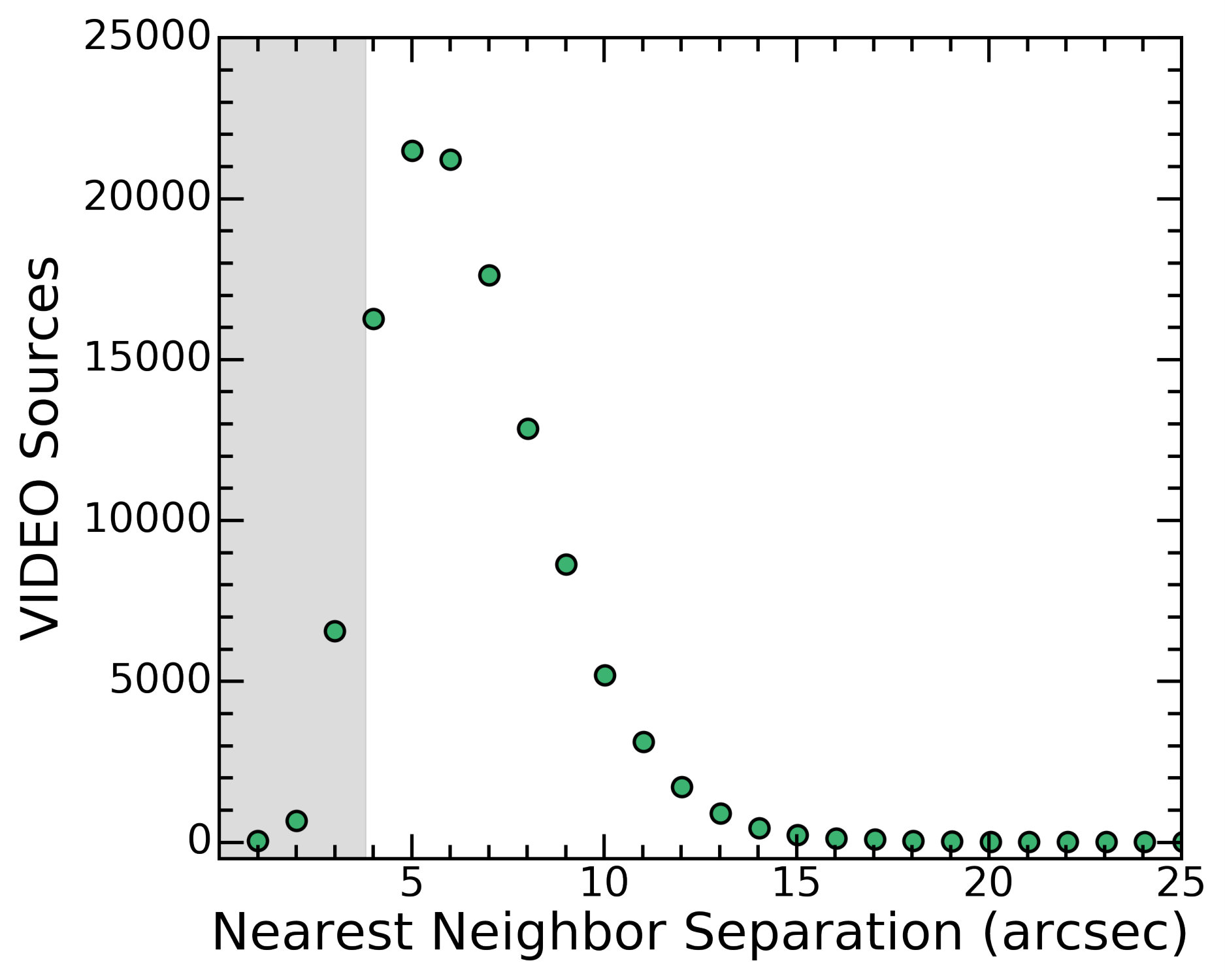 Figure 6
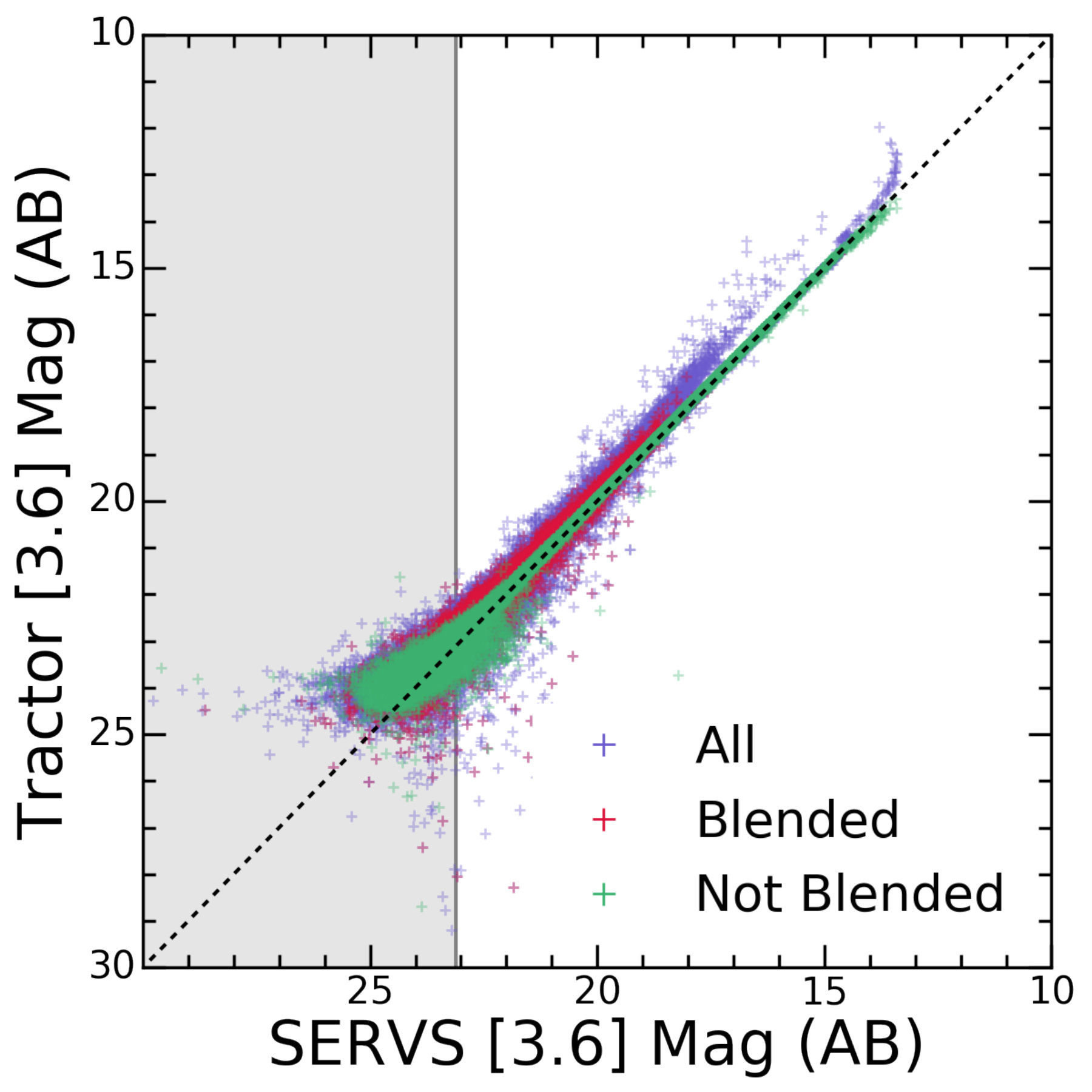 Figure 7
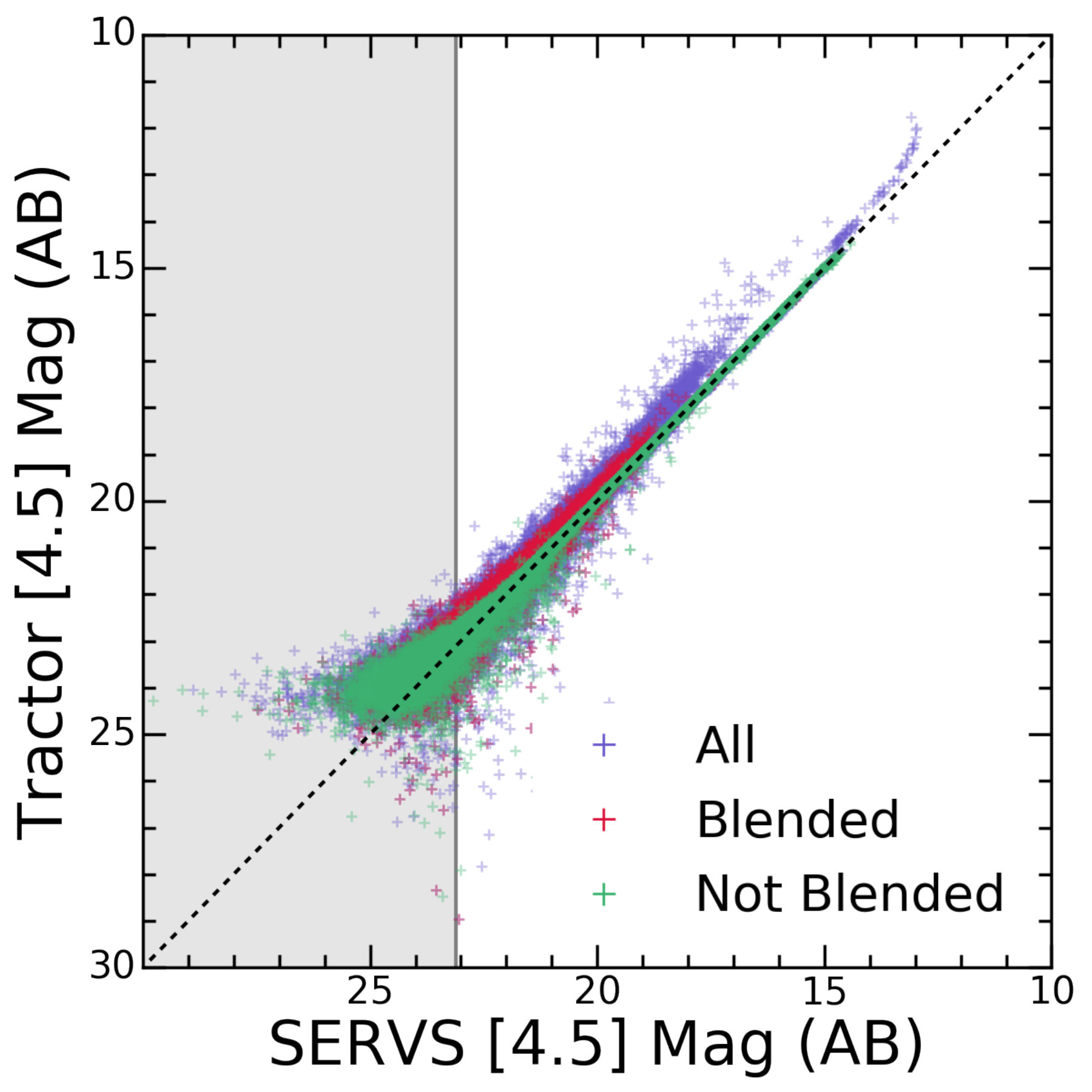 Figure 8
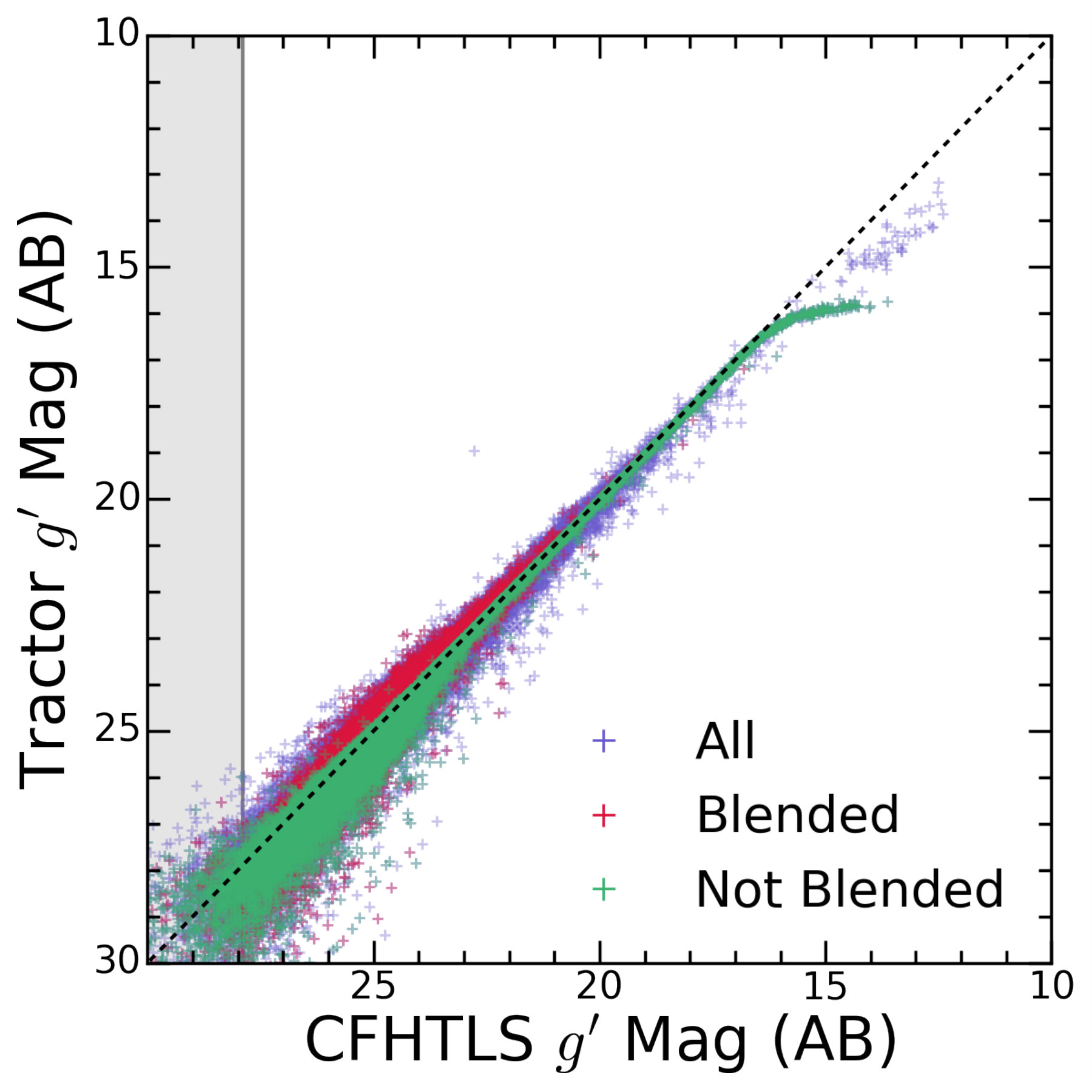 Figure 9
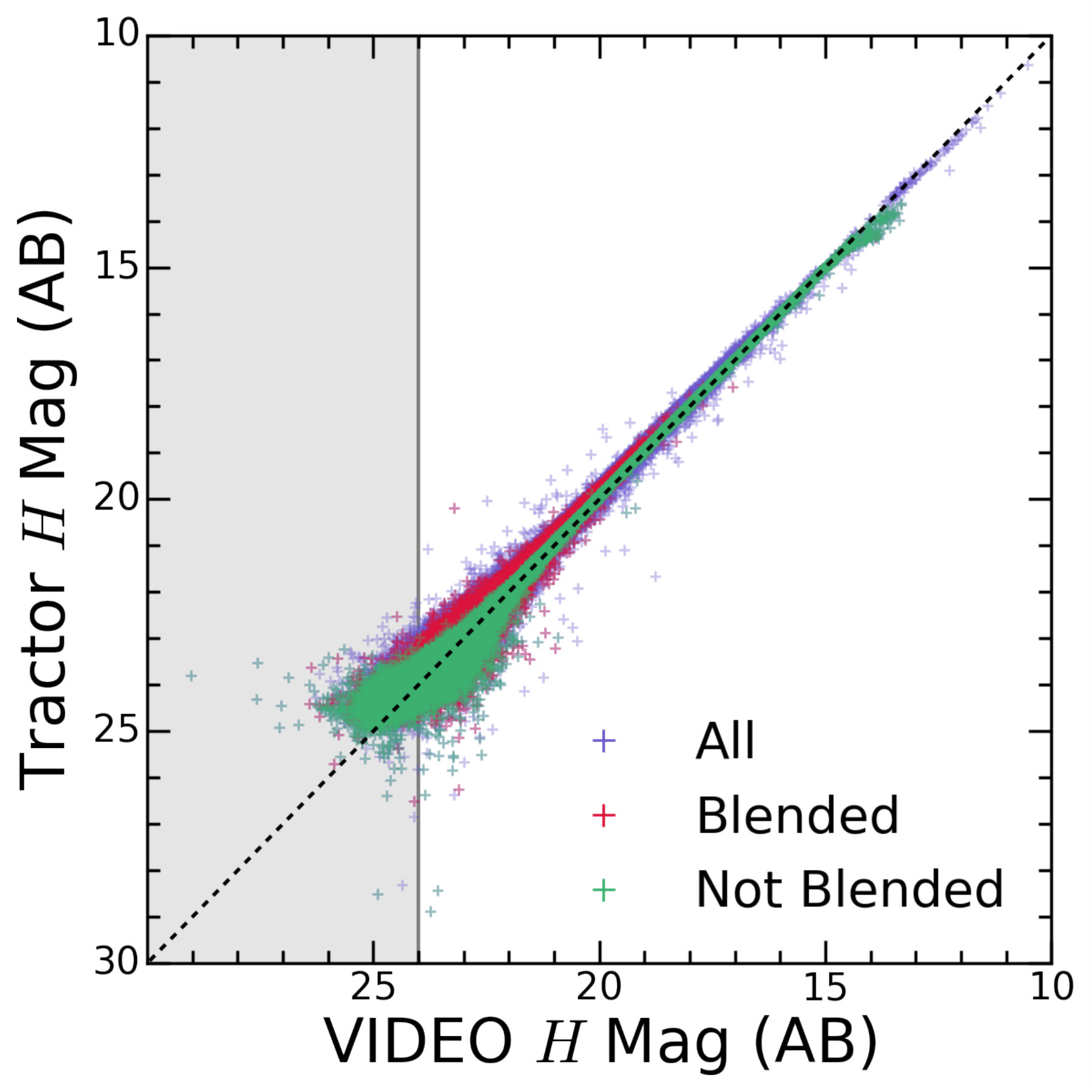 Figure 10
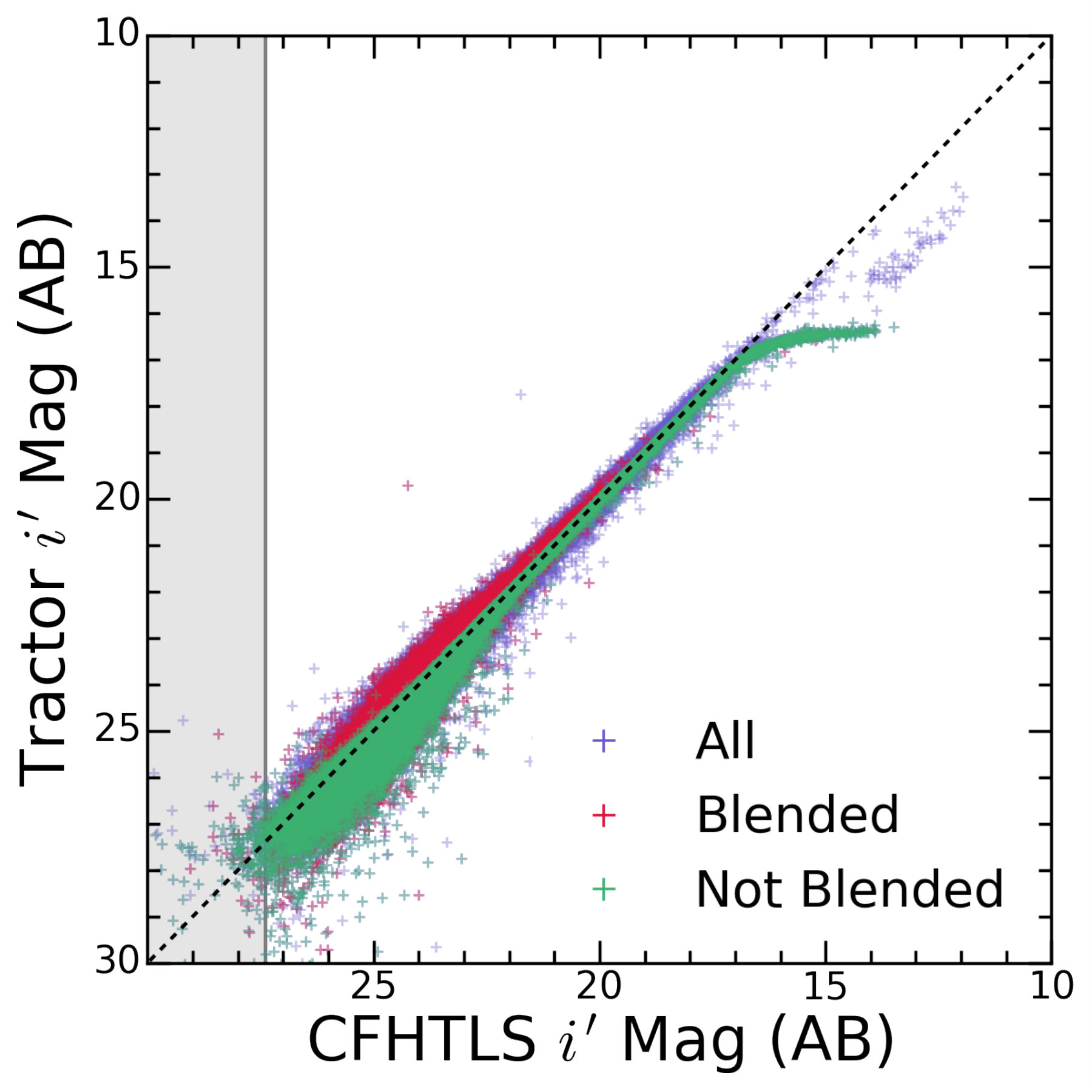 Figure 11
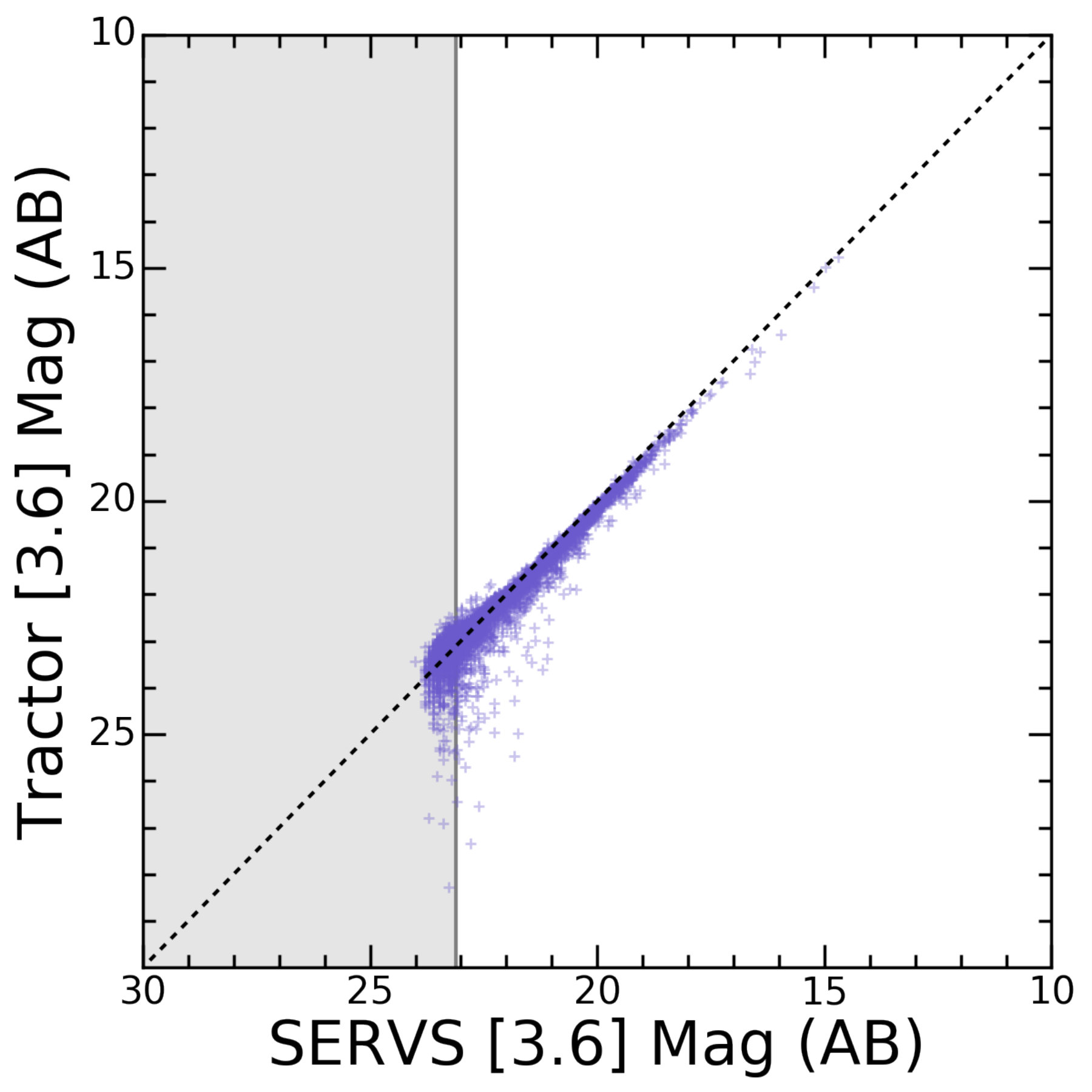 Figure 12
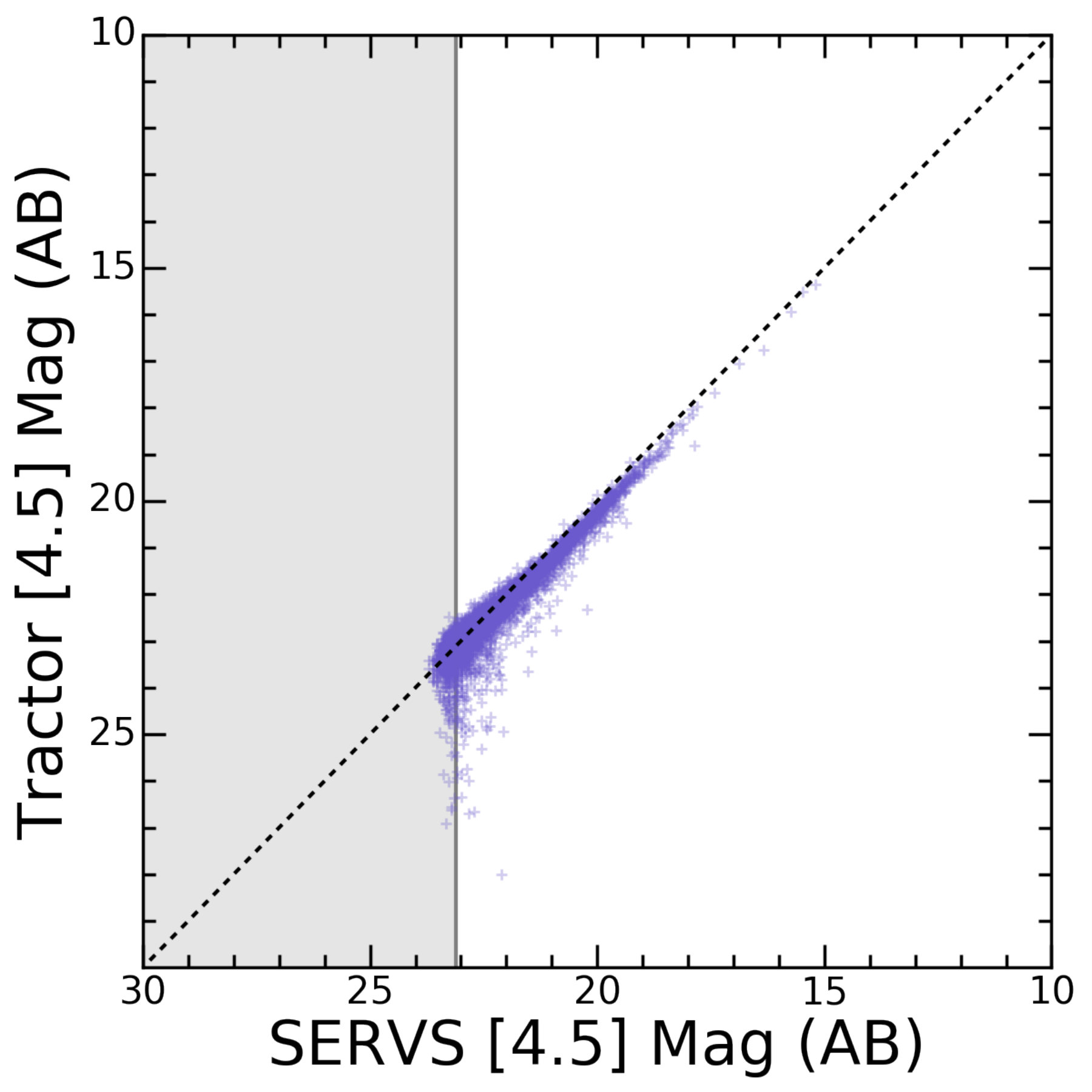 Figure 13
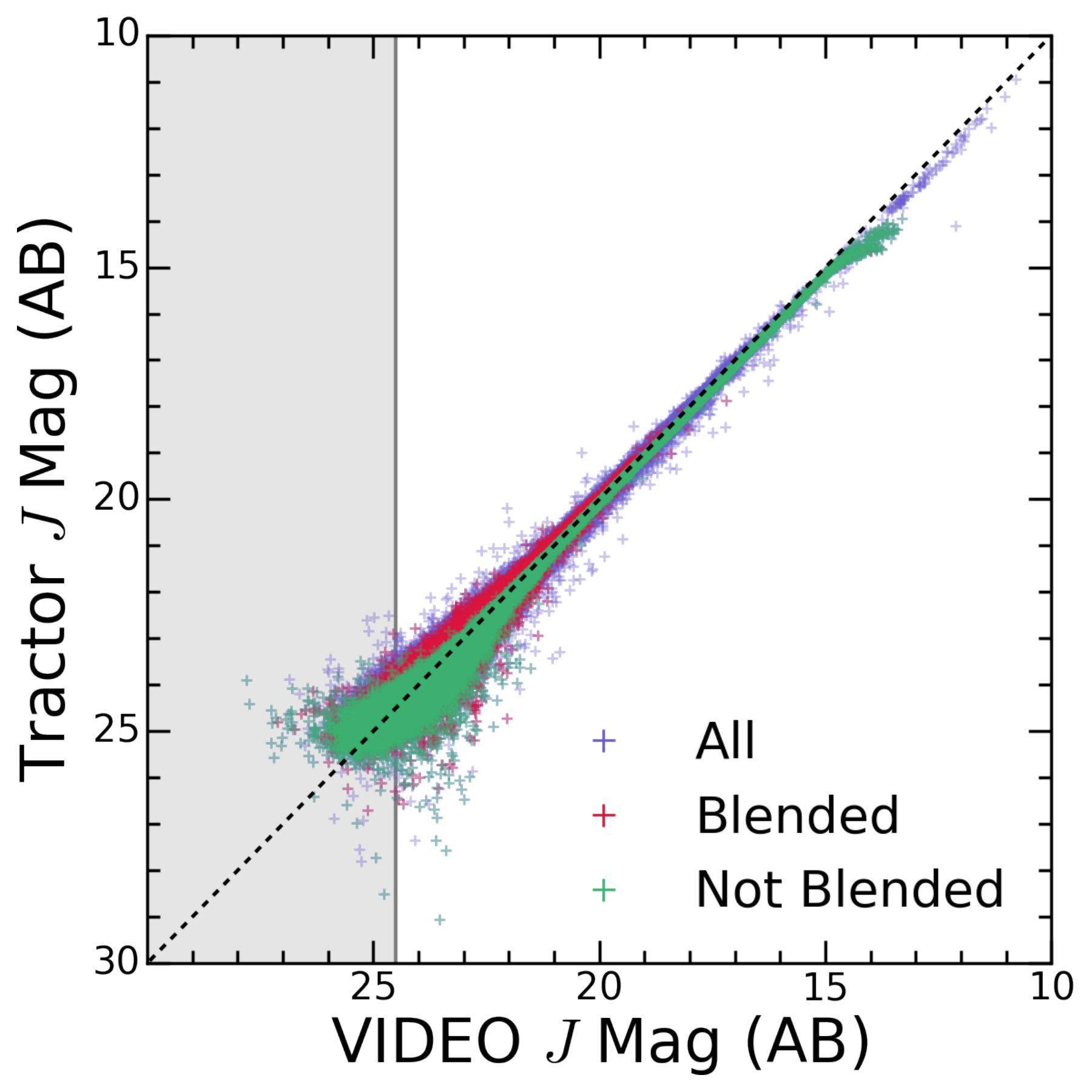 Figure 14
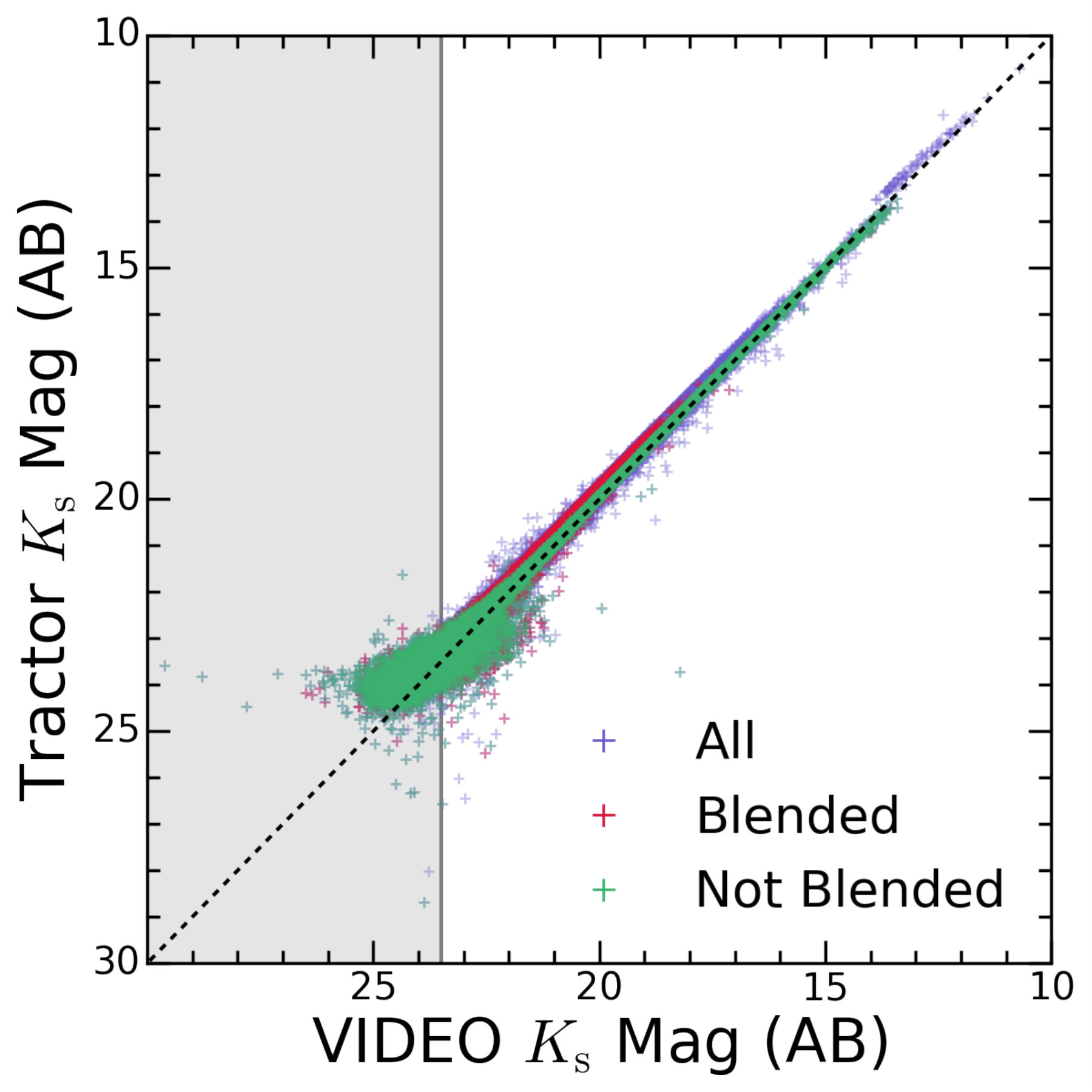 Figure 15
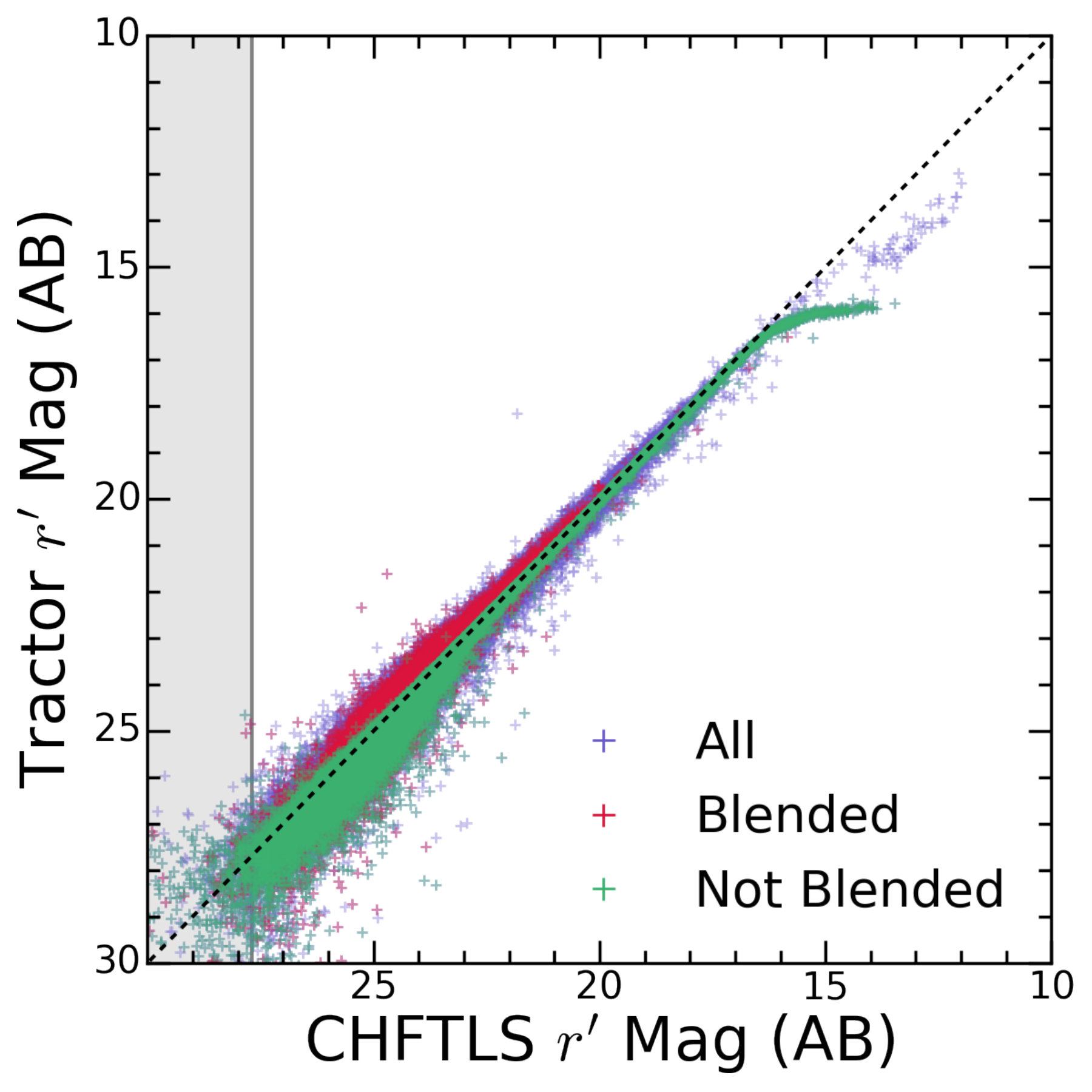 Figure 16
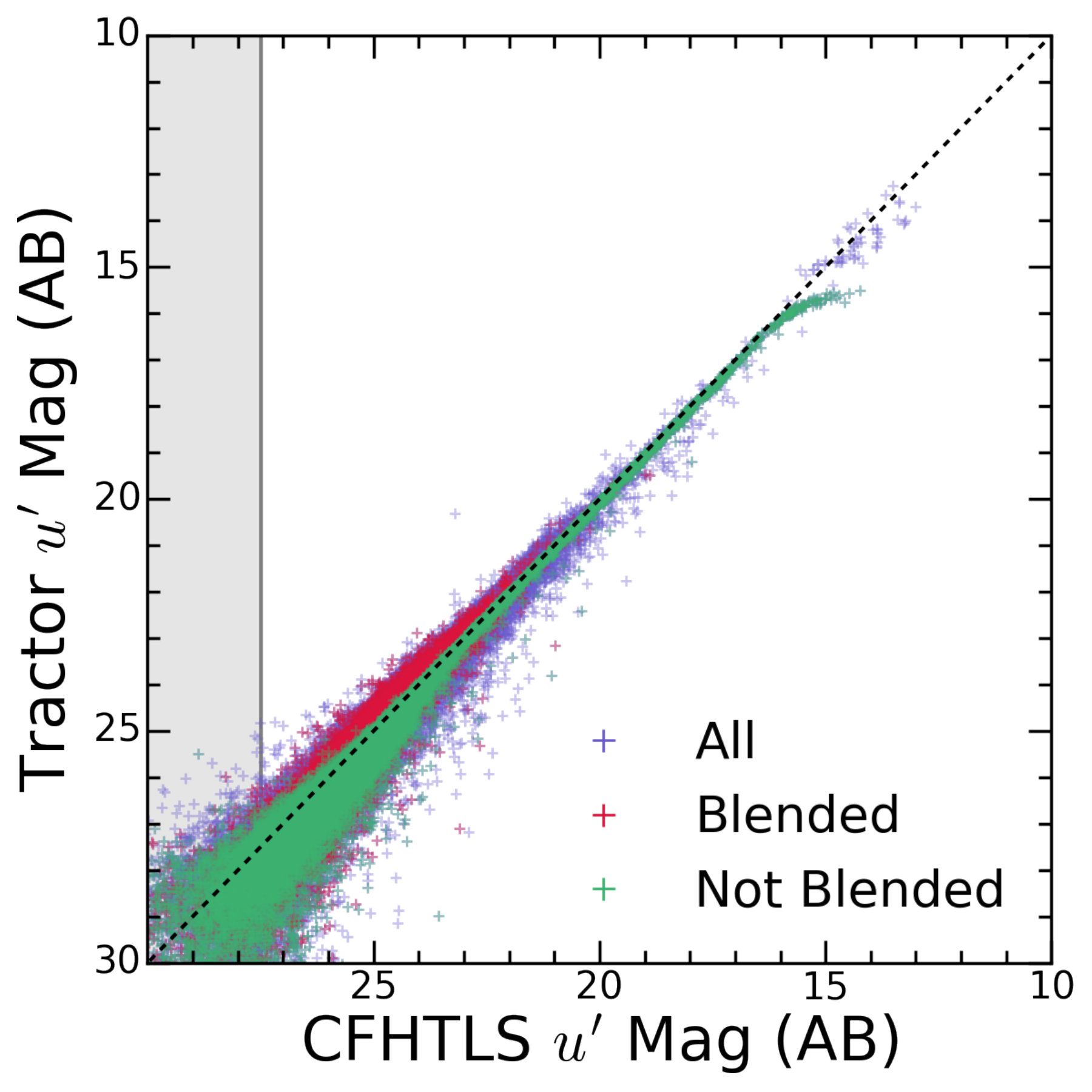 Figure 17
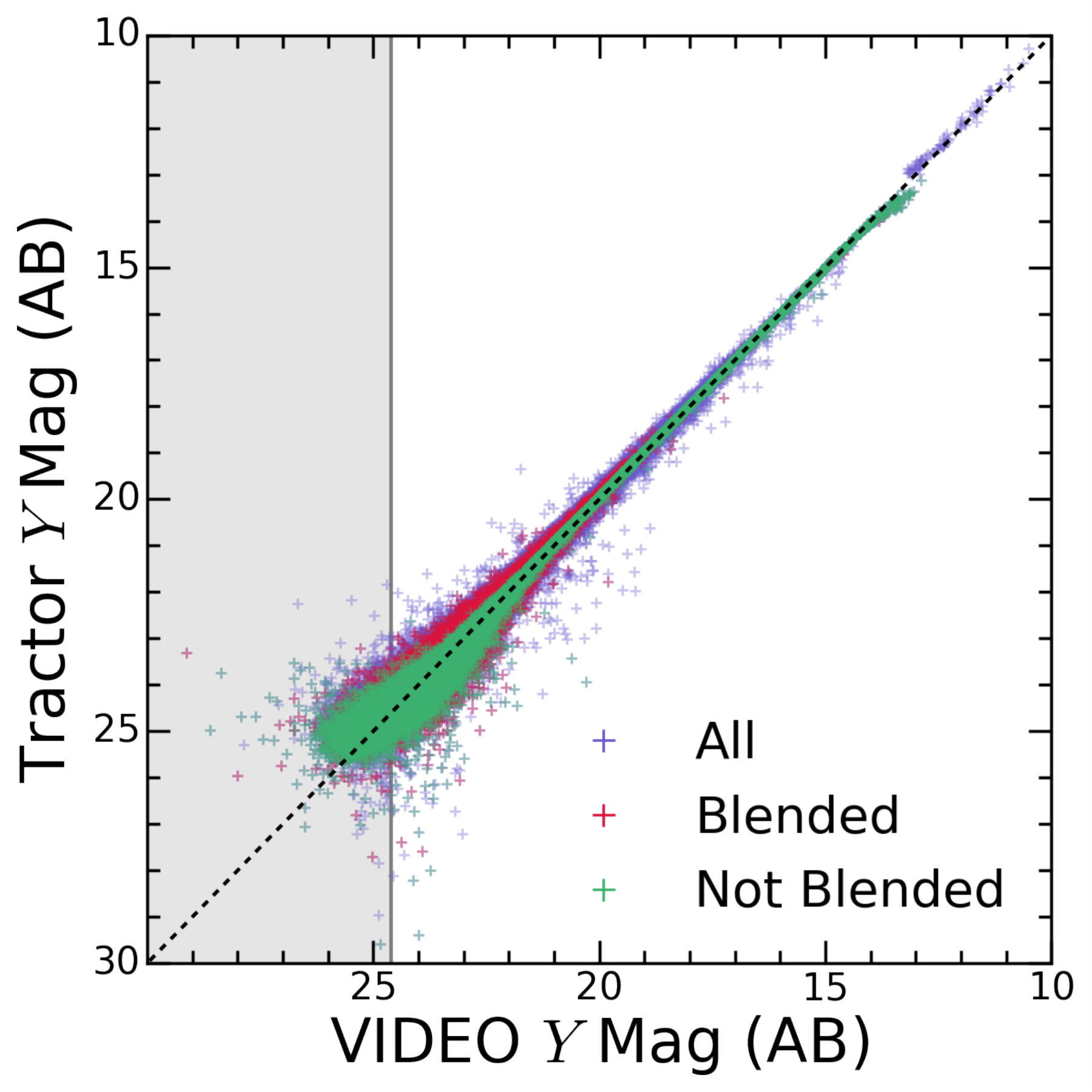 Figure 18
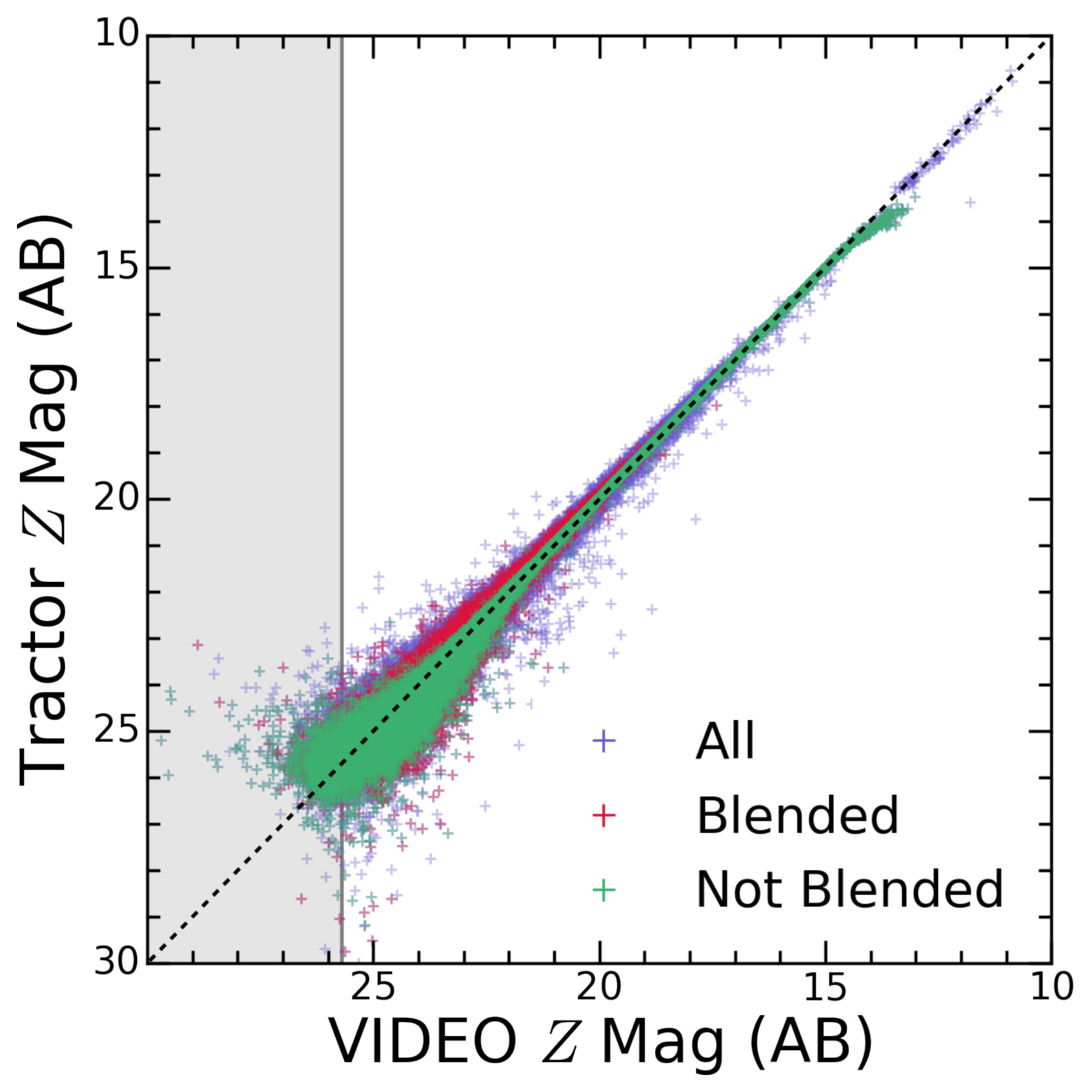 Figure 19
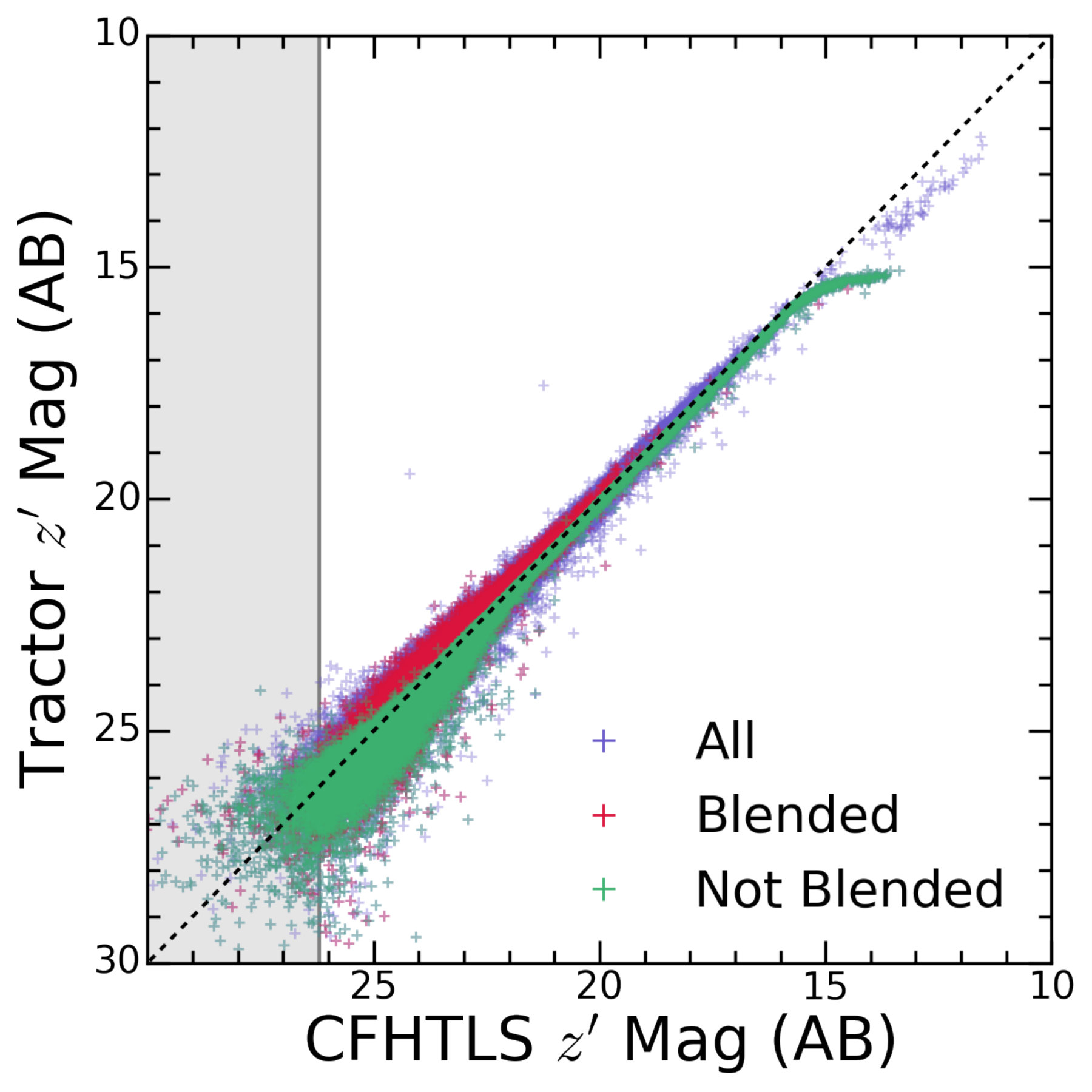 Figure 20
 Figure 21
 Figure 22
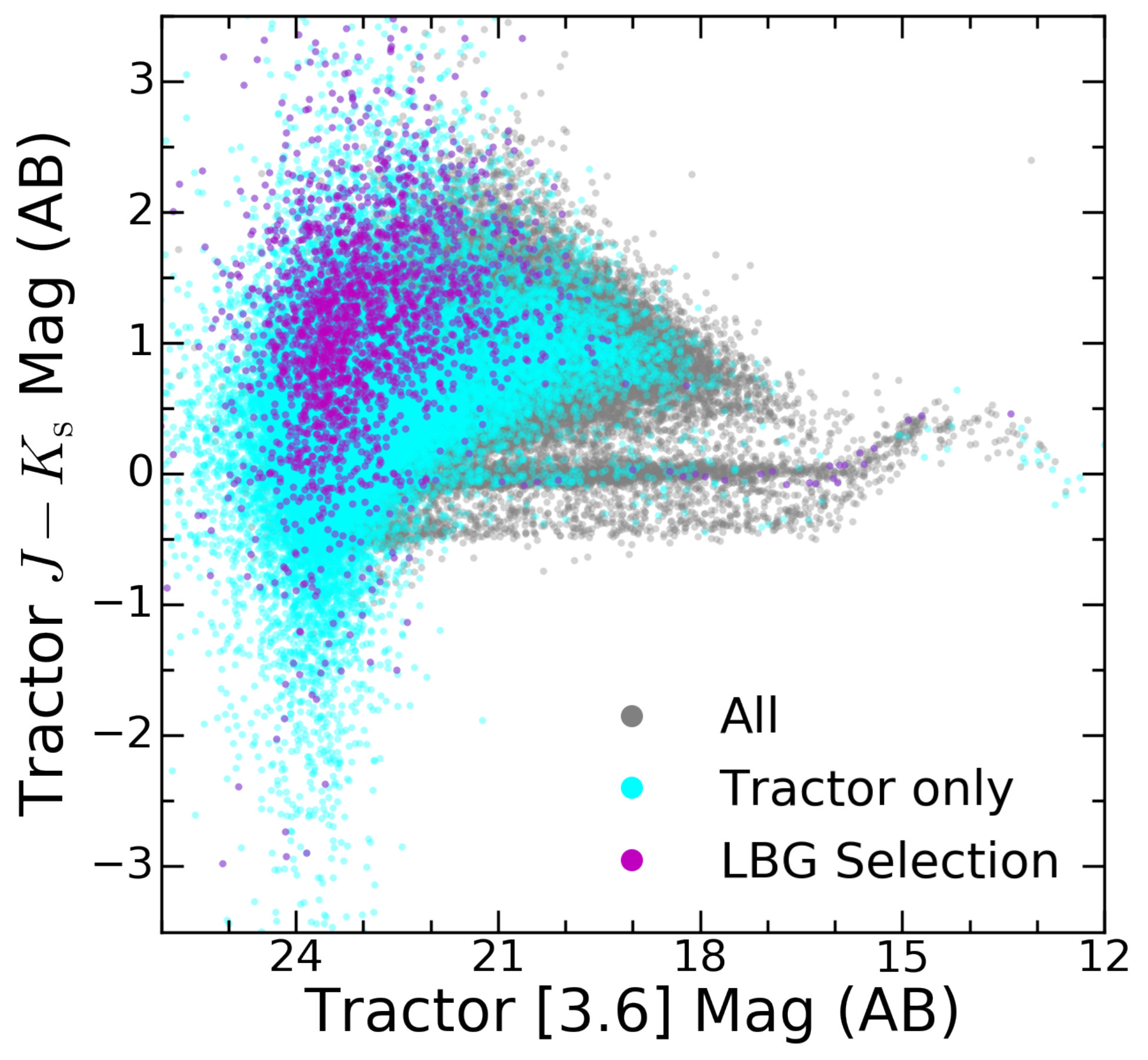 Figure 23
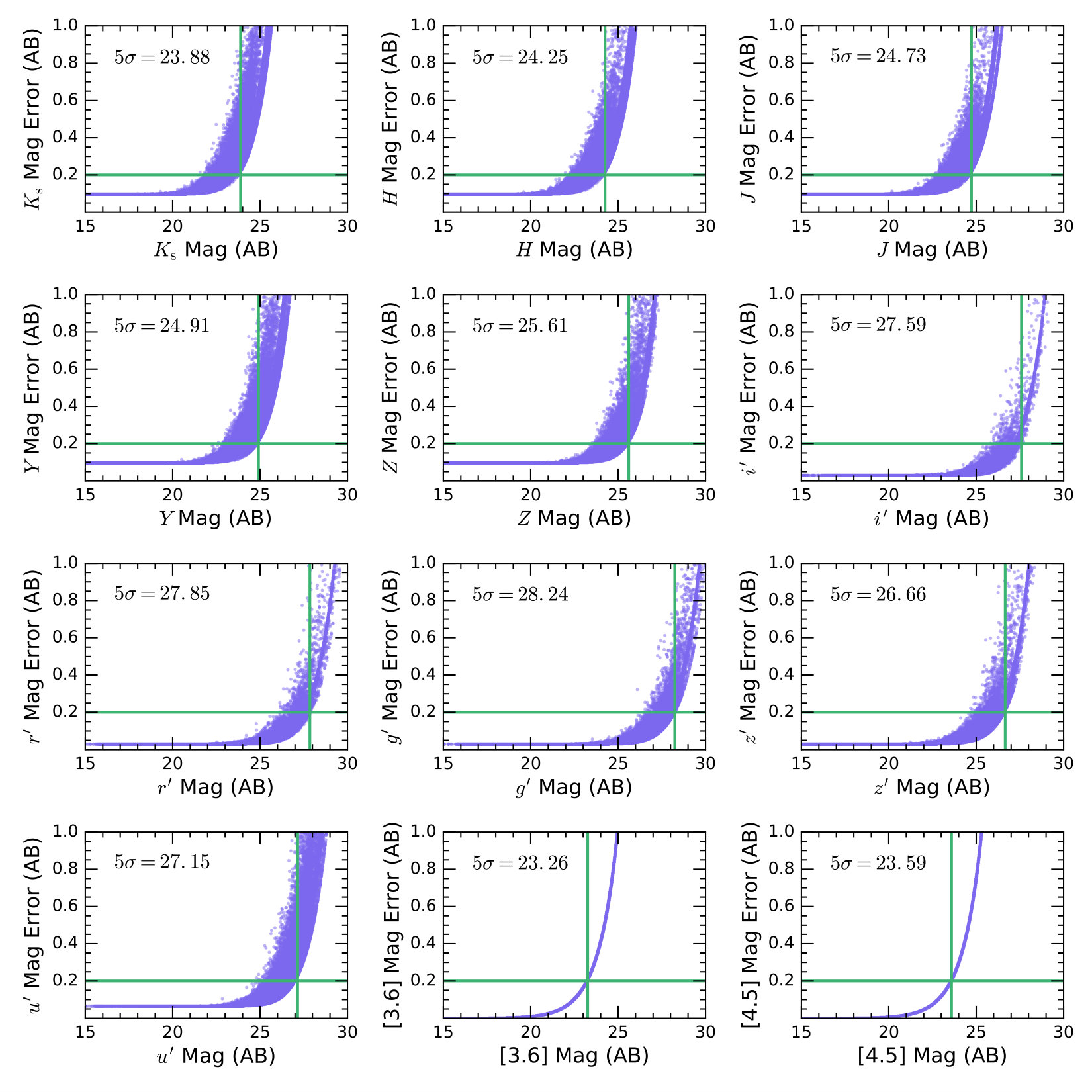 Figure 24
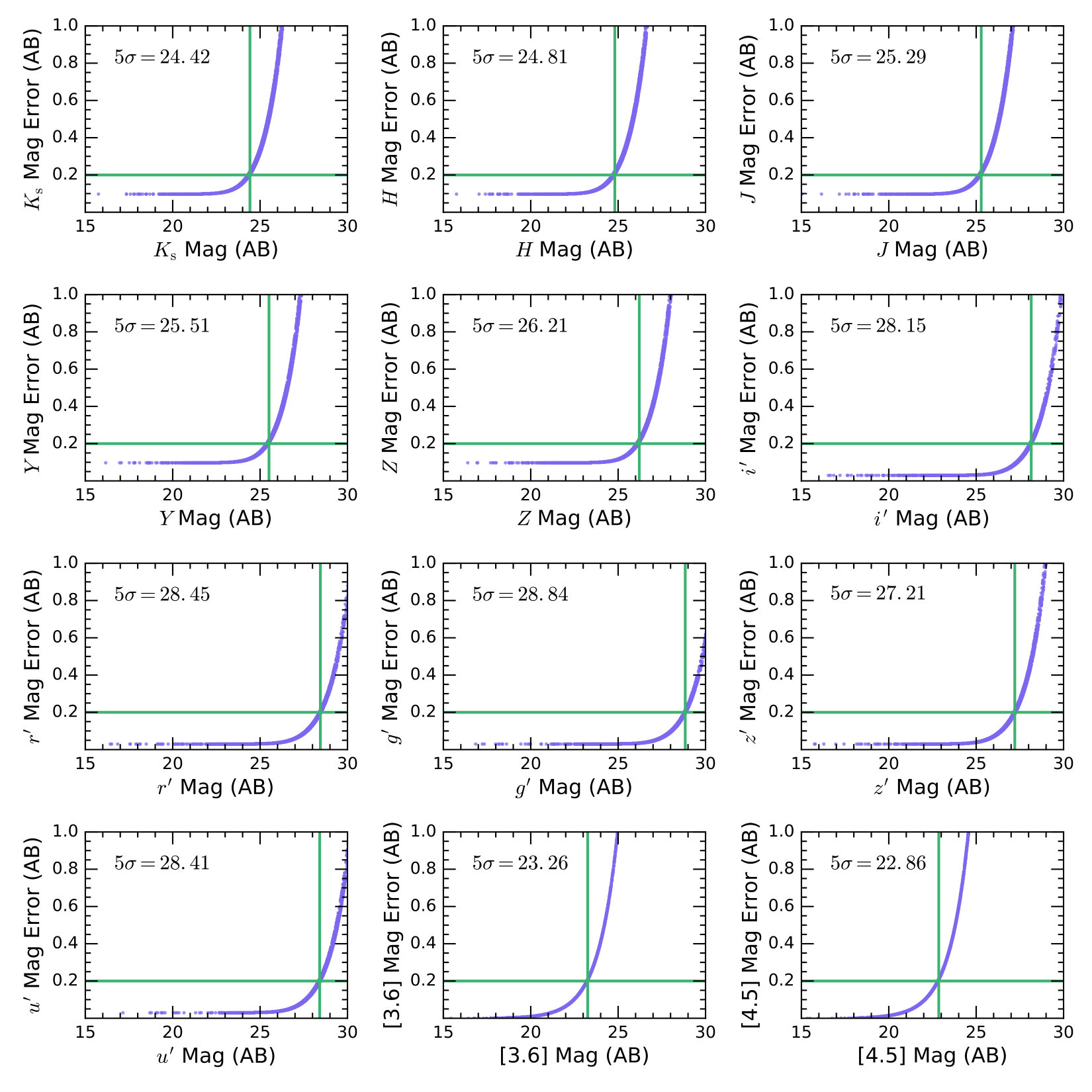 Figure 25
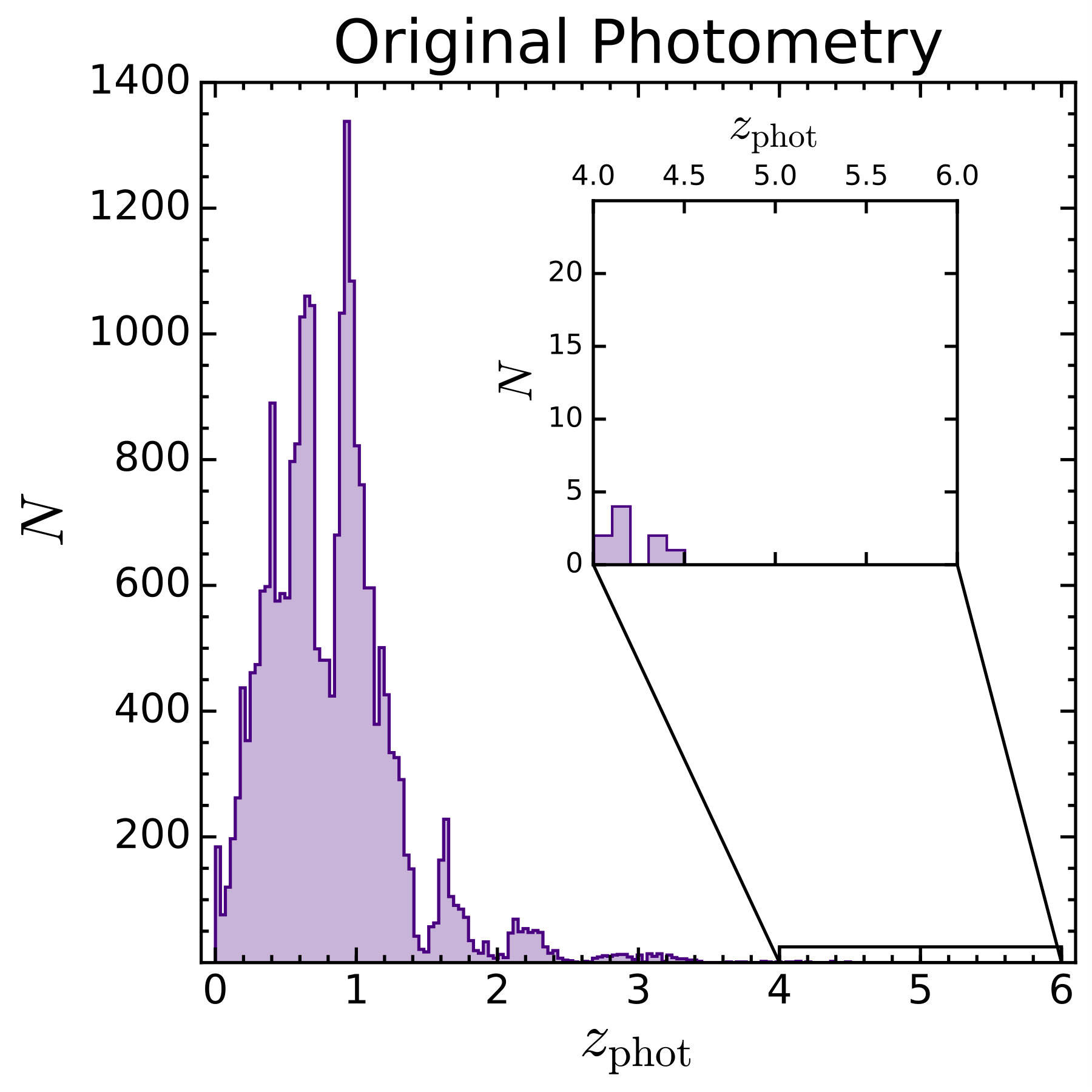 Figure 26
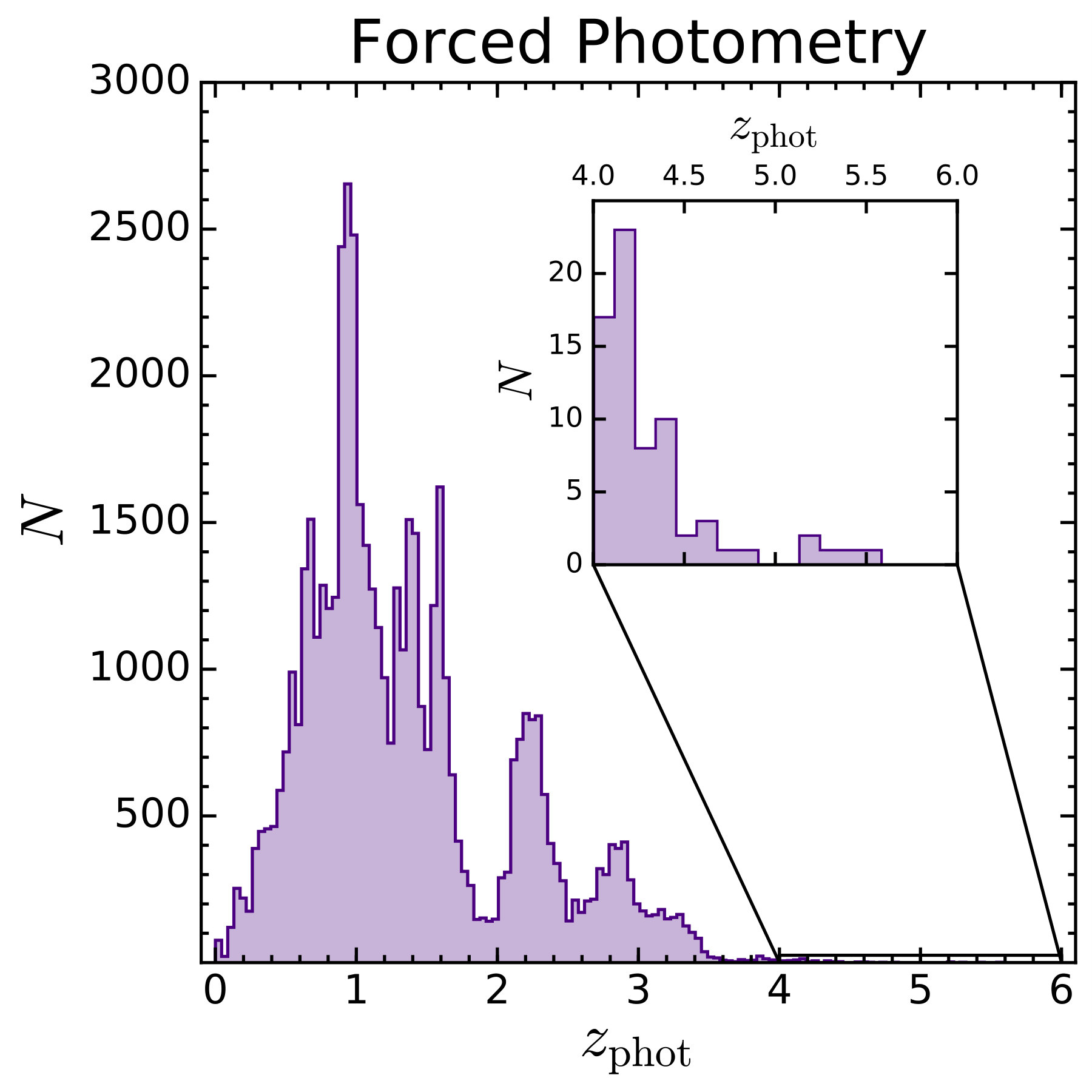 Figure 27
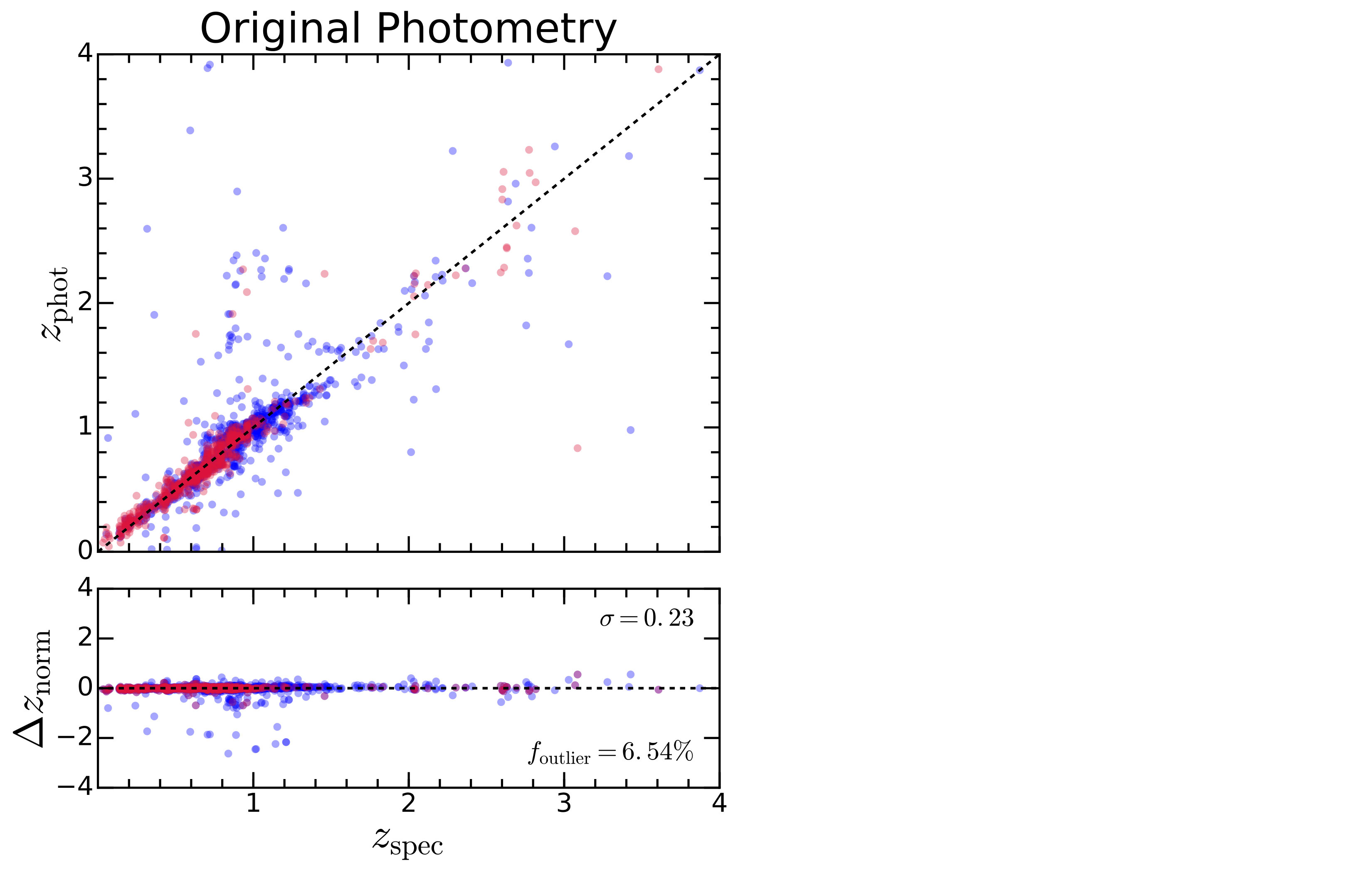 Figure 28
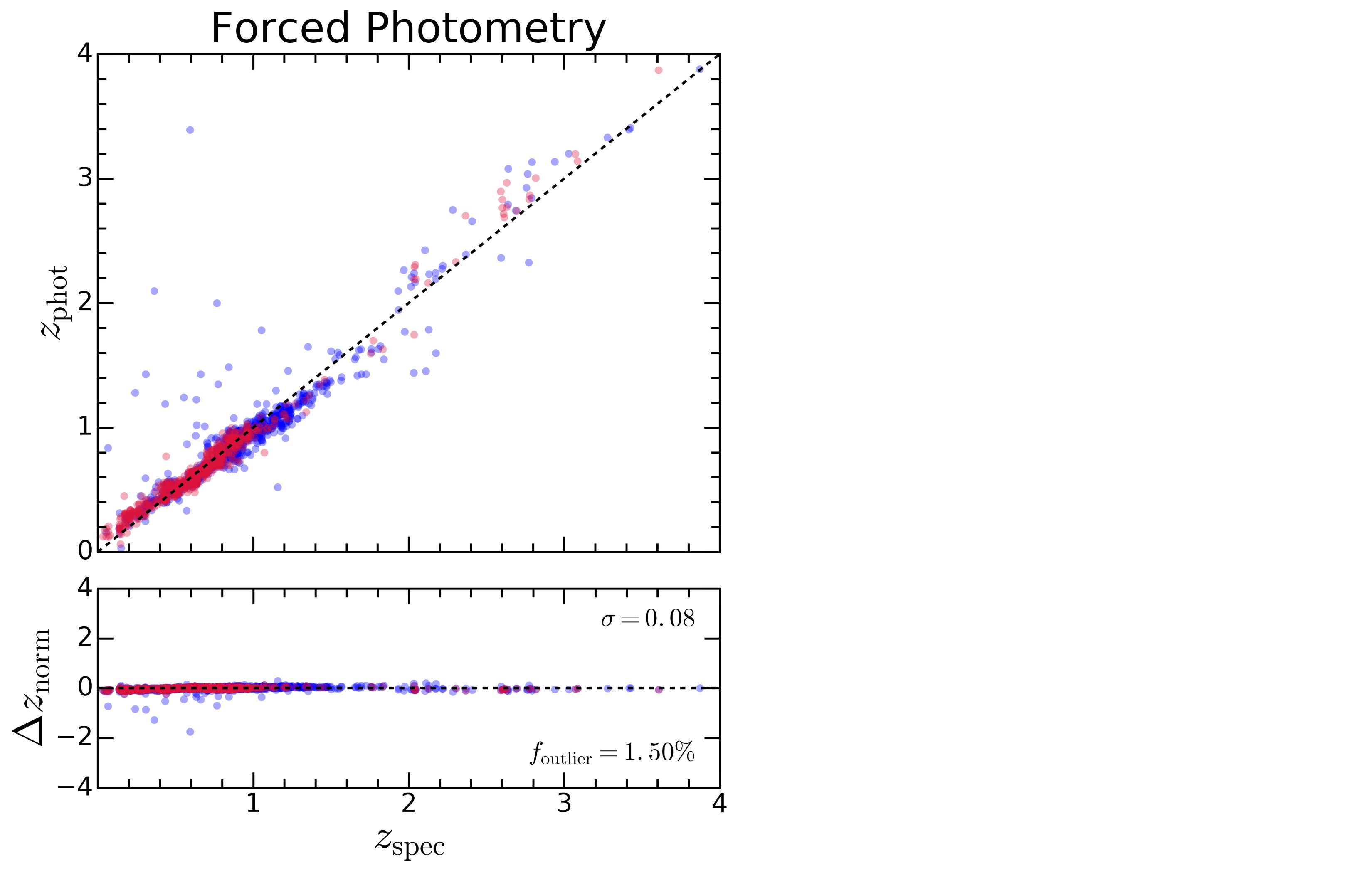 Figure 29
Peer Reviews
No public reviews on file for this paper yet. If you reviewed it on a platform where reviews are public (OpenReview, ICLR, NeurIPS, ICML), you can paste yours below so the community can read it here.
Videos
No videos yet. Explain this paper in a talk, walkthrough, or lecture? Add one.