Data-driven modeling of collaboration networks: A cross-domain analysis
Mario V. Tomasello, Giacomo Vaccario, Frank Schweitzer

TL;DR
This study compares collaboration network structures across economics and science, using data-driven agent-based models to understand link formation strategies and reproduce key network features.
Contribution
It introduces a unified modeling approach to replicate and compare collaboration networks across two distinct domains, revealing domain-specific link formation behaviors.
Findings
Newcomers prefer established agents in R&D collaborations.
Newcomers tend to link with other newcomers in co-authorship networks.
The model accurately reproduces degree distributions and clustering coefficients.
Abstract
We analyze large-scale data sets about collaborations from two different domains: economics, specifically 22.000 R&D alliances between 14.500 firms, and science, specifically 300.000 co-authorship relations between 95.000 scientists. Considering the different domains of the data sets, we address two questions: (a) to what extent do the collaboration networks reconstructed from the data share common structural features, and (b) can their structure be reproduced by the same agent-based model. In our data-driven modeling approach we use aggregated network data to calibrate the probabilities at which agents establish collaborations with either newcomers or established agents. The model is then validated by its ability to reproduce network features not used for calibration, including distributions of degrees, path lengths, local clustering coefficients and sizes of disconnected components.…
Click any figure to enlarge with its caption.
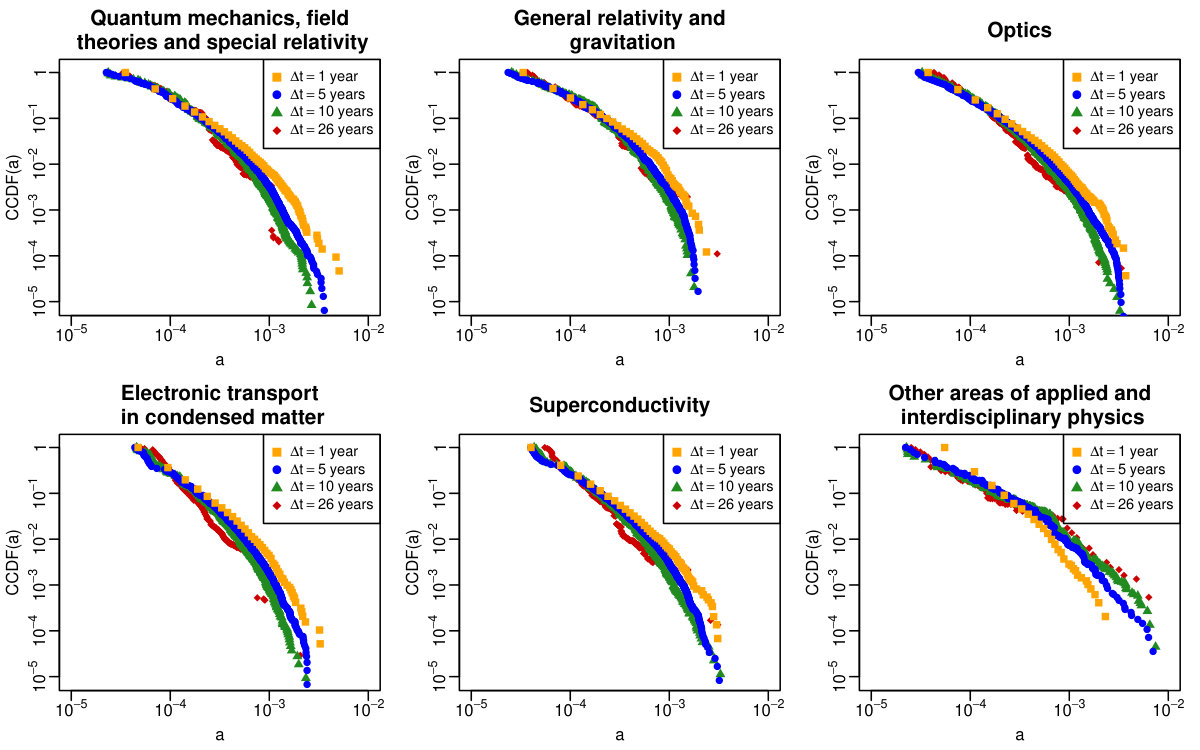 Figure 1
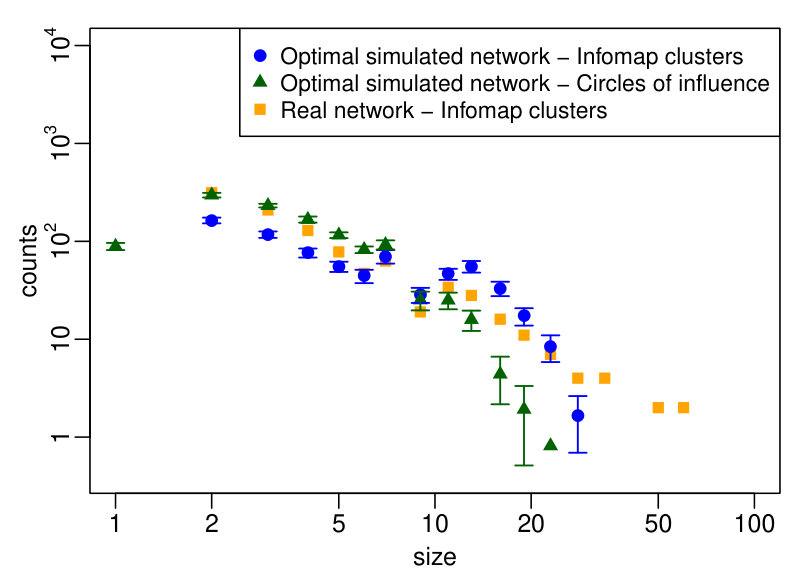 Figure 2
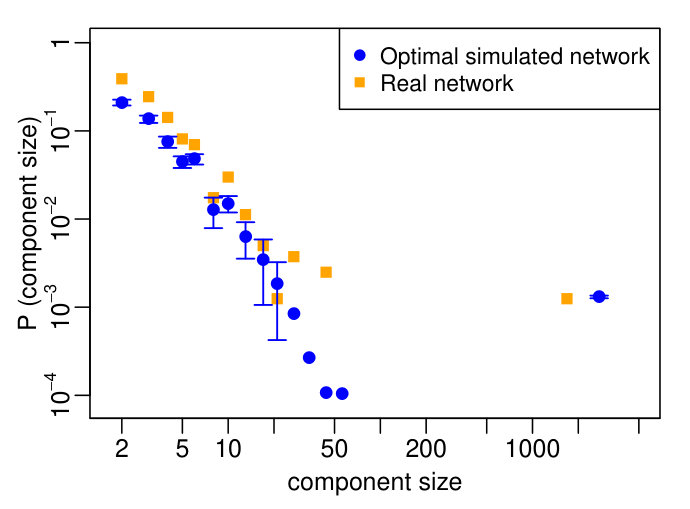 Figure 3
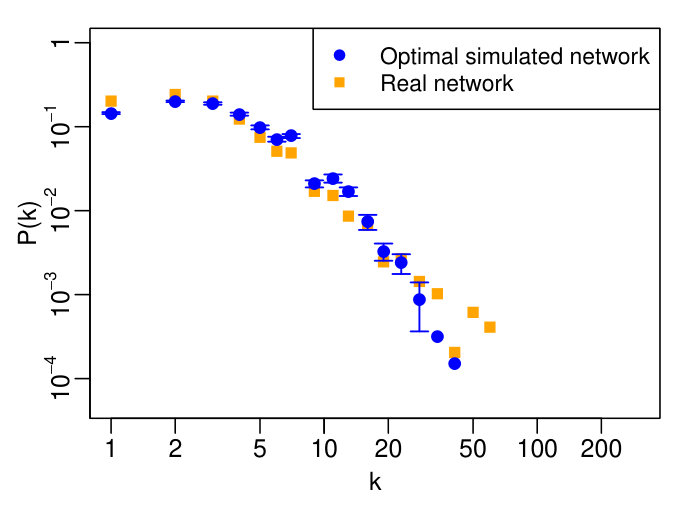 Figure 4
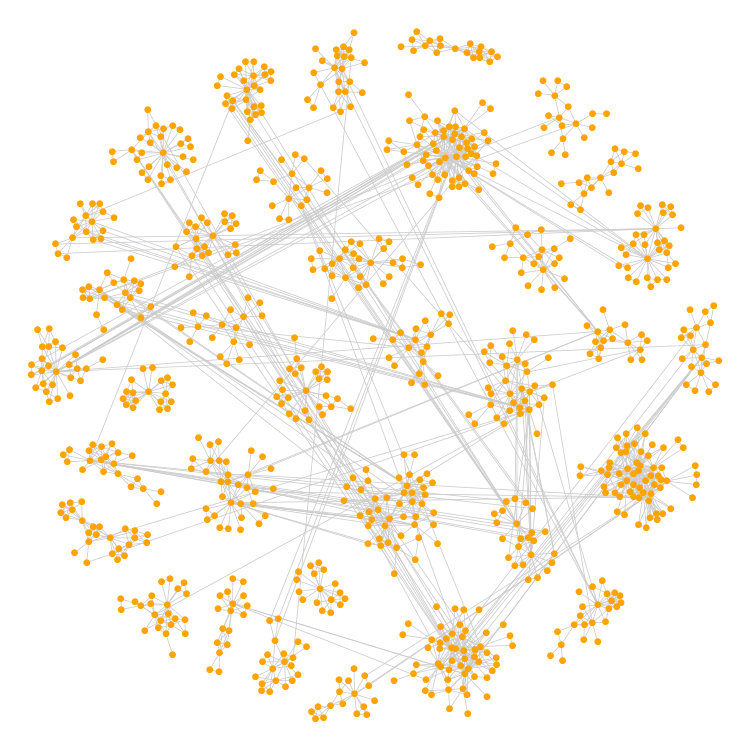 Figure 5
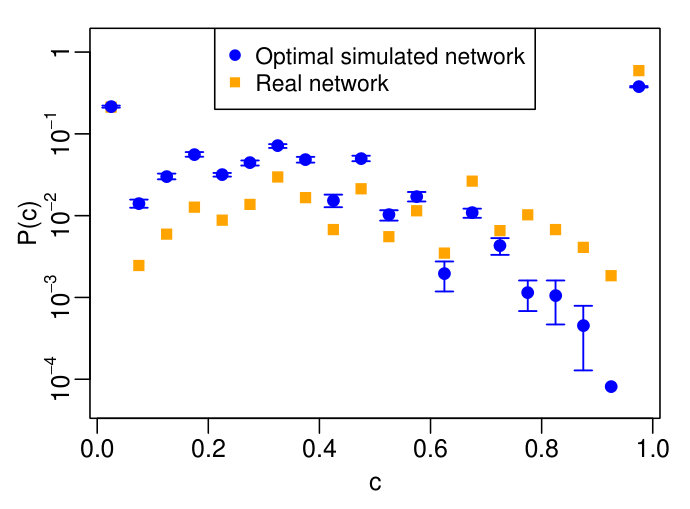 Figure 6
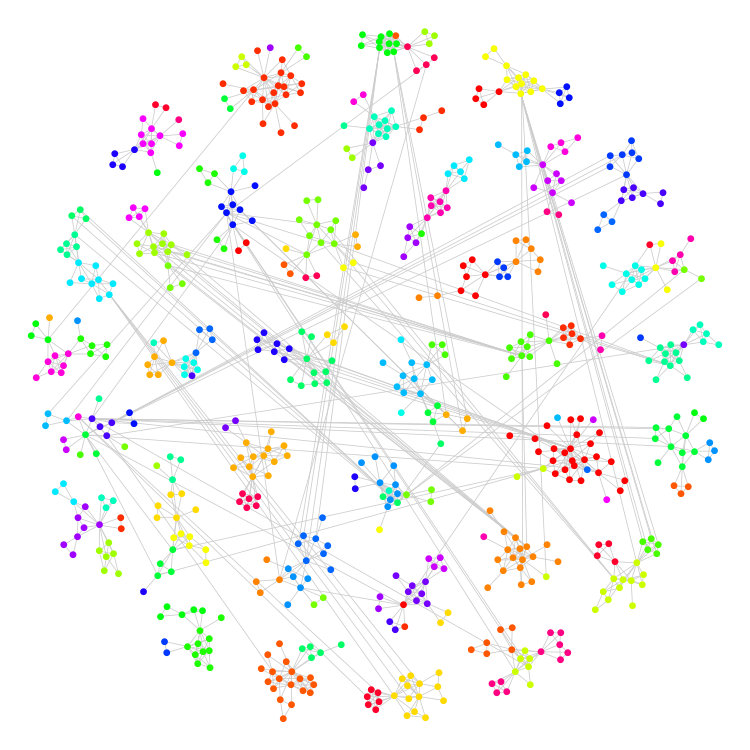 Figure 7
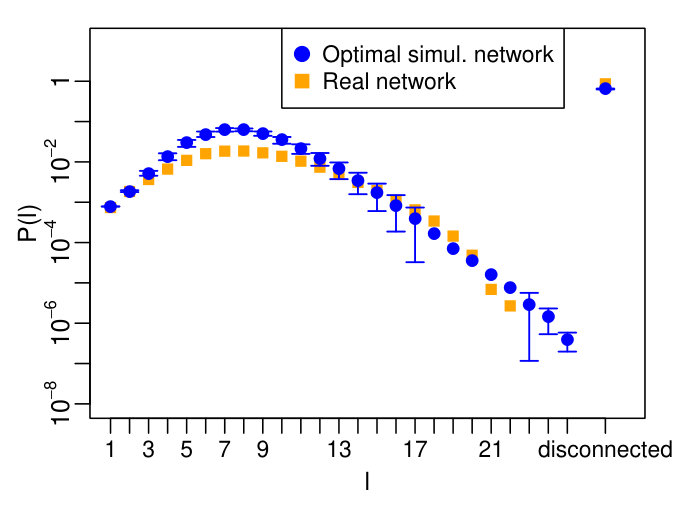 Figure 8
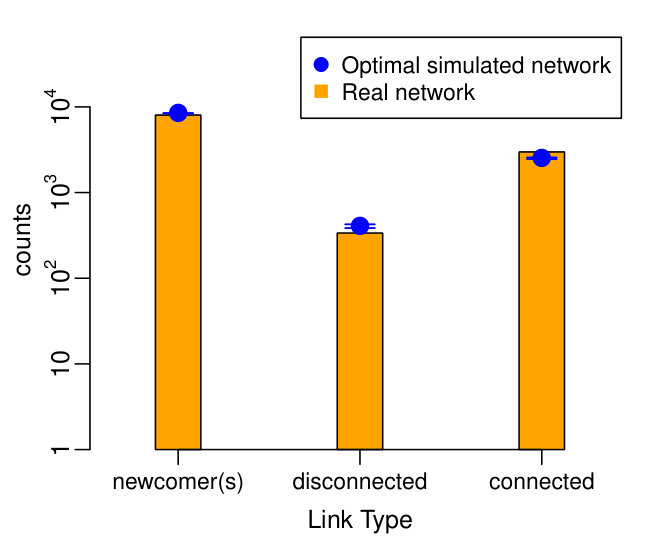 Figure 9
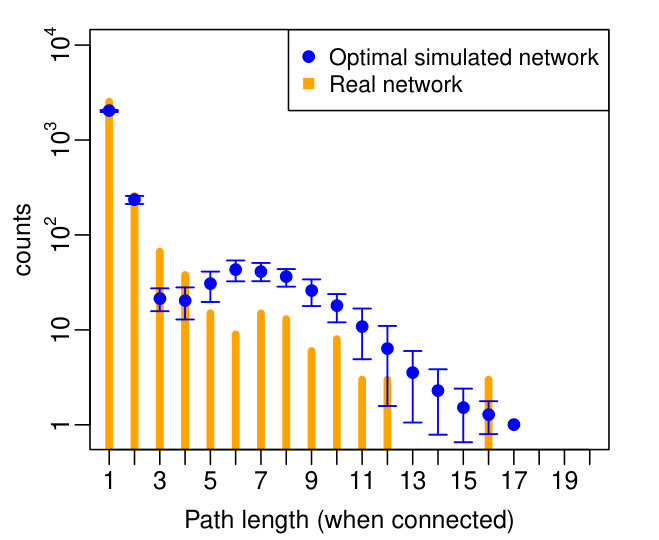 Figure 10
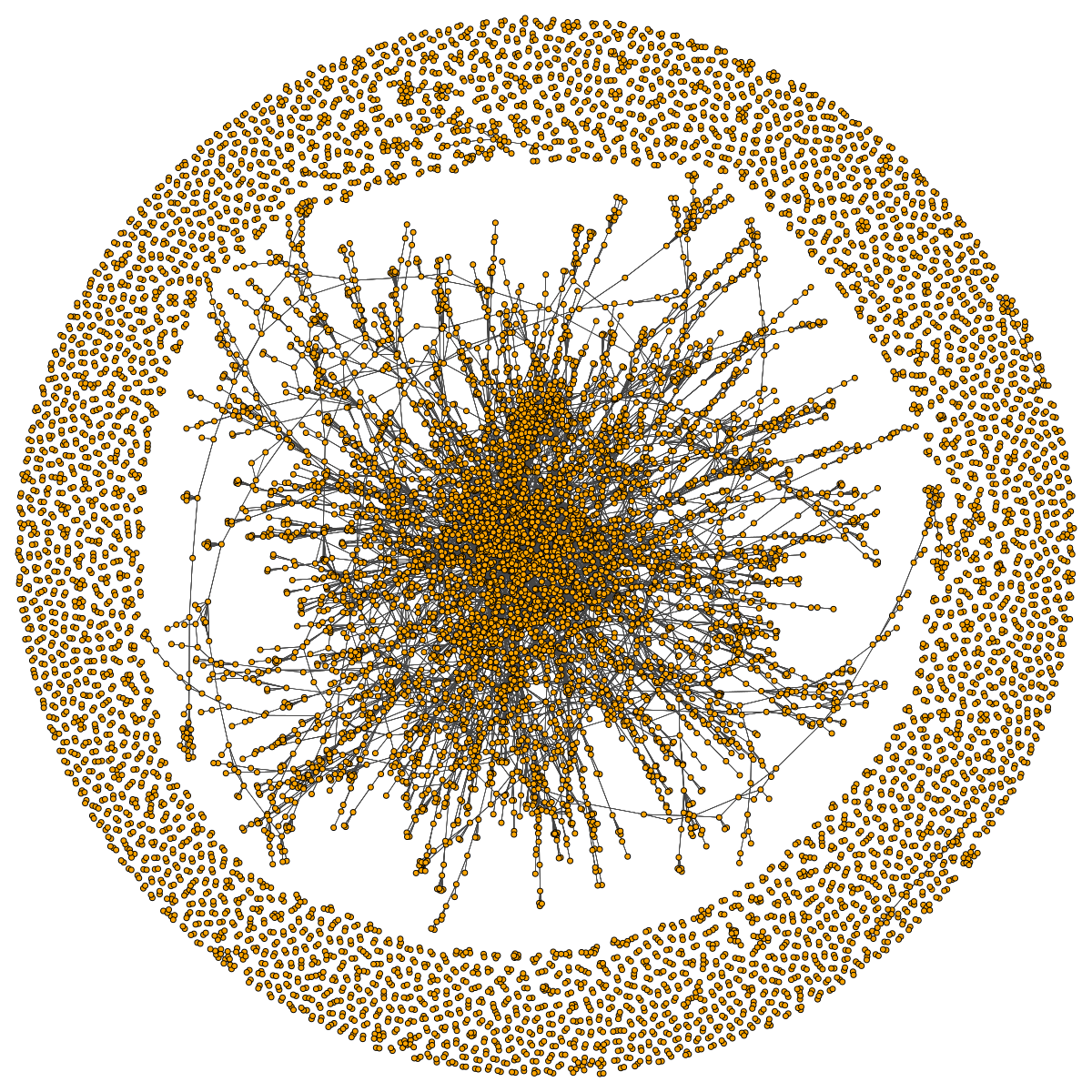 Figure 11
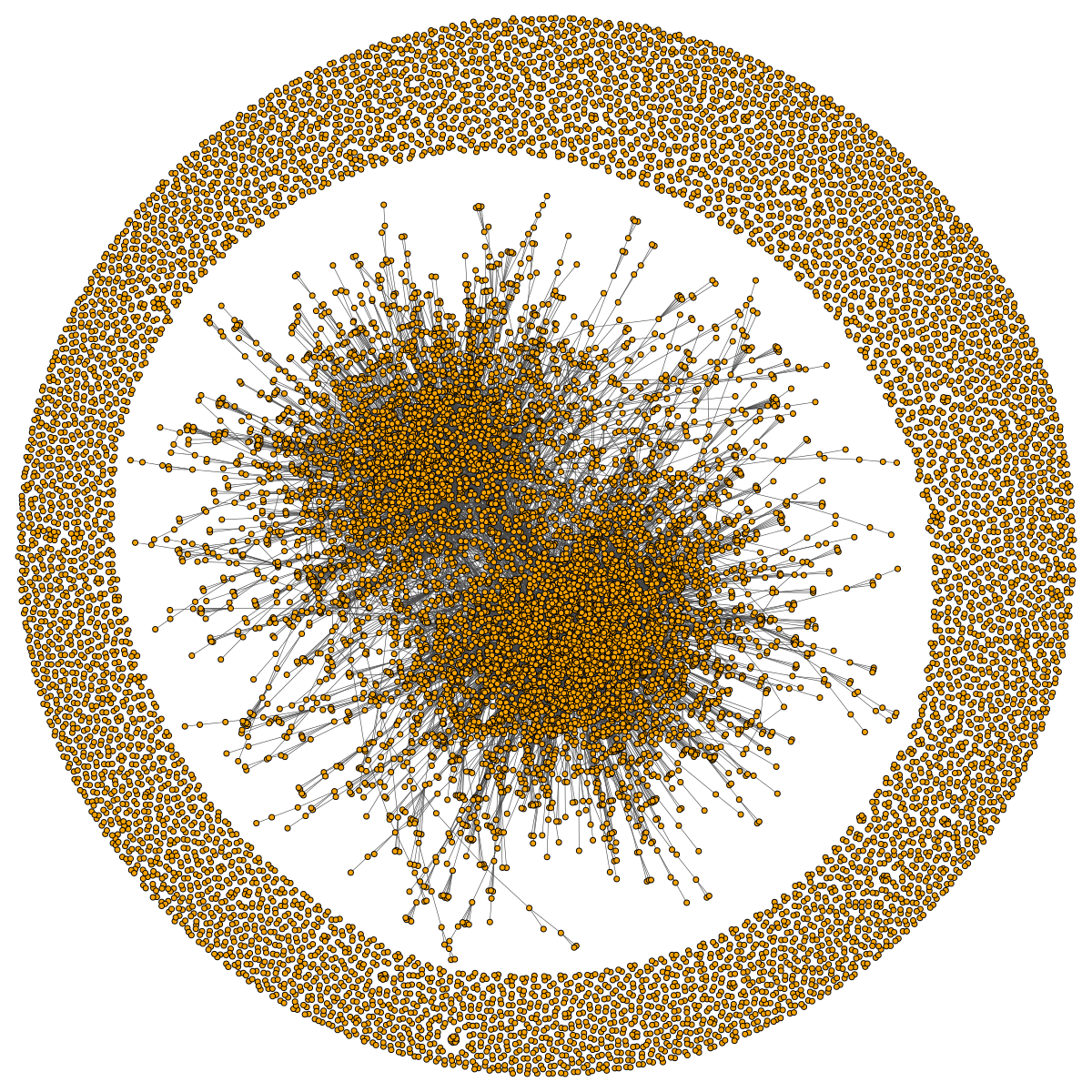 Figure 12
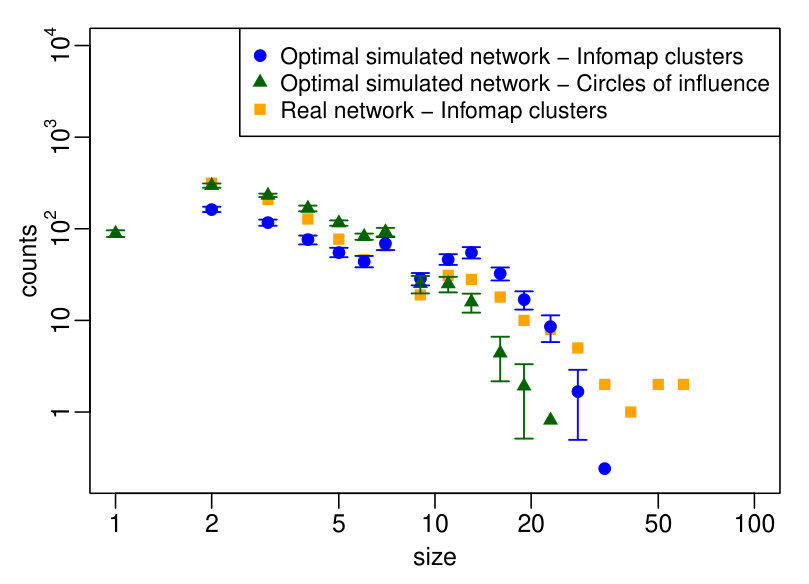 Figure 13
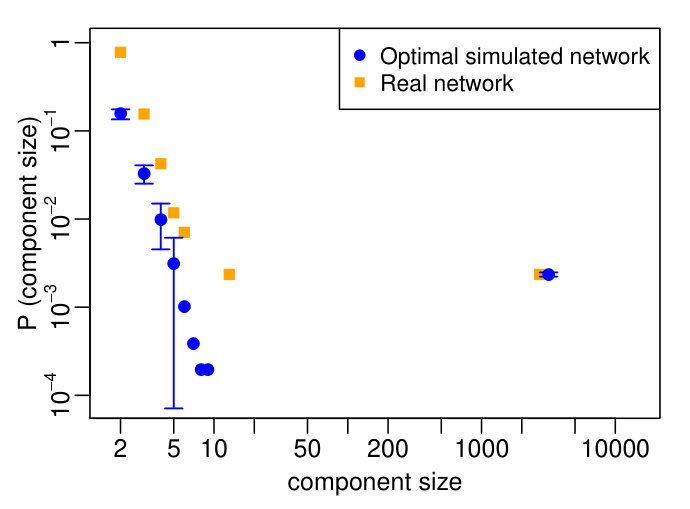 Figure 14
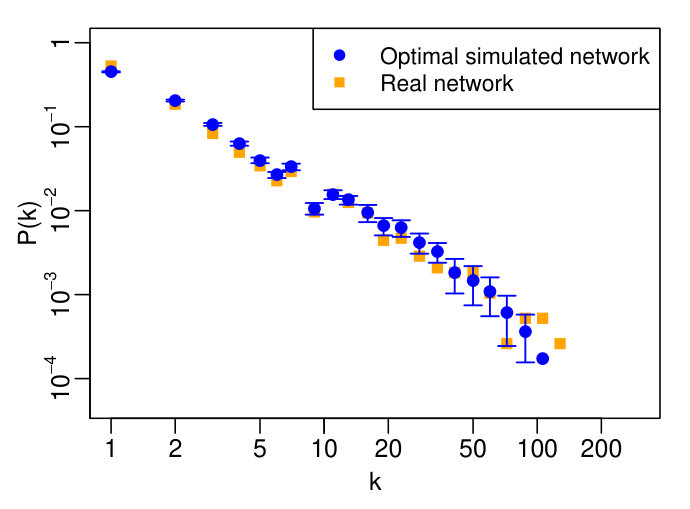 Figure 15
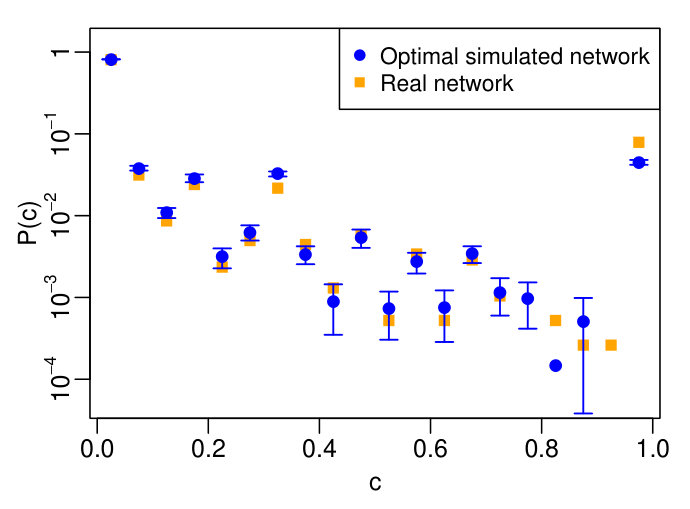 Figure 16
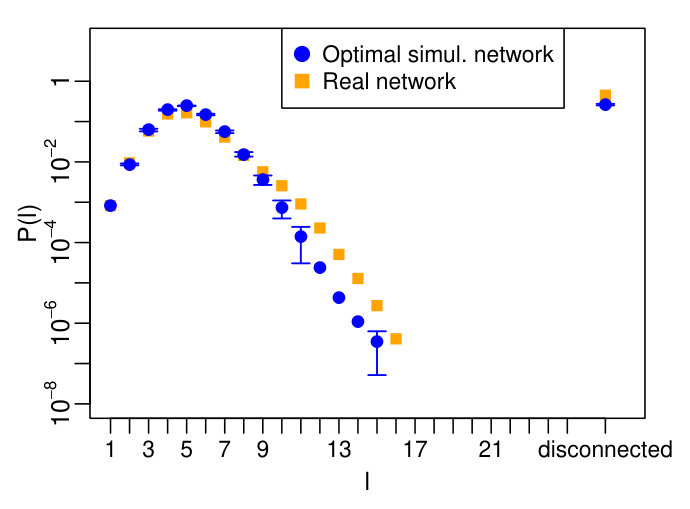 Figure 17
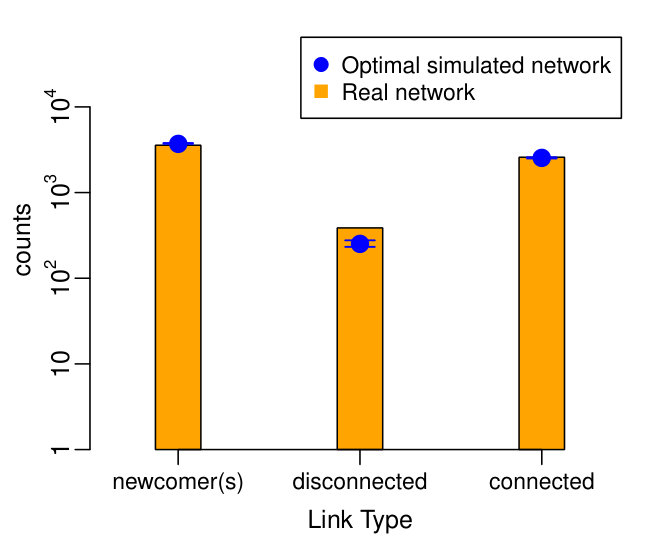 Figure 18
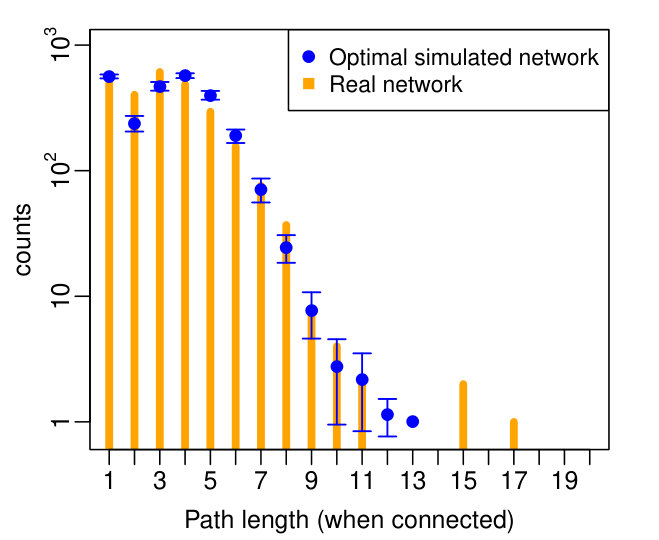 Figure 19
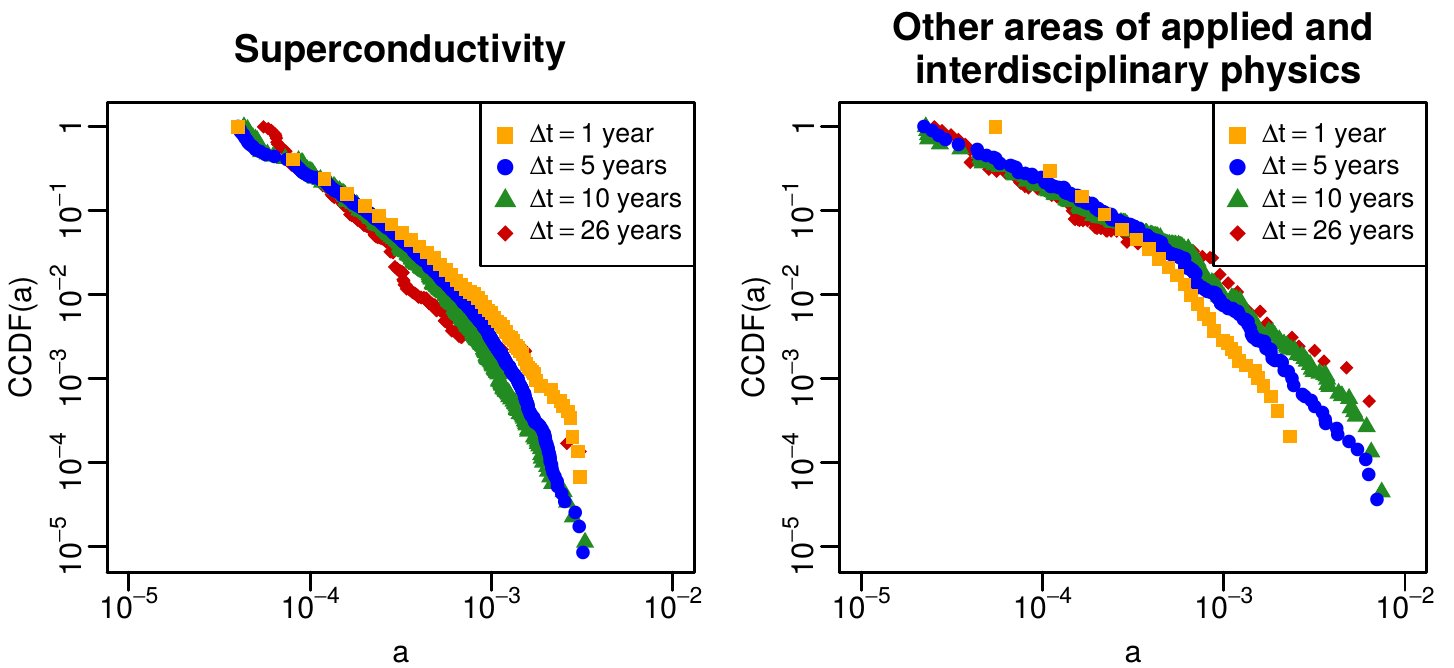 Figure 20
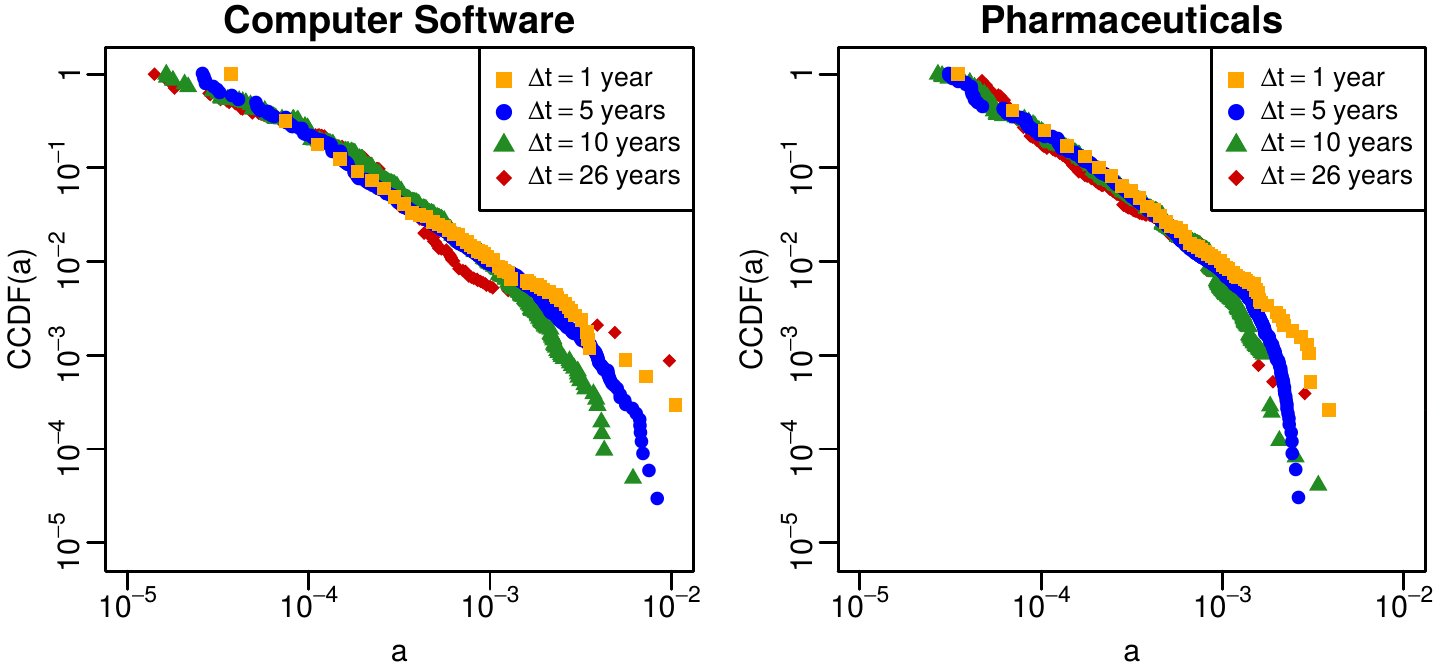 Figure 21
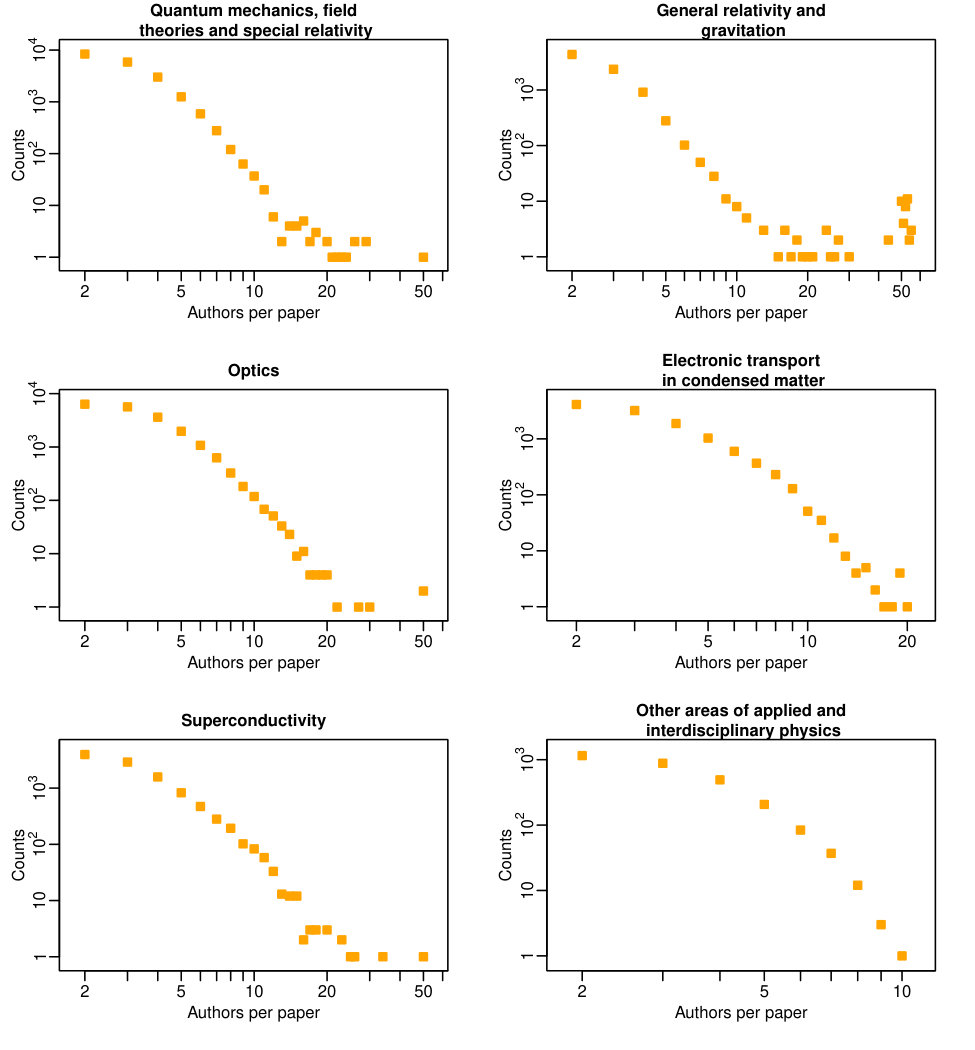 Figure 22
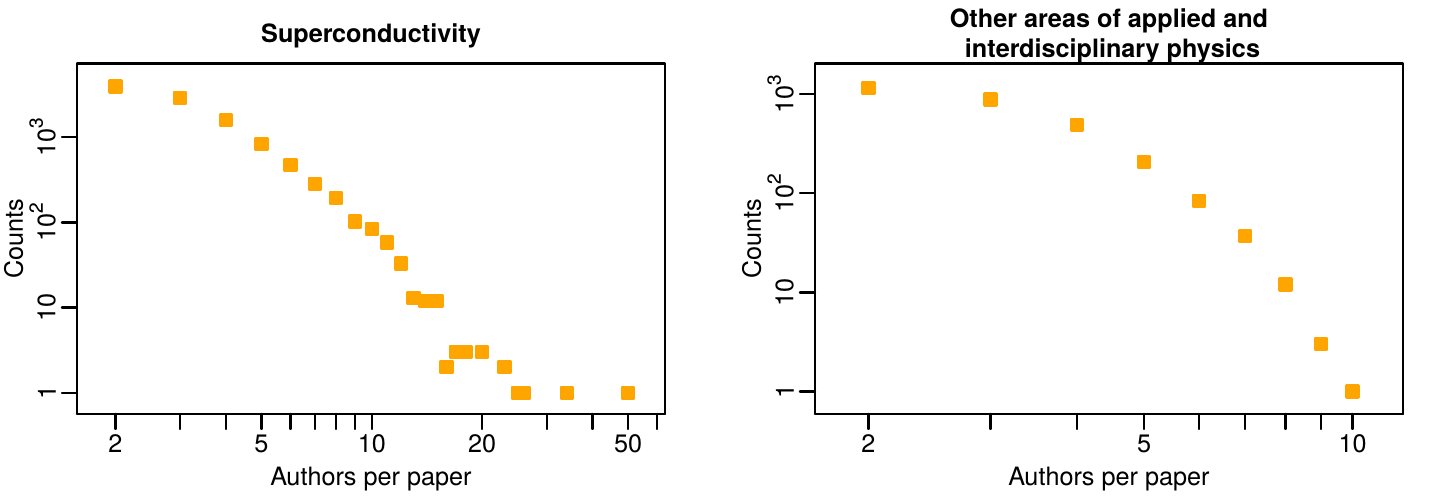 Figure 23
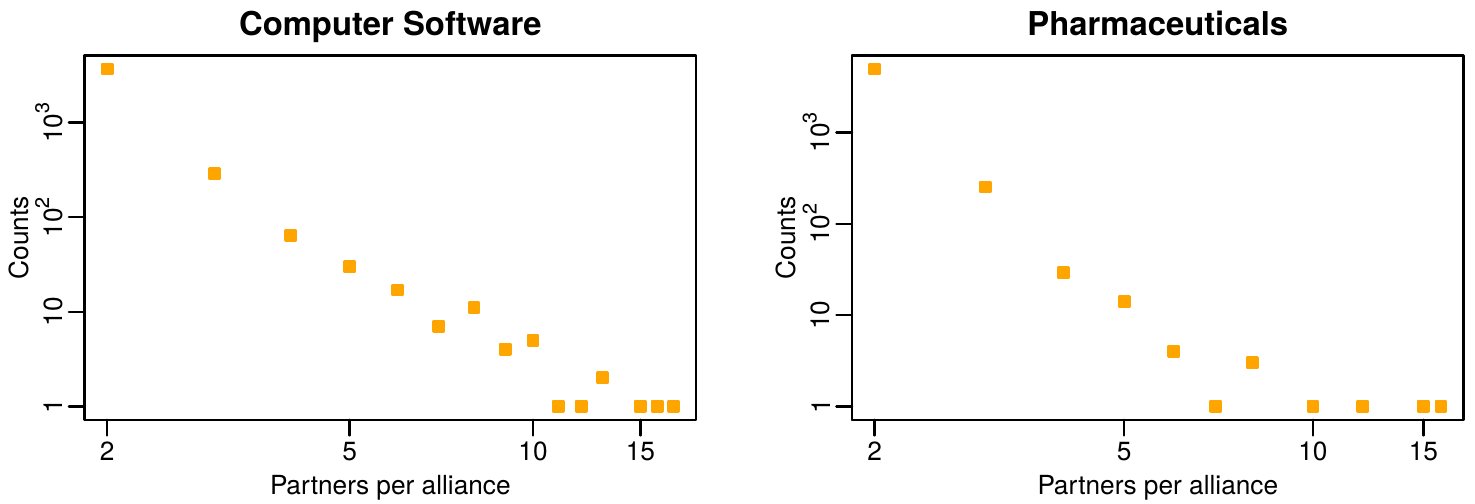 Figure 24
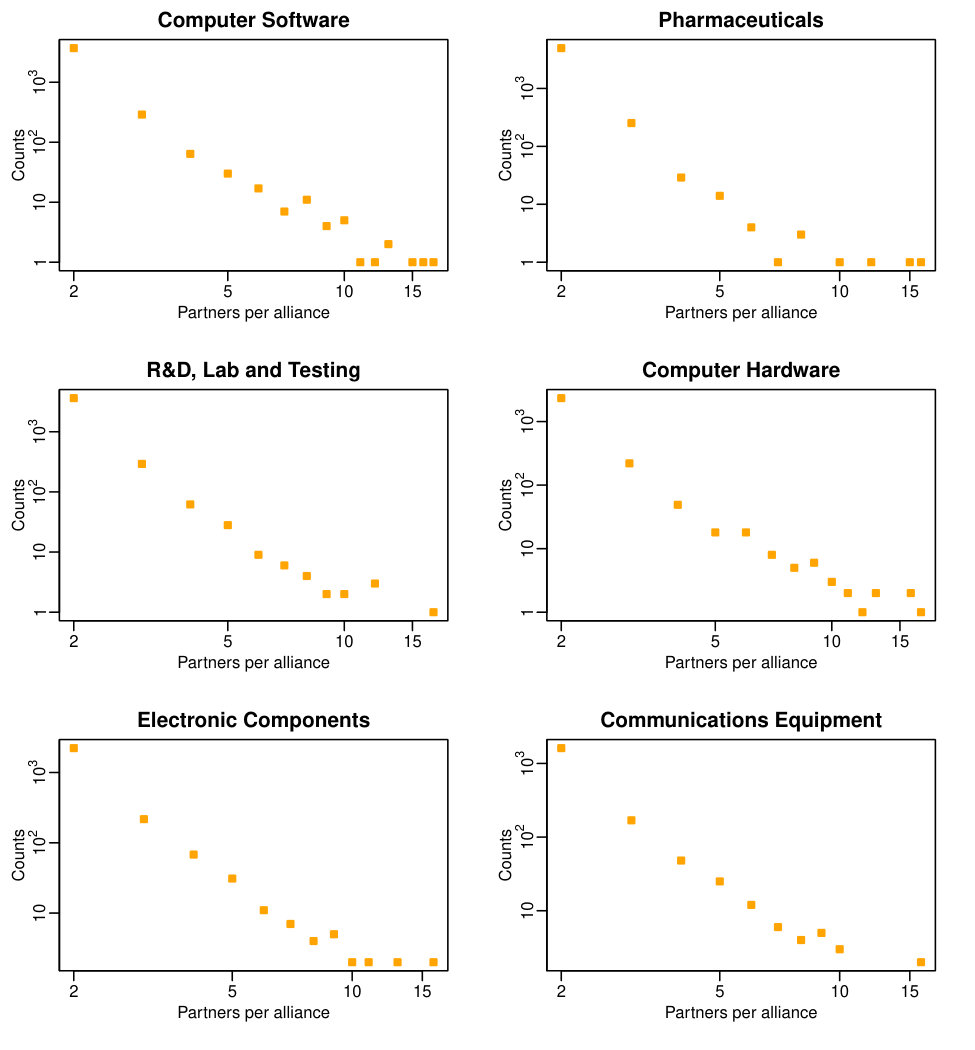 Figure 25
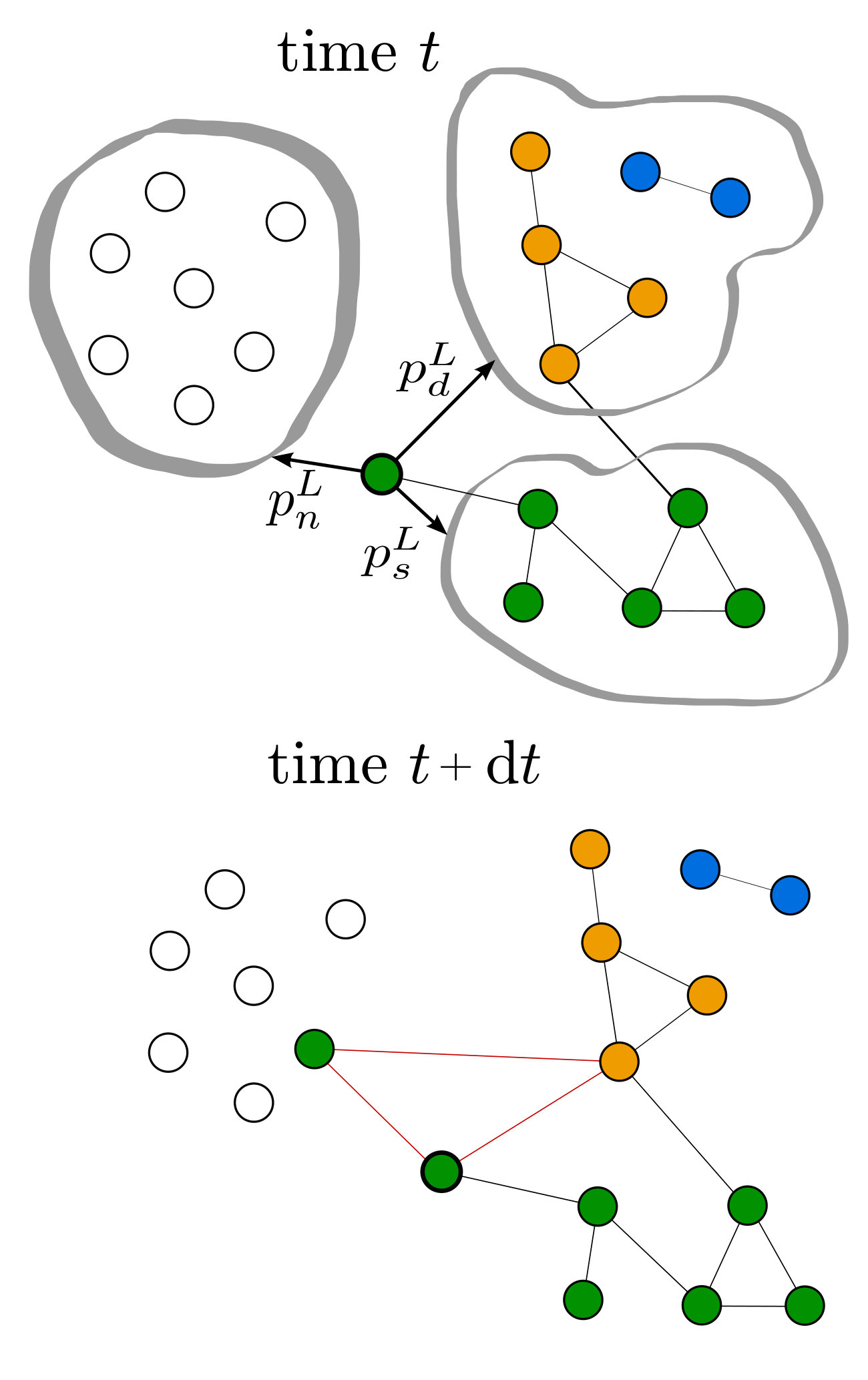 Figure 26
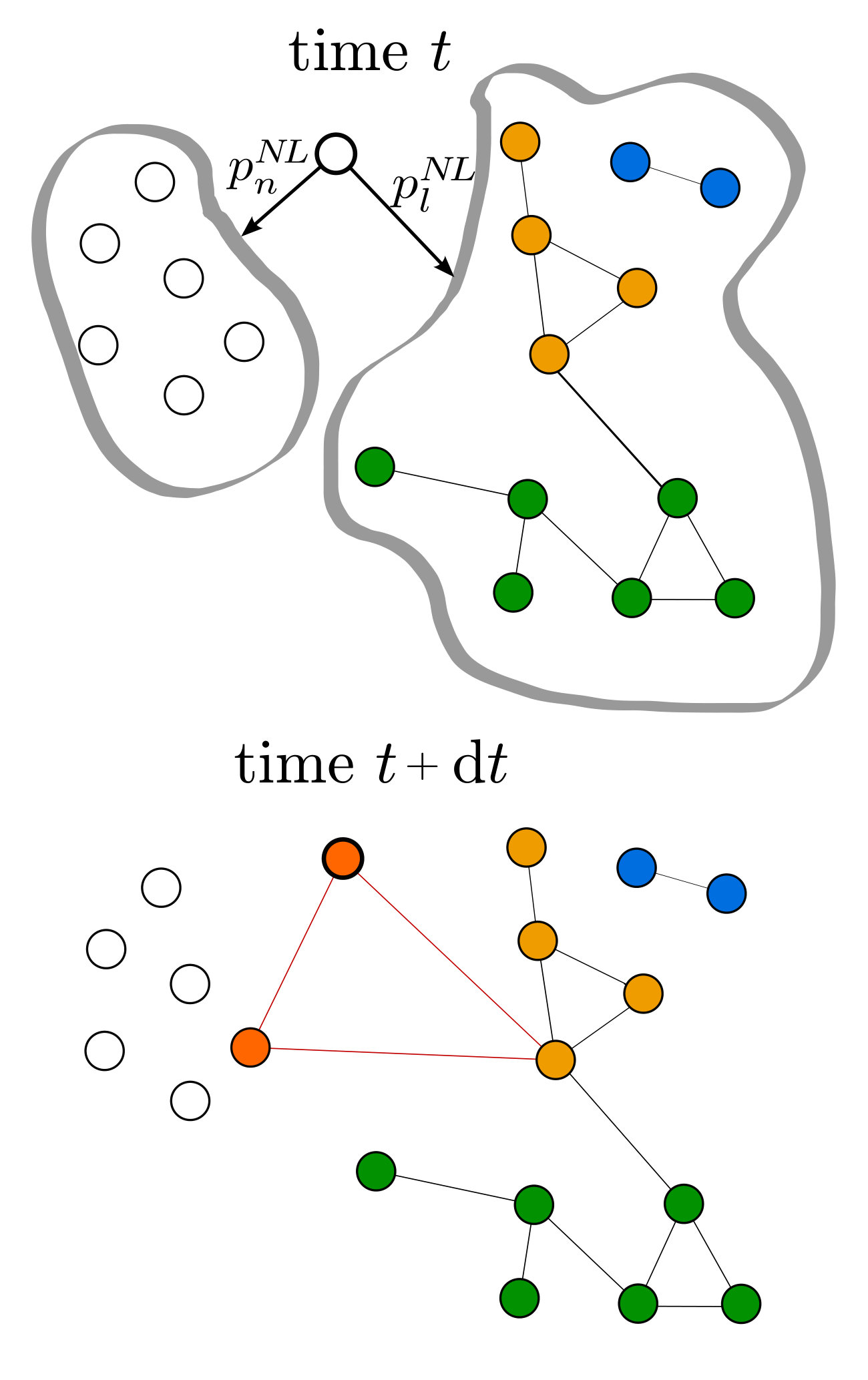 Figure 27
Peer Reviews
No public reviews on file for this paper yet. If you reviewed it on a platform where reviews are public (OpenReview, ICLR, NeurIPS, ICML), you can paste yours below so the community can read it here.
Videos
No videos yet. Explain this paper in a talk, walkthrough, or lecture? Add one.