The Effects of Inequality, Density, and Heterogeneous Residential Preferences on Urban Displacement and Metropolitan Structure: An Agent-Based Model
Geoff Boeing

TL;DR
This paper introduces an agent-based model to explore how inequality, density, and diverse preferences influence urban displacement and gentrification, revealing complex dynamics of settlement growth and resident displacement.
Contribution
It presents a novel agent-based simulation capturing the interplay of socioeconomic factors and amenities in urban displacement and structure formation.
Findings
Displacement occurs as land values rise with densification.
High-income residents tend to cluster around amenities regardless of direct use.
Urban displacement dynamics are sensitive to inequality and amenity preferences.
Abstract
Urban displacement - when a household is forced to relocate due to conditions affecting its home or surroundings - often results from rising housing costs, particularly in wealthy, prosperous cities. However, its dynamics are complex and often difficult to understand. This paper presents an agent-based model of urban settlement, agglomeration, displacement, and sprawl. New settlements form around a spatial amenity that draws initial, poor settlers to subsist on the resource. As the settlement grows, subsequent settlers of varying income, skills, and interests are heterogeneously drawn to either the original amenity or to the emerging human agglomeration. As this agglomeration grows and densifies, land values increase, and the initial poor settlers are displaced from the spatial amenity on which they relied. Through path dependence, high-income residents remain clustered around this…
Click any figure to enlarge with its caption.
 Figure 1
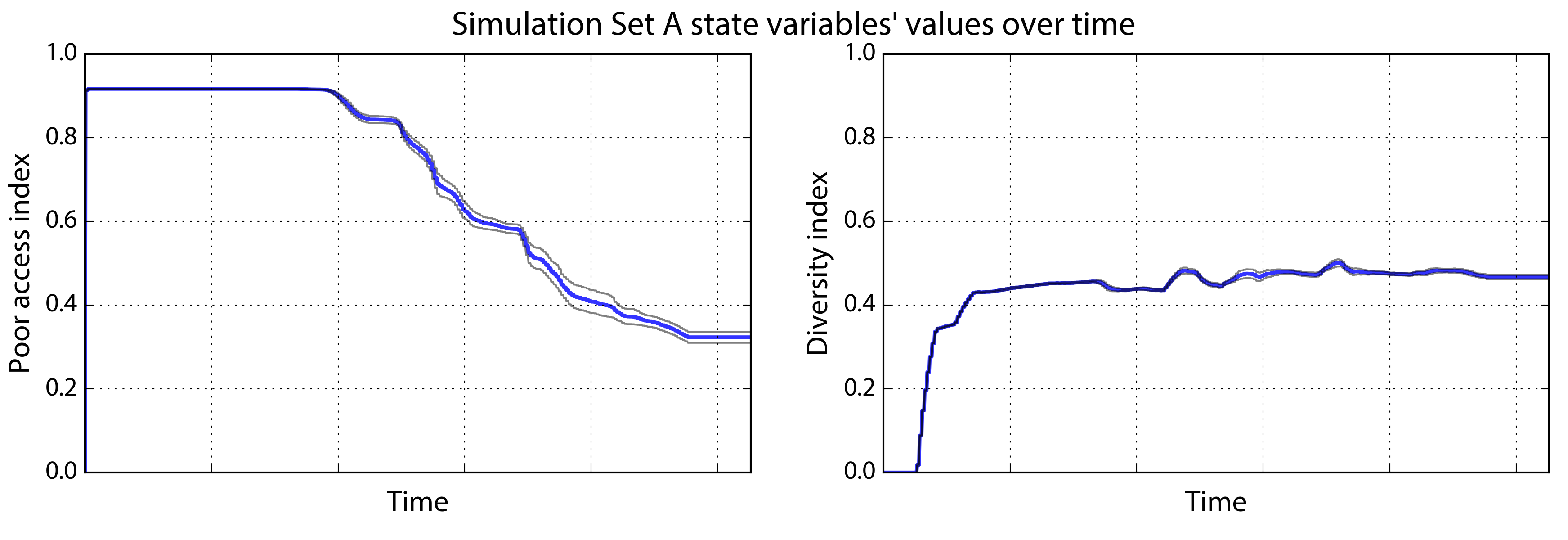 Figure 2
 Figure 3
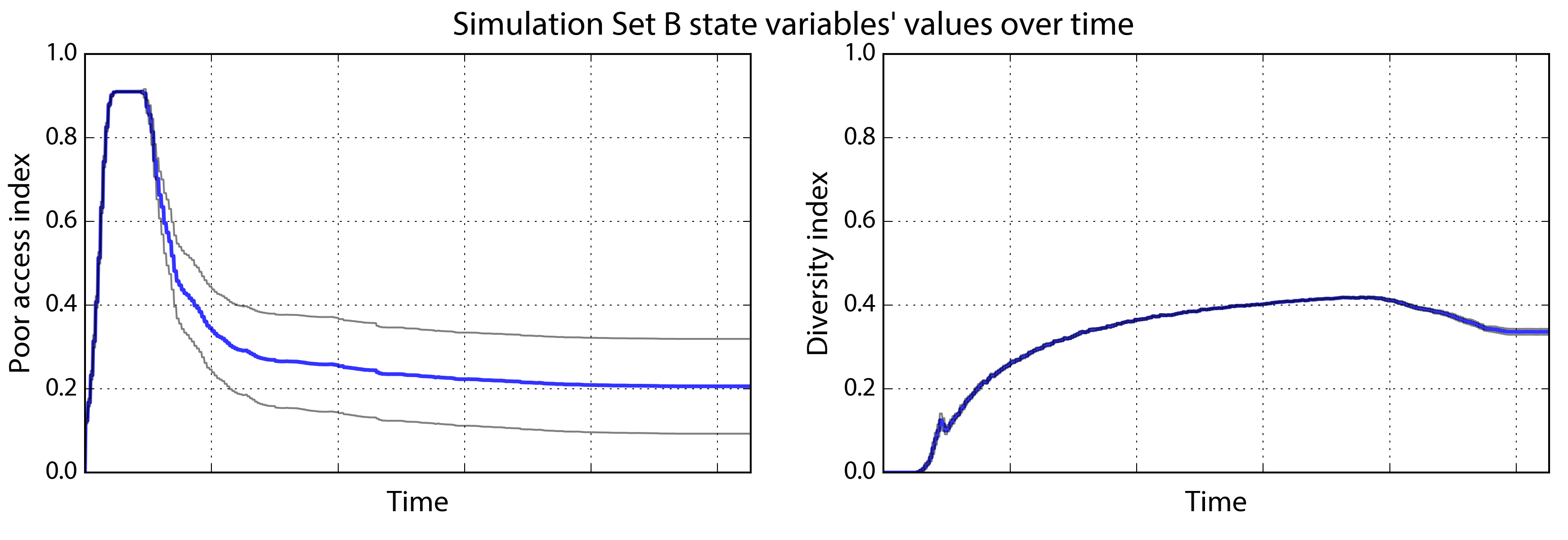 Figure 4
 Figure 5
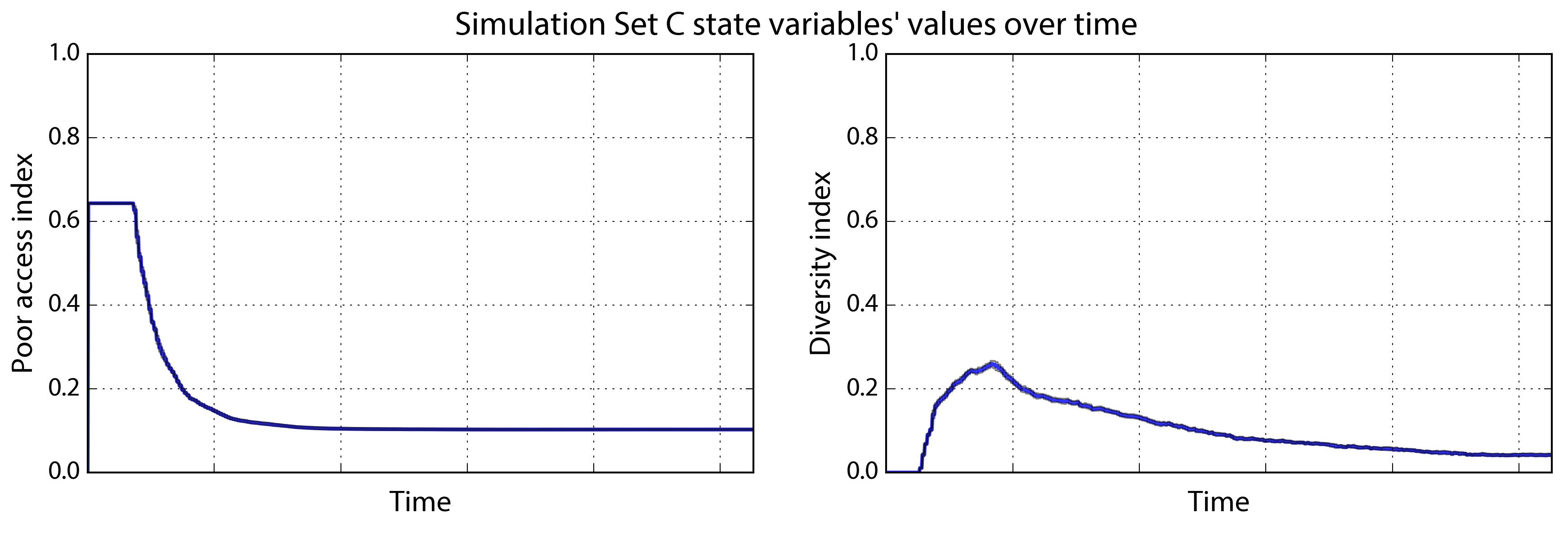 Figure 6
 Figure 7
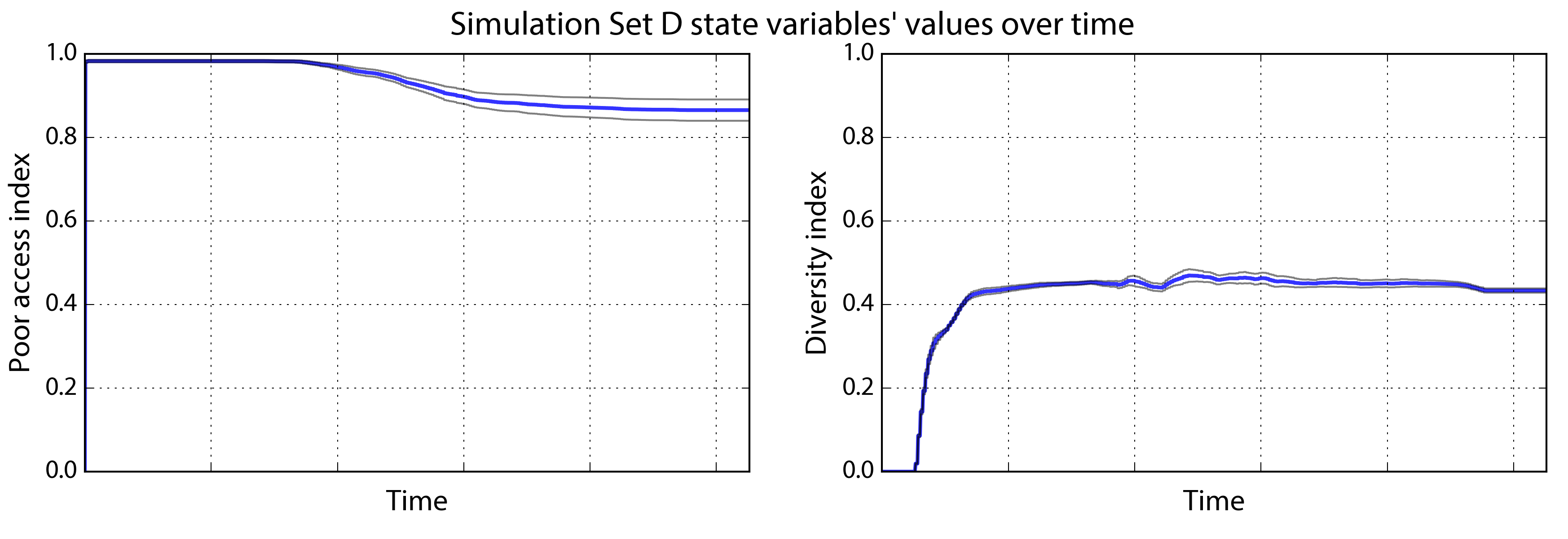 Figure 8
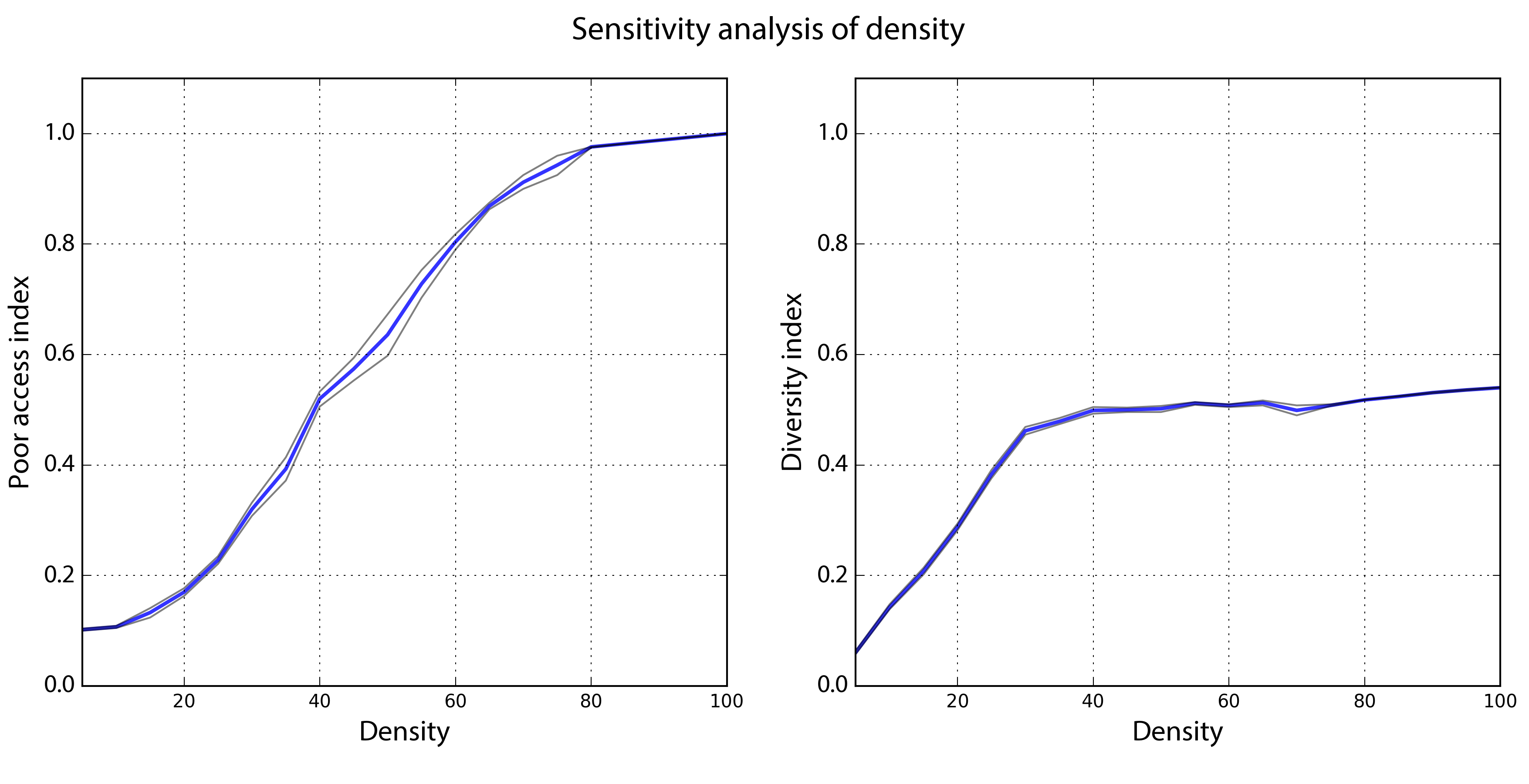 Figure 9
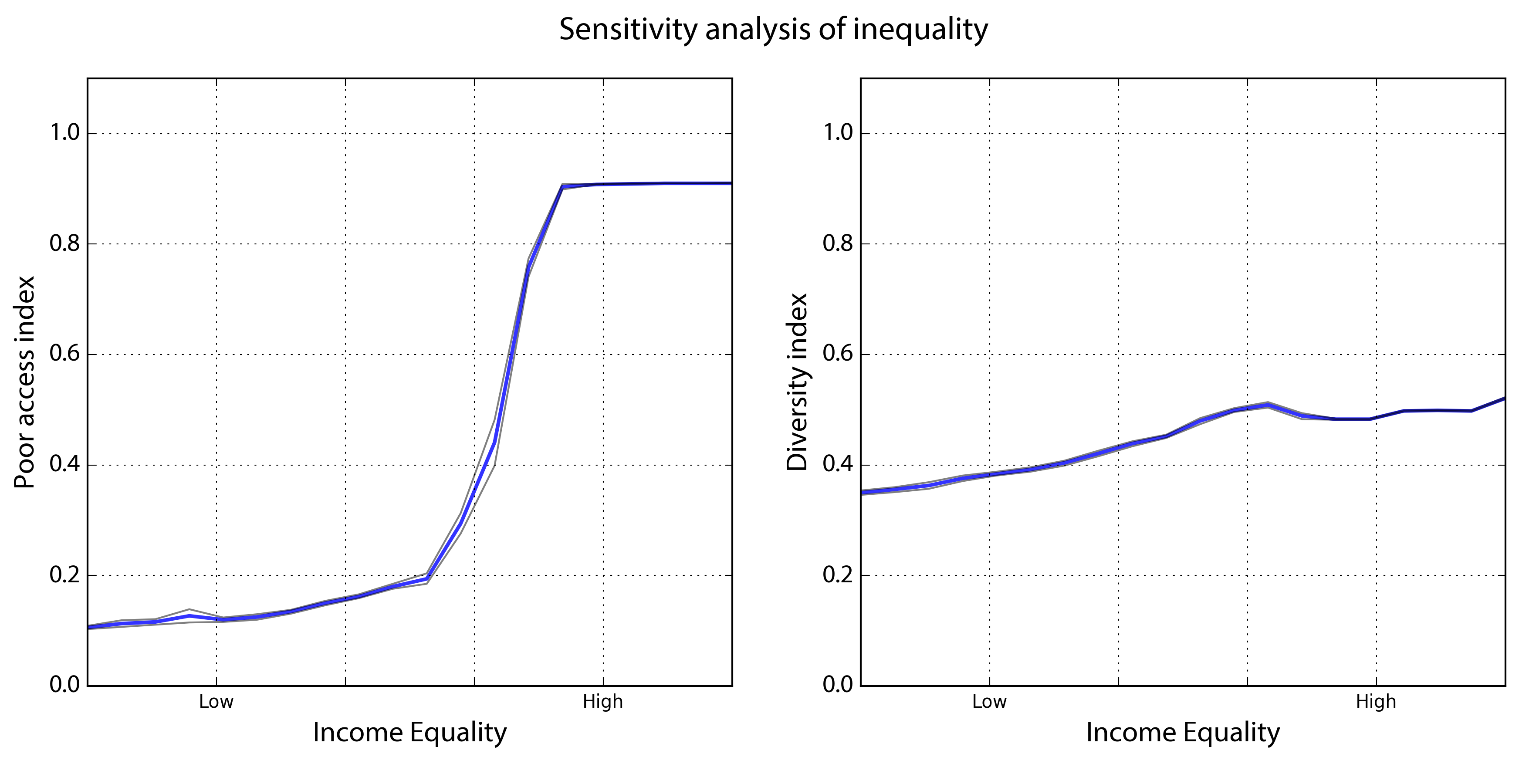 Figure 10
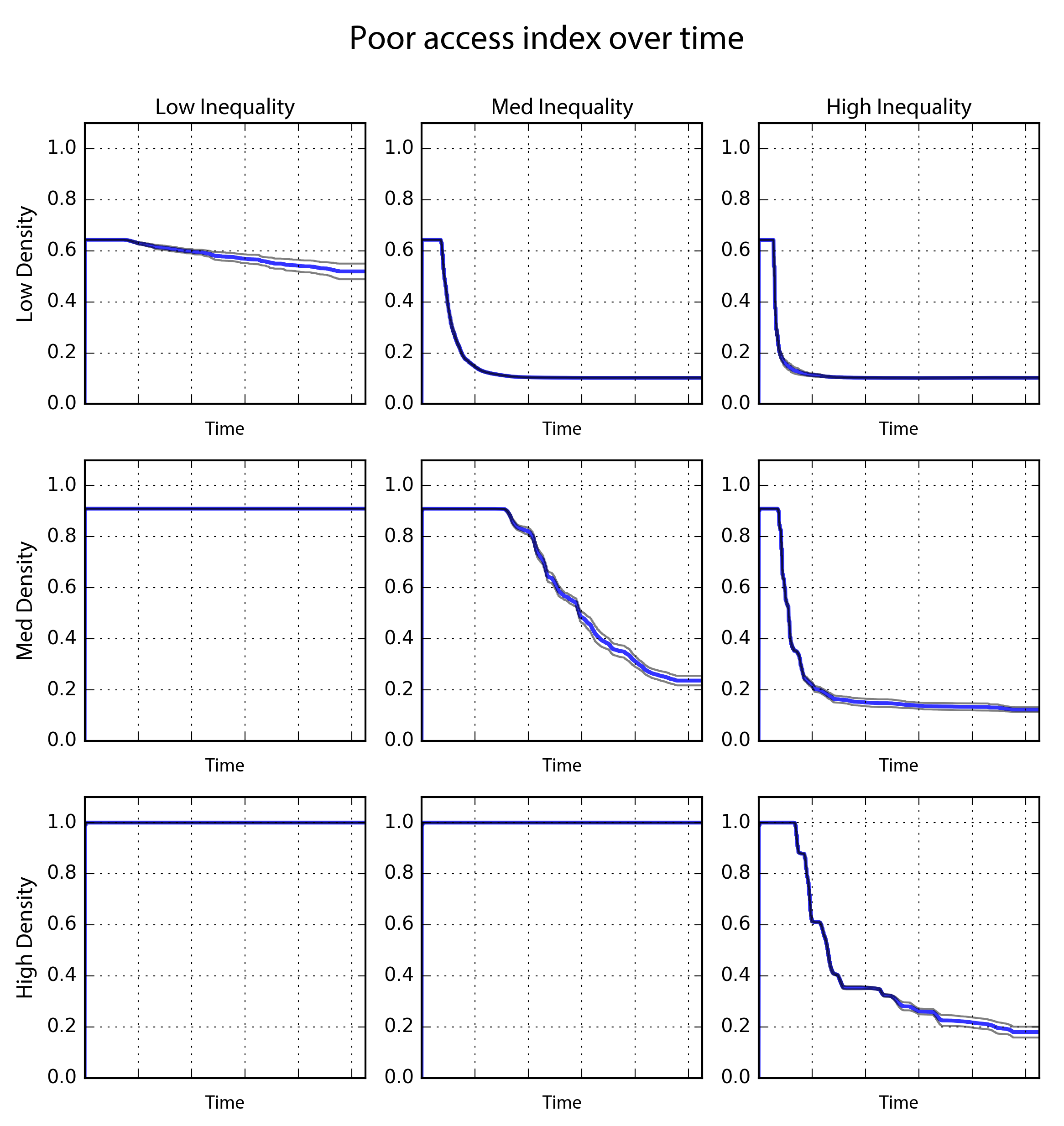 Figure 11
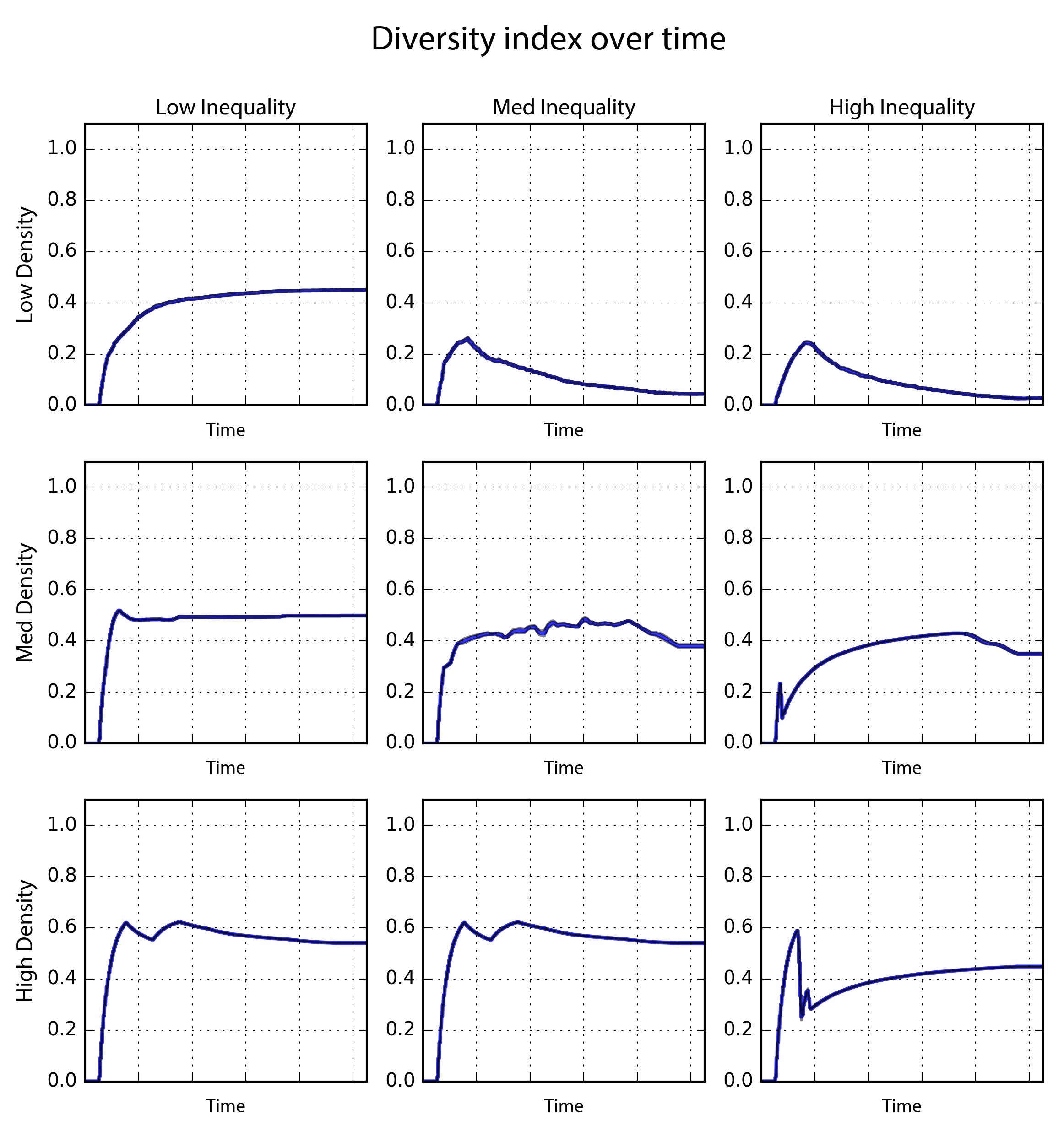 Figure 12
Peer Reviews
No public reviews on file for this paper yet. If you reviewed it on a platform where reviews are public (OpenReview, ICLR, NeurIPS, ICML), you can paste yours below so the community can read it here.
Videos
No videos yet. Explain this paper in a talk, walkthrough, or lecture? Add one.