Optimal Service Elasticity in Large-Scale Distributed Systems
Debankur Mukherjee, Souvik Dhara, Sem Borst, and Johan S. H. van, Leeuwaarden

TL;DR
This paper introduces a scalable, distributed auto-scaling and load balancing scheme for large-scale data centers that achieves near-optimal performance without global queue information, significantly reducing communication overhead.
Contribution
It proposes a novel joint auto-scaling and load balancing method that is distributed, does not require global queue data, and guarantees asymptotic optimality in delay and energy efficiency.
Findings
Achieves asymptotic optimality in delay and energy consumption.
Vanishing task waiting time and energy waste in the limit.
Operates with constant communication overhead per task.
Abstract
A fundamental challenge in large-scale cloud networks and data centers is to achieve highly efficient server utilization and limit energy consumption, while providing excellent user-perceived performance in the presence of uncertain and time-varying demand patterns. Auto-scaling provides a popular paradigm for automatically adjusting service capacity in response to demand while meeting performance targets, and queue-driven auto-scaling techniques have been widely investigated in the literature. In typical data center architectures and cloud environments however, no centralized queue is maintained, and load balancing algorithms immediately distribute incoming tasks among parallel queues. In these distributed settings with vast numbers of servers, centralized queue-driven auto-scaling techniques involve a substantial communication overhead and major implementation burden, or may not even…
Click any figure to enlarge with its caption.
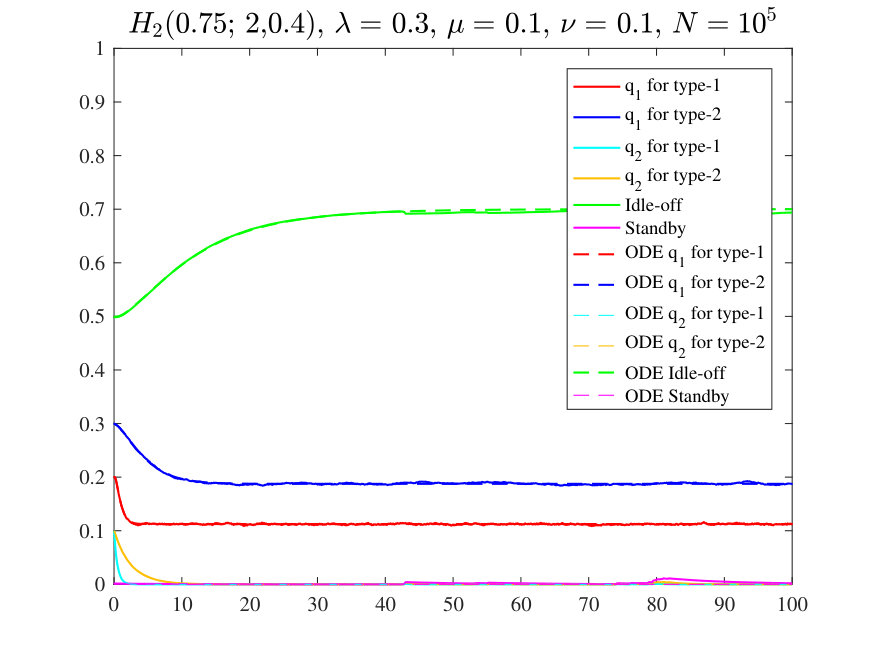 Figure 1
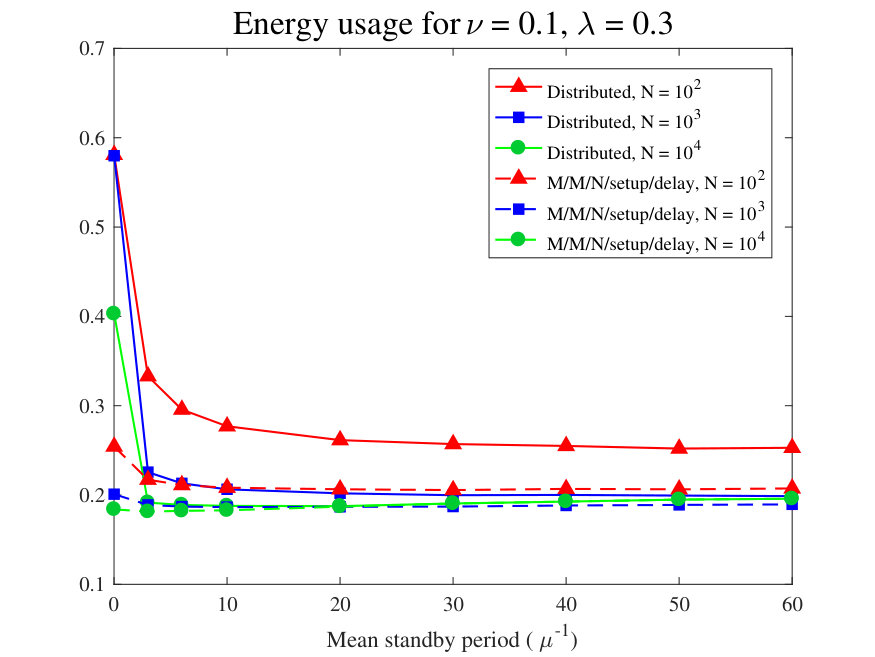 Figure 2
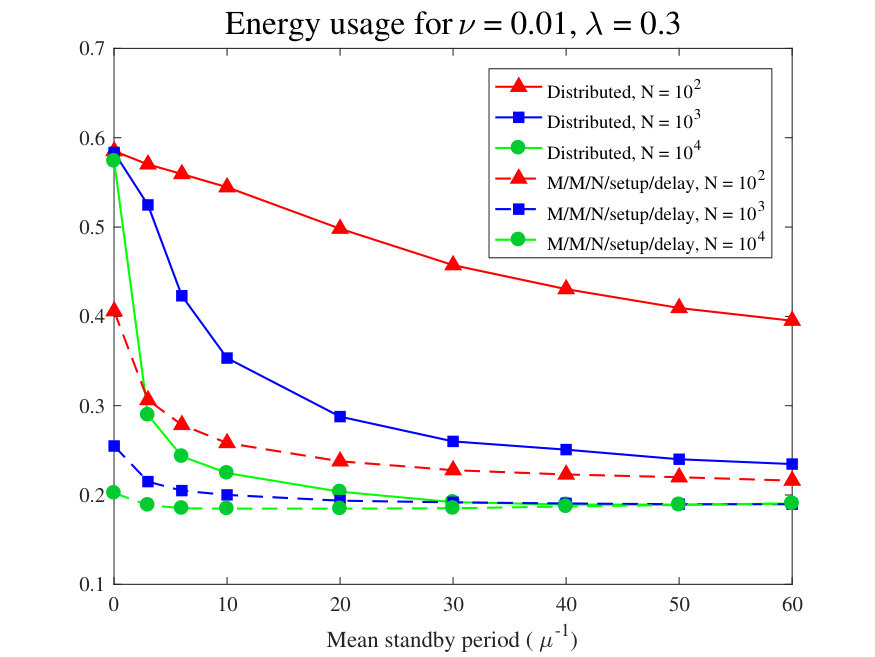 Figure 3
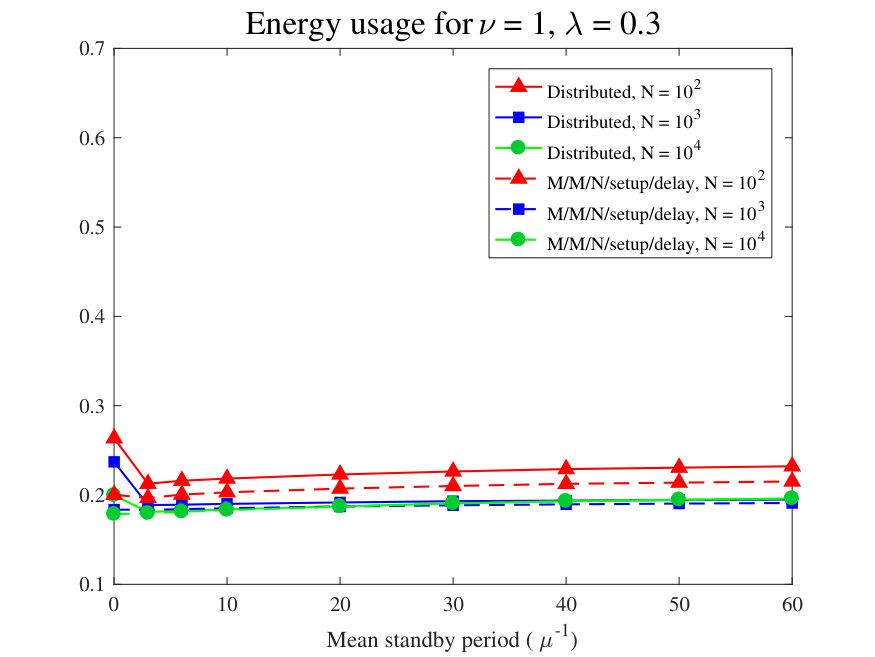 Figure 4
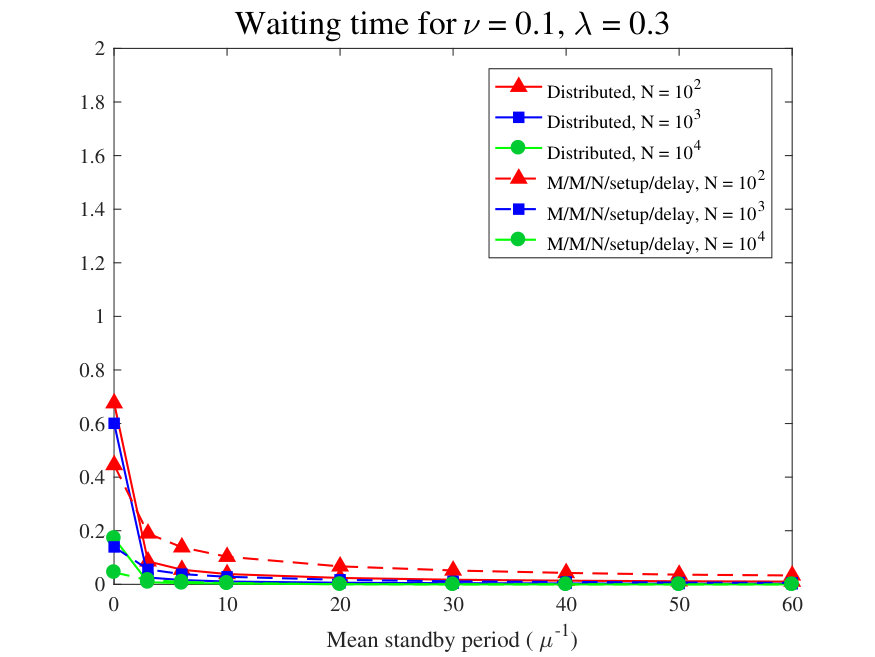 Figure 5
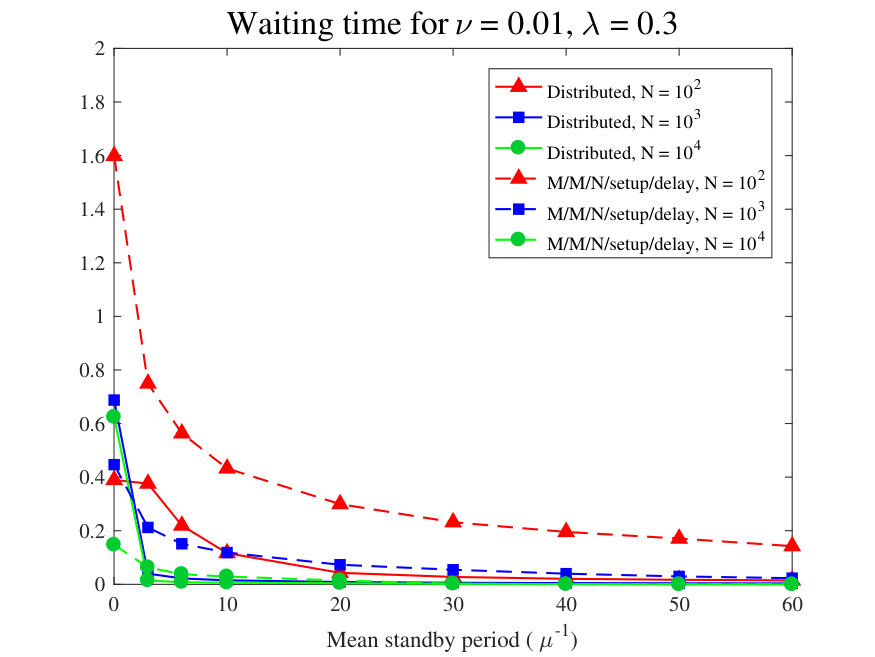 Figure 6
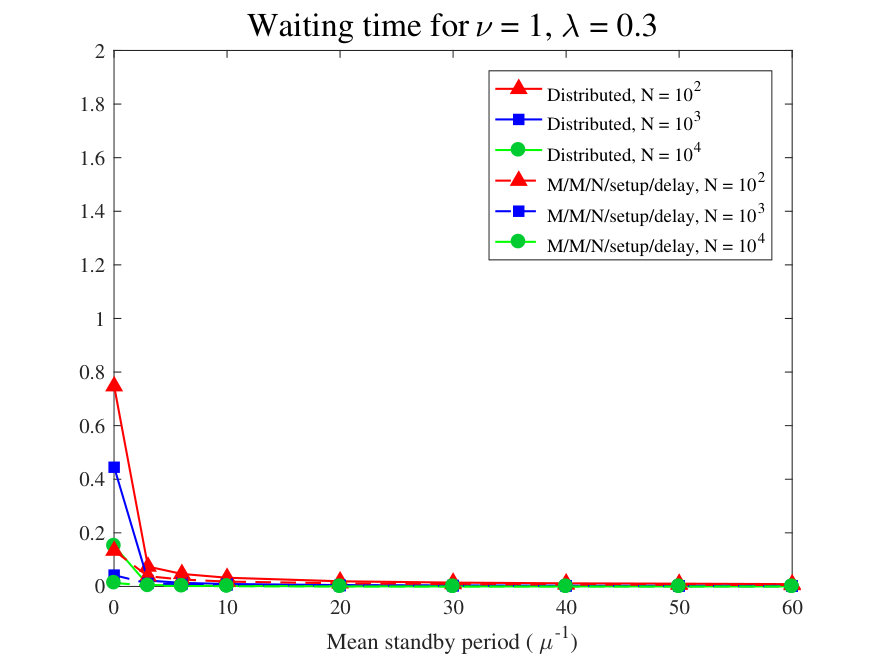 Figure 7
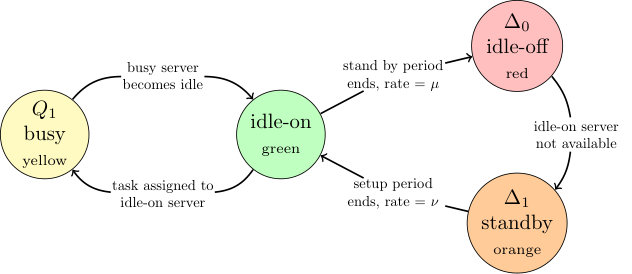 Figure 8
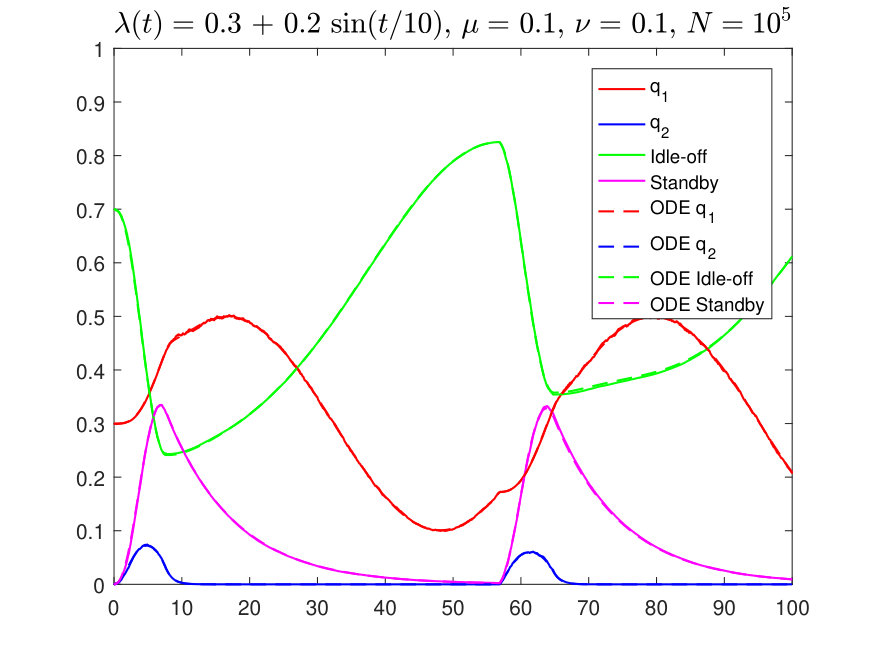 Figure 9
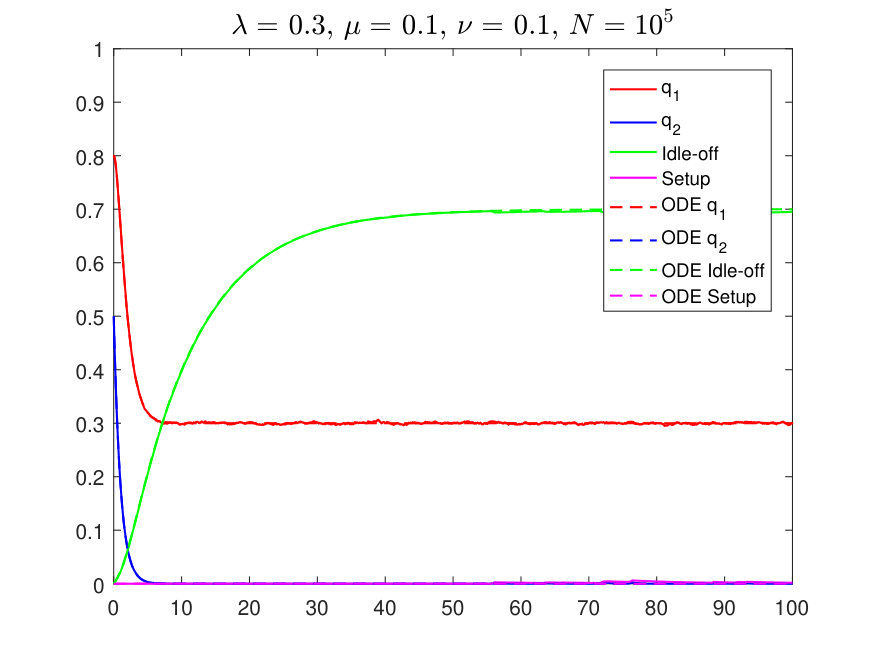 Figure 10
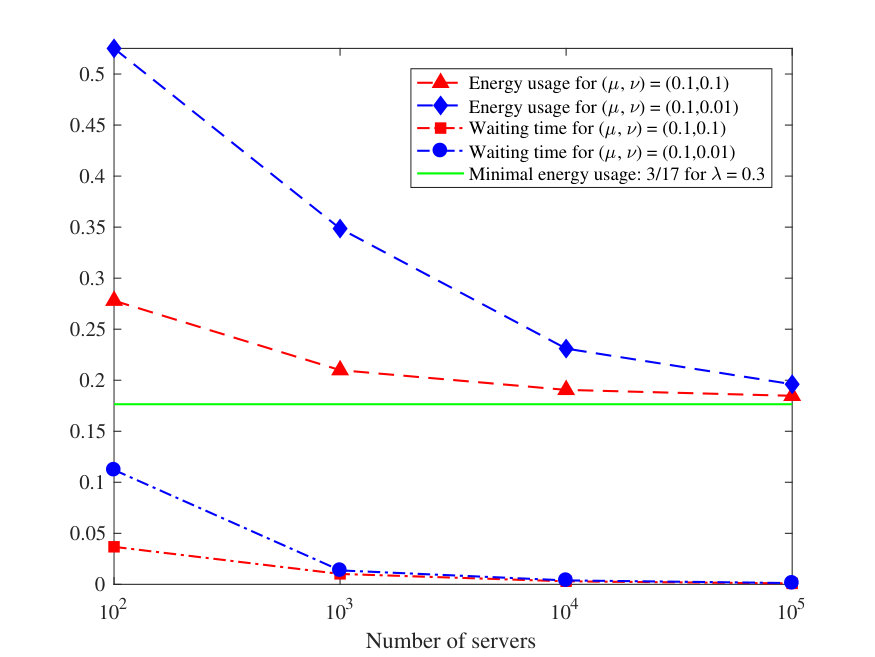 Figure 11
Peer Reviews
No public reviews on file for this paper yet. If you reviewed it on a platform where reviews are public (OpenReview, ICLR, NeurIPS, ICML), you can paste yours below so the community can read it here.
Videos
No videos yet. Explain this paper in a talk, walkthrough, or lecture? Add one.