L lines, C points and Chern numbers: understanding band structure topology using polarization fields
Thomas F\"osel, Vittorio Peano, Florian Marquardt

TL;DR
This paper links topological invariants like the Chern number with polarization singularities such as L lines and C points, offering a new visualization and measurement approach for band structure topology in various physical systems.
Contribution
It establishes a novel connection between topological invariants and polarization singularities, enabling visualization and measurement of Chern numbers through polarization fields.
Findings
Chern number can be expressed as the winding of polarization azimuth along L lines.
Chern number relates to the handedness and index of C points.
Method applies to condensed matter and mechanical systems.
Abstract
Topology has appeared in different physical contexts. The most prominent application is topologically protected edge transport in condensed matter physics. The Chern number, the topological invariant of gapped Bloch Hamiltonians, is an important quantity in this field. Another example of topology, in polarization physics, are polarization singularities, called L lines and C points. By establishing a connection between these two theories, we develop a novel technique to visualize and potentially measure the Chern number: it can be expressed either as the winding of the polarization azimuth along L lines in reciprocal space, or in terms of the handedness and the index of the C points. For mechanical systems, this is directly connected to the visible motion patterns.
Click any figure to enlarge with its caption.
 Figure 1
 Figure 2
 Figure 3
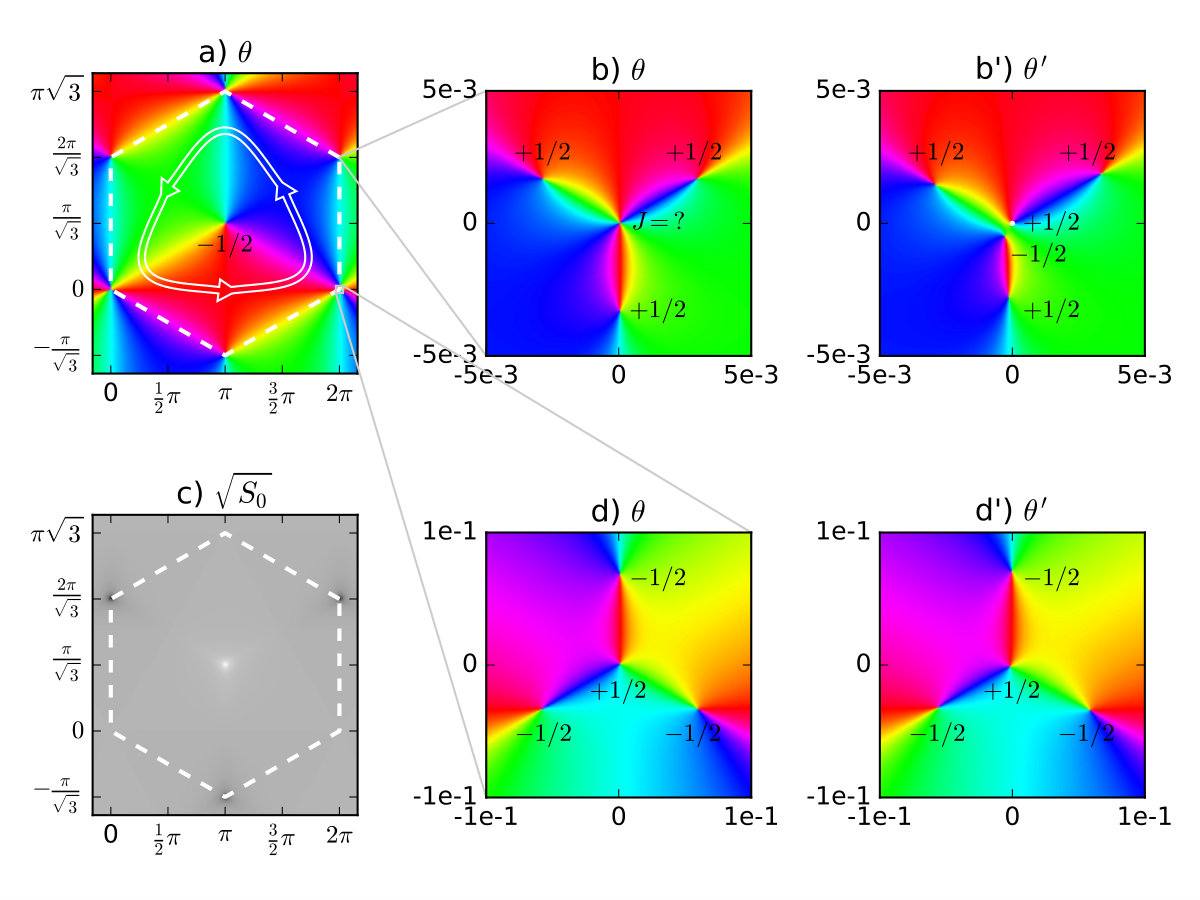 Figure 4
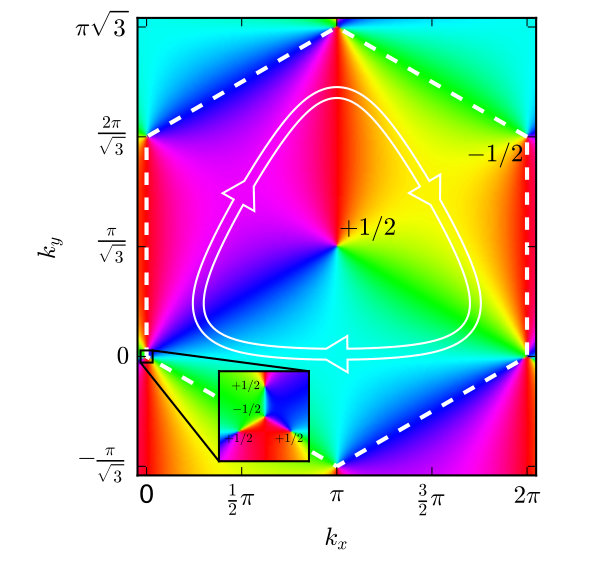 Figure 5
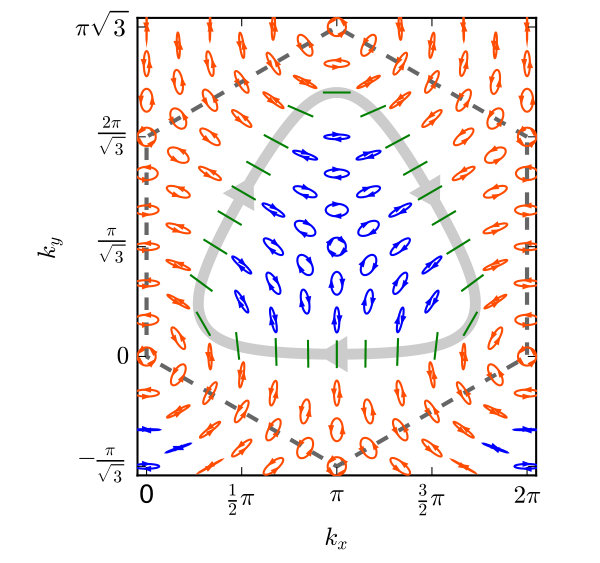 Figure 6
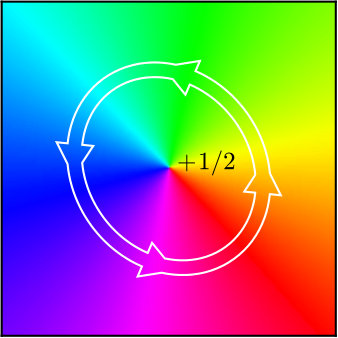 Figure 7
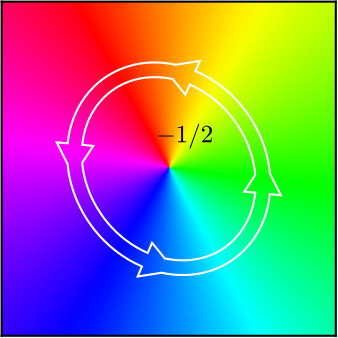 Figure 8
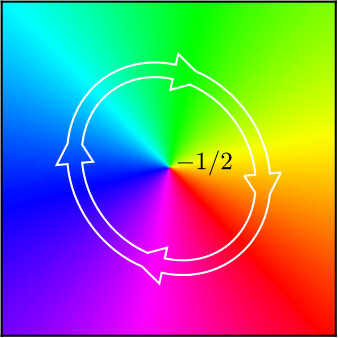 Figure 9
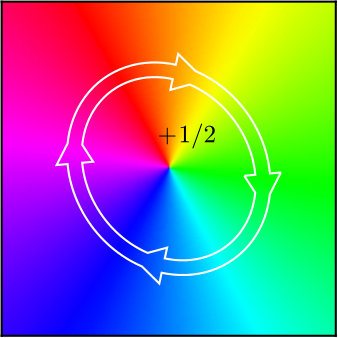 Figure 10
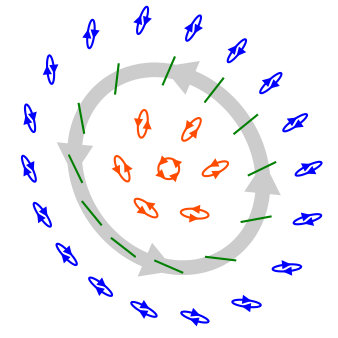 Figure 11
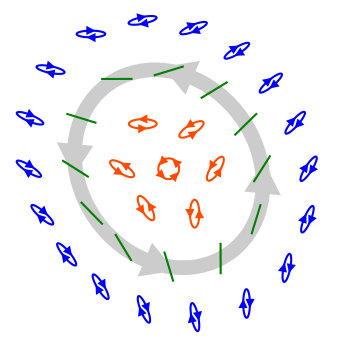 Figure 12
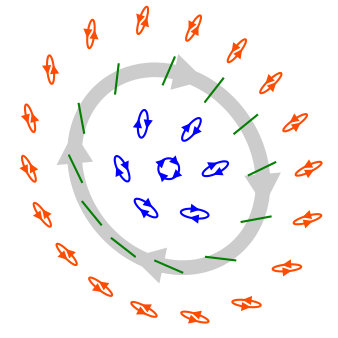 Figure 13
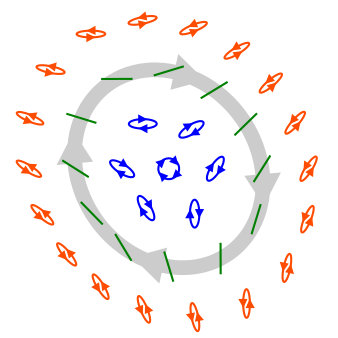 Figure 14
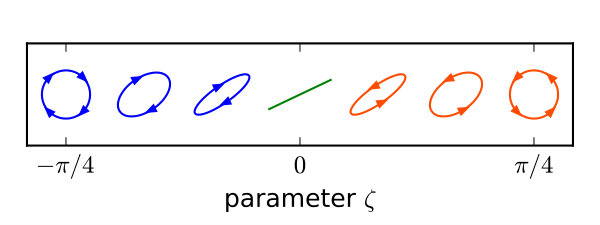 Figure 15
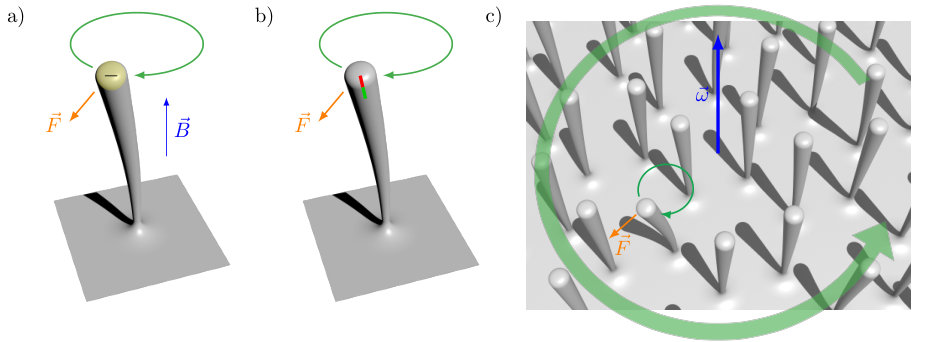 Figure 16
 Figure 17
 Figure 18
 Figure 19
 Figure 20
 Figure 21
 Figure 22
Peer Reviews
No public reviews on file for this paper yet. If you reviewed it on a platform where reviews are public (OpenReview, ICLR, NeurIPS, ICML), you can paste yours below so the community can read it here.
Videos
No videos yet. Explain this paper in a talk, walkthrough, or lecture? Add one.