Mean path length invariance in multiple light scattering
Romolo Savo, Romain Pierrat, Ulysse Najar, R\'emi Carminati, Stefan, Rotter, Sylvain Gigan

TL;DR
This paper experimentally demonstrates that the average path length of light in a scattering medium remains constant despite changes in the medium's scattering properties, revealing a fundamental invariance in light transport.
Contribution
The study provides the first experimental verification of the theoretical invariance of mean path length in multiple light scattering media across various scattering strengths.
Findings
Mean path length remains constant despite varying scattering strength.
Invariance observed over nearly two orders of magnitude in scattering properties.
Results applicable to both ordered and disordered photonic systems.
Abstract
Our everyday experience teaches us that the structure of a medium strongly influences how light propagates through it. A disordered medium, e.g., appears transparent or opaque, depending on whether its structure features a mean free path that is larger or smaller than the medium thickness. While the microstructure of the medium uniquely determines the shape of all penetrating light paths, recent theoretical insights indicate that the mean length of these paths is entirely independent of any structural medium property and thus also invariant with respect to a change in the mean free path. Here, we report an experiment that demonstrates this surprising property explicitly. Using colloidal solutions with varying concentration and particle size, we establish an invariance of the mean path length spanning nearly two orders of magnitude in scattering strength, from almost transparent to very…
Click any figure to enlarge with its caption.
 Figure 1
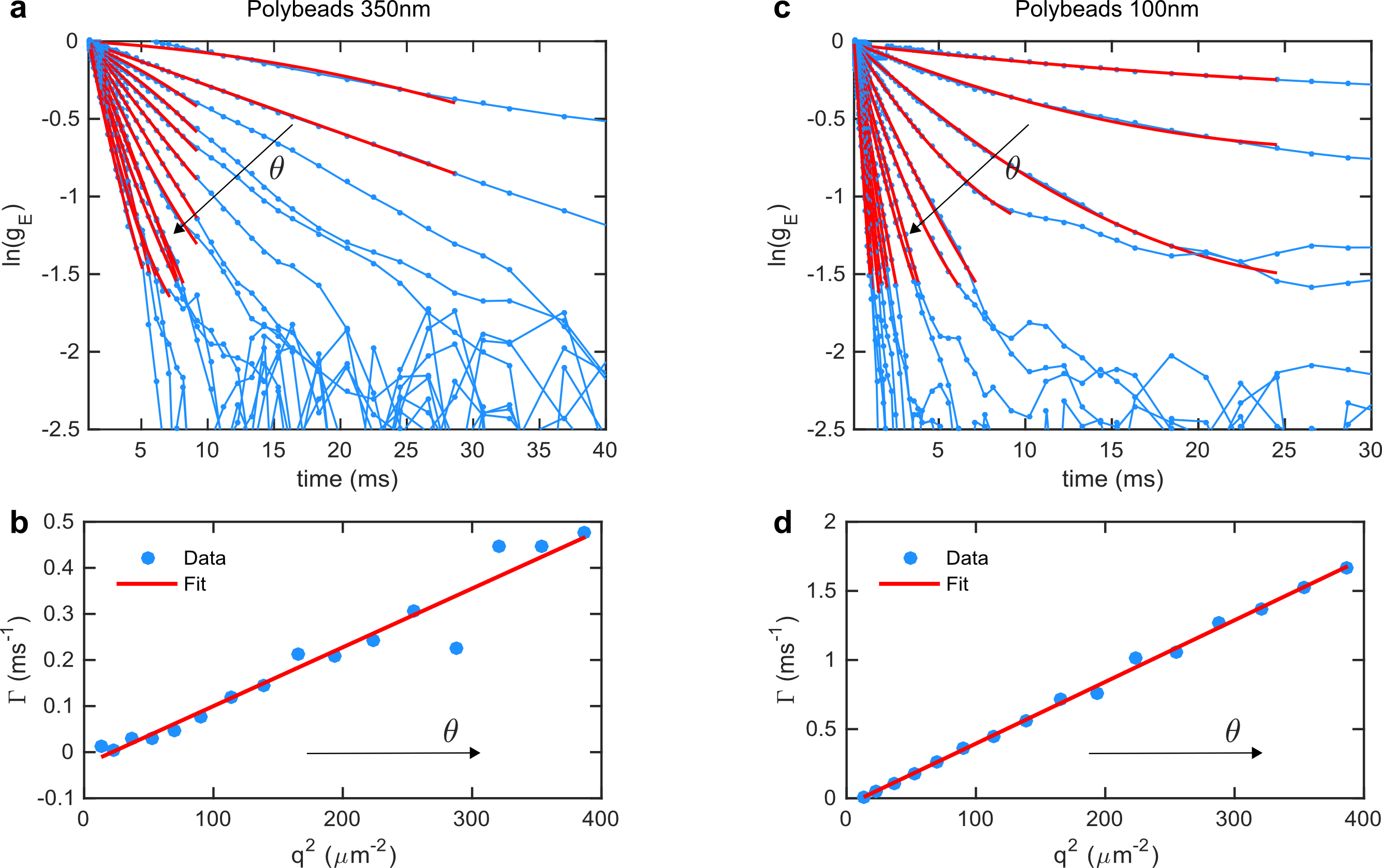 Figure 2
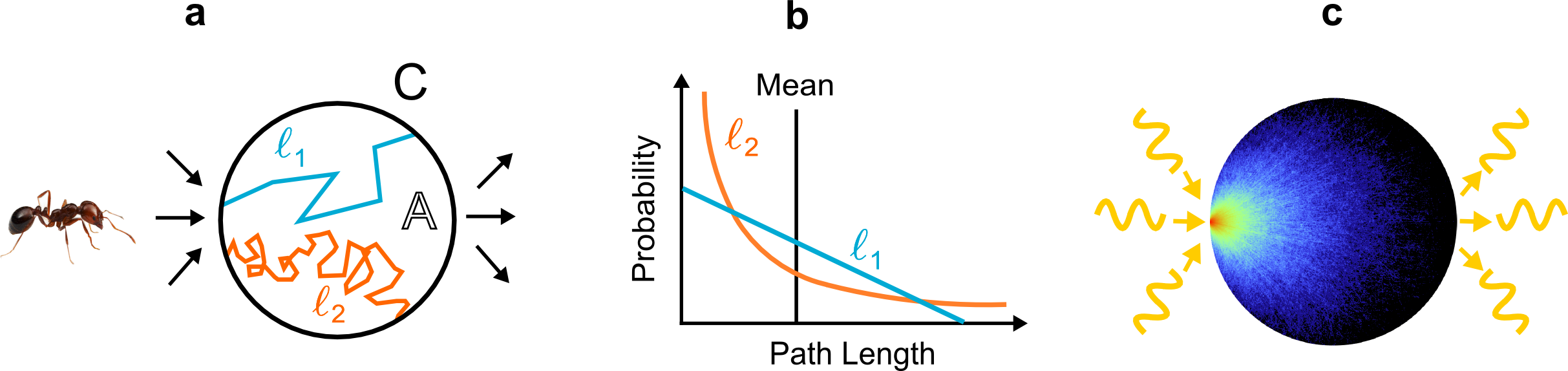 Figure 1
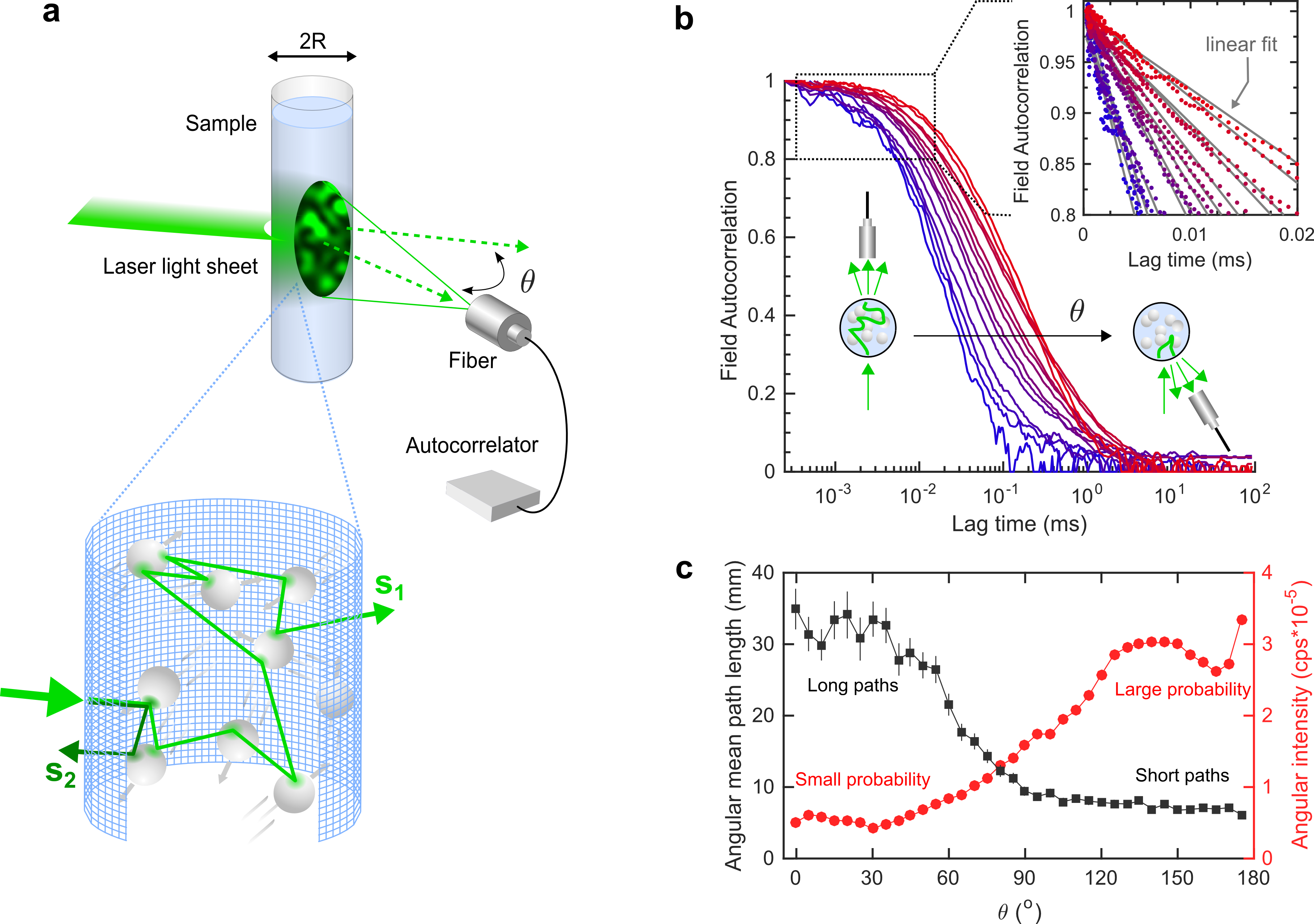 Figure 2
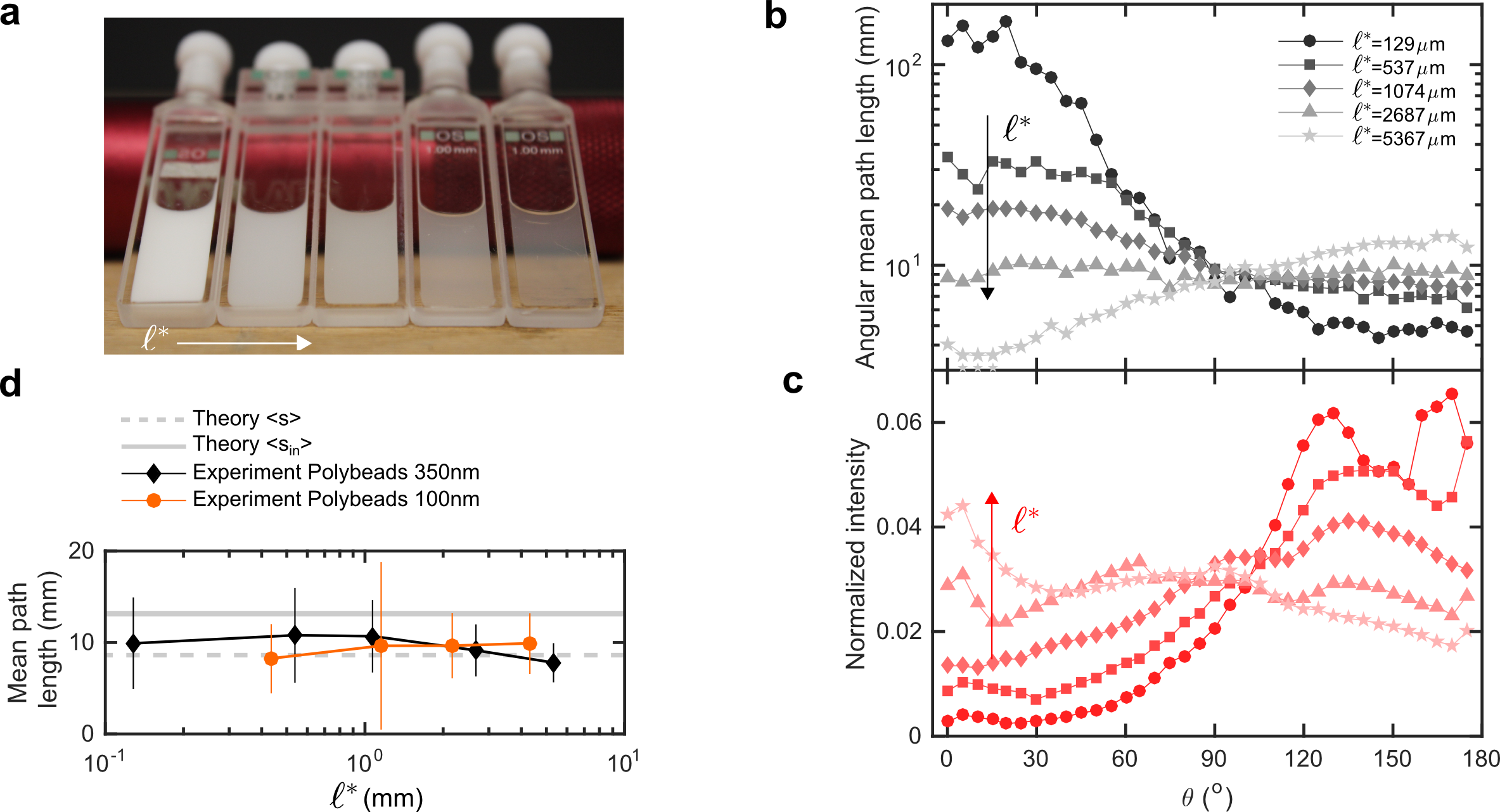 Figure 3
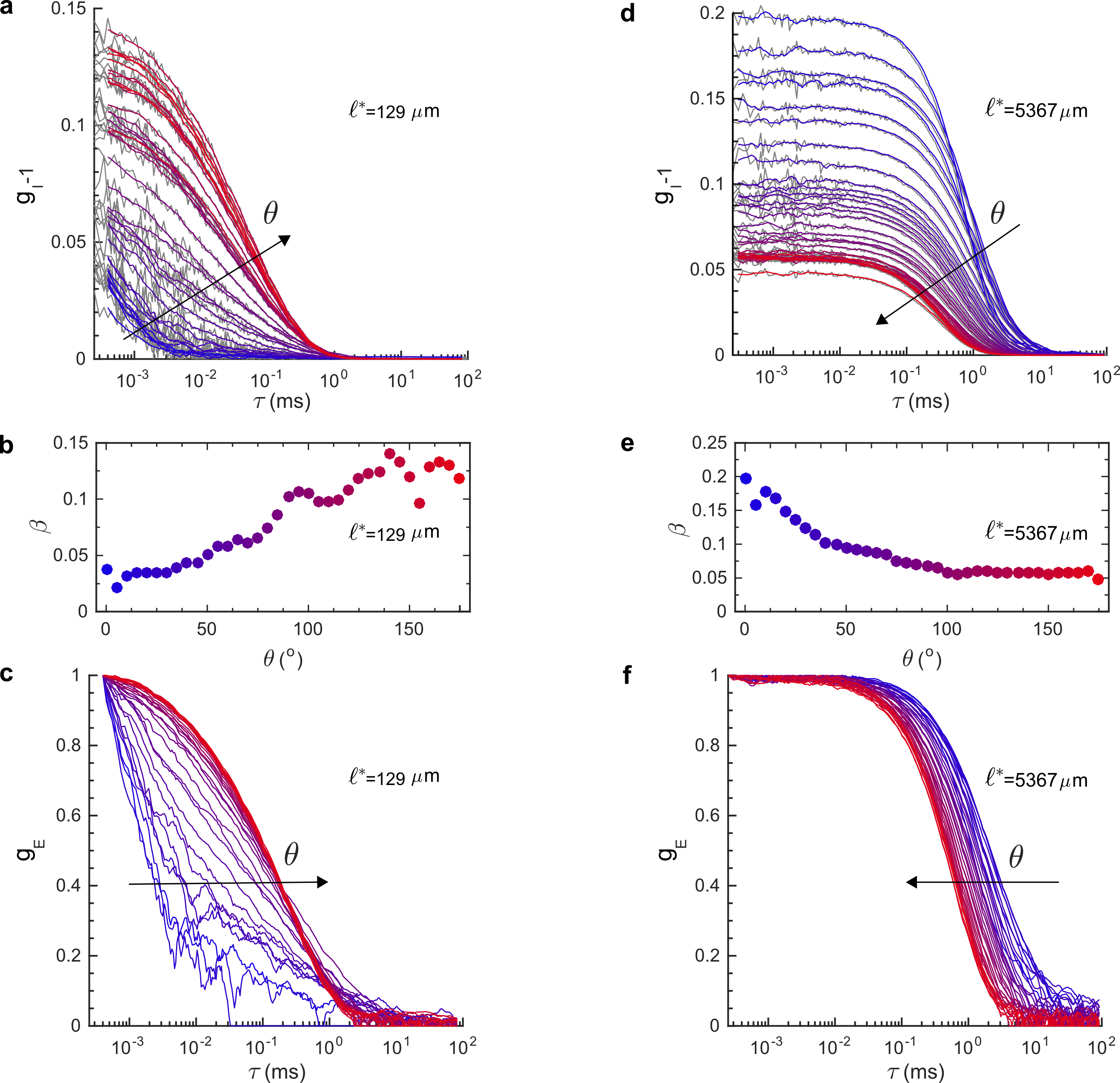 Figure 6
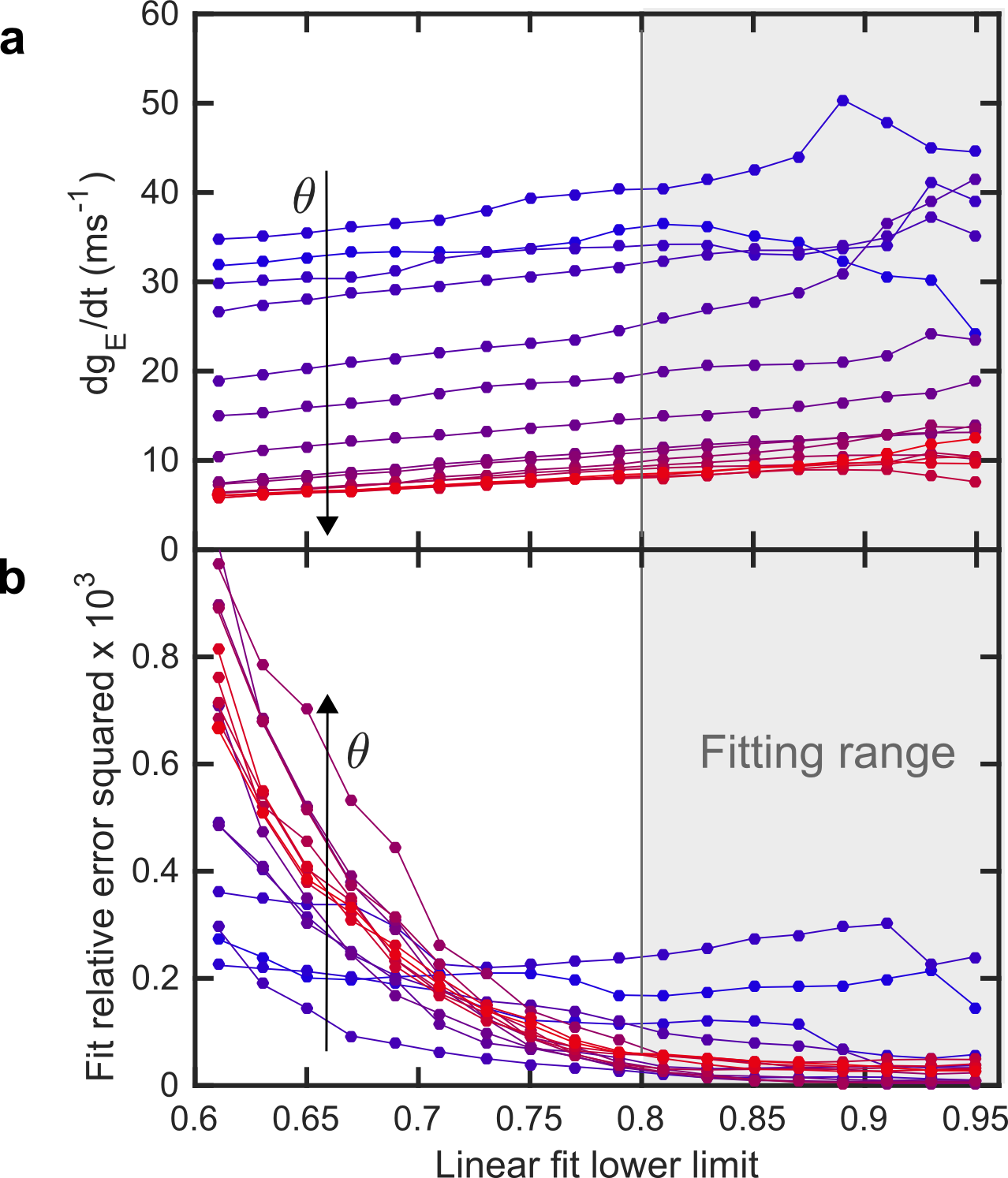 Figure 7
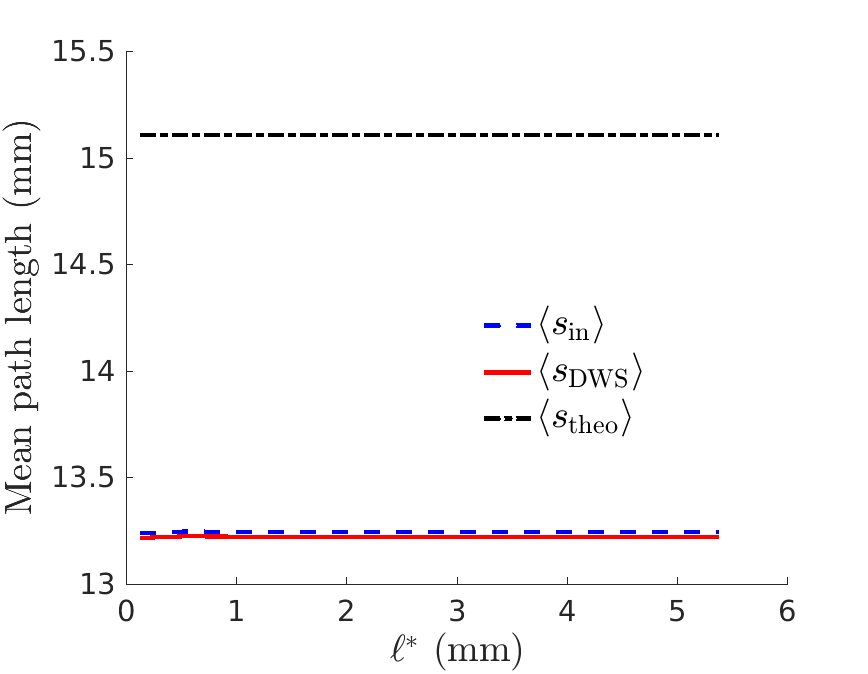 Figure 8
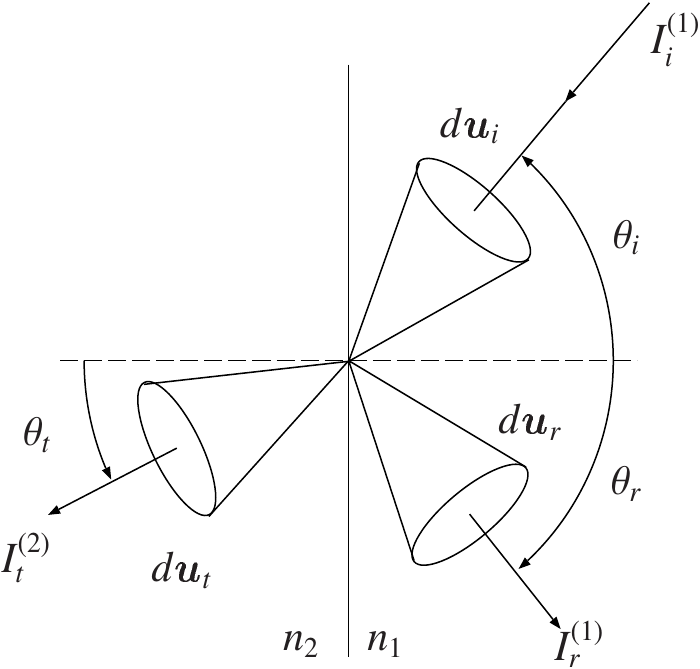 Figure 9
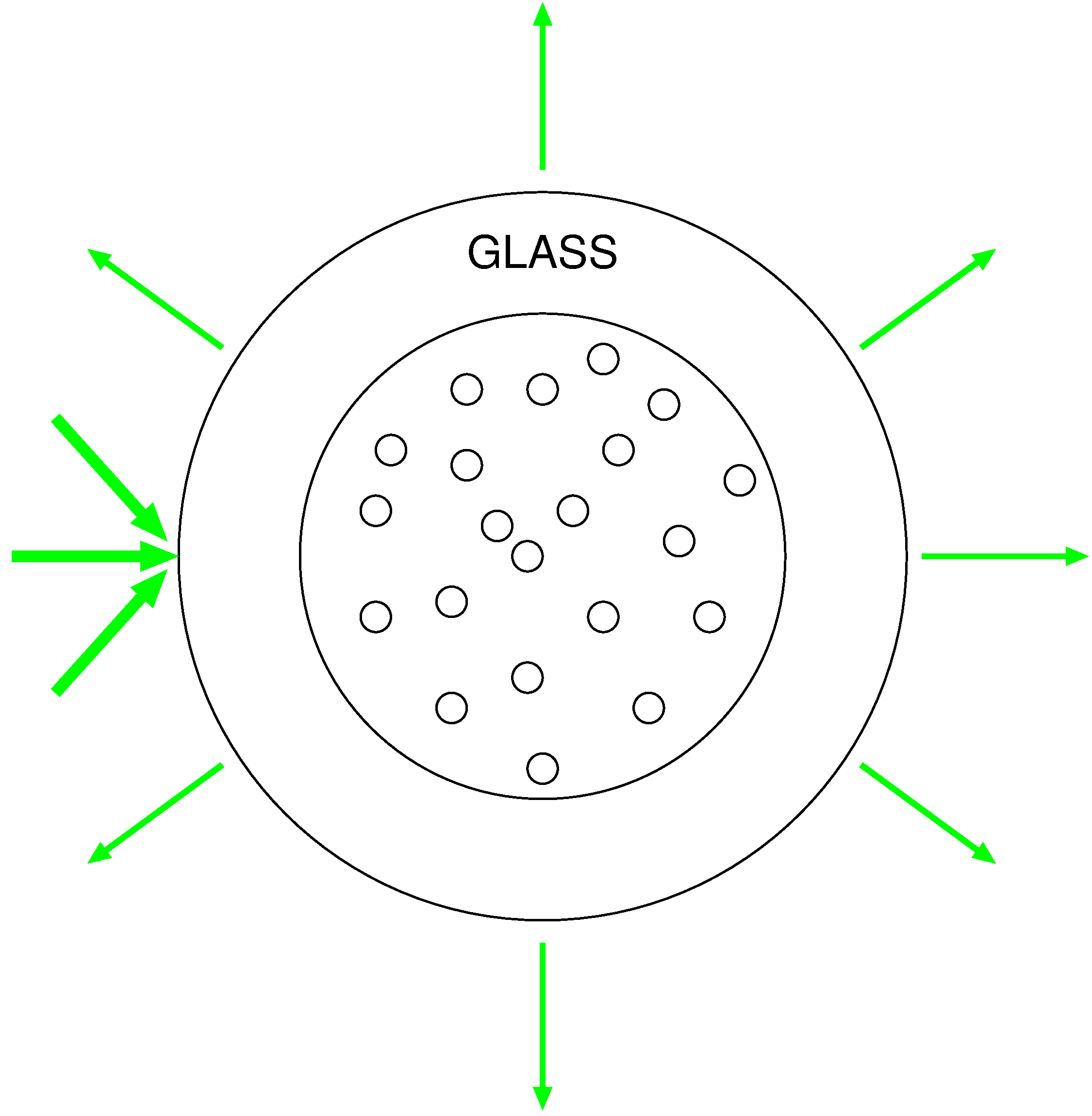 Figure 10
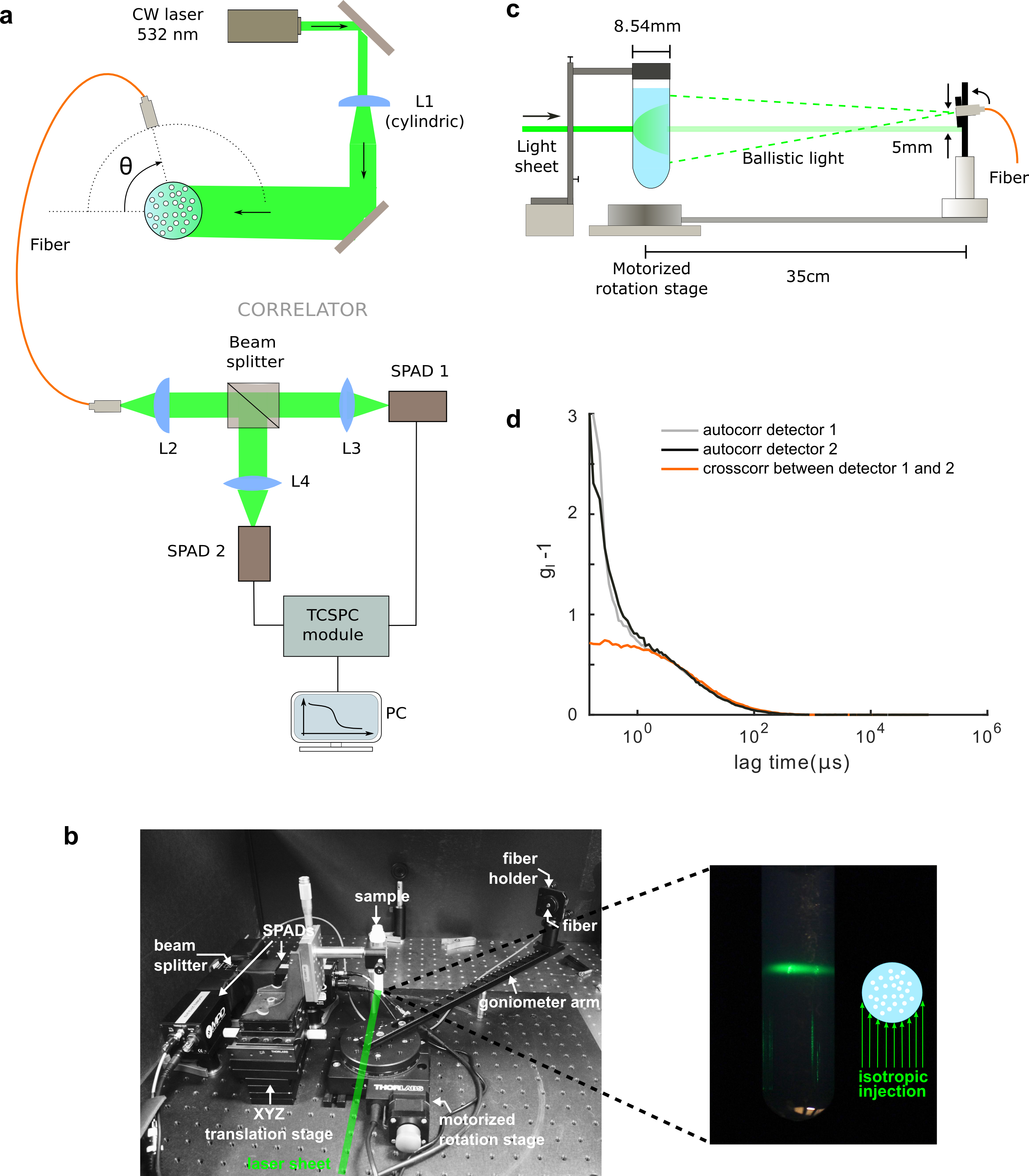 Figure 11
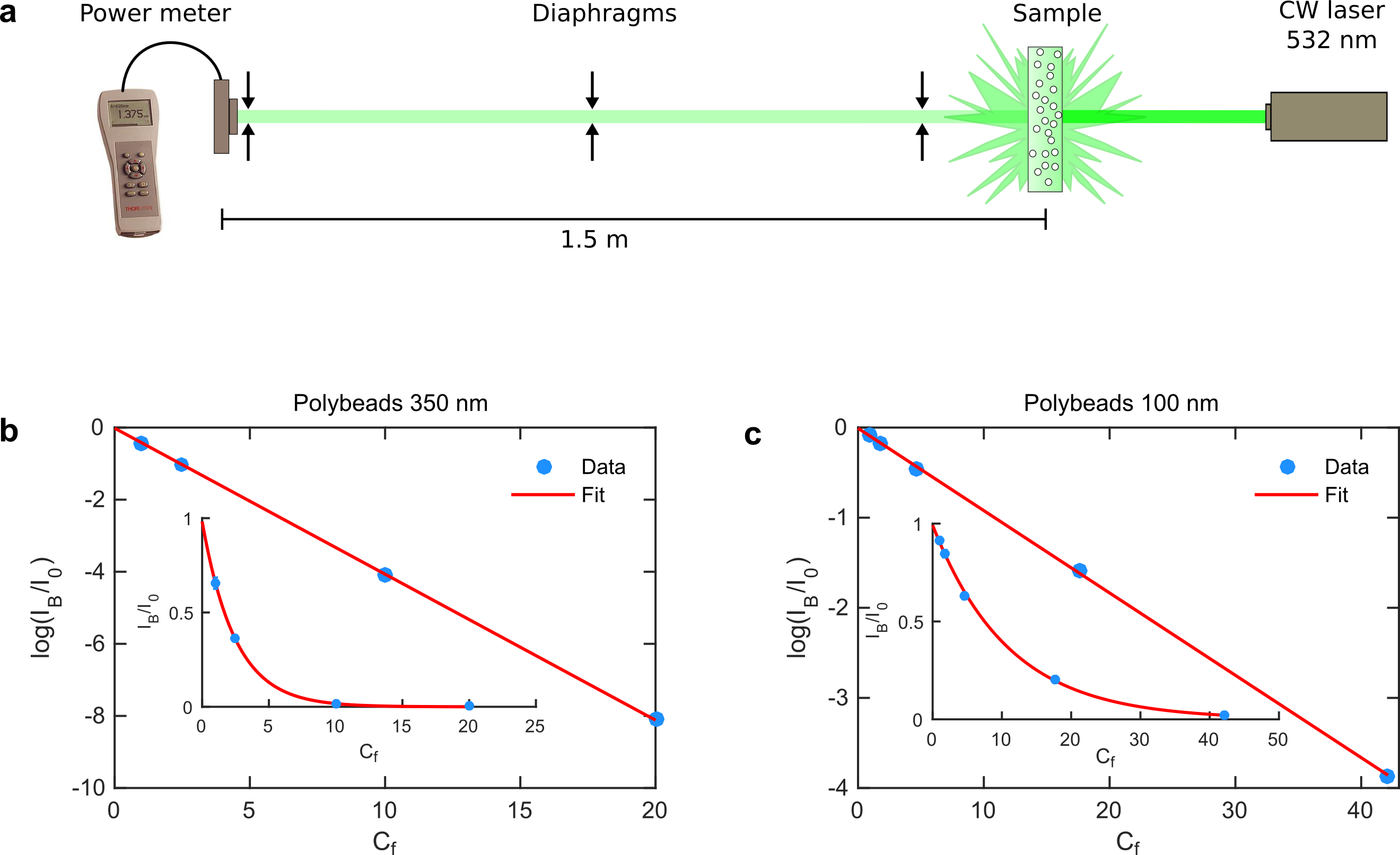 Figure 12
Peer Reviews
No public reviews on file for this paper yet. If you reviewed it on a platform where reviews are public (OpenReview, ICLR, NeurIPS, ICML), you can paste yours below so the community can read it here.
Videos
No videos yet. Explain this paper in a talk, walkthrough, or lecture? Add one.
Mean path length invariance in multiple light scattering
Romolo Savo
Laboratoire Kastler Brossel, UMR 8552, CNRS, Ecole Normale Supérieure, Université Pierre et Marie Curie, Collège de France, 24 rue Lhomond, 75005 Paris, France
Romain Pierrat
ESPCI Paris, PSL Research University, CNRS, Institut Langevin, 1 rue Jussieu, 75005, Paris, France
Ulysse Najar
Laboratoire Kastler Brossel, UMR 8552, CNRS, Ecole Normale Supérieure, Université Pierre et Marie Curie, Collège de France, 24 rue Lhomond, 75005 Paris, France
Rémi Carminati
ESPCI Paris, PSL Research University, CNRS, Institut Langevin, 1 rue Jussieu, 75005, Paris, France
Stefan Rotter
Institute for Theoretical Physics, Vienna University of Technology (TU Wien), Vienna, A-1040, Austria
Sylvain Gigan
Laboratoire Kastler Brossel, UMR 8552, CNRS, Ecole Normale Supérieure, Université Pierre et Marie Curie, Collège de France, 24 rue Lhomond, 75005 Paris, France
Abstract
Our everyday experience teaches us that the structure of a medium strongly influences how light propagates through it. A disordered medium, e.g., appears transparent or opaque, depending on whether its structure features a mean free path that is larger or smaller than the medium thickness. While the microstructure of the medium uniquely determines the shape of all penetrating light paths, recent theoretical insights indicate that the mean length of these paths is entirely independent of any structural medium property and thus also invariant with respect to a change in the mean free path. Here, we report an experiment that demonstrates this surprising property explicitly. Using colloidal solutions with varying concentration and particle size, we establish an invariance of the mean path length spanning nearly two orders of magnitude in scattering strength, from almost transparent to very opaque media. This very general, fundamental and counterintuitive result can be extended to a wide range of systems, however ordered, correlated or disordered, and has important consequences for many fields, including light trapping and harvesting for solar cells and more generally in photonic structure design.
General introduction. Wave transport in complex media is at the heart of many disciplines (optics, acoustics, electronics, quantum physics), and encompasses a wide variety of situations from the micro to the macro scale sheng2006introduction . The associated transport phenomena comprise a wealth of applications in microelectronics, photonics, medicine, atmospheric science, soft matter, lasers, solar cells, photonic crystals, and bioimaging, to cite just a few joannopoulos1997photonic ; ntziachristos2010going ; wiersma2008randomlasers ; lu2014topologicalphotonics ; polman2012photonic ; Rojas-Ochoa2004photonicolloids ; marshak20053d . In all these domains, the structure of the complex medium is inherently linked to its physical behavior, in particular to the properties of waves scattering through this medium. Correspondingly, much of the progress in these fields has been linked to the ability to modify and engineer the medium structure such as to fulfill a desired purpose blanco2000opals ; hu2008localization ; Cao2009randomlaser ; barthelemy2008levy ; vynck2012photonmenagement ; florescu2009designer ; riboli2014engineeringlightconf ; Muskens:2008kn ; Garnett:2010en .
In stark contrast with this view, a recent theoretical study pointed out that a very fundamental property of wave transport is completely insensitive to the structure of the underlying medium Pierrat:2014bp . Specifically, it was shown that under very general assumptions the mean path length associated with wave scattering through a medium only depends on the medium’s boundary geometry, but not on its internal microstructure. To arrive at this result, an invariance property first found for random walks Blanco:2003tm was generalized to arbitrary wave scattering scenarios based on early insights from the pioneers of 20th century physics like Weyl, Wigner, Krein and Schwinger. As such, this invariance relation is completely general and holds for the movement of ants through a designated two-dimensional area just as well as for the propagation of light waves through a disordered material (see Fig. 1). In all cases the mean length of trajectories that enter the medium at arbitrary positions and incident angles up to the point where they exit the medium is predicted to be independent of whether the medium is uniform, highly structured, disordered or anything in between. It is found to be
[TABLE]
for a three-dimensional geometry of volume and surface Pierrat:2014bp . Here, is the transport velocity, which for waves transport in resonant media takes into account the dwell time inside the particles (see Supplementary Information).
For the paradigmatic case of a fully disordered medium the crossover between systems with different degrees of disorder can be conveniently described by the transport mean free path , that corresponds to the length after which the propagation direction of an incoming wave or particle gets randomized. Applying the theoretical predictions to this case would mean that a change of should leave the mean path length invariant. To experimentally demonstrate this surprising theoretical result, we investigate multiple scattering of light in a colloidal suspension of particles in water (see Fig. 2, 3). By varying the concentration and size of the particles, we tune the mean free path by almost two orders of magnitude, covering the range of a nearly transparent to a very opaque system. We measure the mean length of light trajectories from temporal decorrelation of an optical speckle pattern in each one of these suspensions, and unambiguously observe this invariance. Quite remarkably, the distribution of path lengths gets modified significantly when changing the transport mean free path - only the mean value of the distribution stays unchanged.
Experiment. When shining light on a disordered medium the spatial inhomogeneity of the refractive index prohibit a straight-line propagation, forcing the wave instead to scatter in all available directions, see Fig. 1c. To measure the resulting optical path length distribution , the most common method uses ultrashort pulses and time-resolved detection schemes kop1997observation ; pattelli2016spatio . However, we do not require access to the full distribution , but just to its mean value . We therefore developed a novel technique derived from DWS (Diffusing Wave Spectroscopy) maret1987multiple ; pine1988diffusing to directly measure the mean optical path length in dynamic scattering media with high sensitivity and dynamic range. In this approach we illuminate the sample with a monochromatic laser and measure the autocorrelation function of the temporal fluctuations in the scattered light field . We exploit the intimate connection between speckle fluctuations and the distribution of optical path lengths , which is formalized as
[TABLE]
where , is the wave vector inside the medium and is the diffusion constant of the scattering particles. Quantitative information on the mean value can be immediately retrieved by considering the very early-time decorrelation. Indeed, the derivation of Eq. 2 evaluated at leads to an explicit expression for the mean optical path length
[TABLE]
where is the light wavelength in vacuum and is the medium refractive index. Note that Eqs. (2) and (3) rely only on the so-called continuum approximation of the multiple scattering process durian1995accuracy , which in practice requires a few scattering events to be valid durian1995accuracy ; BOAS-1998 ; CARMINATI-2004 . Here, since even paths with very few scattering events can contribute to the mean path length, the accuracy of Eqs. (2) and (3) has been additionally verified for all experimental situations by using Monte Carlo simulations (see Supplementary Information).
The experiment is illustrated in Fig. 2a. The scattering solution is contained in a cylinder glass cell, which supports the liquid and defines its geometrical features. In this elongated geometry the ratio simplifies into , where is the cylinder radius, and the expected mean path length from Eq.( 1) is . Because of the index mismatch between the scattering medium, the glass cell, and the outer regions, Eq.( 1) cannot be directly applied because of multiple boundary reflections. We therefore developed a more refined model taking into account correct boundary conditions, which shows that the invariance property remains valid in the presence of interfaces. For the simple case of a single boundary it leads to where () is the refractive index of the outer (scattering) region respectively (see Supplementary Information). Here we are in the more complex situation of multiple boundaries (medium-glass-air), furthermore our technique only gives access to the light path inside the scattering region (not in the glass part). Nonetheless, Monte-Carlo simulations allow us to find the expected invariant mean path length for this experimental situation. Qualitatively, the presence of boundaries means that light exiting the scattering region has a probability to be reflected back to propagate again into the scattering medium, therefore is larger compared to the ideal case, where all trajectories hitting the boundaries leave the region. Pierrat:2014bp ; Blanco:2003tm .
We illuminate the sample with a laser light sheet all along its diameter such that, as required to observe the invariance, light enters with all possible angles with respect to the surface normal. To collect light from all surface locations, we use a multimode fiber ( core) mounted sufficiently far away from the sample, and placed on a goniometric mechanical arm for angle-resolved measurements. The multimode fiber guides light to single photon counters, and a coincidence electronics allows us to measure the temporal autocorrelation.
In Fig. 2b we show an example of measurements for a sample with 500\text{,}\mathrm{\SIUnitSymbolMicro m}$$ for detection angles ranging from (forward direction) to (backward direction). For this rather opaque sample, , the characteristic decorrelation time of the autocorrelation function ranges from tens of in the forward direction to some in the backward direction. Since the decorrelation time decreases as the number of scattering events increases, our results provide evidence of the significant variation in the average number of scattering events between transmitted and reflected light. We adopt Eq. (3) to measure the mean optical path length at each angle and evaluate the derivative of the autocorrelation at the origin as the slope of a linear fit of the first measured points, as shown in the closeup of Fig. 2b. The multiplicative coefficient in Eq. (3) containing and is measured with an independent characterization of the sample (see Supplementary Information). The recorded angular mean path lengths are shown in Fig. 2c, together with the corresponding scattered light intensity, which quantifies the probability to have light exiting in this particular direction. These measurements show that long trajectories, which contribute to the overall mean with large values, are less probable than short trajectories, which in turn are more abundant, but contribute to the overall mean with small values. This feature illustrates the delicate balance between long and short trajectories that enables the mean value to be independent of the actual path length distribution and which is at the root of this invariance property.
Results. The most striking feature appears when considering the variation of both the angular mean path length and the corresponding intensity for different values of the transport mean free path , shown in Fig. 3b and Fig. 3c. Starting from the most opaque sample, and decreasing the scattering strength (i.e., for increasing transport mean free path), both the path length curve as well as the associated intensity get more symmetrically distributed among all angles. Then, when the transport mean free path becomes comparable to the sample size, the symmetry of the angular mean path length curve becomes completely inverted as the sample becomes more transparent and longer path lengths are observed in reflection rather than in transmission. The symmetry of the intensity in turn is inverted in the opposite sense such as to completely compensate the redistribution of path lengths. In our analysis, we measure the overall mean path length over all trajectories, therefore these two distributions get convolved in a weighted angular average. This average is thus evaluated by multiplying the angle-dependent values of Fig. 3b with the intensities of Fig. 3c as weighting functions: , where the index indicates the angle of measurement. The striking result we obtain, which is the main result of the paper, is shown in Fig. 3d: The measured mean path length stays invariant over nearly two orders of magnitude of transport mean free path. This is in remarkable agreement with the numerical prediction taking into account the real geometry of the system (i.e. glass cell with two interfaces). We observe a small deviation for very weakly scattering sample, where we expect the invariance to hold, but where the model underlying our measurement starts to fail. Furthermore, the particles we used have a pronounced scattering anisotropy. To test this invariance property also on optically very different systems, we repeated the experiment using smaller colloidal particles with diameters of about corresponding to almost isotropic scattering (see orange curve in Fig. 3d). Also here the invariance is verified, confirming that neither the transport mean path nor the anisotropy affect this robust property.
Discussion and conclusions. In summary, we provide the first experimental demonstration of a novel and universal invariance property for wave scattering in disordered media. Since the path lengths in a medium are intimately connected with a variety of other crucial concepts, like the absorption Muskens:2008kn ; Garnett:2010en ; vynck2012photonmenagement , the dwell time LAGENDIJK-1996 and the frequency robustness of states in this medium carpenter2015observation ; xiong2016spatiotemporal , we expect the invariance property established here to set very rigid bounds on what can be achieved by modifying the underlying medium structure. Implications are particularly obvious for light harvesting, light deposition and imaging techniques polman2012photonic ; boriskina2016roadmap ; ntziachristos2010going . We also emphasize that the path length invariance is neither restricted to light propagation nor to random walks, but applies basically to all wave scattering problems, ranging from matter waves on the smallest length scales to gravitational waves on the largest conceivable dimensions. As such our demonstration provides just a first glimpse onto the many different contexts in which this type of physics plays a role.
I Acknowledgement
Authors wish to thank J. Schwarz, P. Ambichl, A. Haber and J. Bertolotti for fruitful discussions and T. Narita, F. Pincet and C. Francois-Martin for technical assistance with the DLS machine. This work was supported by the European Research Council (Proj. Ref. 278025). R.P. and R.C. were supported by LABEX WIFI (Laboratory of Excellence within the French Program “Investments for the Future”) under references ANR-10-LABX-24 and ANR-10-IDEX-0001-02 PSL*. S.R. was supported by the Austrian Science Fund (FWF) through Project No. SFB NextLite F49-P10.
II Author contributions
R.S. and S.G. conceived the experiment. R.S. and U.N. carried out the experiment. R.S. and R.P. performed simulations. R.P., R.C. and S.R. devised the theoretical frame work and carried out the corresponding calculations. All authors discussed results and contributed to the writing of the paper.
Correspondence
Correspondence should be addressed to R.S. (email: [email protected]) and/or to S.G. (email: [email protected]).
The reference list from the paper itself. Each links out to its DOI / PubMed record.
- 1[1] Ping Sheng. Introduction to wave scattering, localization and mesoscopic phenomena , volume 88. Springer Science & Business Media, 2006.
- 2[2] John D Joannopoulos, Pierre R Villeneuve, Shanhui Fan, et al. Photonic crystals: putting a new twist on light. Nature , 386(6621):143–149, 1997.
- 3[3] Vasilis Ntziachristos. Going deeper than microscopy: the optical imaging frontier in biology. Nature methods , 7(8):603–614, 2010.
- 4[4] Diederik S Wiersma. The physics and applications of random lasers. Nature physics , 4(5):359–367, 2008.
- 5[5] Ling Lu, John D Joannopoulos, and Marin Soljačić. Topological photonics. Nature Photonics , 8(11):821–829, 2014.
- 6[6] Albert Polman and Harry A Atwater. Photonic design principles for ultrahigh-efficiency photovoltaics. Nature materials , 11(3):174–177, 2012.
- 7[7] L. F. Rojas-Ochoa, J. M. Mendez-Alcaraz, J. J. Sáenz, P. Schurtenberger, and F. Scheffold. Photonic properties of strongly correlated colloidal liquids. Phys. Rev. Lett. , 93:073903, Aug 2004.
- 8[8] Alexander Marshak and Anthony Davis. 3D radiative transfer in cloudy atmospheres . Springer Science & Business Media, 2005.