Sizes of Pentagonal Clusters in Fullerenes
Nino Ba\v{s}i\'c, Gunnar Brinkmann, Patrick W. Fowler, Toma\v{z}, Pisanski, Nico Van Cleemput

TL;DR
This paper investigates the possible distributions of pentagonal face clusters in fullerenes, determining which configurations can occur infinitely or finitely, and whether these clusters can be placed arbitrarily far apart.
Contribution
It classifies all partitions of 12 into cluster sizes that can occur in fullerenes and analyzes their spatial arrangements and frequency.
Findings
All partitions with max cluster size 5 or less occur infinitely with large distances.
Nine partitions occur only finitely many times in fullerenes.
Fifteen partitions do not occur in any fullerene.
Abstract
Stability and chemistry, both exohedral and endohedral, of fullerenes are critically dependent on the distribution of their obligatory 12 pentagonal faces. It is well known that there are infinitely many IPR-fullerenes and that the pentagons in these fullerenes can be at an arbitrarily large distance from each other. IPR-fullerenes can be described as fullerenes in which each connected cluster of pentagons has size 1. In this paper we study the combinations of cluster sizes that can occur in fullerenes and whether the clusters can be at an arbitrarily large distance from each other. For each possible partition of the number 12, we are able to decide whether the partition describes the sizes of pentagon clusters in a possible fullerene, and state whether the different clusters can be at an arbitrarily large distance from each other. We will prove that all partitions with largest cluster…
Click any figure to enlarge with its caption.
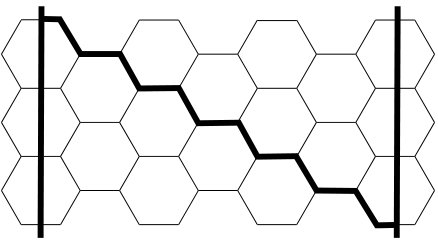 Figure 1
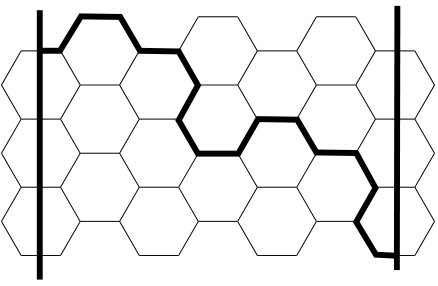 Figure 2
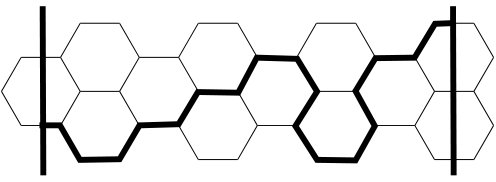 Figure 3
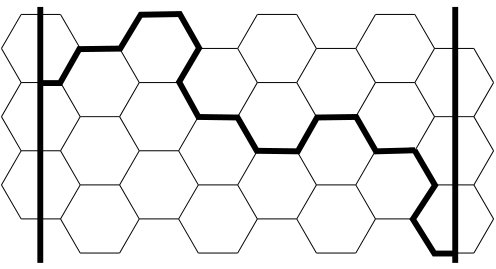 Figure 4
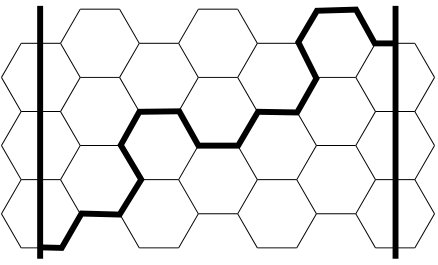 Figure 5
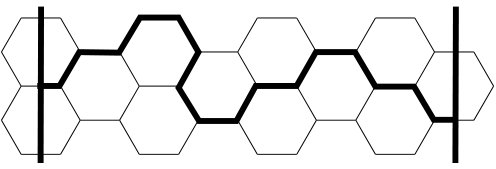 Figure 6
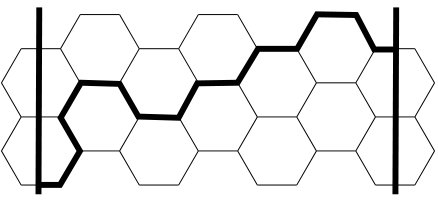 Figure 7
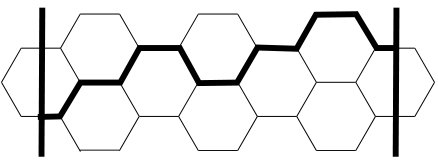 Figure 8
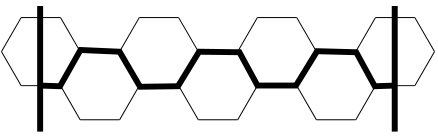 Figure 9
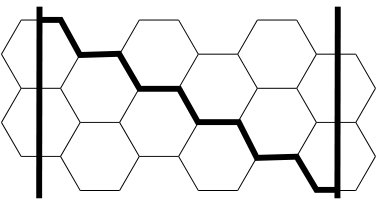 Figure 10
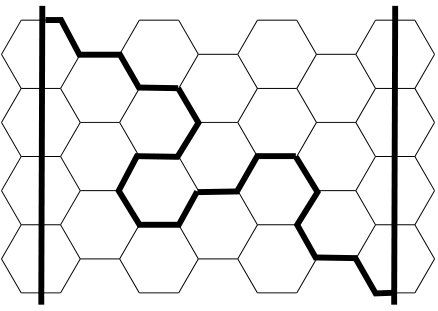 Figure 11
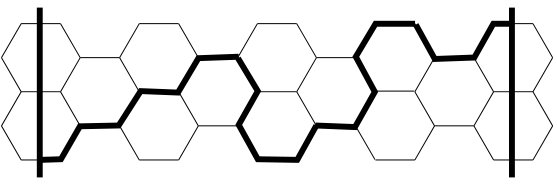 Figure 12
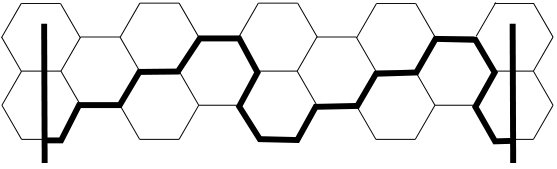 Figure 13
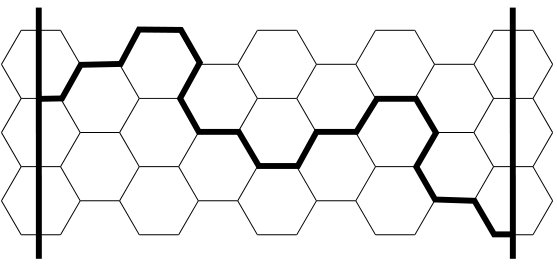 Figure 14
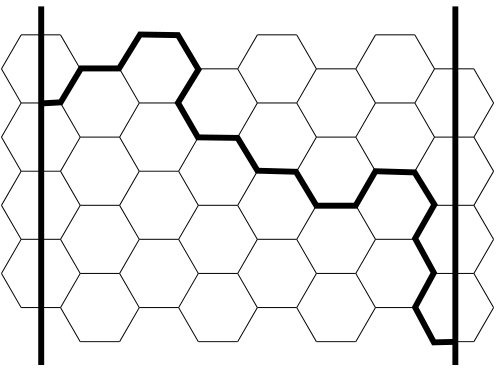 Figure 15
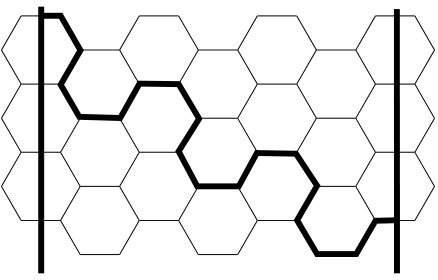 Figure 16
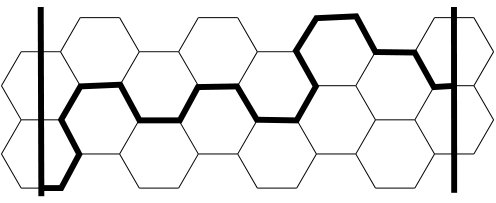 Figure 17
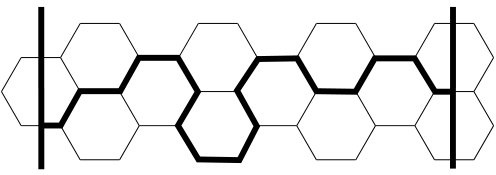 Figure 18
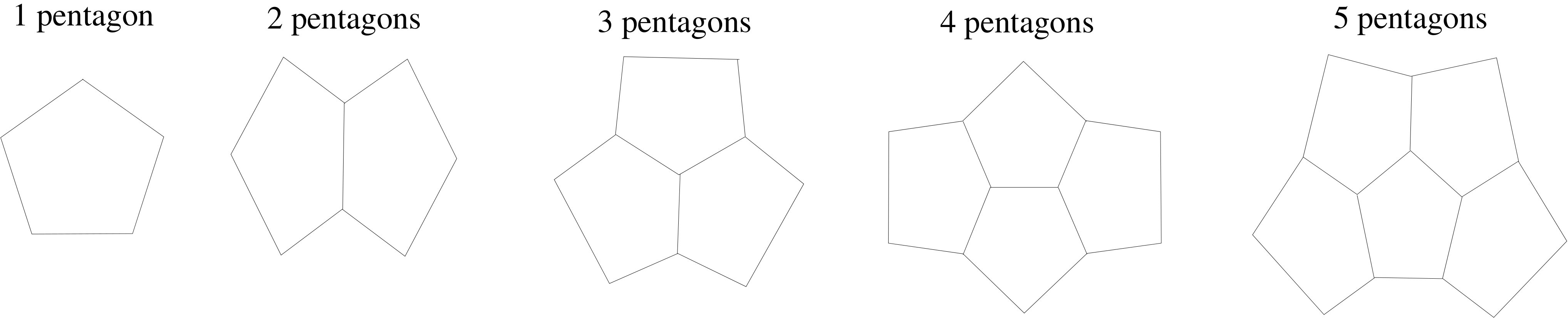 Figure 19
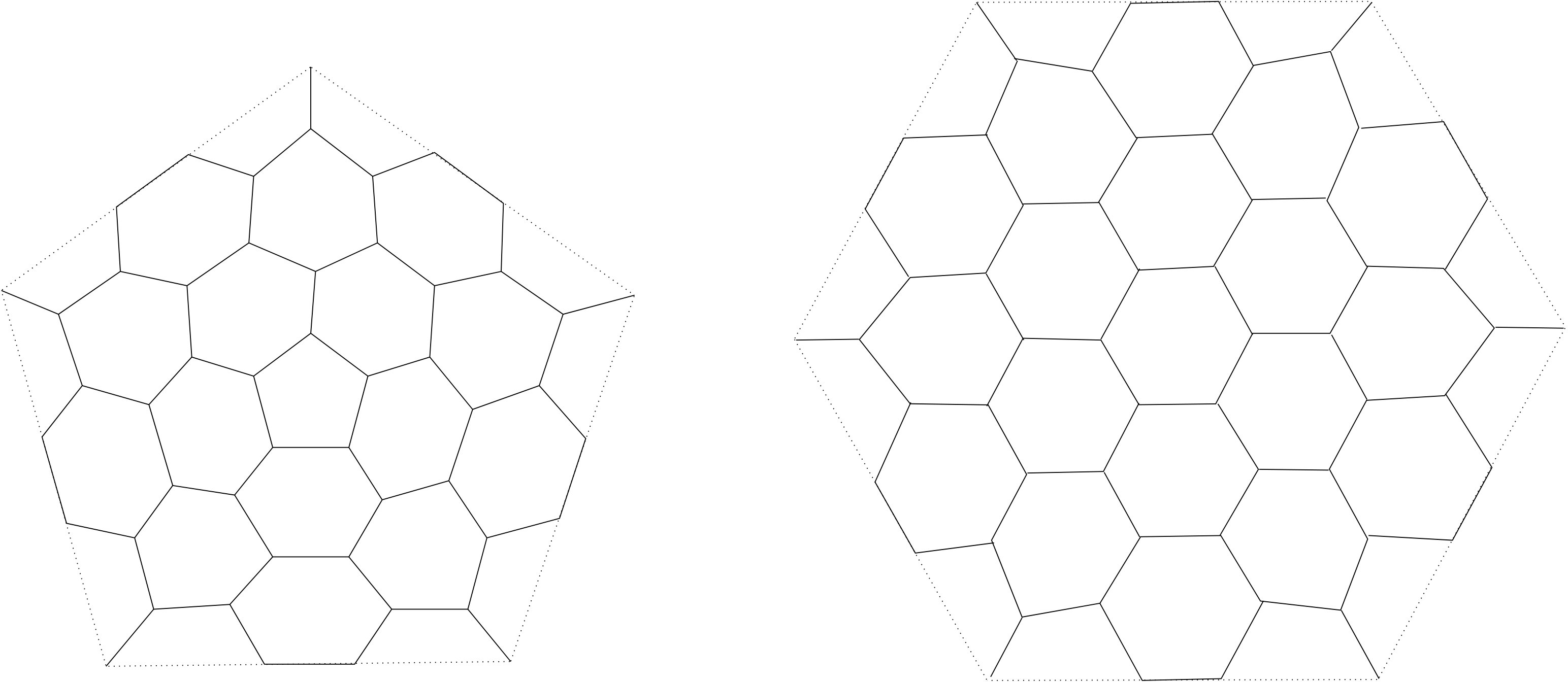 Figure 20
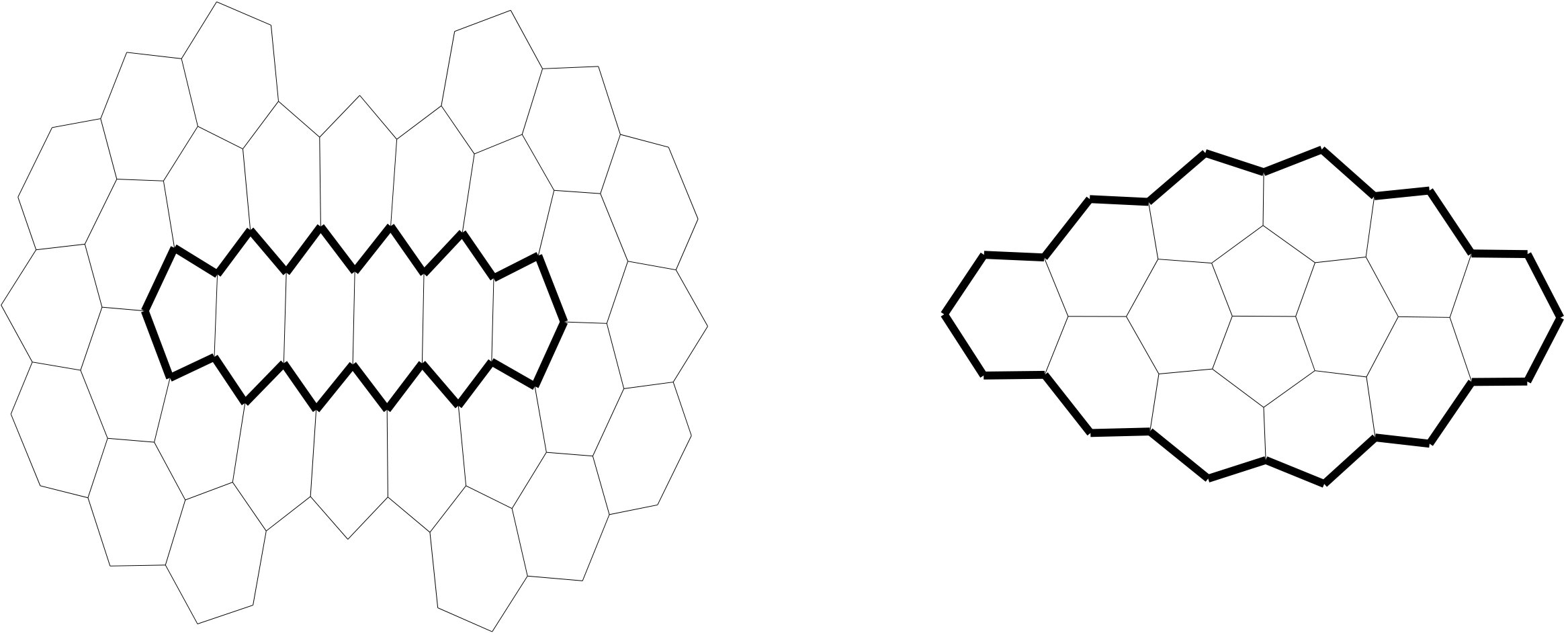 Figure 21
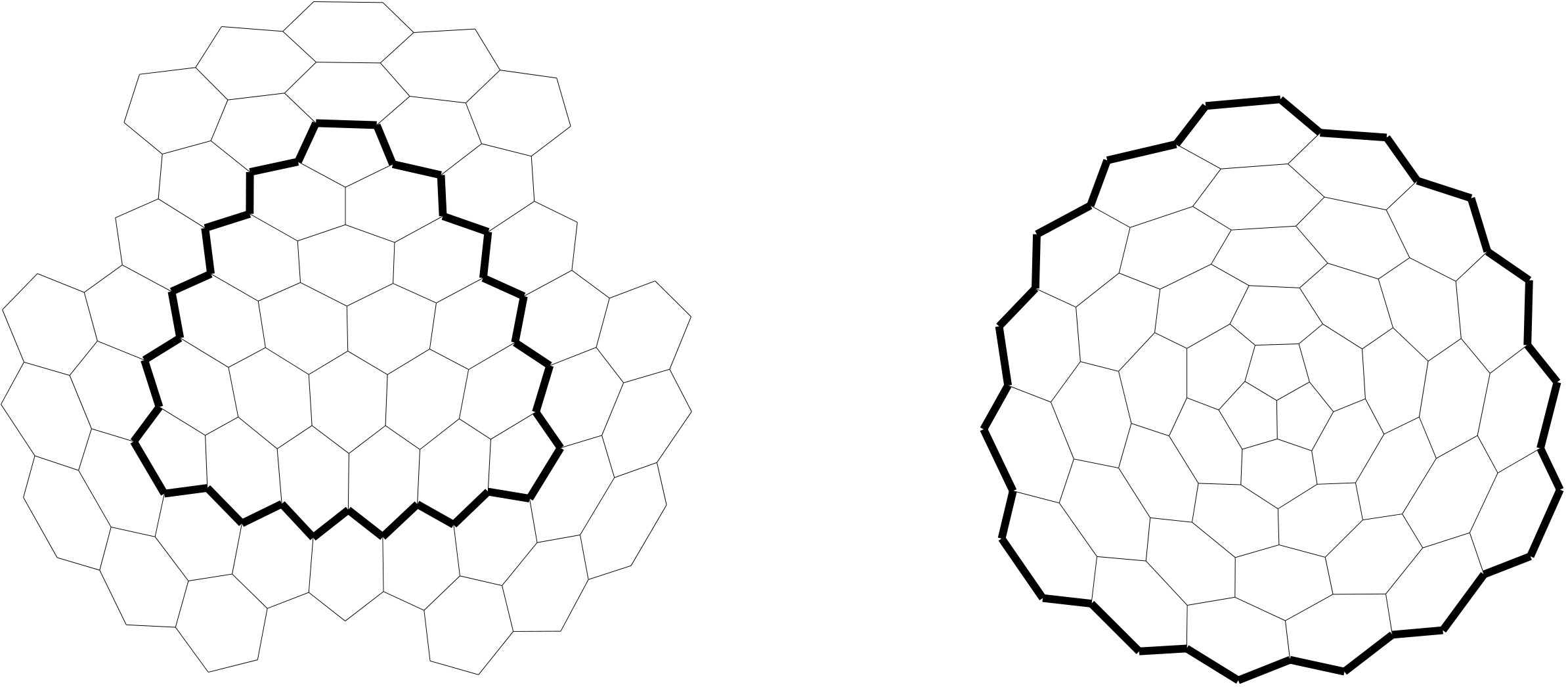 Figure 22
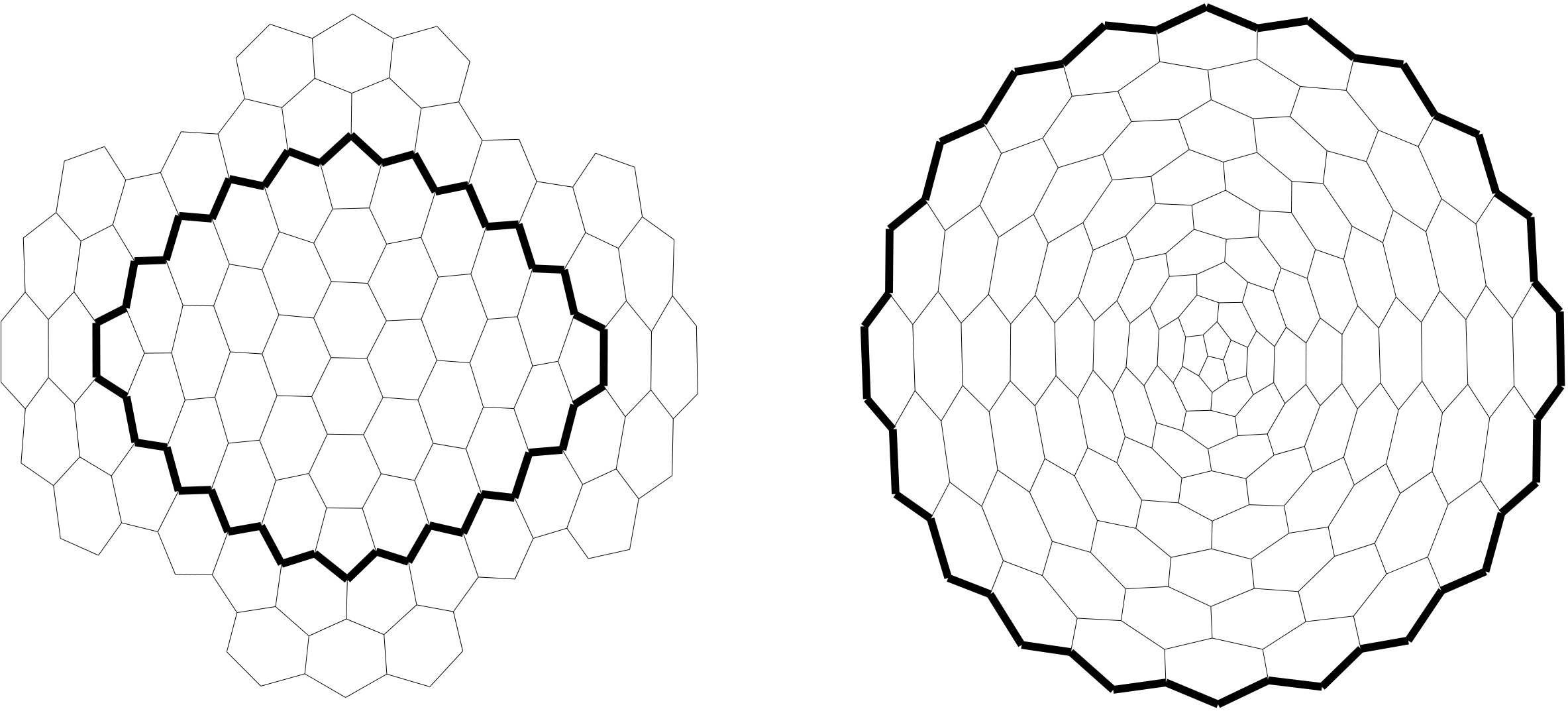 Figure 23
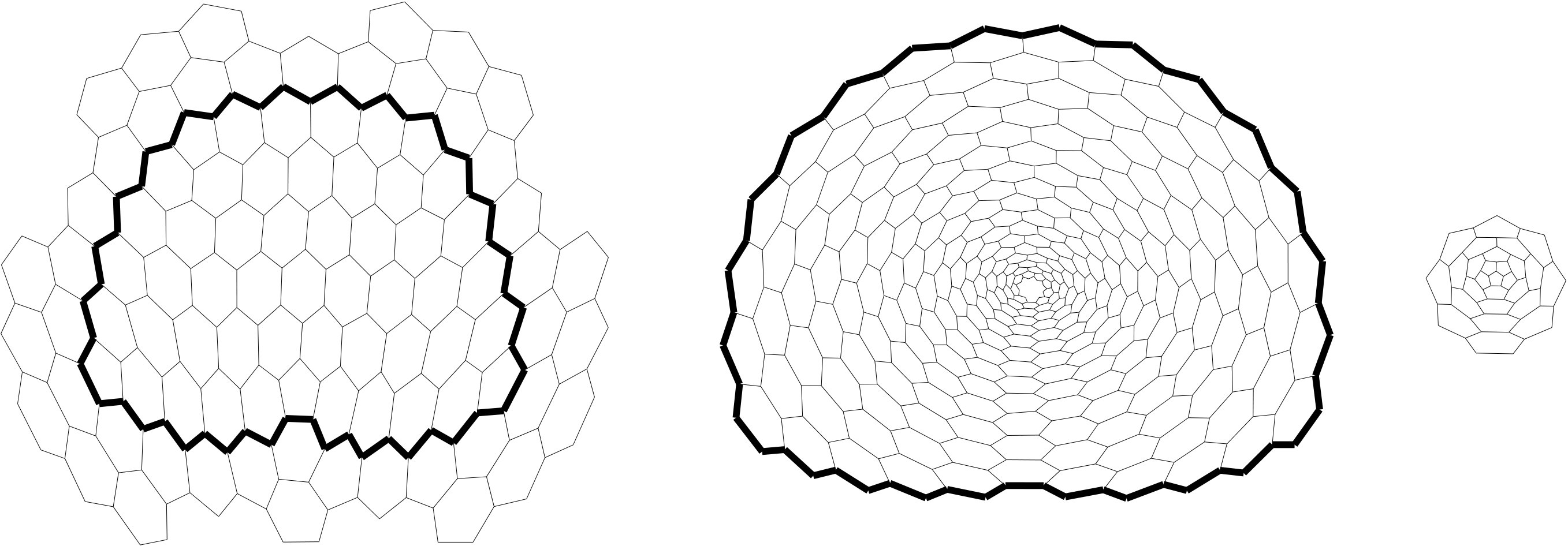 Figure 24
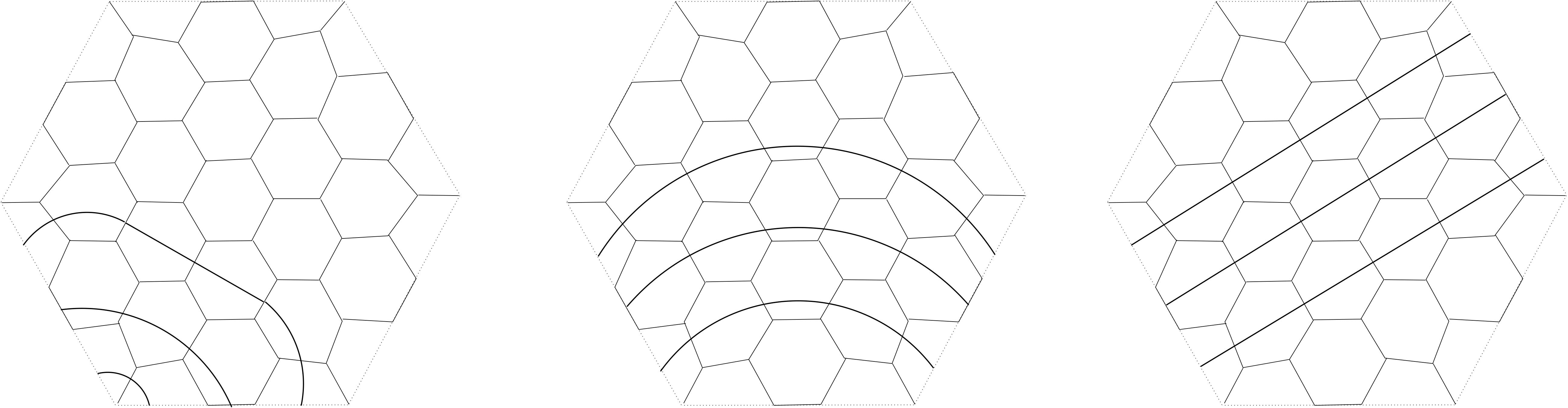 Figure 25
Peer Reviews
No public reviews on file for this paper yet. If you reviewed it on a platform where reviews are public (OpenReview, ICLR, NeurIPS, ICML), you can paste yours below so the community can read it here.
Videos
No videos yet. Explain this paper in a talk, walkthrough, or lecture? Add one.