Fingerprints of quantum spin ice in Raman scattering
Jianlong Fu, Jeffrey G. Rau, Michel J. P. Gingras, Natalia B., Perkins

TL;DR
This paper develops a theoretical framework for inelastic Raman scattering in quantum spin ice, revealing how fractionalized excitations produce distinctive spectral features that can serve as experimental signatures of the U(1) spin liquid state.
Contribution
It provides the first detailed theoretical analysis of Raman response in quantum spin ice, highlighting the role of spinons and gauge fluctuations in the spectral profile.
Findings
Raman response appears only in the T2g polarization channel.
Spectral profile shows a broad continuum from spinons and gauge fluctuations.
A low-energy peak arises solely from gauge fluctuations.
Abstract
We develop a theory of the dynamical response of a minimal model of quantum spin ice (QSI) by means of inelastic light scattering. In particular, we are interested in the Raman response of the fractionalized U(1) spin liquid realized in the XXZ QSI. We show that the low-energy Raman intensity is dominated by spinon and gauge fluctuations. We find that the Raman response in the QSI state of that model appears only in the polarization channel. We show that the Raman intensity profile displays a broad continuum from the spinons and coupled spinon and gauge fluctuations, and a low-energy peak arising entirely from gauge fluctuations. Both features originate from the exotic interaction between photon and the fractionalized excitations of QSI. Our theoretical results suggest that inelastic Raman scattering can in principle serve as a promising experimental probe of the nature of a…
Click any figure to enlarge with its caption.
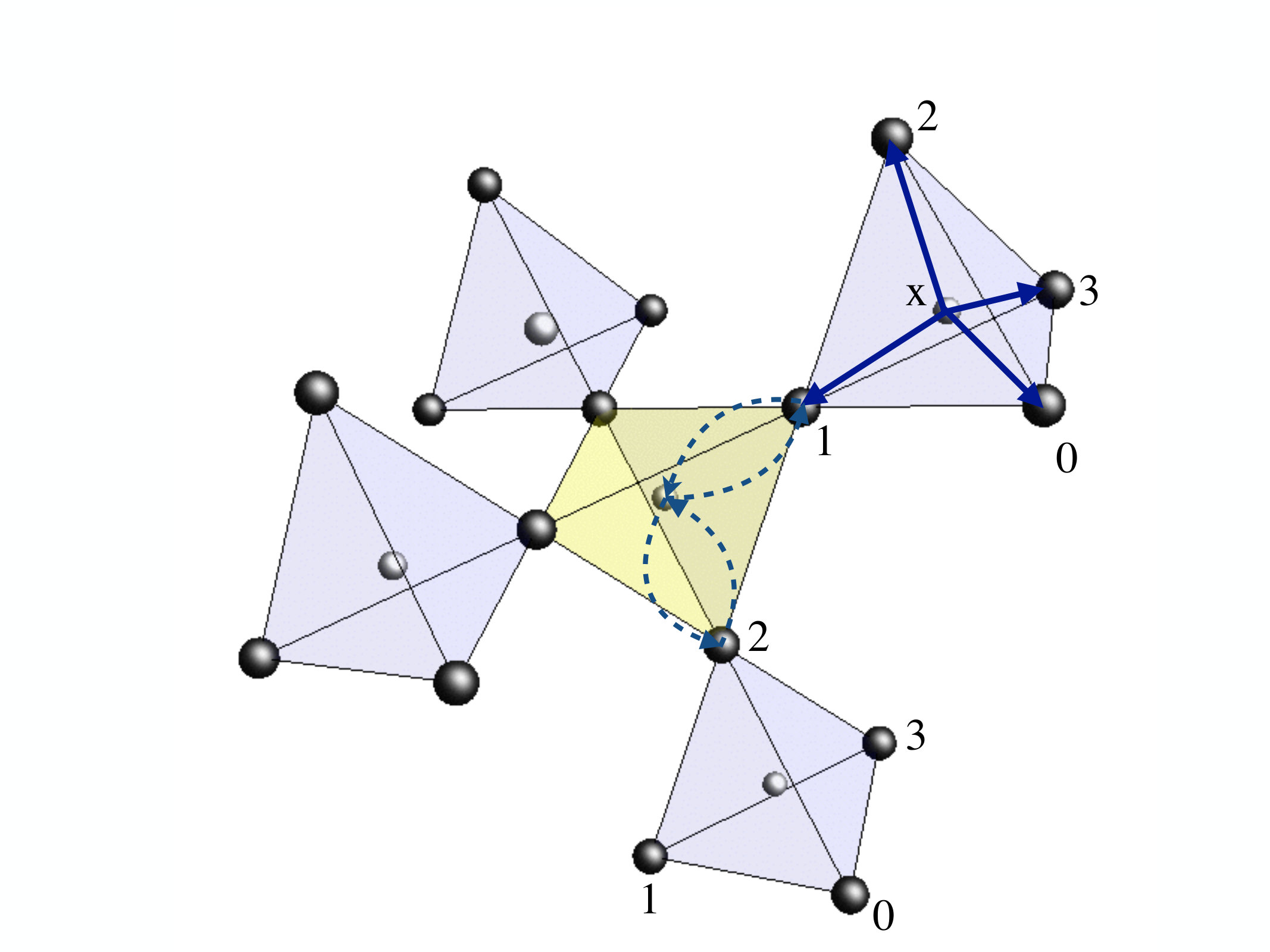 Figure 1
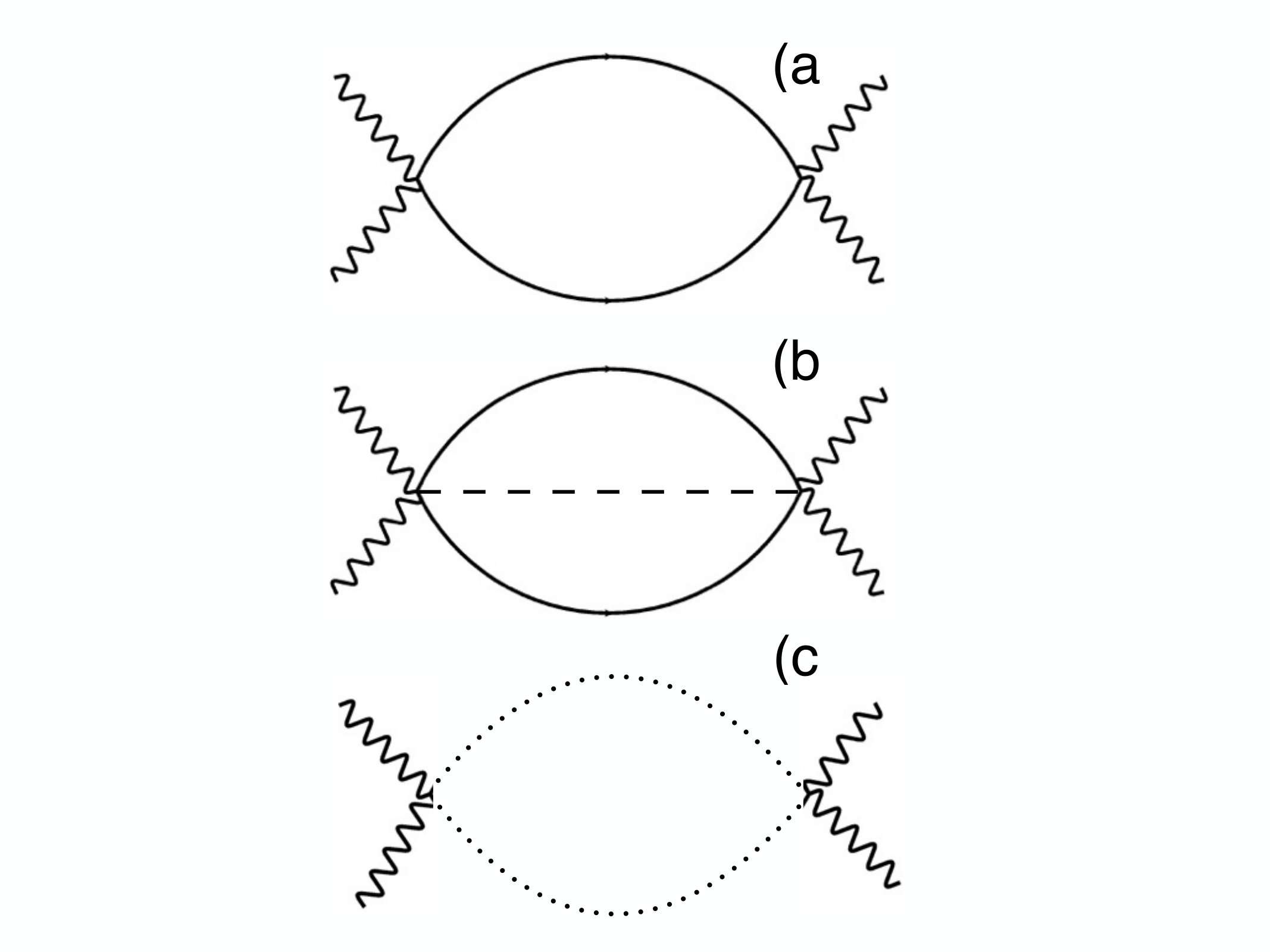 Figure 2
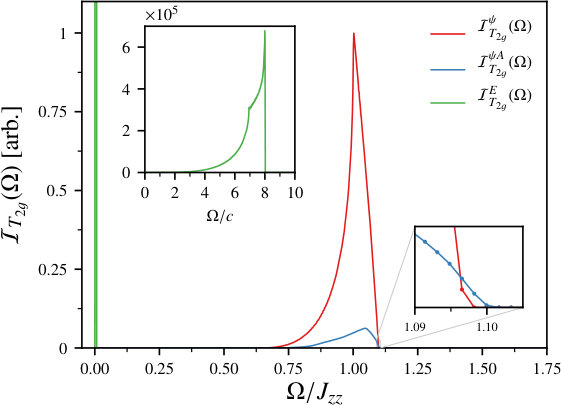 Figure 3
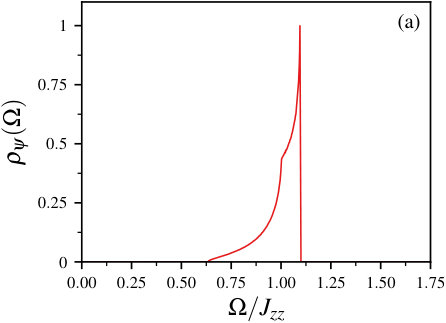 Figure 4
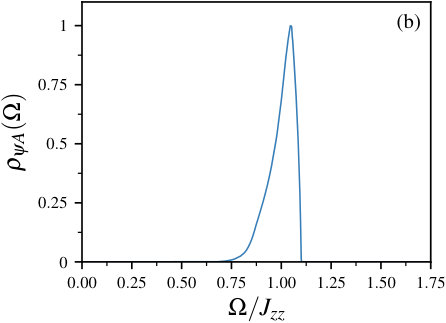 Figure 4
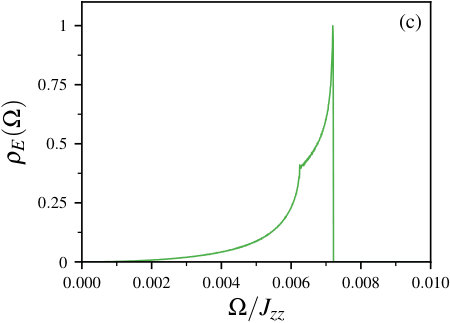 Figure 4
Peer Reviews
No public reviews on file for this paper yet. If you reviewed it on a platform where reviews are public (OpenReview, ICLR, NeurIPS, ICML), you can paste yours below so the community can read it here.
Videos
No videos yet. Explain this paper in a talk, walkthrough, or lecture? Add one.