Evolutionary Image Composition Using Feature Covariance Matrices
Aneta Neumann, Zygmunt L. Szpak, Wojciech Chojnacki, Frank Neumann

TL;DR
This paper introduces a flexible evolutionary algorithm that creates new images by combining features from existing images using feature covariance matrices, enabling targeted and aesthetically pleasing compositions.
Contribution
The paper presents a novel evolutionary approach utilizing feature covariance matrices for image composition, allowing flexible feature integration and targeted region editing.
Findings
Generated images are aesthetically pleasing.
Method effectively targets specific image regions.
Flexible feature incorporation enhances creative possibilities.
Abstract
Evolutionary algorithms have recently been used to create a wide range of artistic work. In this paper, we propose a new approach for the composition of new images from existing ones, that retain some salient features of the original images. We introduce evolutionary algorithms that create new images based on a fitness function that incorporates feature covariance matrices associated with different parts of the images. This approach is very flexible in that it can work with a wide range of features and enables targeting specific regions in the images. For the creation of the new images, we propose a population-based evolutionary algorithm with mutation and crossover operators based on random walks. Our experimental results reveal a spectrum of aesthetically pleasing images that can be obtained with the aid of our evolutionary process.
Click any figure to enlarge with its caption.
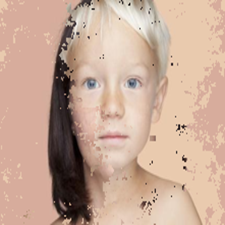 Figure 1
 Figure 2
 Figure 3
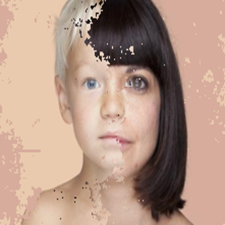 Figure 4
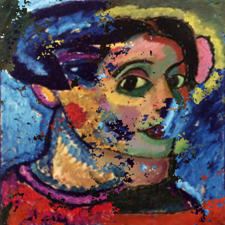 Figure 5
 Figure 6
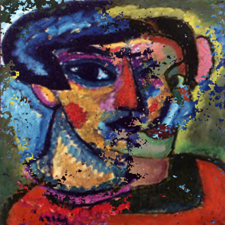 Figure 7
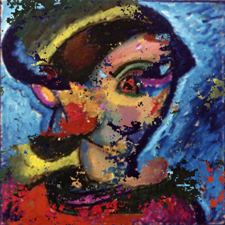 Figure 8
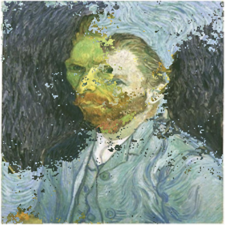 Figure 9
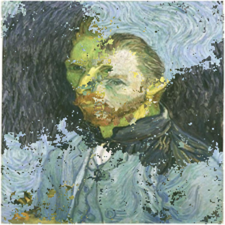 Figure 10
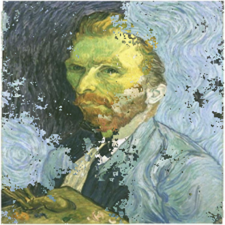 Figure 11
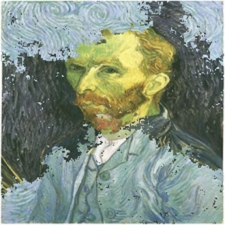 Figure 12
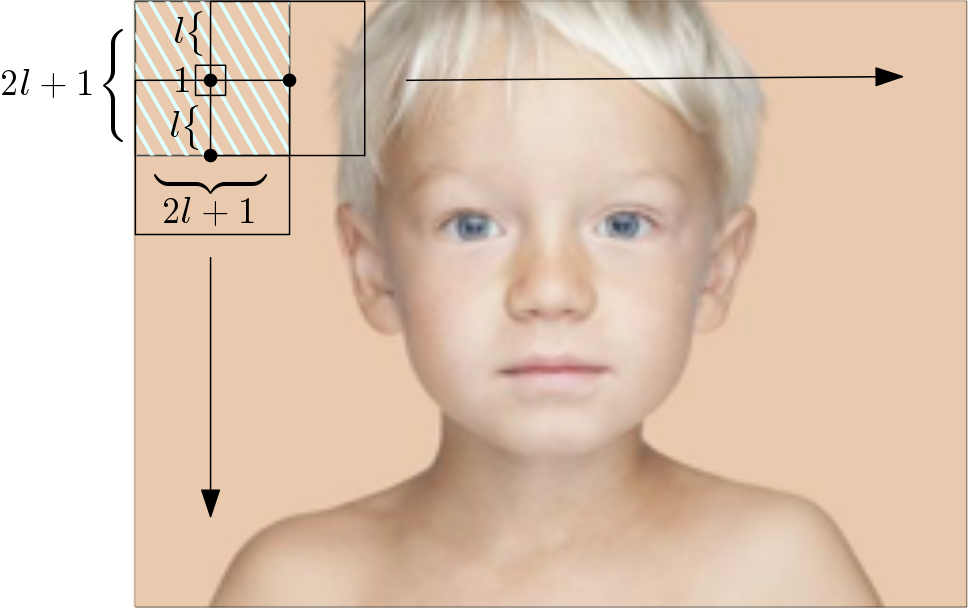 Figure 13
 Figure 14
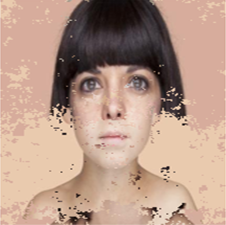 Figure 15
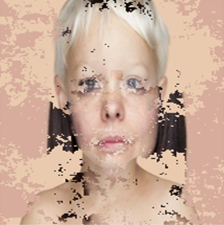 Figure 16
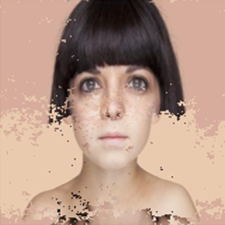 Figure 17
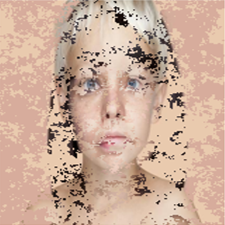 Figure 18
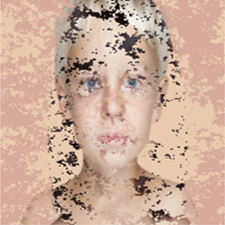 Figure 19
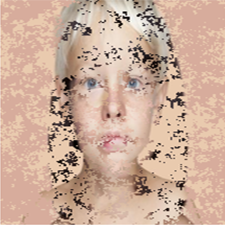 Figure 20
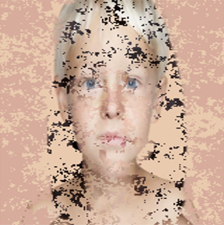 Figure 21
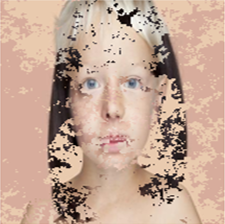 Figure 22
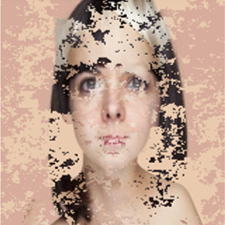 Figure 23
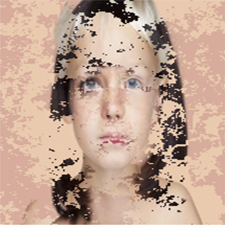 Figure 24
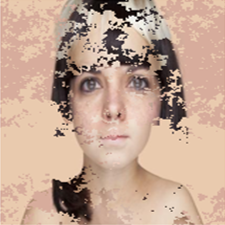 Figure 25
 Figure 26
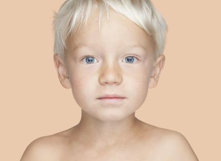 Figure 27
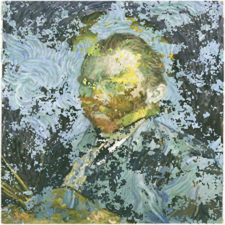 Figure 28
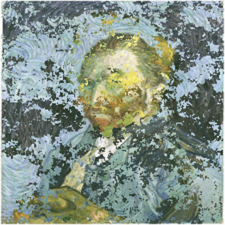 Figure 29
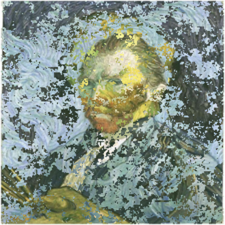 Figure 30
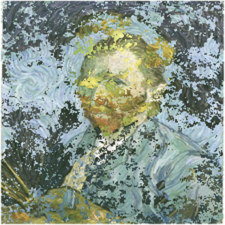 Figure 31
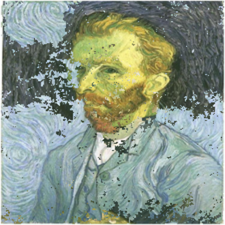 Figure 32
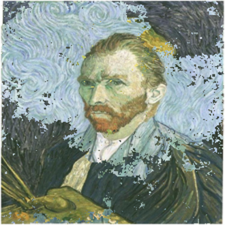 Figure 33
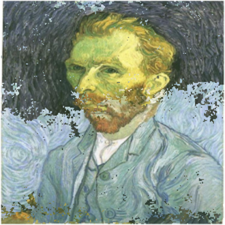 Figure 34
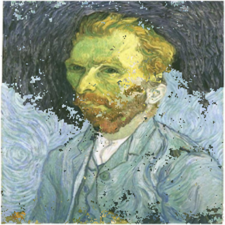 Figure 35
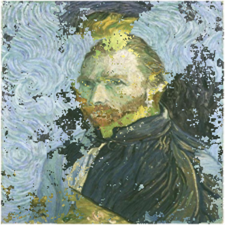 Figure 36
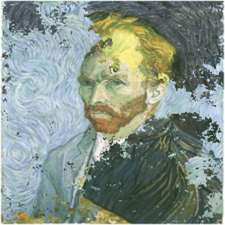 Figure 37
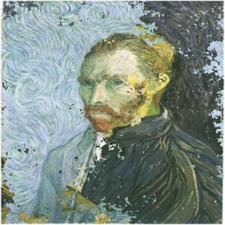 Figure 38
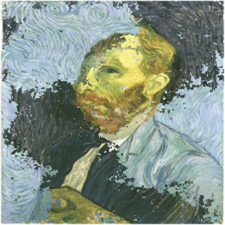 Figure 39
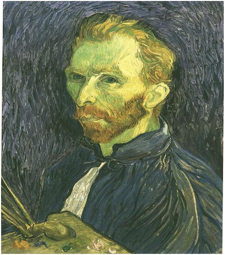 Figure 40
Peer Reviews
No public reviews on file for this paper yet. If you reviewed it on a platform where reviews are public (OpenReview, ICLR, NeurIPS, ICML), you can paste yours below so the community can read it here.
Videos
No videos yet. Explain this paper in a talk, walkthrough, or lecture? Add one.
Taxonomy
TopicsAesthetic Perception and Analysis