The third data release of the Kilo-Degree Survey and associated data products
J. T. A. de Jong, G. A. Verdoes Kleijn, T. Erben, H. Hildebrandt, K., Kuijken, G. Sikkema, M. Brescia, M. Bilicki, N. R. Napolitano, V. Amaro, K., G. Begeman, D. R. Boxhoorn, H. Buddelmeijer, S. Cavuoti, F. Getman, A. Grado,, E. Helmich, Z. Huang, N. Irisarri, F. La Barbera

TL;DR
The third data release of the KiDS survey provides expanded, calibrated imaging data, photometric redshifts, and weak lensing measurements, enabling advanced cosmological and astrophysical research.
Contribution
This release introduces new survey area, improved calibration, and multiple methods for photometric redshifts and shear measurements, enhancing data quality and usability.
Findings
Expanded survey coverage to 447 sq.deg.
Photometric calibration stable to ~2% in gri.
Photometric redshifts derived using Bayesian and machine-learning methods.
Abstract
The Kilo-Degree Survey (KiDS) is an ongoing optical wide-field imaging survey with the OmegaCAM camera at the VLT Survey Telescope. It aims to image 1500 square degrees in four filters (ugri). The core science driver is mapping the large-scale matter distribution in the Universe, using weak lensing shear and photometric redshift measurements. Further science cases include galaxy evolution, Milky Way structure, detection of high-redshift clusters, and finding rare sources such as strong lenses and quasars. Here we present the third public data release (DR3) and several associated data products, adding further area, homogenized photometric calibration, photometric redshifts and weak lensing shear measurements to the first two releases. A dedicated pipeline embedded in the Astro-WISE information system is used for the production of the main release. Modifications with respect to earlier…
Click any figure to enlarge with its caption.
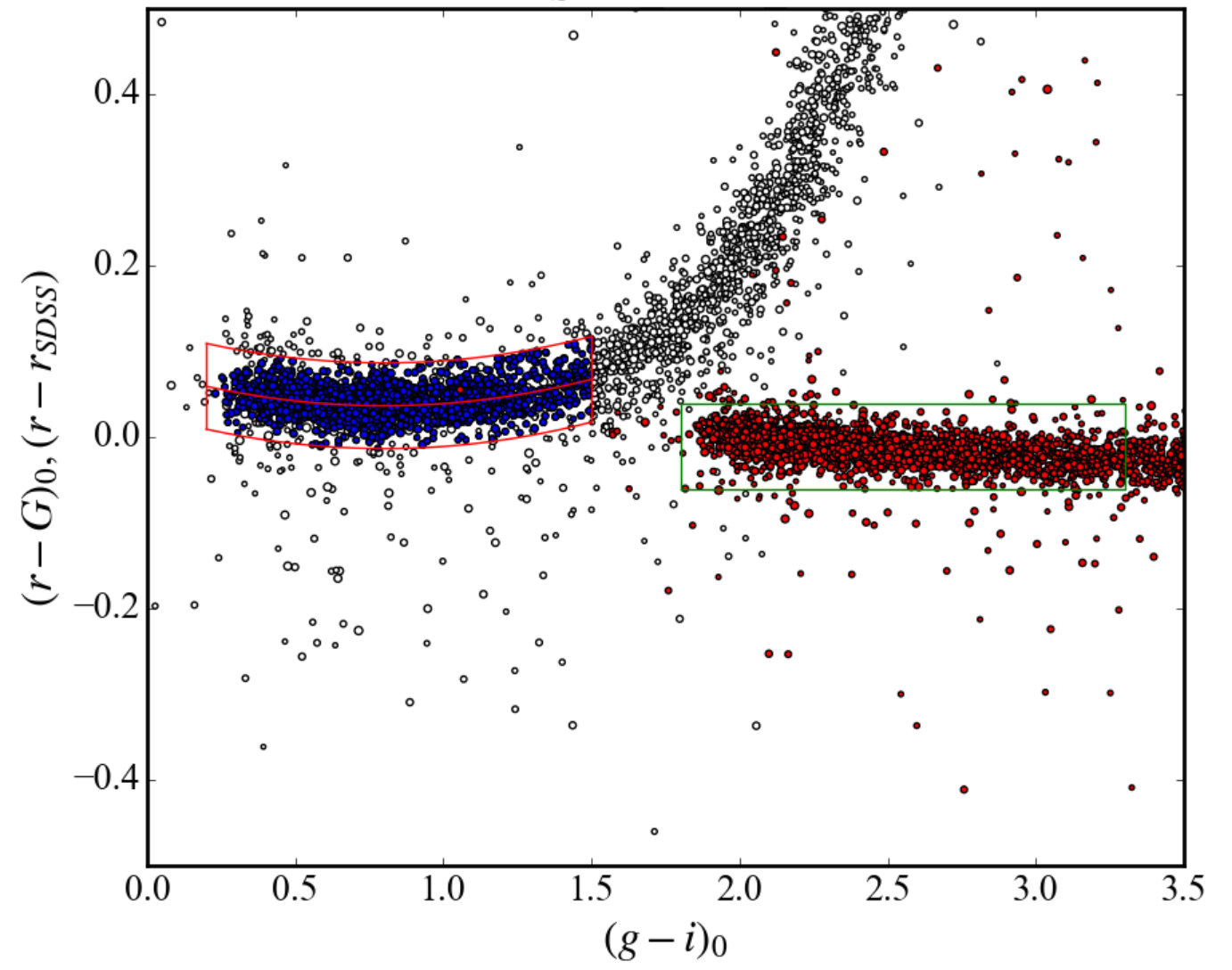 Figure 1
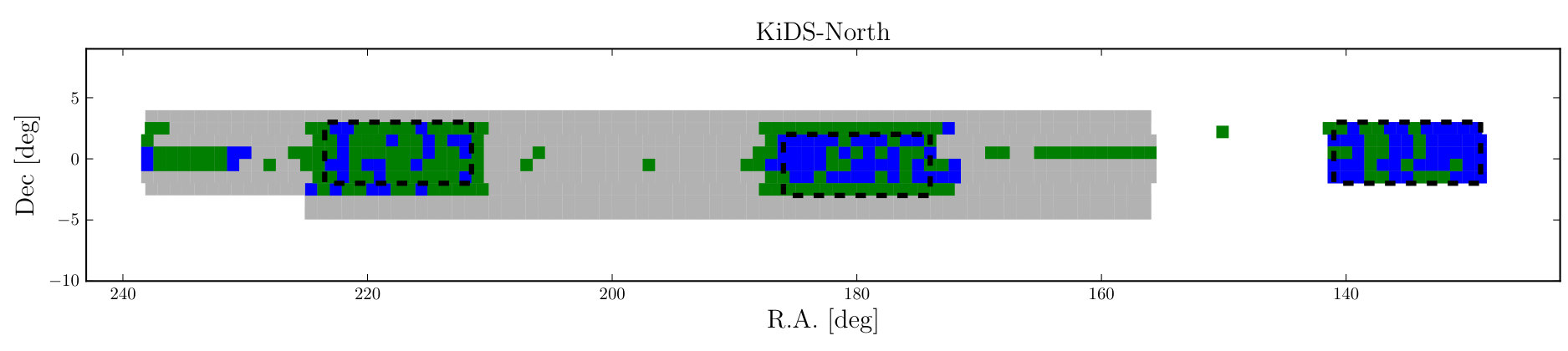 Figure 2
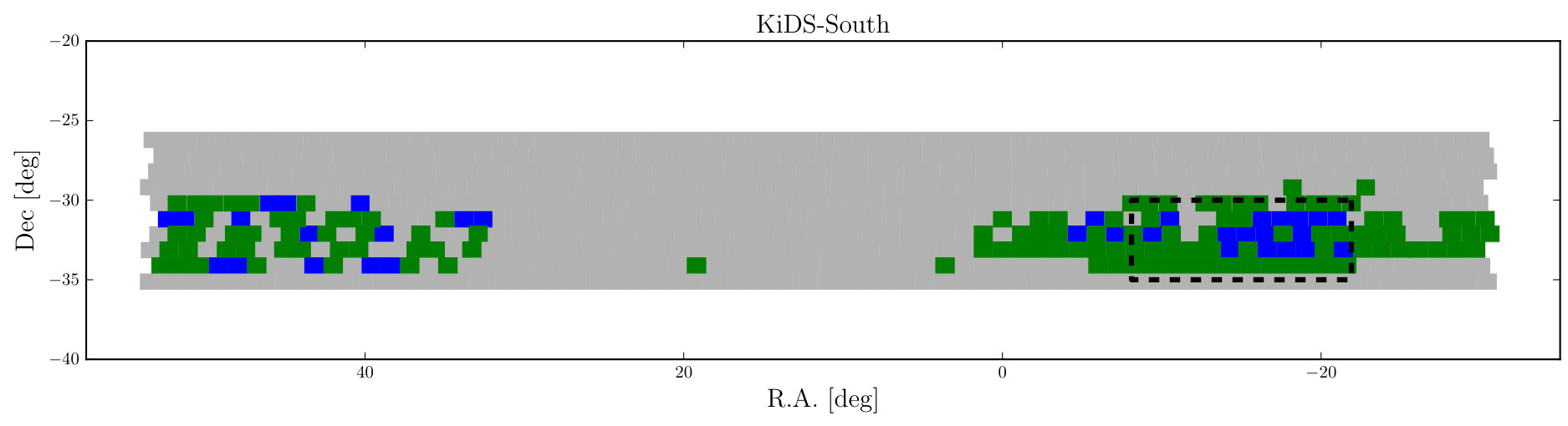 Figure 3
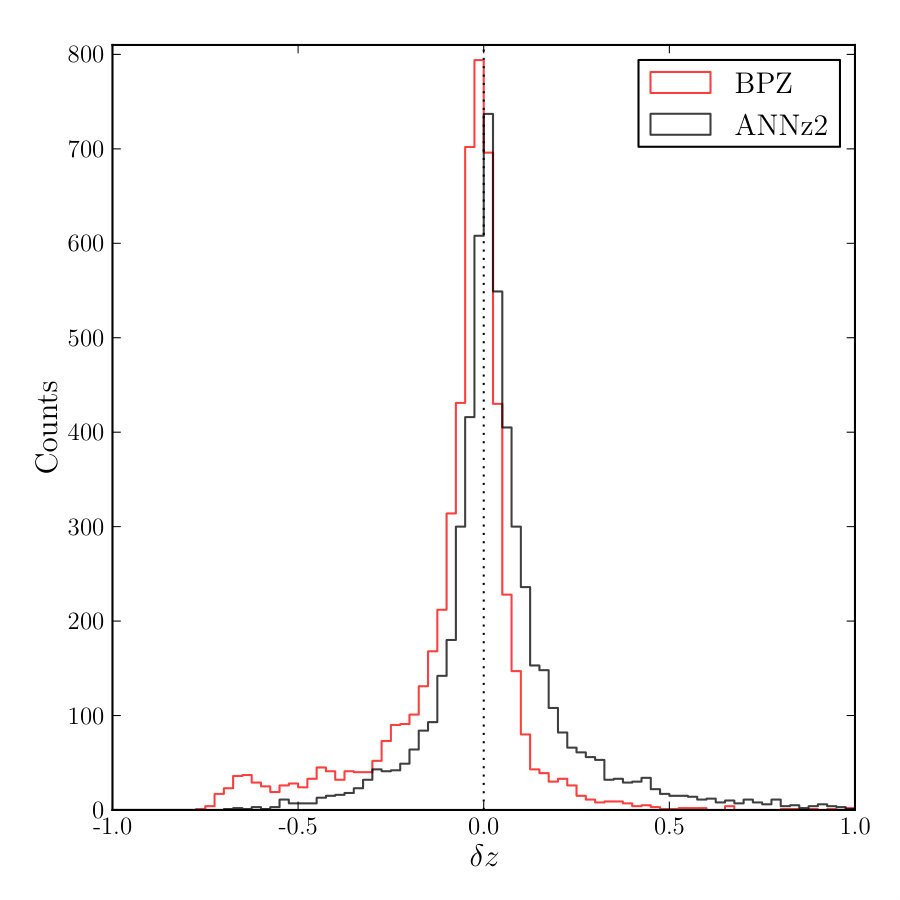 Figure 4
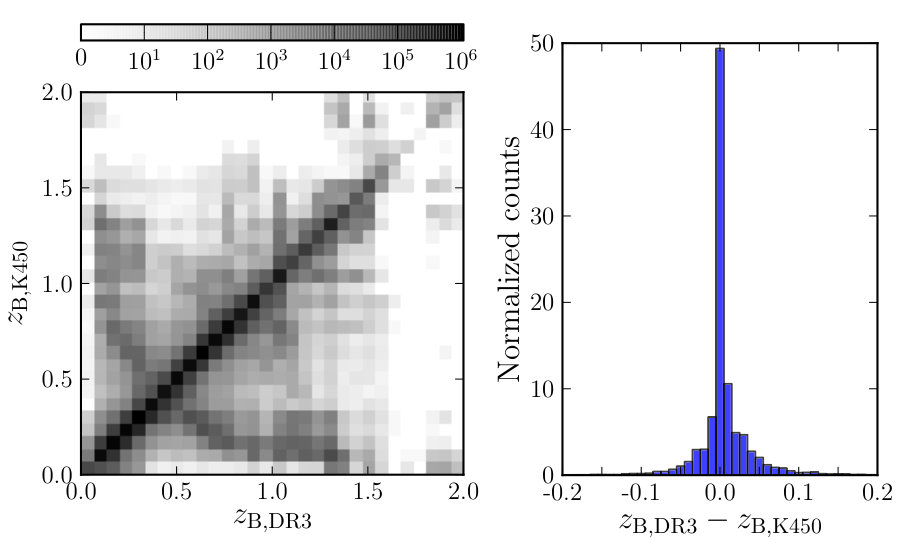 Figure 5
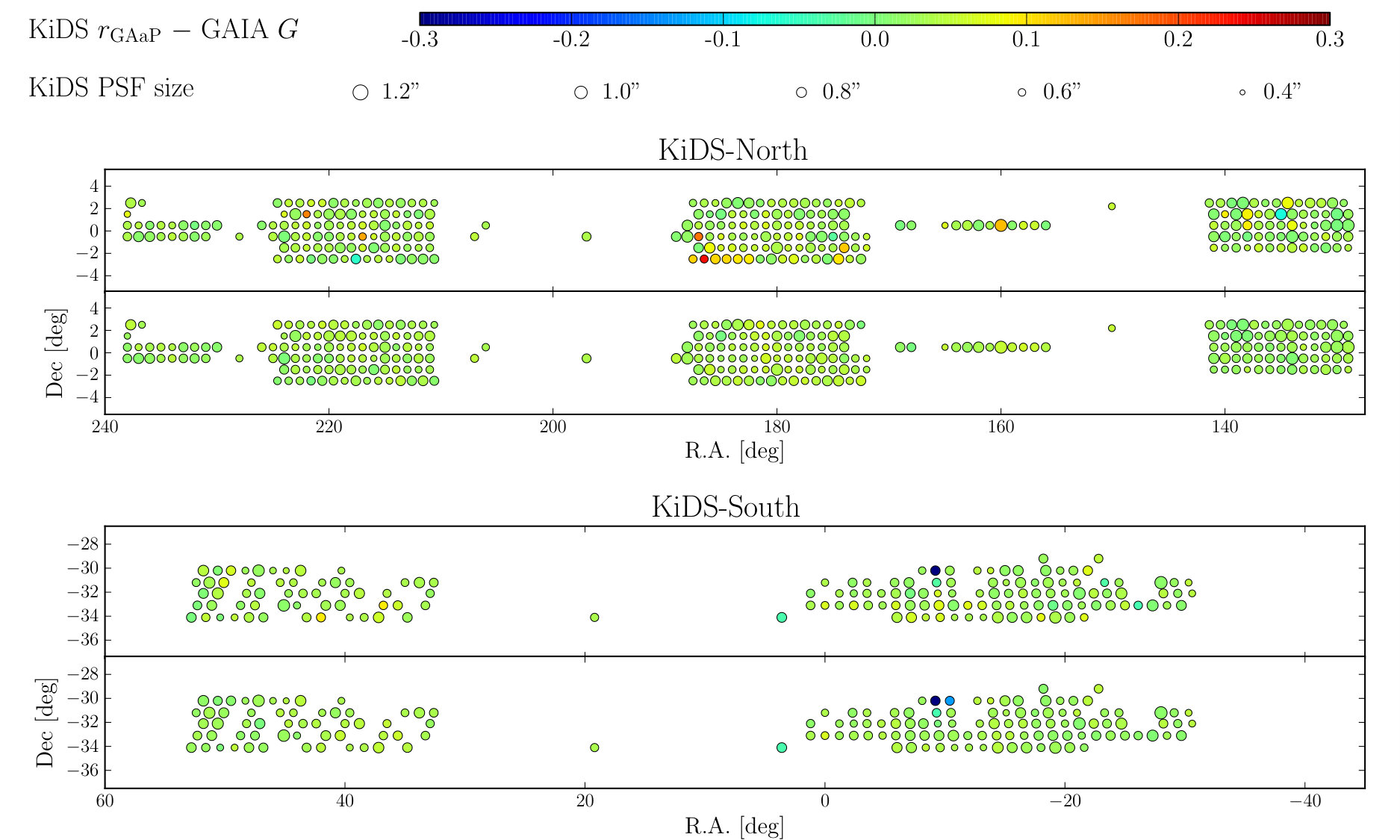 Figure 6
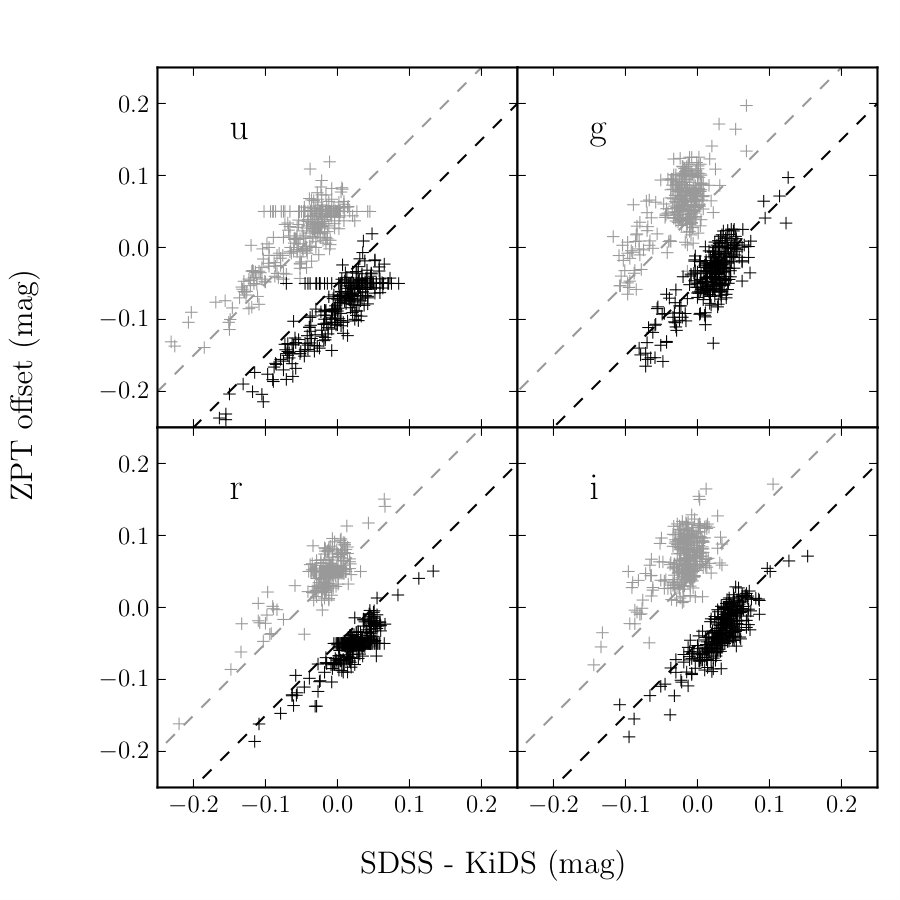 Figure 7
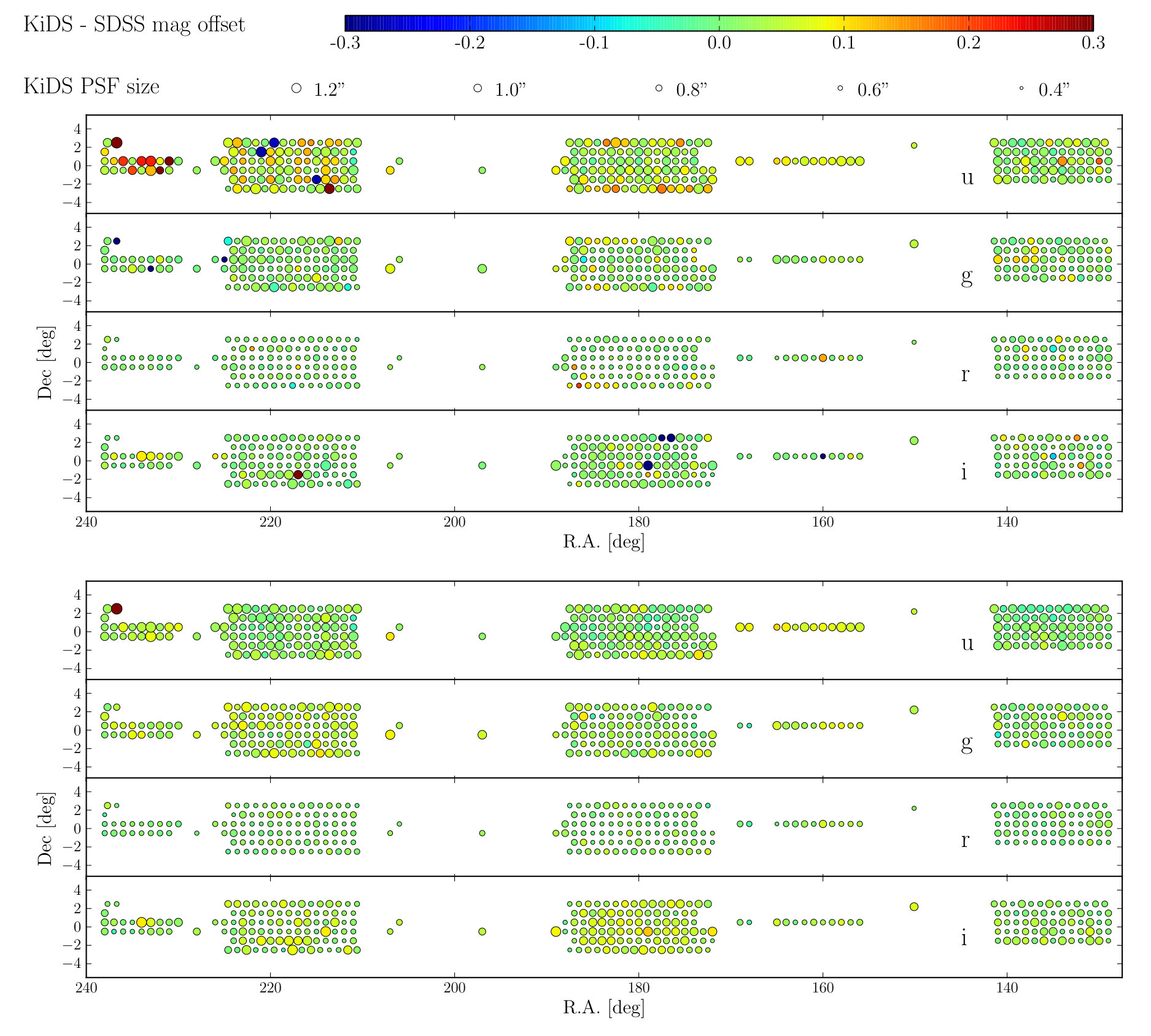 Figure 8
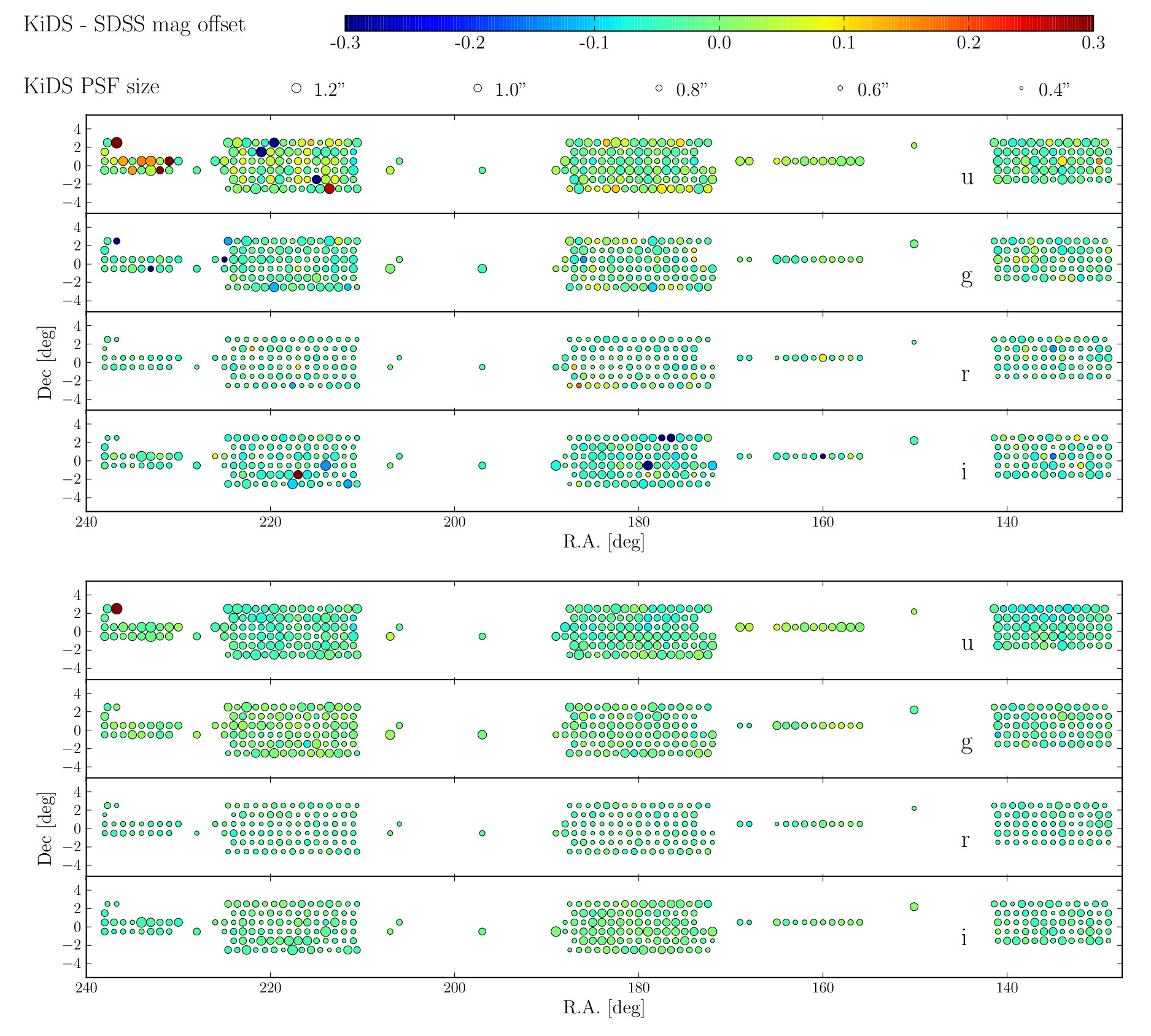 Figure 9
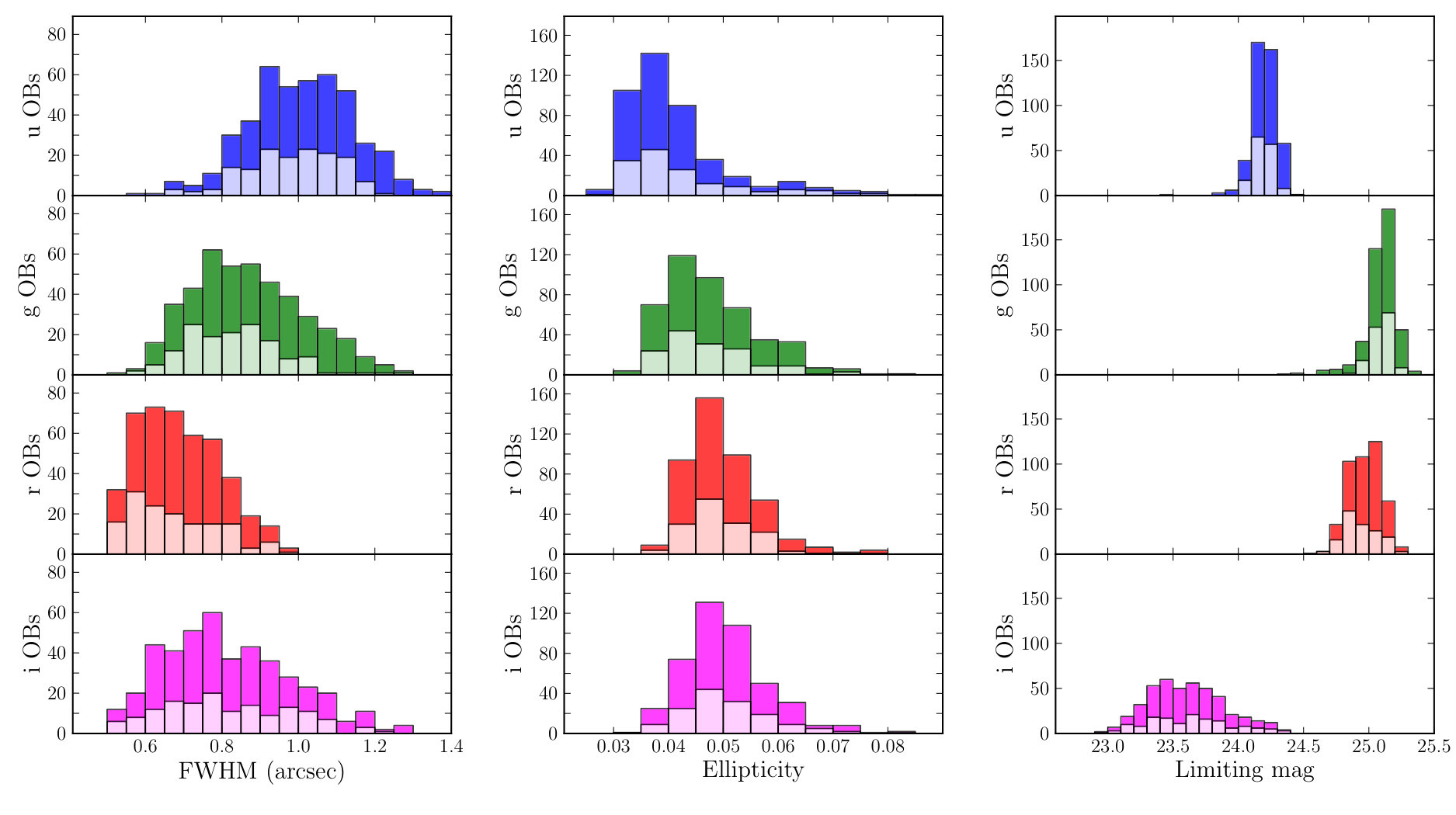 Figure 10
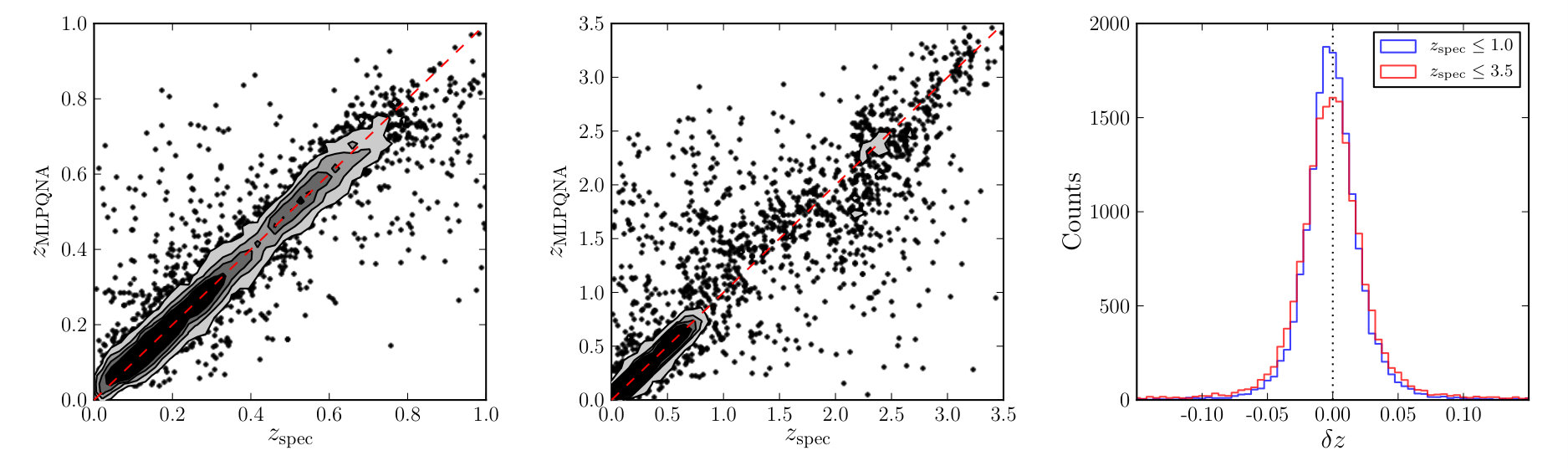 Figure 11
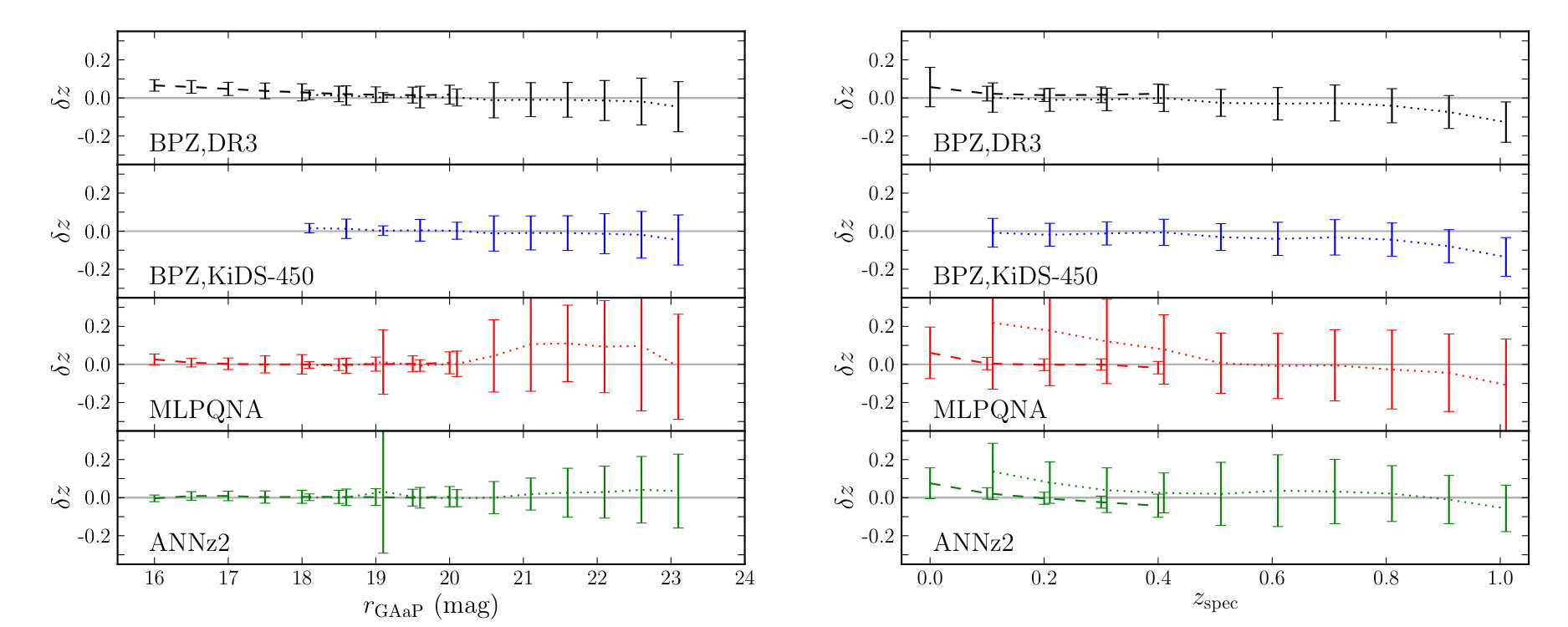 Figure 12
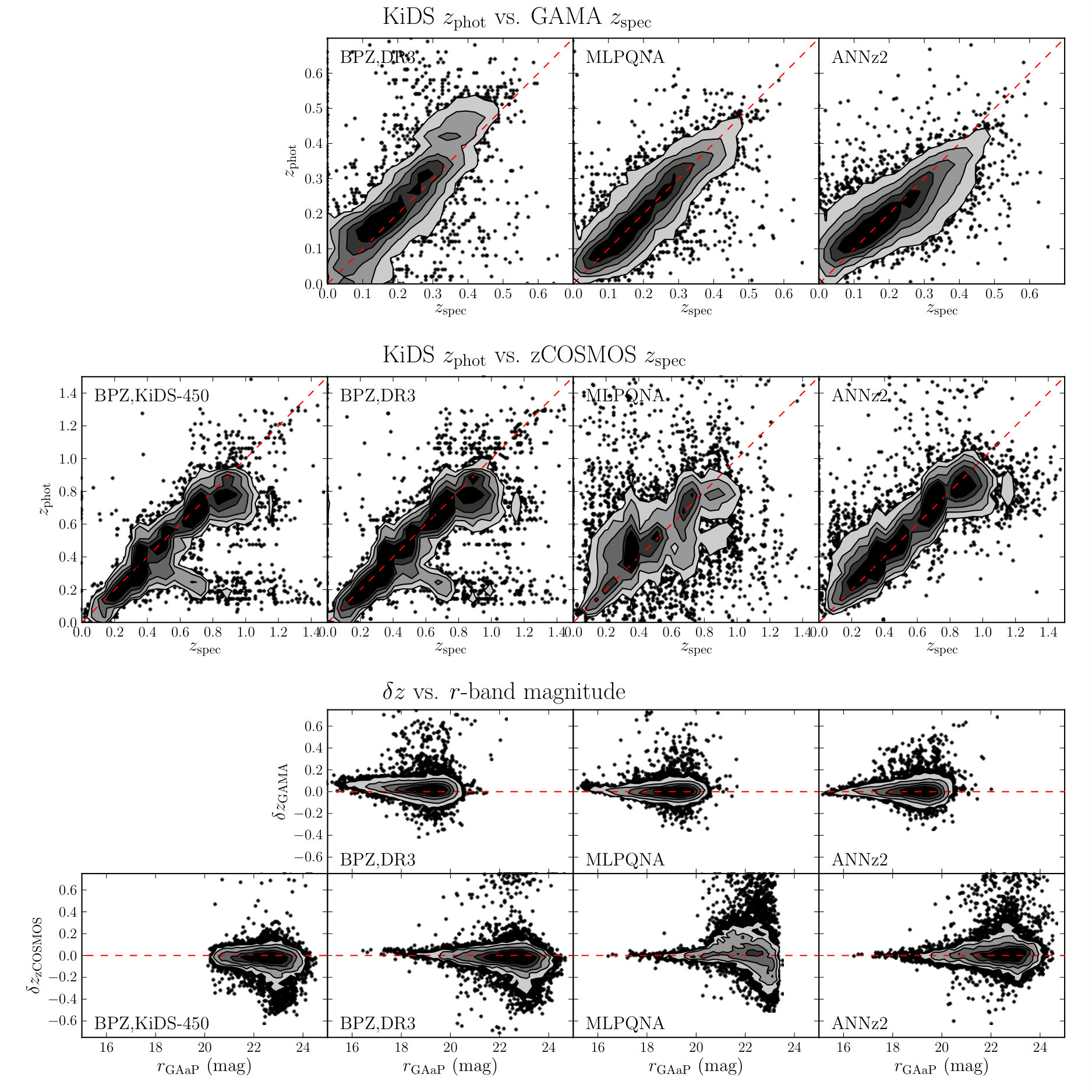 Figure 13
Peer Reviews
No public reviews on file for this paper yet. If you reviewed it on a platform where reviews are public (OpenReview, ICLR, NeurIPS, ICML), you can paste yours below so the community can read it here.
Videos
No videos yet. Explain this paper in a talk, walkthrough, or lecture? Add one.