Broadside Dual-channel Orthogonal-Polarization Radiation using a Double-Asymmetric Periodic Leaky-Wave Antenna
Amar Al-Bassam, Simon Otto, Dirk Heberling, Christophe Caloz

TL;DR
This paper introduces a double asymmetric periodic leaky-wave antenna design that enables simultaneous broadside radiation of two orthogonal modes, enhancing polarization diversity for wireless communication applications.
Contribution
It presents a novel double asymmetric unit cell design combining circularly polarized and coupled mode elements, demonstrating dual-mode broadside radiation through simulations and experiments.
Findings
Double asymmetry enables orthogonal mode radiation
Degree of transversal asymmetry controls cross-polarization discrimination
Experimental validation confirms simulation results
Abstract
The paper demonstrates that double unit-cell asymmetry in periodic leaky-wave antennas (P-LWAs), i.e. asymmetry with respect to both the longitudinal and transversal axes of the structure -- or longitudinal asymmetry (LA) and transversal asymmetry (TA) -- allows for the simultaneous broadside radiation of two orthogonal modes excited at the two ports of the antenna. This means that the antenna may simultaneously support two orthogonal channels, which represents an interesting polarization diversity characteristics for wireless communications. The double asymmetric (DA) unit cell combines a circularly polarized LA unit cell and a coupled mode TA unit cell, where the former provides equal radiation in the series and shunt modes while the latter separates these two modes in terms of their excitation ports. It is also shown that the degree of TA in the DA unit cell controls the…
Click any figure to enlarge with its caption.
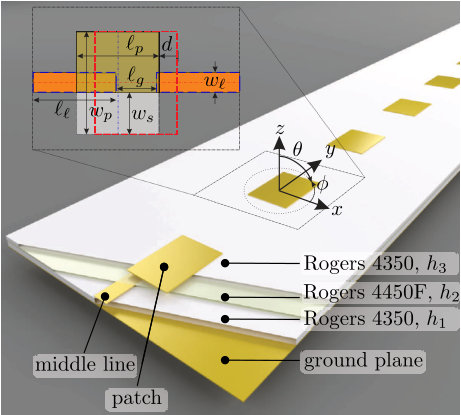 Figure 1
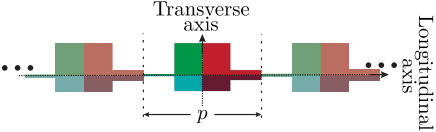 Figure 2
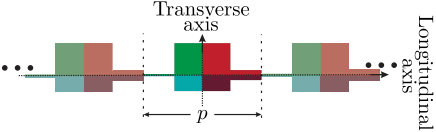 Figure 3
 Figure 4
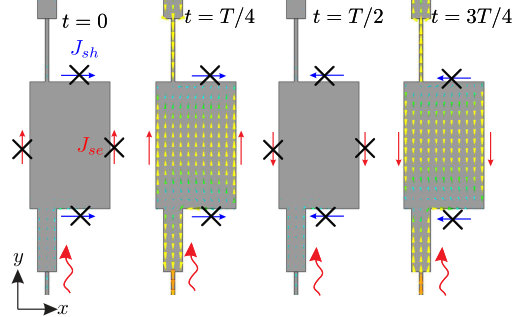 Figure 5
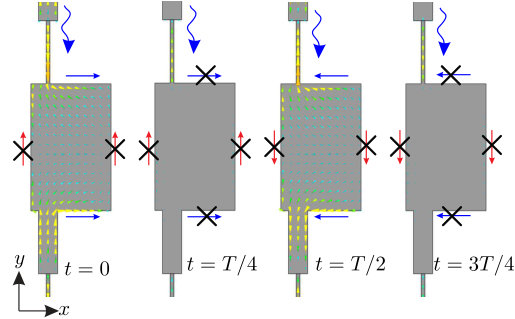 Figure 6
 Figure 7
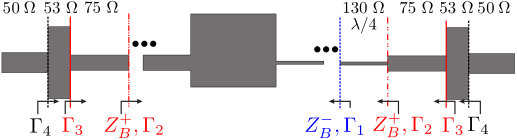 Figure 8
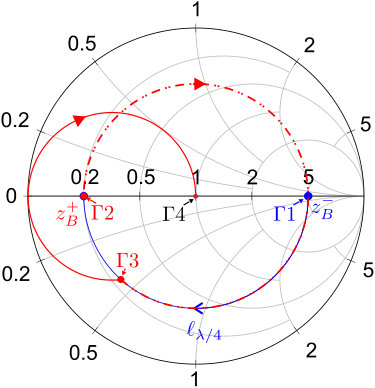 Figure 9
 Figure 10
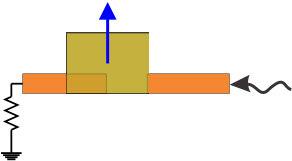 Figure 11
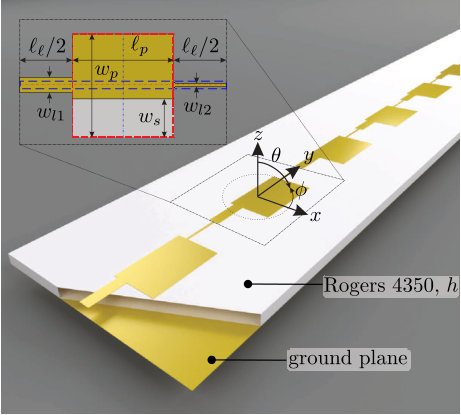 Figure 12
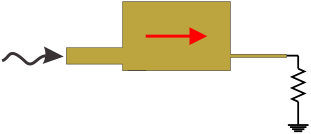 Figure 13
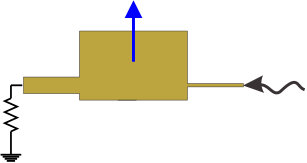 Figure 14
 Figure 15
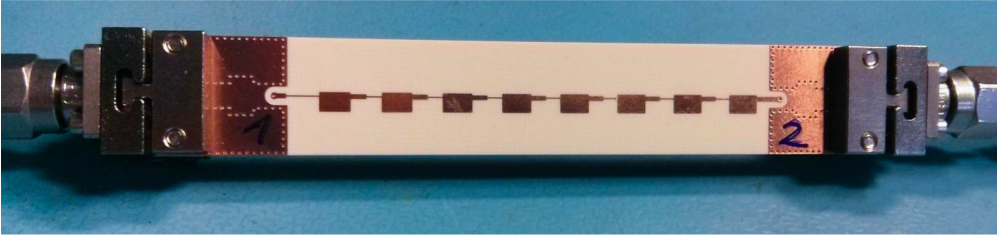 Figure 16
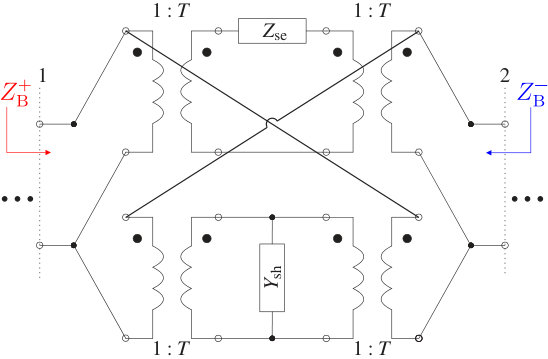 Figure 17
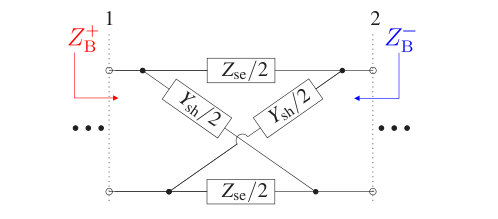 Figure 18
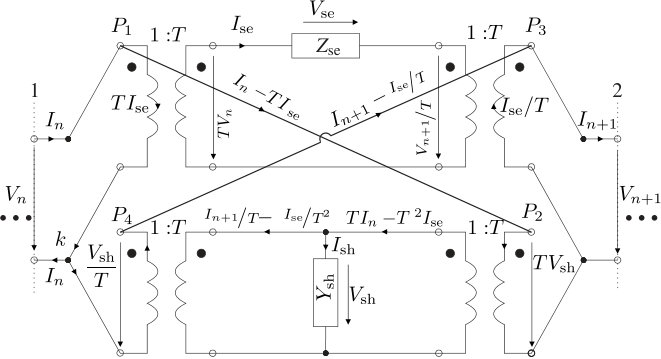 Figure 19
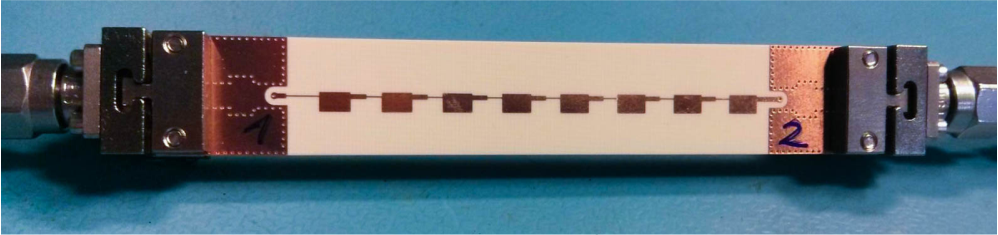 Figure 20
Peer Reviews
No public reviews on file for this paper yet. If you reviewed it on a platform where reviews are public (OpenReview, ICLR, NeurIPS, ICML), you can paste yours below so the community can read it here.
Videos
No videos yet. Explain this paper in a talk, walkthrough, or lecture? Add one.