
TL;DR
This paper reports on LHCb's recent searches for light exotic particles, including lepton number violation and dark bosons, using data from Run I of the LHC at 7 and 8 TeV.
Contribution
It presents new experimental searches for light exotics at LHCb, focusing on lepton number violation and low mass dark bosons, with analysis of Run I data.
Findings
No evidence of lepton number violating decays found.
Constraints set on the existence of low mass dark bosons.
Results improve limits on light exotic particles.
Abstract
We report on the latest direct searches for light exotics at LHCb, conducted during Run I of LHC. This proceedings are divided into two sections, the first part will cover the search for the lepton number violating decay while the second part will cover the search for a low mass dark boson in the decay , with and . The data used in these searches correspond to integrated luminosities of 1.0 and fb collected in collisions at centre of mass energies of and 8 TeV in collisions with the LHCb detector.
Click any figure to enlarge with its caption.
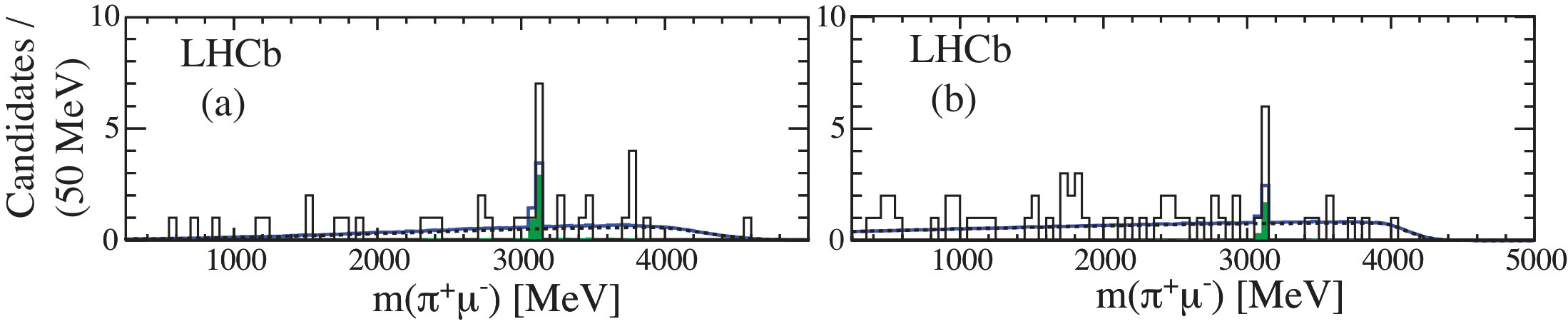 Figure 1
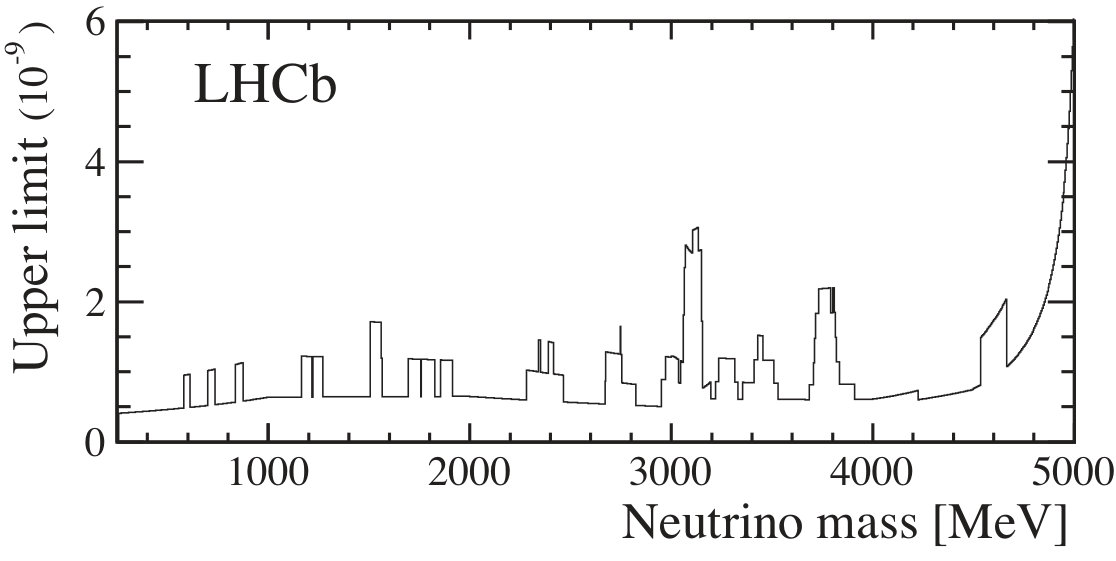 Figure 2
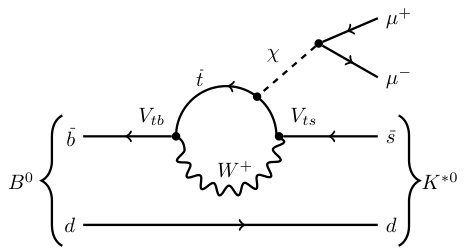 Figure 1
 Figure 1
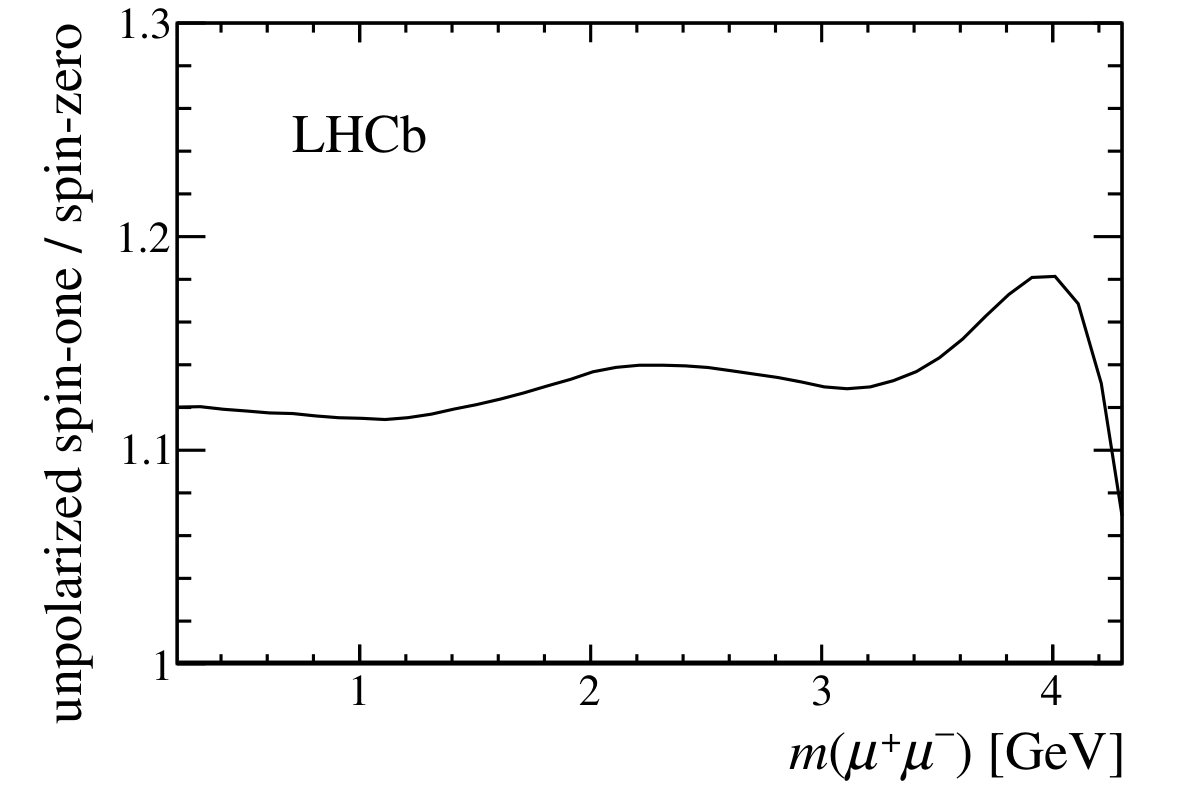 Figure 1
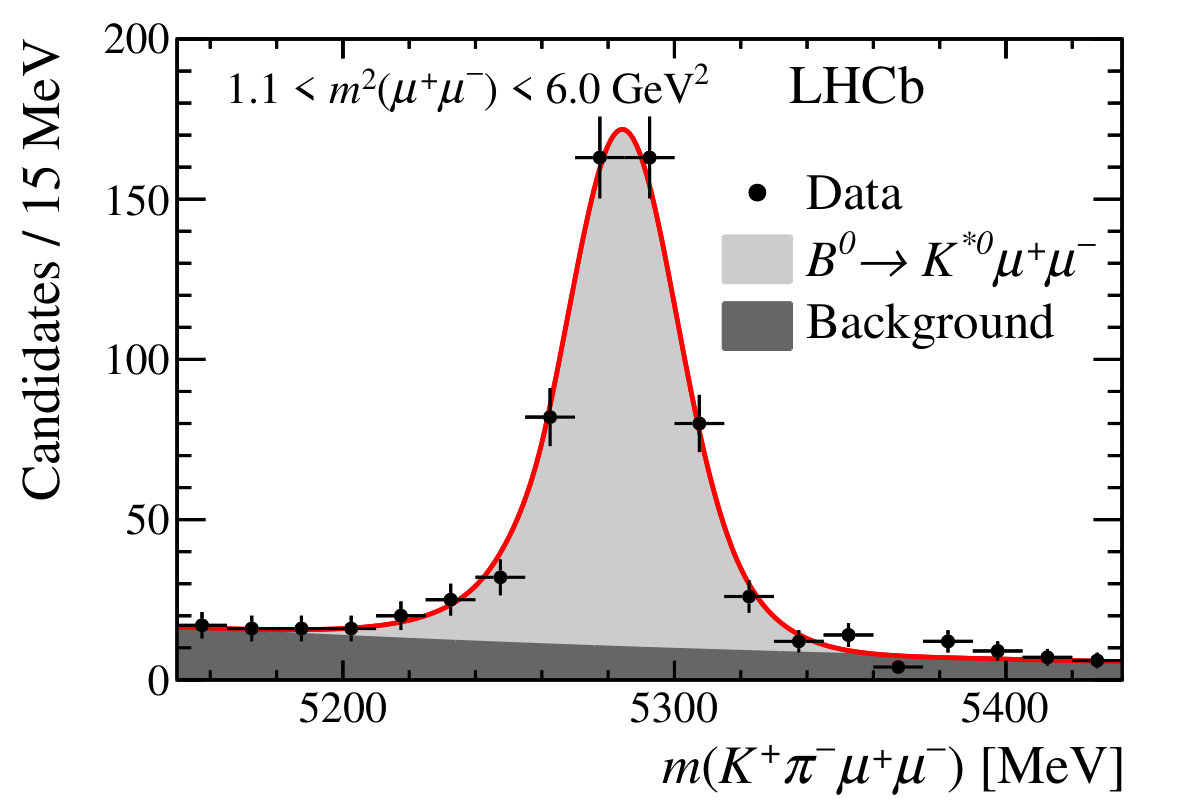 Figure 2
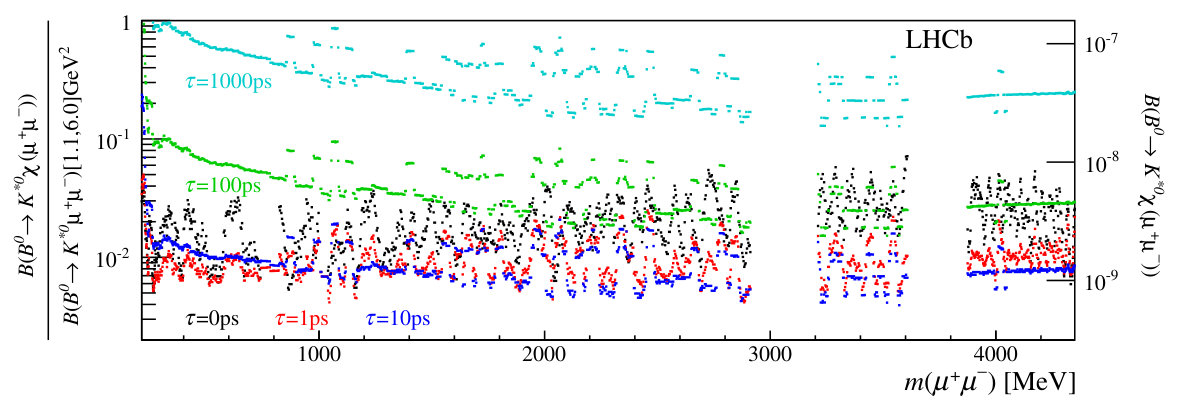 Figure 2
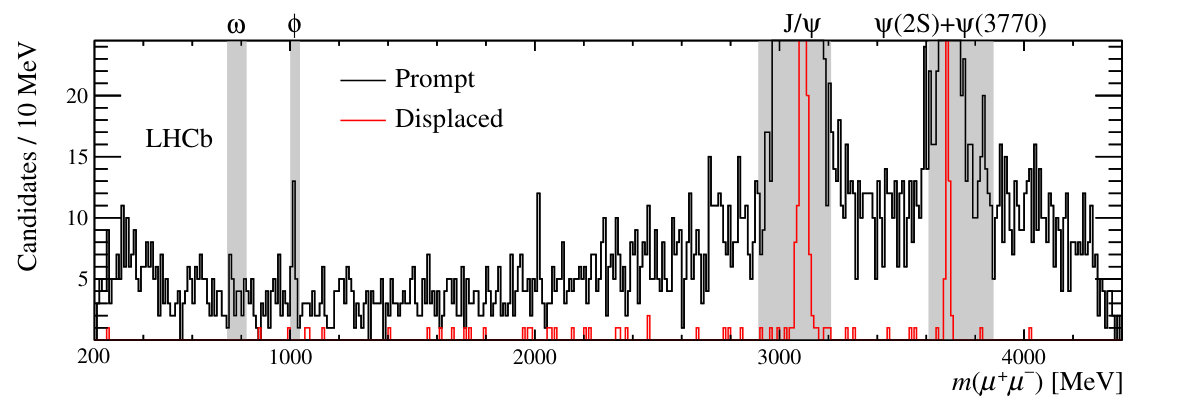 Figure 3
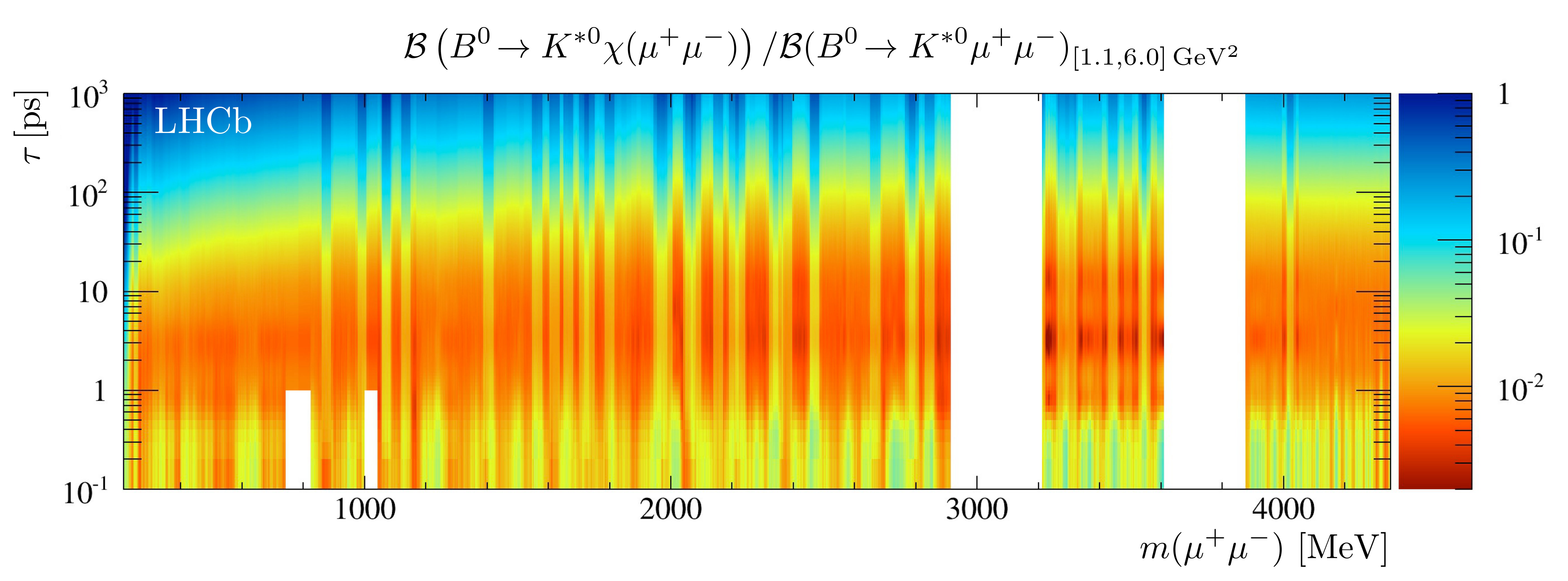 Figure 3
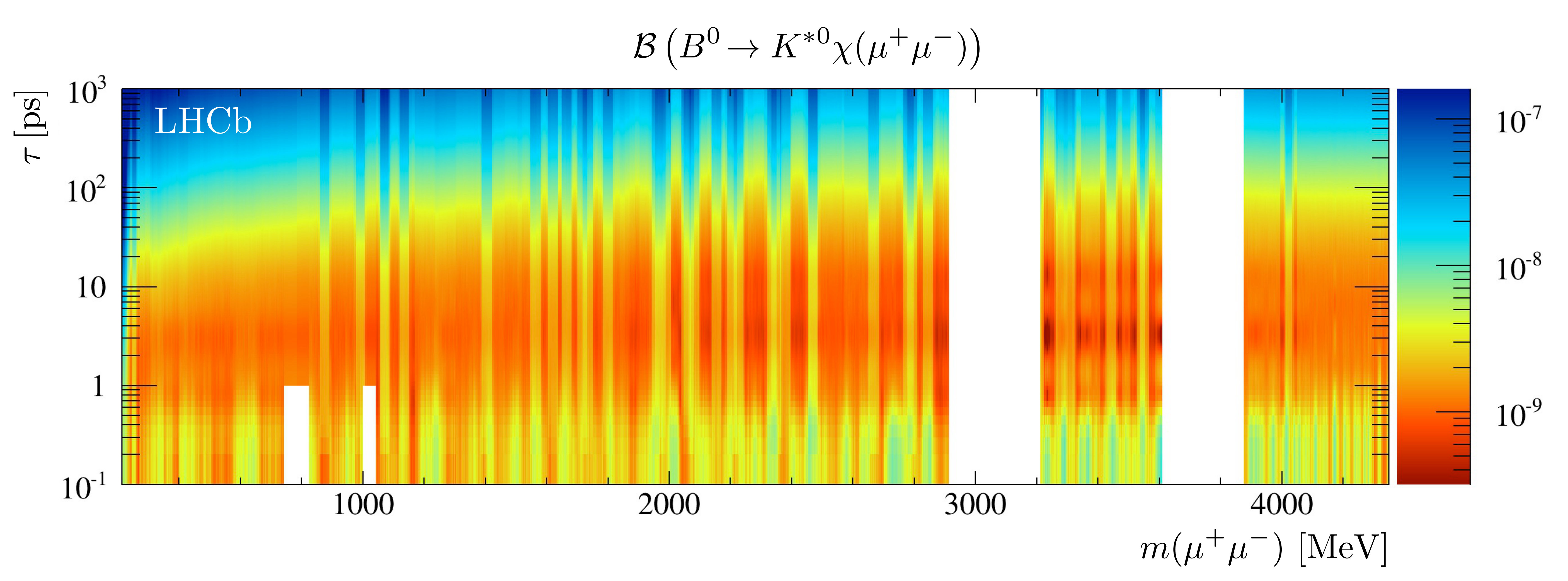 Figure 3
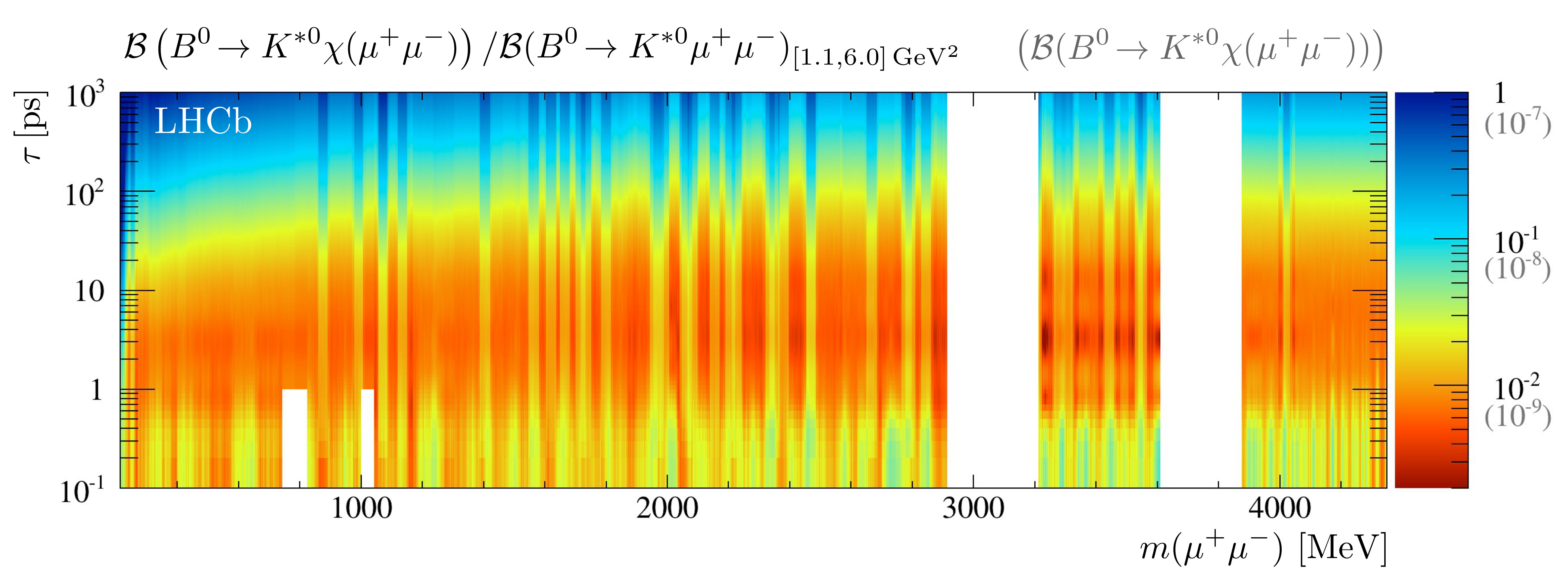 Figure 3
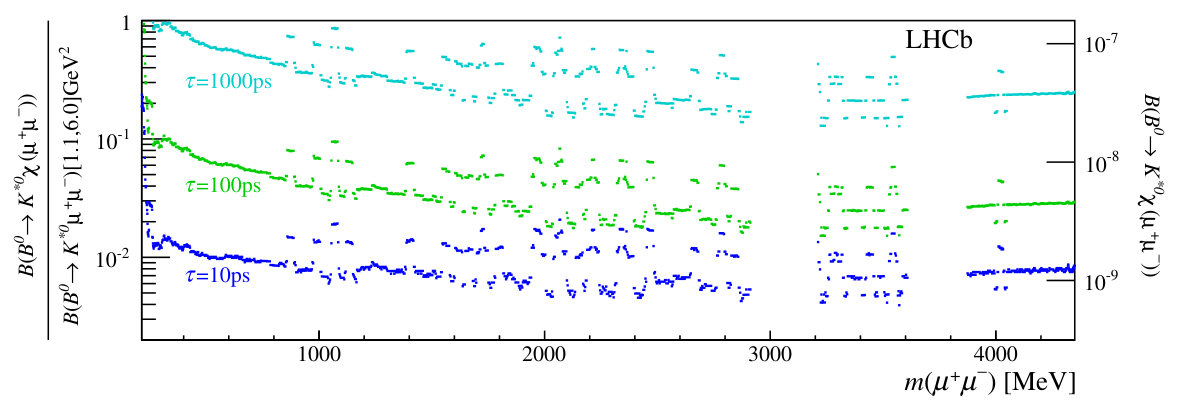 Figure 4
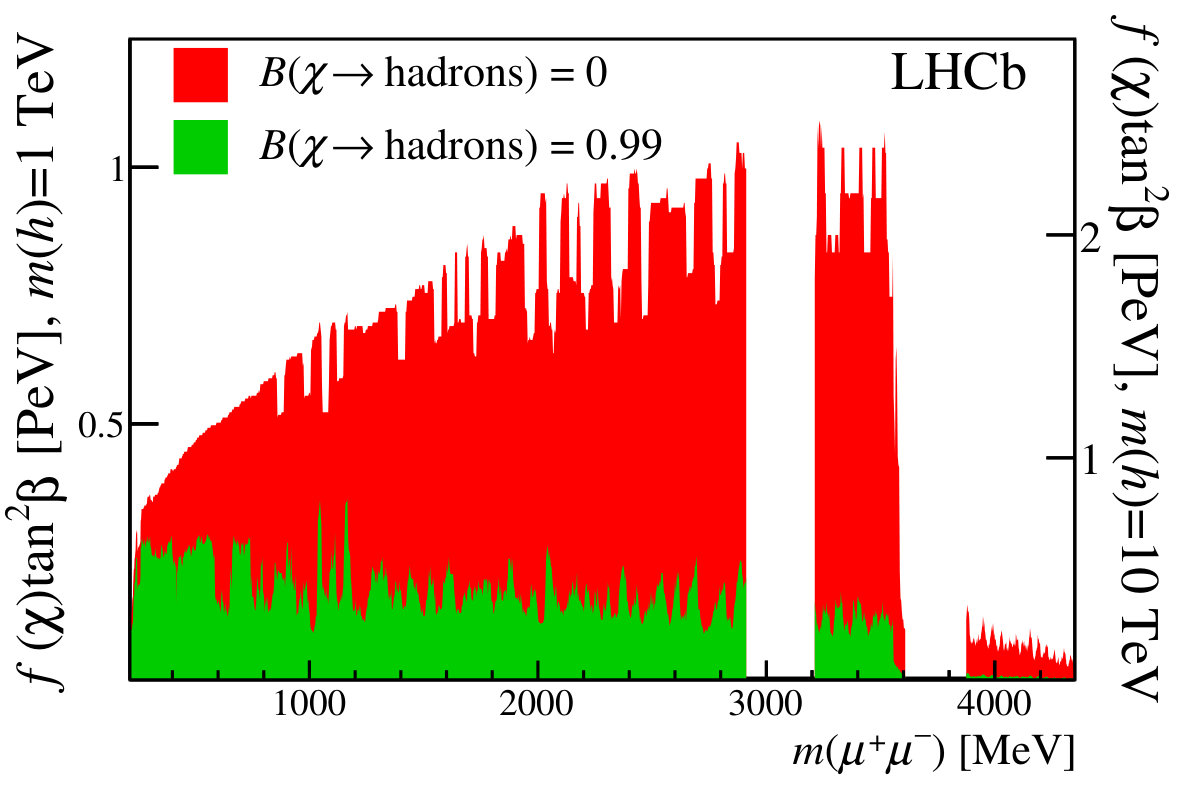 Figure 5
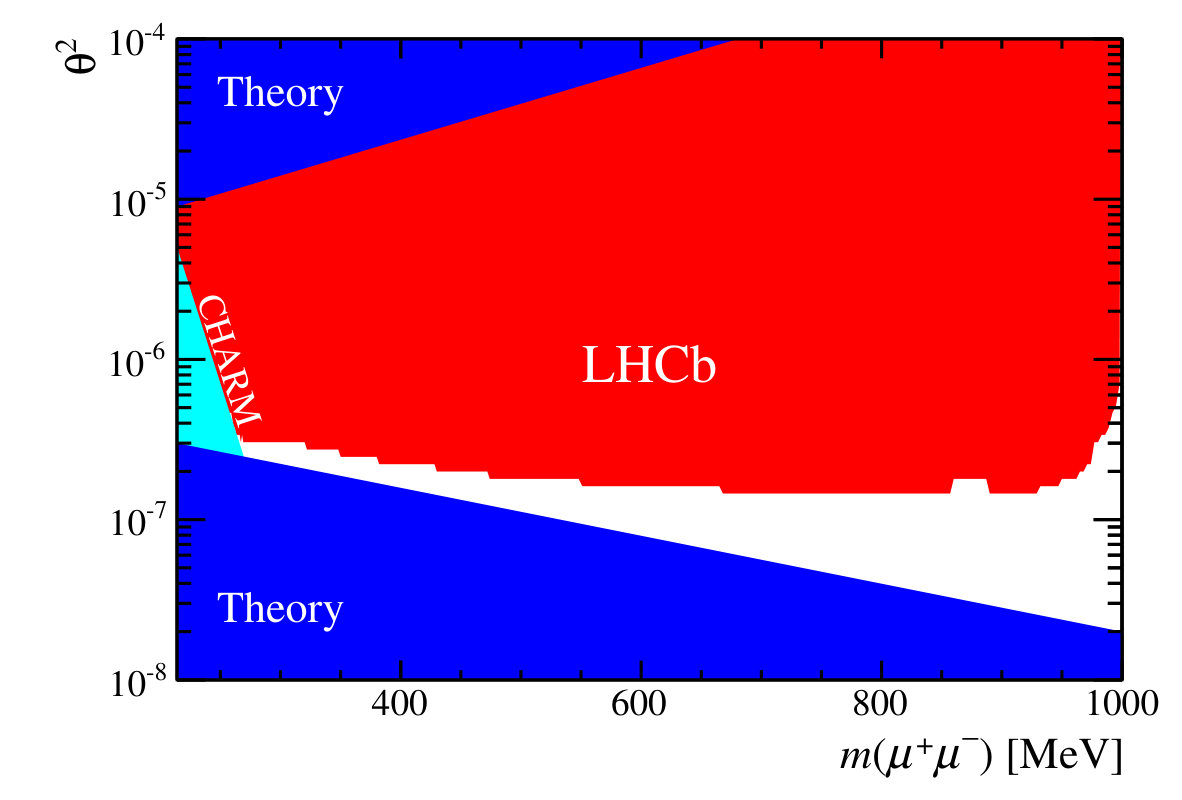 Figure 5
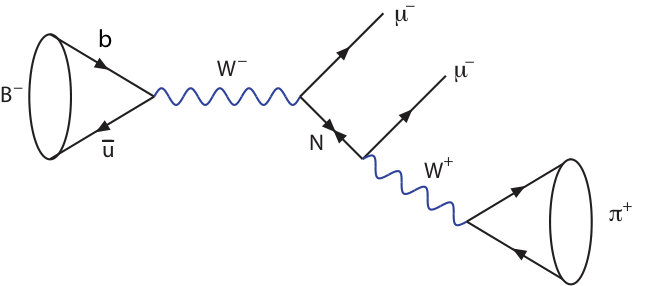 Figure 15
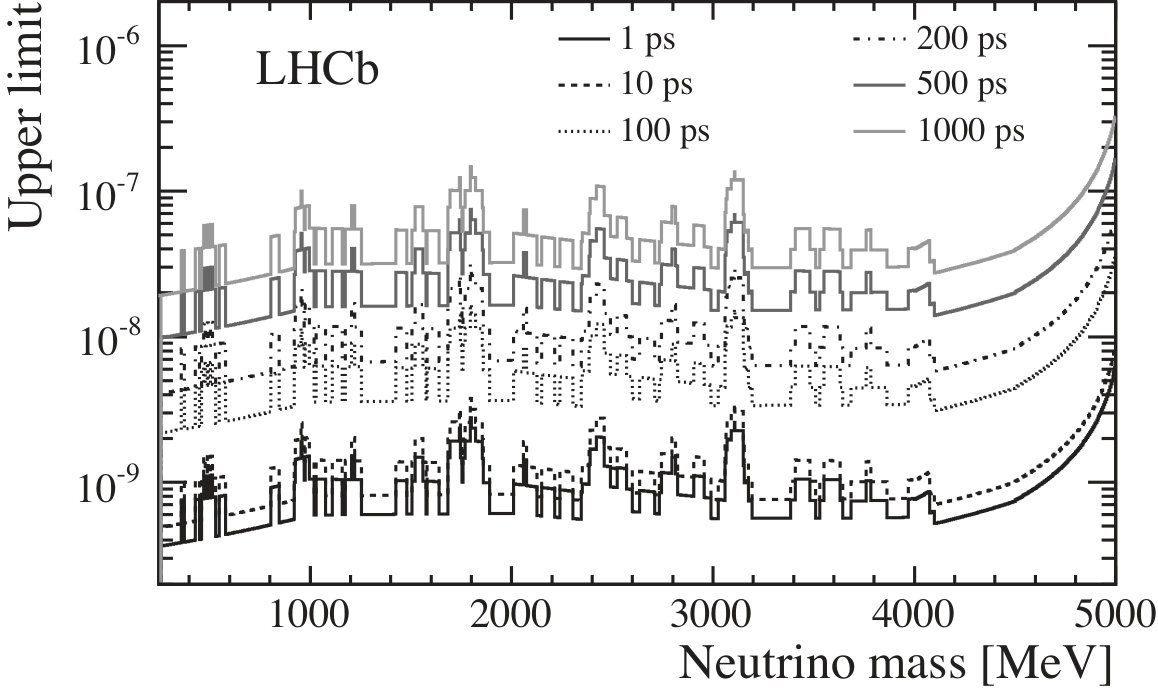 Figure 16
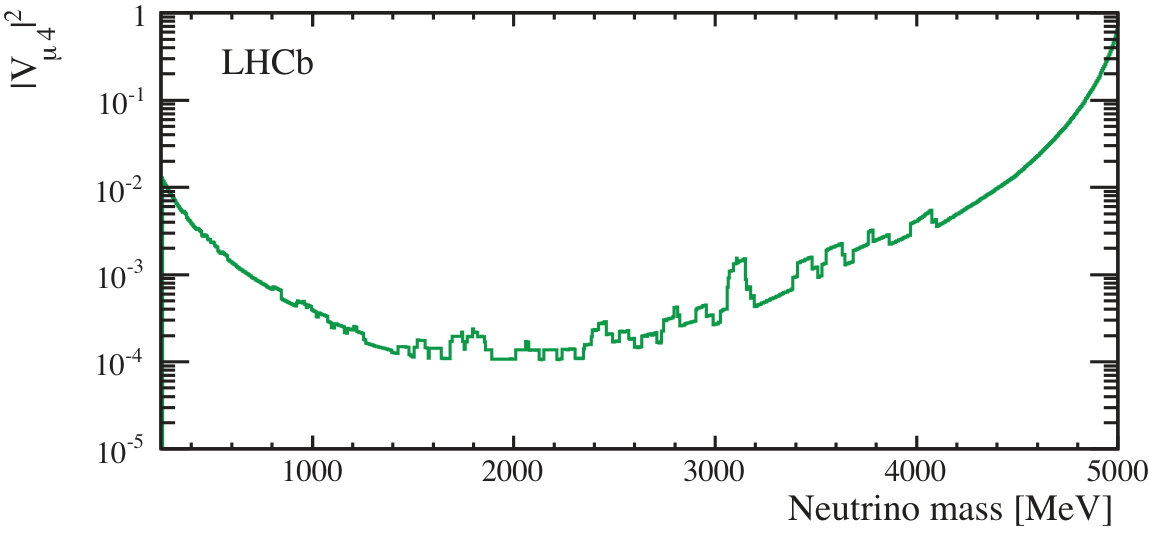 Figure 17
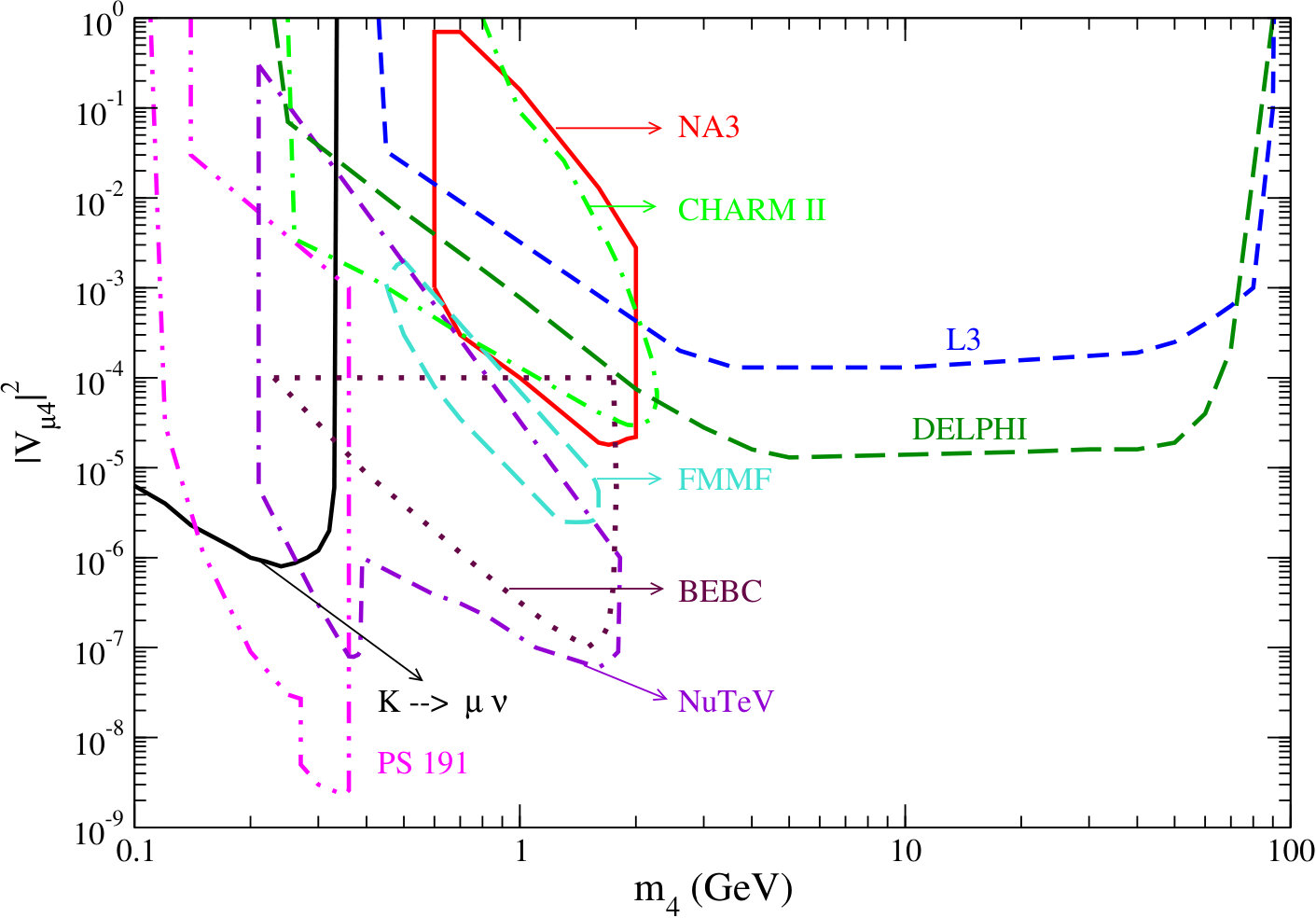 Figure 18
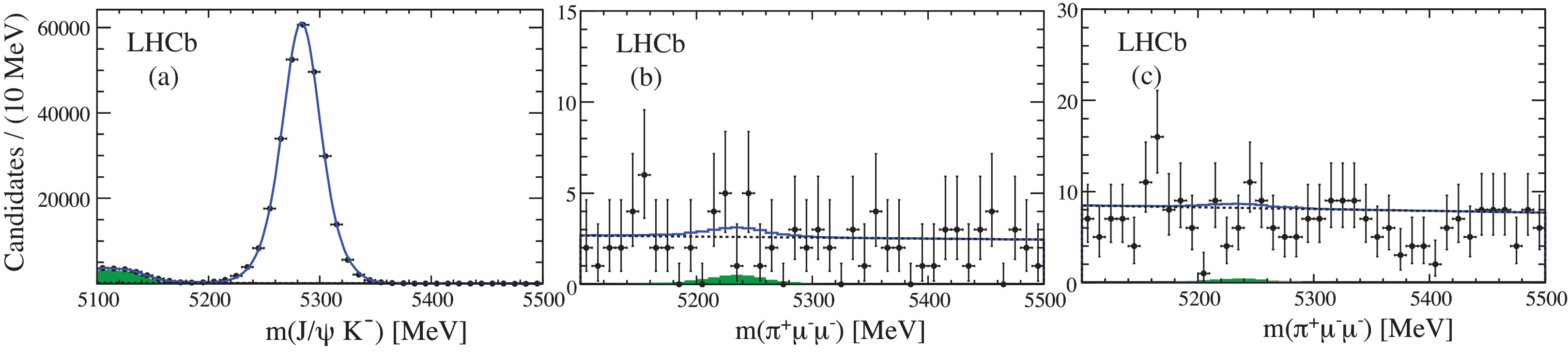 Figure 19
 Figure 20
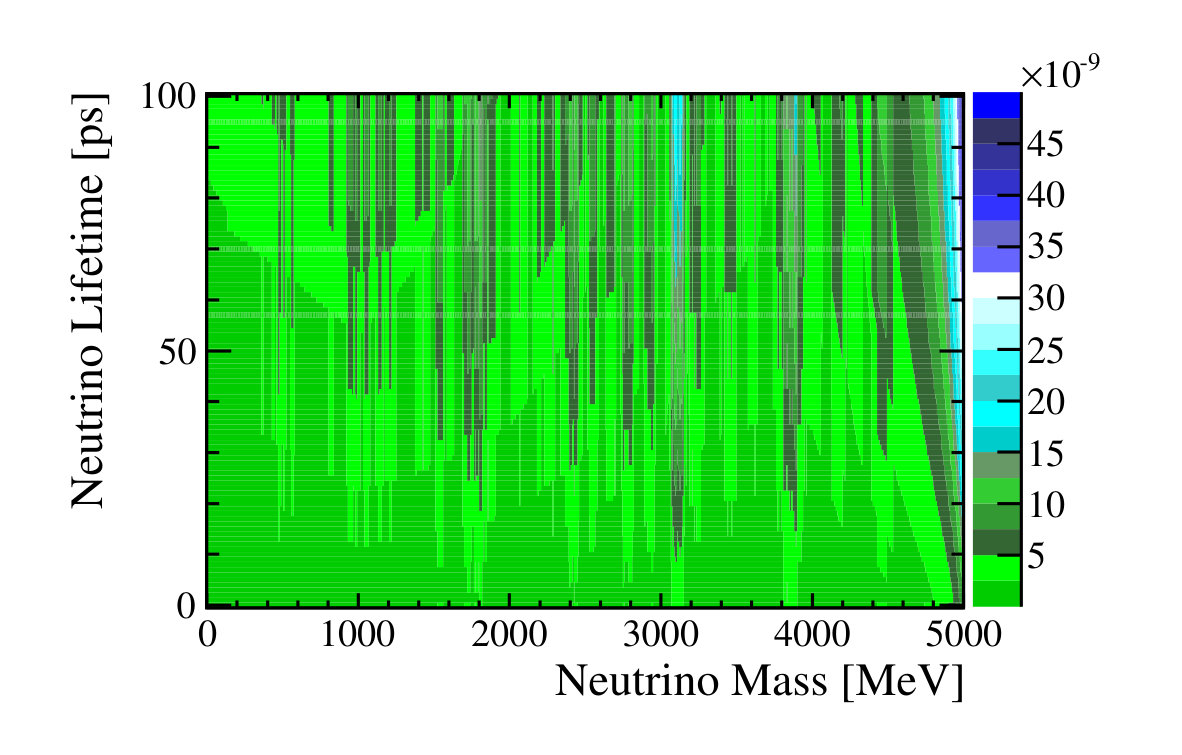 Figure 21
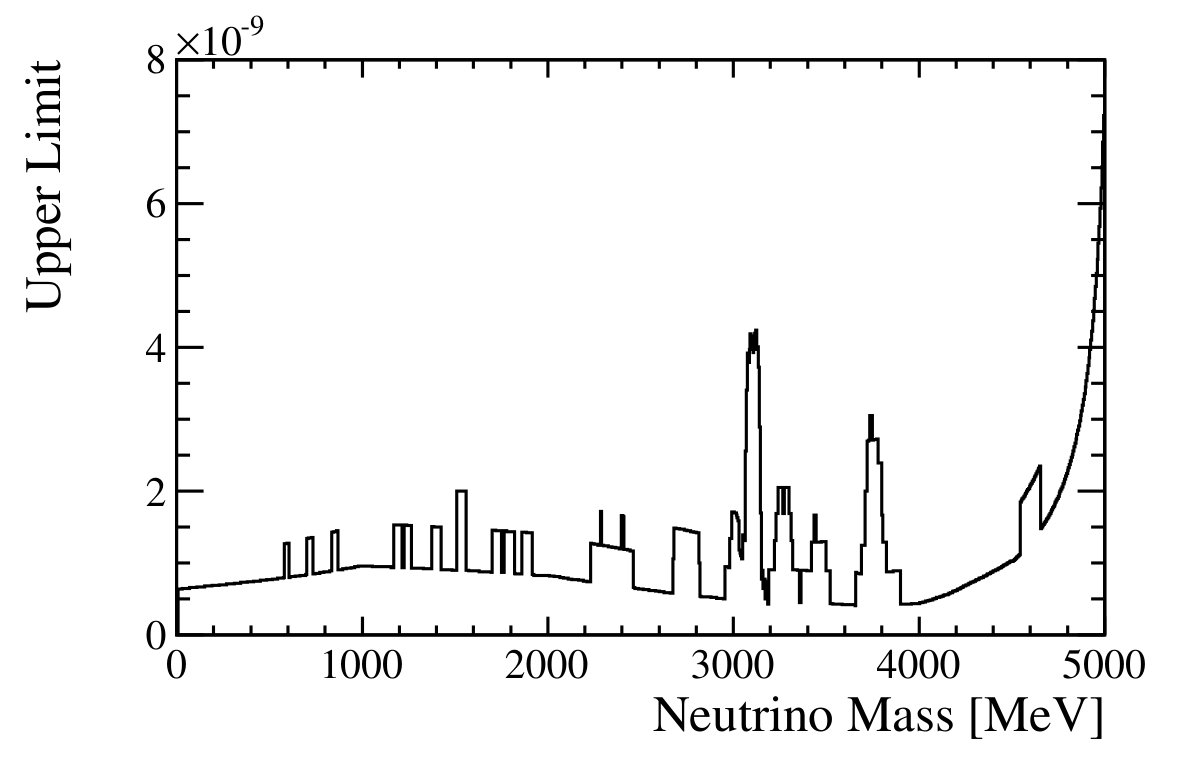 Figure 22
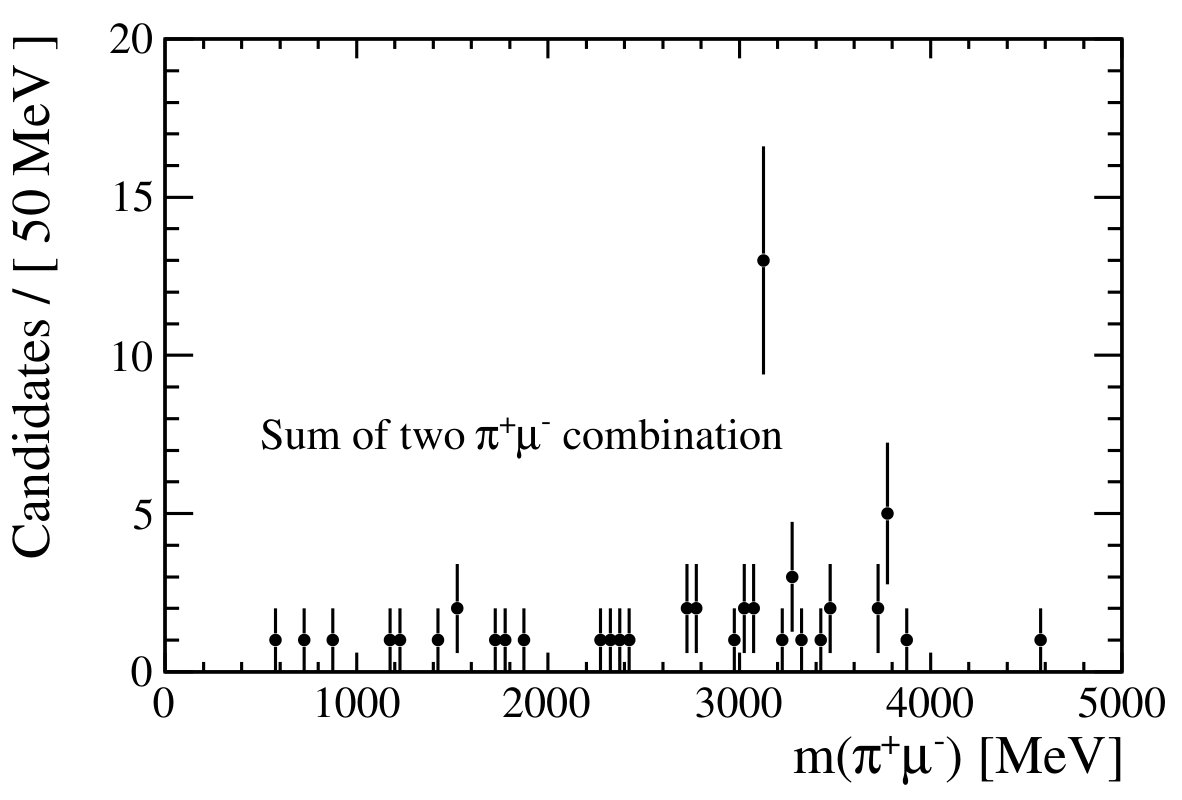 Figure 23
 Figure 24
 Figure 25
Peer Reviews
No public reviews on file for this paper yet. If you reviewed it on a platform where reviews are public (OpenReview, ICLR, NeurIPS, ICML), you can paste yours below so the community can read it here.
Videos
No videos yet. Explain this paper in a talk, walkthrough, or lecture? Add one.
Taxonomy
TopicsDark Matter and Cosmic Phenomena · Particle physics theoretical and experimental studies · High-Energy Particle Collisions Research
[TABLE]
Searches for Light Exotics at LHCb
Federico Leo Redi†††Imperial College London., on behalf of the LHCb Collaboration.
Abstract
We report on the latest direct searches for light exotics at LHCb, conducted during Run I of LHC. This proceedings are divided into two sections, the first part will cover the search for the lepton number violating decay while the second part will cover the search for a low mass dark boson in the decay , with and . The data used in these searches correspond to integrated luminosities of 1.0 and collected in collisions at centre of mass energies of and 8 TeV in collisions with the LHCb detector.
1 Introduction
The LHCb detector is one of the four main detectors that operate at the Large Hadron Collider (LHC) at CERN. The LHCb detector consists of a single-arm forward spectrometer operating in the region of pseudorapidity, . The detector was originally designed to study the production and decay of hadrons containing and quarks and indirectly probing the strength of the Standard Model (SM). The LHCb detector is now playing a fundamental role also in other areas of research, such as direct searches of rare SM decays and exotica. Exotica searches at LHCb primarily consist in Higgs physics and direct searches for beyond the SM particles. Many theoretical models predict the existence of new particles: their existence can be detected either directly through the production of on-shell particles or indirectly through virtual contributions in loop processes.
During Run I of the LHC, LHCb recorded data at a centre of mass energy (for 2010 and 2011) and (for 2012) corresponding to an integrated luminosity of 1.0 and respectively.
The SM is an incomplete theory. Not only the SM is in conflict with the observations of non-zero neutrino masses, the excess of matter over antimatter in the Universe, and the presence of non-baryonic dark matter but it also presents a number of fine-tuning problems (such as the hierarchy and strong CP problems). Beyond the SM (BSM) physics has been searched for at the LHC without success so far. Nevertheless LHCb is an ideal experiment to probe unique regions BSM phase space thanks to the detector unique particle identification capabilities, precise secondary vertex reconstruction and accurate measurements of lifetime, momentum and invariant mass. Throughout this document charge conjugation is implied unless explicitly stated otherwise and .
2 Search for Majorana Neutrinos in Decays at LHCb
The nature of neutrinos in the SM has not been defined yet: neutrinos could either be Dirac fermions or their own antiparticle. In the latter case they are called “Majorana” particles [1]. Some of the most economical theories that can account simultaneously for neutrino masses and oscillations, baryogenesis, and dark matter, extend the SM by requiring the existance of a fourth neutrino generation. Since a fourth neutrino generation can couple with SM particles there exist many ways of searching for such particles, one of them being the neutrino-less double decay. The approach followed by LHCb is different and complementary, which performs a direct search in heavy flavour decays, similar to what has been done in the past [2, 3, 4, 5].
The LHCb experiment has performed many studies for Majorana Neutrino produced in decays, probing a wide range of masses and lifetimes; these searches were performed for the lepton flavour violating decays , where is a hadron. These types of decays are prohibited by the SM but can happen thanks to production of on-shell Majorana neutrinos. The LHCb collaboration published three papers using different final states and different data sets:
- •
or , with 36 pb*-1* (7 TeV) [6].
- •
, , and , with 410 pb*-1* (7 TeV) [7].
- •
, with 3.0 fb*-1* (7 TeV + 8 TeV) [8].
This proceedings will concentrate on the latter paper, being the most recent of the three.
A Feynman diagram for the lepton number and flavour violating decay is shown in Fig. 1. This decay is prohibited by the SM but can happen thanks to production of on-shell Majorana neutrinos, it has been chosen as it is one of the most sensitive way to look for Majorana neutrinos in decays [8]. This decay, which has been theoretically modelled in Ref. [9], is sensitive to contributions from both on- and off-shell Majorana neutrino. More specifically if the mass of the Majorana neutrino, , is smaller than then it can be produced on-shell with a finite lifetime in the detector. If, on the other hand, is larger then it can still contribute to the decay as a virtual particle.
The selection is designed to maximise the efficiency squared divided by the background yield. This allows for decay products to be detached from the decay vertex, therefore can span from few picoseconds up to . Because for lifetimes , the vertex can be significantly detached from the decay vertex two different strategies are used: one for short () and another for up to 1000 ps ().
In order to reduce the systematic uncertainty and to convert the yield into a branching fraction, the normalisation channel (with ) was chosen. For the category and the normalisation channel the candidate combinations must, when reconstructed, form a common vertex. For the category the pair can be significantly displaced from the vertex. A candidate decay vertex is searched for by tracing back a neutrino candidate to another in the event, which must form a vertex.
Figure 2 shows the mass spectra for the selected candidates. No signal is observed in both the and samples.
In order to set upper limits the Confidence Level method is used [10]. The signal region is defined as the mass interval within of the mass where is the mass resolution. Because no evidence for a signal is found, upper limits are set by scanning across the window. The efficiency is highest for of a few ps, then it decreases rapidly until when it levels off until . After this value, the efficiency decreases to because most of the decays happen outside of the vertex detector. The multi-dimensional plot of the upper limit on is shown in Fig. 3.
A model dependent upper limit on the coupling of a single fourth-generation Majorana neutrino to muons, , for each value of , is calculated using an expansion of the formula used by Ref. [9]. The resulting 95% C.L. limit on is extracted as a function of and is shown in Fig. 4.
3 A Search for the Decay of a Hidden Sector Particle in at LHCb
In particle physics, the term hidden-sector refers to the set of predicted particles that do not interact via the gauge boson forces of the SM. Interest in hidden-sector SM extensions has increased [11] due to the lack of any new TeV scale particles and missing evidence for a dark matter candidate that could solve the open questions in high energy physics [12, 13, 14, 15, 16, 17, 18]. As for the Majorana neutrino, coupling between the SM and hidden-sector particles may arise via mixing between the hidden-sector field and any SM field with an associated particle that is not charged under the electromagnetic or strong interaction. This mixing could provide a portal through which a hidden-sector particle, , may be produced when kinematically allowed. This proceedings will concentrate on the search performed by LHCb for a hidden-sector boson produced in the decay , with and (throughout this proceedings, ) [19].
As shown in Fig. 5, the transition is mediated by a top quark loop at leading order. For this reason, boson with a sizeable top quark coupling, e.g. obtained via mixing with the Higgs sector, could be produced at a substantial rate in such decays. The dataset used for this analysis is the same used for the Majorana neutrino search reported in the previous chapter.
The search is conducted, as outlined in Ref. [20], by scanning the distribution for an excess of signal candidates over the expected background. The decay vertex is permitted, but not required, to be displaced from the decay vertex. Two regions of reconstructed dimuon lifetime, , are defined for each considered in the search: a prompt region and a displaced region. Narrow resonances are vetoed by excluding the regions near the , , , and resonances. These regions are removed in both the prompt and displaced samples to avoid contamination from unassociated dimuon and resonances.
The branching fraction product is measured relative to , where the normalisation sample is taken from the prompt region. Figure 6 shows the control channel mass distribution for all prompt candidates that satisfy the full selection. An extended unbinned likelihood fit is performed on the control channel to the mass spectrum.
The distributions in both the prompt and displaced regions for candidates with an invariant mass that lies in a window of around the known mass are shown in Fig. 7. The -value of the no-signal hypothesis is 80%, showing no evidence for a hidden-sector boson. Because no signal events are found, Fig. 8 shows the upper limits on , relative to , set at the 95% C.L. for different values of . As the Figure shows, the limits become less stringent for , as the probability of the dark boson decaying within the vertex locator decreases. The branching fraction [21] is used to obtain upper limits on , which are also shown in Fig. 8.
4 Conclusions
In these proceedings we have provided two examples of direct searches for light exotics in the LHCb detector. This shows how LHCb can make contributions in the intensity frontier searches for BSM physics, where light particles are rarely coupling to the SM filed. As an example, Fig. 9 shows the existing experimental limits for the mixing parameter as a function of the Majorana neutrino candidate mass. It is striking that DELPHI was the last experiment to set a limit in the region of phase space above the charm quark mass. This means that LHCb is one of the few experiments, up to date, able to further constrain the phase space for this parameter.
The reference list from the paper itself. Each links out to its DOI / PubMed record.
- 1[1] E. Majorana, Teoria simmetrica dell ′ ′ \,{}^{\prime}\! elettrone e del positrone , Nuovo Cim. 14 (1937) 171
- 2[2] LH Cb collaboration, R. Aaij et al. , Searches for Majorana neutrinos in B − superscript 𝐵 B^{-} decays , Phys. Rev. D 85 (2012) 112004 , ar Xiv:1201.5600 · doi ↗
- 3[3] LH Cb collaboration, R. Aaij et al. , Search for the lepton number violating decays B + → π − μ + μ + → superscript 𝐵 superscript 𝜋 superscript 𝜇 superscript 𝜇 B^{+}\rightarrow\pi^{-}\mu^{+}\mu^{+} and B + → K − μ + μ + → superscript 𝐵 superscript 𝐾 superscript 𝜇 superscript 𝜇 B^{+}\rightarrow K^{-}\mu^{+}\mu^{+} , Phys. Rev. Lett. 108 (2012) 101601 , ar Xiv:1110.0730 · doi ↗
- 4[4] Ba Bar collaboration, J. P. Lees et al. , Search for lepton-number violating B + → X − ℓ + ℓ + → superscript 𝐵 superscript 𝑋 superscript ℓ superscript ℓ B^{+}\rightarrow X^{-}\ell^{+}\ell^{+} decays , ar Xiv:1310.8238
- 5[5] BELLE collaboration, O. Seon et al. , Search for lepton-number-violating B + → D − ℓ + ℓ + ′ B^{+}\rightarrow D^{-}\ell^{+}\ell^{{}^{\prime}+} decays , Phys. Rev. D 84 (2011) 071106 , ar Xiv:1107.0642 · doi ↗
- 6[6] LH Cb collaboration, R. Aaij et al. , Search for lepton number violating decays B + → π − μ + μ + → superscript 𝐵 superscript 𝜋 superscript 𝜇 superscript 𝜇 B^{+}\rightarrow\pi^{-}\mu^{+}\mu^{+} and B + → K − μ + μ + → superscript 𝐵 superscript 𝐾 superscript 𝜇 superscript 𝜇 B^{+}\rightarrow K^{-}\mu^{+}\mu^{+} , Phys. Rev. Lett. 108 (2012) 101601 , ar Xiv:1110.0730 · doi ↗
- 7[7] LH Cb collaboration, R. Aaij et al. , Searches for Majorana neutrinos in B − superscript 𝐵 B^{-} decays , Phys. Rev. D 85 (2012) 112004 , ar Xiv:1201.5600 · doi ↗
- 8[8] LH Cb collaboration, R. Aaij et al. , Search for Majorana neutrinos in B − → π + μ − μ − → superscript 𝐵 superscript 𝜋 superscript 𝜇 superscript 𝜇 B^{-}\rightarrow\pi^{+}\mu^{-}\mu^{-} decays , Phys. Rev. Lett. 112 (2014) 131802 , ar Xiv:1401.5361 · doi ↗