Performance of Particle Swarm Optimization on the fully-coherent all-sky search for gravitational waves from compact binary coalescences
Thilina S. Weerathunga, Soumya D. Mohanty

TL;DR
This paper investigates the use of Particle Swarm Optimization to perform fully-coherent all-sky gravitational wave searches more efficiently, reducing computational costs significantly compared to traditional grid-based methods.
Contribution
It demonstrates that PSO can effectively conduct fully-coherent searches with substantially fewer likelihood evaluations, improving computational efficiency in gravitational wave data analysis.
Findings
PSO achieves < 1/10 the likelihood evaluations of grid-based searches.
PSO successfully detects simulated gravitational wave signals.
The method maintains sensitivity comparable to traditional approaches.
Abstract
Fully-coherent all-sky search for gravitational wave (GW) signals from the coalescence of compact object binaries is a computationally expensive task. Approximations, such as semi-coherent coincidence searches, are currently used to circumvent the computational barrier with a concomitant loss in sensitivity. We explore the effectiveness of Particle Swarm Optimization (PSO) in addressing this problem. Our results, using a simulated network of detectors with initial LIGO design sensitivities and a realistic signal strength, show that PSO can successfully deliver a fully-coherent all-sky search with < 1/10 the number of likelihood evaluations needed for a grid-based search.
Click any figure to enlarge with its caption.
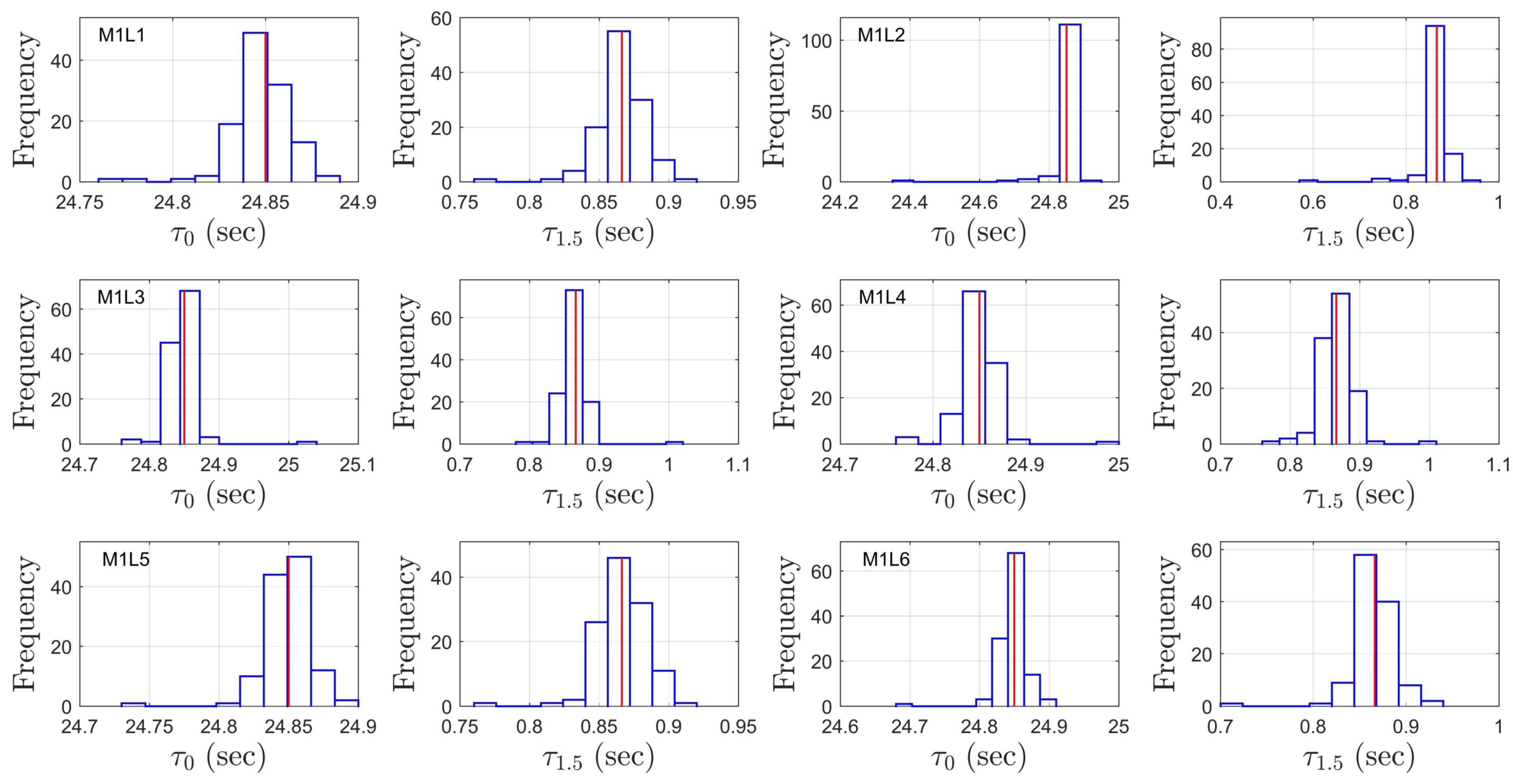 Figure 1
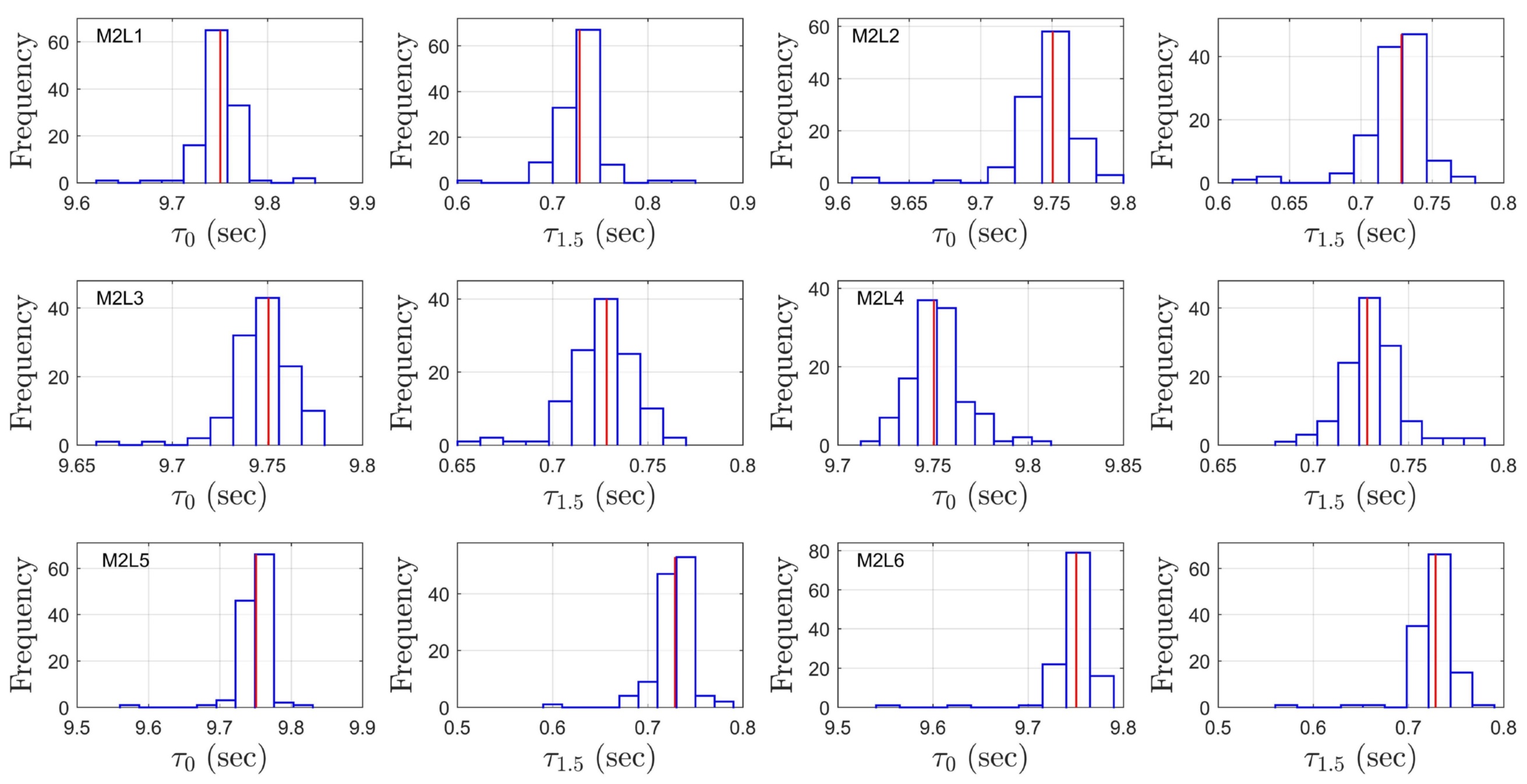 Figure 2
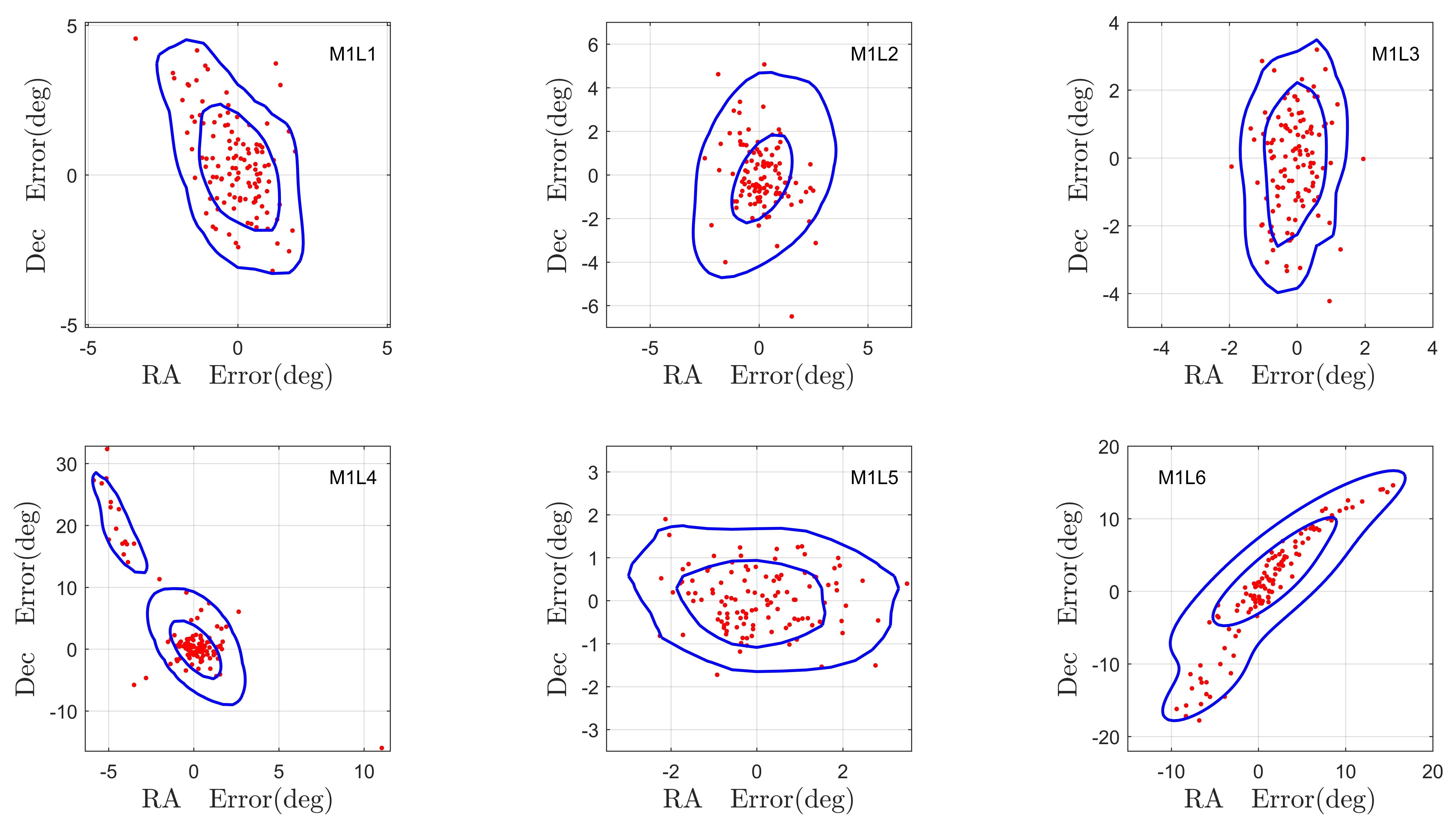 Figure 3
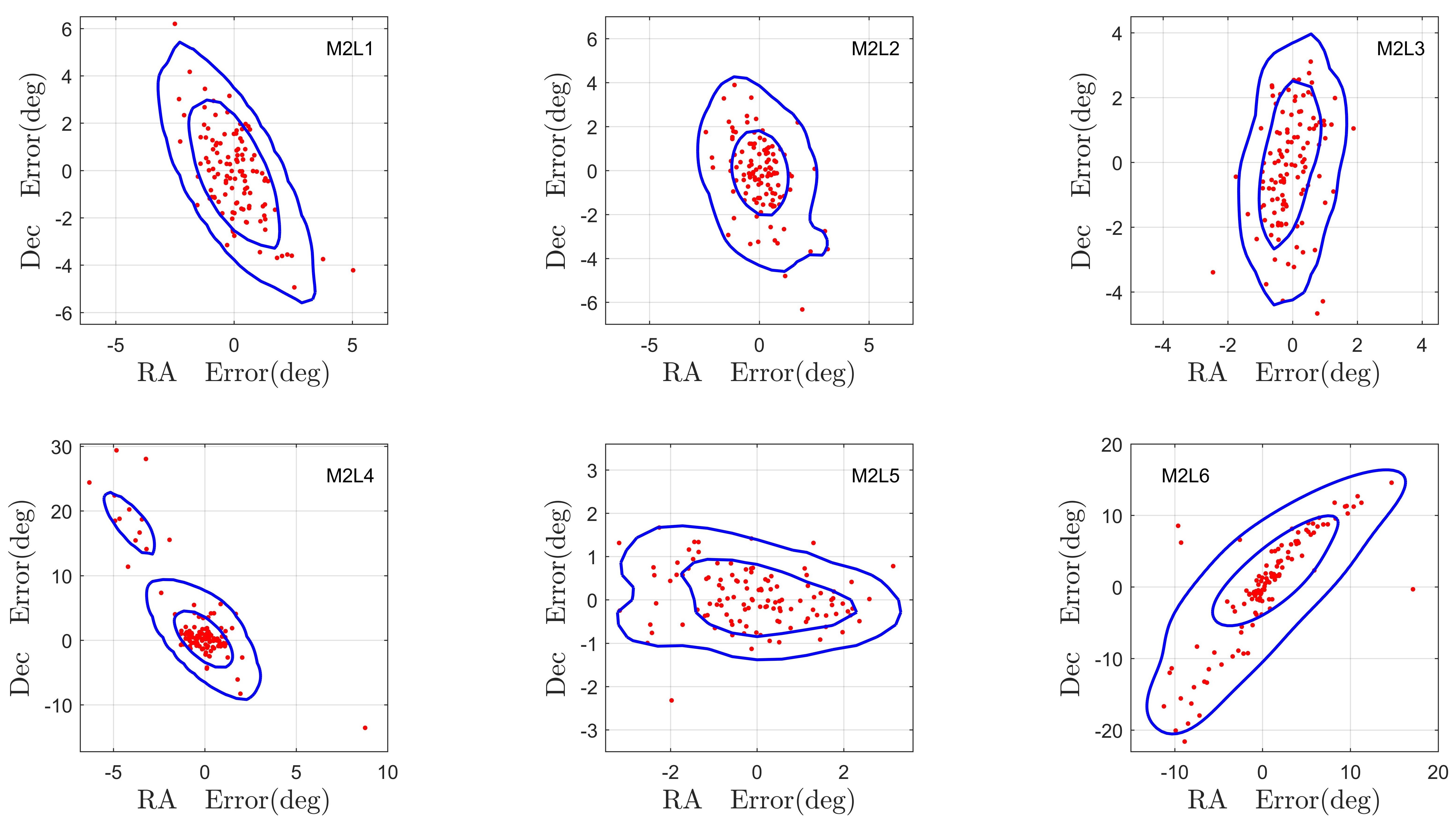 Figure 4
 Figure 5
 Figure 6
 Figure 7
 Figure 8
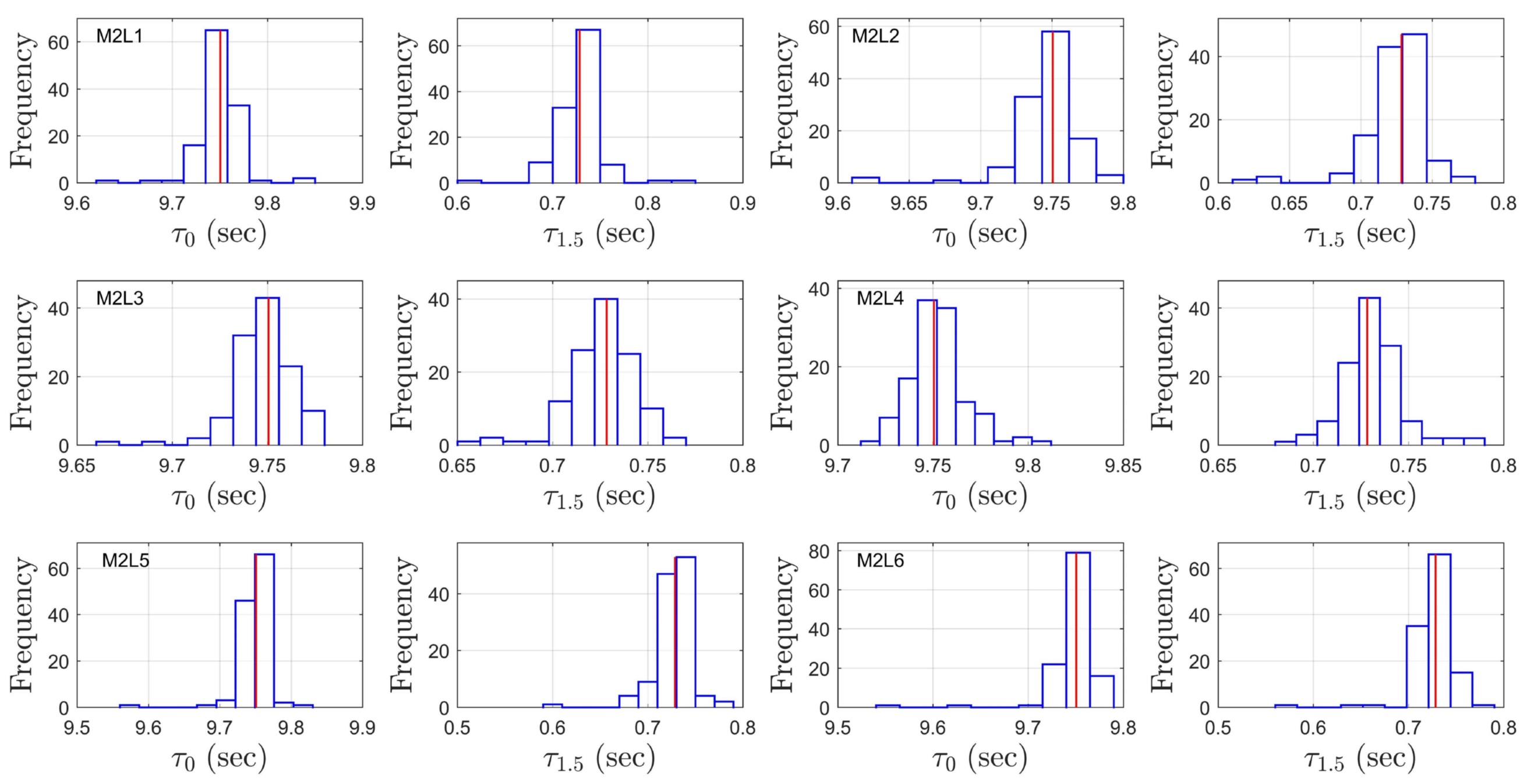 Figure 9
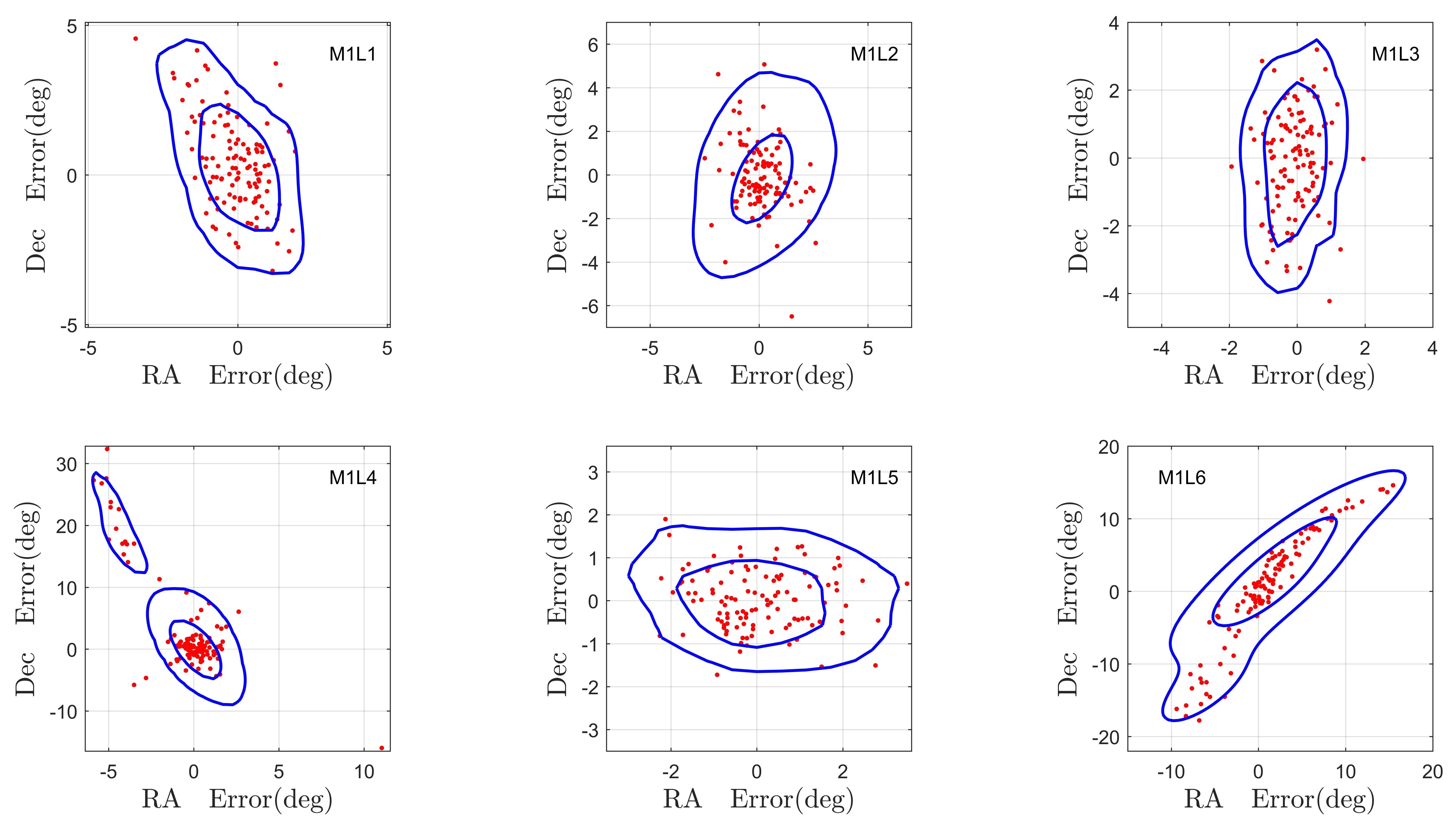 Figure 10
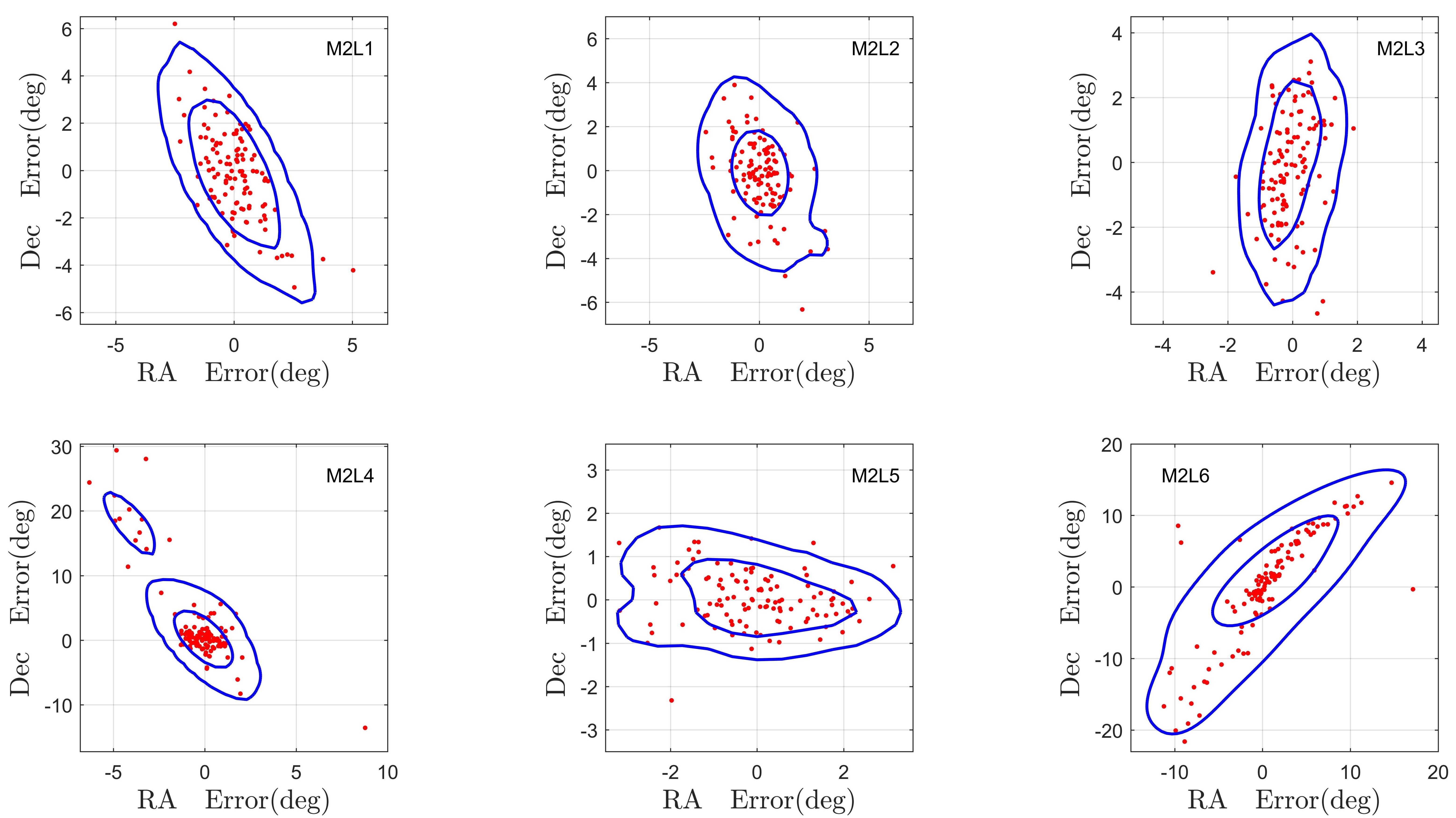 Figure 11
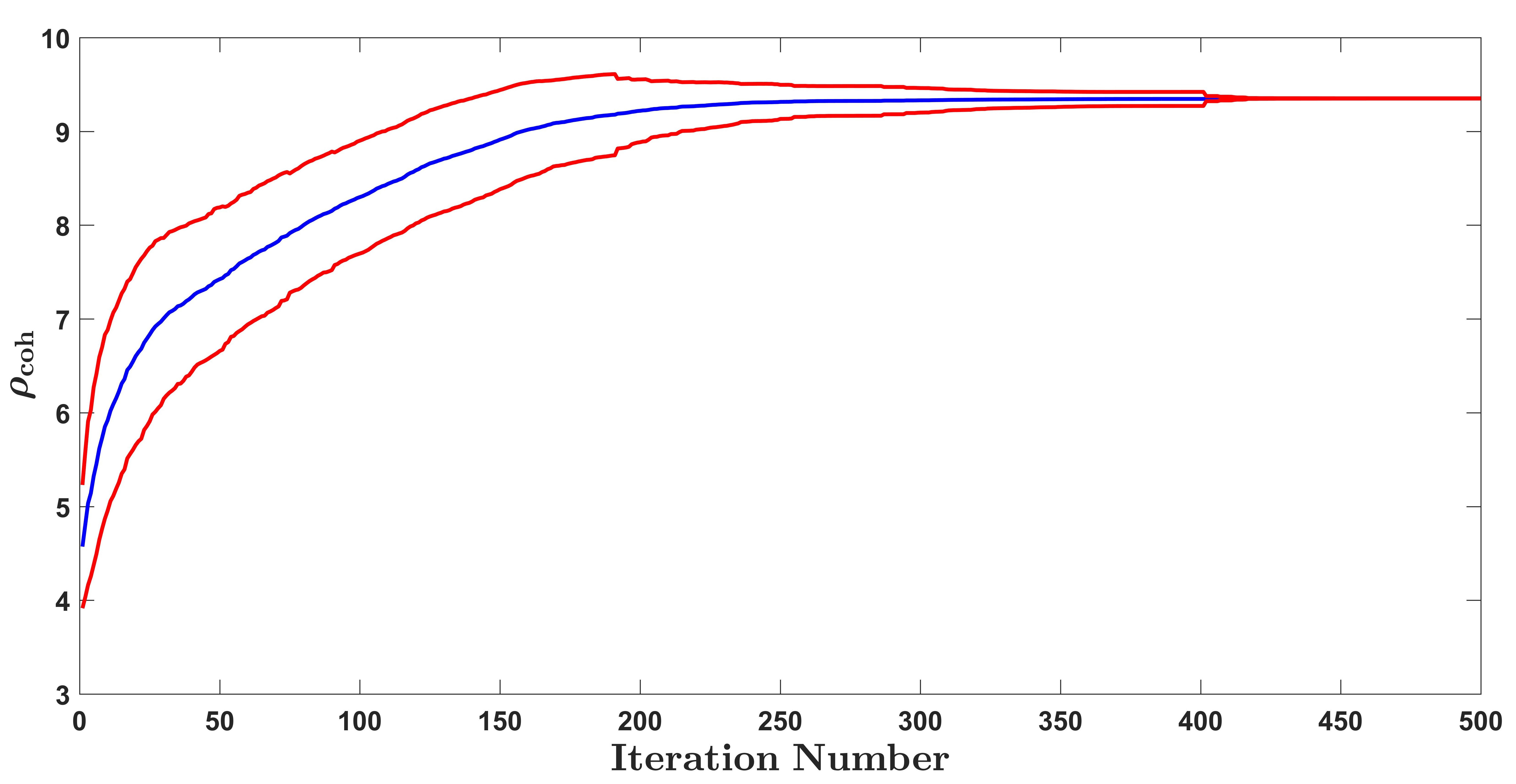 Figure 12
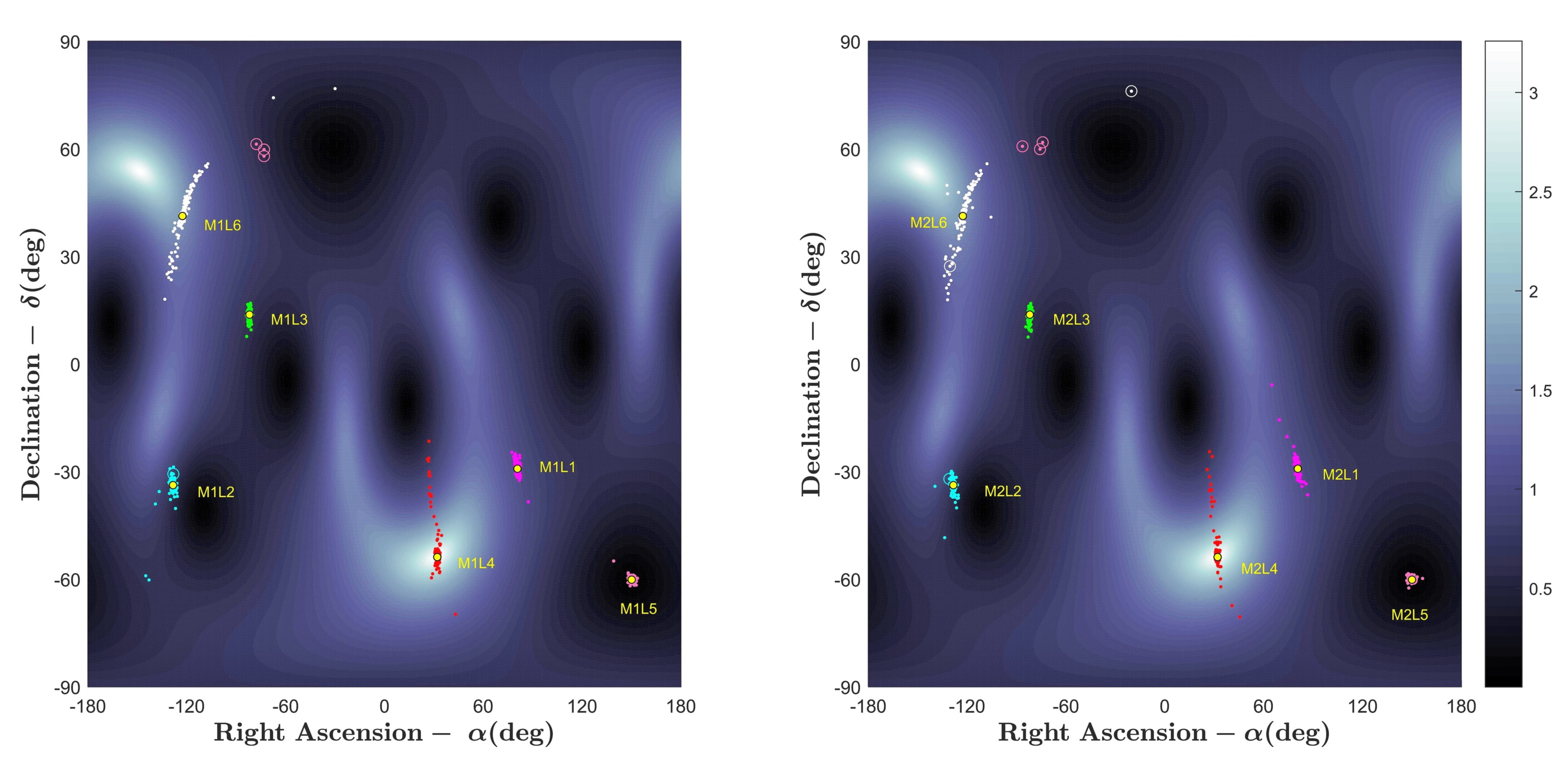 Figure 13
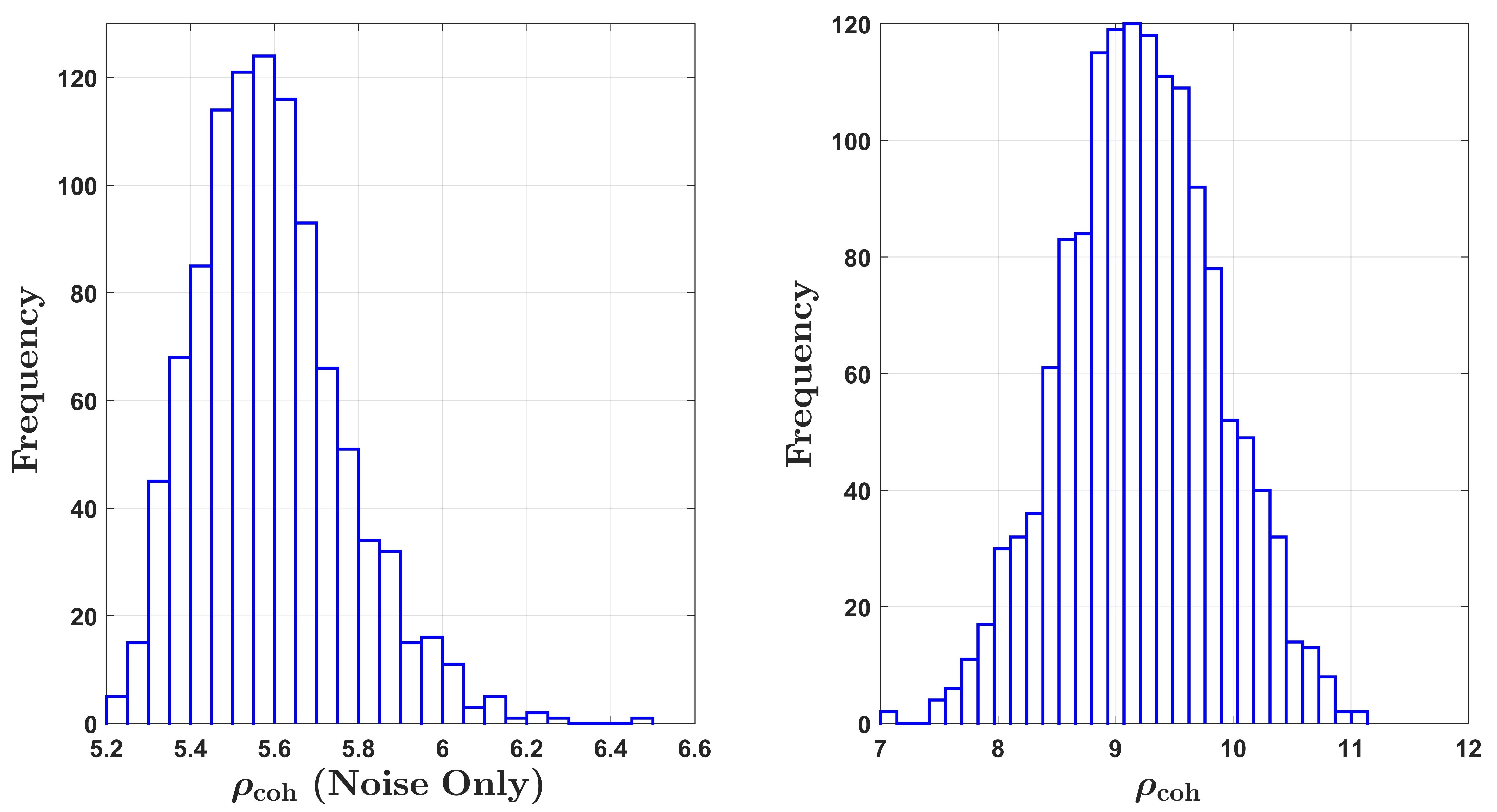 Figure 14
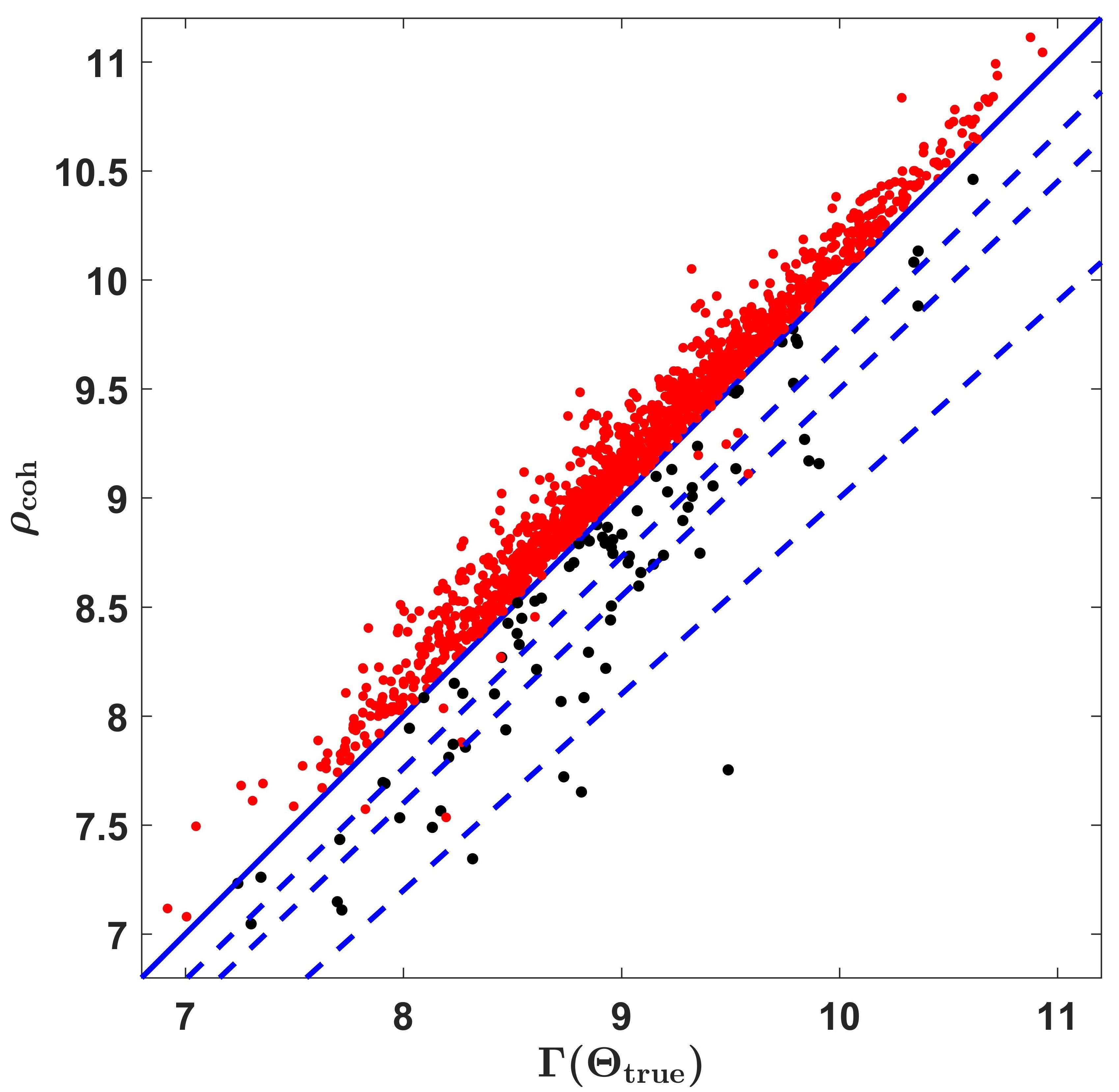 Figure 15
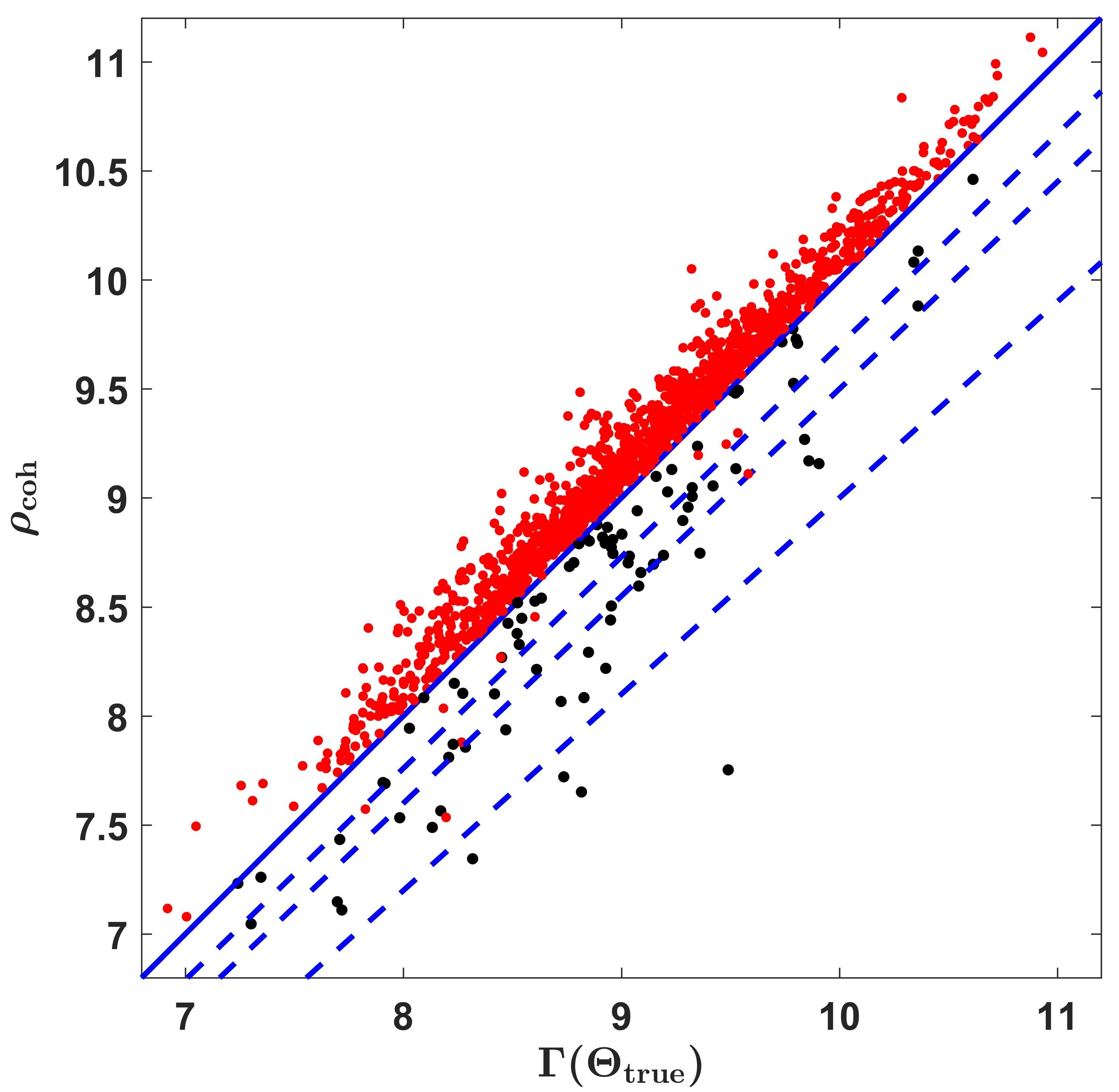 Figure 16
Peer Reviews
No public reviews on file for this paper yet. If you reviewed it on a platform where reviews are public (OpenReview, ICLR, NeurIPS, ICML), you can paste yours below so the community can read it here.
Videos
No videos yet. Explain this paper in a talk, walkthrough, or lecture? Add one.