Quantum information measures and their applications in quantum field theory
David Blanco

TL;DR
This paper explores how quantum information measures like entanglement and relative entropy can be applied to analyze various phenomena in quantum field theory, including the Aharonov-Bohm effect and holographic entanglement.
Contribution
It demonstrates novel applications of quantum information tools to quantum field theory, including new insights into energy inequalities and the validation of the Ryu-Takayanagi formula.
Findings
Entanglement entropy used to study the Aharonov-Bohm effect in QFT.
Relative entropy employed to test the Ryu-Takayanagi formula in holography.
Quantum energy inequalities derived from relative entropy constrain negative energy densities.
Abstract
In the last decades, it has been understood that a wide variety of phenomena in quantum field theory (QFT) can be characterised using quantum information measures, such as the entanglement entropy of a state and the relative entropy between quantum states in the same Hilbert space. In this thesis, we use these and other tools from quantum information theory to study several interesting problems in quantum field theory. The topics analysed range from the study of the Aharonov-Bohm effect in QFT using entanglement entropy, to the consistence of the Ryu-Takayanagi formula (proposed in the context of the AdS/CFT duality) using properties of relative entropy. We show that relative entropy can also be used to obtain new interesting quantum energy inequalities, that constrain the spatial distribution of negative energy density.
Click any figure to enlarge with its caption.
 Figure 1
 Figure 2
 Figure 3
 Figure 4
 Figure 5
 Figure 6
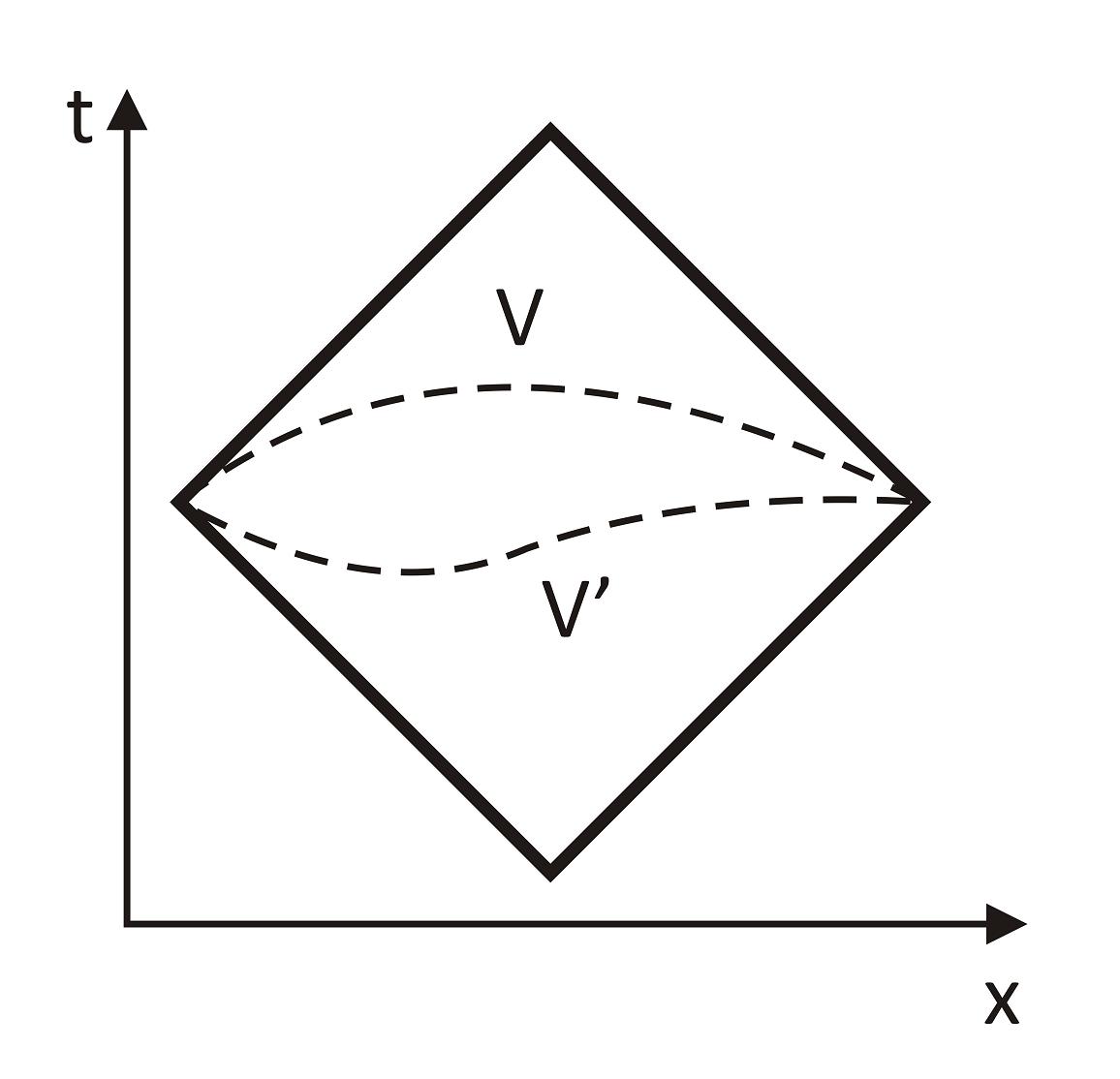 Figure 7
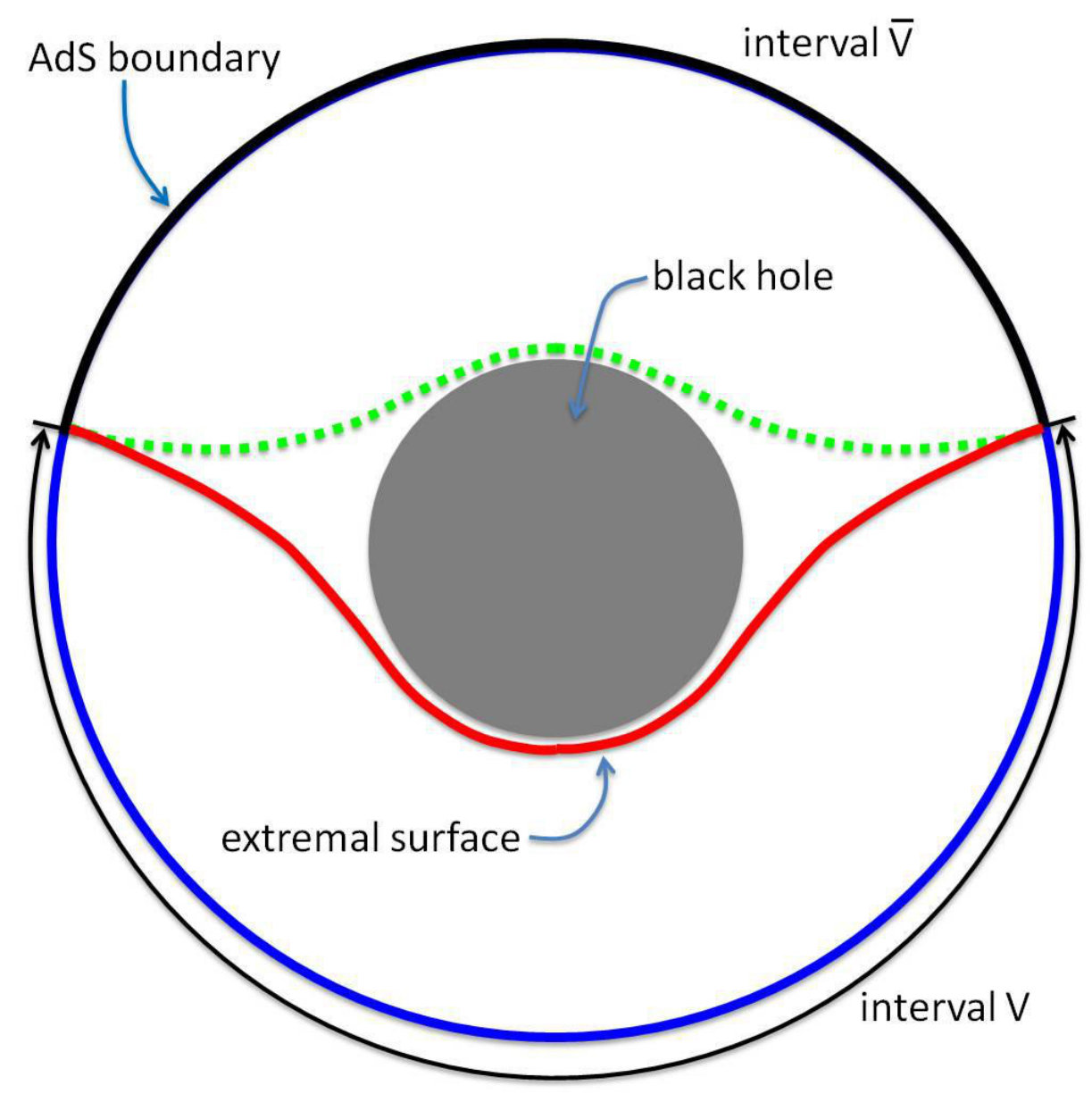 Figure 8
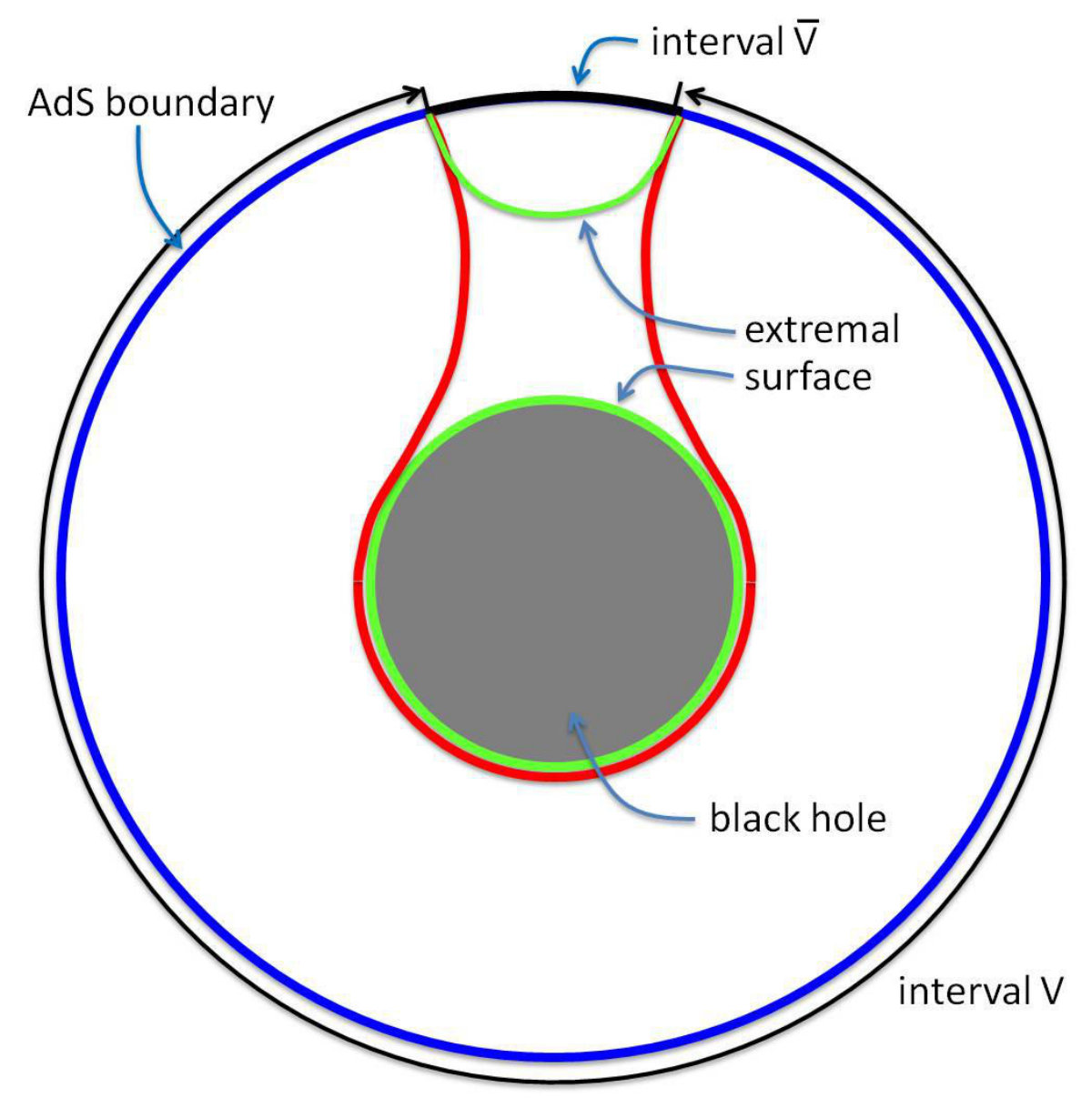 Figure 9
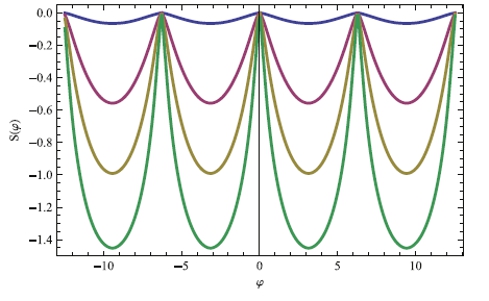 Figure 10
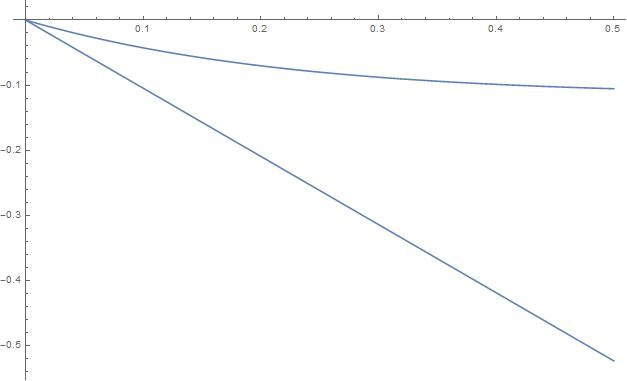 Figure 11
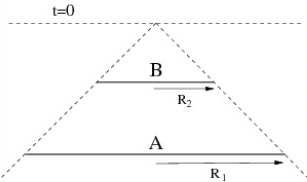 Figure 12
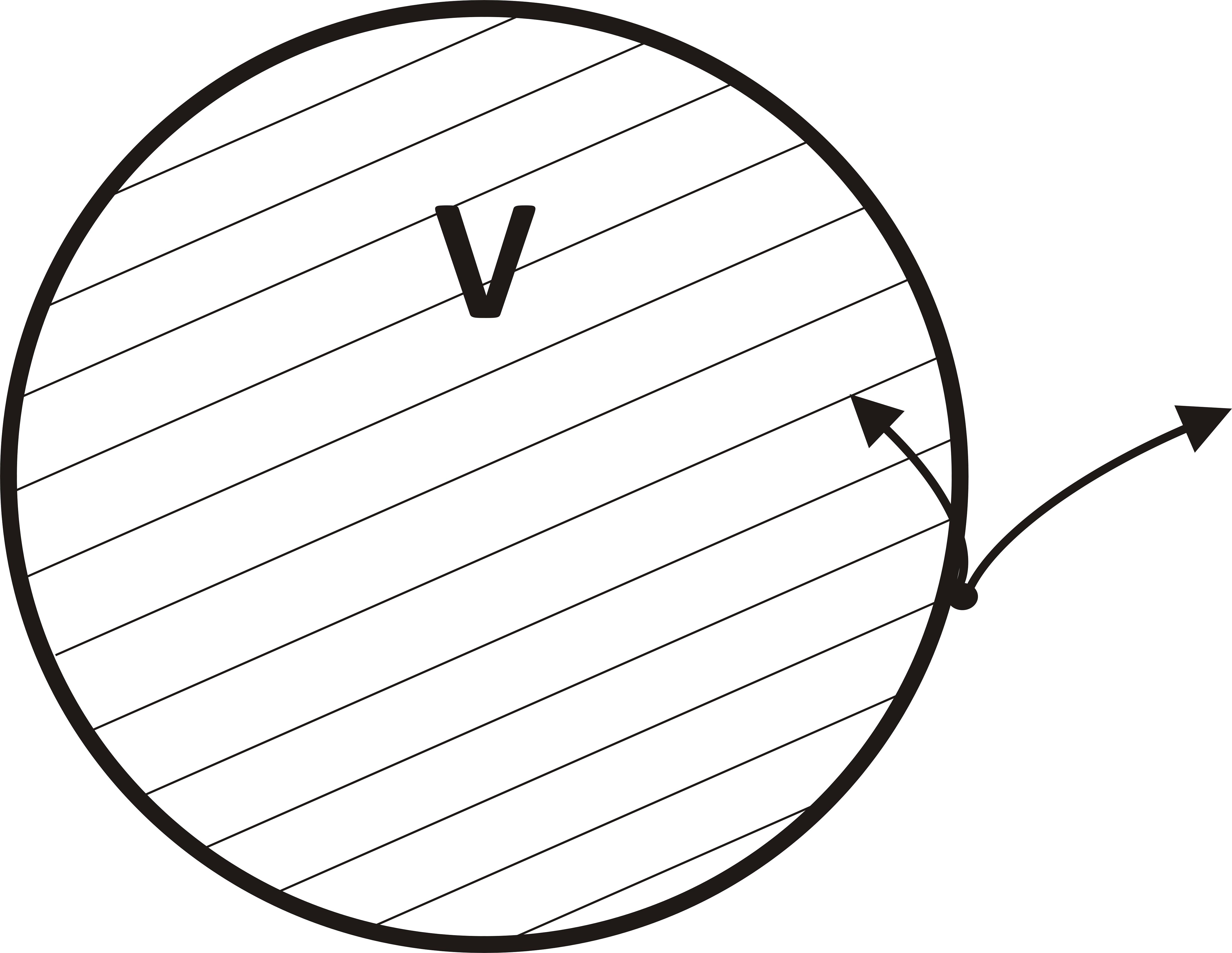 Figure 13
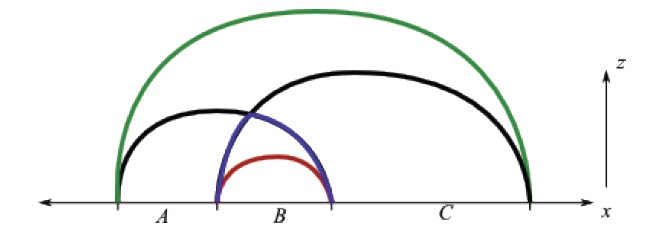 Figure 14
 Figure 15
 Figure 16
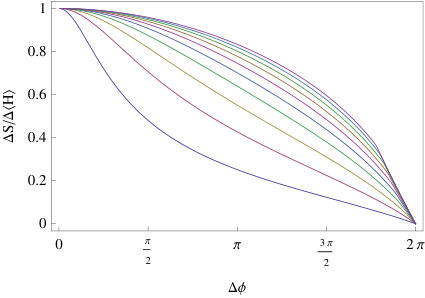 Figure 17
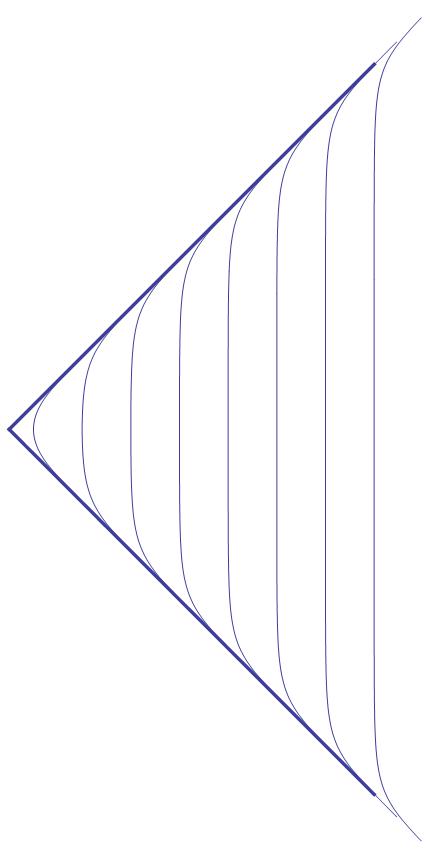 Figure 18
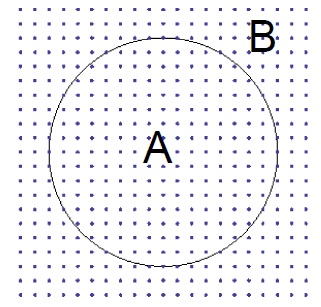 Figure 19
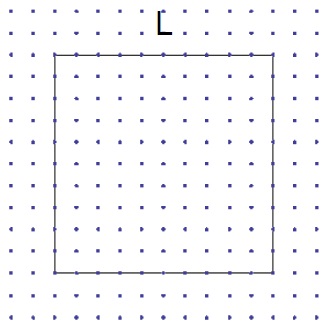 Figure 20
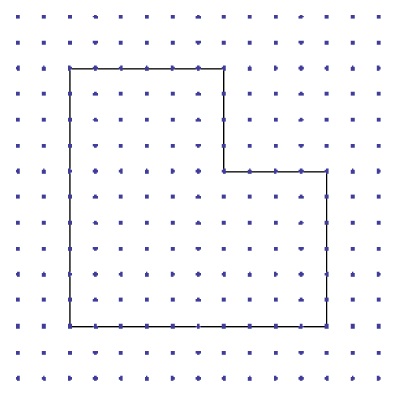 Figure 21
 Figure 22
 Figure 23
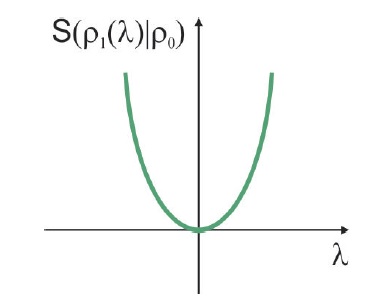 Figure 24
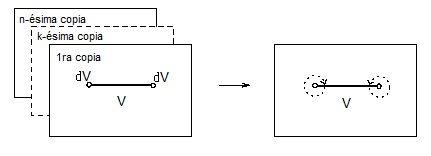 Figure 25
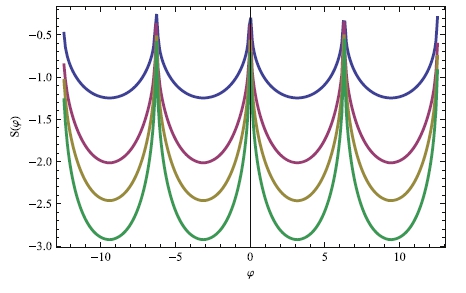 Figure 26
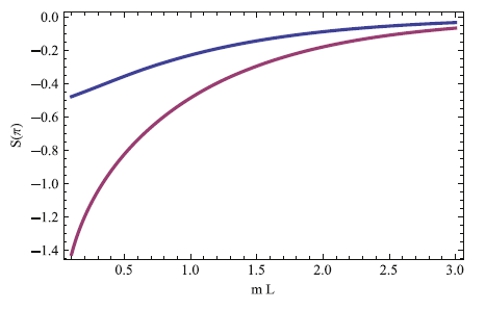 Figure 27
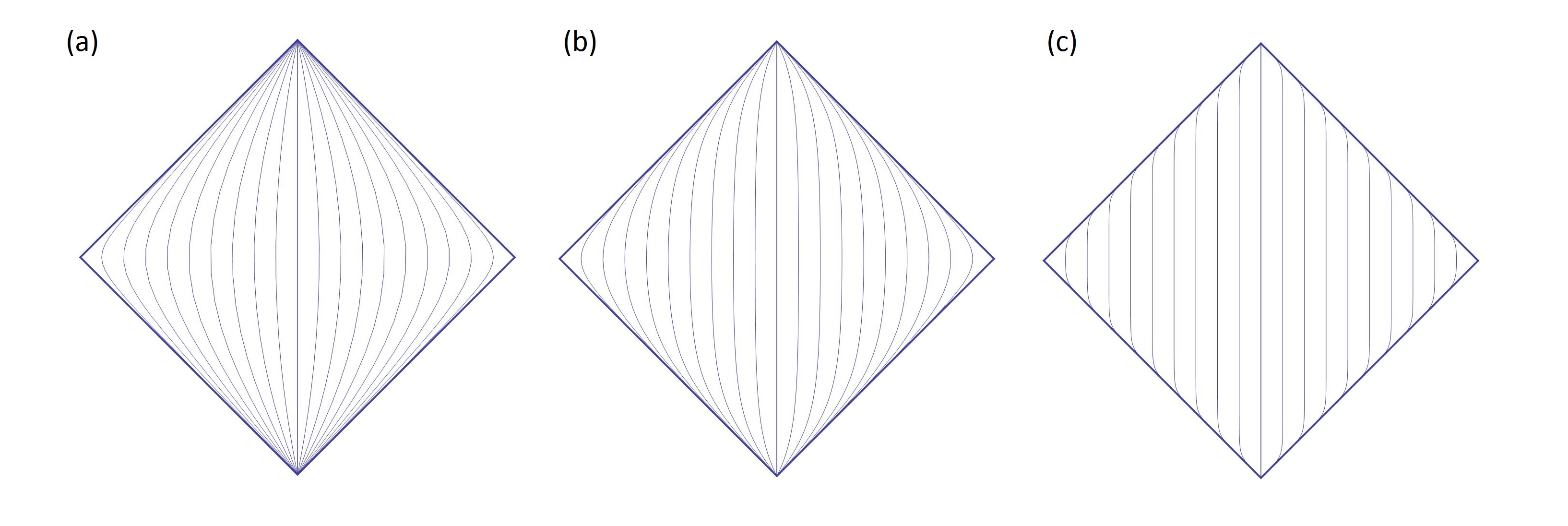 Figure 28
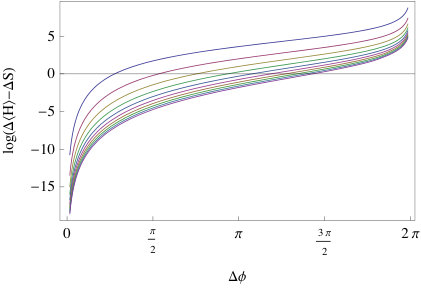 Figure 29
 Figure 30
 Figure 31
 Figure 32
 Figure 33
Peer Reviews
No public reviews on file for this paper yet. If you reviewed it on a platform where reviews are public (OpenReview, ICLR, NeurIPS, ICML), you can paste yours below so the community can read it here.
Videos
No videos yet. Explain this paper in a talk, walkthrough, or lecture? Add one.
Taxonomy
TopicsQuantum many-body systems · Black Holes and Theoretical Physics · Advanced Thermodynamics and Statistical Mechanics
\TPGrid
[0.1mm,0.1mm]1928
\encabezado
Thesis Submitted to UNCuyo
for the Ph.D. Degree in Physics
\rolAutor
Author
\directorIzq
Dr. Horacio Casini \rolIzqSupervisor
\location
San Carlos de Bariloche
Quantum information measures and their applications in quantum field theory
David D. Blanco
(January 2016)
Abstract
In the last decades, it has been understood that a wide variety of phenomena in quantum field theory (QFT) can be characterised using quantum information measures, such as the entanglement entropy of a state and the relative entropy between quantum states in the same Hilbert space. In this thesis, we use these and other tools from quantum information theory to study several interesting problems in quantum field theory. These topics range from the Aharonov-Bohm effect in QFT to the consistence of the Ryu-Takayanagi formula (proposed in the context of the AdS/CFT duality) with some properties of relative entropy. We also have derived new interesting quantum energy inequalities using properties of relative entropy, that constrain the spatial distribution of negative energy density.
Keywords: entanglement entropy, quantum information, relative entropy, holography, quantum entanglement, holographic entanglement entropy, negative energy, modular hamiltonian.